

Kyoto Travel Guide: Tourist Places & Activities
This city, known for its classical Buddhist temples, as well as gardens, imperial palaces, Shinto shrines, and traditional wooden houses, is also celebrated for its formal traditions such as kaiseki dining and geisha female entertainers.
- Population
- 1.46 millions
- Size
- 830 square km
- Airport
- Kansai at 101 km – Int'l.
- Train Station
- Kyoto Station
- Est. Visit Days
- 3 days
Overview
Kyoto, Japan's former imperial capital, is renowned for its classical Buddhist temples, as well as gardens, imperial palaces, Shinto shrines, and traditional wooden houses. The city is a cultural treasure trove, offering a glimpse into Japan's rich history and heritage. However, Kyoto can be quite crowded, especially during peak tourist seasons, which might detract from the experience. Additionally, the cost of living and tourism in Kyoto is relatively high compared to other cities in Japan. Despite these issues, Kyoto remains a must-visit destination for those interested in traditional Japanese culture and history.
Traffic & Transport
The city's public transportation system is highly efficient and is the recommended way to navigate the area, especially for tourists. The most convenient modes of transport for exploring are buses and trains, which cover the major tourist attractions and are well-connected throughout the city. Visitors can also opt for renting bicycles, which is a popular and enjoyable way to see the sights at a more relaxed pace. Walking is another excellent option, particularly in the central areas, where many of the historic sites are clustered closely together. For those preferring to use taxi services, several reliable companies operate in the city. Additionally, the use of taxi-booking apps like Uber provides a convenient and accessible option for securing a ride, offering both traditional taxi services and private hire options.
History
Formerly the capital of Japan for over a millennium, this city was known as Heian-kyō from 794 to 1868. It was the center of culture and politics during the Heian period, influencing art, literature, and architecture. The city was largely spared from the destruction of World War II, preserving its historic landmarks. It is renowned for its classical Buddhist temples, as well as gardens, imperial palaces, Shinto shrines, and traditional wooden houses. The city is also famous for its festivals, including the Gion Matsuri, which has been held for over a thousand years.
Itinerary Sample
Here's a 3-day itinerary to explore Kyoto, focusing on major attractions and cultural experiences:
– First day: Visit Fushimi Inari Shrine, then explore Kiyomizu-dera and stroll through the historic Higashiyama District.
– Second day: Spend the morning at Kinkaku-ji (Golden Pavilion), followed by Ryoan-ji and Nijo Castle.
– Third day: Explore Arashiyama, visit the Bamboo Grove and Tenryu-Ji Temple, and end with a walk across the Togetsukyo Bridge.
Near Excursion
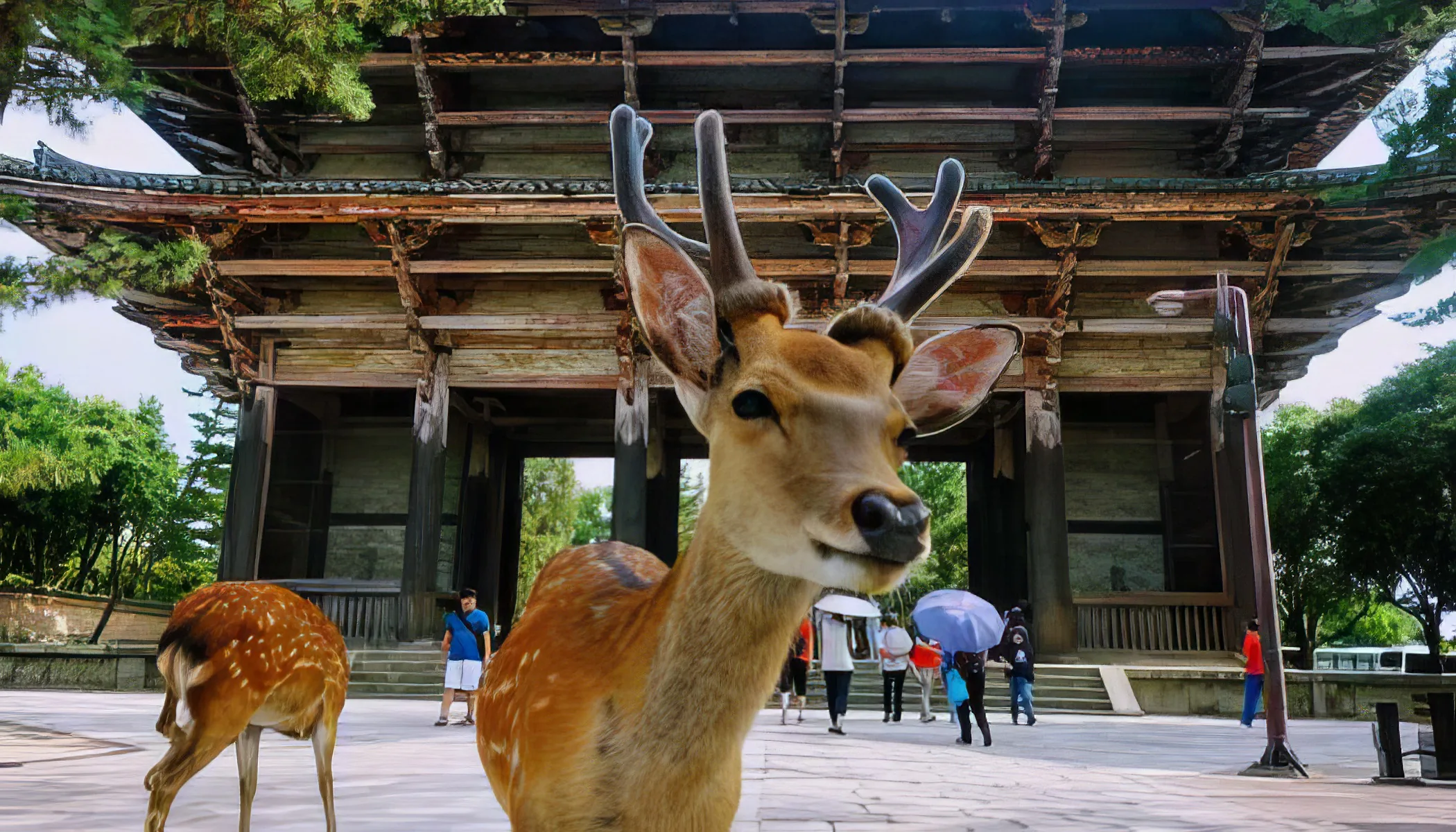
This city offers several interesting day-trip options within a short distance. Here are some suggestions:
– Nara at 42 km: Visit Todai-Ji Temple and feed the friendly deer in Nara Park.
– Osaka at 55 km: Explore the dynamic Dotonbori area and visit Osaka Castle.
– Himeji at 130 km: Tour the iconic Himeji Castle, a UNESCO World Heritage site.
– Uji at 20 km: Enjoy the Byodo-in Temple and taste the famous Uji matcha tea.
– Lake Biwa at 50 km: Relax by Japan's largest freshwater lake and visit the historic Hikone Castle.
Attraction
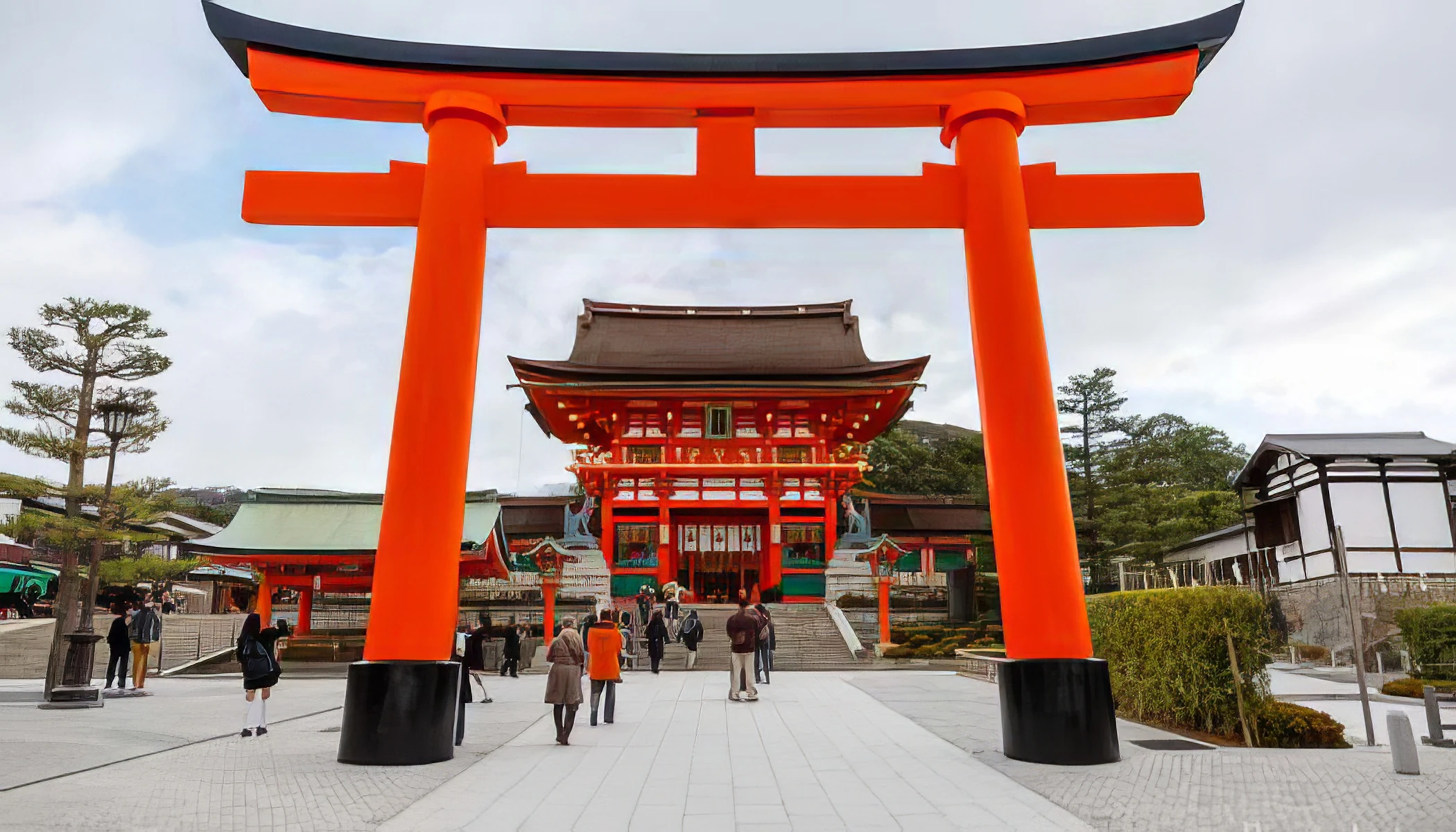
Known for its historic temples, traditional wooden houses, and beautiful gardens, this city offers a rich cultural experience.
– Fushimi Inari Shrine: Famous for its thousands of red torii gates leading up a scenic mountain path.
– Kinkaku-ji (Golden Pavilion): A beautiful Zen Buddhist temple covered in gold leaf, set beside a easygoing pond.
– Arashiyama Bamboo Grove: Walk through towering bamboo stalks in this peaceful and charismatic forest.
– Kiyomizu-dera: A historic temple with a large wooden stage offering panoramic views of the city.
– Nijo Castle: A well-preserved castle with beautiful gardens and sophisticated interior designs.
– Gion District: Explore traditional teahouses and possibly spot a geisha in this historic entertainment district.
Activity
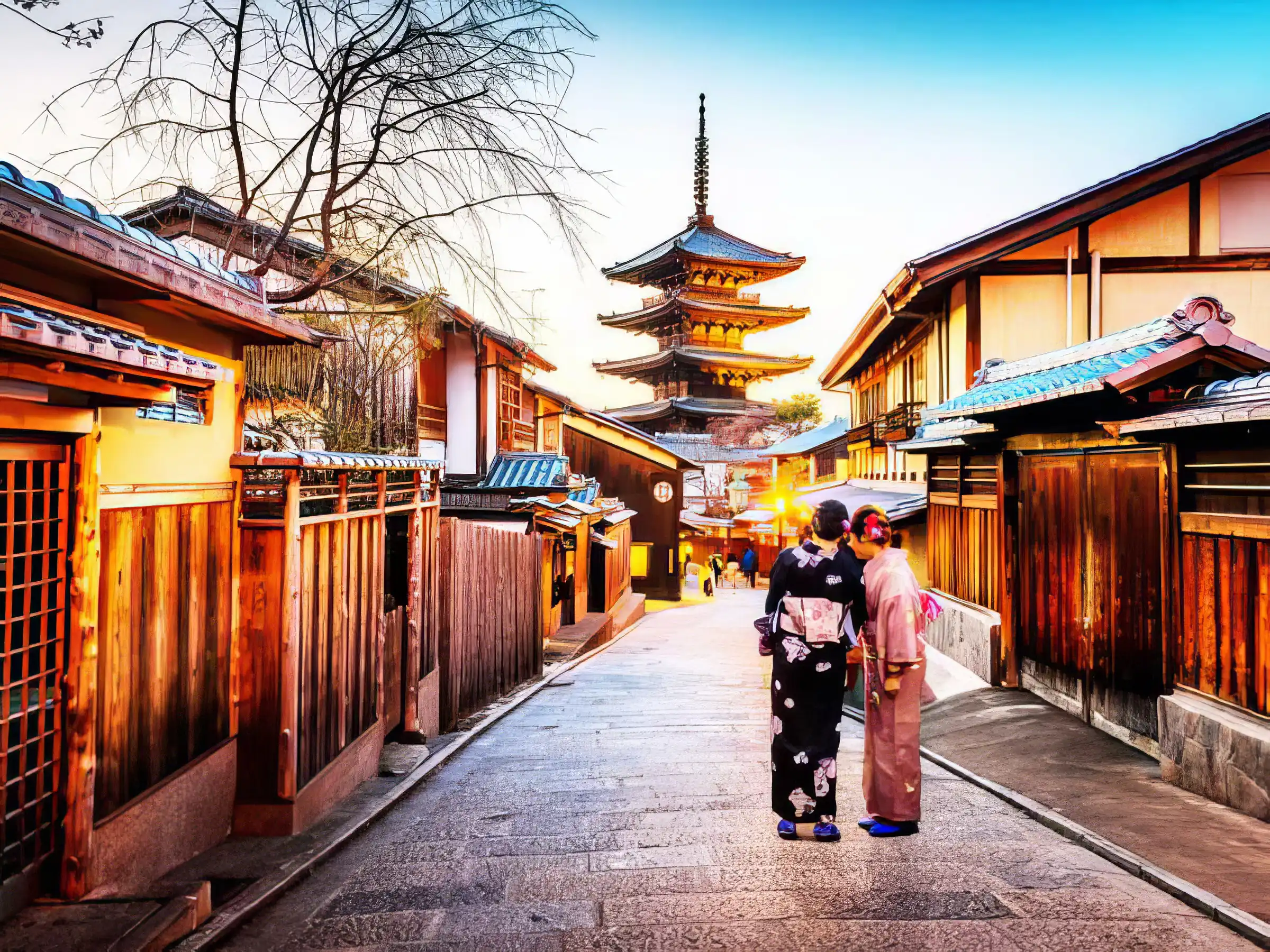
In Kyoto, travelers can experience traditional tea ceremonies, explore historic temples, and participate in seasonal festivals.
– Fushimi Inari Taisha: Walk through thousands of torii gates on a forested mountain trail.
– Arashiyama Bamboo Grove: Stroll through a carefree bamboo forest near the Hozu River.
– Kinkaku-ji (Golden Pavilion): Visit a gorgeous Zen temple covered in gold leaf.
– Gion District: Witness geisha performances and traditional wooden machiya houses.
– Kiyomizu-dera: Enjoy panoramic views from a historic wooden temple.
Cuisine
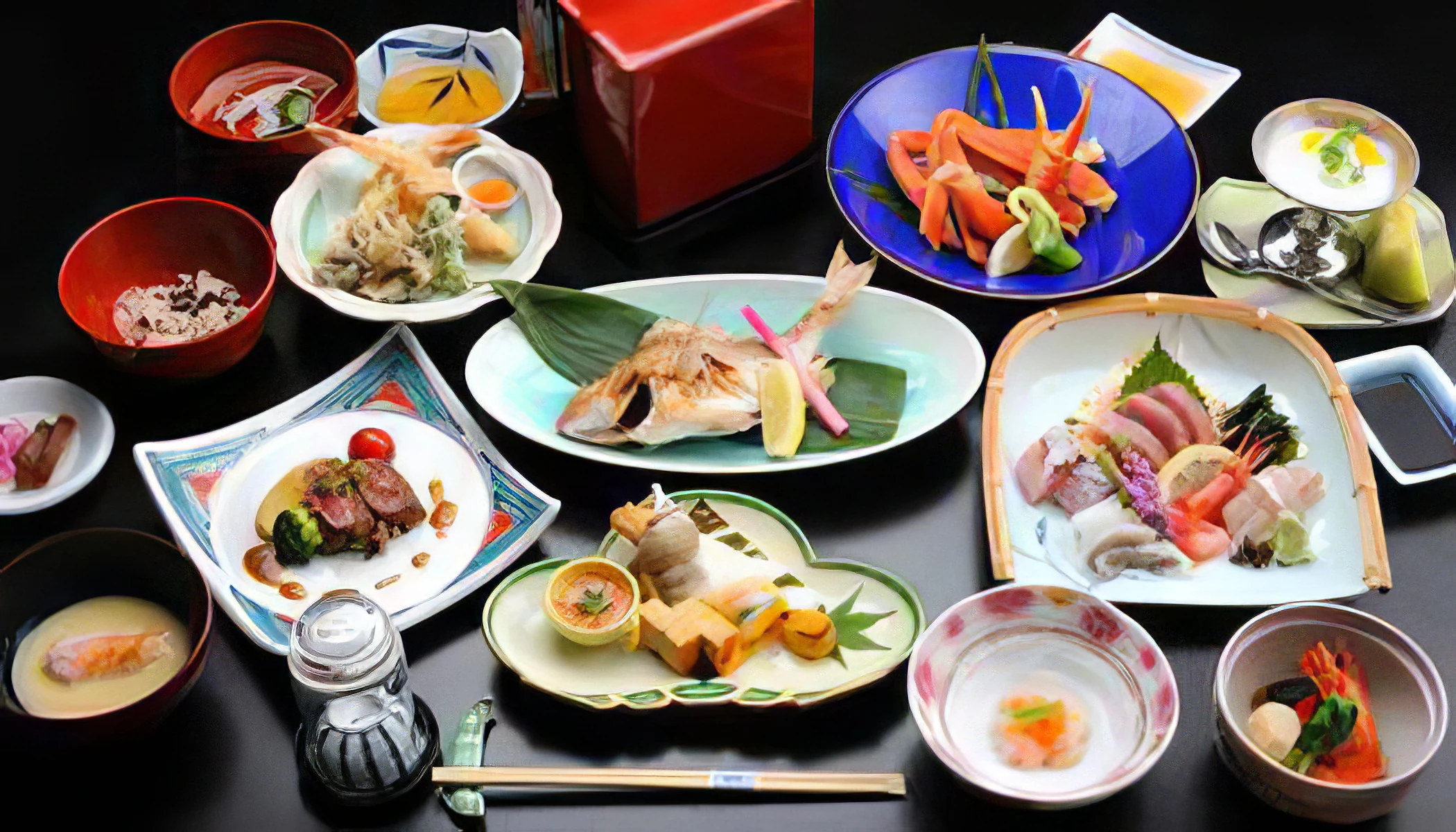
The city is known for its traditional Japanese cuisine, offering a variety of refined and seasonal dishes. Some of the city's most famous dishes and desserts include:
– Kaiseki: A multi-course meal showcasing seasonal ingredients and meticulous presentation.
– Yudofu: Hot tofu served in a light broth, often enjoyed in winter.
– Kyo-wagashi: Traditional Japanese sweets, often made with rice flour and sweet bean paste.
– Obanzai: A style of home-cooked dishes using local ingredients, typically served in small portions.
– Matcha: High-quality powdered green tea, often used in tea ceremonies and desserts.
– Nishin Soba: Buckwheat noodles served with herring, a local specialty.
Shopping
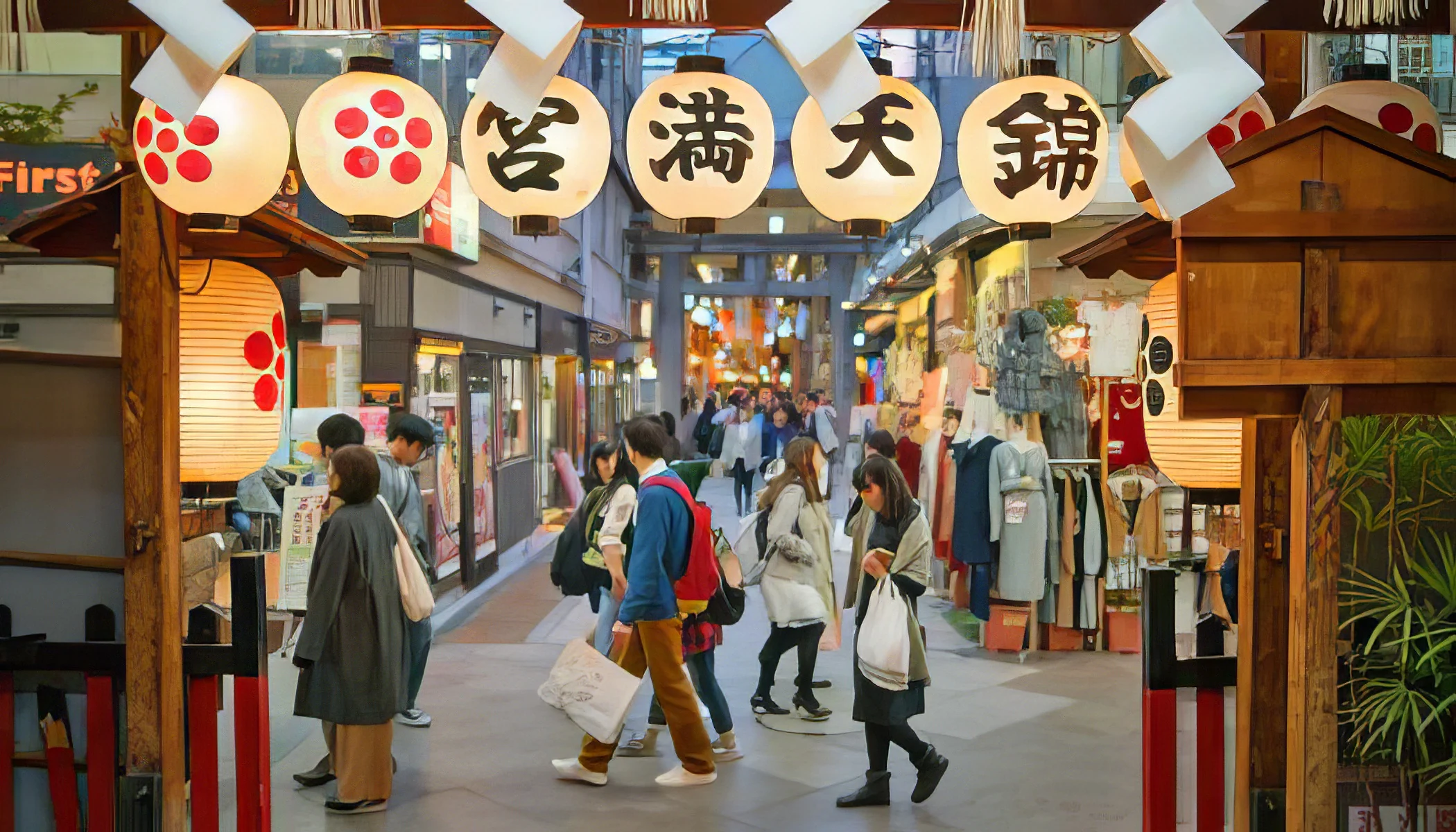
For a unique shopping experience, visit Nishiki Market, often referred to as the city's kitchen, where you can find local specialties and crafts. Another great spot is the Gion district, known for its traditional shops selling items like kimonos and tea. A recommended gift to purchase is a handcrafted Kiyomizu-yaki ceramic, renowned for its quality and beauty. You can also consider picking up some matcha (green tea powder), which is a local product and popular among tourists for its quality and cultural significance.
Arts & Culture
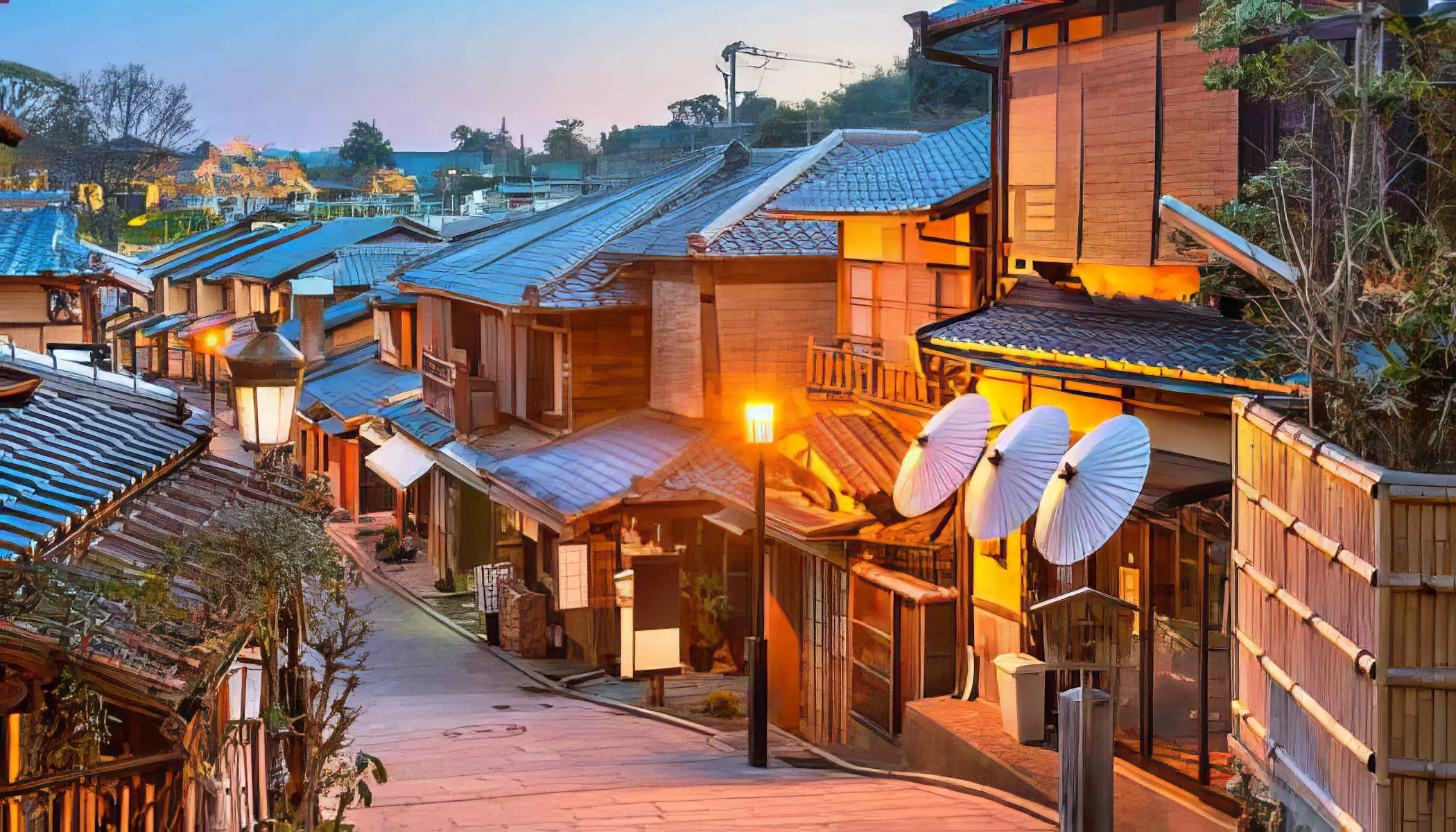
The city is renowned for its traditional tea ceremonies and geisha district, Gion, where visitors can experience performances and cultural arts that date back centuries. It hosts the Gion Matsuri, one of Japan's most famous festivals, which takes place in July and features elaborate floats and traditional garb. The city is also home to numerous temples and shrubs that host seasonal festivals and special events, showcasing ancient rituals and cultural practices. Additionally, it offers a attractive arts scene, including traditional crafts like Kiyomizu pottery and Nishijin textile weaving.