

Nara: Best Things to Do & Top Attractions
Located in the Kansai region, this city is renowned for its historic temples, large Buddha statue, and freely roaming deer in its park. It was the country's first permanent capital in the 8th century.
- Population
- 359,000
- Size
- 368 square km
- Train Station
- Nara Station
- Est. Visit Days
- 2 days
Overview
Nara, a city in Japan, is renowned for its historical and cultural significance, notably as the site of Todai-ji, a majestic temple that houses a giant Buddha statue. The city is also famous for its deer park, where visitors can interact with tame deer considered sacred in Shinto beliefs. Nara's traditional neighborhoods and the Kasuga Taisha shrine further showcase its rich heritage. However, Nara can be quite crowded, especially during peak tourist seasons, which might detract from the experience. Additionally, the city's public transportation system, while extensive, might be challenging for non-Japanese speakers to navigate.
Traffic & Transport
The city's compact size and well-organized public transportation system make it easy for tourists to navigate and explore. The most convenient and efficient way to get around is by using the local buses, which cover all major tourist attractions. Visitors can purchase a one-day bus pass for unlimited rides, available at the bus station and various hotels. Bicycles are also a popular option for those who prefer to explore at their own pace, with several rental shops located near the main train station. For those preferring taxi services, there are several reliable taxi companies operating in the city. Additionally, the use of taxi-booking apps like **JapanTaxi** provides a convenient option for securing a ride, allowing users to book directly from their smartphones.
History
Established as the first permanent capital of Japan in 710, the city was known as Heijo-kyo and remained the imperial capital for over 70 years. This period, called the Nara Period, was characterized by the introduction of Buddhism and the construction of significant temples, including Todai-ji and Horyu-ji, which are UNESCO World Heritage Sites. The city also saw the completion of the Great Buddha statue in 752, which is a symbol of the city's cultural and religious importance. During this time, the city was a center for arts, crafts, and trade, particularly with China and Korea, influencing its cultural development. The city's historical and cultural legacy is preserved through its many ancient buildings, artifacts, and annual festivals.
Itinerary Sample
Explore the historic city of Nara, Japan with this 2-day itinerary designed to cover major attractions efficiently.
– First day: Visit Todai-Ji Temple, housing the Great Buddha. Stroll through Nara Park to see deer and explore Kasuga-taisha Shrine.
– Second day: Tour the Nara National Museum and wander through the Isuien Garden. Finish at the Naramachi district to experience traditional shops and the Gango-ji Temple.
Near Excursion
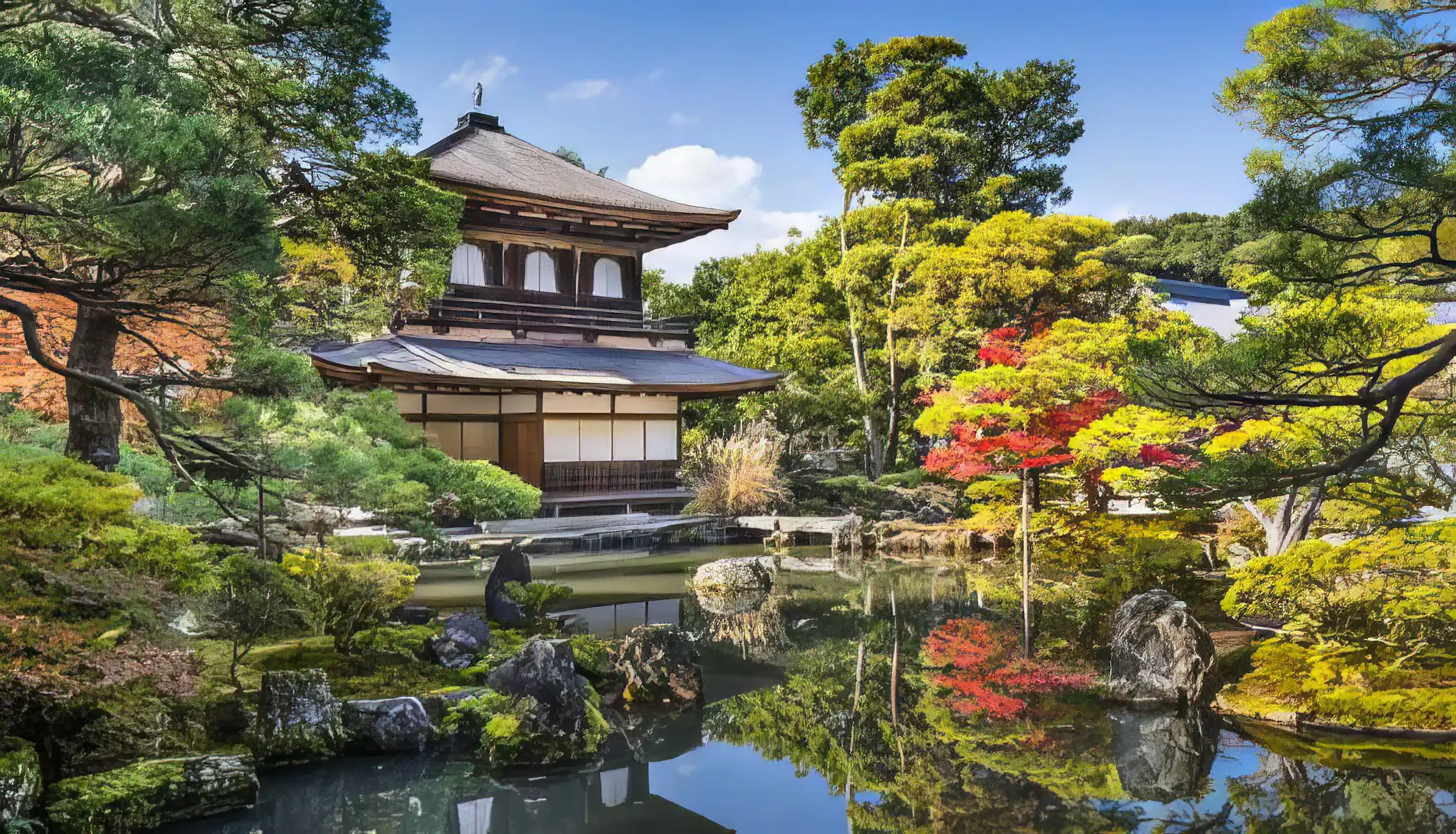
This city offers several interesting day trips within a short distance. Here are some suggestions:
– Kyoto at 40 km: Explore historic temples, traditional tea houses, and beautiful gardens.
– Osaka at 35 km: Visit energetic shopping districts, modern architecture, and famous street food.
– Himeji at 90 km: Discover the iconic Himeji Castle, a UNESCO World Heritage site.
– Kobe at 70 km: Enjoy the scenic harbor, Mount Rokko, and renowned Kobe beef.
– Uji at 25 km: Experience the famous Byodo-in Temple and traditional tea culture.
Attraction
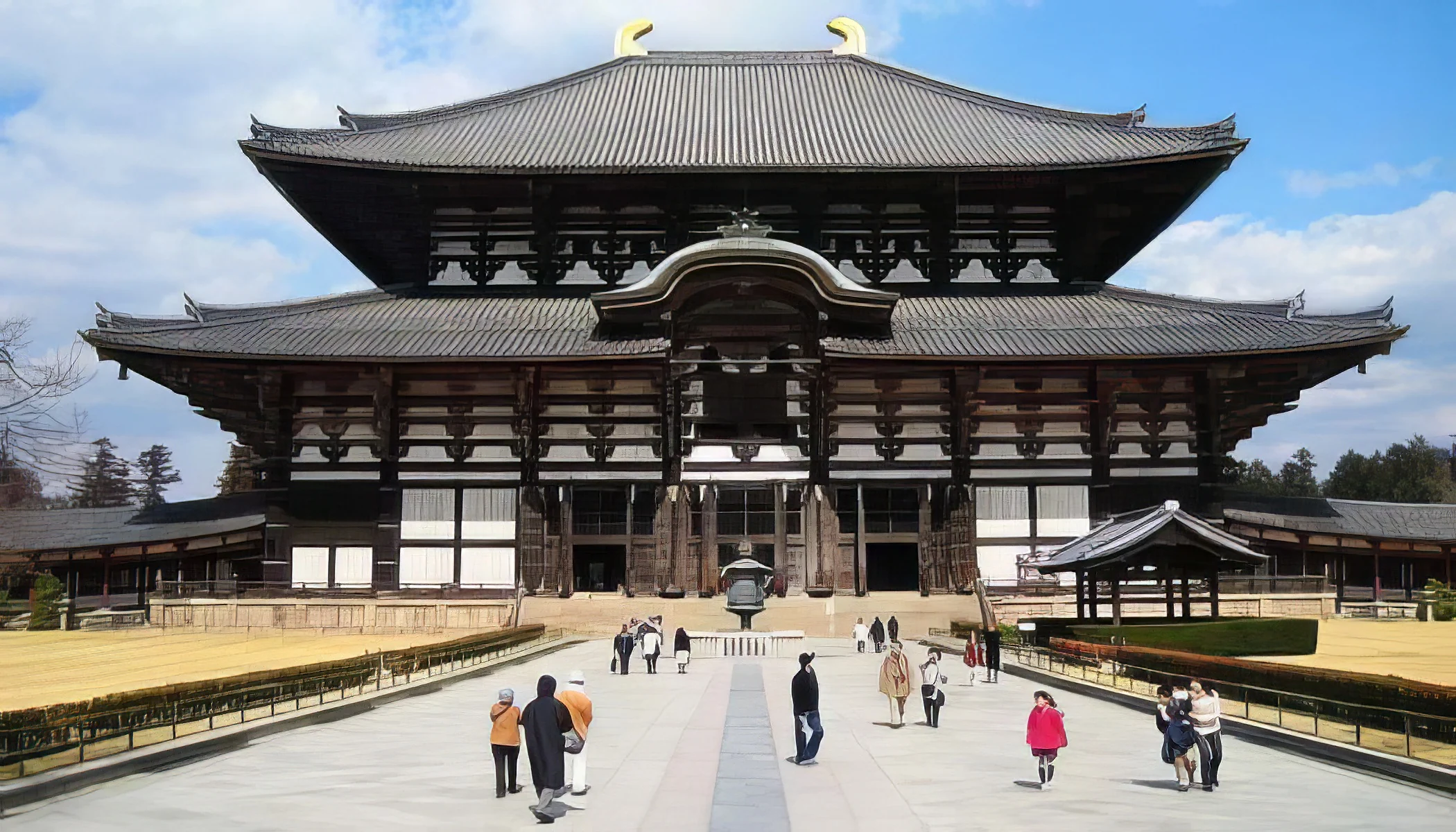
Known for its historical significance and ancient temples, the city offers a rich cultural experience.
– Todai-Ji Temple: Home to the Great Buddha statue, it is one of the largest wooden buildings in the world.
– Nara Park: Famous for its free-roaming deer, it offers a unique and interactive experience with nature.
– Kasuga Taisha Shrine: Renowned for its thousands of lanterns, it is a key Shinto shrine with beautiful architecture.
– Kofuku-ji Temple: A historic temple complex with a five-story pagoda, it offers insight into ancient Buddhist culture.
– Isuien Garden: A traditional Japanese garden featuring beautiful landscapes and tea houses, perfect for a peaceful stroll.
– Naramachi: A preserved historic district with traditional merchant houses, offering a glimpse into the city's past.
Activity
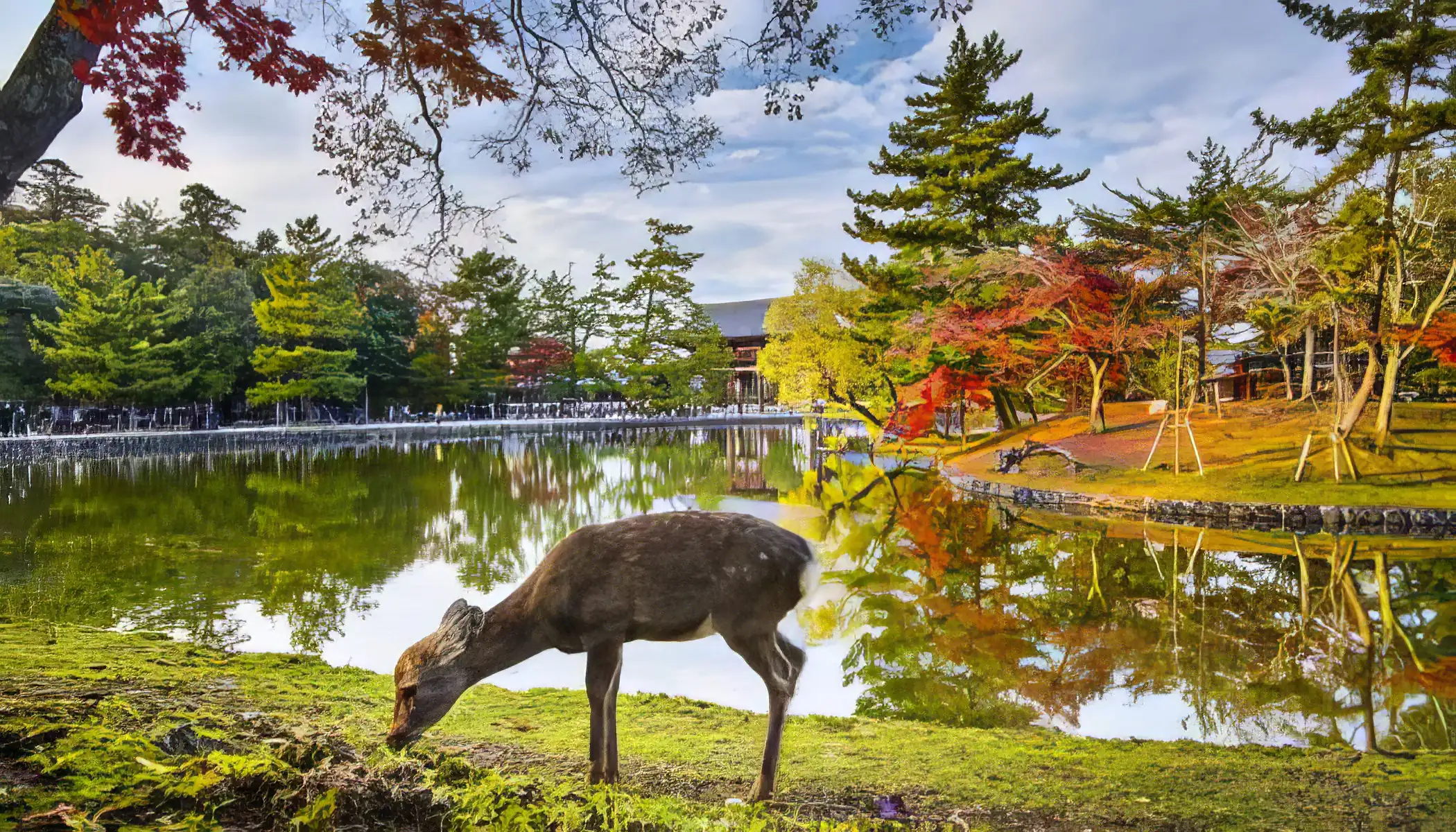
In Nara, travelers can experience unique cultural and natural activities, including:
– Nara Park: Interact with free-roaming deer, visit Todai-Ji Temple, and enjoy cherry blossoms.
– Hiking in Mount Yoshino: Explore scenic trails and historic temples.
– Tea Ceremony Experience: Participate in a traditional Japanese tea ceremony.
– Kofuku-ji Temple: Admire ancient architecture and Buddhist art.
– Yoshikien Garden: Relax in a peaceful Japanese garden setting.
Cuisine
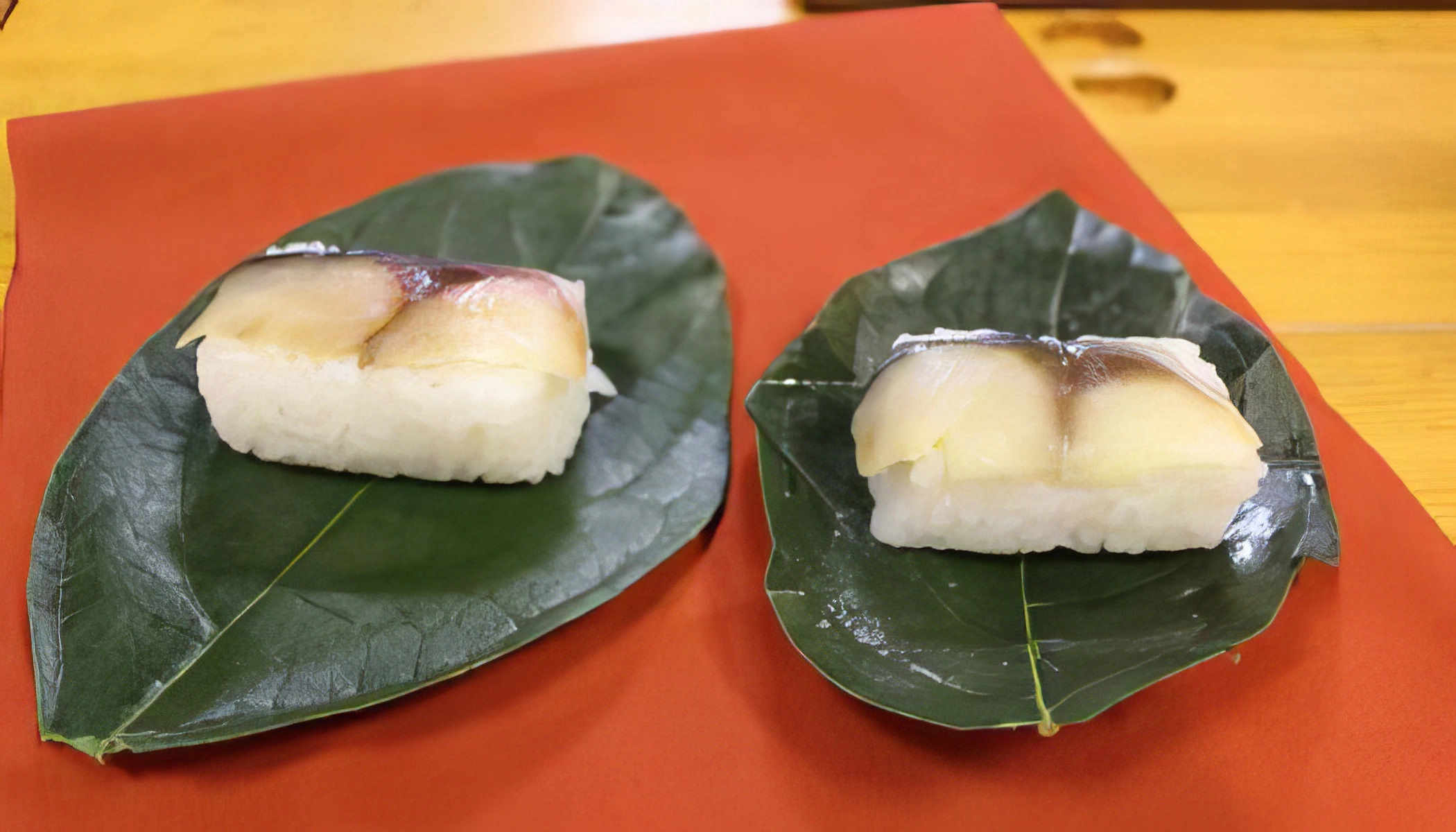
The city offers a blend of traditional Japanese cuisine and local specialties, often enjoyed in serene, historical settings. Some of the city's most famous dishes include:
– Kakinoha-zushi: Sushi wrapped in persimmon leaves, typically featuring mackerel or salmon.
– Miwa Somen: Thin wheat noodles served cold with dipping sauce, originating from Miwa region.
– Chagayu: Rice porridge cooked with tea, a simple and traditional dish.
– Kaki-no-ha: Persimmon leaf-wrapped sushi, a local delicacy.
– Narazuke: Pickles made from vegetables and fruits, fermented in sake lees.
– Kudzu Mochi: Jelly-like dessert made from kudzu starch, often served with sweet syrup and kinako powder.
Shopping
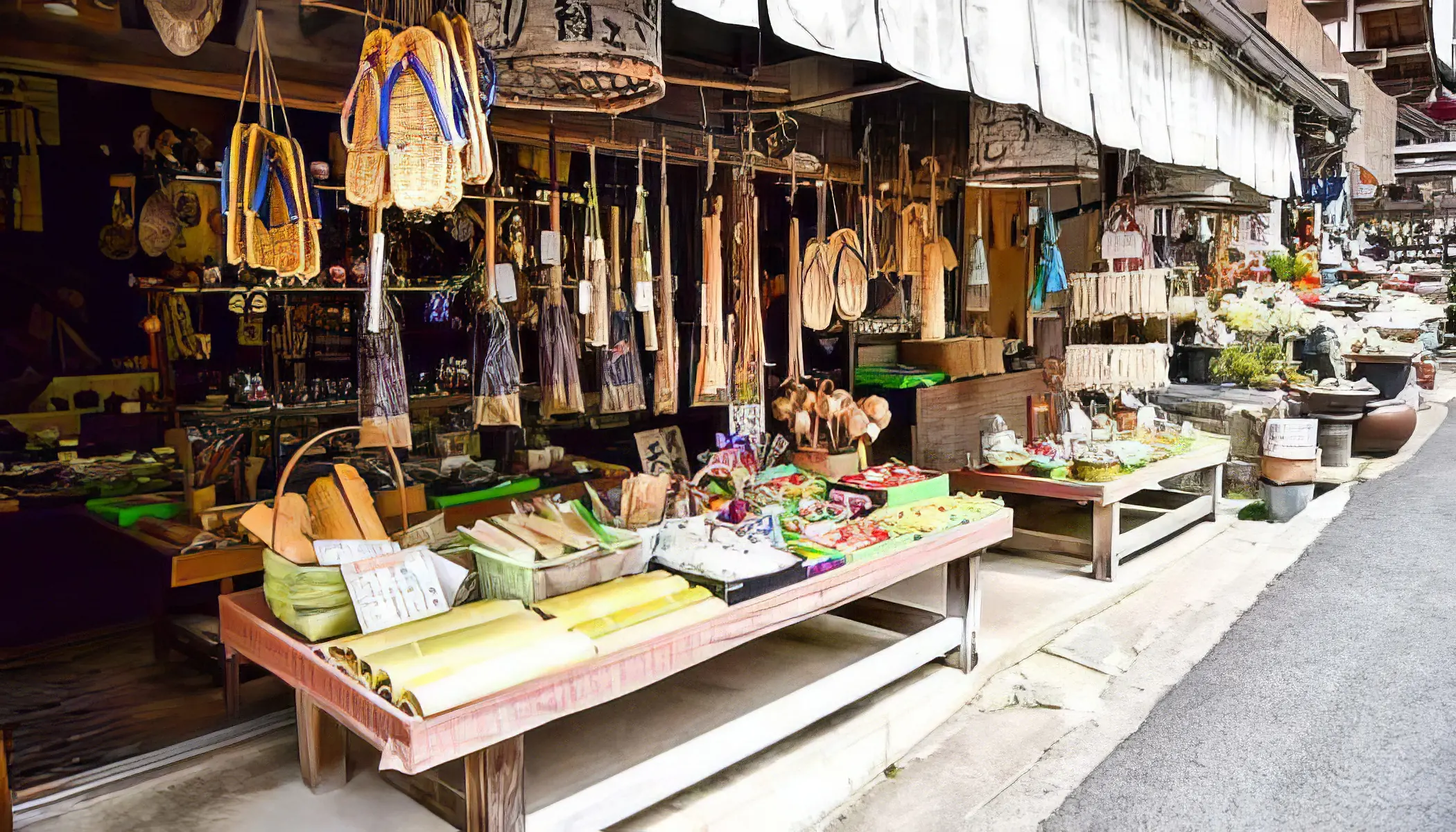
In the city, tourists can enjoy a unique shopping experience at Higashimuki Shopping Street, a covered arcade with a variety of shops. Popular gifts include traditional crafts like Nara fude (calligraphy brushes) and intricate wooden carvings. Another sought-after item is the deer-themed souvenirs, reflecting the city's famous deer population. Local sweets, such as persimmon leaf sushi and mochi, are also excellent gifts. For a more upscale shopping experience, visit Naramachi, where you can find handcrafted goods and antiques in a charming historical setting.
Arts & Culture
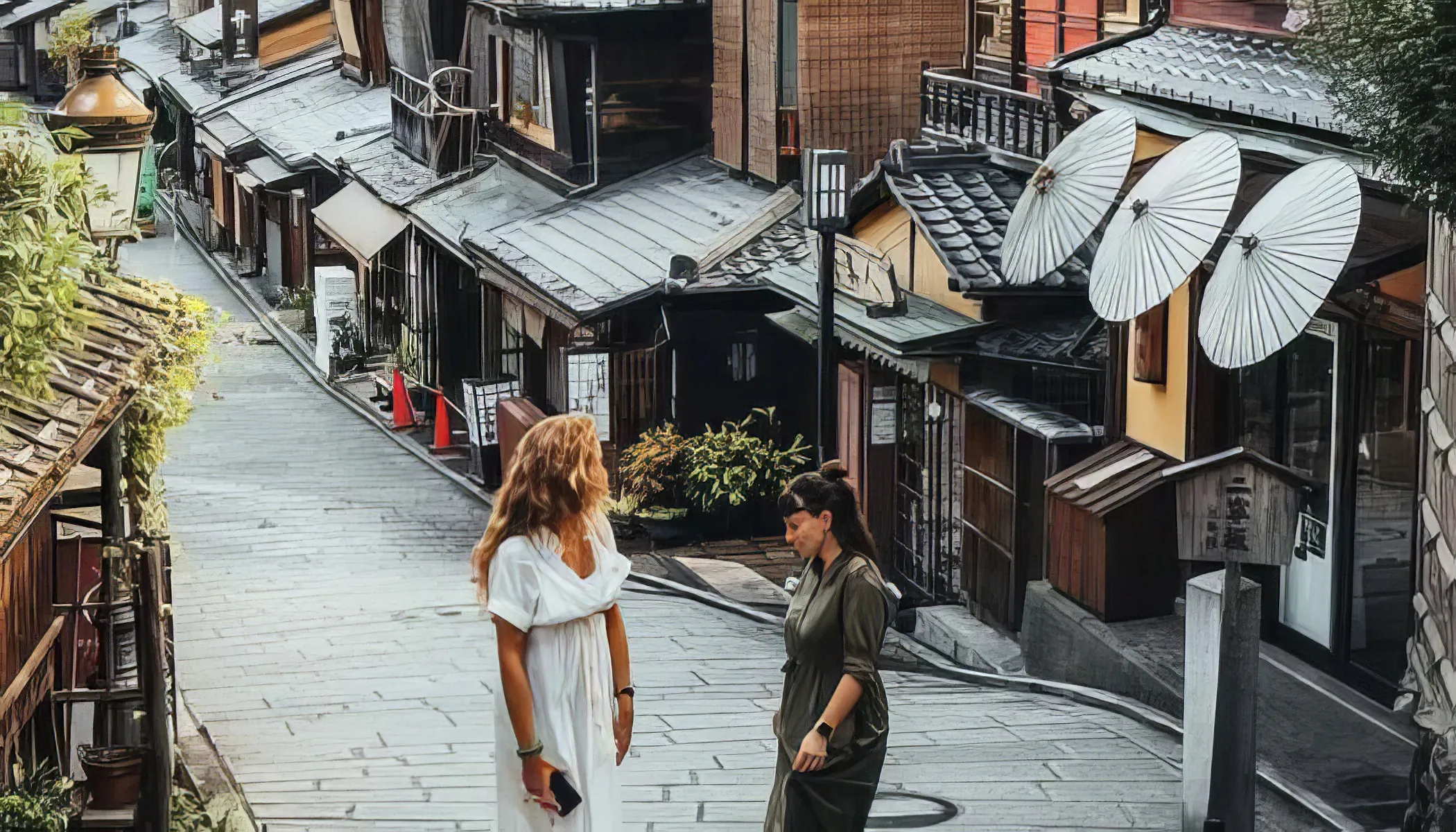
The city is renowned for its historic temples and artworks, including the Todai-Ji Temple which houses a giant Buddha statue. It hosts the Nara Tokae, a festival where thousands of candles light up the parks and temples, creating a magical atmosphere. The Nara National Museum is a key cultural institution, offering extensive collections of Buddhist art. Annual events such as the Wakakusa Yamayaki involve setting the grass on a hill ablaze, accompanied by fireworks.