

Kobe Travel Guide: Tourist Places & Activities
Located on the southern side of Honshu Island, this port city is known for its signature marbled beef and scenic setting between the sea and the Rokko mountain range.
- Population
- 1.53 millions
- Size
- 553 square km
- Airport
- Kobe – domestic & 1 other
- Train Station
- Sannomiya
- Est. Visit Days
- 2 days
Overview
Kobe, a city in Japan, is known for its multicultural history, as seen in the international influences present in its cuisine and architecture. The city is famous for its Kobe beef, a high-quality and expensive type of meat. Additionally, Kobe offers the beautiful Rokko Mountain for outdoor enthusiasts and the historic Kitano district for those interested in Western-style houses. However, the city is prone to earthquakes, as seen in the devastating Great Hanshin earthquake of 1995. Transportation within the city can be expensive compared to other Japanese cities.
Traffic & Transport
The city's transportation network is well-developed, offering several efficient options for tourists to explore. The most convenient and popular mode of transport is the extensive train system, which covers the major attractions and provides easy access to different parts of the city. Buses are also available and are a good choice for reaching specific destinations not directly served by trains. For a more scenic experience, the Ropeway and the Shin-Kobe Ropeway offer aerial views of the city and access to the surrounding mountains. For those preferring taxis, several reliable taxi companies operate in the city, including MK Taxi, Yasaka Taxi, and Daiichi Kotsu Sangyo. Additionally, the use of taxi-booking apps like JapanTaxi and Uber provides a convenient way to hail a cab and navigate the city with ease.
History
Originally a small fishing village, the city was established as a port in the 8th century during the Nara Period. It flourished as a maritime gateway for trade with China and Korea in the 15th and 16th centuries. The city was heavily bombed during World War II due to its industrial significance, leading to significant loss of life and destruction. Post-war, it rapidly rebuilt its economy, particularly in industries such as shipbuilding and steel production. The city is also renowned for its cultural contributions, including traditional performing arts and culinary delights.
Itinerary Sample
Explore Kobe over two days with this focused itinerary:
– First day: Visit the Ikuta Shrine, stroll through Kobe Harborland, and enjoy views from Kobe Port Tower. Finish with a dinner in Chinatown.
– Second day: Hike to the Nunobiki Falls, explore the Kobe Nunobiki Herb Gardens, and visit the Kobe Earthquake Memorial Museum.
Near Excursion
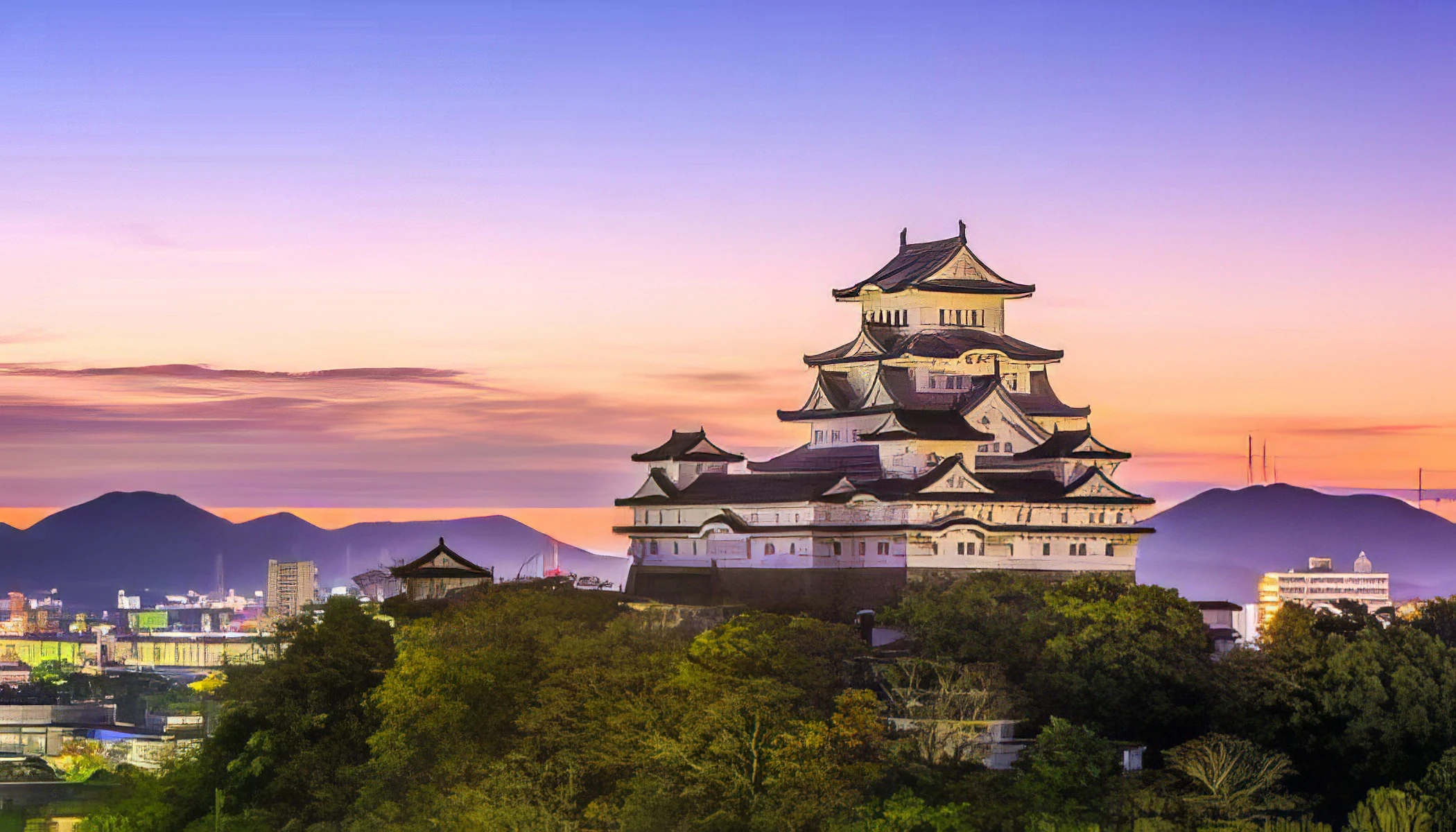
This city offers several interesting day trips within a short distance. Here are some suggestions:
– Himeji Castle at 50 km: A UNESCO World Heritage site and one of Japan's most beautiful and well-preserved castles.
– Arima Onsen at 20 km: One of Japan's oldest hot spring towns, known for its therapeutic waters.
– Osaka at 30 km: A lively city with attractions like Osaka Castle, Japan/”>Universal Studios Japan, and lively shopping districts.
– Nara at 80 km: Home to historic temples, the Great Buddha, and friendly deer roaming Nara Park.
– Awaji Island at 40 km: Offers beautiful coastlines, the Naruto whirlpools, and the impressive Awaji Yumebutai complex.
Attraction
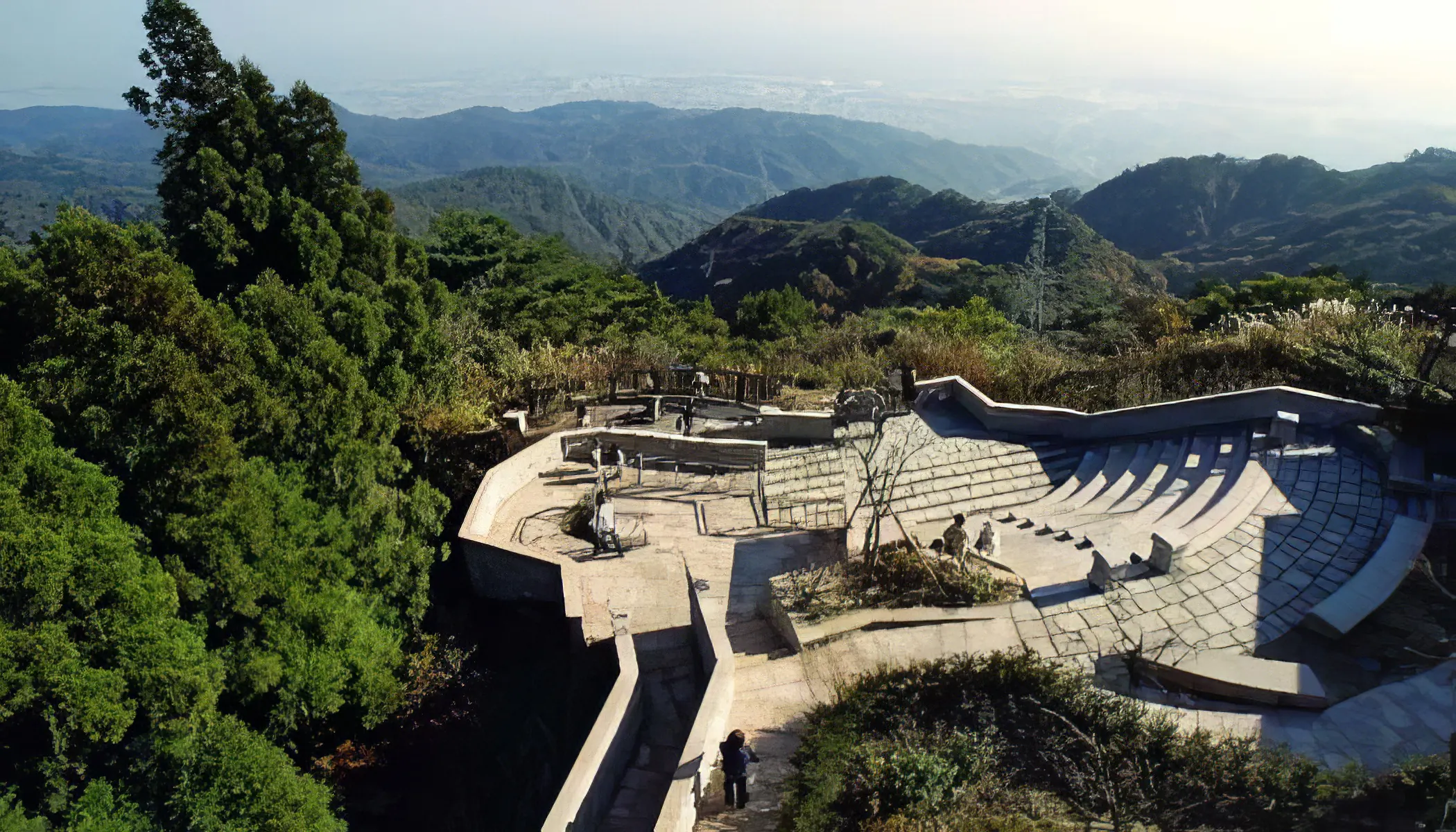
This city is known for its scenic harbor, historical sites, and magnificient food culture.
– Mount Rokko: Offers panoramic views of the city and a variety of outdoor activities.
– Kobe Harborland: A shopping and entertainment district with a beautiful waterfront.
– Ikuta Shrine: One of the oldest Shinto shrines, known for its harmonious atmosphere.
– Kobe Port Tower: An iconic observation tower providing sensational views of the city and harbor.
– Nankinmachi: A lively Chinatown with a variety of Chinese restaurants and shops.
– Kobe City Museum: Showcases the city's history and cultural heritage through various exhibits.
Activity
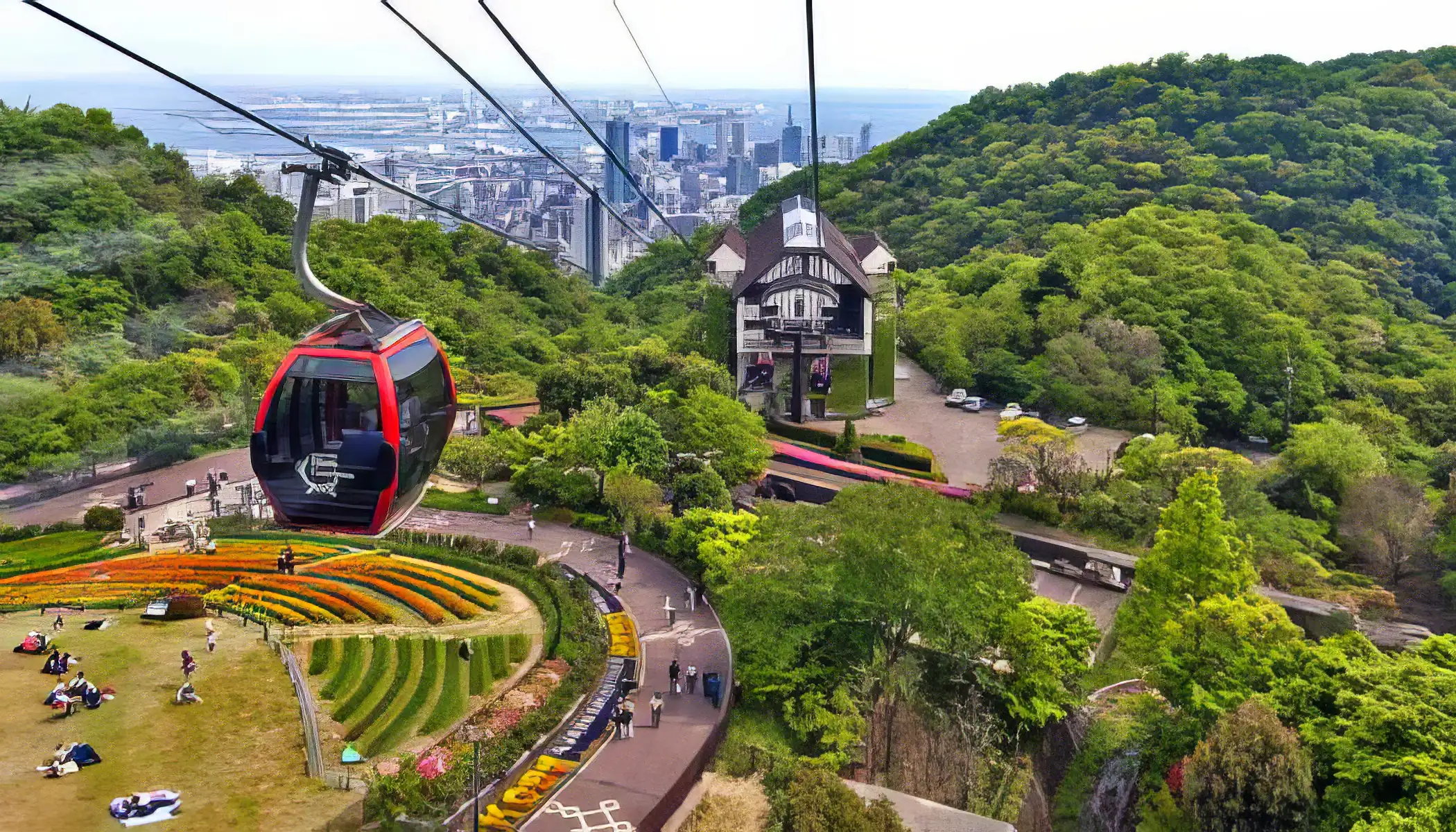
In Kobe, travelers can enjoy unique activities blending nature, culture, and local experiences.
– Nunobiki Herb Garden: Explore a hillside garden with over 75 varieties of herbs and beautiful views of Kobe.
– Kobe Nunobiki Ropeway: Ride a cable car to the top of Mount Rokko for panoramic city and sea views.
– Kobe Beef Culinary Experience: Savor world-renowned Kobe beef in local restaurants.
– Arima Onsen Visit: Relax in one of Japan's oldest hot spring towns, known for its therapeutic waters.
– Suma Aqualife Park: Discover marine life and enjoy dolphin and sea lion shows.
Cuisine
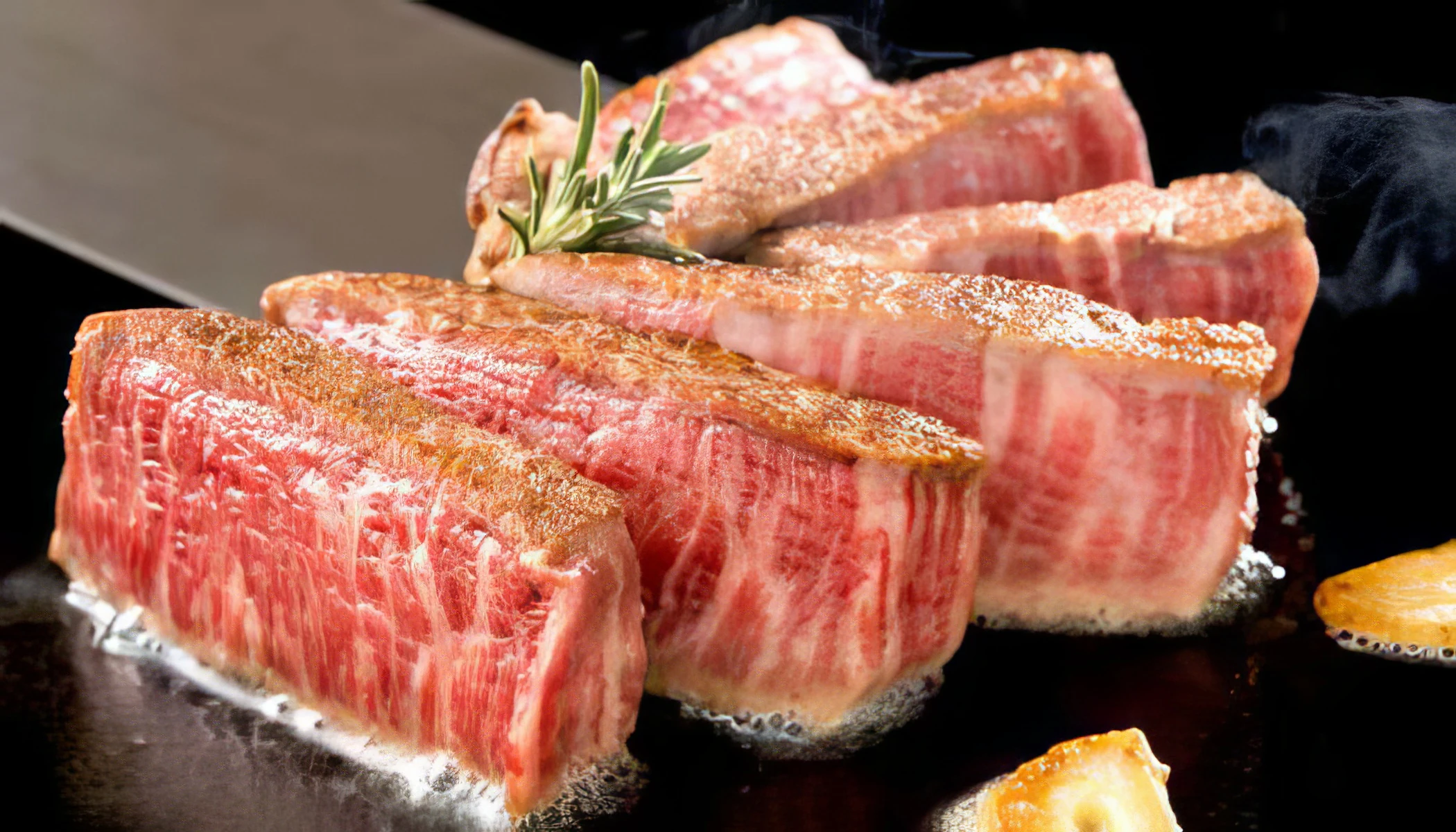
The city is known for its high-quality beef and diverse culinary offerings, blending traditional Japanese and international flavors. Some of the city's most famous dishes include:
– Wagyu Beef: Renowned for its marbling and tenderness, often grilled or served as steak.
– Soba Noodles: Buckwheat noodles served hot or cold with dipping sauce or broth.
– Akashiyaki: Savory egg-based dumplings filled with octopus, dipped in dashi broth.
– Sushi: Fresh seafood served on vinegared rice, a staple of Japanese cuisine.
– Kasutera: A sponge cake of Portuguese origin, sweet and fluffy.
– Pudding: Creamy custard dessert, often topped with caramel sauce.
Shopping
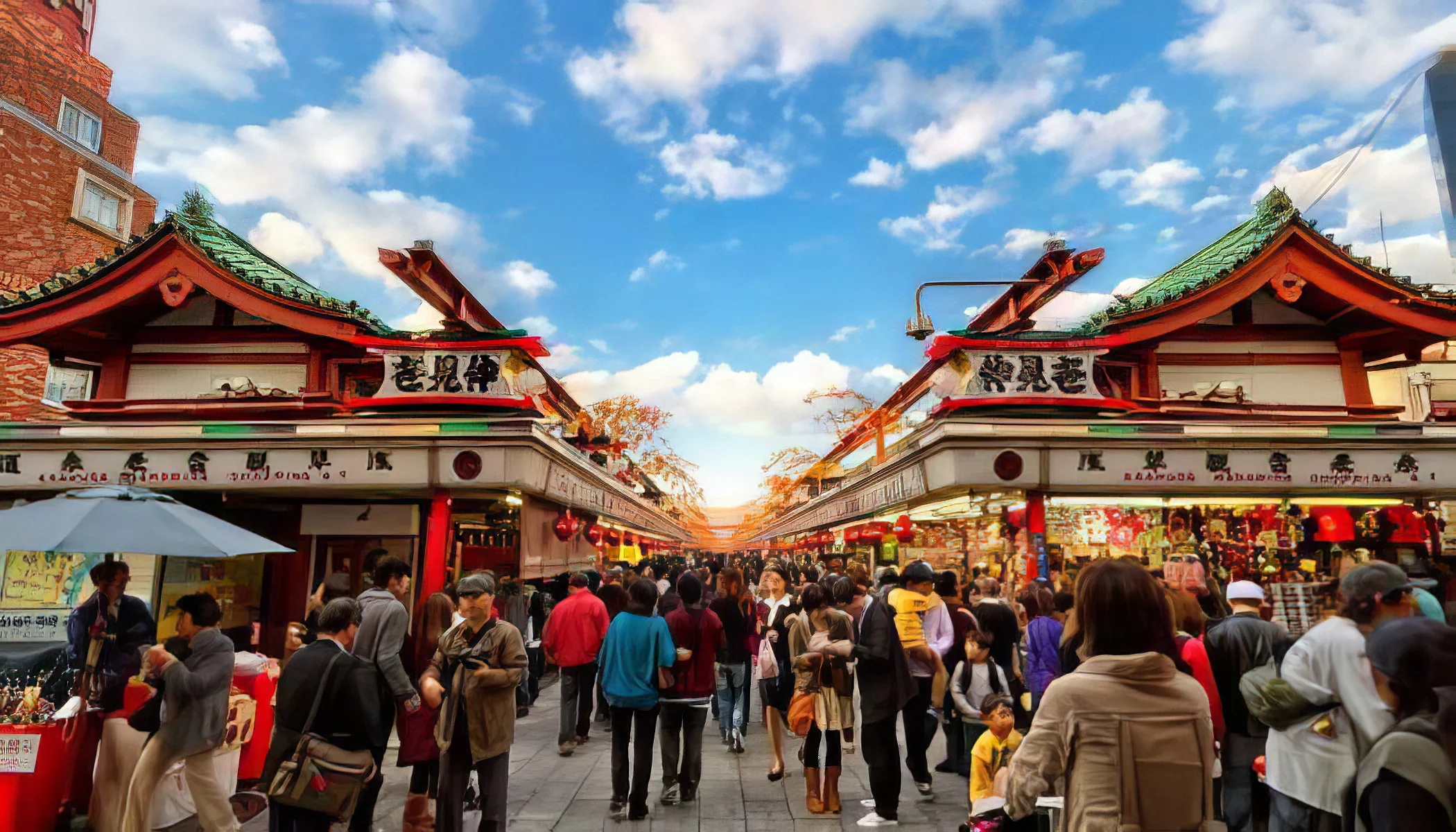
For a unique shopping experience, visit the Motomachi Shopping Street, which offers a variety of shops ranging from traditional goods to modern fashion. A popular gift to purchase is the renowned Japanese sake, which is locally produced and highly appreciated. Another great option is the sophisticated glassware or handcrafted jewelry from local artisans. For food enthusiasts, consider buying the famous beef-related products, which are a delicacy in the region.
Arts & Culture
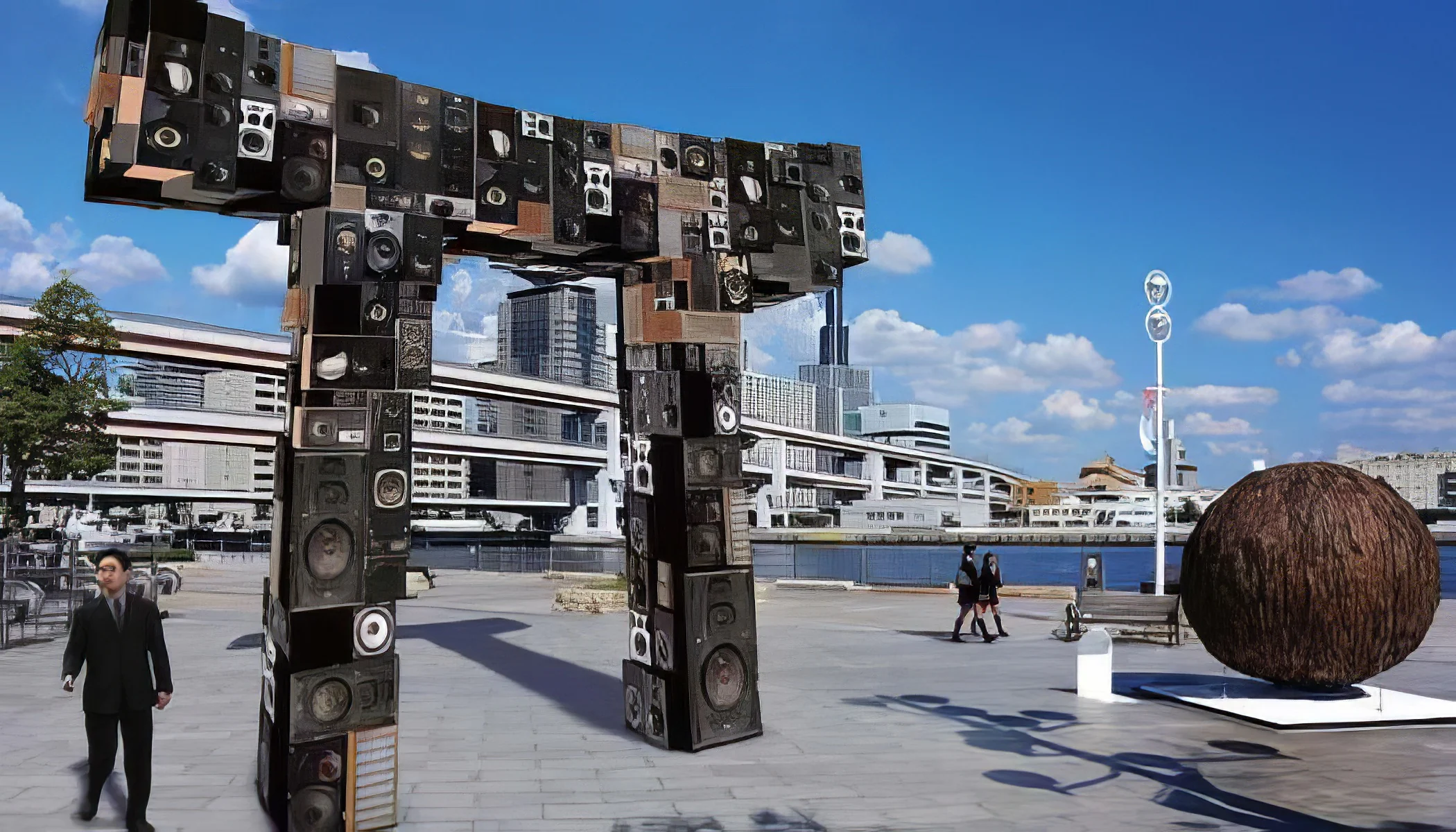
The city hosts the Kobe Biennale, a prominent art festival featuring a wide range of visual arts, music, and culture, held every two years. Nada no Kenka Matsuri is a unique festival celebrated in October, known for its energetic rituals and parades. The Hyogo Prefectural Museum of Art, designed by architect Tadao Ando, offers a diverse collection of modern and contemporary art. Additionally, the city is home to the Kobe Fashion Museum, the first museum in Japan dedicated to fashion.