

Padua: Best Things to Do & Top Attractions
Located in the Veneto region, this city is renowned for its historic architecture, including the Scrovegni Chapel with Giotto's frescoes, and the University of Padua, one of Europe's oldest. It's also known for the Basilica of Saint Anthony.
- Population
- 210,000
- Size
- 93 square km
- Train Station
- Padua Station
- Est. Visit Days
- 2 days
Overview
Padua, located in northern Italy, is renowned for its historic and prestigious university, which dates back to 1222, making it one of the oldest in the world. The city is also famous for the Scrovegni Chapel, adorned with Giotto's remarkable frescoes. Additionally, Padua boasts the impressive Palazzo della Ragione and the botanical garden Orto Botanico, a UNESCO World Heritage site. However, visitors might find the city less animated than nearby Venice, and its public transportation system can be somewhat limited compared to larger cities. Despite this, Padua's rich cultural heritage and charming old town make it a worthwhile destination.
Traffic & Transport
The city's compact size and well-preserved historic center make it highly walkable, which is often the best way to navigate and experience the local atmosphere. For longer distances or to reach specific sites, buses are a convenient option, with an efficient network that covers most areas of interest. Bicycles are also a popular choice, offering a pleasant and environmentally friendly way to explore. However, it's important to note that the historic center is mostly pedestrianized, limiting vehicle access. For those preferring taxi services, there are several reliable taxi companies operating in the city. Additionally, the use of taxi-booking apps like Uber provides a convenient option for securing a ride, offering both traditional taxi services and private hire vehicles.
History
Originally a Roman city founded in 118 BC, it became a significant center during the Roman Empire due to its strategic location on the river. Throughout the Middle Ages, it was ruled by various powers, including the Lombards, Franks, and the Republic of Venice from the late 14th century until the end of the 18th century. This period under Venetian rule saw the city flourish as a center of trade and learning, particularly renowned for its university, which was established in 1222 and attracted scholars from across Europe. The city was also a hub for the exchange of ideas during the Renaissance, with figures like Galileo Galilei teaching at its university in the 16th century. It was the site of several significant battles during the Italian Wars in the 16th century, reflecting its strategic and political importance in the region.
Itinerary Sample
Here's a 2-day itinerary to explore the highlights of Padua, Italy:
– First day: Visit the Scrovegni Chapel to see Giotto's frescoes, explore the historic University of Padua, and stroll through the Prato Della Valle, one of Europe's largest squares.
– Second day: Tour the Basilica of Saint Anthony, enjoy the botanical garden, and finish with a walk around the Palazzo della Ragione and its surrounding markets.
Near Excursion
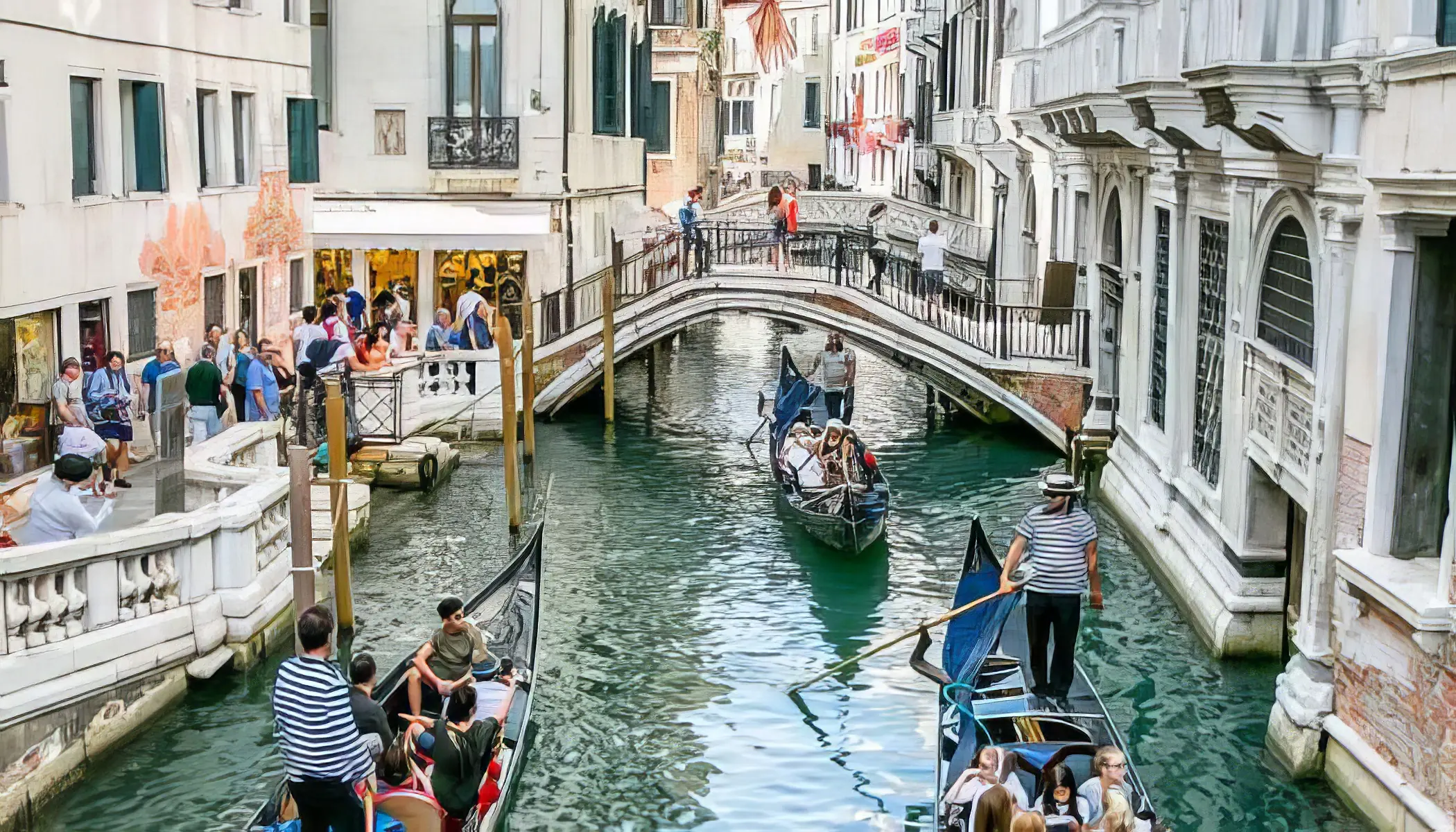
This city is a great starting point for several exciting day trips. Here are some suggestions:
– Venice at 40 km: Famous for its canals, historic architecture, and nice cultural scene.
– Verona at 80 km: Known for its well-preserved Roman amphitheater and as the setting of Shakespeare's "Romeo and Juliet."
– Vicenza at 30 km: Renowned for its Palladian villas and classical architecture.
– Lake Garda at 100 km: Offers beautiful lakeside views, water activities, and charming towns.
– Bologna at 120 km: Famous for its medieval towers, rich cuisine, and the oldest university in the world.
Attraction
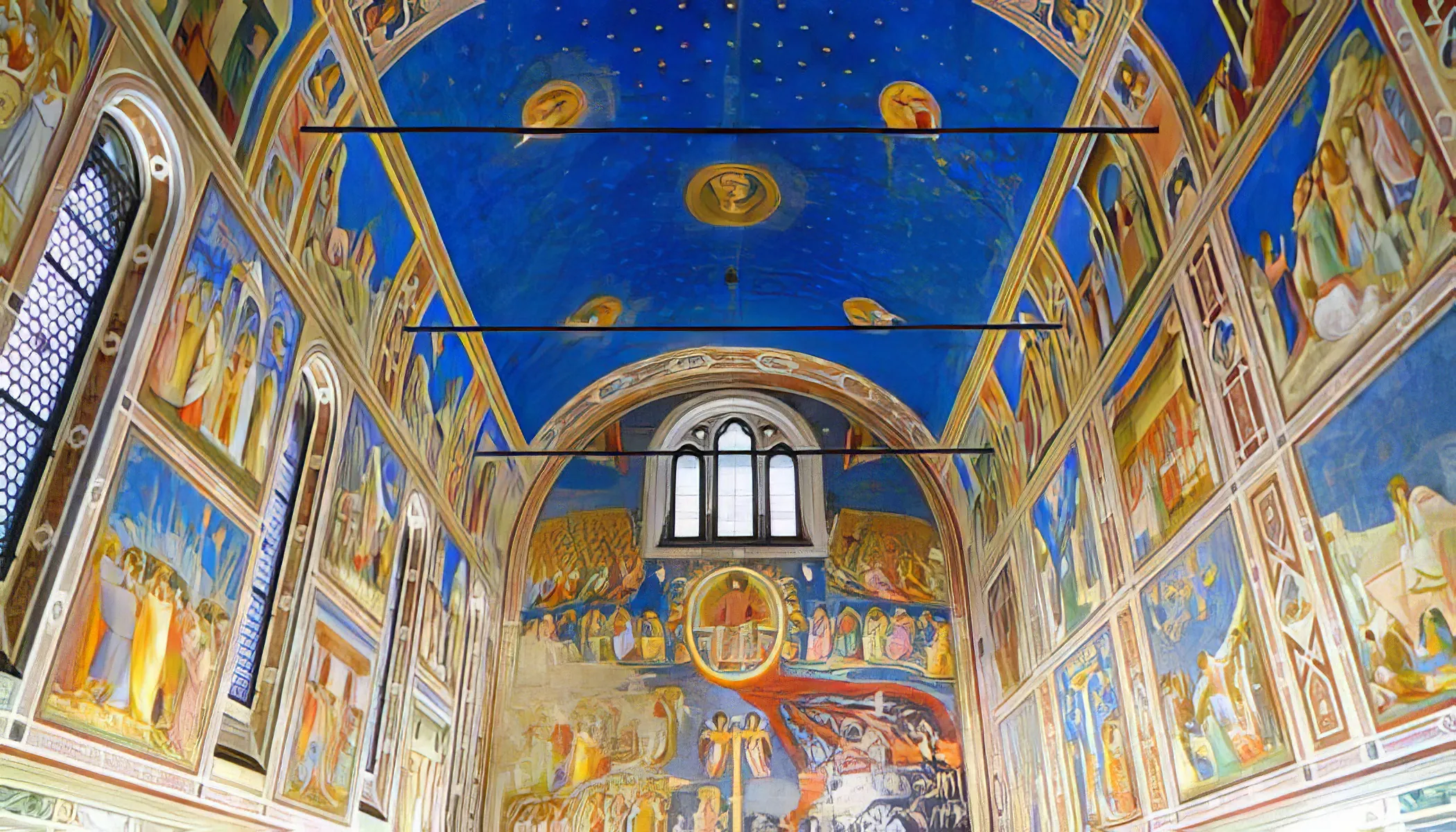
This city is known for its rich history, art, and architecture.
– Scrovegni Chapel: Famous for Giotto's frescoes, it is a masterpiece of medieval art.
– Basilica of Saint Anthony: A major pilgrimage site with lovely architecture and religious significance.
– Prato Della Valle: One of the largest squares in Europe, featuring statues and a central island.
– University of Padua: One of the oldest universities in the world, known for its historical significance and botanical garden.
– Palazzo della Ragione: A medieval town hall with impressive frescoes and a large market below.
– Caffè Pedrocchi: A historic café known for its unique architecture and cultural importance.
Activity
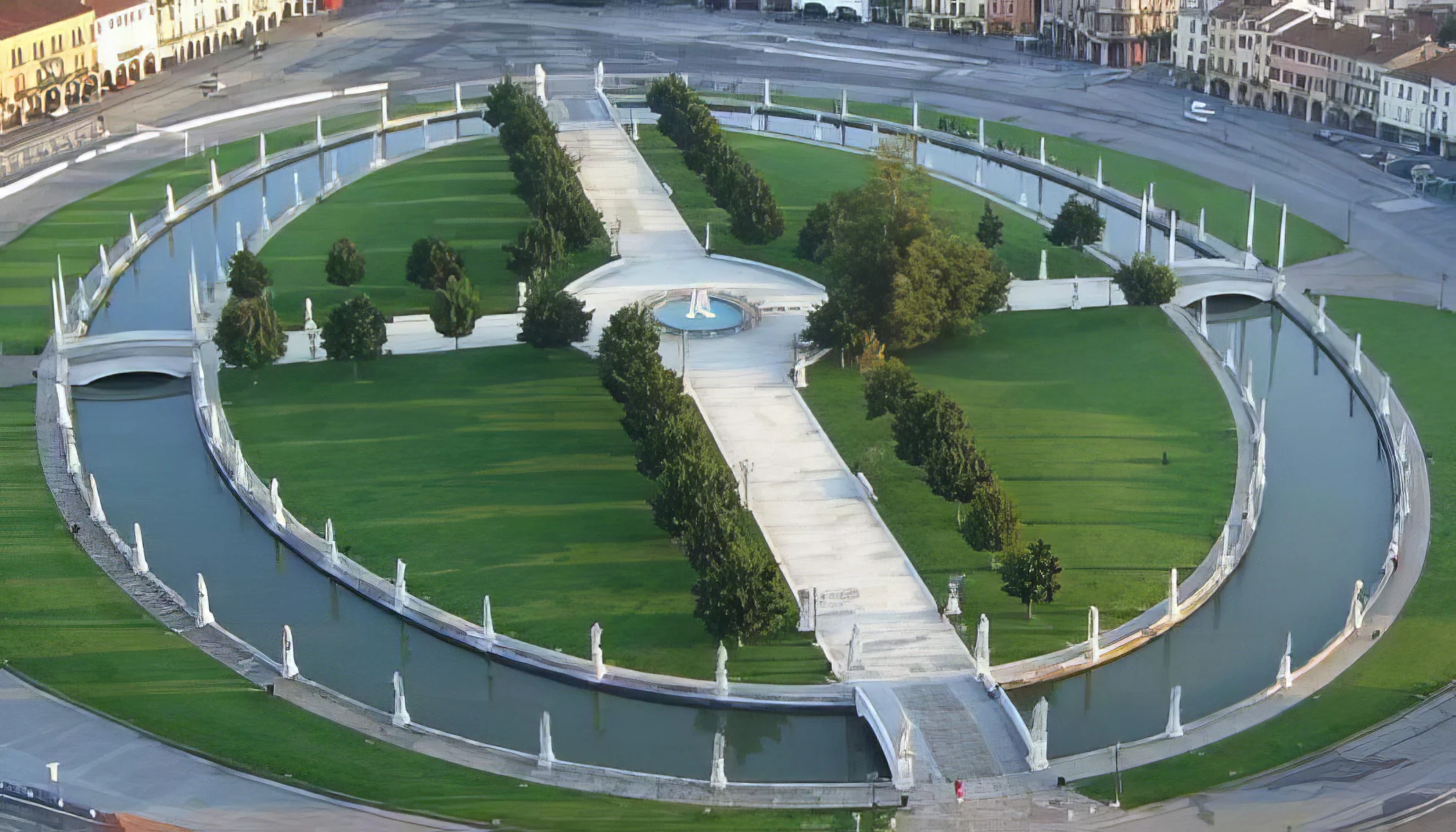
In Padua, travelers can explore historic architecture, botanical gardens, and unique local markets.
– Prato Della Valle: Enjoy the largest square in Italy with statues, fountains, and a lively atmosphere.
– Orto Botanico di Padova: Visit the world's oldest academic botanical garden, featuring diverse plant species.
– Scrovegni Chapel: Admire Giotto's frescoes in a small chapel known for its artistic significance.
– Padua's Market: Experience a traditional Italian market with fresh produce, local goods, and beautiful atmosphere.
Cuisine
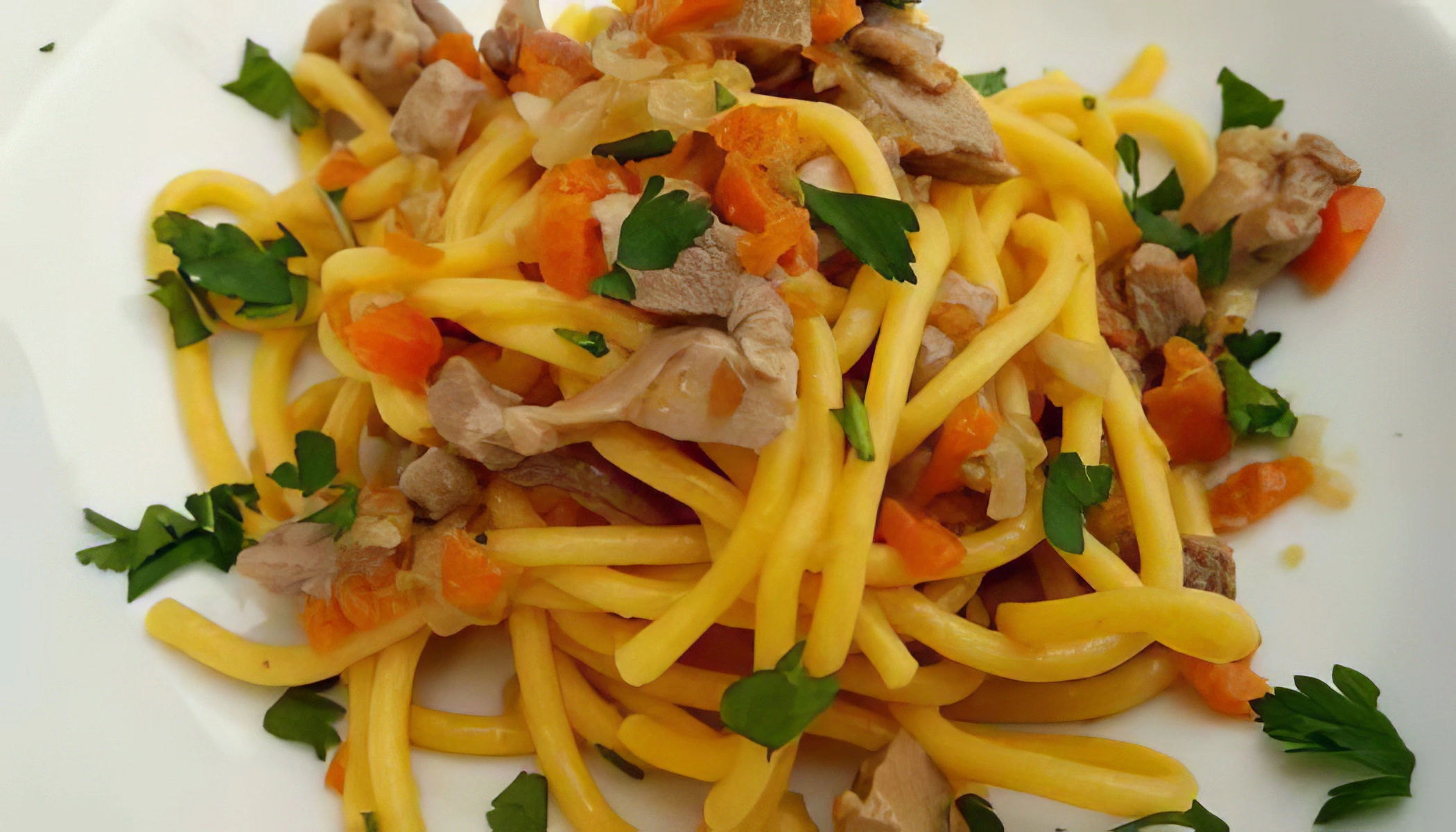
The city offers a rich culinary tradition with a focus on local ingredients and traditional recipes. Some of the city's most famous dishes include:
– Bigoli: Thick, whole-wheat pasta often served with duck ragu.
– Risotto al Tastasal: Creamy risotto made with seasoned ground pork.
– Baccalà alla Vicentina: Salted cod slow-cooked with onions, milk, and olive oil.
– Fegato alla Veneziana: Sautéed calf's liver with onions, typically served with polenta.
– Zaleti: Cornmeal cookies with raisins, often enjoyed with coffee.
– Tiramisu: Classic Italian dessert made with layers of coffee-soaked ladyfingers and mascarpone cheese.
Shopping

In the city, the Scrovegni Chapel offers unique art-themed souvenirs, perfect for gifts. The local markets, like the one in Piazza Delle Erbe, are ideal for purchasing fresh produce and regional delicacies. For a more traditional shopping experience, visit the Palazzo della Ragione, which houses various artisan shops selling handmade crafts. Bottega degli Artisti is a great spot for authentic ceramic pieces, a popular local craft. Additionally, the area is known for its fine jewelry shops, where you can buy exquisite gold and silver items. These make thoughtful and luxurious gifts.
Arts & Culture

The city hosts the Padua Jazz Festival, a significant event in the jazz music calendar, attracting international artists and audiences. It is home to the Scrovegni Chapel, which features a renowned cycle of frescoes by Giotto, a masterpiece of Western art. The city also celebrates its patron saint, Saint Anthony, with the Festa di Sant'Antonio on June 13th, marked by religious processions and cultural festivities. Additionally, the University of Padua, one of the oldest in the world, contributes to a magnificient academic culture with various lectures and events open to the public.