

Verona: Best Things to Do & Top Attractions
This city in Veneto is known for its ancient arena, a large Roman amphitheater hosting concerts and operas. It's also famed as the setting of Shakespeare's "Romeo and Juliet," featuring Juliet's balcony.
- Population
- 257,000
- Size
- 198 square km
- Airport
- Verona Villafranca – Int'l.
- Train Station
- Verona Porta Nuova
- Est. Visit Days
- 2 days
Overview
Verona, located in northern Italy, is renowned for its historical and cultural heritage, notably its well-preserved ancient Roman amphitheater, the Arena di Verona, which hosts world-class opera performances. The city's charming old town, with its medieval and Renaissance buildings, is a major draw for visitors. Additionally, Verona is associated with Shakespeare's "Romeo and Juliet," and tourists often visit the supposed balcony of Juliet. However, the city can be quite crowded, especially during the peak tourist seasons, which might detract from the experience. Additionally, Verona's public transportation system is somewhat limited, which could make getting around a bit challenging.
Traffic & Transport
The city's compact size and pedestrian-friendly center make walking an excellent option for exploring the main tourist attractions. For longer distances, buses are a convenient and cost-effective choice, with a well-organized network that covers most areas of interest. Bicycles are also a popular way to get around, offering visitors a more flexible and active way to see the city. However, it's important to note that traffic can be congested, especially during peak tourist seasons, which may affect travel times. For those preferring to use taxi services, several reliable companies operate in the city. Additionally, the use of taxi-booking apps like Uber provides a convenient option for securing a ride, offering both traditional taxi services and private car hires.
History
Historically, this city was a Roman colony founded in 89 BCE, known for its strategic location on the Adige River. It became a significant Roman settlement and was a key point on the Roman road Via Claudia Augusta. The city was also a crucial location during the medieval period, being ruled by various dynasties, including the Scaliger family in the 13th and 14th centuries. It was a center of trade and commerce, particularly in luxury goods such as silk, which contributed to its prosperity. The city's cultural heritage is notably enriched by its well-preserved ancient Roman amphitheater, which is still used for opera performances today.
Itinerary Sample
Here's a 2-day itinerary to explore the highlights of Verona, Italy:
– First day: Visit the Verona Arena, stroll through Piazza Delle Erbe, and see Juliet's House. End your day with a walk over the Castelvecchio Bridge.
– Second day: Explore the Basilica of San Zeno Maggiore, enjoy the Giardino Giusti, and finish with panoramic views from Torre Dei Lamberti.
Near Excursion
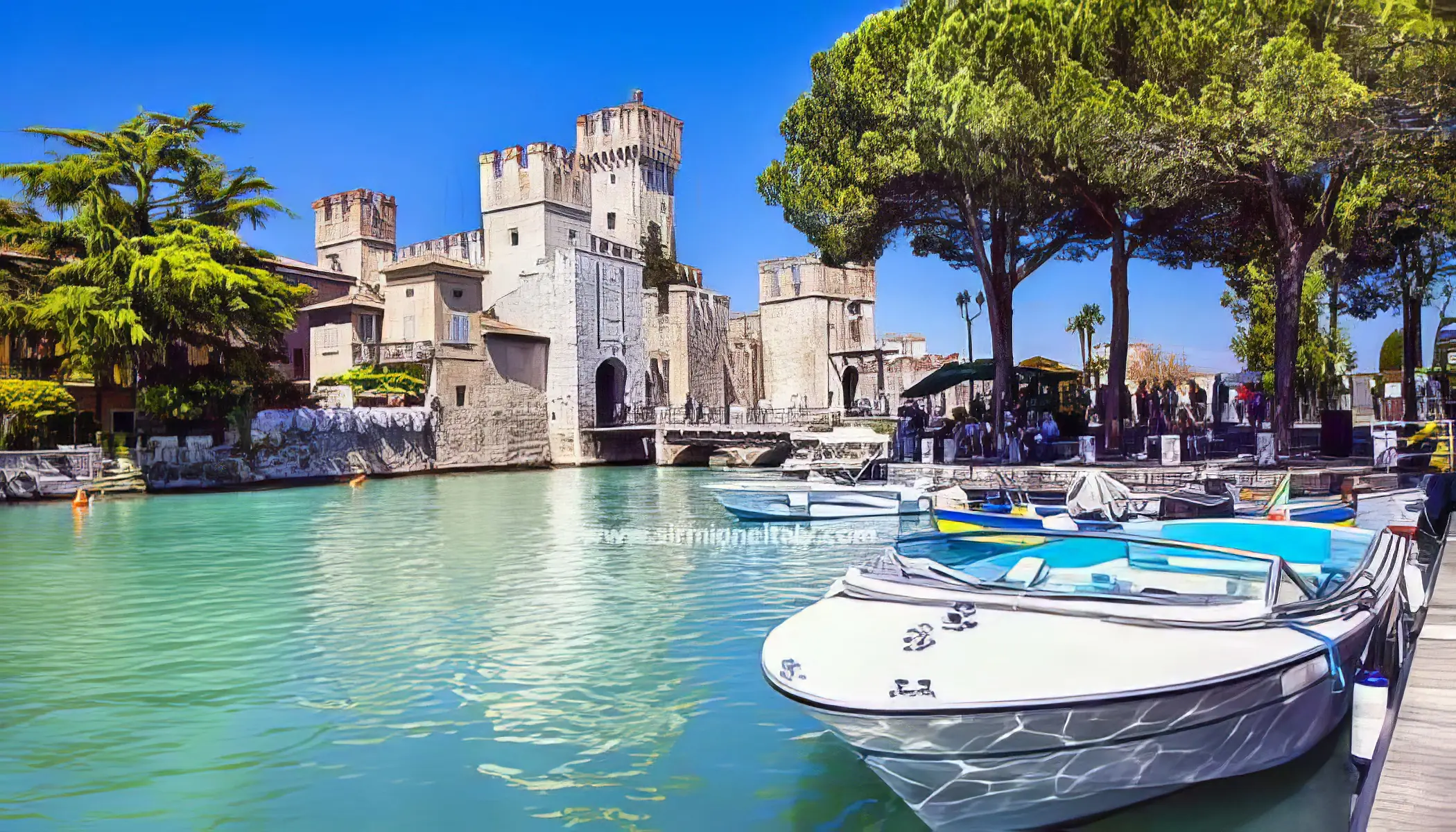
This city offers several interesting day trips within a short distance. Here are some suggestions:
– Lake Garda at 30 km: Italy's largest lake, ideal for water sports, hiking, and charming towns.
– Mantua at 45 km: A UNESCO World Heritage site with Renaissance architecture and beautiful palaces.
– Vicenza at 60 km: Known for its Palladian villas and historic city center.
– Padua at 85 km: Home to one of the oldest universities and the famous Scrovegni Chapel.
– Trento at 100 km: Offers a mix of medieval and Renaissance architecture, plus the Buonconsiglio Castle.
Attraction
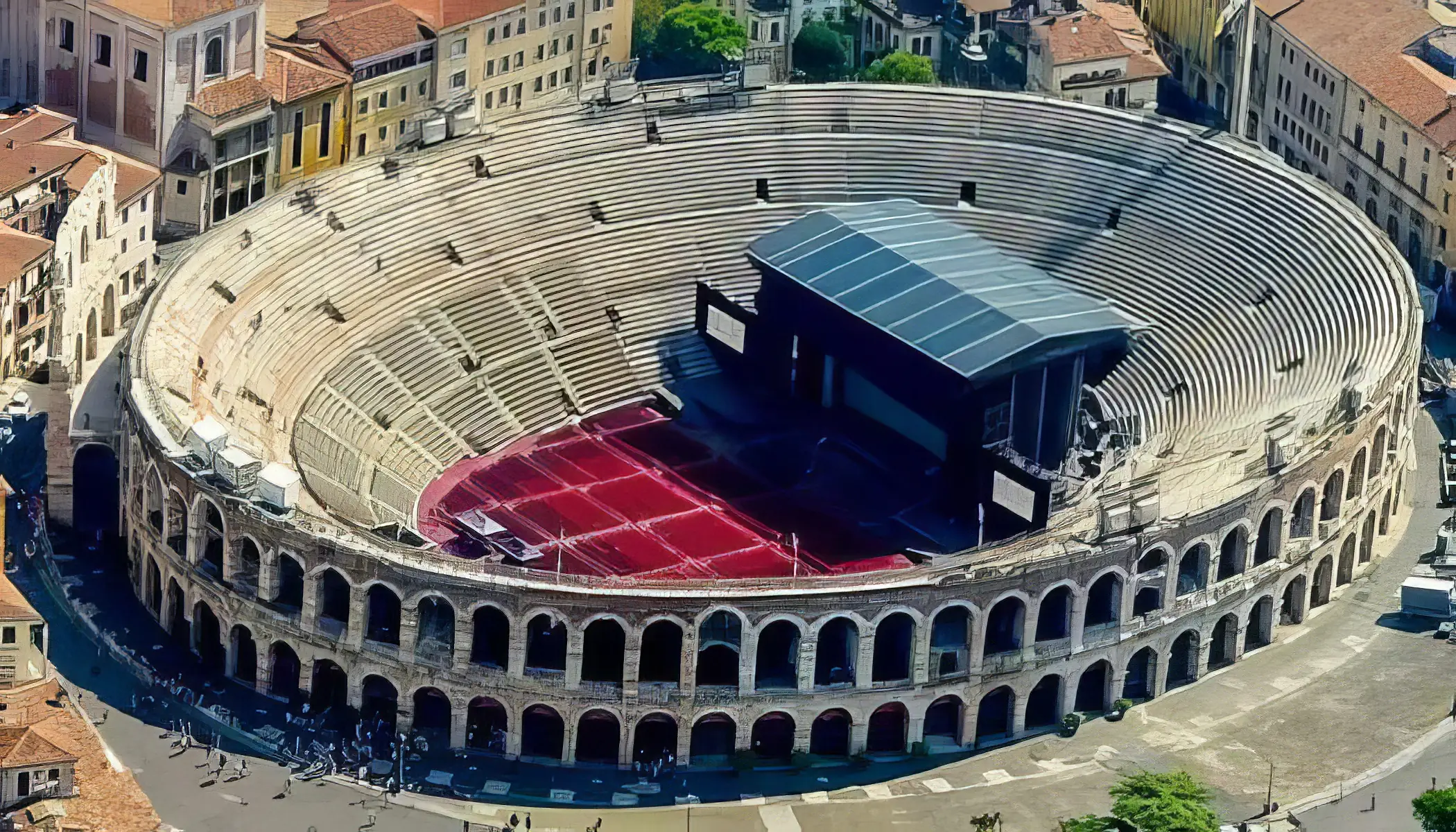
Known for its rich history and romantic charm, the city offers a variety of attractions for tourists.
– Arena di Verona: A well-preserved Roman amphitheater hosting opera performances and concerts.
– Juliet's House: Famous for its balcony, it is said to have inspired Shakespeare's "Romeo and Juliet."
– Piazza Delle Erbe: A lively square with markets, cafes, and historic buildings.
– Castelvecchio: A medieval castle housing an art museum with works from various periods.
– Ponte Pietra: An ancient Roman bridge offering scenic views of the river and city.
– Basilica of San Zeno: A Romanesque church known for its beautiful architecture and art.
Activity
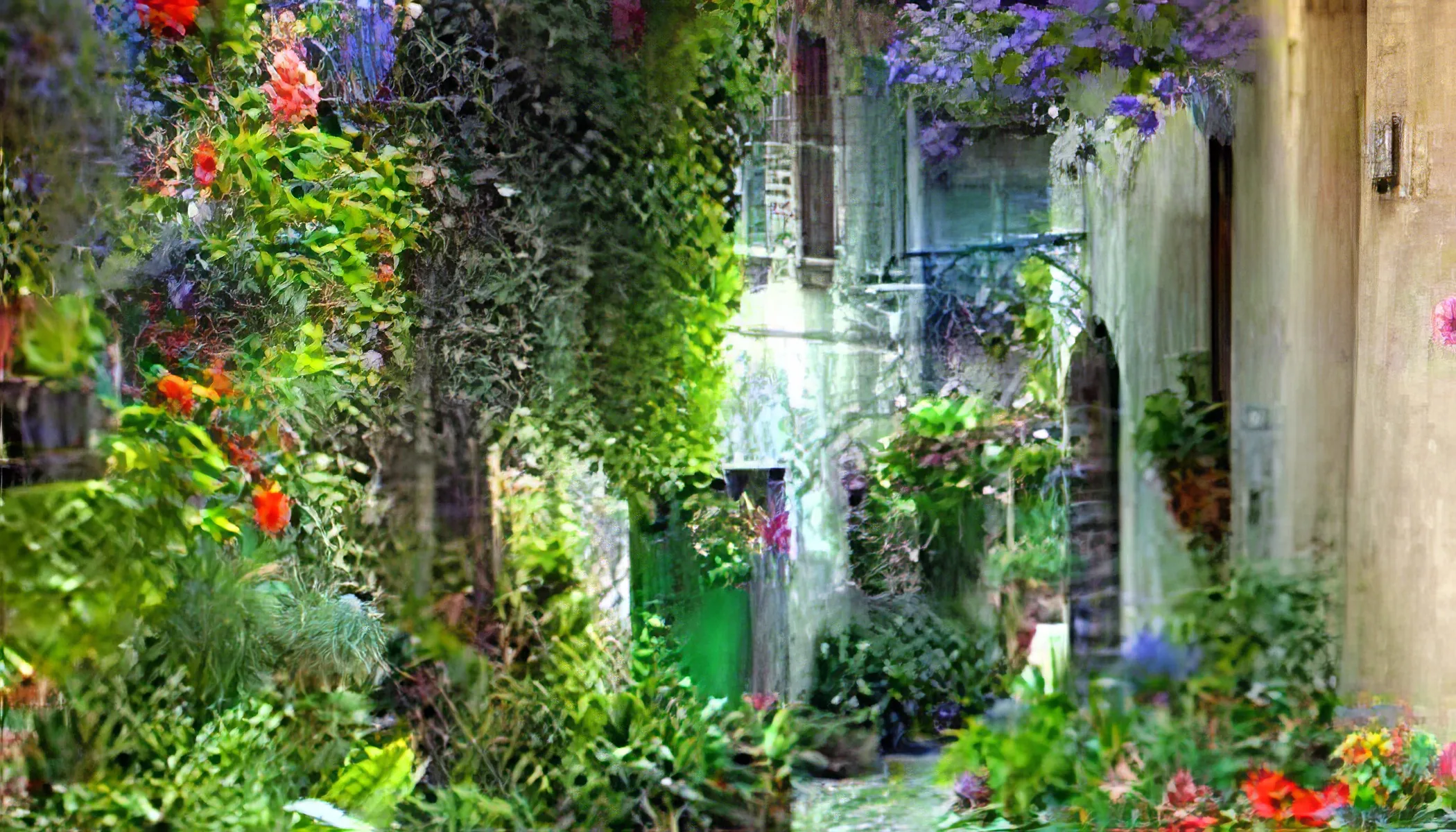
In Verona, travelers can enjoy unique experiences blending history, culture, and natural beauty.
– Opera at Arena di Verona: Watch world-class opera performances in an ancient Roman amphitheater.
– Wine Tasting in Valpolicella: Explore local wineries and taste renowned Valpolicella wines.
– Hiking in Lessinia Regional Park: Enjoy scenic trails and unique flora and fauna.
– Cooking Class: Learn to prepare traditional Veronese dishes with local chefs.
– Horseback Riding in the Valpolicella Hills: Ride through vineyards and countryside with experienced guides.
Cuisine
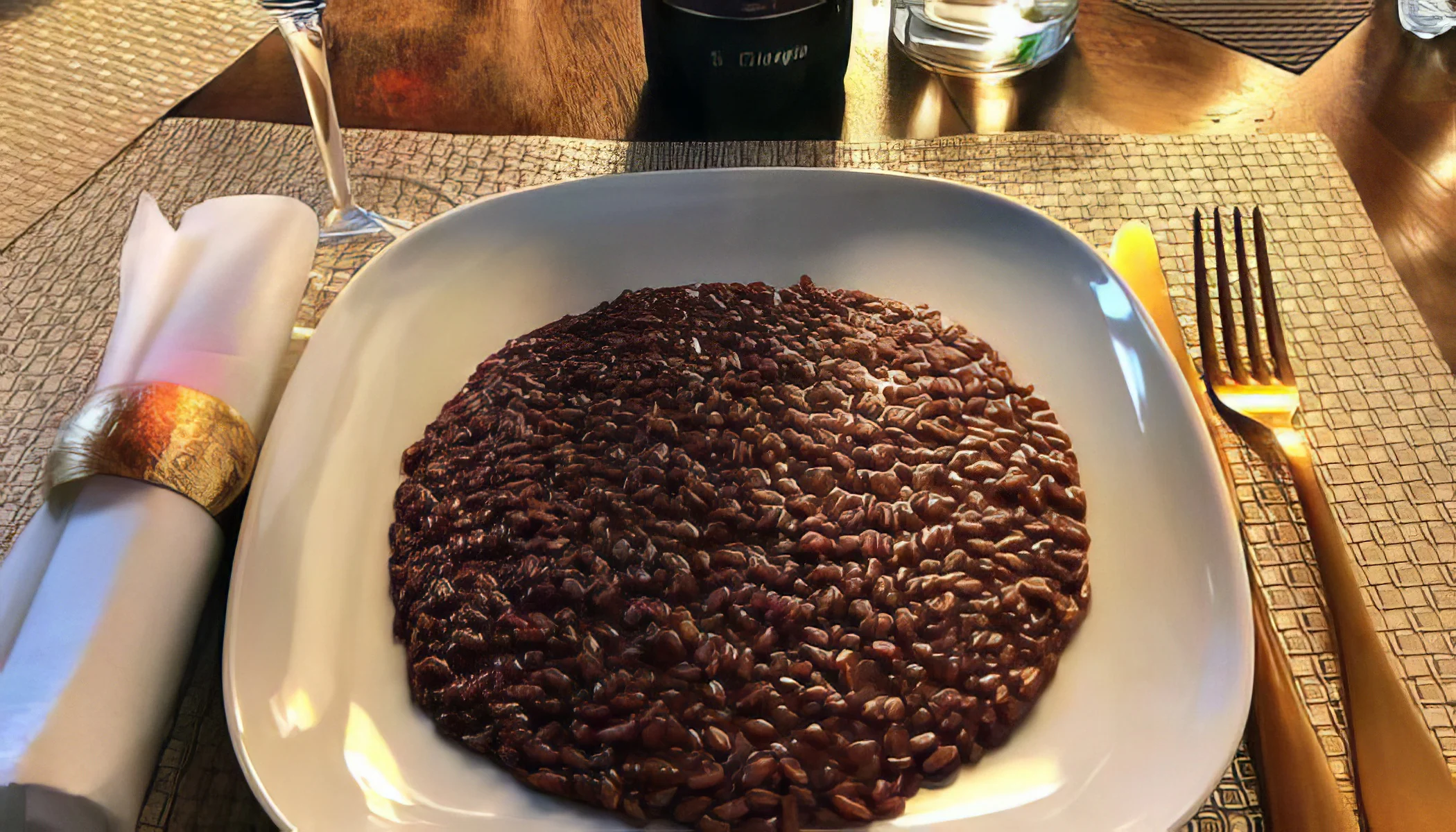
The city offers a rich culinary tradition with a focus on hearty, flavorful dishes and local wines. Some of the city's most famous dishes include:
– Risotto all'Amarone: Creamy risotto made with Amarone wine, giving it a deep, rich flavor.
– Pastissada de Caval: Slow-cooked horse meat stew with red wine and spices.
– Bigoli con le Sarde: Thick pasta with a savory sardine sauce.
– Pandoro: Traditional sweet bread, often enjoyed during the Christmas season.
– Tiramisu: Classic Italian dessert with layers of coffee-soaked ladyfingers and mascarpone cheese.
– Polenta e Renga: Polenta served with salted herring, a traditional dish during Lent.
Shopping
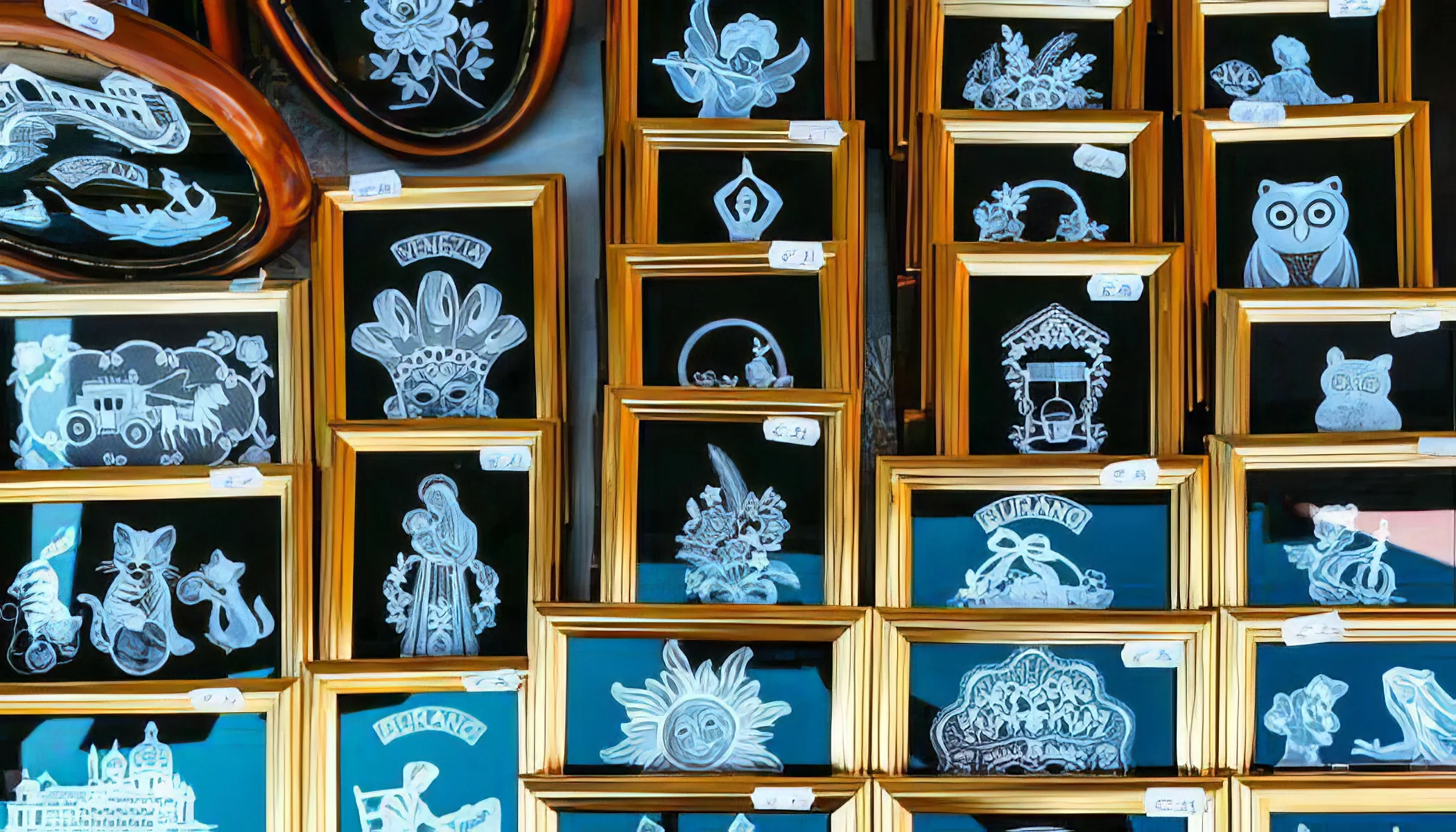
In the city, visitors can explore the beautiful Piazza Delle Erbe, which hosts a daily market offering local crafts and foods, ideal for unique gifts. The Via Mazzini, known for its high-end boutiques, is perfect for fashion enthusiasts looking for Italian designer labels. For a memorable souvenir, consider purchasing a bottle of Amarone wine, locally produced and renowned worldwide. Art lovers might appreciate a piece of traditional ceramic or marble work, reflecting the region's artisanal skills. Additionally, the area is famous for its olive oil, available in beautifully packaged bottles that make excellent gifts.
Arts & Culture
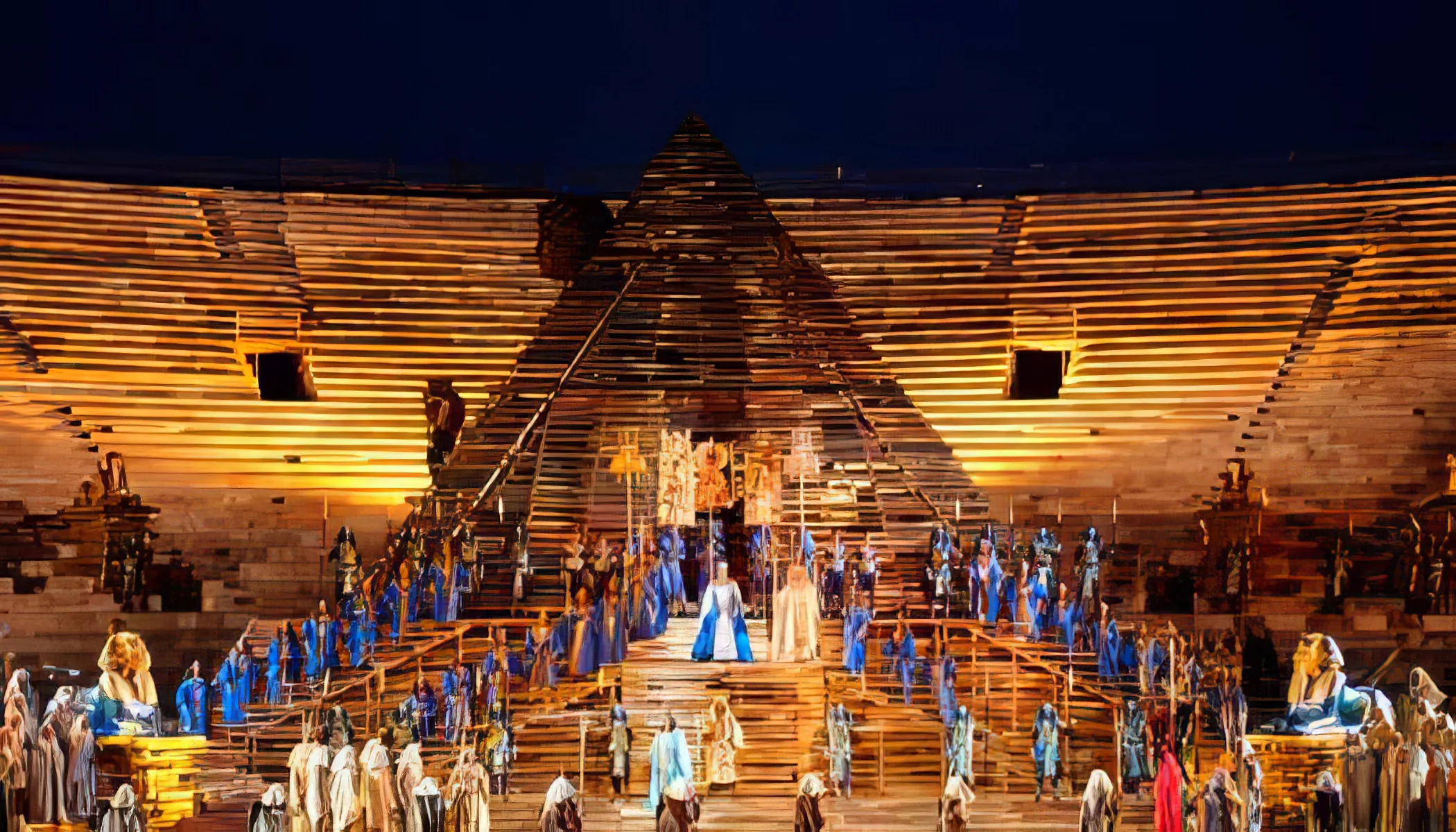
The city is renowned for its annual summer opera festival held in the ancient Arena, a Roman amphitheater. It also hosts the Verona Film Festival, which is dedicated to promoting international cinema. The city is rich in historical architecture, with numerous churches, galleries, and theaters that regularly host classical and contemporary performances. Additionally, it celebrates its literary heritage as the setting of Shakespeare's "Romeo and Juliet," with themed events and a dedicated museum.