

Rio de Janeiro: Best Things to Do & Top Attractions
This coastal city is known for its iconic beaches, such as Copacabana and Ipanema, the towering Sugarloaf Mountain, and the Christ the Redeemer statue. It is famous for its lively culture, including samba music and annual carnival celebrations.
- Population
- 6.75 millions
- Size
- 1 255 square km
- Airport
- Galeão – Int'l & 1 other
- Train Station
- Estação Central do Brasil & 3 others
- Subway
- Yes.
- Est. Visit Days
- 5 days
Overview
Rio de Janeiro is a major city in Brazil known for its beaches, Carnival festival, and landmarks like Christ the Redeemer. Pros include its lively culture, scenic views, and diverse activities. However, it also faces challenges such as high crime rates and economic disparity. Public transportation can be crowded and safety in certain areas may be a concern for visitors. Overall, Rio offers both exciting experiences and some risks.
Traffic & Transport
The traffic in the city can be quite congested, especially during peak hours, so it's advisable to plan your travels accordingly. Public transportation options such as the metro and buses are efficient and affordable, making them excellent choices to navigate the urban landscape. Ridesharing services are also popular and offer a convenient way to reach various attractions without the hassle of parking. Walking is another great option for exploring neighborhoods, especially those close to each other. For reliable taxi services, major companies like 99 Táxi and 99 Pop are widely used and provide safety and convenience. Additionally, popular ridesharing apps like Uber are readily available and can be booked through their respective applications for easy transport within the city.
History
The area was first explored by the Portuguese in the 16th century and became an important port for trade. It was the capital of Brazil during the colonial period and later served as the imperial capital from 1822 until 1889. The city was a significant site during the War of Independence, contributing to Brazil's eventual independence from Portugal. In the late 19th and early 20th centuries, it experienced rapid industrial growth and urbanization. The cultural scene developed during this time, leading to a rich blend of music, dance, and arts that reflects its diverse history.
Itinerary Sample
This 5-day itinerary will help you explore the key attractions of Rio de Janeiro.
– First day: Visit Christ the Redeemer in the morning and explore Sugarloaf Mountain in the afternoon for panoramic views of the city.
– Second day: Spend the day at Copacabana Beach, enjoy the sand, and explore local cafes and shops.
– Third day: Discover the colorful Selarón Steps and visit the nearby Museum of Modern Art in the afternoon.
– Fourth day: Take a trip to Tijuca National Park for hiking and enjoy nature away from the city.
– Fifth day: Explore the historical Santa Teresa neighborhood and end your day at the Lapa Arches for local music and nightlife.
Near Excursion

This city offers several interesting day-trip options to explore the surrounding areas. Here are a few suggestions:
– Petrópolis at 70 km: A charming mountain city known for its imperial history and the summer palace of former emperor Dom Pedro II.
– Ilha Grande at 120 km: An idyllic island with beautiful beaches, hiking trails, and clear waters perfect for snorkeling.
– Teresópolis at 100 km: Known for its handsome mountainous landscapes and the Serra dos Órgãos National Park.
– Niterói at 30 km: Offers smooth beaches and the contemporary Niterói Contemporary Art Museum designed by Oscar Niemeyer.
– Paraty at 150 km: A well-preserved colonial town with cobblestone streets and access to the Atlantic Forest and beaches.
Attraction

Known for its beautiful beaches, dynamic culture, and nice landscapes, it's a top tourist destination.
– Christ the Redeemer: An iconic statue atop Corcovado Mountain offering gorgeous panoramic views of the city.
– Sugarloaf Mountain: A famous peak accessible by cable car, providing impressive views of the coastline.
– Copacabana Beach: One of the world's most famous beaches, ideal for sunbathing and people-watching.
– Ipanema Beach: Known for its remarkable atmosphere, perfect for relaxing and enjoying local culture.
– Tijuca National Park: The world's largest urban rainforest, offering hiking trails and the Cascatinha Waterfall.
– Maracanã Stadium: A historic venue for football fans, hosting major events and offering guided tours.
Activity

Travelers in Rio de Janeiro can experience lovely landscapes, local culture, beaches, and outdoor activities in a lovely urban environment.
– Hang Gliding: Soar over scenic views of Rio while gliding from the Pedra Bonita mountain to the beaches below.
– Favela Tour: Explore local communities with a guide to learn about culture, history, and daily life in favelas.
– Hiking: Trek through Tijuca National Park, one of the world's largest urban rainforests, with trails offering diverse flora and fauna.
– Samba Class: Join a local dance class to learn the basics of samba, a cultural staple of Brazilian music and dance.
– Beach Volleyball: Play or watch beach volleyball on popular Copacabana or Ipanema beaches, enjoying social interactions with locals.
Cuisine
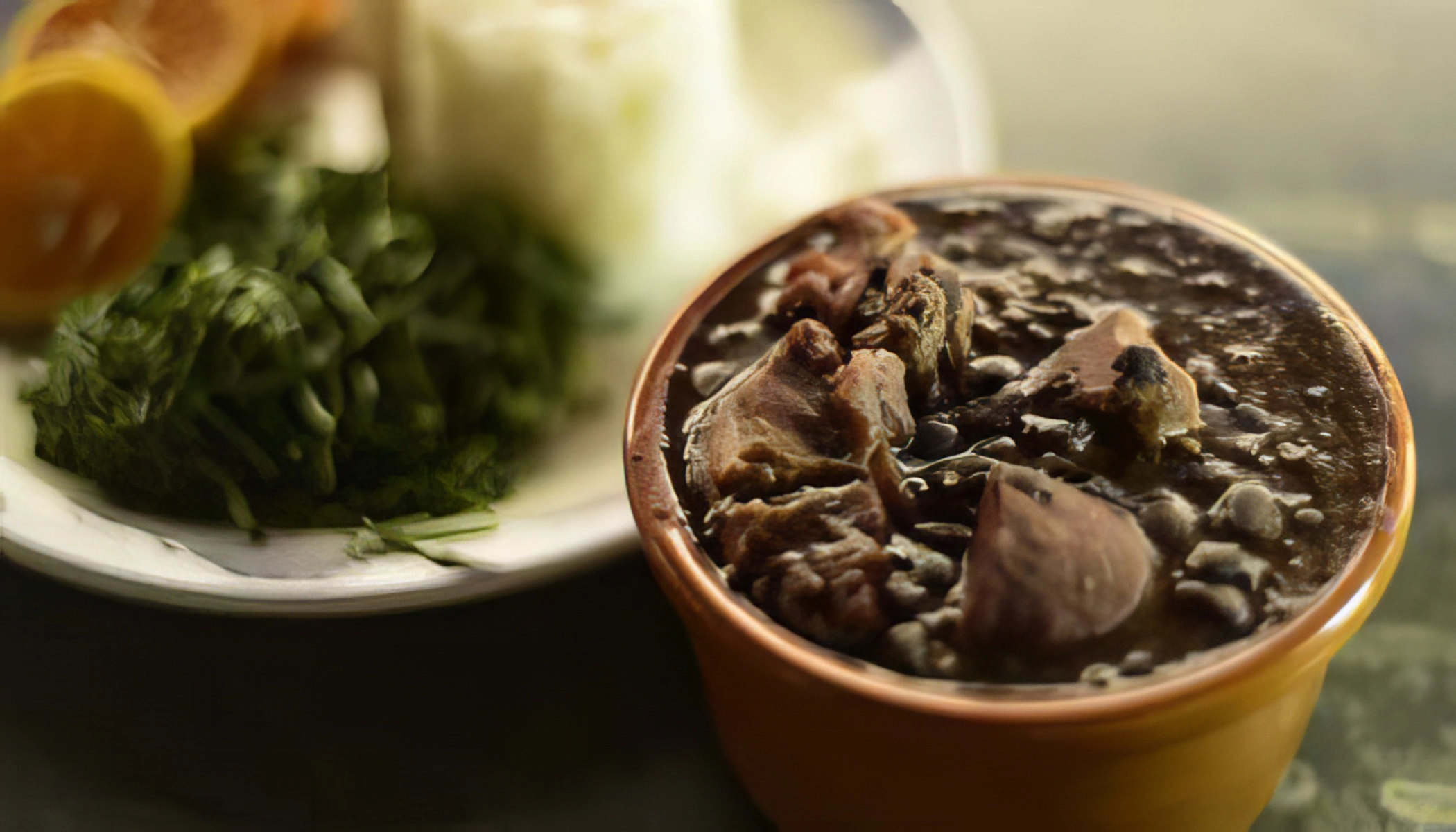
The city offers a pretty blend of traditional Brazilian flavors and international influences, celebrated in street food and local eateries. Some of the city's most famous dishes include:
– Feijoada: Rich black bean stew with assorted meats, traditionally served with rice and orange slices.
– Pão de Queijo: Small, chewy cheese-filled bread snacks made with tapioca flour.
– Moqueca: Brazilian fish stew cooked in coconut milk, tomatoes, onions, and peppers.
– Açaí Bowl: Thick smoothie made from açaí berries, often topped with granola and banana.
– Brigadeiro: Classic Brazilian chocolate truffle made with condensed milk and cocoa powder.
– Coxinha: Deep-fried snack shaped like a teardrop, filled with spiced chicken and cream cheese.
Shopping

For a good shopping experience, visitors can explore local markets like the Feira de São Cristóvão, where they can find handmade crafts and traditional food items. Another option is shopping at shopping malls such as Shopping Leblon, which offers various brands. A popular gift is a hammock, which reflects local culture and is useful for relaxation. Also, Brazilian coffee is a popular choice, known for its rich flavor. Other gift options include cachaça, a traditional Brazilian spirit, or colorful beachwear. These items represent the local lifestyle and make unique souvenirs.
Arts & Culture

The city is known for its attractive music scene, especially samba and bossa nova, with numerous live music venues. The annual Carnival is a major cultural event, featuring parades, costumes, and music. The Museum of Modern Art and the Contemporary Art Museum display important works from Brazilian artists. Various festivals, like the International Festival of Dance, celebrate and showcase performing arts throughout the year.