

San Gimignano: Best Things to Do & Top Attractions
This medieval town is famed for its 14 preserved tower houses, offering a glimpse into Tuscan architectural history. It's a UNESCO World Heritage site, renowned for its art, culture, and Vernaccia di white wine.
- Population
- 7,500
- Train Station
- Poggibonsi at 12 km
- Est. Visit Days
- 1 day
Overview
San Gimignano, a small walled medieval town in Tuscany, Italy, is renowned for its well-preserved medieval architecture, including its iconic towers that once represented the city's wealth and power. The town's historic center is a UNESCO World Heritage site, attracting many visitors. However, its popularity can lead to large crowds, especially during peak tourist seasons, which might detract from the experience. Despite this, San Gimignano offers a glimpse into medieval life and a rich cultural heritage, with its museums and art galleries adding to its appeal. Additionally, the surrounding countryside is beautiful and ideal for exploration.
Traffic & Transport
The city's historic center is pedestrianized, making it ideal for exploring on foot, especially given its compact size. For longer distances or for those with limited mobility, electric buses are available and provide a convenient way to navigate the area. Bicycles are also a popular mode of transport, offering visitors the flexibility to explore at their own pace. However, it's important to note that the narrow, cobbled streets can be challenging for larger vehicles, so using smaller modes of transport is recommended for a more enjoyable experience. For those in need of taxi services, there are a few reliable taxi companies operating in the area. Additionally, the use of taxi-booking apps like [insert app names if available] can be a convenient option for securing a ride, allowing for easy access to transportation services at any time.
History
Originally a small Etruscan village, the settlement was founded in the 3rd century BC. It grew significantly during the Middle Ages as a stopping point for pilgrims traveling to and from Rome. The city's development was also influenced by its location on the Via Francigena, a major medieval trade route. In the 12th century, it became a free commune, experiencing a period of intense rivalry with neighboring cities. The city's wealth and power during the medieval period are reflected in its well-preserved architecture, including its famous towers.
Itinerary Sample
Explore the medieval charm of San Gimignano in one day with this focused itinerary:
– Morning: Visit the Piazza Della Cisterna and explore the Torre Grossa for panoramic views of the town.
– Afternoon: Tour the Collegiate Church and the Civic Museum.
– Evening: Enjoy local cuisine at a traditional trattoria.
Near Excursion
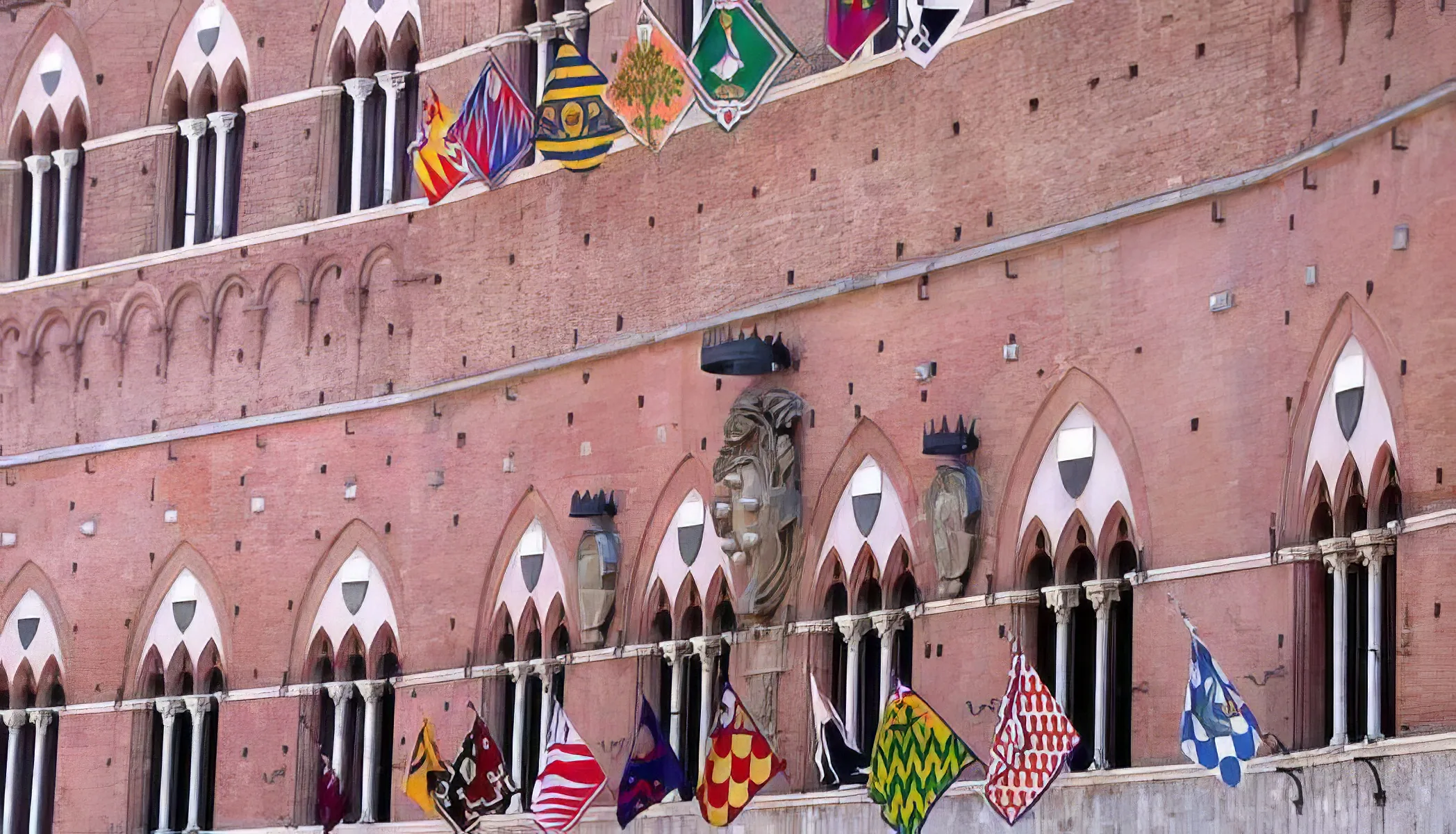
This town is an excellent base for exploring the surrounding Tuscan region. Here are some day-trip suggestions:
– Siena at 45 km: A historic city known for its medieval architecture and the famous Palio horse race.
– Florence at 60 km: The cradle of the Renaissance, home to iconic art and architecture.
– Volterra at 30 km: A walled town with Etruscan origins and well-preserved medieval buildings.
– Pisa at 80 km: Famous for its Leaning Tower and other historic sites.
– Chianti Wine Region at 40 km: Renowned for its vineyards, wine tasting, and scenic countryside.
Attraction
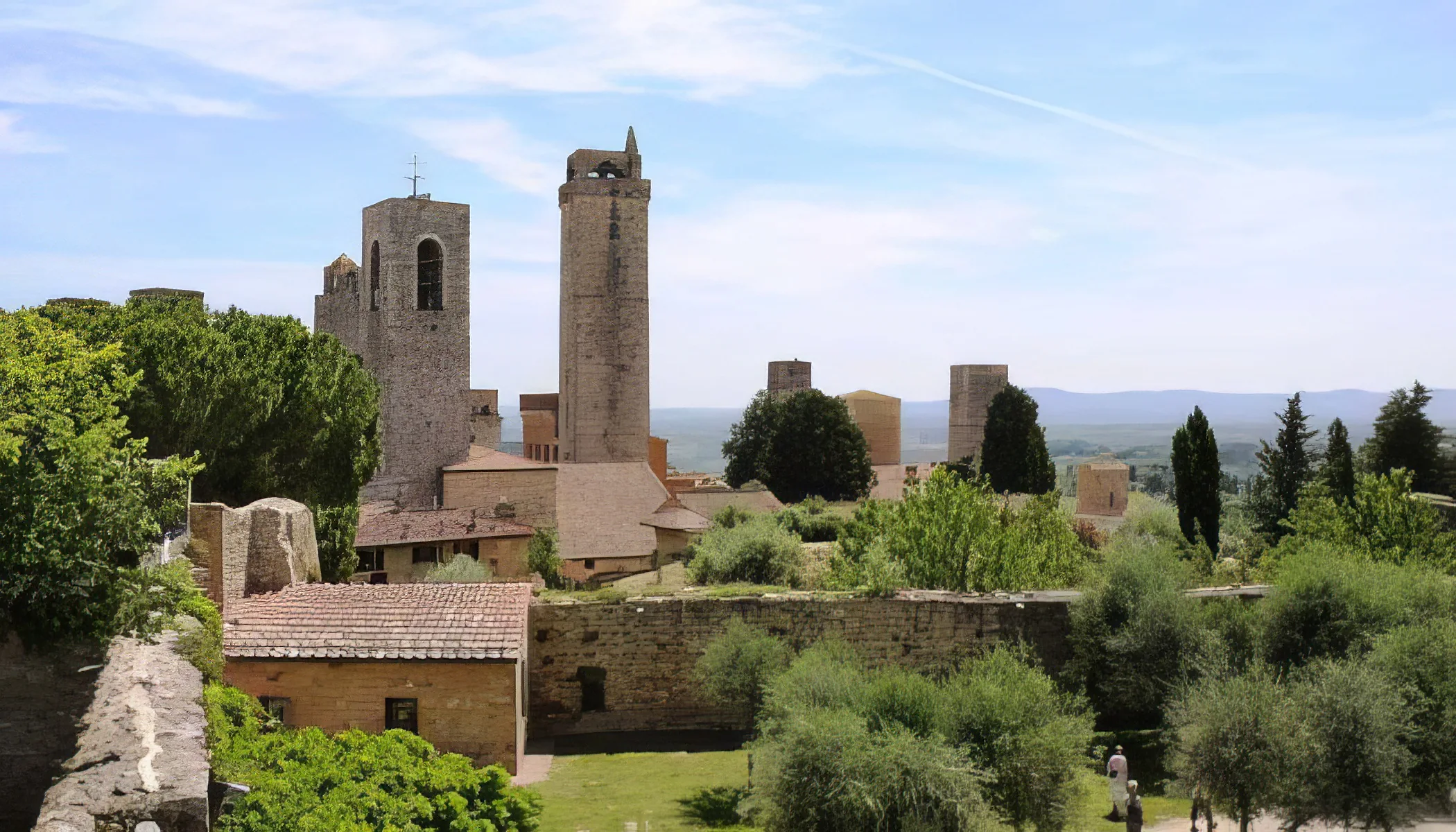
This city is known for its well-preserved medieval architecture and towers.
– Torre Grossa: The tallest tower offering panoramic views of the surrounding countryside.
– Piazza Della Cisterna: A charming square surrounded by medieval buildings and a historic well.
– Collegiata di Santa Maria Assunta: A Romanesque church with fascinating frescoes depicting biblical scenes.
– Palazzo Comunale: A historic town hall featuring a museum with art and artifacts.
– Rocca di Montestaffoli: A fortress providing scenic views and a peaceful garden.
– Museo della Tortura: A small museum displaying medieval torture devices and historical exhibits.
Activity
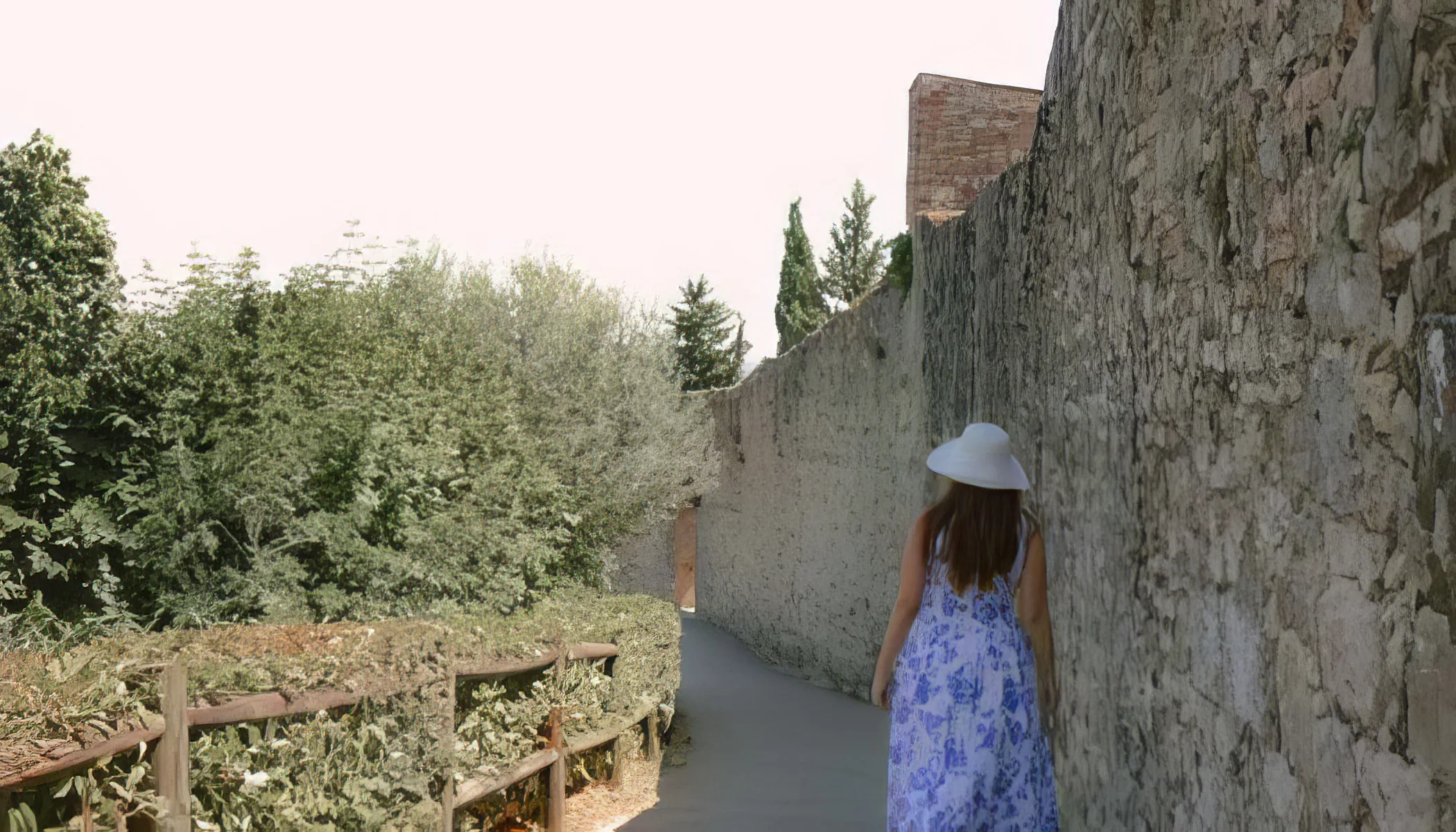
San Gimignano offers medieval architecture, panoramic views, and unique local products.
– Walk the Medieval Walls: Enjoy scenic views of the town and surrounding countryside.
– Wine Tasting: Sample Vernaccia di San Gimignano, a local white wine.
– Gelato Making Class: Learn to make traditional Italian gelato.
– Hike to Rocca di Montestaffoli: Enjoy views from the ruins of an ancient fortress.
– Tuscan Cooking Class: Learn to prepare traditional Tuscan dishes.
Cuisine

The city offers a rich culinary experience with traditional Tuscan dishes and local specialties. Visitors can enjoy a variety of flavors from hearty meals to sweet treats. Some of the city's most famous dishes and desserts include:
– Ribollita: A hearty vegetable and bread soup, often made with leftover ingredients.
– Pappardelle al Cinghiale: Wide pasta noodles served with a rich wild boar ragu.
– Panforte: A dense, spiced fruitcake made with nuts, honey, and dried fruits.
– Gelato: Creamy Italian ice cream, with local shops offering a variety of flavors.
– Vernaccia Wine: A crisp, white wine produced from local Vernaccia grapes.
– Cantucci: Crunchy almond biscuits traditionally dipped in Vin Santo wine.
Shopping
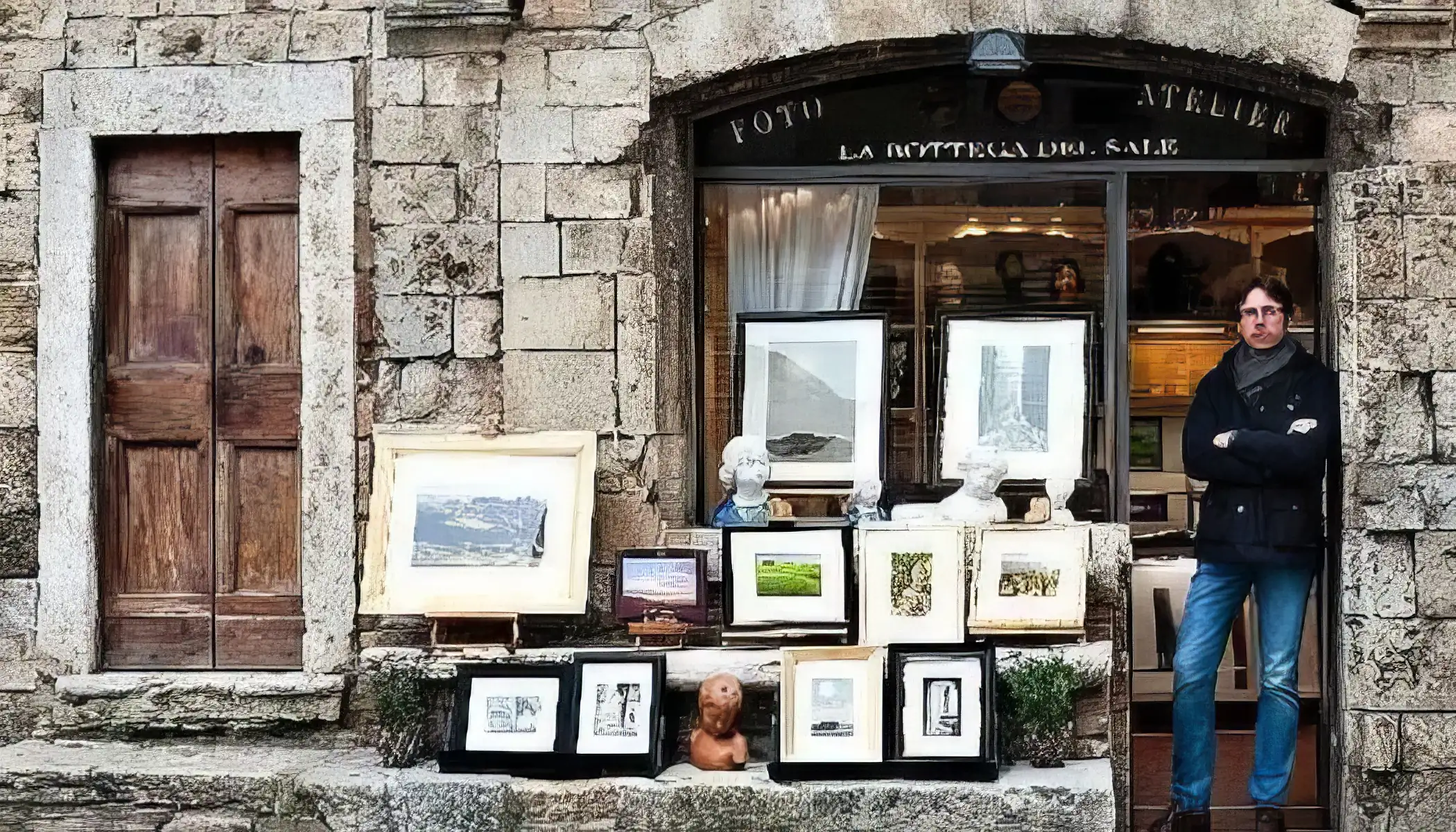
In this city, tourists often enjoy shopping for local artisan products. A popular gift to purchase is saffron, which is a specialty of the area. Another excellent choice is a bottle of Vernaccia di San Gimignano, a renowned white wine produced locally. Hand-painted ceramics also make unique and cherished gifts. Additionally, consider buying olive oil, another high-quality local product. Leather goods, crafted by skilled artisans, are also a great souvenir option.
Arts & Culture
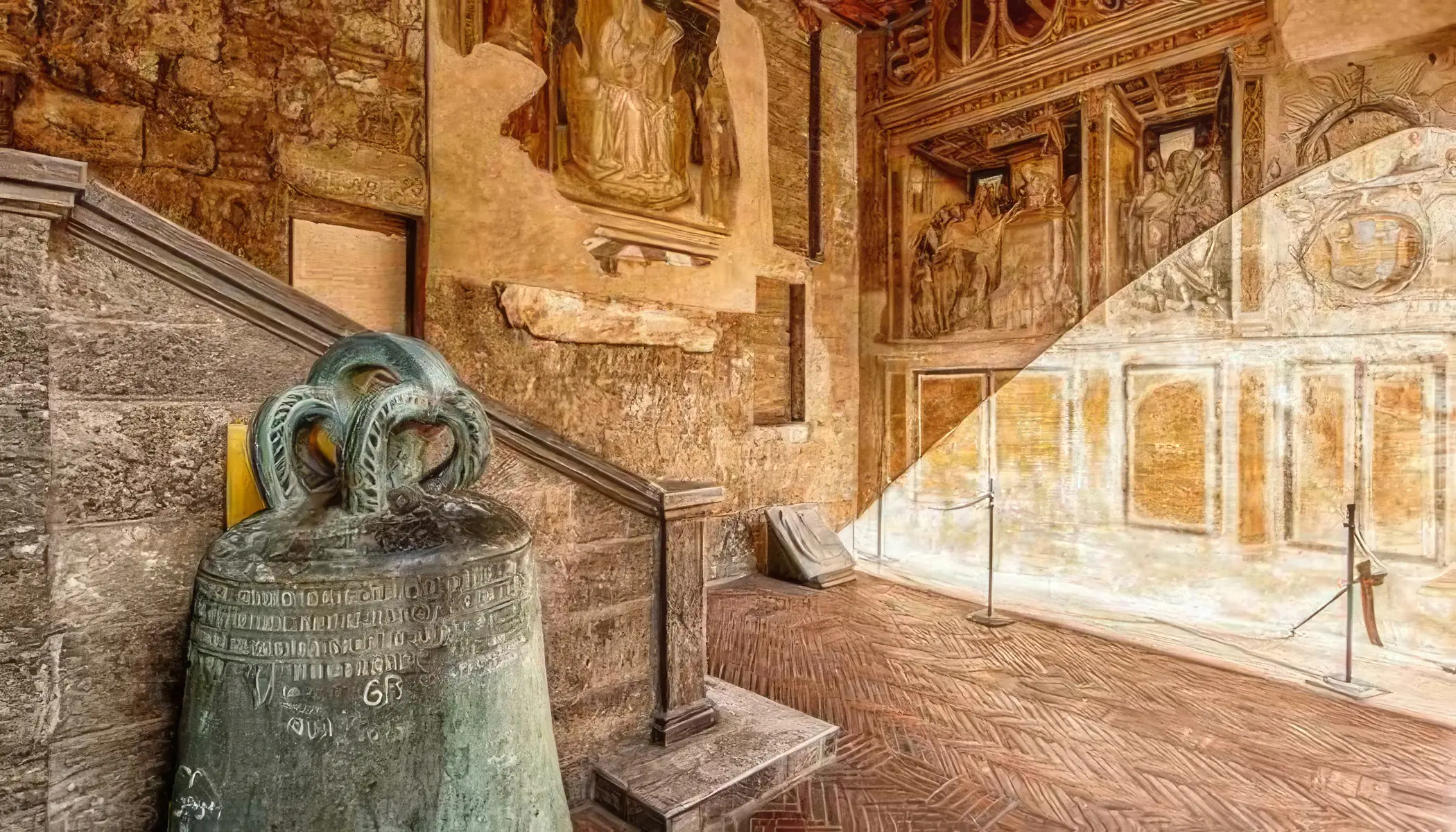
The city is renowned for its numerous towers, which contribute to its distinctive medieval skyline, and hosts various cultural events, including classical music concerts and art exhibitions. The Civic Museum offers a rich collection of artworks, including pieces by Filippino Lippi and Benozzo Gozzoli. The annual Medieval Festival, featuring historical reenactments, parades, and traditional music, vividly brings the past to life. Additionally, the city's small galleries and artisan shops showcase local craftsmanship, particularly alabaster and ceramic works.