
Austria Attractions & Travel Advice – Plan Your Visit
This Central European country is known for its rich cultural heritage, including classical music and architecture. It boasts gorgeous alpine landscapes, historic cities like Vienna and Salzburg, and is famous for its winter sports and delicious pastries.
- Capital
- Vienna
- Population
- 8.3 millions
- Superficy
- 84000 sq.km
- Months to Visit
- May to Sept.
- Living Cost
- Expensive
Overview
Austria is a landlocked country located in Central Europe, known for its rich cultural heritage and gorgeous landscapes. Vienna, the capital, is famous for its historic architecture, including the Schönbrunn and Hofburg palaces. The country is also home to Salzburg, the birthplace of Mozart, and the setting for the film "The Sound of Music". Austria's terrain is largely mountainous due to the Alps, making it a popular destination for skiing and hiking. The country has a strong tradition in coffee culture and classical music. Austria's blend of historical landmarks and natural beauty offers a unique experience for visitors.
Pros & Cons
GOOD REASONS TO VISIT AUSTRIA
– Historic Architecture: Austria is home to grand palaces, castles, and cathedrals, showcasing its rich historical heritage.
– Natural Beauty: Enjoy the nice Alpine landscapes, immaculate lakes, and well-preserved national parks.
– Music and Arts: Birthplace of Mozart and Strauss, Austria offers world-class opera, classical music, and contemporary art scenes.
– Delicious Cuisine: Savor traditional Austrian dishes like Wiener Schnitzel, Sacher Torte, and a variety of local wines.
– Winter Sports: Austria's Alps provide excellent opportunities for skiing, snowboarding, and other winter sports. CHALLENGES WHEN VISITING AUSTRIA
– High Costs: Compared to other European countries, Austria can be expensive, particularly in Vienna and Salzburg.
– Language Barrier: While English is spoken in tourist areas, it's less common in rural regions.
– Limited Nightlife: Outside of Vienna, nightlife is relatively quiet, which may not appeal to some visitors.
Before Departure
Before setting off on your Austrian adventure, there are several key points to consider:
– Passport: Ensure your passport is valid for at least six months beyond your planned departure date.
– Visa: Austria is part of the Schengen area. Depending on your nationality, you may need a Schengen visa. Check the Austrian embassy website for details.
– Currency: The official currency is the Euro (€). Credit cards are widely accepted and ATMs are readily available.
– Internet access: WiFi is widely available in hotels, cafes, and public places. Prepaid SIM cards for data are also easily accessible.
– Language barrier: The official language is German. English is widely spoken in cities and tourist areas, while French, Spanish, and Italian are less common.
What to Pack
Packing for a trip to Austria requires consideration of the season, cultural norms, and the various activities you plan to engage in.
– Essentials: Passport and visa (if required), Travel insurance details, Flight tickets and itinerary, Accommodation reservations.
– Clothing: Warm clothing and waterproof boots for winter, light clothing for summer, comfortable walking shoes, swimwear (for hotel pools or lakes), formal attire for opera or fine dining.
– Health and Safety: Prescription medications and a basic first aid kit, sunscreen with high SPF, personal hygiene items.
– Electronics: Travel adapter for Austrian outlets, mobile phone, camera, portable charger.
Weather
Austria experiences a temperate seasonal climate, with four distinct seasons:
– Winter (December to February): Cold and snowy, especially in the mountainous regions.
– Spring (March to May): Mild temperatures with increasing hours of sunshine and occasional rain showers.
– Summer (June to August): Warm to hot, with temperatures ranging from 20°C to 35°C, and occasional thunderstorms.
– Autumn (September to November): Cool and wet, with beautiful fall foliage. The best time to visit Austria depends on the activities planned:
– For winter sports, December to March is ideal due to heavy snowfall in the Alps.
– For sightseeing and outdoor activities, May to September offers pleasant weather and long daylight hours. However, these periods also attract the most tourists, leading to higher prices and crowded attractions.
Travel Budget
Austria is a country with a higher cost of living compared to many other countries. Here are some average costs for reference:
– Hotel: 70$ to 200$
– Lunch: 15$ to 30$
– Beverage (in bar/restaurant): 4$ to 10$
– Coffee: 3$ to 5$
– Transportation: (train 20$ to 60$), (bus 5$ to 15$), (taxi /10km 20$ to 30$)
– Mobile data (per GB): 5$ to 10$
Language
Austria's official language is German, and here are some useful phrases for tourists traveling in Austria:
– Hello: Hallo
– Thank you: Danke
– Please: Bitte
– How much is this?: Wie viel kostet das?
– Excuse me: Entschuldigung
– I don't understand: Ich verstehe nicht
– Yes: Ja
– No: Nein
– Goodbye: Auf Wiedersehen
History
Austria's history dates back to the Roman era when it was a province known as Noricum. In the Middle Ages, it became a powerful region under the Habsburg Dynasty. The Austrian Empire was established in 1804, which later became the Austro-Hungarian Empire in 1867. After World War I, the empire was dissolved, leading to the creation of the First Austrian Republic in 1919. Austria was annexed by Nazi Germany in 1938, an event known as the Anschluss, and was occupied by Allied forces during World War II. Post-war, Austria was restored to sovereignty in 1955 and has since been a stable, democratic country.
Geopolitics
Austria is a landlocked country in Central Europe, bordered by eight countries: Germany, Czech Republic, Slovakia, Hungary, Slovenia, Italy, Switzerland, and Liechtenstein. It operates under a federal parliamentary republic, with Vienna as its capital. Austria is a member of the European Union, the United Nations, and NATO, among other international organizations. It maintains a policy of neutrality, established after World War II, and does not participate in military alliances. Austria's geopolitical significance is enhanced by its strategic location, serving as a bridge between Western and Eastern Europe, and its role as a mediator in international diplomacy.
Sample Itinerary
This tour includes the cultural richness of Vienna, the historical significance of Salzburg, and the natural beauty of Innsbruck.
– 2 days in Vienna: Visit Schönbrunn Palace, St. Stephen's Cathedral, and enjoy a walk around the historic city center.
– 2 days in Salzburg: Explore the birthplace of Mozart, visit Hohensalzburg Fortress, and stroll through Mirabell Gardens.
– 2 days in Innsbruck: Enjoy the Alpine scenery, visit the Golden Roof, and take a cable car ride up Nordkette.
– 1 day in Hallstatt: Visit the pleasant village, explore the salt mines, and enjoy the smooth lake views.
Popular cities
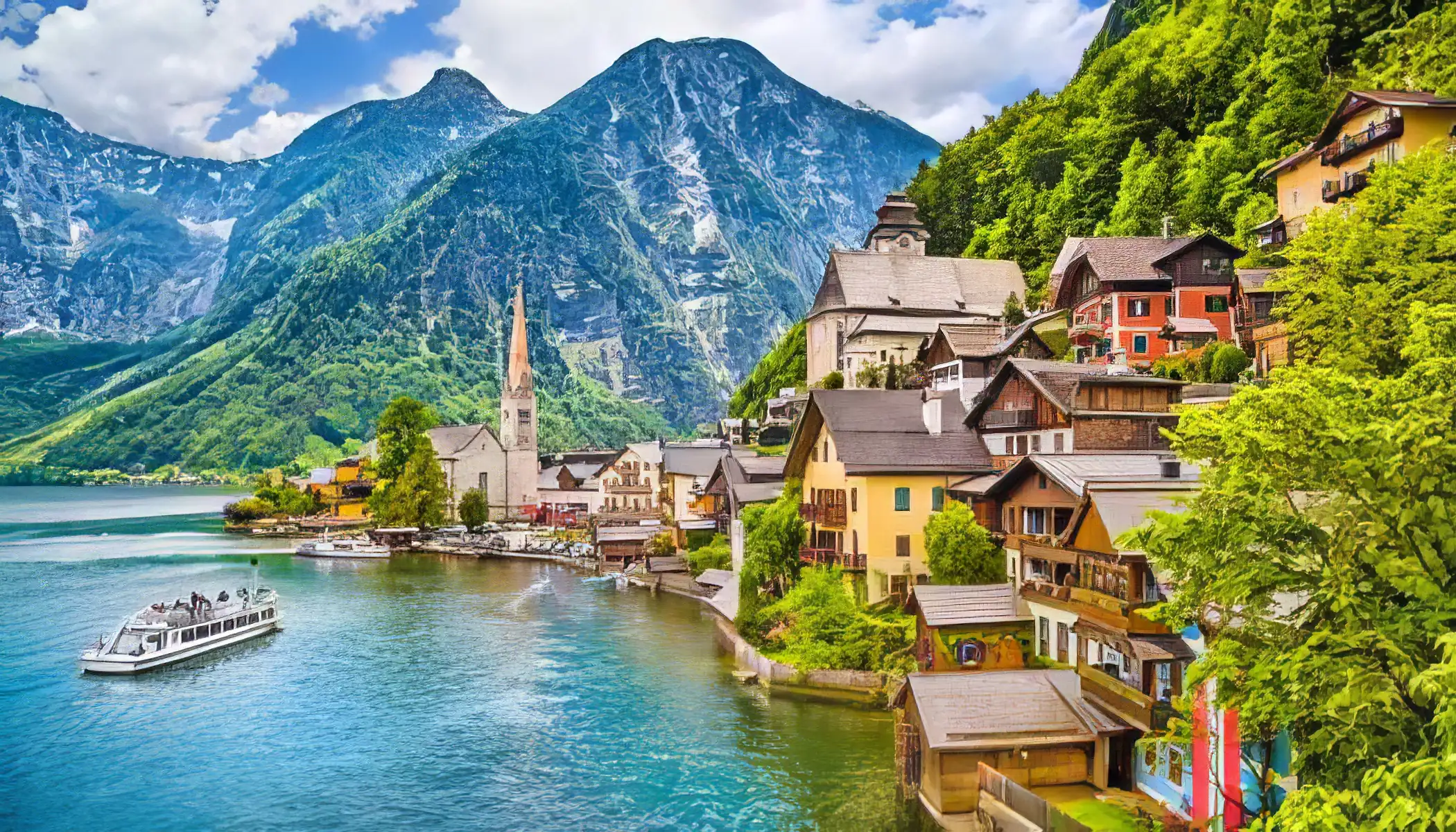
Austria offers a variety of cities with rich history, culture, and nice landscapes:
– Vienna: The capital city, known for its imperial palaces, museums, and dynamic coffee culture.
– Salzburg: The birthplace of Mozart, it's famous for its baroque architecture and the Salzburg Festival.
– Innsbruck: A city in the Alps, it's popular for winter sports and its historic old town.
– Graz: Known for its well-preserved old town, the Schlossberg hill, and contemporary art scene.
– Linz: A city on the Danube River, it offers a mix of old and new, with historic sites and modern art.
– Klagenfurt: Known for its Renaissance architecture, it's located near Lake Wörthersee.
– Bregenz: Located on the eastern shores of Lake Constance, it's famous for the Bregenz Festival.
Monuments
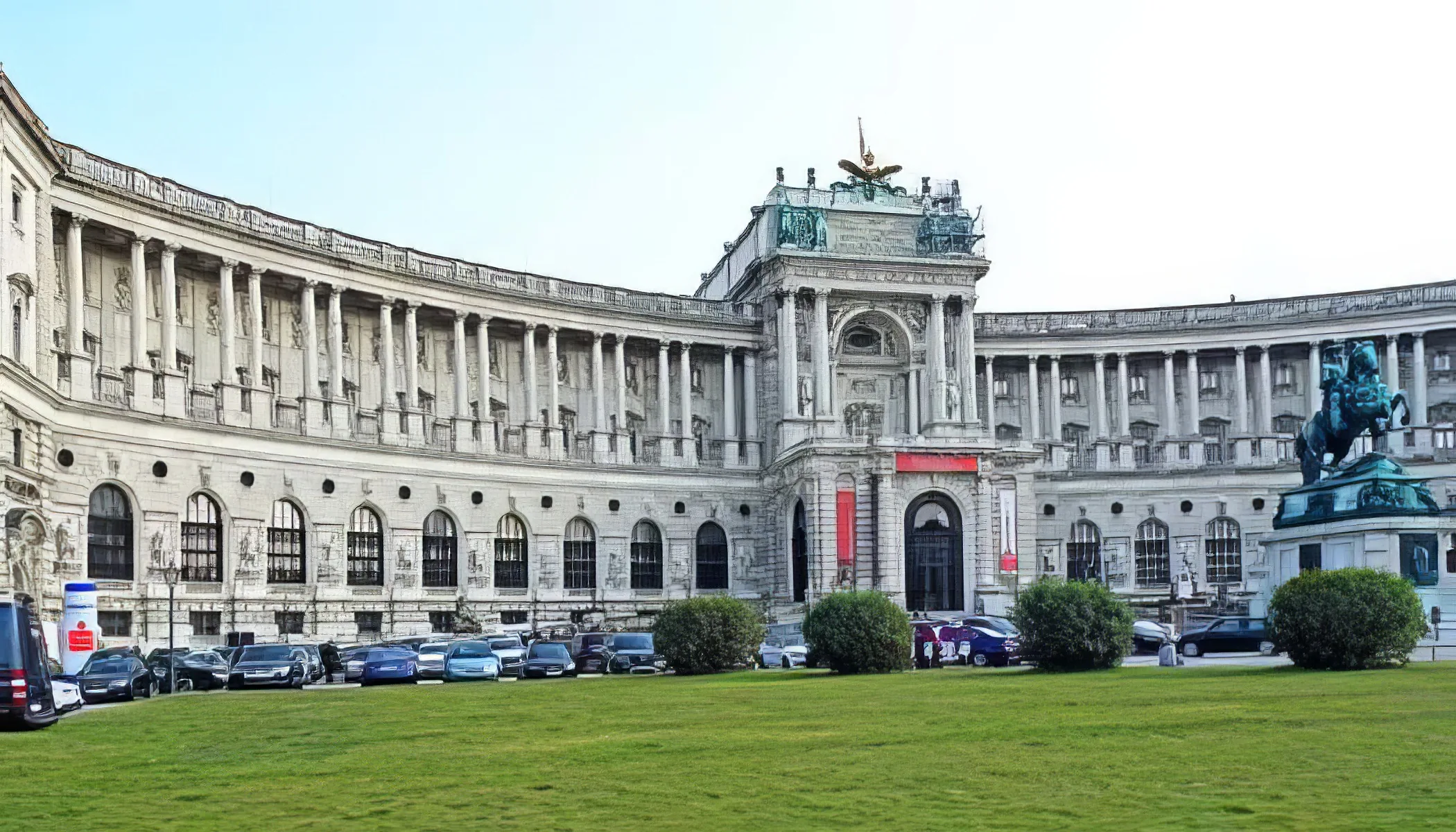
Austria is home to numerous historical monuments and architectural wonders:
– Schönbrunn Palace, Vienna: Former imperial summer residence with 1,441 rooms.
– St. Stephen's Cathedral, Vienna: Iconic Gothic cathedral with a multi-colored tile roof.
– Belvedere Palace, Vienna: Baroque palace complex housing Austrian art.
– Hofburg Palace, Vienna: Winter residence of the Habsburgs, now the Austrian President's office.
– Hohensalzburg Fortress, Salzburg: 11th-century fortress offering panoramic city views.
– Melk Abbey, Melk: Baroque-style monastery overlooking the Danube river.
– Hallstatt Salt Mines: Ancient salt mines with a subterranean salt lake.
– Graz Clock Tower: Landmark tower on Schlossberg hill with panoramic views.
Natural wonder
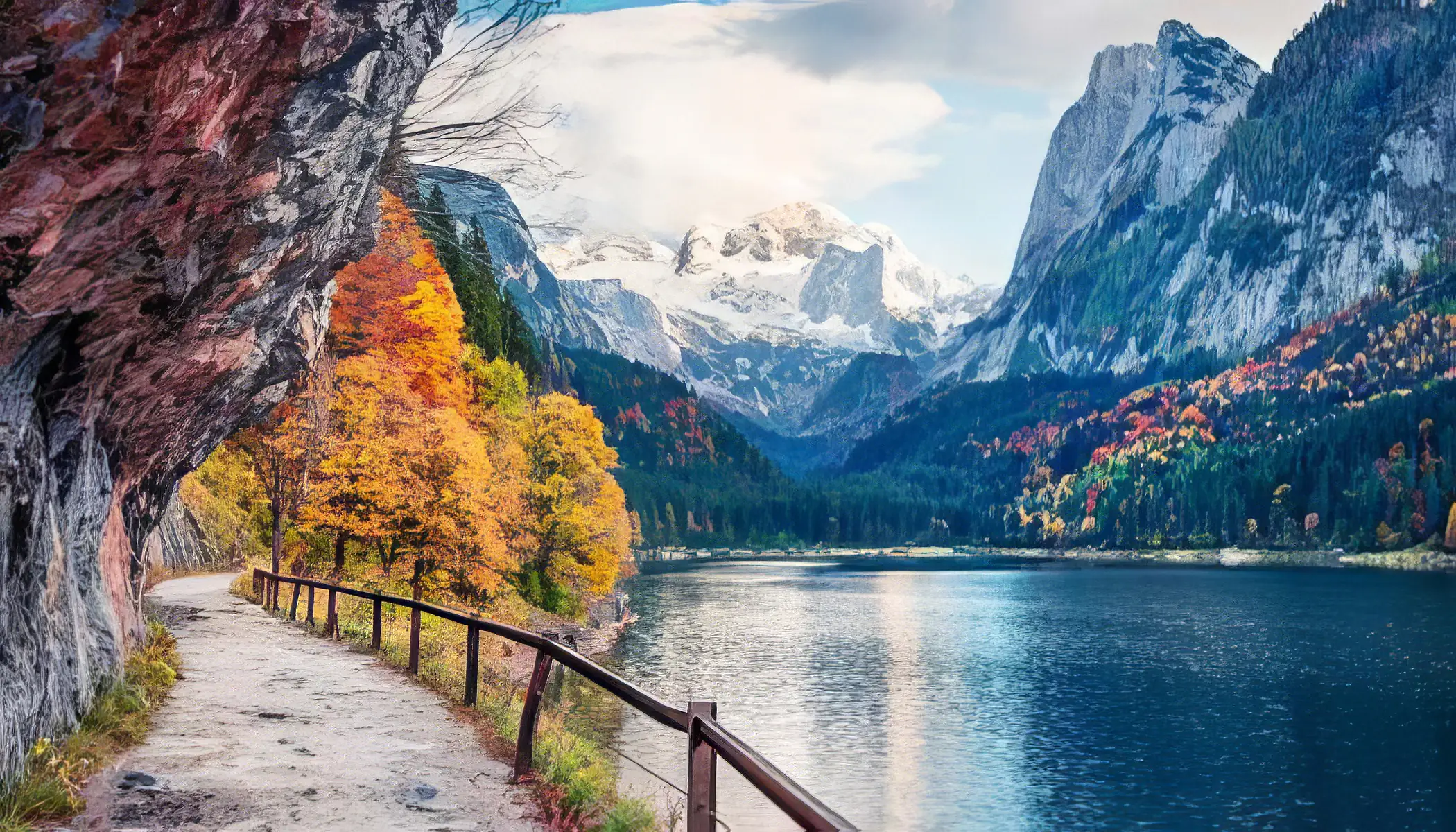
Explore the natural beauty of Austria:
– Grossglockner: Austria's highest peak, offering remarkable views and hiking opportunities.
– Eisriesenwelt: The world's largest ice cave, located in Werfen.
– Krimml Waterfalls: Europe's highest waterfall, located in the Hohe Tauern National Park.
– Lake Neusiedl: The largest endorheic lake in Central Europe, known for its reed beds and birdlife.
– Dachstein Glacier: Offers skiing, hiking, and panoramic views.
– Hohe Tauern National Park: Home to Austria's highest mountains and largest nature reserve.
– Seegrotte: An underground lake located in a former gypsum mine.
– Zell am See: A lovely town on a crystal-clear lake, surrounded by mountains.
– Wachau Valley: A beautiful stretch along the Danube River, known for its vineyards and apricot orchards.
– Green Lake: A lake in Styria that expands and contracts with the seasons.
Outdoor activities
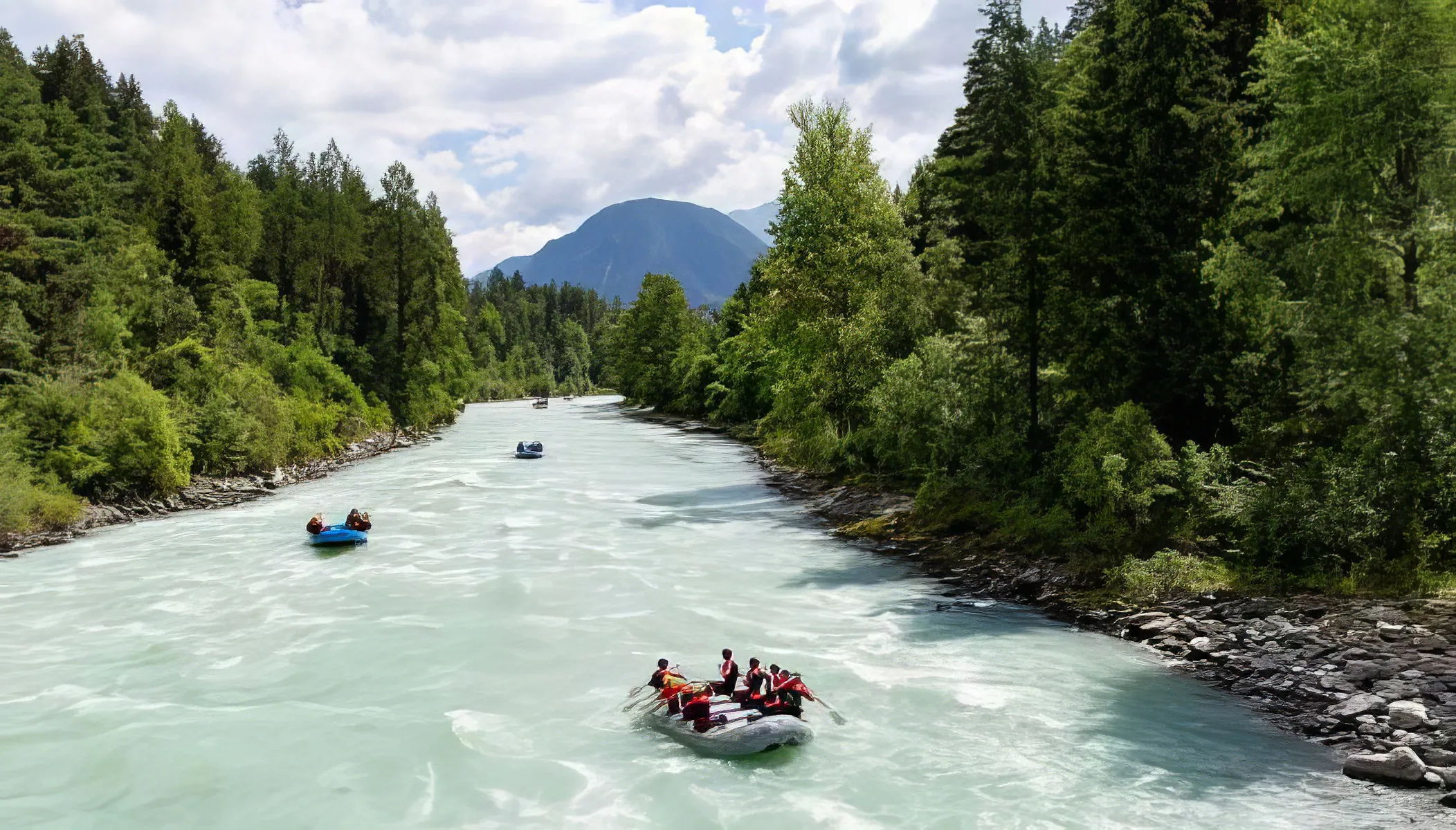
Austria offers a variety of outdoor experiences, from mountainous adventures to smooth lake views:
– Hiking in the Austrian Alps: Traverse through scenic trails and wonderful mountain peaks.
– Skiing in Tyrol: Enjoy world-class slopes in Austria's premier ski region.
– Cycling along the Danube River: Experience elegant landscapes on a leisurely bike ride.
– Boat trip on Lake Wolfgang: Take in the serene beauty of one of Austria's most famous lakes.
– Paragliding in Salzburg: Soar above the city and enjoy panoramic views.
– Exploring Eisriesenwelt Ice Caves: Marvel at the world's largest ice cave system.
– Visiting Krimml Waterfalls: Witness the power of Europe's highest waterfall.
Kid Friendly
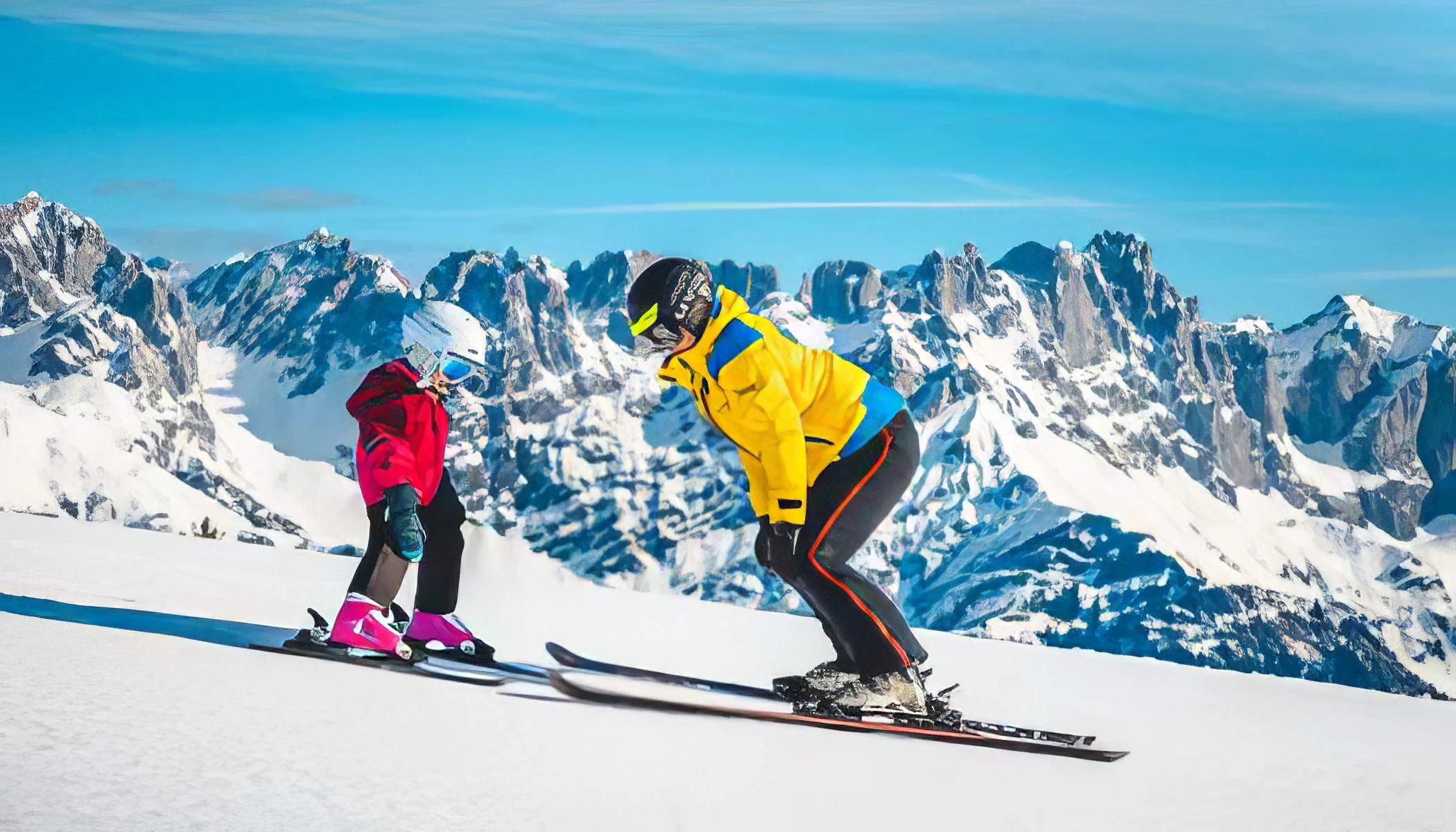
Austria offers a variety of activities that are perfect for families with children:
– Schönbrunn Zoo: Located in Vienna, it's the world's oldest zoo with a variety of animals.
– Haus der Musik: An interactive sound museum in Vienna that offers a fun musical experience.
– Salzburg Marionette Theatre: A unique theatre experience with marionettes performing classic operas and fairy tales.
– Minimundus: A miniature park in Klagenfurt featuring replicas of famous buildings from around the world.
– Hohenwerfen Castle: A medieval castle in Salzburg with falconry demonstrations and guided tours.
– ZOOM Children's Museum: An interactive museum in Vienna with exhibits designed for children.
– Prater Park: A large public park in Vienna with an amusement park and a giant Ferris wheel.
– Hellbrunn Palace Trick Fountains: A palace in Salzburg with trick fountains that surprise and delight children.
Cuisine
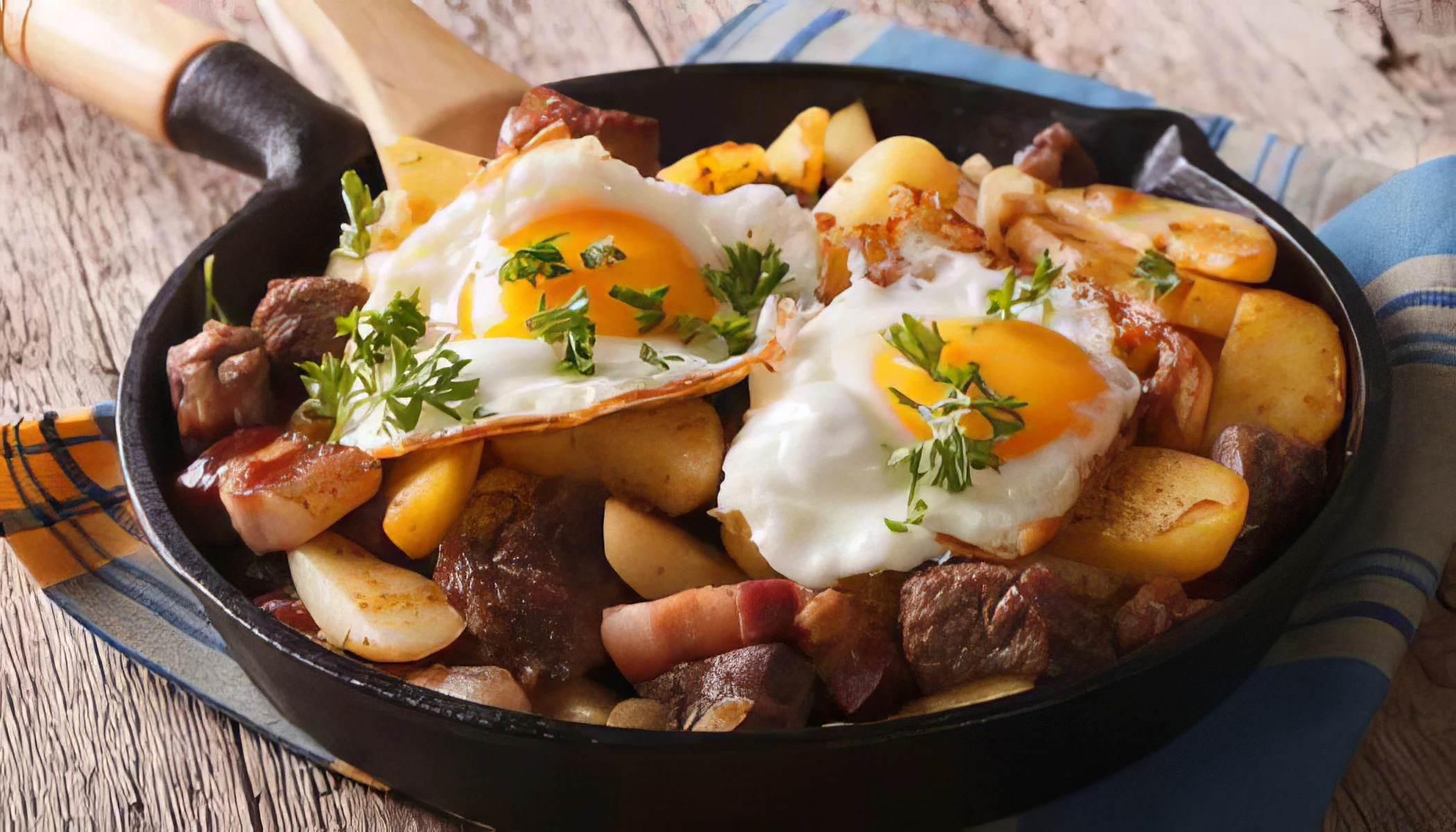
Austrian cuisine is hearty and diverse, with influences from Central Europe. It's known for its pastries, meats, and root vegetables. Traditional coffee houses are a significant part of the food culture. Austria's most famous dishes and desserts include:
– Wiener Schnitzel: Breaded and fried veal cutlet.
– Tafelspitz: Boiled beef in broth, served with apple and horseradish sauces.
– Sacher Torte: Chocolate cake with a thin layer of apricot jam.
– Apfelstrudel: Pastry filled with apples, sugar, and cinnamon.
– Kaiserschmarrn: Shredded pancake with powdered sugar and plum compote.
Souvenir
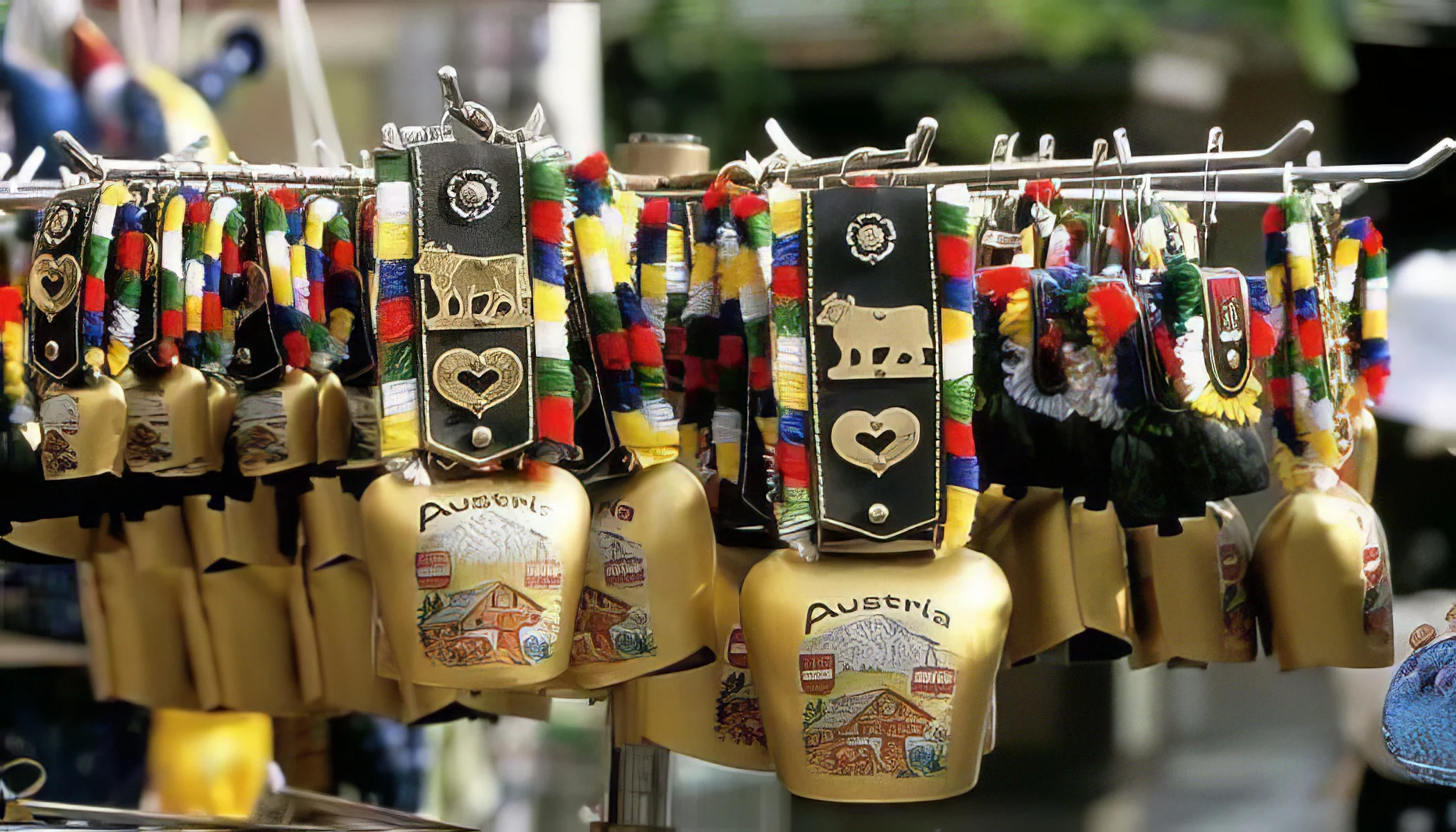
Austria is a country rich in culture and history, offering a variety of unique souvenirs. Here are some popular items to consider:
– Mozartkugeln: These are round chocolates filled with marzipan and nougat, named after the famous composer Mozart.
– Dirndl and Lederhosen: Traditional Austrian clothing, often worn at festivals and special occasions.
– Austrian Beer: Austria has a rich beer culture, and local brews make a great souvenir.
– Swarovski Crystal: Austria is home to Swarovski, the world-renowned crystal manufacturer.
– Sacher Torte: A famous Austrian chocolate cake, often sold in decorative boxes.
– Austrian Wine: Austria produces a variety of high-quality wines, particularly white wines.
– Christmas Ornaments: Austria is known for its Christmas markets, and handmade ornaments are a popular souvenir.
Traditional Shows
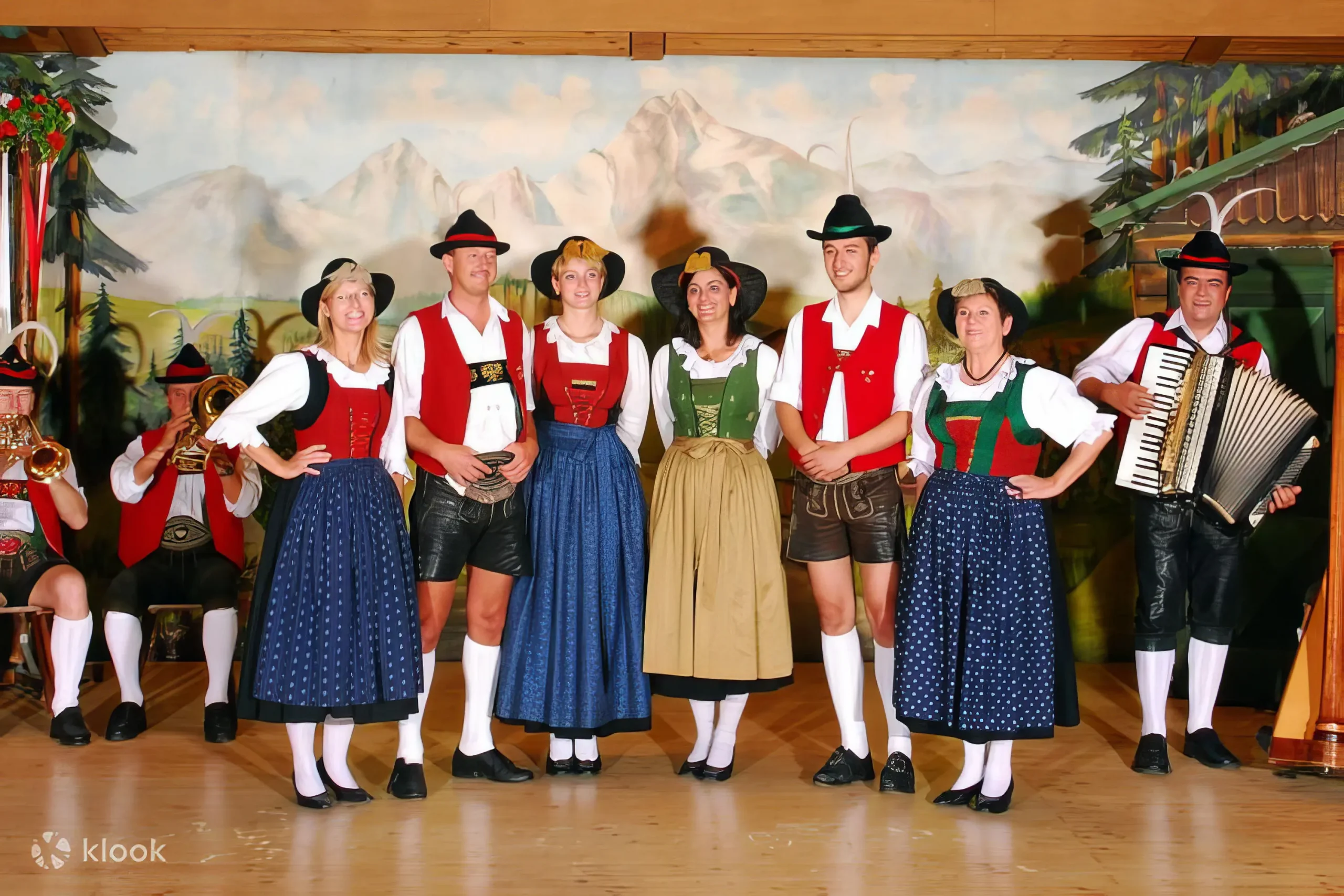
Austria is renowned for its rich cultural heritage in music and performing arts:
– Vienna State Opera: Located in Vienna, it's one of the world's leading opera houses, offering a variety of performances from ballet to classical opera.
– Salzburg Festival: This annual summer event in Salzburg features a range of performances, including opera, drama, and classical music.
– Vienna Philharmonic: One of the finest orchestras globally, performing regularly at the Musikverein in Vienna.
– Bregenz Festival: An annual performing arts festival in Bregenz, known for its unique floating stage on Lake Constance.
– Tyrolean Folk Show: Experience traditional Austrian folk music, dance, and costumes in Innsbruck, Tyrol.
Events & Festivals
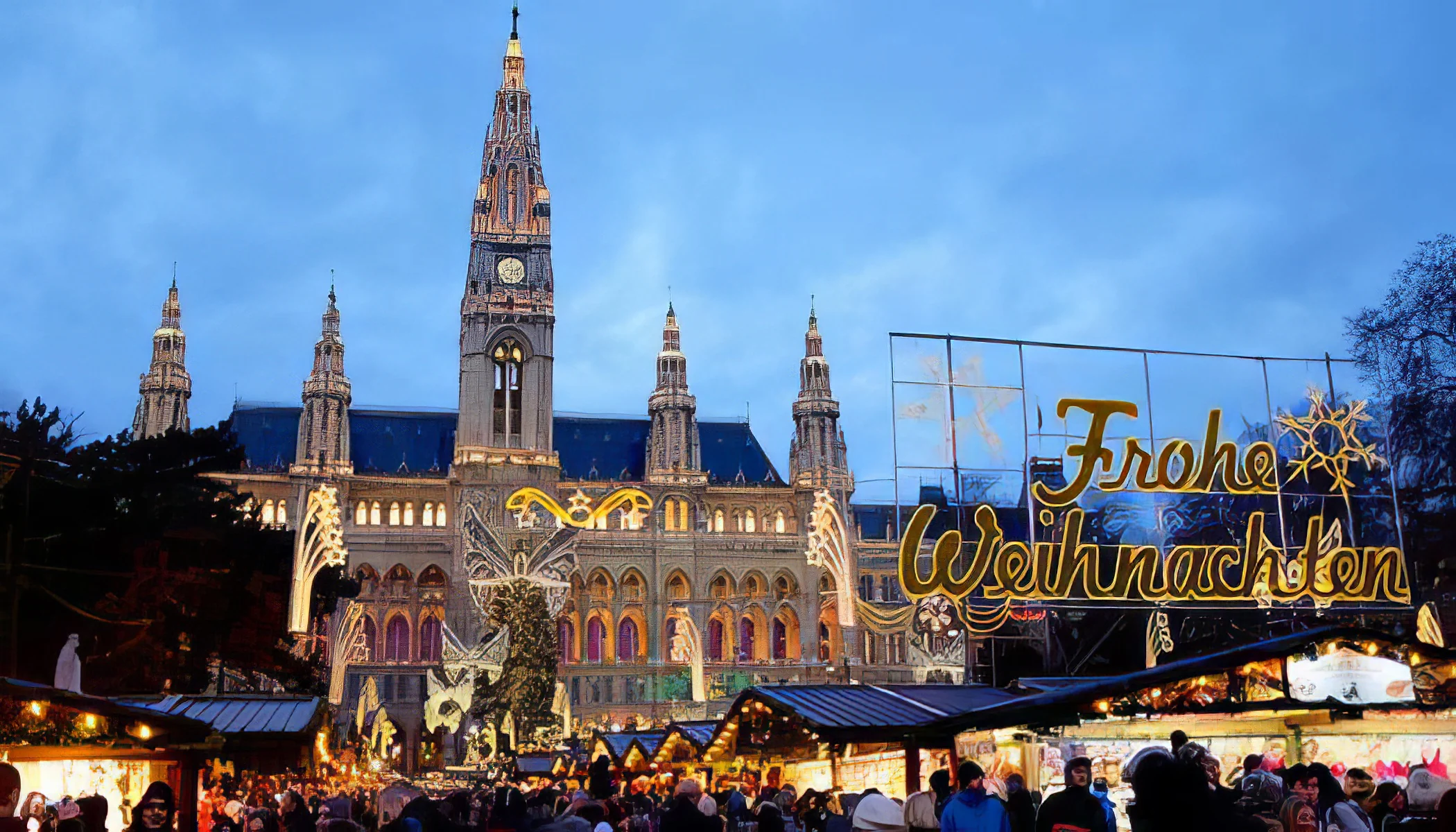
Austria is a country rich in traditions and annual events, here are some of the main ones:
– Vienna Opera Ball: A grand February event at the Vienna State Opera, attracting celebrities and high society.
– Easter Market: Traditional market held in Vienna in March/April, selling Easter decorations and treats.
– Salzburg Festival: A prestigious July/August event featuring opera, drama, and concerts.
– Bregenz Festival: July/August event on Lake Constance, known for its floating stage and opera performances.
– Vienna Christmas Market: A festive November/December event with stalls selling crafts, food, and drinks.
– New Year's Concert: The Vienna Philharmonic's renowned concert on January 1.
– St. Rupert's Fair: A September fair in Salzburg with music, food, and traditional crafts.
Famous People
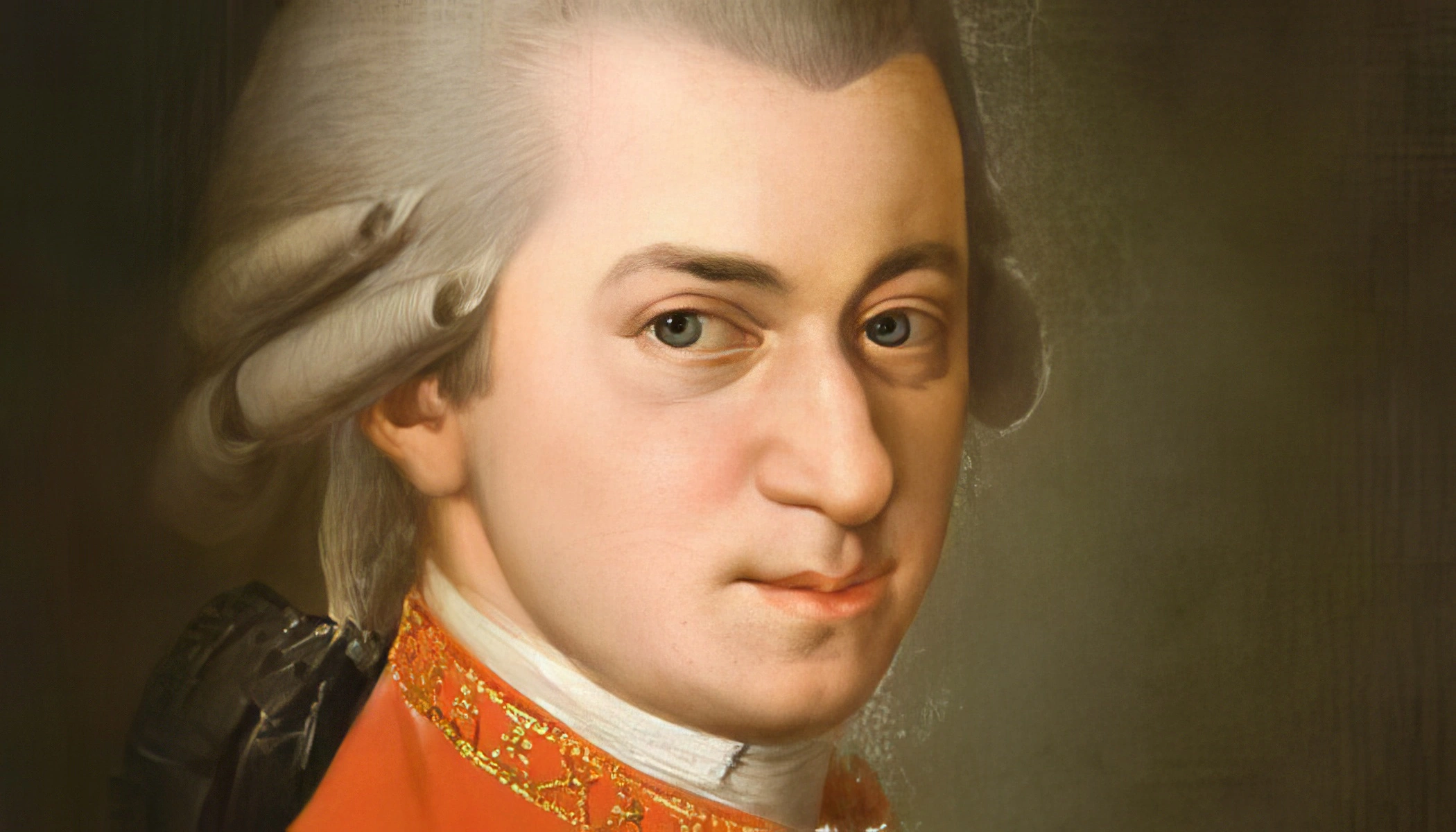
Austria has been the birthplace of many notable figures who have made significant contributions to various fields.
– Wolfgang Amadeus Mozart (1756 to 1791, Salzburg): Renowned composer, a central figure in the classical period of Western music.
– Sigmund Freud (1856 to 1939, Příbor): Founder of psychoanalysis, born in the Austrian Empire, now the Czech Republic.
– Arnold Schwarzenegger (born 1947, Thal): Bodybuilder turned actor and politician, known for the "Terminator" series.
– Gustav Klimt (1862 to 1918, Baumgarten): Symbolist painter, one of the most prominent members of the Vienna Secession movement.
– Marie Antoinette (1755 to 1793, Vienna): Born an Archduchess of Austria, she became the last Queen of France before the French Revolution.
Books
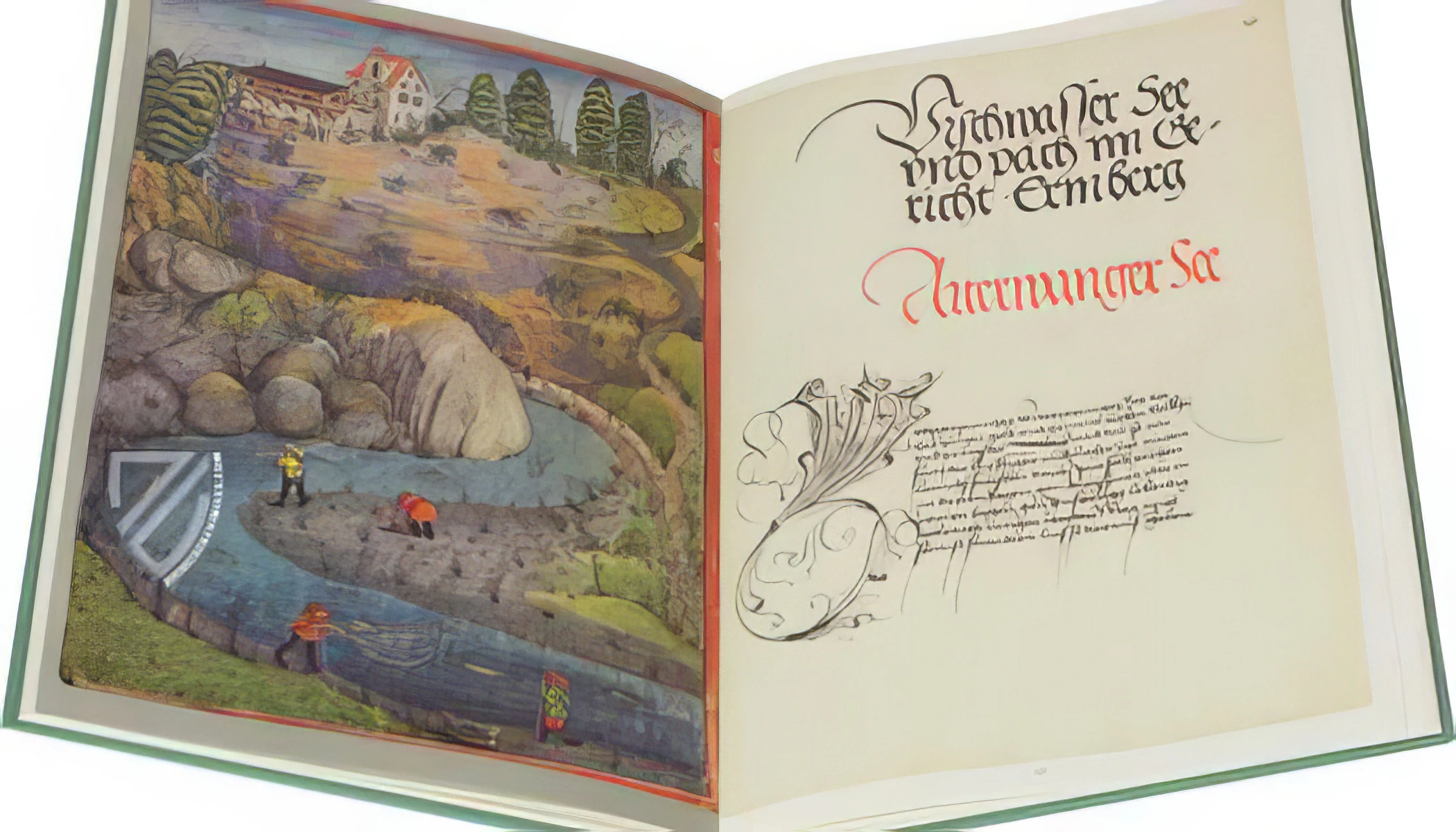
These books provide a rich exploration of Austria's history, culture, and society through various lenses.
– "The Radetzky March" by Joseph Roth: Chronicles the decline of the Austro-Hungarian Empire.
– "A Death in Vienna" by Daniel Silva: A thrilling spy novel set in post-WWII Vienna.
– "The Third Man" by Graham Greene: A classic noir novel set in post-war Vienna.
– "The Painted Kiss" by Elizabeth Hickey: A fictionalized account of Gustav Klimt's life and work.
– "The Hare with Amber Eyes" by Edmund de Waal: A family memoir tracing an inherited collection of netsuke through generations in Vienna.
Songs
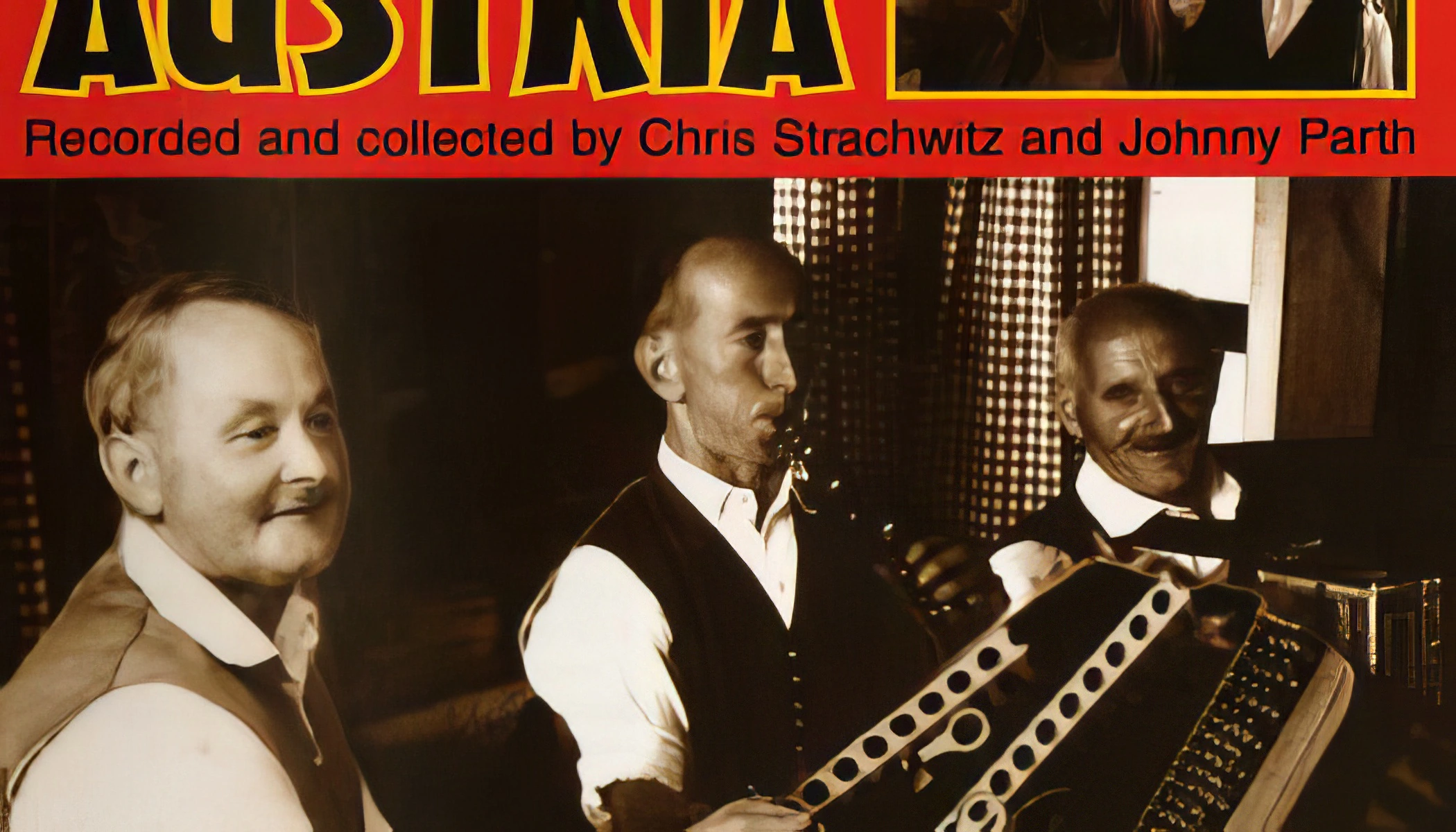
Austria, known for its rich musical history, has produced many famous songs, both traditional and contemporary.
– "Edelweiss": A popular song from the musical "The Sound of Music," set in Austria.
– "Rock Me Amadeus": A hit song by Austrian singer Falco, paying tribute to Mozart.
– "Der Kommissar": Another popular song by Falco, known for its catchy tune.
– "Vienna Calling": Falco's song that captures the spirit of Vienna.
– "Manner": A popular song by Austrian band Bilderbuch.
– "I Am From Austria": A patriotic song by Rainhard Fendrich, often considered Austria's unofficial anthem.
Films
Austria's cinematic landscape is rich and diverse, here are some of the most famous films about Austria:
– "The Third Man": A classic noir film set in post-WWII Vienna, directed by Carol Reed.
– "Before Sunrise": Richard Linklater's romantic drama unfolds over one night in Vienna.
– "The Sound of Music": A beloved musical about the von Trapp family, set in Salzburg.
– "Amour": Michael Haneke's Oscar-winning film about an elderly couple facing illness.
– "The Counterfeiters": Stefan Ruzowitzky's film about a counterfeiting operation in a Nazi concentration camp.