

Explore Burkina Faso: Culture, Cities & Places to Visit
Located in West Africa, this landlocked country is known for its rich cultural heritage and diverse wildlife. Despite economic challenges, it boasts a attractive arts scene and warm hospitality. Its capital, Ouagadougou, is a busy urban center.
- Capital
- Ouagadougou
- Population
- 16.3 millions
- Superficy
- 275000 sq.km
- Months to Visit
- Nov. to Feb. are best months.
- Living Cost
- Moderate
Overview
Burkina Faso is a landlocked country located in West Africa. Its capital and largest city is Ouagadougou. The country is known for its rich cultural heritage, with a variety of ethnic groups each contributing to a animated tapestry of music, dance, and art. Burkina Faso's economy is largely based on agriculture, with a significant portion of the population engaged in subsistence farming. The country faces challenges including political instability, economic struggles, and recurring droughts. Despite these issues, Burkina Faso offers a unique cultural experience, with numerous festivals and traditional ceremonies held throughout the year.
Pros & Cons
GOOD REASONS TO VISIT BURKINA FASO
– Cultural Festivals: Experience remarkable events like FESPACO, Africa's largest film festival, and the International Art and Craft Fair.
– Wildlife: Arli National Park offers opportunities to see elephants, hippos, and various bird species.
– Traditional Music: Enjoy the rich musical heritage, particularly the balafon, a kind of wooden xylophone.
– Unique Architecture: Visit the Sudano-Sahelian architectural sites in Bobo-Dioulasso and the Royal Court of Tiébélé.
– Friendly Locals: Burkinabé are known for their hospitality and friendliness, offering a warm welcome to visitors. CHALLENGES WHEN VISITING BURKINA FASO
– Security Concerns: Due to ongoing political instability and terrorist threats, travel advisories often recommend caution.
– Limited Infrastructure: Travel can be challenging due to poor road conditions and limited public transportation.
– Health Risks: Malaria and other diseases are prevalent; appropriate precautions and vaccinations are necessary.
Before Departure
Before planning your trip to Burkina Faso, there are several important factors to consider:
– Passport: Your passport must be valid for at least six months beyond your planned departure date.
– Visa: A visa is required for most nationalities to enter Burkina Faso. It's advisable to obtain it in advance from a Burkina Faso embassy or consulate.
– Currency: The local currency is the West African CFA franc (XOF). Credit cards are not widely accepted, and ATMs are limited.
– Internet access: Internet access is available but can be unreliable. Consider purchasing a local SIM card for better connectivity.
– Language barrier: The official language is French. English is not widely spoken, so learning basic French phrases can be beneficial.
What to Pack
Traveling to Burkina Faso requires careful preparation due to its tropical climate, cultural customs, and health considerations.
– Essentials: Passport with visa, travel insurance details, flight tickets, itinerary, and accommodation reservations.
– Clothing: Lightweight and breathable clothing, sturdy shoes for walking, modest attire for respecting local customs, hat and sunglasses for sun protection.
– Health & Safety: Prescription medications, a comprehensive first aid kit, insect repellent, malaria prophylaxis, and personal hygiene items.
– Electronics: Travel adapter for Burkina Faso outlets, mobile phone, camera, and portable power bank.
Weather
Burkina Faso experiences a tropical climate with two distinct seasons.
– Wet Season (June to October): Characterized by heavy rainfall, especially in the south and west.
– Dry Season (November to May): Dominated by the hot, dry Harmattan wind, particularly in the north. The best time to visit Burkina Faso is during the cooler Dry Season, specifically from November to February.
– Pros: Pleasant temperatures, less rainfall, and good wildlife viewing.
– Cons: Harmattan wind can cause dusty conditions, and it's the peak tourist season which may lead to higher prices.
Travel Budget
Burkina Faso is a West African country where costs can vary. Here are some average prices for reference:
– Hotel: 30$ to 150$
– Lunch: 5$ to 20$
– Beverage (in bar/restaurant): 2$ to 6$
– Coffee: 1$ to 3$
– Transportation: (train 15$ to 60$), (bus 2$ to 10$), (taxi /10km 6$ to 15$)
– Mobile data (per GB): 5$ to 10$
Language
The official language of Burkina Faso is French, and here are some useful phrases for tourists:
– Hello: Bonjour
– Thank you: Merci
– Please: S'il vous plaît
– How much is this?: Combien ça coûte?
– Excuse me: Excusez-moi
– I don't understand: Je ne comprends pas
– Yes: Oui
– No: Non
– Goodbye: Au revoir
History
Burkina Faso, located in West Africa, was once part of the Mossi Kingdoms, which ruled the region from the 11th to the 19th century. It then became a French colony in the late 19th century, known as Upper Volta. The country gained independence from France on August 5, 1960. After a series of military coups, Captain Thomas Sankara took power in 1983 and renamed the country Burkina Faso, meaning "Land of Incorruptible People". Sankara was overthrown and killed in 1987 by his close associate Blaise Compaoré, who ruled for 27 years before being ousted in a popular uprising in 2014. Today, Burkina Faso is a democratic republic, though it continues to face significant challenges including political instability and security issues.
Geopolitics
Burkina Faso is a landlocked country in West Africa, bordered by six countries: Mali to the north, Niger to the east, Benin to the southeast, Togo and Ghana to the south, and Côte d'Ivoire to the southwest. Its capital is Ouagadougou. The country has experienced political instability and frequent changes in government since gaining independence from France in 1960. Burkina Faso is part of the Economic Community of West African States (ECOWAS), a regional political and economic union. It faces significant security challenges, particularly from extremist groups in the Sahel region, which have caused internal displacement and strained relations with neighboring countries. The country's geopolitical position is largely defined by its landlocked status, its security situation, and its relationships within the ECOWAS framework.
Sample Itinerary
This itinerary offers a journey through Burkina Faso's cultural heritage in Ouagadougou, natural beauty in Banfora, and historical sites in Bobo-Dioulasso.
– 2 days in Ouagadougou: Visit the National Museum, Grand Mosque, and Moro-Naba Palace. Explore local markets and try traditional dishes.
– 2 days in Banfora: Discover the Karfiguela Waterfalls and Sindou Peaks. Take a boat ride on Lake Tengrela, known for its hippos.
– 2 days in Bobo-Dioulasso: Explore the Old Mosque, Konsa house, and local markets. Visit the sacred fish pond of Dafra.
– 1 day in Gorom-Gorom: Visit the busy market, known for its camel trading. Depart from Gorom-Gorom after experiencing the desert life.
Popular cities
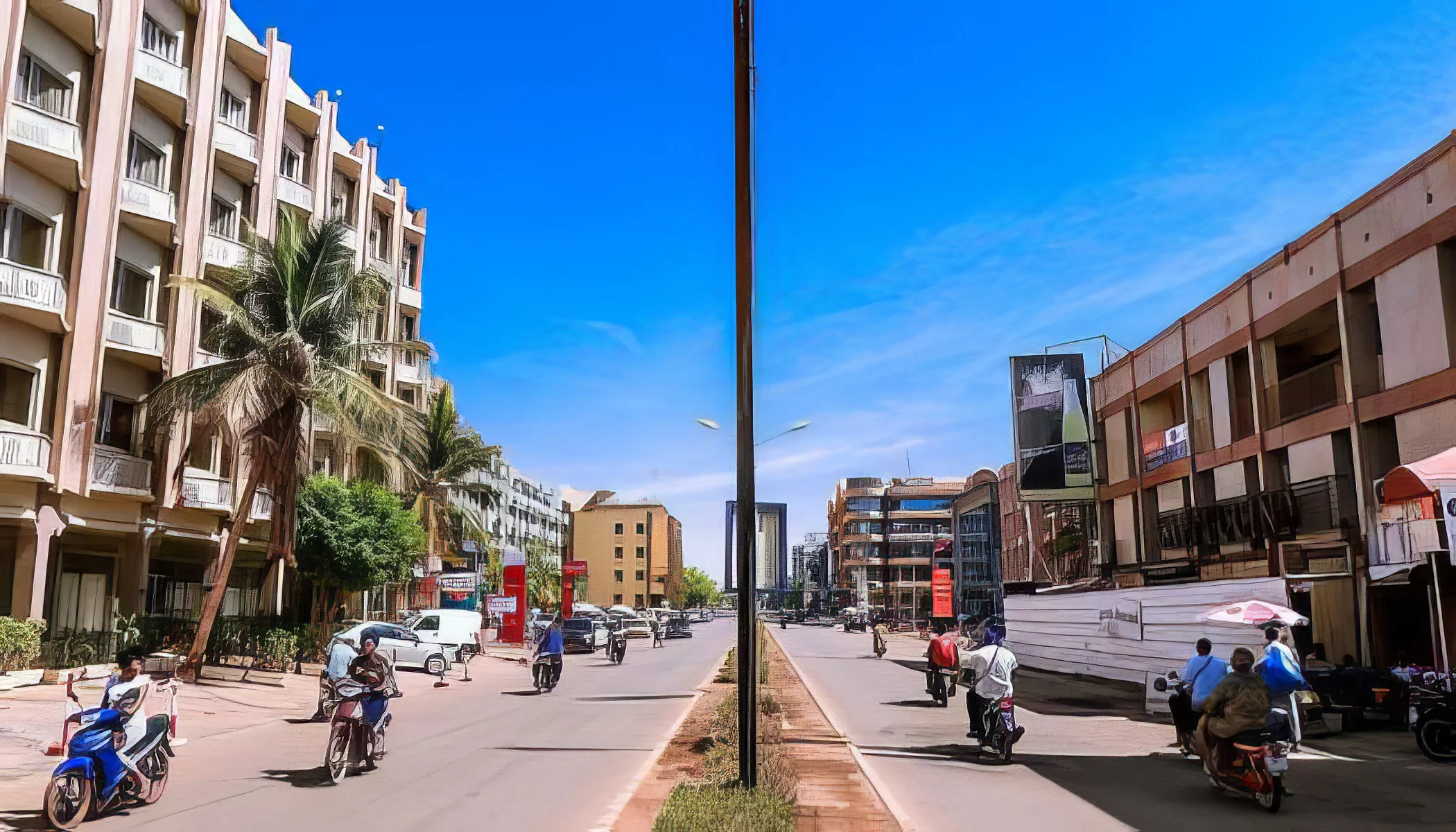
Burkina Faso offers a unique blend of culture, history, and natural beauty in its cities:
– Ouagadougou: The capital city, known for its dynamic markets and the National Museum of Music.
– Bobo-Dioulasso: The country's second largest city, famous for its historic mosque and music scene.
– Banfora: Known for its sensational natural attractions like Karfiguela Waterfalls and Sindou Peaks.
– Gaoua: Home to the Lobi people, it offers a unique insight into their culture and traditions.
– Koudougou: Known for its lively markets and the Sacred Crocodile Ponds.
– Fada N'gourma: Famous for its artisanal gold mining and the nearby Arli National Park.
– Gorom-Gorom: Known for its weekly market, attracting traders from all over the Sahel region.
Monuments
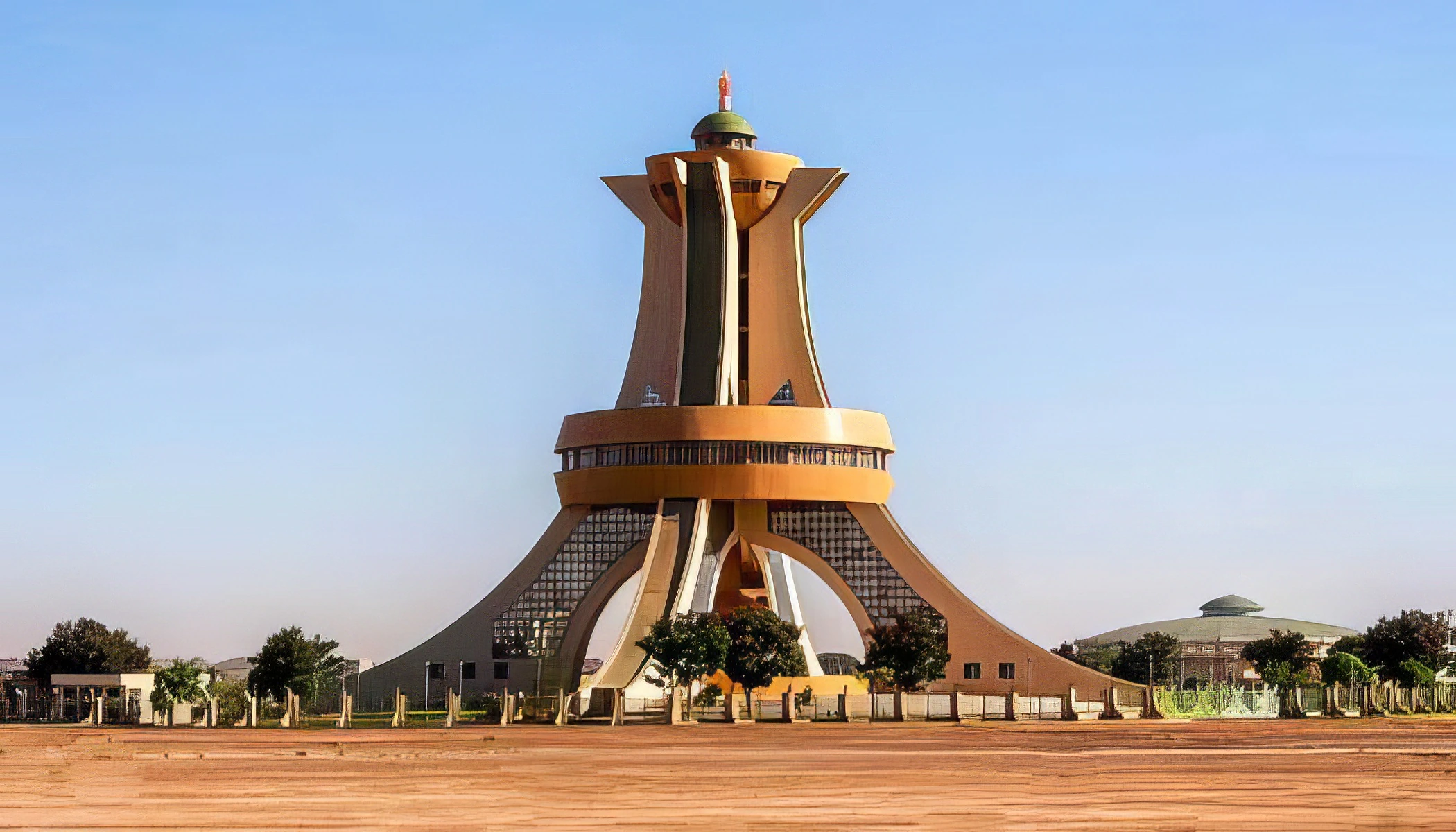
Burkina Faso, though landlocked, is rich in historical and architectural monuments:
– The Ruins of Loropéni: UNESCO site, ancient stone walls of a significant gold trade center.
– The Grand Mosque of Bobo-Dioulasso: An impressive example of Sudano-Sahelian architecture.
– The Royal Court of Tiébélé: Traditional Kassena homes with unique, nice designs.
– The Sacred Crocodile Ponds of Sabou: A cultural site where crocodiles are revered.
– The Cathedral of Ouagadougou: A large Catholic cathedral in the capital city.
– The National Museum of Music: Houses traditional Burkinabe musical instruments.
– The National Museum of Burkina Faso: Showcases national cultural heritage.
– The Mausoleum of Princess Guimbi Ouattara: A historical monument in the city of Bobo-Dioulasso.
Natural wonder
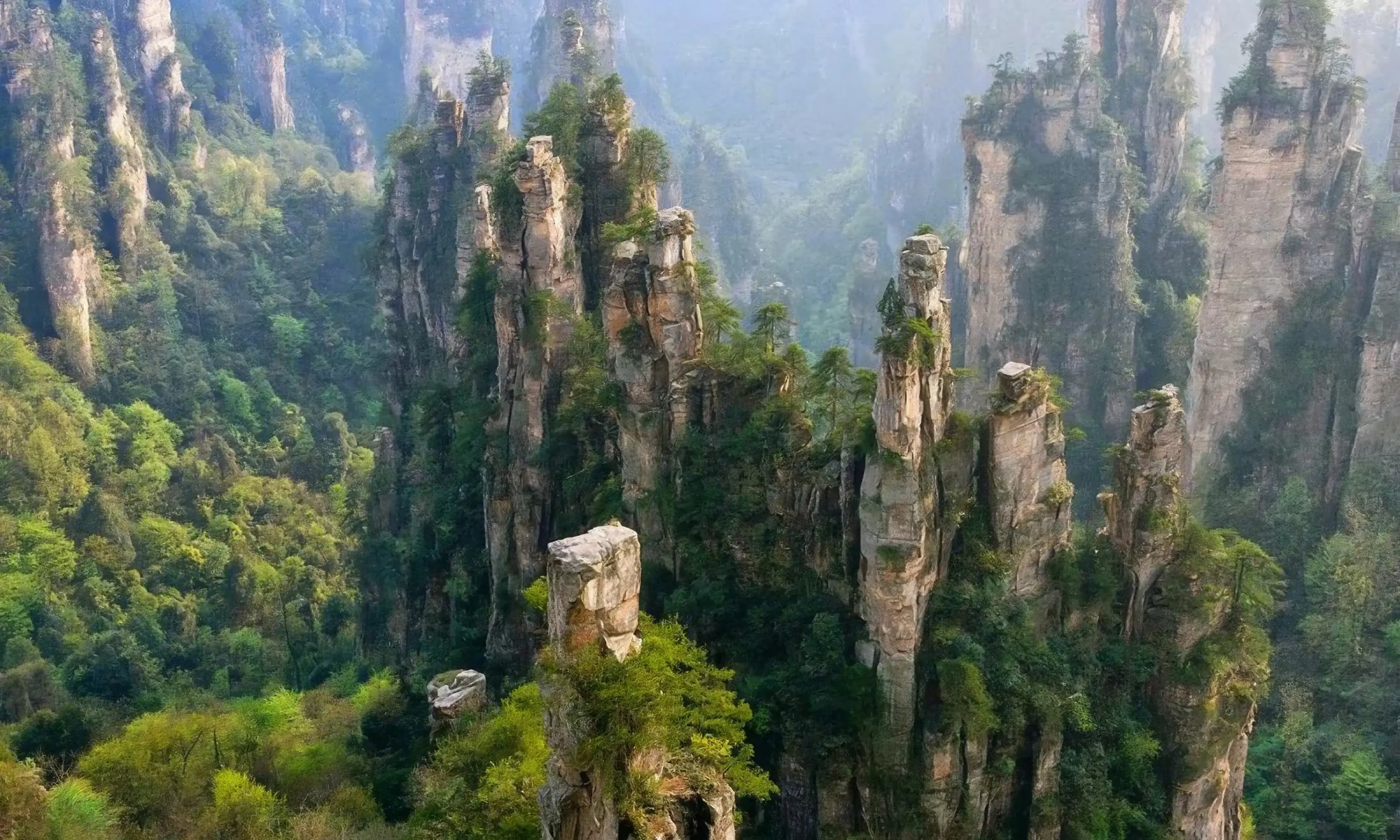
Explore the diverse natural wonders of Burkina Faso:
– Arli National Park: A wildlife park home to elephants, hippos, and various bird species.
– Sindou Peaks: Unique and dramatic sandstone formations offering panoramic views.
– Lake Tengrela: A peaceful lake known for its clear waters and hippo sightings.
– Mare aux Hippopotames: A biosphere reserve famous for its hippopotamus population.
– Nazinga Game Ranch: A wildlife reserve with a large elephant population.
– The Domes de Fabedougou: Natural lovely formations that resemble a lunar landscape.
– Karfiguela Waterfalls: Beautiful waterfalls near Banfora, surrounded by luxuriant vegetation.
– Peaks of Sindou: A natural site with unique rock formations.
– W National Park: A large wildlife park spanning three countries.
– Deux Bales National Park: A forest reserve known for its diverse wildlife.
Outdoor activities
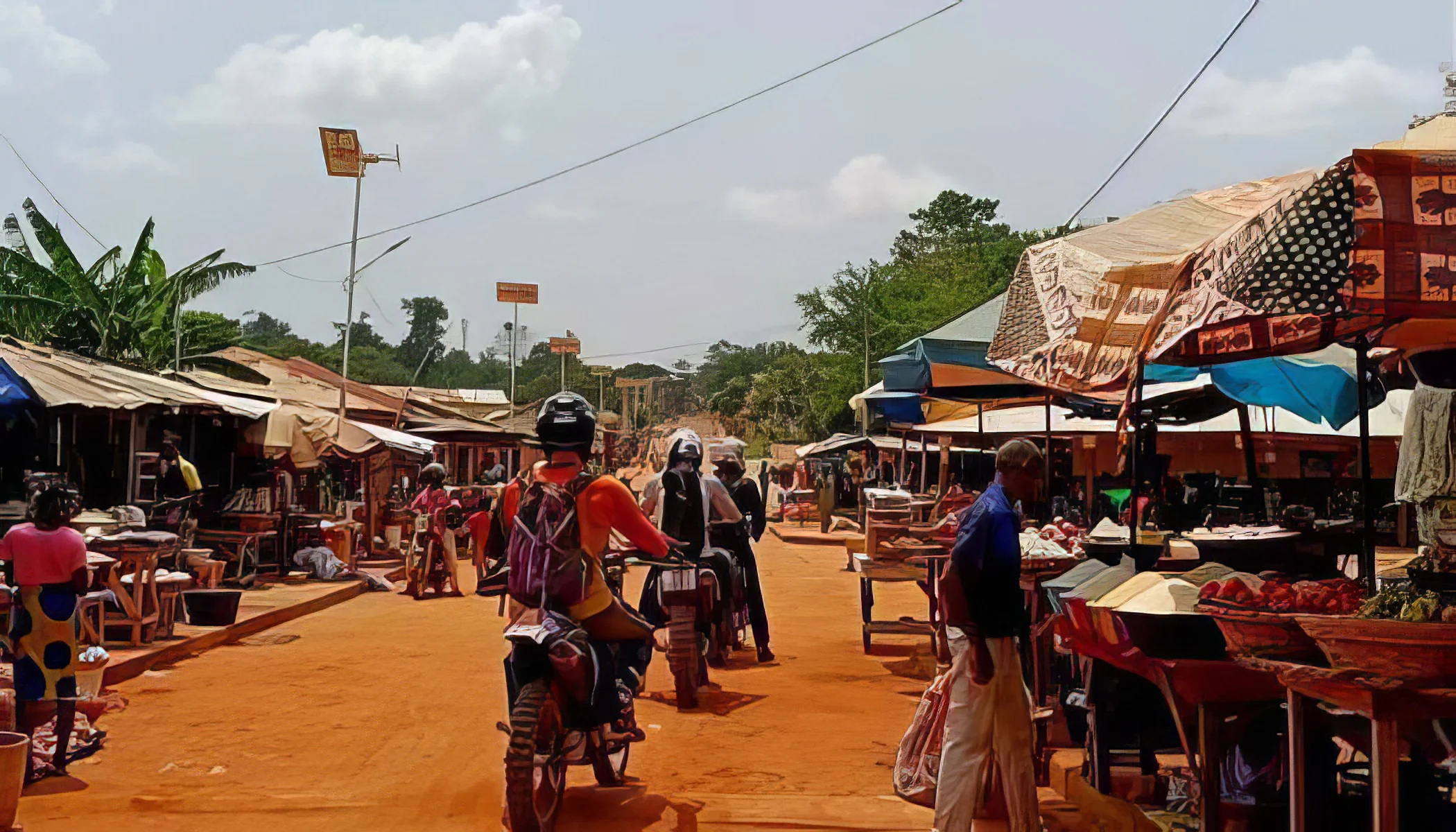
Burkina Faso offers a unique blend of natural and cultural outdoor experiences:
– Visit the Sindou Peaks: Explore the unique and dramatic sandstone formations.
– Explore the Ruins of Loropeni: Discover the ancient and mysterious stone ruins.
– Hiking in the Arli National Park: Encounter diverse wildlife in their natural habitat.
– Visit the Sacred Crocodile Ponds in Sabou: Experience the local culture and traditions.
– Explore the Nazinga Game Ranch: Enjoy a safari experience with elephants and antelopes.
– Visit the Domes de Fabedougou: Hike around these natural shiny formations.
– Explore the Mare aux Hippopotames: Spot hippos in this protected nature reserve.
Kid Friendly

Burkina Faso offers a variety of activities that are suitable for children:
– Nazinga Game Ranch: A wildlife reserve where kids can spot elephants, monkeys, and antelopes.
– Ouagadougou Zoo: A small zoo that houses a variety of local wildlife.
– Sindou Peaks: A natural wonder with unique rock formations that are great for family hikes.
– Mare aux Hippopotames: A nature reserve where families can see hippos in their natural habitat.
– The Ruins of Loropeni: An archaeological site that offers a glimpse into the country's ancient history.
– The Sacred Crocodile Ponds of Sabou: A unique attraction where kids can see crocodiles up close.
– The Music Museum of Ouagadougou: A museum that showcases the country's rich musical heritage.
– The National Museum of Burkina Faso: A museum that offers a comprehensive overview of the country's history and culture.
Cuisine
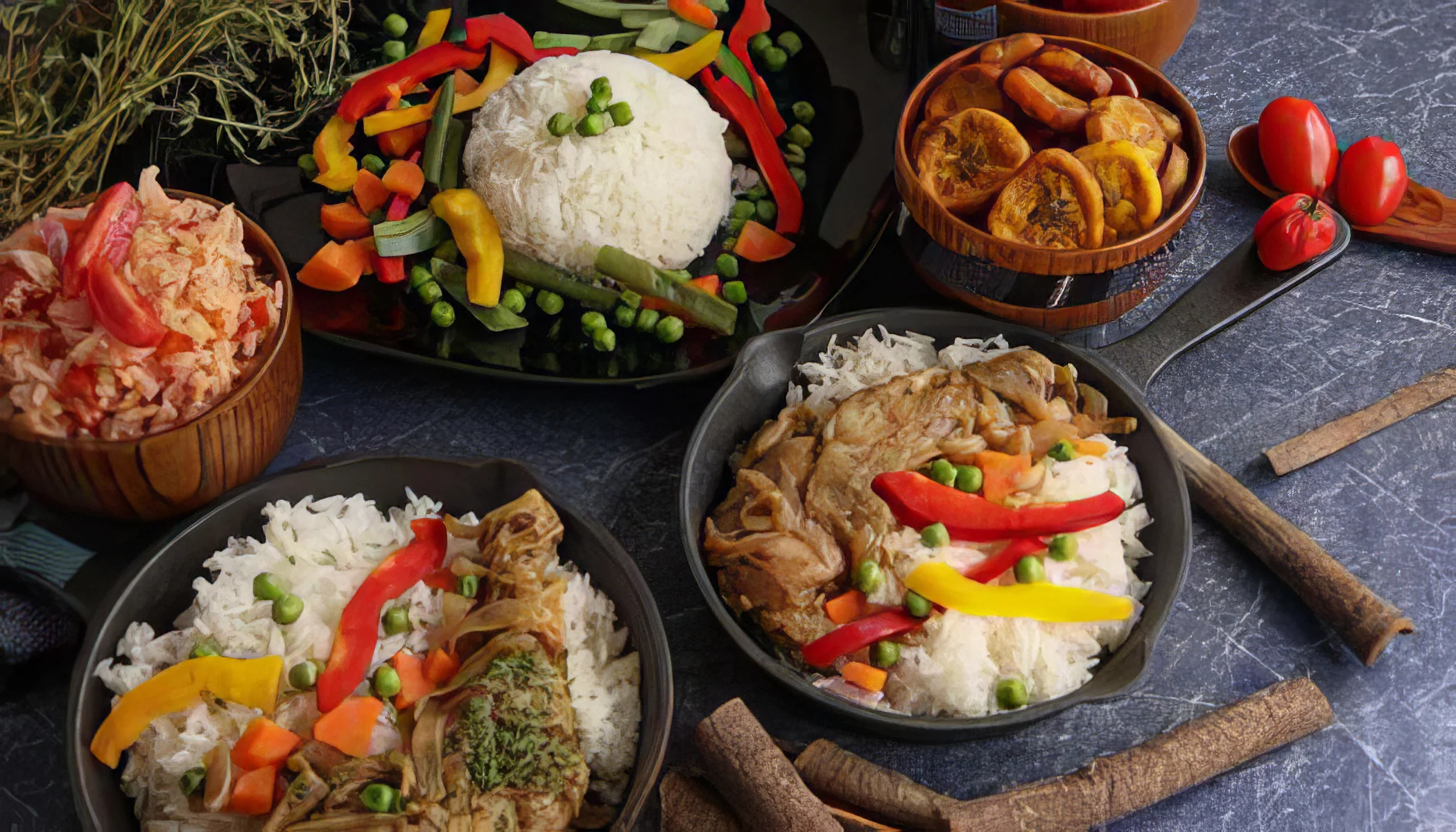
Burkina Faso's food scene is largely based on staple foods like millet, rice, maize, peanuts, potatoes, and beans. The cuisine is simple, hearty, and often spicy, with a focus on locally sourced ingredients. Here are some of the country's most famous dishes:
– Riz Gras: A rich, oily rice dish often served with meat or fish.
– Fufu: A starchy side made from yams, cassava, or plantains, pounded into a dough-like consistency.
– Poulet Bicyclette: Slow-cooked chicken often served with tomato sauce and rice.
– Tô: A thick porridge served with a variety of sauces.
– Babenda: A fermented spinach dish often served with fish or meat.
Souvenir
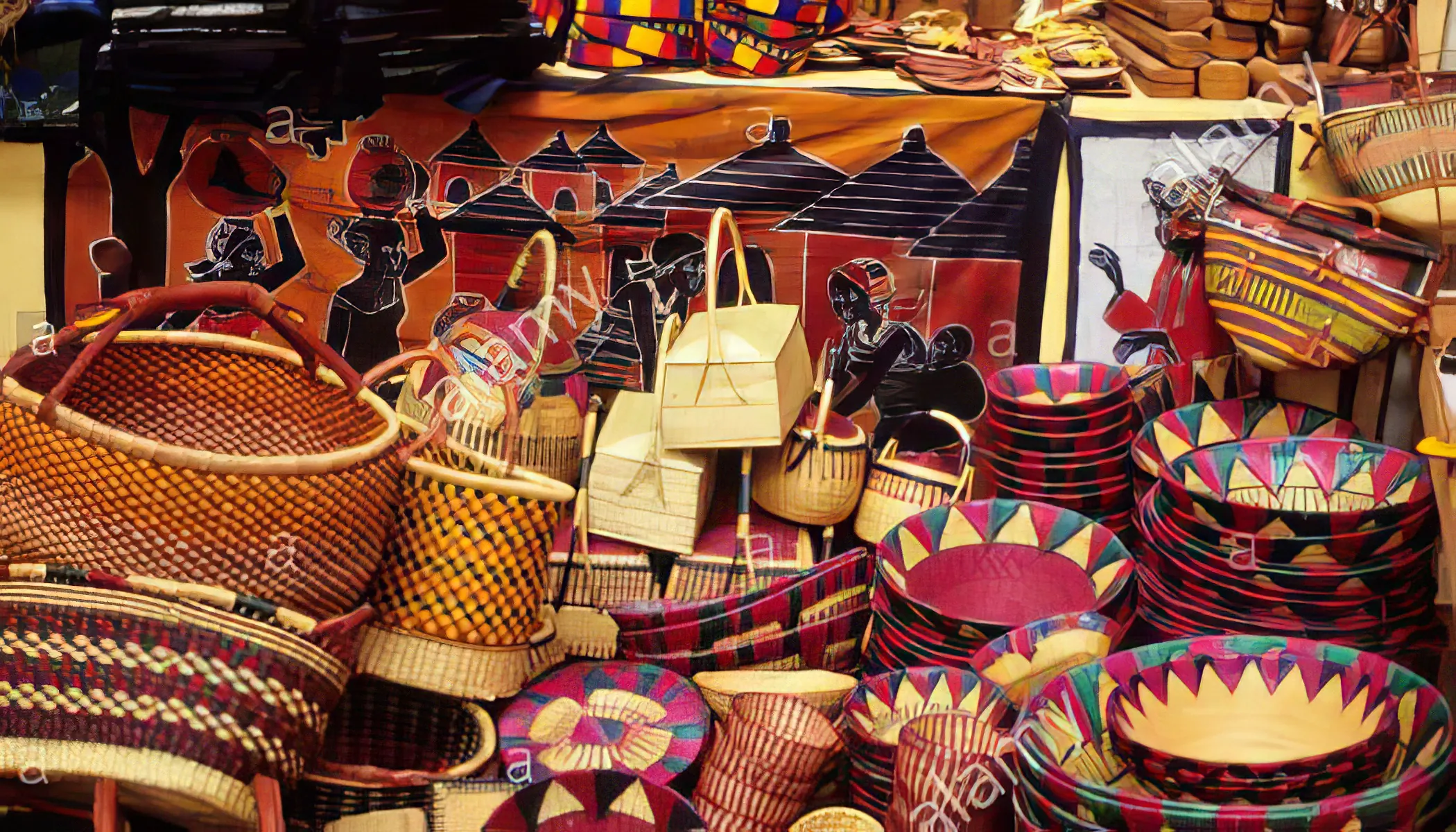
Burkina Faso, known for its rich cultural heritage, offers a variety of unique souvenirs. Here are some items you might want to consider:
– Bronze Statues: Burkina Faso is famous for its bronze casting, making these statues a popular souvenir.
– Baskets: Handwoven baskets made from local materials are both practical and decorative.
– Batik Fabric: This wax-resist dyed fabric is used in traditional clothing and is a colorful souvenir.
– Djembe Drums: These traditional drums are a symbol of the country's musical heritage.
– Leather Goods: Burkina Faso is known for its high-quality leather goods, including bags and shoes.
– Jewelry: Handmade jewelry, often made from local materials, is a popular choice for tourists.
– Masks: Traditional masks, often used in ceremonies, are a unique and culturally significant souvenir.
Traditional Shows
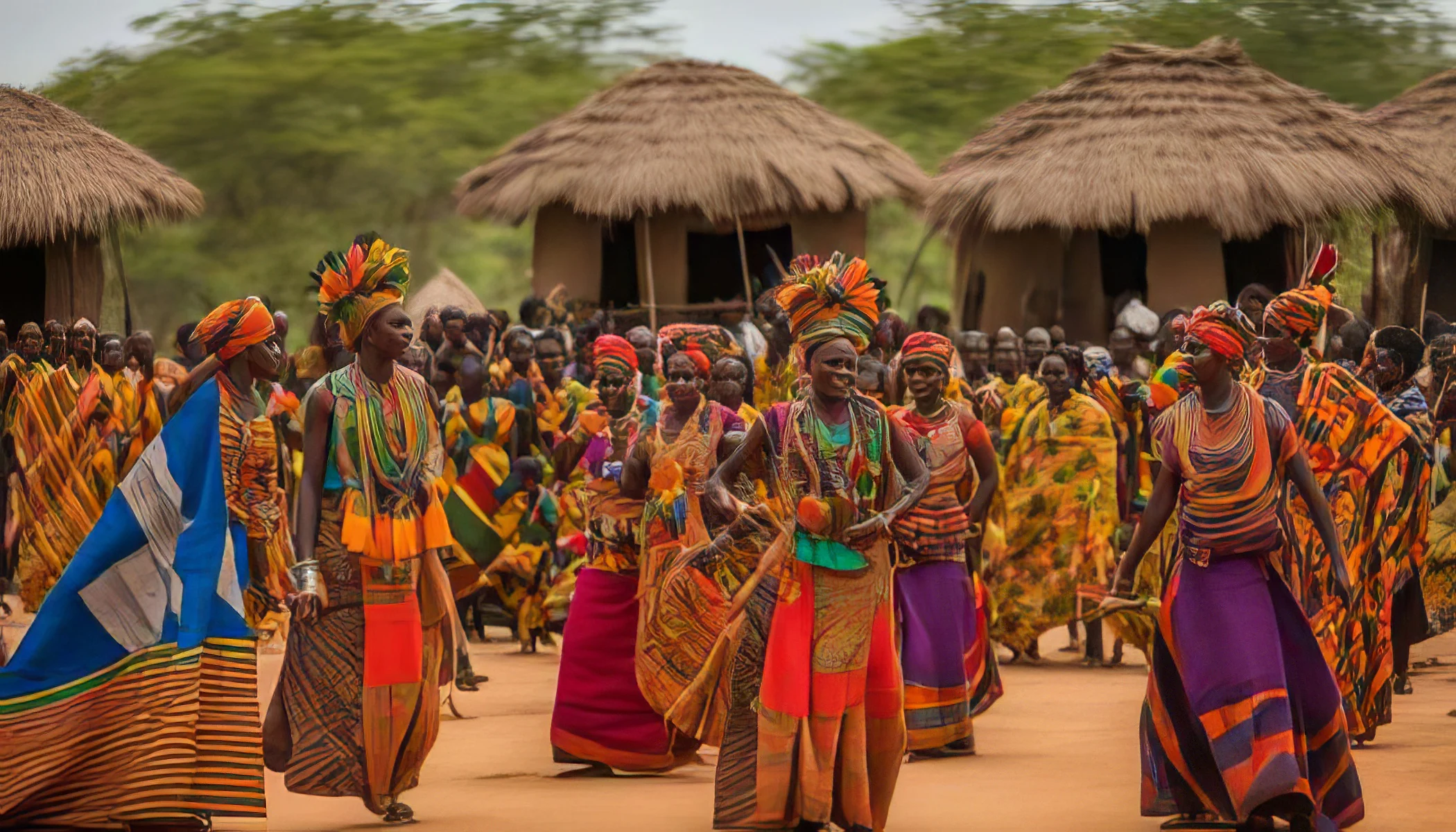
Burkina Faso is rich in traditional music and art performances:
– Warba Dance: This traditional dance from the Bissa tribe is a rhythmic spectacle often performed at celebrations in Ouagadougou.
– Bendré Music: Experience the sacred music of the Mossi people, played on a traditional drum called the Bendré in Burkina Faso's rural areas.
– Balafon Performances: Enjoy the xylophone-like sounds of the Balafon, a key instrument in traditional Burkinabe music, often played in Bobo-Dioulasso.
– Masked Dances: Witness the magnificient masked dances of the Bwa and Nuna tribes, a significant cultural tradition in Dedougou.
– Griot Storytelling: Listen to the Griots, traditional storytellers who use music and oral history to convey Burkina Faso's rich cultural heritage.
Events & Festivals
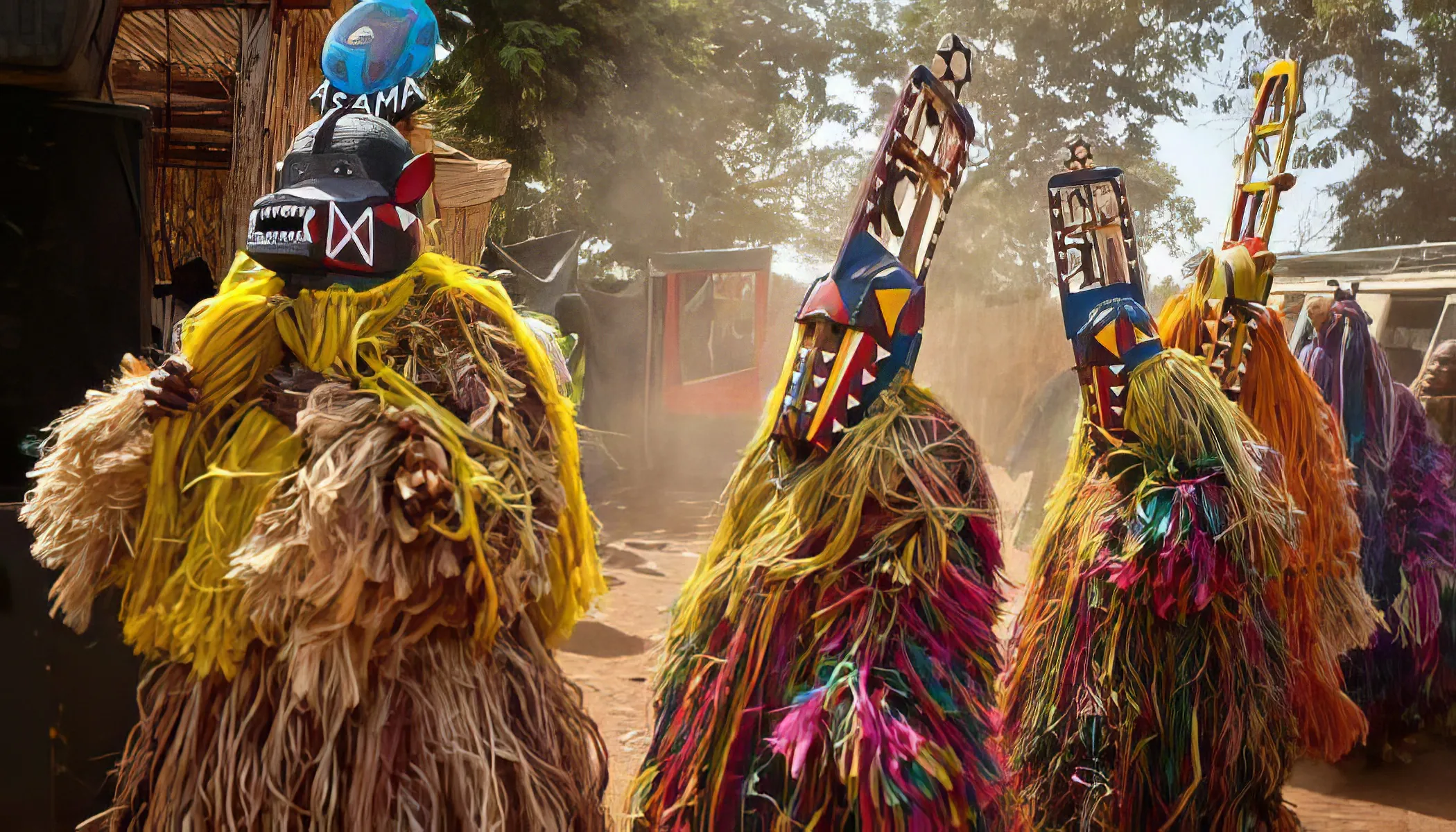
Burkina Faso, a pleasant country, hosts several cultural events and festivals throughout the year:
– FESPACO: A film festival held every two years in February/March, showcasing African cinema.
– National Culture Week of Burkina Faso: A biennial event in March, celebrating local culture and arts.
– International Art and Craft Fair: Held in Ouagadougou in April/May, it's one of Africa's most important craft fairs.
– Festival of Masks and Arts: An annual event in April, showcasing traditional masks and dances.
– International Kora Festival: A music festival in Bobo-Dioulasso in July, celebrating the kora instrument.
– National Farmers' Day: Celebrated in May, it honors the country's agricultural heritage.
– International Tourism and Hotel Industry Fair: An annual event in November, promoting tourism and hospitality.
Famous People
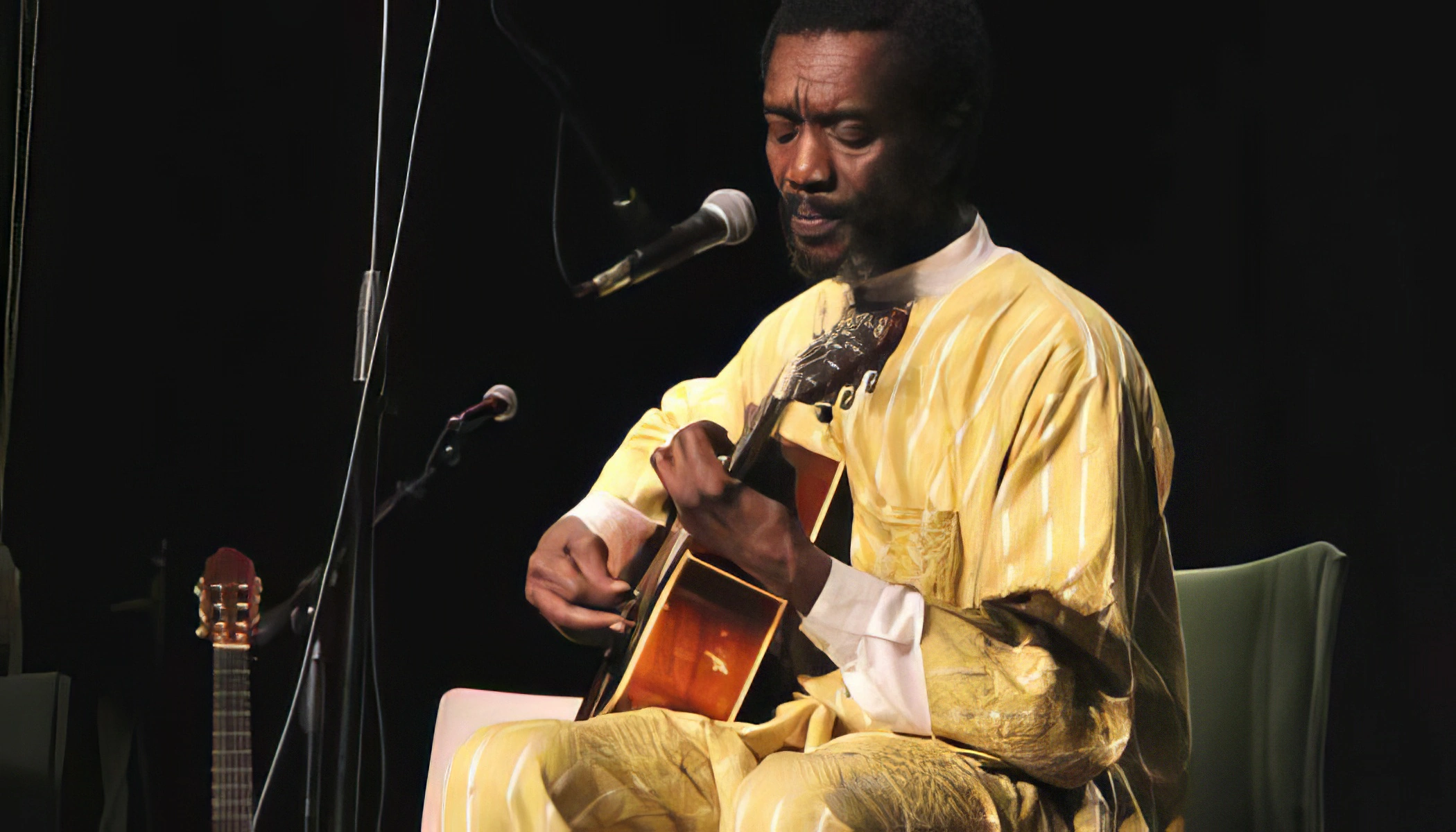
Burkina Faso, a West African nation, has produced notable figures in politics, arts, and sports.
– Thomas Sankara (1949 to 1987, Yako): Revolutionary president known for his progressive policies and anti-imperialist stance.
– Blaise Compaoré (born 1951, Ouagadougou): Former president who ruled Burkina Faso for 27 years after a coup.
– Angelique Kidjo (born 1960, Ouidah): Grammy-winning singer and activist, born in Benin but a citizen of Burkina Faso.
– Jonathan Pitroipa (born 1986, Ouagadougou): Professional footballer who has represented Burkina Faso in international competitions.
– Sarah Bouyain (born 1968, Reims): Filmmaker and writer, known for exploring Burkina Faso's history and culture.
Books
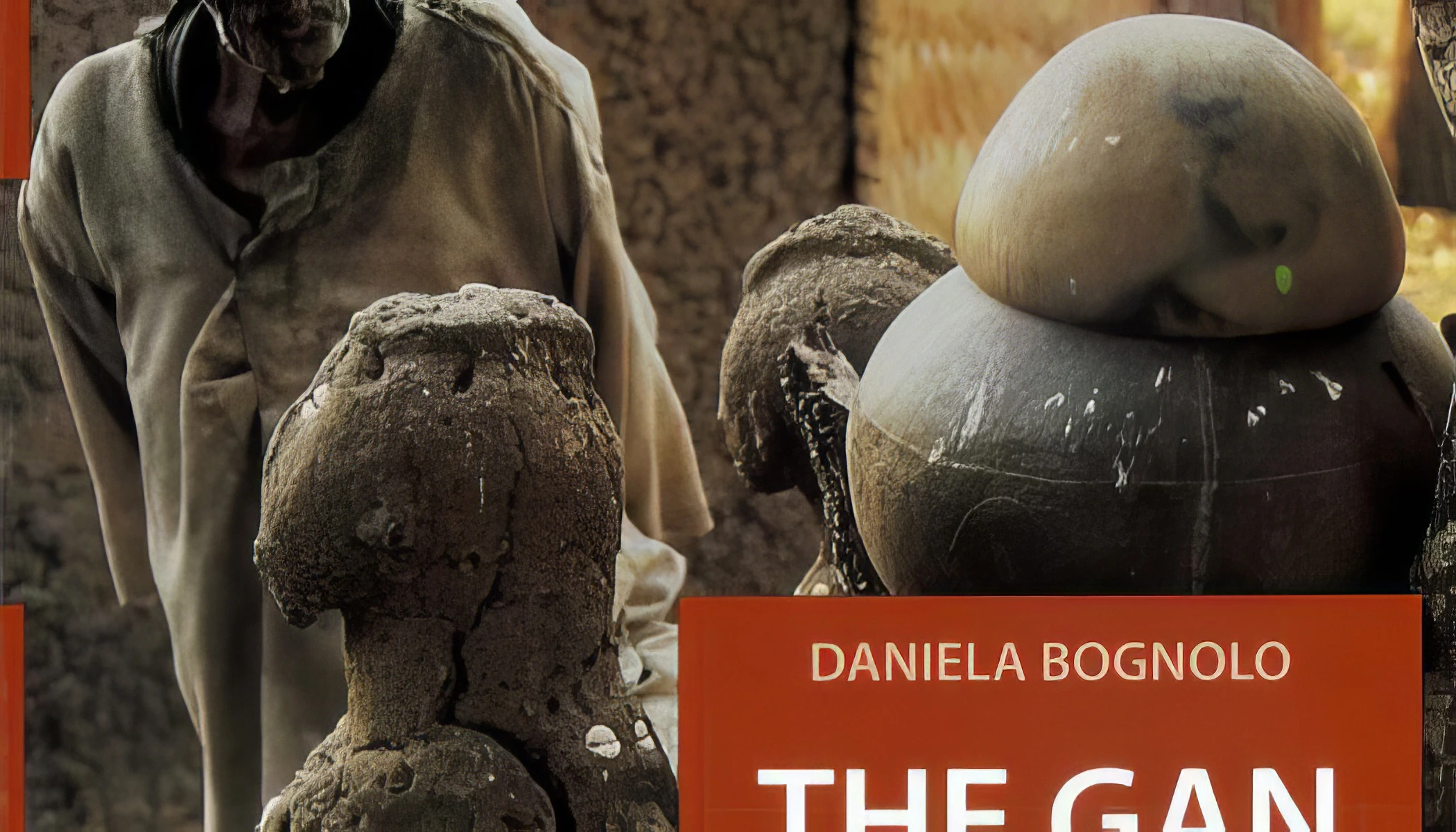
These books provide a glimpse into the culture, history, and societal issues of Burkina Faso.
– "Of Water and Spirit" by Malidoma Patrice Some: A memoir of growing up in Dagara culture.
– "Burkina Faso: A History of Power, Protest, and Revolution" by Ernest Harsch: Detailed account of political and social changes in Burkina Faso.
– "The Parachute Drop" by Norbert Zongo: A critique of corruption and power abuse in Burkina Faso.
– "Monique and the Mango Rains" by Kris Holloway: A Peace Corps volunteer's experiences in a small Burkina Faso village.
– "Thomas Sankara Speaks" by Thomas Sankara: Collection of speeches by Burkina Faso's revolutionary leader.
Songs
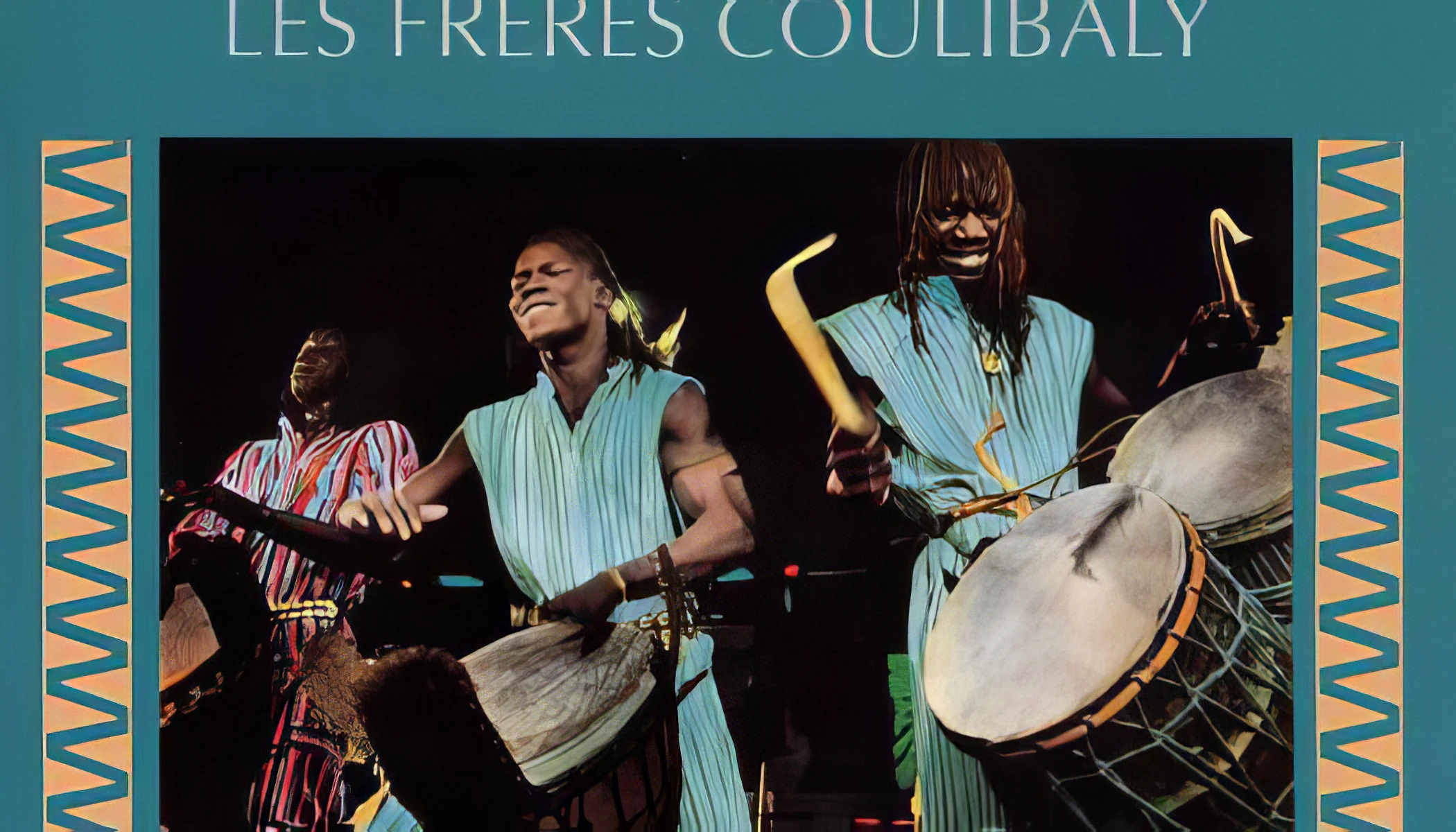
Burkina Faso's music scene is rich and diverse, with traditional rhythms blending with modern influences to create unique sounds.
– Yele: A popular song by Victor Deme, known for its soulful melody.
– Djigui: A hit by Salif Keita, reflecting the spirit of Burkina Faso.
– C'est Pas Facile: A song by Sami Rama, capturing the struggles of life.
– Burkina: A patriotic song by Sams’K Le Jah, expressing love for the country.
– Paspanga: A traditional song by Bil Aka Kora, showcasing Burkina Faso's cultural heritage.
– Fanta Diallo: A popular song by Alpha Blondy, dedicated to a girl from Burkina Faso.
Films
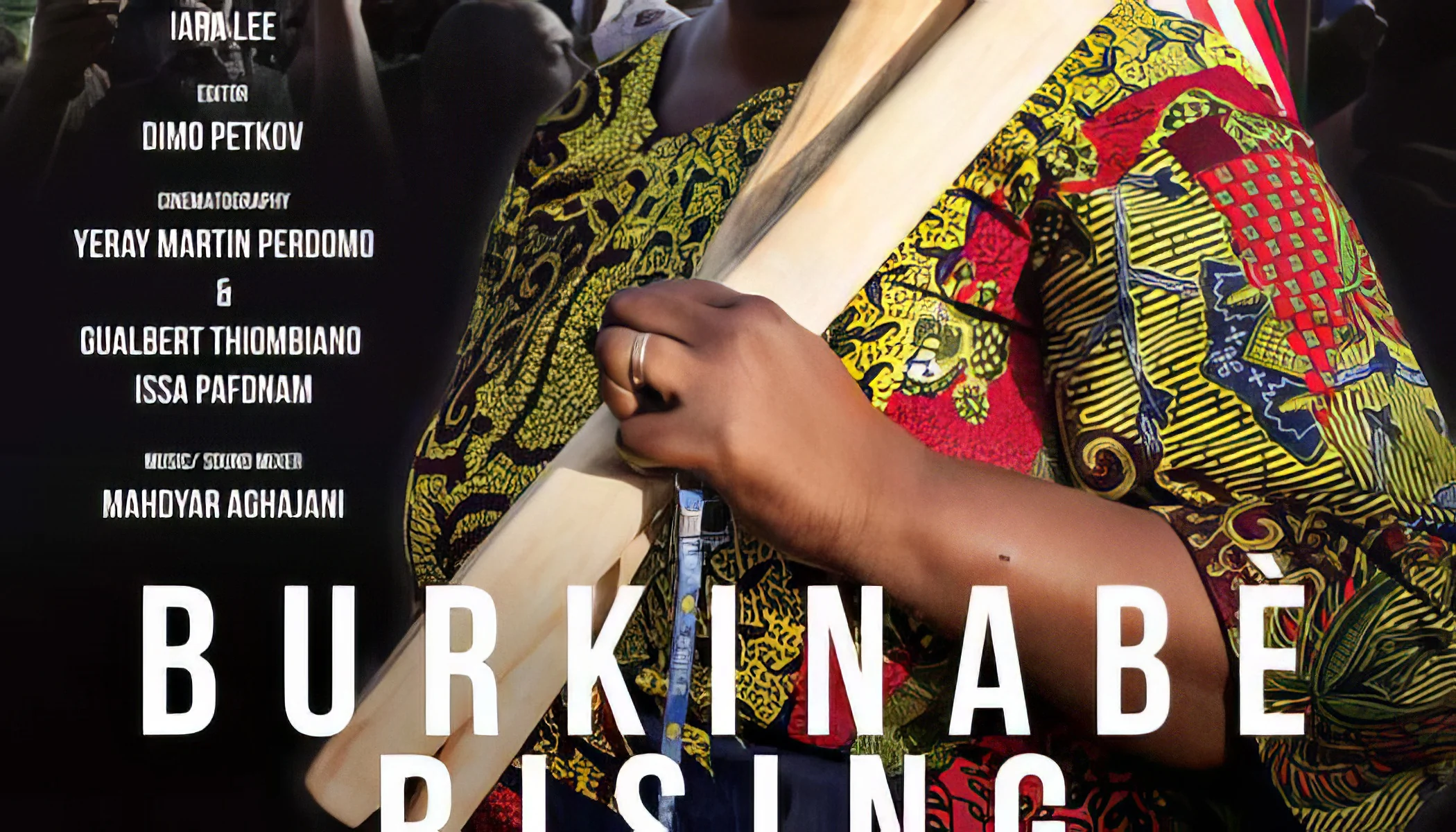
Burkina Faso's film industry has produced some remarkable films that reflect its culture and history:
– "Yaaba": Directed by Idrissa Ouedraogo, it's a touching story of friendship between a boy and an ostracized old woman.
– "Tilai": Another film by Idrissa Ouedraogo, it's a tragic tale of love and honor in a traditional society.
– "Buud Yam": Directed by Gaston Kaboré, this film is a sequel to Wend Kuuni, following the protagonist's search for his roots.
– "Wend Kuuni": Also by Gaston Kaboré, it's a story of a mute boy's journey in pre-colonial Burkina Faso.
– "Moolaadé": Directed by Ousmane Sembene, it's a powerful film about a woman's fight against female genital mutilation.