

Travel Guide to Ecuador: Top Things to Do & Tips
This South American country is known for its diverse geography, from Andean highlands to Amazon rainforest. It's home to Quito, a UNESCO World Heritage site, and the Galapagos Islands, famous for unique wildlife and Charles Darwin's evolutionary studies.
- Capital
- Quito
- Population
- 14.8 millions
- Superficy
- 284000 sq.km
- Months to Visit
- June to Sept. & Dec. to Jan.
- Living Cost
- Economical
Overview
Ecuador is a small country located on the west coast of South America, straddling the equator, hence its name. It is known for its diverse geography, which includes the Amazon rainforest, Andean highlands, and the Galapagos Islands. Quito, the capital, is famed for its well-preserved colonial center and historic Inca sites. Ecuador's economy relies heavily on exports, particularly oil, bananas, and shrimp. Despite its size, Ecuador is home to a rich variety of plant and animal species, especially in the Galapagos Islands. The country's cultural heritage is a blend of indigenous, Spanish, and African influences.
Pros & Cons
GOOD REASONS TO VISIT ECUADOR
– Biodiversity: Ecuador's Galapagos Islands, Amazon Rainforest, and Andean highlands host a wide range of unique wildlife.
– Cultural Diversity: Indigenous cultures, Spanish colonial history, and attractive festivals offer rich cultural experiences.
– Adventure Opportunities: Hiking, bird-watching, snorkeling, and mountain climbing are abundant in Ecuador's diverse landscapes.
– Affordable Travel: Compared to other South American countries, Ecuador offers affordable food, accommodation, and transportation.
– Accessibility: Despite its small size, Ecuador offers a variety of experiences from beaches to mountains and rainforests. CHALLENGES WHEN VISITING ECUADOR
– Safety Concerns: Petty crime, especially in larger cities and tourist areas, requires vigilance and caution.
– Altitude Sickness: High-altitude cities like Quito can cause discomfort or health issues for some visitors.
– Limited Infrastructure: Some remote areas have limited facilities and services, which may pose challenges for some travelers.
Before Departure
Before setting off on your adventure to Ecuador, there are several key points to consider:
– Passport: Ensure your passport is valid for at least six months beyond your planned departure date.
– Visa: Most tourists can stay in Ecuador for up to 90 days without a visa. Check your country's specific requirements before travel.
– Currency: The official currency is the U.S. Dollar. Credit cards are widely accepted in cities, and ATMs are readily available.
– Internet access: WiFi is common in urban areas and tourist spots. Prepaid SIM cards for data are available from local providers.
– Language barrier: Spanish is the official language. English is spoken in tourist areas and by younger generations, but less so in rural areas.
What to Pack
Traveling to Ecuador requires thoughtful packing due to its diverse climate, ranging from tropical coastal areas to cooler high-altitude regions.
– Essentials: Passport and visa (if required), travel insurance details, flight tickets and itinerary, accommodation reservations.
– Clothing: Lightweight clothing for coastal areas, warmer layers for high-altitude regions, rain jacket, sturdy walking shoes, swimwear, hat and sunglasses.
– Health & Safety: Prescription medications and a basic first aid kit, insect repellent, sunscreen with high SPF, altitude sickness medication if planning to visit high-altitude areas.
– Electronics: Travel adapter for Ecuadorian outlets, mobile phone, camera, portable charger.
Weather
Ecuador's weather is generally mild and varies by altitude and region:
– Coastal Lowlands (December to April): Hot and rainy with high humidity.
– Andean Highlands (June to September): Dry and mild, with cool nights.
– Amazon Rainforest (October to March): Hot and wet, with high humidity.
– Galapagos Islands (December to May): Warm and wet, with calm seas. The best time to visit Ecuador depends on the region and activities:
– For the Andean Highlands and cultural tourism, June to September is ideal due to dry weather.
– Wildlife enthusiasts should visit the Galapagos Islands from December to May when wildlife is most active. However, Ecuador's mild climate makes it a year-round destination. Just be aware that each region has its own microclimate and weather can be unpredictable.
Travel Budget
Ecuador is a budget-friendly destination with a variety of price points. Here are some average costs for reference:
– Hotel: 30$ to 150$
– Lunch: 3$ to 20$
– Beverage (in bar/restaurant): 2$ to 6$
– Coffee: 1.5$ to 4$
– Transportation: (train 25$ to 60$), (bus 1$ to 4$), (taxi /10km 10$ to 15$)
– Mobile data (per GB): 3$ to 5$
Language
Ecuador's official language is Spanish, and here are some useful phrases for tourists:
– Hello: Hola
– Thank you: Gracias
– Please: Por favor
– How much is this?: ¿Cuánto cuesta esto?
– Excuse me: Perdón
– I don't understand: No entiendo
– Yes: Sí
– No: No
– Goodbye: Adiós
History
Ecuador's history begins with indigenous cultures, including the Inca Empire, before Spanish conquest in the 16th century. It remained a Spanish colony until the early 19th century, when it joined the wars of independence led by Simon Bolivar and became a part of Gran Colombia. In 1830, Ecuador separated from Gran Colombia to become an independent republic. The 20th century saw a series of military and civilian governments, with periods of instability. In recent years, Ecuador has experienced economic growth and political stability, although it continues to face challenges such as poverty and inequality.
Geopolitics
Ecuador is a democratic republic in South America, bordered by Colombia to the north, Peru to the east and south, and the Pacific Ocean to the west. Its capital is Quito, but the largest city is Guayaquil. Ecuador is a member of the United Nations, the Organization of American States, and the Union of South American Nations. It has had border disputes with Peru, but a peace treaty in 1998 resolved the major issues. Ecuador's geopolitical position is influenced by its relationships with neighboring countries, its strategic location on the Pacific coast, and its membership in regional organizations.
Sample Itinerary
This tour includes the colonial charm of Quito, the biodiversity of the Galapagos Islands, the indigenous culture of Otavalo, and the natural beauty of Baños.
– 2 days in Quito: Visit the historic center, the Middle of the World Monument, and enjoy panoramic views from the TelefériQo.
– 4 days in Galapagos Islands: Experience wildlife encounters, snorkeling, and hiking. Visit Charles Darwin Research Station and various islands.
– 1 day in Otavalo: Explore the famous indigenous market, local crafts, and traditional music. Visit nearby Peguche Waterfall.
– 2 days in Baños: Enjoy outdoor activities like hiking, biking, and rafting. Visit the Swing at the End of the World and Pailon del Diablo waterfall.
Popular cities
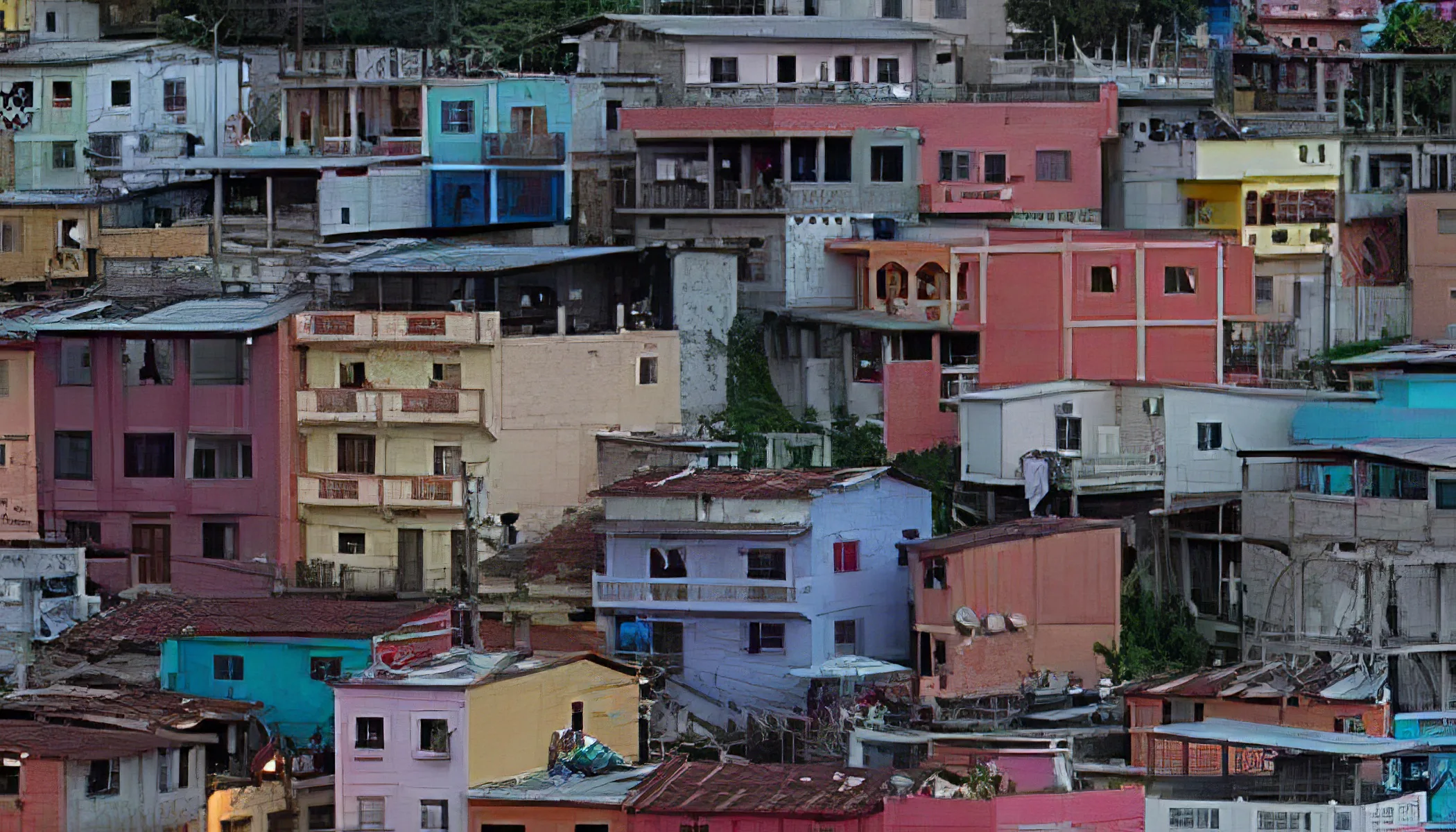
Ecuador offers a diverse range of cities, each with its unique charm and attractions:
– Quito: The capital city, known for its well-preserved colonial center and panoramic views.
– Guayaquil: The largest city, offers a charming waterfront promenade and modern architecture.
– Cuenca: Known for its 16th-century architecture and art scene.
– Baños: A small city famous for its outdoor activities and thermal baths.
– Otavalo: Renowned for its indigenous market selling traditional handicrafts.
– Loja: Known for its rich history, music culture, and nearby Podocarpus National Park.
– Montañita: A coastal town popular for its beaches and surfing.
Monuments
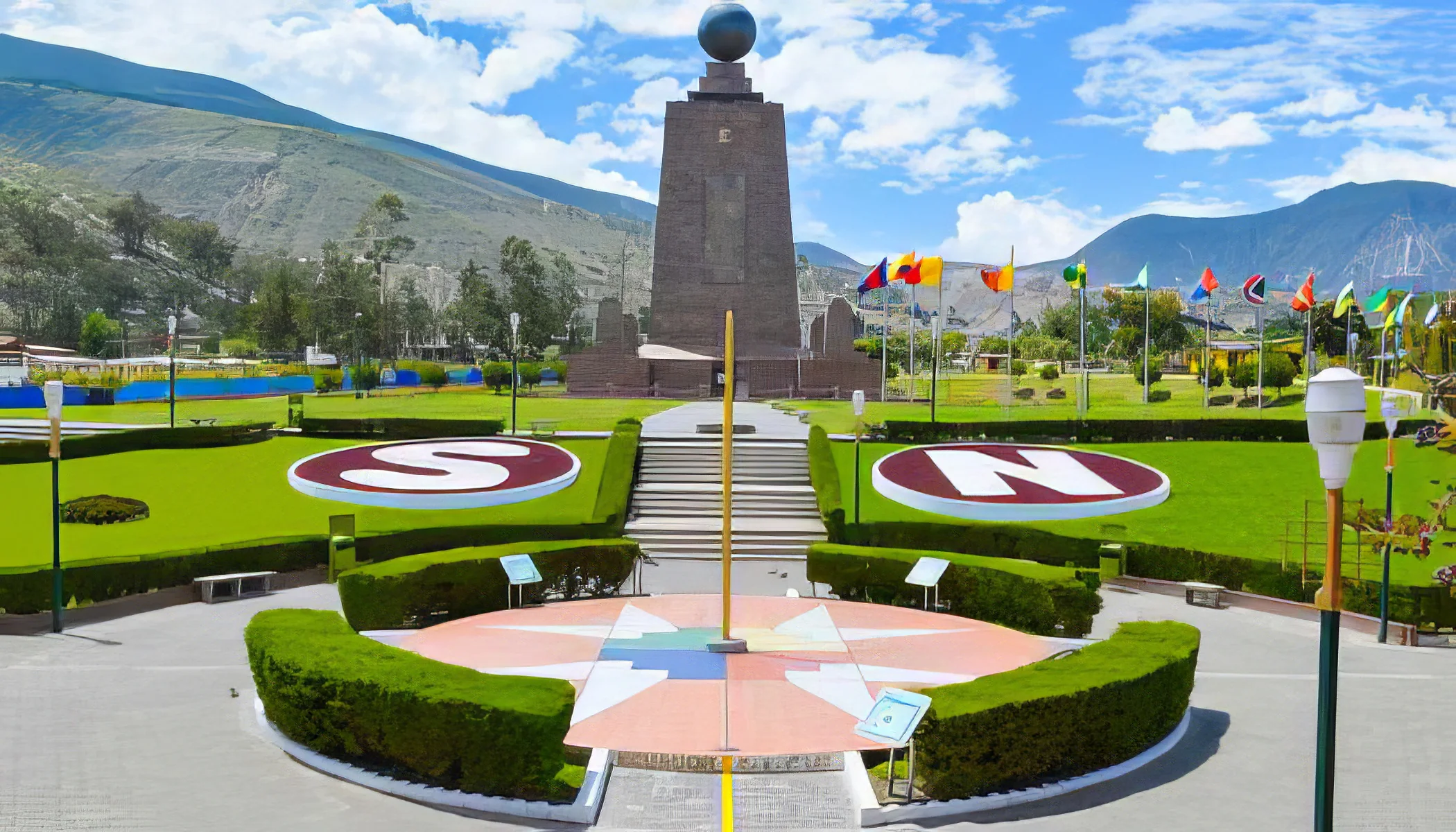
Ecuador is home to several notable monuments and architectural sites:
– Basilica Del Voto Nacional, Quito: Massive neo-Gothic church with beautiful views from its towers.
– Ingapirca Ruins, Canar: Largest known Inca ruins in Ecuador, featuring the Temple of the Sun.
– La Compañía de Jesús, Quito: Baroque-style church known for its ornate gold leaf interior.
– Mitad Del Mundo, Quito: Monument marking the equator, with a museum about indigenous cultures.
– El Panecillo, Quito: Hilltop statue of the Virgin Mary, offering panoramic city views.
– Catedral Nueva, Cuenca: Iconic blue-domed cathedral with beautiful stained glass windows.
– San Francisco Church, Quito: One of the oldest churches in Quito, with a museum of religious art.
– Parque Histórico Guayaquil: Open-air museum showcasing Ecuador's history, architecture, and wildlife.
Natural wonder
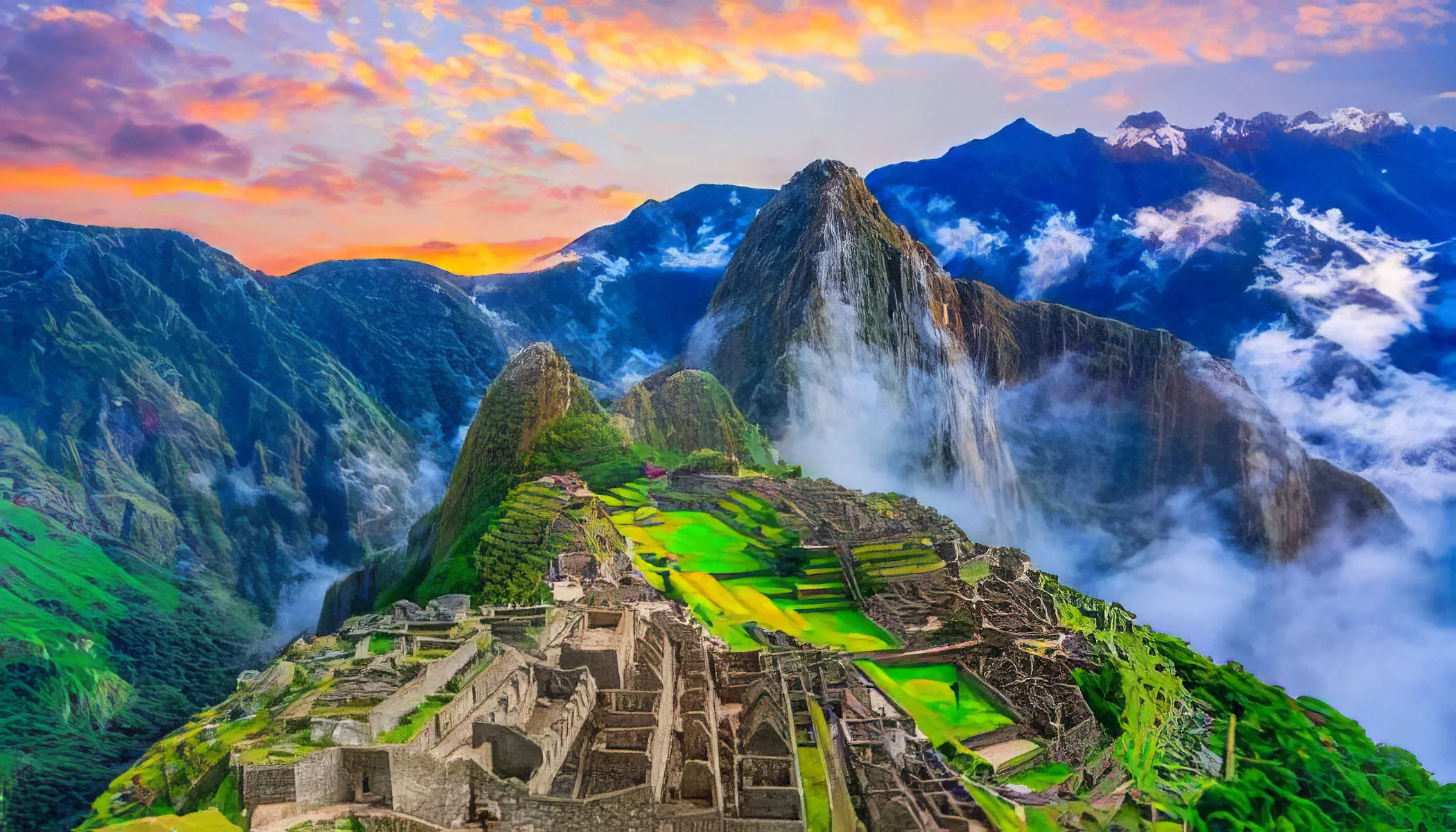
Explore the diverse natural wonders of Ecuador:
– Galapagos Islands: Unique wildlife and volcanic landscapes, a UNESCO World Heritage Site.
– Cotopaxi National Park: Home to one of the world's highest active volcanoes.
– Yasuni National Park: One of the most biodiverse places on Earth, located in the Amazon Rainforest.
– Chimborazo Volcano: The furthest point from the Earth's center due to equatorial bulge.
– Quilotoa Lagoon: A gorgeous crater lake with turquoise waters.
– Cajas National Park: Known for its tundra vegetation and hundreds of glacial lakes.
– Podocarpus National Park: Rich in flora and fauna, with cloud forests and mountain ranges.
– El Cajas: A high-altitude area with many lakes and unique wildlife.
– Sangay National Park: Features three volcanoes and a variety of ecosystems.
– Puyango Petrified Forest: Home to fossilized trees and plants dating back millions of years.
Beaches
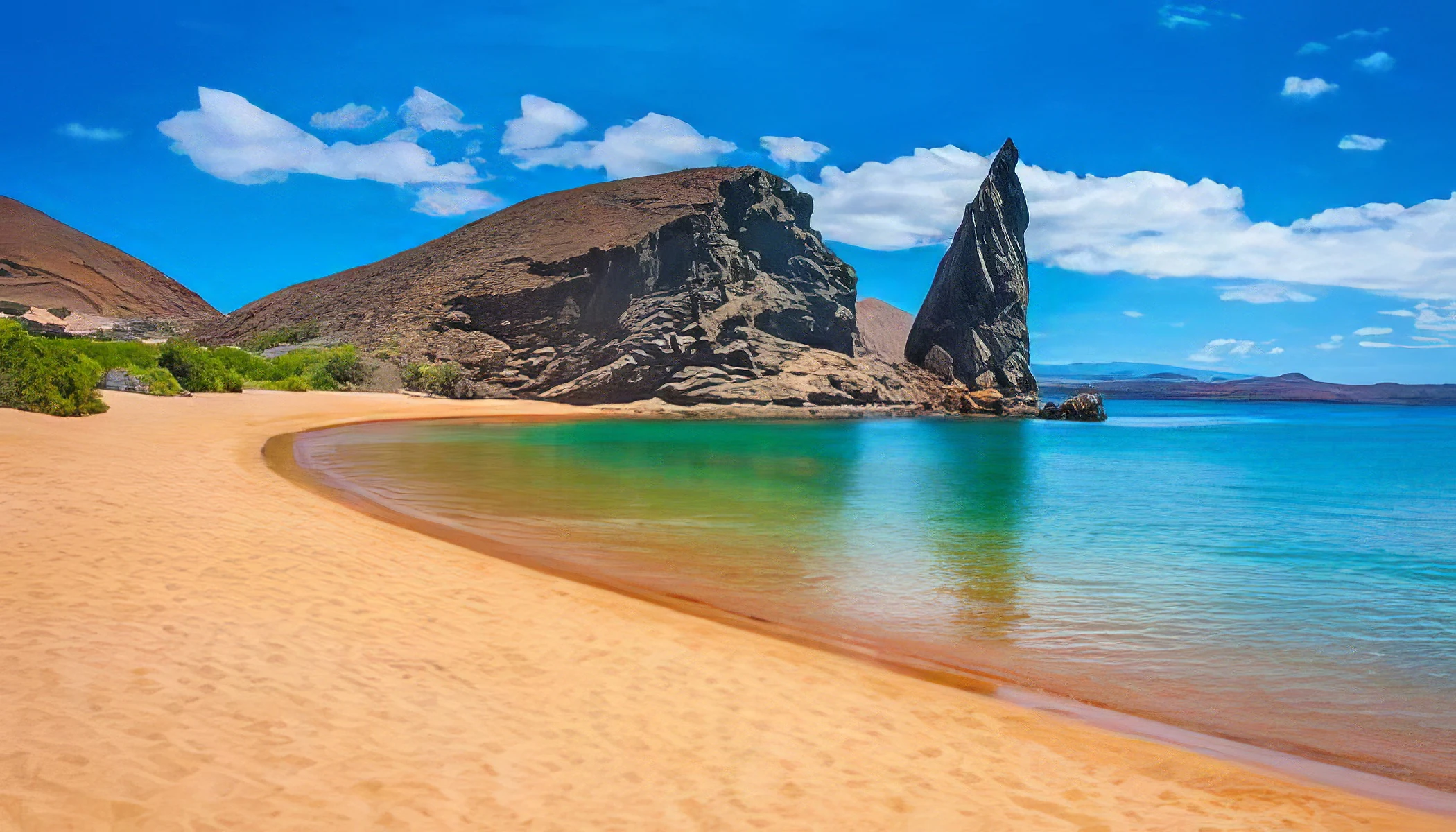
Here are some of the most visited beaches in Ecuador:
– Montañita Beach: Known for its strong surf and attractive nightlife.
– Salinas Beach: Popular for its modern amenities and whale watching opportunities.
– Los Frailes Beach: Renowned for its natural beauty and tranquility in Machalilla National Park.
– Atacames Beach: Famous for its lively atmosphere and local seafood.
– Playas Beach: Closest beach to Guayaquil, known for its calm waters.
– Ayangue Beach: A sheltered bay ideal for snorkeling and diving.
– Puerto Lopez Beach: Gateway to Machalilla National Park and a hub for eco-tourism.
Outdoor activities
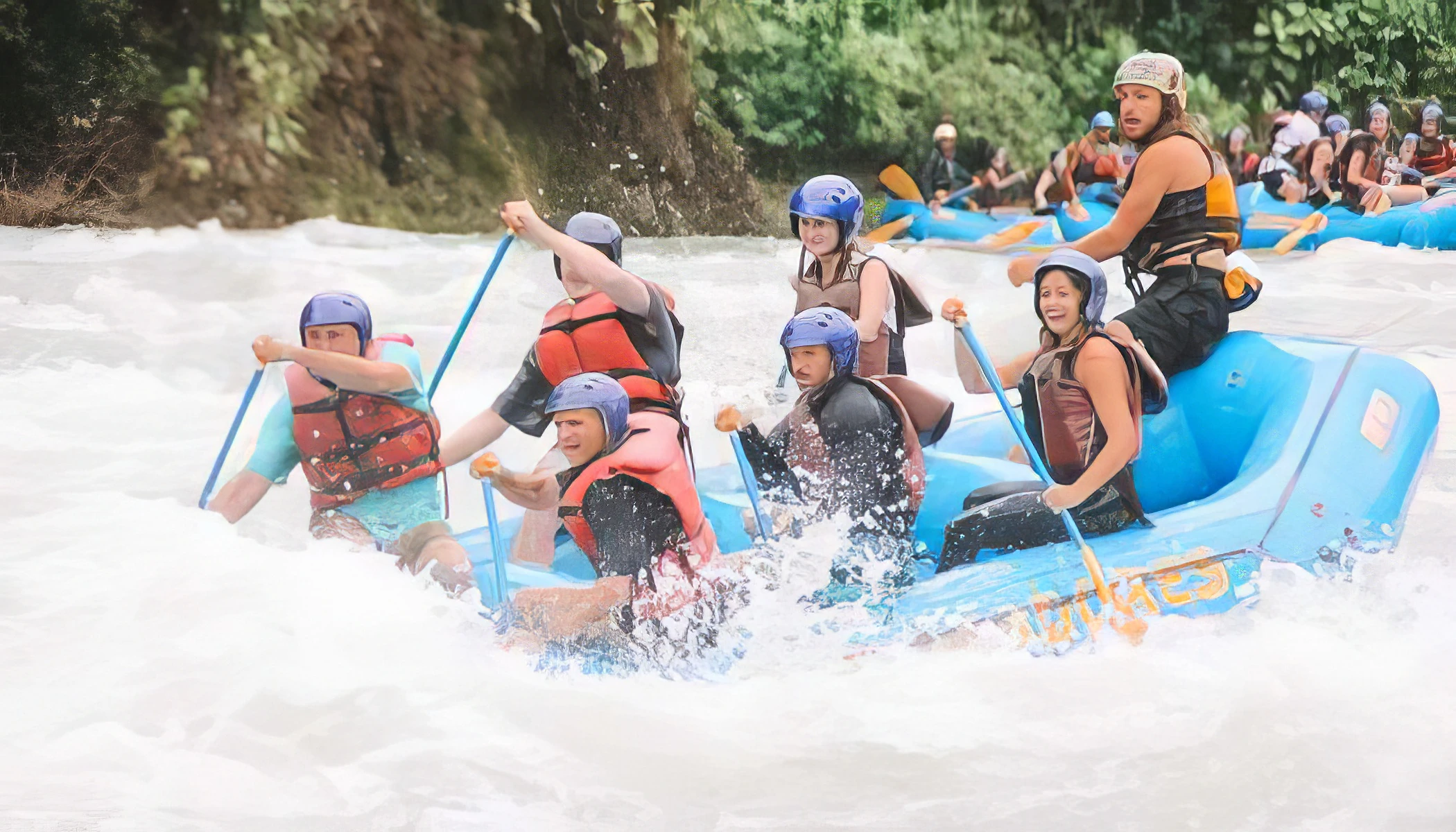
Ecuador offers a variety of outdoor experiences, from the Andes to the Amazon:
– Hiking in Cotopaxi National Park: Trek around one of the world's highest active volcanoes.
– Bird Watching in Mindo: Spot hundreds of bird species in this cloud forest reserve.
– Snorkeling in the Galapagos: Encounter unique marine life in these iconic islands.
– Whitewater Rafting on the Pastaza River: Experience thrilling rapids in the Amazon basin.
– Mountain Biking in Baños: Ride through scenic trails and waterfalls in this adventure town.
– Exploring Cajas National Park: Discover high-altitude lakes and tundra ecosystems on foot.
– Wildlife Spotting in Yasuni National Park: See diverse Amazonian wildlife in one of the most biodiverse places on Earth.
Kid Friendly
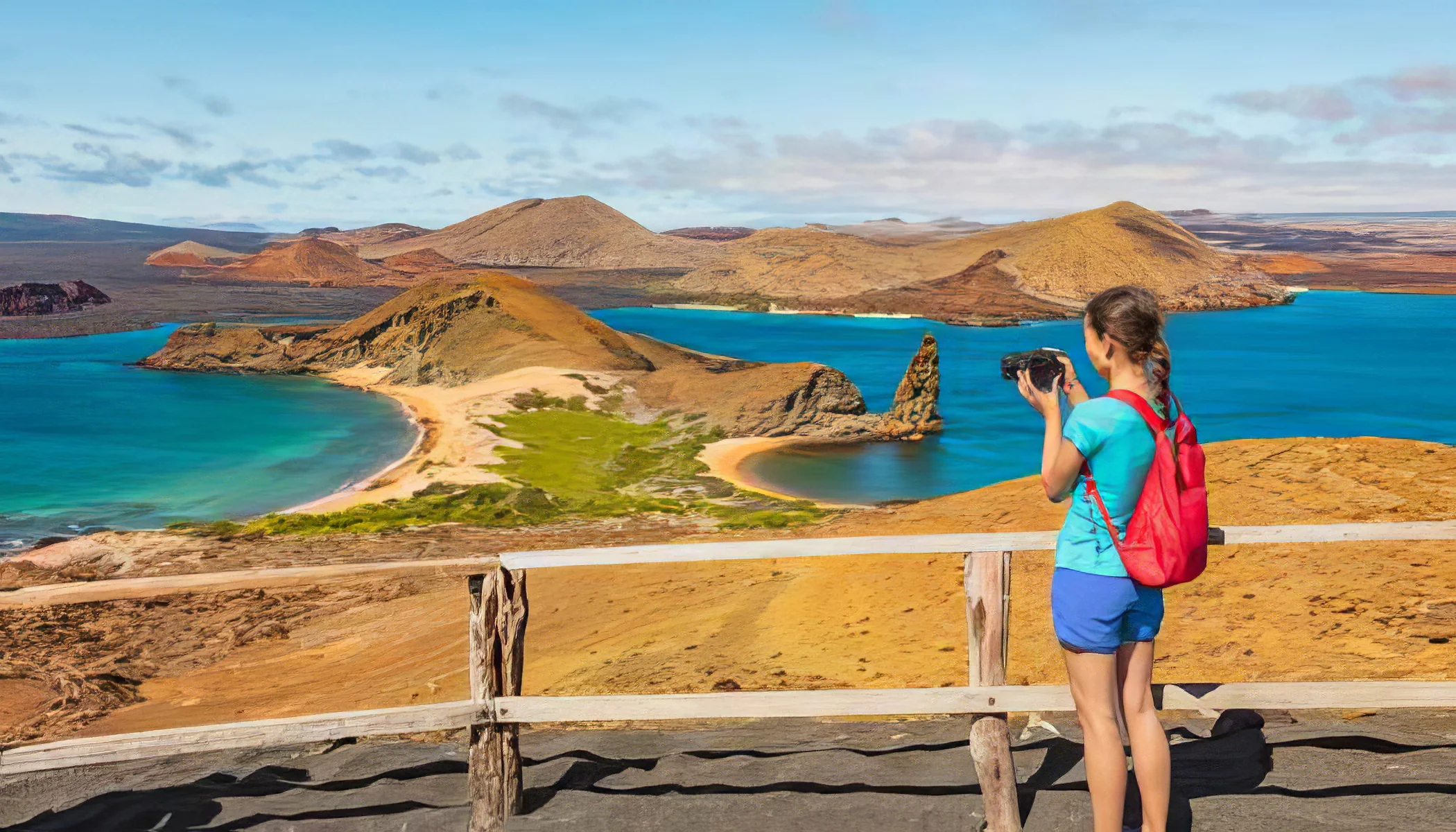
Ecuador offers a variety of activities that are both educational and fun for children:
– Galapagos Islands: A unique wildlife experience where kids can see animals like giant tortoises and sea lions.
– Cotopaxi National Park: A place to enjoy nature walks and see one of the world's highest active volcanoes.
– Quito's Interactive Science Museum: A museum with hands-on exhibits that make learning fun.
– Mindo Cloud Forest: A biodiverse forest where families can go bird watching or butterfly spotting.
– Guayaquil Historical Park: A park that offers a glimpse into Ecuador's history, culture, and wildlife.
– Cuenca's Pumapungo Museum: A museum with Inca ruins and a botanical garden.
– Banos Adventure Activities: A town known for its outdoor activities like zip-lining and hiking.
– Devil's Nose Train Ride: A thrilling train ride through the Andes mountains.
Cuisine
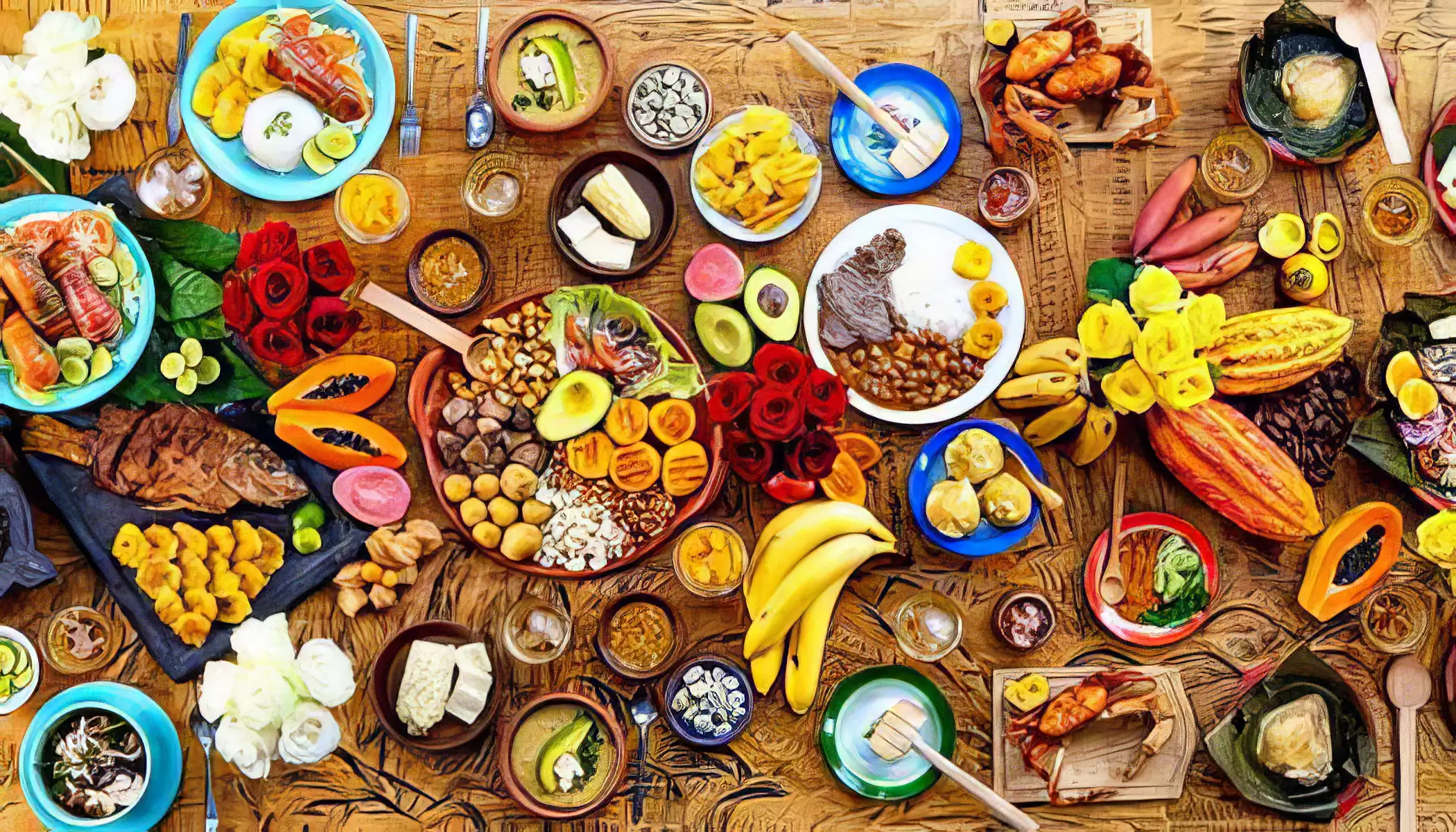
Ecuadorian cuisine is diverse, influenced by its varied geography and indigenous cultures. It's characterized by hearty meals, fresh ingredients, and unique flavors. Street food is also popular, offering a variety of local dishes.
– Ceviche: Seafood dish marinated in citrus juices, onions, and cilantro.
– Encebollado: Tuna fish soup with yucca and pickled onions.
– Hornado: Roasted pork served with potatoes and corn.
– Llapingachos: Fried potato pancakes stuffed with cheese.
– Tres Leches Cake: Sponge cake soaked in three kinds of milk.
– Guaguas de Pan: Bread shaped like children, traditionally eaten during Day of the Dead.
Souvenir
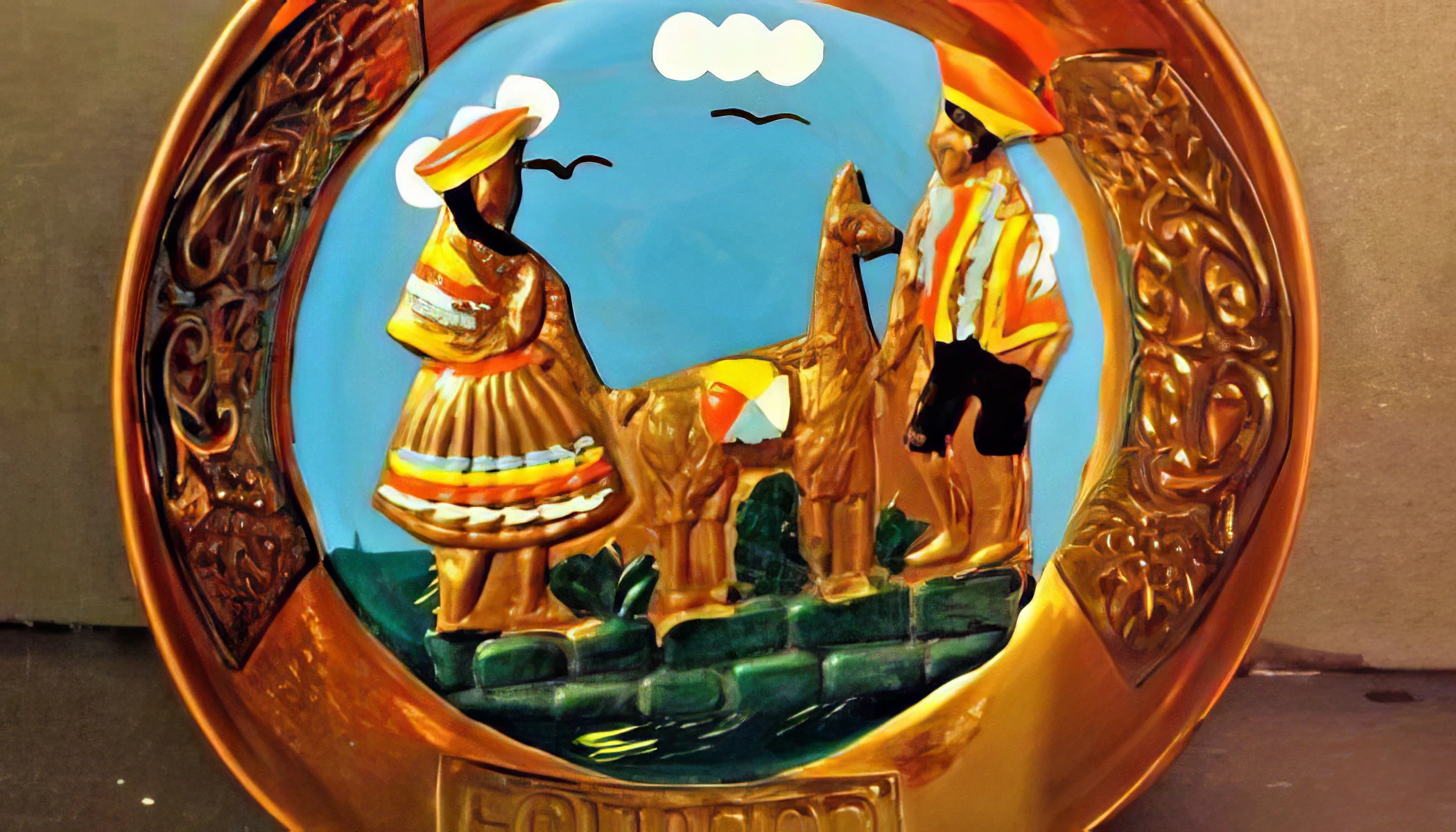
Ecuador is a country rich in culture and tradition, which is reflected in its variety of unique souvenirs. Here are some items you might want to consider:
– Panama Hat: Despite its name, the Panama hat is actually from Ecuador and is a popular souvenir.
– Tagua Nut Jewelry: This eco-friendly jewelry is made from the Tagua nut, also known as "vegetable ivory."
– Otavalo Textiles: The Otavalo region is famous for its woven textiles, including blankets, scarves, and clothing.
– Chocolate: Ecuador is known for its high-quality chocolate, making it a tasty souvenir.
– Coffee: Ecuadorian coffee is highly regarded and makes a great gift for coffee lovers.
– Handmade Leather Goods: Ecuador produces a variety of leather goods, including bags, belts, and wallets.
– Andean Musical Instruments: Traditional Andean instruments like the pan flute are a unique souvenir.
Traditional Shows
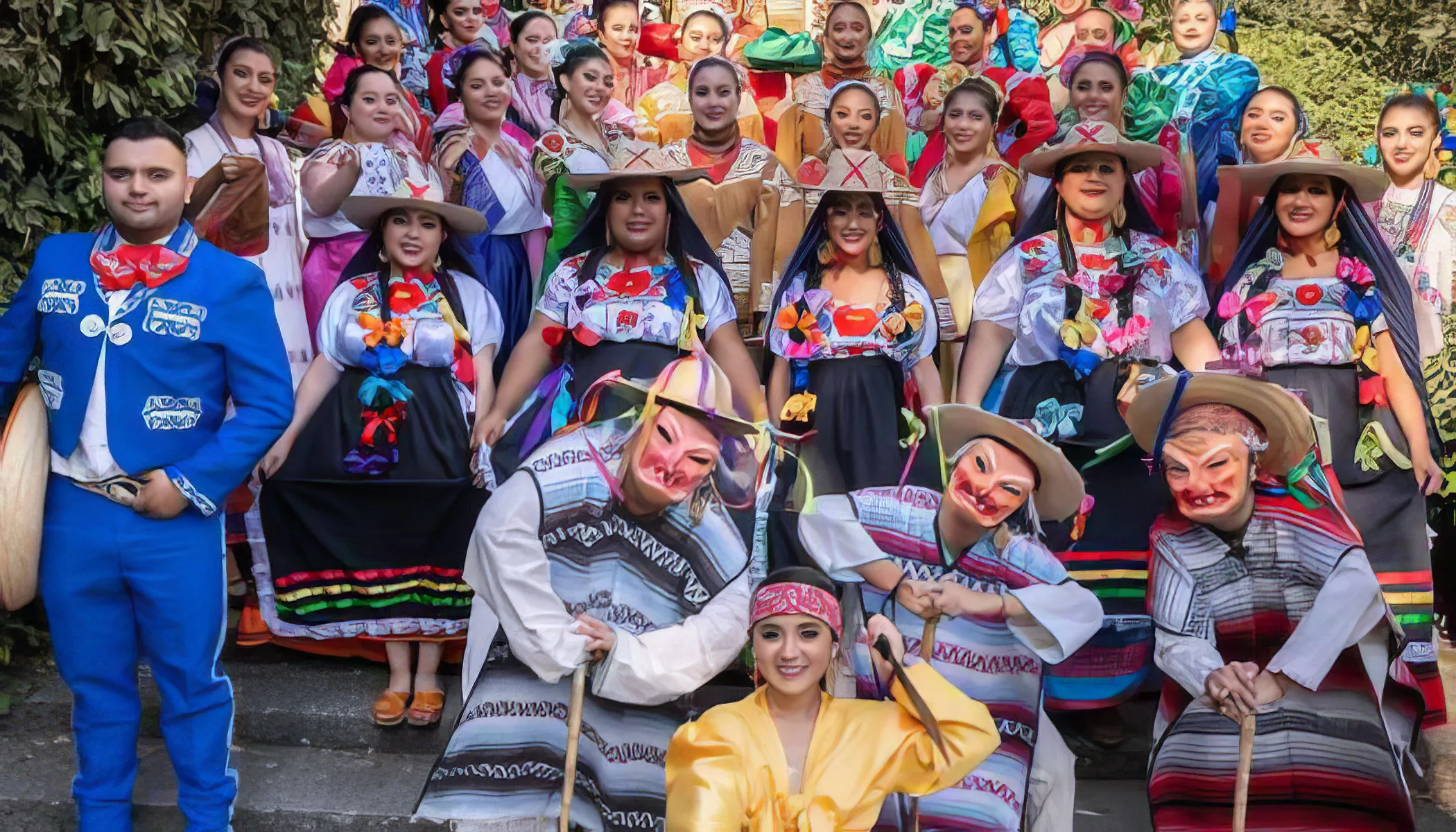
Ecuador offers a rich tapestry of traditional music and art performances:
– Pasillo Performance: Experience Pasillo, a national genre of music and dance, often performed in Quito's cultural centers.
– Otavalo Market: Visit Otavalo for indigenous music and art, where local artisans showcase their traditional crafts and music.
– Mama Negra Festival: Witness this unique cultural event in Latacunga, featuring music, dance, and theatrical performances celebrating Ecuador's diverse heritage.
– Ballet Folklorico Nacional: Enjoy traditional Ecuadorian dance performances in Quito, showcasing the country's rich cultural diversity.
– El Diablo Huma Festival: Experience this traditional Andean festival in Alausi, featuring indigenous music, dance, and colorful costumes.
Events & Festivals

Ecuador, a country rich in culture, hosts several significant events and festivals throughout the year:
– Carnival: A February event with parades, water fights, and parties.
– Holy Week: Religious processions and events take place in April.
– Inti Raymi: Indigenous solstice festival in June, with music, dance, and rituals.
– Independence Day: Celebrated on August 10 with parades and festivities.
– Guayaquil Independence Day: July 24 event with parades, concerts, and fireworks.
– Cuenca Independence Day: November 3 celebration with parades, concerts, and art fairs.
– Quito Foundation Day: December 6 event with bullfights, parades, and parties.
Famous People

Ecuador has been home to many notable figures who have made significant contributions in various fields.
– Juan Montalvo (1832 to 1889, Ambato): Esteemed essayist and novelist, known for his liberal ideas and literary works.
– Jaime Roldós Aguilera (1940 to 1981, Guayaquil): Former President of Ecuador, known for his human rights advocacy.
– Oswaldo Guayasamín (1919 to 1999, Quito): Renowned painter and sculptor, famous for his depictions of human suffering.
– Jefferson Pérez (born 1974, Cuenca): Olympic gold medalist in race walking, the first for Ecuador.
– Cristina Reyes (born 1976, Guayaquil): Prominent politician and women's rights advocate in Ecuador.
Books
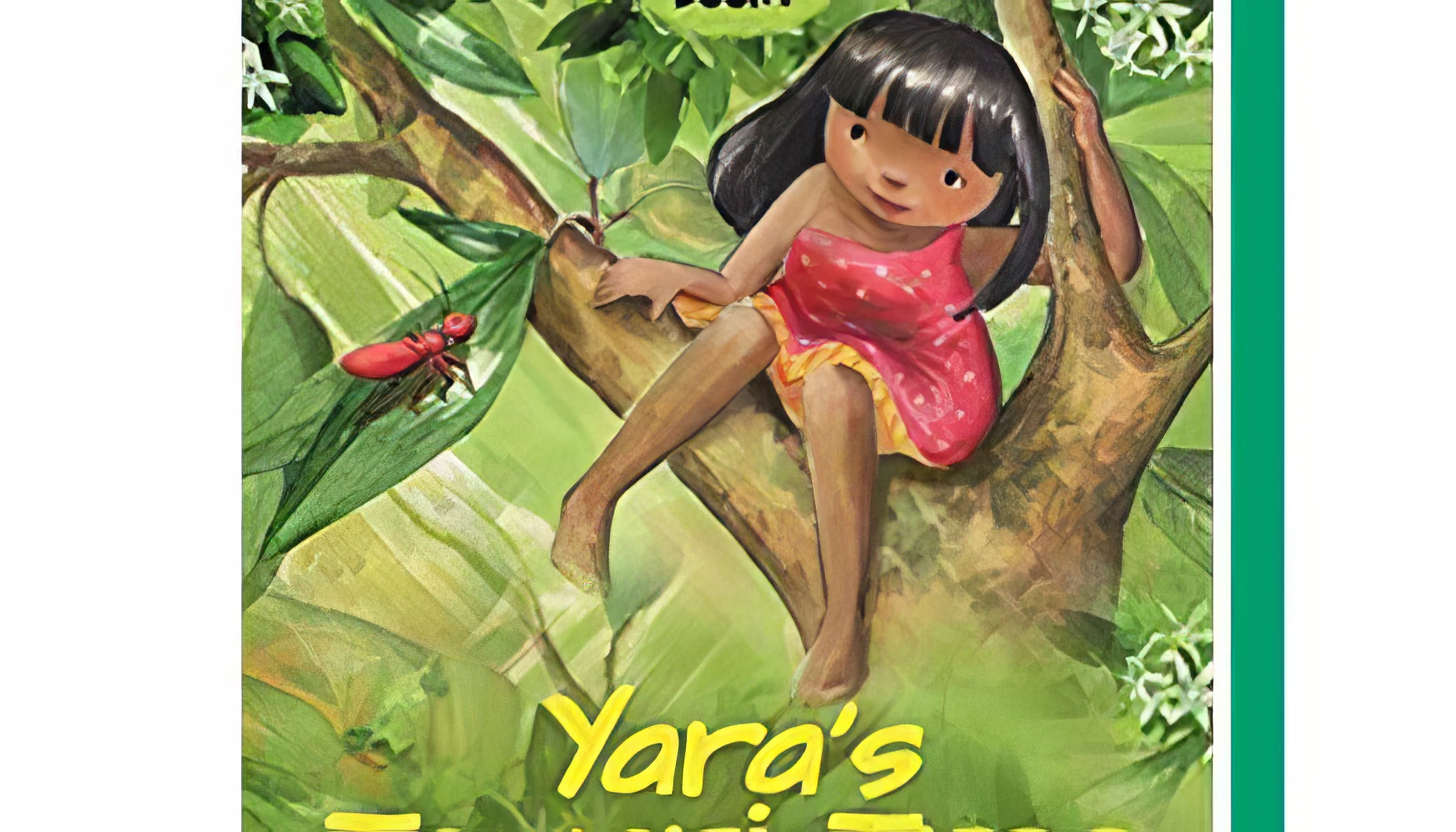
These books provide a rich understanding of Ecuador's history, culture, and natural beauty, through both fiction and non-fiction narratives.
– "The Old Man Who Read Love Stories" by Luis Sepúlveda: A tale of a man's unusual life in the Ecuadorian jungle.
– "Savages" by Joe Kane: An account of the Huaorani tribe's struggle against oil exploitation.
– "Huasipungo" by Jorge Icaza: A novel depicting the harsh conditions of indigenous Andean peasants.
– "The Queen of Water" by Laura Resau: A young indigenous girl's journey from servitude to success.
– "Galápagos" by Kurt Vonnegut: A satirical novel set in the Galápagos Islands, Ecuador.
Songs
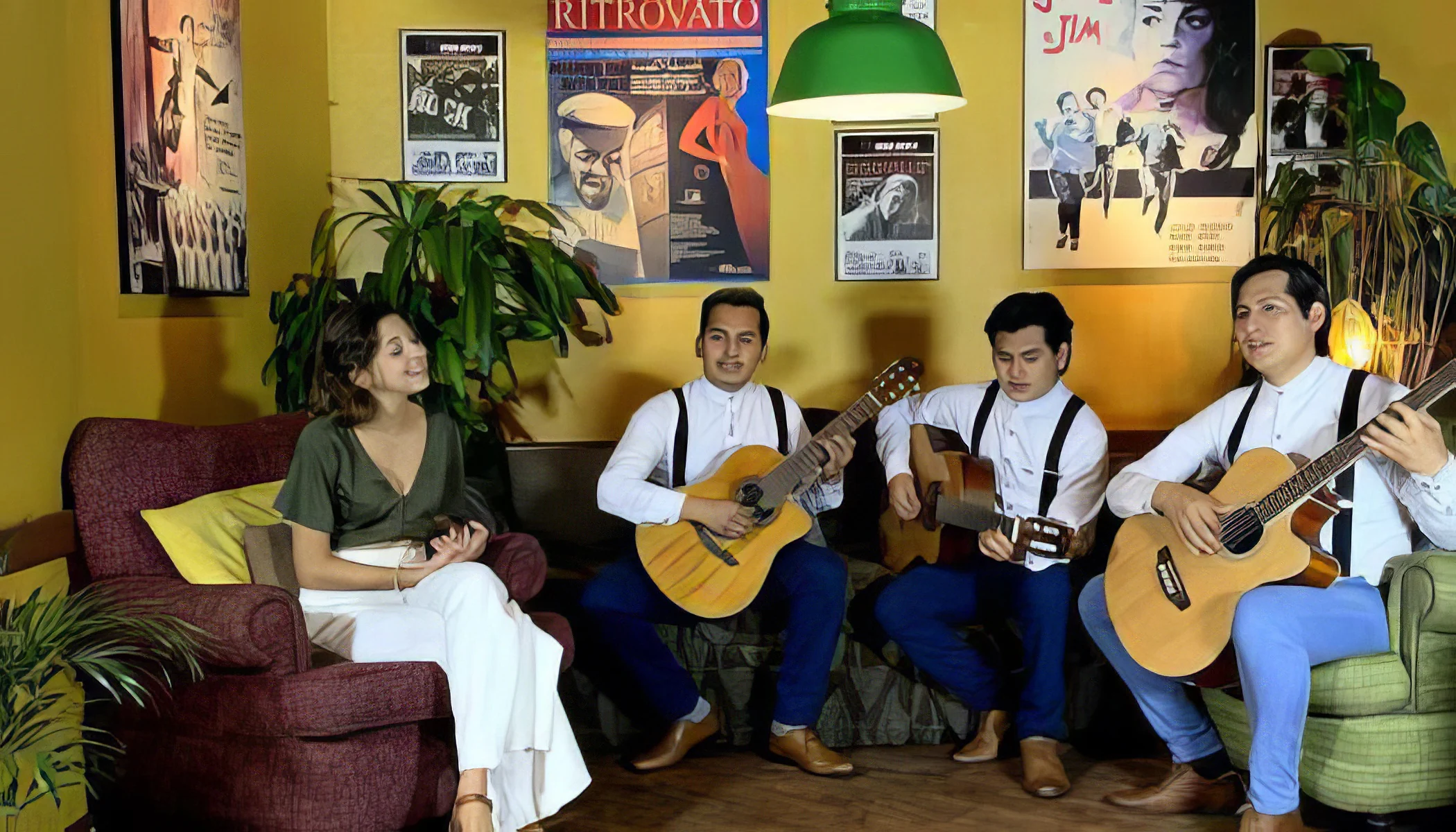
Ecuador's music scene is a beautiful mix of traditional folk, Andean, and contemporary pop, as reflected in these popular songs.
– Vasija de Barro: A traditional Ecuadorian song by Benitez Valencia.
– El Aguacate: A popular folk song by Julio Jaramillo.
– Yo Naci Aqui: A patriotic song by Juan Fernando Velasco.
– Chulla Quiteño: A traditional song celebrating the people of Quito.
– Inocente: A hit song by pop singer Daniel Betancourth.
– Sendas Distintas: A classic bolero by Julio Jaramillo.
Films

Ecuador's film industry has produced some remarkable films that beautifully depict the country's culture and history:
– "Ratas, Ratones, Rateros": Directed by Sebastián Cordero, it's a gritty look at the life of a small-time thief in Quito.
– "Qué Tan Lejos": A road movie by Tania Hermida that explores Ecuador's diverse landscapes and cultures.
– "Pescador": Directed by Sebastián Cordero, a story of a fisherman who finds a haul of cocaine.
– "Europa Report": A science fiction film by Sebastián Cordero, partially set in Ecuador, about a mission to Jupiter's moon.
– "With My Heart in Yambo": A documentary by María Fernanda Restrepo about her brothers' disappearance during the 1980s.