

Explore Egypt: Culture, Cities & Places to Visit
This North African country is known for its rich history and archaeological treasures. Home to the ancient Pyramids and the Nile River, it offers a blend of ancient civilization and modern urban life, particularly in its capital, Cairo.
- Capital
- Cairo
- Population
- 80.5 millions
- Superficy
- 1002000 sq.km
- Months to Visit
- Oct. to April.
- Living Cost
- Economical
Overview
Egypt, located in Northeast Africa, is known for its ancient civilization and some of the world’s most famous monuments, including the Giza pyramids and the Great Sphinx. The capital, Cairo, is Africa's largest city and home to the Egyptian Museum, which houses an extensive collection of ancient Egyptian antiquities. The country's landscape is dominated by the Nile River, which provides a vital lifeline for Egypt's population. Egypt's economy is one of the largest and most diversified in the Middle East, with sectors such as tourism, agriculture, industry and services contributing significantly. Despite modernization, traditional customs and practices remain deeply ingrained in Egyptian society. Egypt's rich history, cultural heritage, and strategic location make it a significant player in international affairs.
Pros & Cons
GOOD REASONS TO VISIT EGYPT
– Ancient Monuments: Egypt is home to iconic structures like the Pyramids of Giza, Sphinx, and temples of Luxor and Karnak.
– Rich History: Egypt's history spans thousands of years, offering insights into ancient civilizations, cultures, and religions.
– Nile River Cruises: Experience the scenic beauty and historic sites along the Nile, Egypt's lifeblood.
– Diverse Landscapes: From the Sahara desert's dunes to the Red Sea's coral reefs, Egypt offers varied natural beauty.
– Egyptian Cuisine: Traditional dishes like koshari, ful medames, and molokhia offer a unique culinary experience. CHALLENGES WHEN VISITING EGYPT
– Safety Concerns: Political instability and occasional terrorist attacks may pose safety risks, though major tourist areas are generally safe.
– Street Harassment: Some tourists, particularly women, may experience unwanted attention or harassment in public places.
– Heat and Crowds: Egypt's hot climate and crowded tourist sites can be overwhelming, especially during peak travel seasons.
Before Departure
Before setting off on your Egyptian adventure, there are several key points to consider:
– Passport: Ensure your passport is valid for at least six months beyond your planned departure date.
– Visa: Most tourists require a visa to enter Egypt. You can apply for an e-Visa online or obtain a visa on arrival, valid for 30 days.
– Currency: The local currency is the Egyptian Pound (EGP). Credit cards are widely accepted in cities, and ATMs are readily available.
– Internet access: WiFi is common in hotels and tourist areas. Prepaid SIM cards for data are available at the airport and from local providers.
– Language barrier: Arabic is the official language. English is widely spoken in tourist areas, while French and German are less common.
What to Pack
When packing for a trip to Egypt, it's important to consider the country's hot climate, cultural customs, and the activities you plan to do.
– Essentials: Passport and visa (if required), travel insurance details, flight tickets and itinerary, accommodation reservations.
– Clothing: Lightweight and breathable clothing, comfortable walking shoes, swimwear (for beach areas), hat and sunglasses for sun protection, scarf for visiting religious sites.
– Health & Safety: Prescription medications and a basic first aid kit, insect repellent, sunscreen with high SPF, personal hygiene items.
– Electronics: Travel adapter for Egyptian outlets, mobile phone, camera, portable power bank.
Weather
Egypt's weather is generally hot and dry, with variations across seasons:
– Winter (December to February): Mild and sunny, with occasional rain in the north.
– Spring (March to May): Warm with occasional sandstorms, known as Khamsin.
– Summer (June to August): Extremely hot, especially in the south.
– Autumn (September to November): Warm and generally pleasant. The best time to visit Egypt is from October to April. Reasons include:
– Temperatures are cooler but still warm enough for outdoor activities.
– It's the peak season for cultural tourism, with less crowds in beach resorts. However, it's also the peak tourist season, so popular sites can be crowded and prices may be higher.
Travel Budget
Egypt is known for its budget-friendly travel costs. Here are some average prices for common expenses:
– Hotel: 30$ to 150$
– Lunch: 5$ to 20$
– Beverage (in bar/restaurant): 2$ to 6$
– Coffee: 1$ to 3$
– Transportation: (train 1$ to 10$), (bus 0.5$ to 3$), (taxi /10km 2$ to 5$)
– Mobile data (per GB): 1$ to 5$
Language
Egyptian Arabic is the most widely spoken dialect in Egypt. Here are some useful phrases for tourists:
– Hello: Marhaba
– Thank you: Shukran
– Please: Min fadlak (to a man), Min fadlik (to a woman)
– How much is this?: Bekam da?
– Excuse me: Ma'lesh
– I don't understand: Ana mish fahem
– Yes: Aywa
– No: Laa
– Goodbye: Ma'a as-salaama
History
Egypt's history dates back to the 6th–4th millennia BCE, when the lower Nile Valley became home to one of the world's earliest civilizations. This civilization, Ancient Egypt, was known for its pyramids, hieroglyphs, and pharaohs, and lasted until 332 BCE when it was conquered by Alexander the Great. Egypt then became a Hellenistic kingdom under the Ptolemaic Dynasty, which ended with the death of Cleopatra and Roman conquest in 30 BCE. Arab Muslims introduced Islam and the Arabic language in the 7th century. Ottoman rule followed from 1517 until 1867, when it became a British protectorate. Egypt gained full independence from Britain in 1952, and has since been a republic.
Geopolitics
Egypt is a transcontinental country, located mainly in Northeast Africa with a portion in the Middle East, bordered by the Mediterranean Sea to the north, Israel and the Gaza Strip to the northeast, the Red Sea to the east, Sudan to the south, and Libya to the west. Its capital, Cairo, is the largest city in the Arab world. Egypt's strategic location has made it a key player in Arab-Israeli affairs, and it was the first Arab nation to make peace with Israel. It is a member of the United Nations, African Union, Arab League, Organisation of Islamic Cooperation, and the Non-Aligned Movement. Egypt's geopolitical significance is also tied to control of the Suez Canal, a critical global shipping lane. Its relations with countries like the United States and Saudi Arabia are crucial for its economy and military strength.
Sample Itinerary
This itinerary offers a journey through Egypt's ancient history, with visits to Cairo, Luxor, Aswan, and a cruise on the Nile River.
– 2 days in Cairo: Visit the Pyramids of Giza, Sphinx, and the Egyptian Museum. Explore the bustling Khan El Khalili Bazaar.
– 2 days in Luxor: Discover the Valley of the Kings, Karnak Temple, and Luxor Temple. Experience a hot air balloon ride over the city.
– 2 days in Aswan: Visit the High Dam, Unfinished Obelisk, and Philae Temple. Enjoy a felucca ride on the Nile.
– 3 days on a Nile Cruise: Sail from Aswan to Luxor, stopping at Kom Ombo and Edfu Temples. Enjoy the river views and onboard activities.
– 1 day in Alexandria: Explore the Catacombs, Qaitbay Citadel, and the Alexandria Library. Depart from Alexandria after enjoying the Mediterranean Sea views.
Popular cities
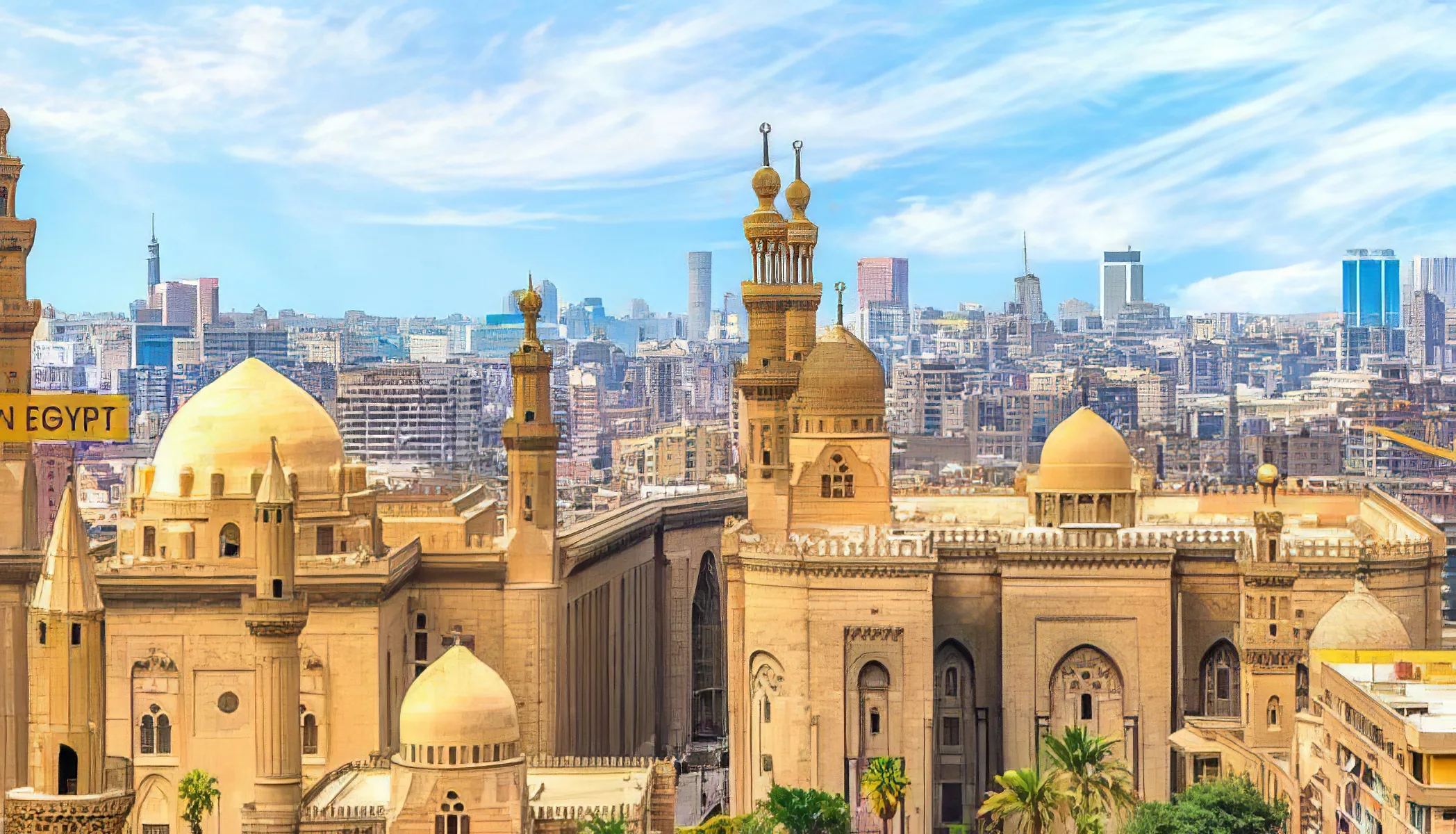
Egypt offers a rich tapestry of ancient sites, cultural experiences, and charming city life:
– Cairo: The capital city, home to the Pyramids of Giza and the Egyptian Museum.
– Luxor: Known as the world's largest open-air museum, with temples and tombs on the east and west banks.
– Aswan: Offers a relaxed atmosphere and significant archaeological sites like the Temple of Philae.
– Alexandria: A Mediterranean port city, known for the Catacombs and the modern Bibliotheca Alexandrina.
– Sharm El Sheikh: A popular resort town known for its sandy beaches and clear waters for diving.
– Hurghada: Another resort town on the Red Sea, offering water activities and desert adventures.
– Dahab: A small town on the southeast coast of the Sinai Peninsula, popular for windsurfing, diving, and snorkeling.
Monuments
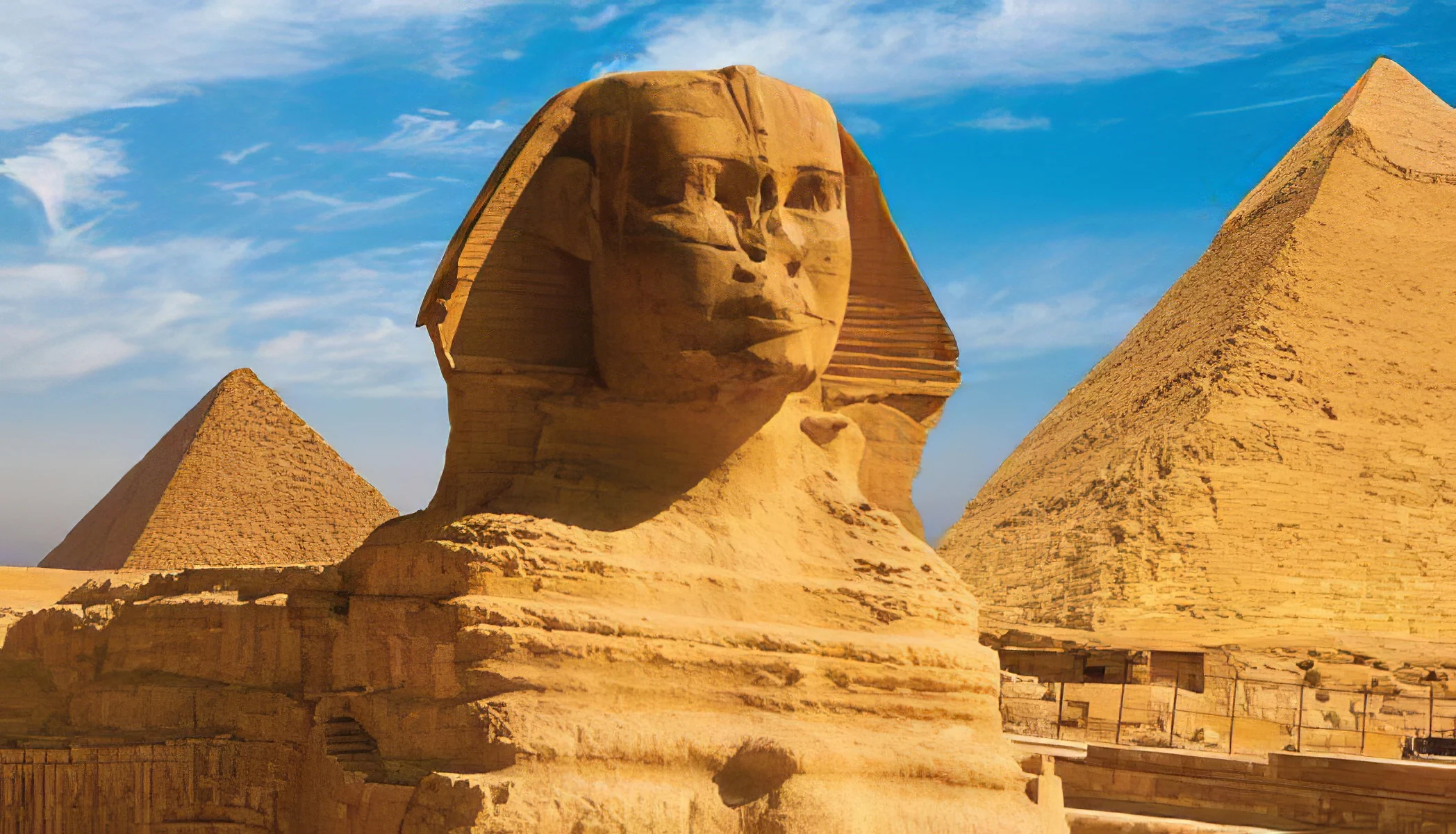
Egypt is home to numerous historical monuments and architectural wonders:
– Great Pyramids of Giza: Last of the Seven Wonders of the Ancient World, tombs for pharaohs.
– Sphinx of Giza: Iconic limestone statue with a lion's body and a human head.
– Karnak Temple, Luxor: Massive complex of decayed temples, chapels, pylons, and other buildings.
– Valley of the Kings, Luxor: Burial site of pharaohs and nobles from the New Kingdom era.
– Abu Simbel Temples: Two massive rock temples, built by Pharaoh Ramses II.
– Luxor Temple: Large Ancient Egyptian temple complex located on the east bank of the Nile River.
– Egyptian Museum, Cairo: Houses the world's most extensive collection of pharaonic antiquities.
– Mosque of Muhammad Ali, Cairo: Ottoman mosque situated in the Citadel of Cairo, known for its alabaster walls.
Natural wonder
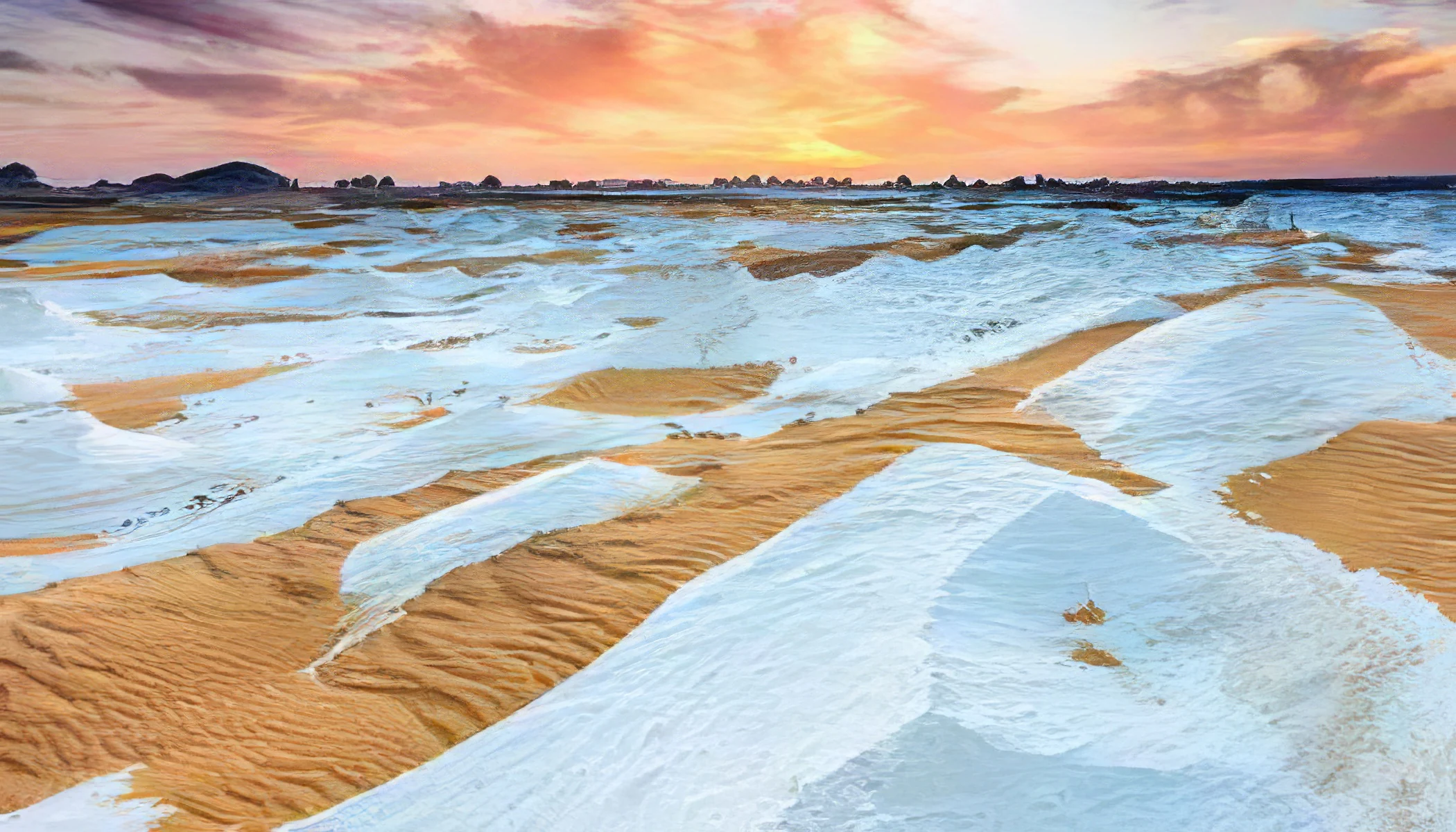
Explore the amazing natural wonders of Egypt:
– The Nile River: The world's longest river, providing life to Egypt's civilization for millennia.
– The Sahara Desert: The world's largest hot desert, covering most of Egypt.
– The White Desert: Known for its surreal, chalk-white rock formations.
– The Red Sea Reef: A rich and diverse underwater ecosystem, popular for diving.
– The Sinai Peninsula: Mountainous region with unique flora and fauna.
– The Western Desert Oases: Scattered oases like Siwa and Bahariya offer respite in the vast desert.
– The Blue Hole: A world-renowned diving location near Dahab.
– The Nile Delta: Fertile area where the Nile River spreads out and drains into the Mediterranean Sea.
– Mount Sinai: Historic mountain where Moses is said to have received the Ten Commandments.
– Wadi Al-Hitan (Whale Valley): A desert valley with fossil remains of the earliest, now extinct, suborder of whales.
Beaches
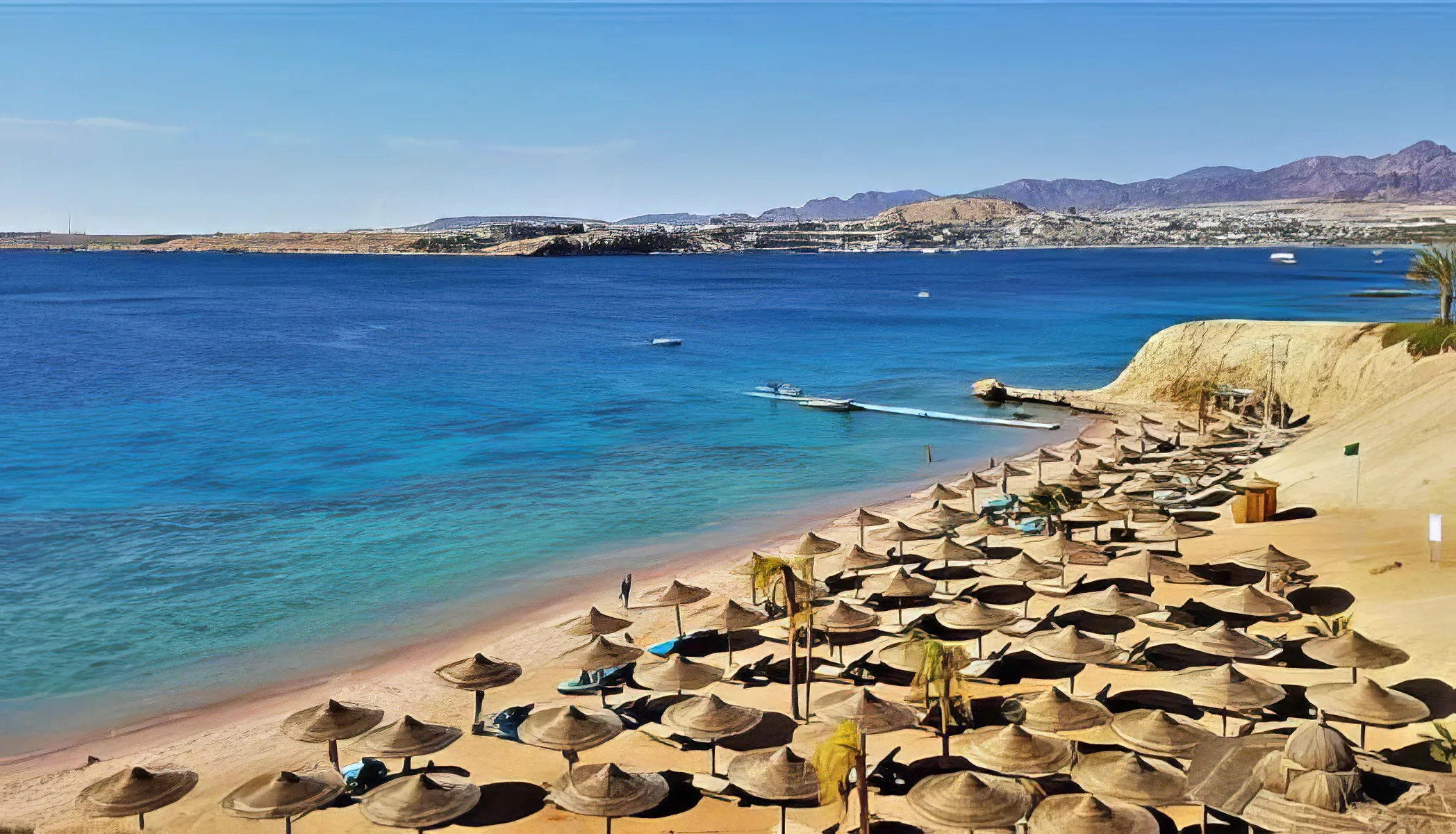
Egypt is known for its beautiful beaches along the Red Sea coast and Mediterranean Sea. Here are some of the most popular ones:
– Sharm El Sheikh Beaches: Known for clear waters, animated coral reefs, and water sports.
– Hurghada Beach: Famous for its golden sands, clear waters, and diving spots.
– Marsa Matruh Beach: Noted for its white sands and crystal clear, calm waters.
– Dahab Beach: Popular for windsurfing, snorkeling, and diving.
– El Gouna Beach: Known for luxury resorts, water sports, and golfing.
– Sahl Hasheesh Beach: Offers a peaceful setting with clear waters and sandy beaches.
– North Coast Beaches: Known for its Mediterranean climate, sandy beaches, and summer nightlife.
Outdoor activities
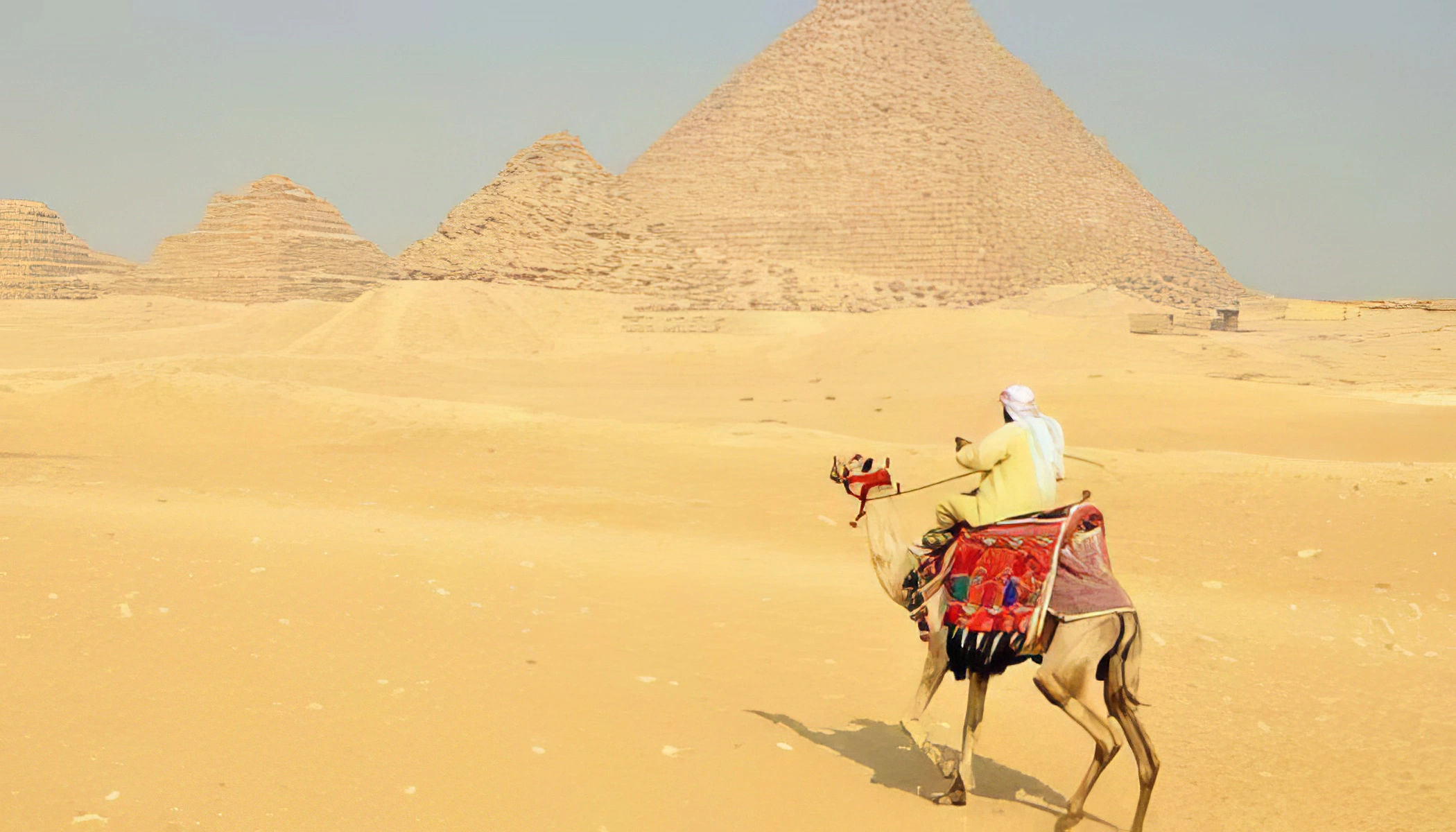
Egypt offers a variety of outdoor experiences that showcase its unique landscapes and rich history:
– Pyramids of Giza: Visit the iconic ancient structures on the outskirts of Cairo.
– Snorkeling in the Red Sea: Explore animated coral reefs and diverse marine life.
– Nile River Cruise: Experience the scenic beauty and historical sites along the river.
– Camel Ride in the Sahara Desert: Traverse the vast desert landscape on a traditional mode of transport.
– Hiking in the Sinai Peninsula: Trek through rugged terrain and enjoy panoramic views.
– Visiting the White Desert: Marvel at the surreal, chalk-white rock formations.
– Exploring the Valley of the Kings: Discover the tombs of ancient pharaohs in Luxor.
Kid Friendly
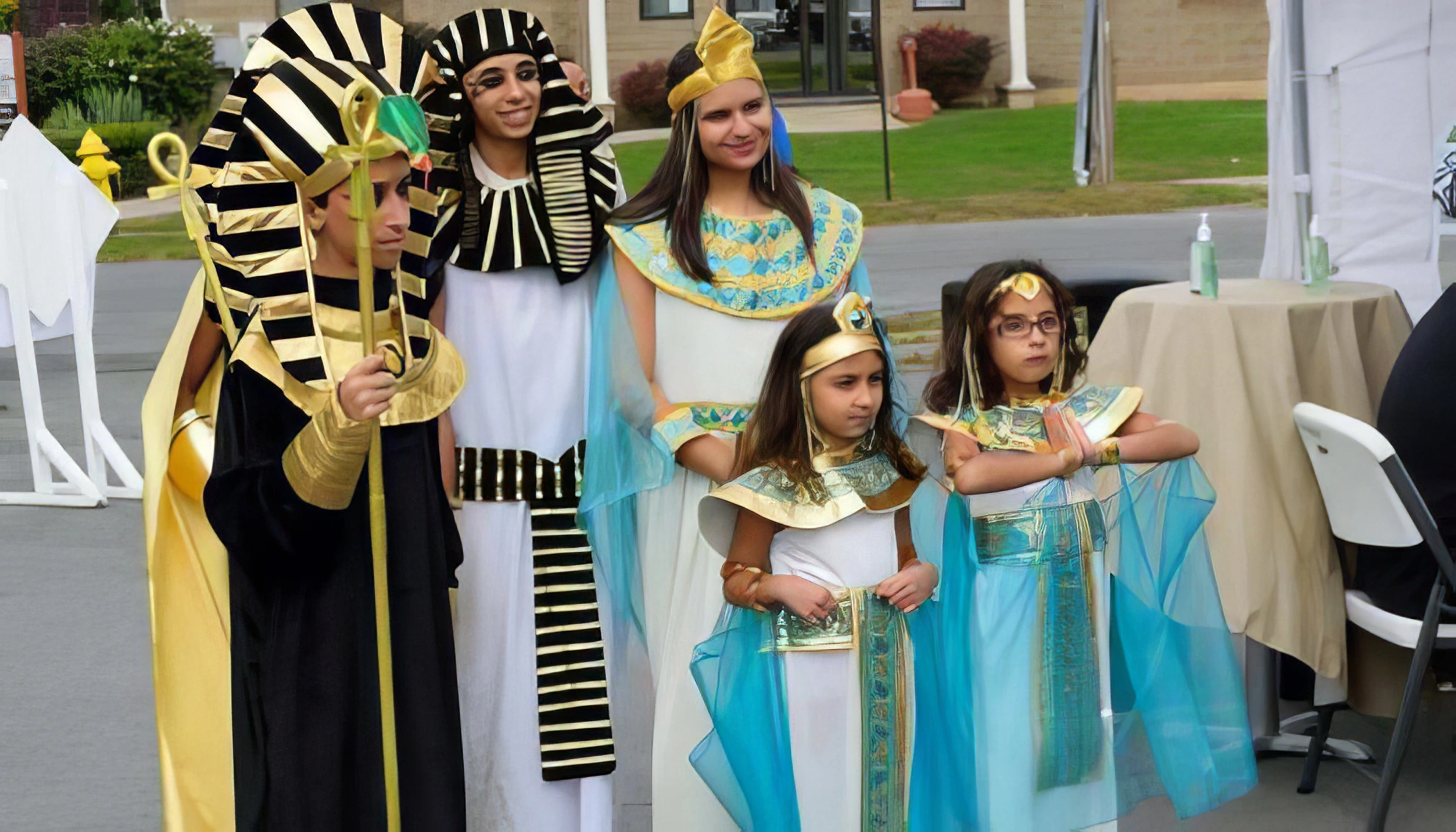
Egypt offers a variety of activities that are both educational and fun for children:
– Pyramids of Giza: Iconic ancient structures that will fascinate kids and adults alike.
– Egyptian Museum: A museum in Cairo housing thousands of ancient Egyptian artifacts.
– Pharaonic Village: A living history museum where kids can learn about ancient Egyptian life.
– Hurghada Grand Aquarium: An aquarium showcasing Red Sea marine life, perfect for young animal lovers.
– Magic Land: An amusement park in Cairo with a variety of rides and attractions.
– Aswan Botanical Garden: A peaceful garden on an island in the Nile, great for a family picnic.
– Alexandria Zoo: A small zoo with a variety of animals, perfect for a family day out.
– Cleopatra's Pool: A historic thermal bath in Siwa Oasis where kids can swim.
Cuisine
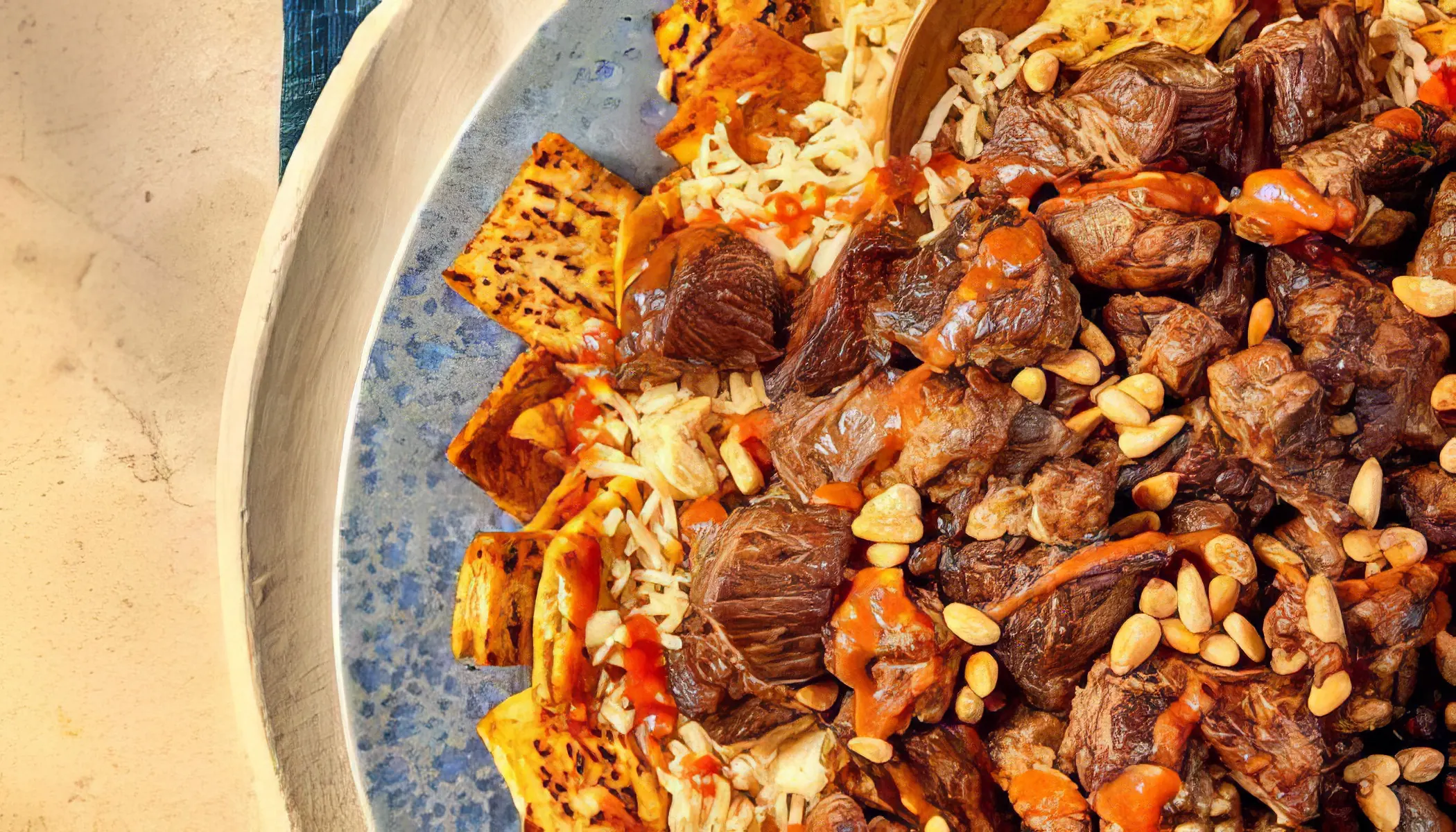
Egyptian cuisine is a rich blend of Mediterranean and Middle Eastern influences, with a focus on hearty, flavorful dishes. Street food is popular, with vendors offering a variety of traditional dishes. The most famous Egyptian dishes and desserts are:
– Koshari: A mix of rice, lentils, pasta, and chickpeas topped with tomato sauce and fried onions.
– Ful Medames: Slow-cooked fava beans served with olive oil, garlic, and lemon juice.
– Molokhia: A soup made from jute leaves, often served with rabbit or chicken.
– Shawarma: Thinly sliced meat, usually beef or chicken, wrapped in a pita bread.
– Basbousa: A sweet cake made from semolina and soaked in syrup.
– Om Ali: A dessert made from pastry, milk, and nuts, similar to bread pudding.
Souvenir
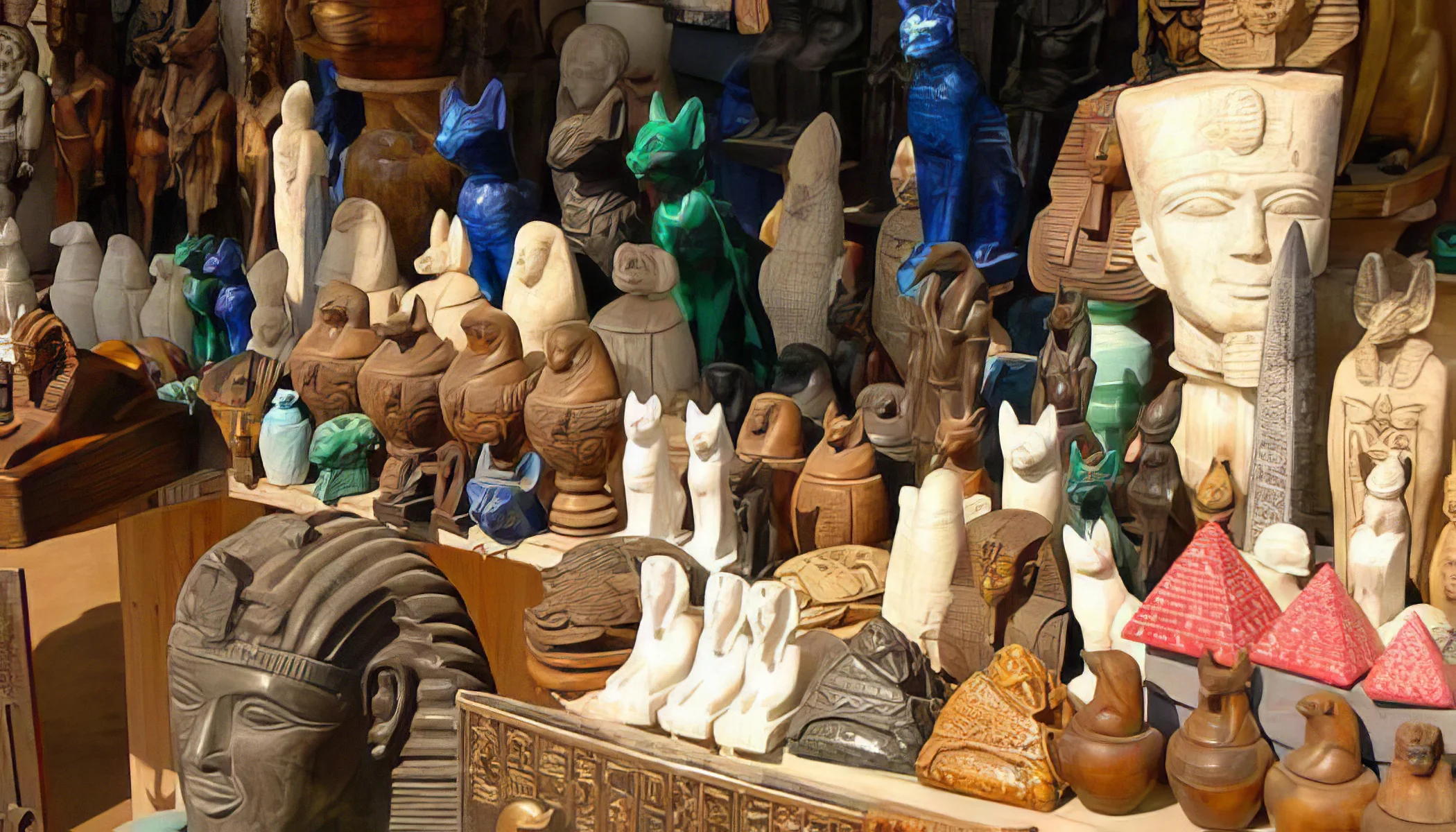
Egypt is a country rich in history and culture, offering a variety of unique souvenirs. Here are some popular items to consider:
– Papyrus Scrolls: These are replicas of ancient Egyptian art, often featuring hieroglyphics and gods.
– Cartouche Jewelry: These are personalized Egyptian name necklaces, usually made of gold or silver.
– Alabaster Vases: Handcrafted vases made from alabaster stone, often featuring Egyptian motifs.
– Egyptian Spices: Egypt is known for its aromatic spices, which are often sold in colorful packages.
– Belly Dancing Costumes: These are colorful and ornate, a fun souvenir for those interested in dance.
– Egyptian Cotton: Known for its high quality, Egyptian cotton products like towels or bed linens are popular.
– Miniature Pyramids: Small replicas of the famous Egyptian pyramids are a classic souvenir.
Traditional Shows
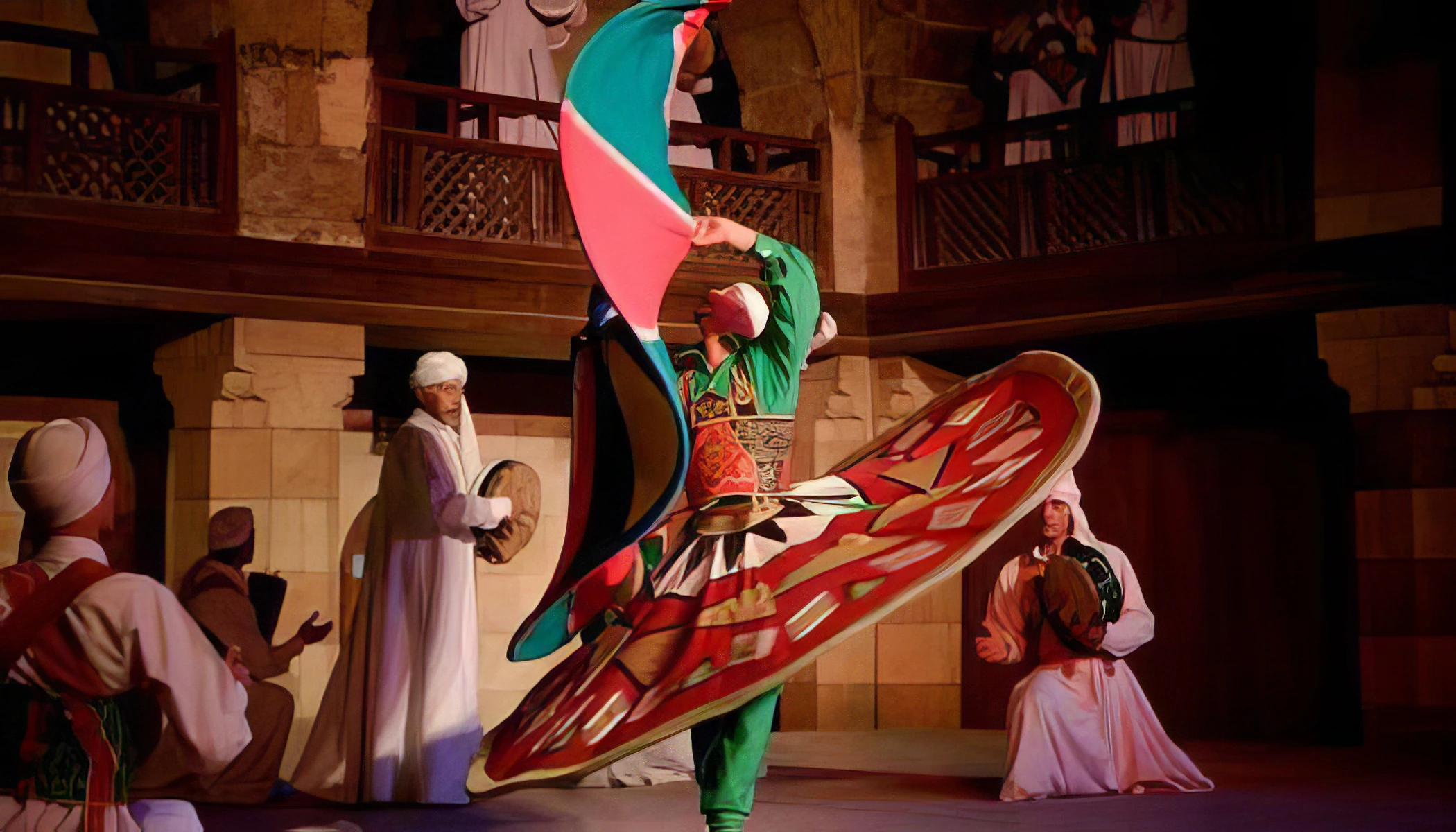
Egypt is rich in traditional art performances:
– Belly Dancing: Witness this expressive dance form, often accompanied by traditional music, in Cairo's nightclubs and restaurants.
– Whirling Dervishes: Experience the spiritual Sufi dance, a tempting spinning ritual performed in Cairo.
– Nubian Music: Enjoy the rhythmic beats and lovely melodies of Nubian music in Aswan, reflecting the culture of southern Egypt.
– Opera Aida: Watch this grand opera, set in Egypt and often performed at the Cairo Opera House, for a taste of high culture.
– Tahteeb: Observe this ancient stick-fighting dance, a blend of martial arts and dance, performed in rural areas of Upper Egypt.
Events & Festivals
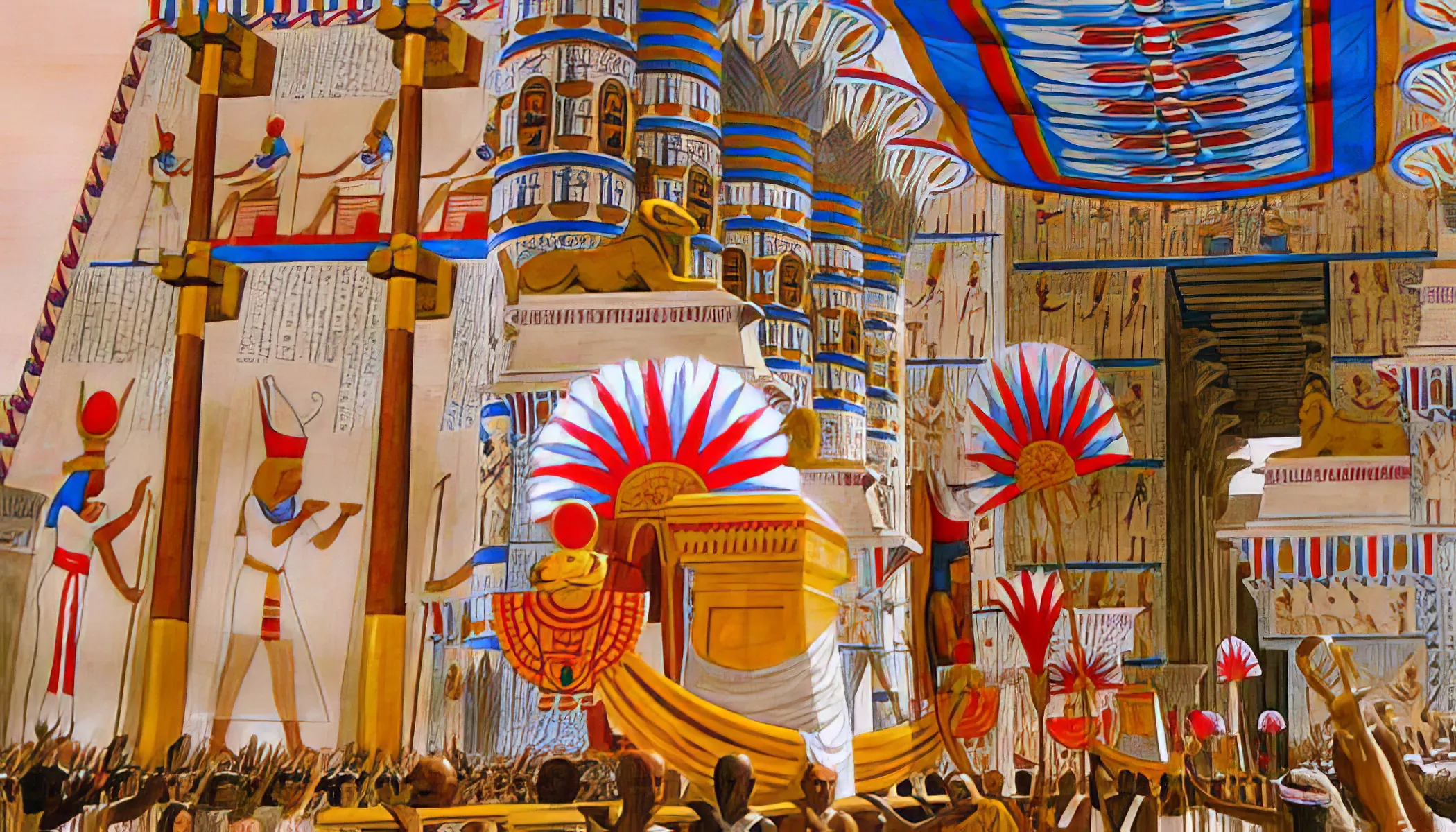
Egypt, a country rich in history and culture, hosts several significant events and festivals each year:
– Coptic Christmas: Celebrated on January 7, it's a major Christian holiday in Egypt.
– Sham El-Nessim: An ancient spring festival in April, marked by picnics and outdoor activities.
– Sinai Liberation Day: Celebrated on April 25, it marks the withdrawal of Israeli military forces from Sinai Peninsula.
– Eid al-Fitr: A major Islamic festival marking the end of Ramadan, usually in May/June.
– Cairo International Film Festival: An annual event in November, showcasing films from around the world.
– Abu Simbel Sun Festival: Occurs twice a year in February and October, when sunlight illuminates statues in the Abu Simbel temple.
– Eid al-Adha: A significant Islamic festival in July/August, involving animal sacrifices and feasts.
Famous People
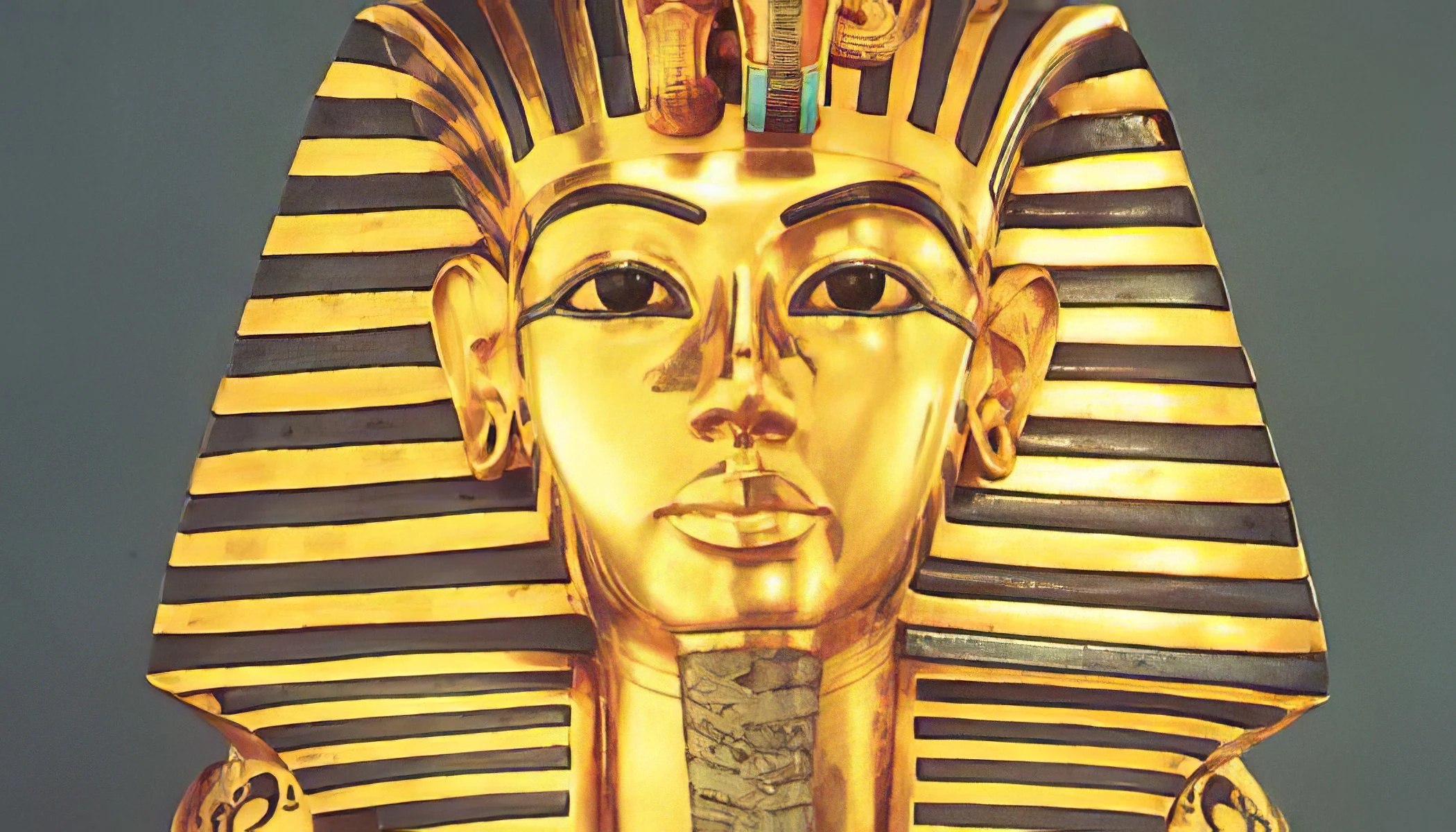
Egypt, with its rich history and culture, has been home to many influential figures known globally.
– Cleopatra VII (69 to 30 BC, Alexandria): The last active ruler of the Ptolemaic Kingdom of Egypt.
– Ramses II (1303 to 1213 BC, Avaris): Pharaoh of the Nineteenth Dynasty of Egypt, known for his extensive building programs.
– Anwar Sadat (1918 to 1981, Mit Abu El Kom): The third President of Egypt, awarded the Nobel Peace Prize in 1978.
– Naguib Mahfouz (1911 to 2006, Cairo): Renowned writer and the first Arabic-language writer to win the Nobel Prize in Literature.
– Omar Sharif (1932 to 2015, Alexandria): Internationally acclaimed actor, known for roles in "Lawrence of Arabia" and "Doctor Zhivago."
Books
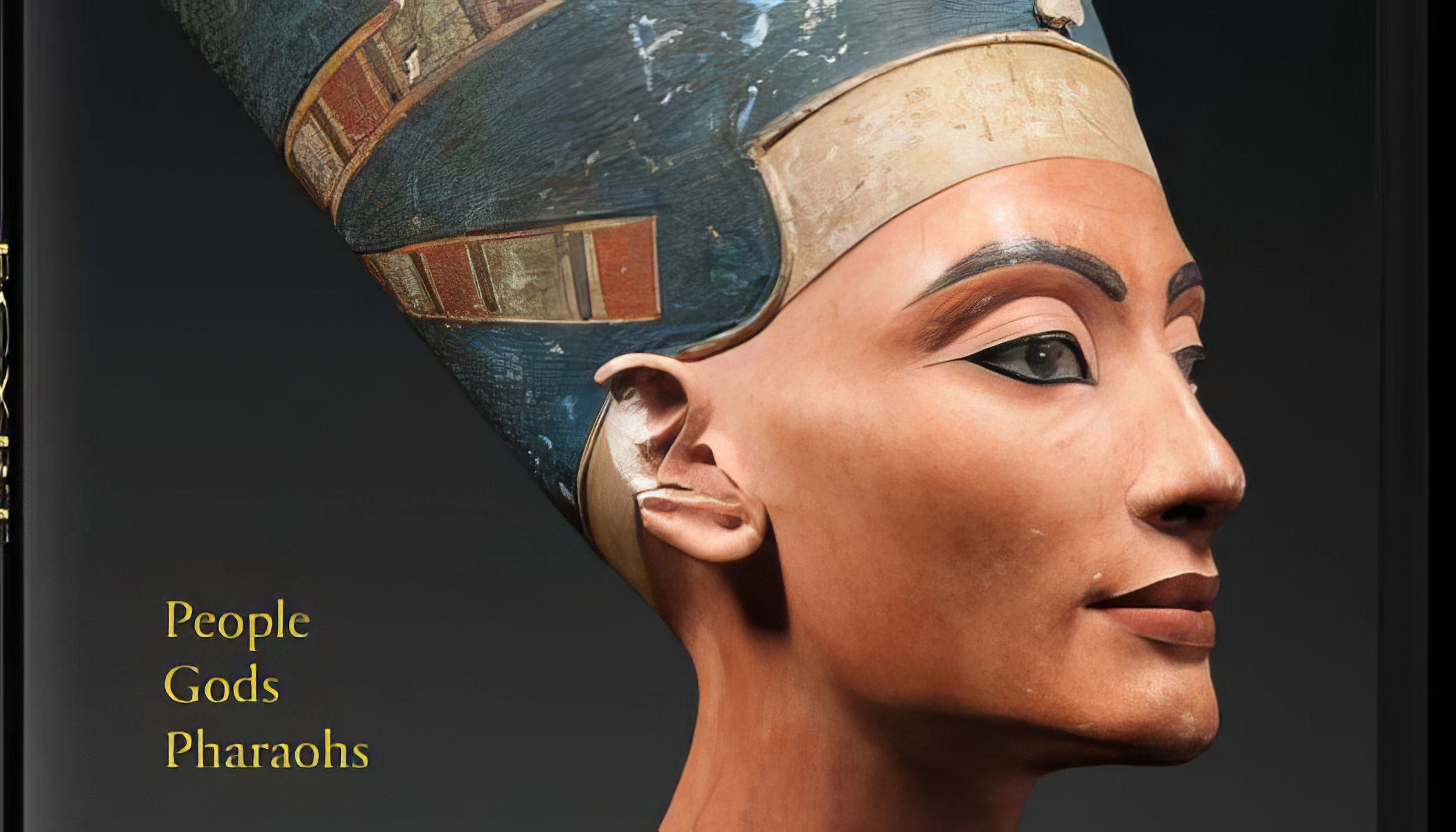
These books provide a rich exploration of Egypt's history, culture, and society, from ancient times to the modern era.
– "The Cairo Trilogy" by Naguib Mahfouz: Chronicles the life of a Cairo family across three generations.
– "Palace Walk" by Naguib Mahfouz: First book in the Cairo Trilogy, set in World War I era.
– "Death Comes as the End" by Agatha Christie: A murder mystery set in Ancient Egypt.
– "River God" by Wilbur Smith: An epic tale of ancient Egypt seen through the eyes of a slave.
– "The Yacoubian Building" by Alaa Al Aswany: Depicts modern Egyptian society through the lives of residents in a Cairo building.
Songs
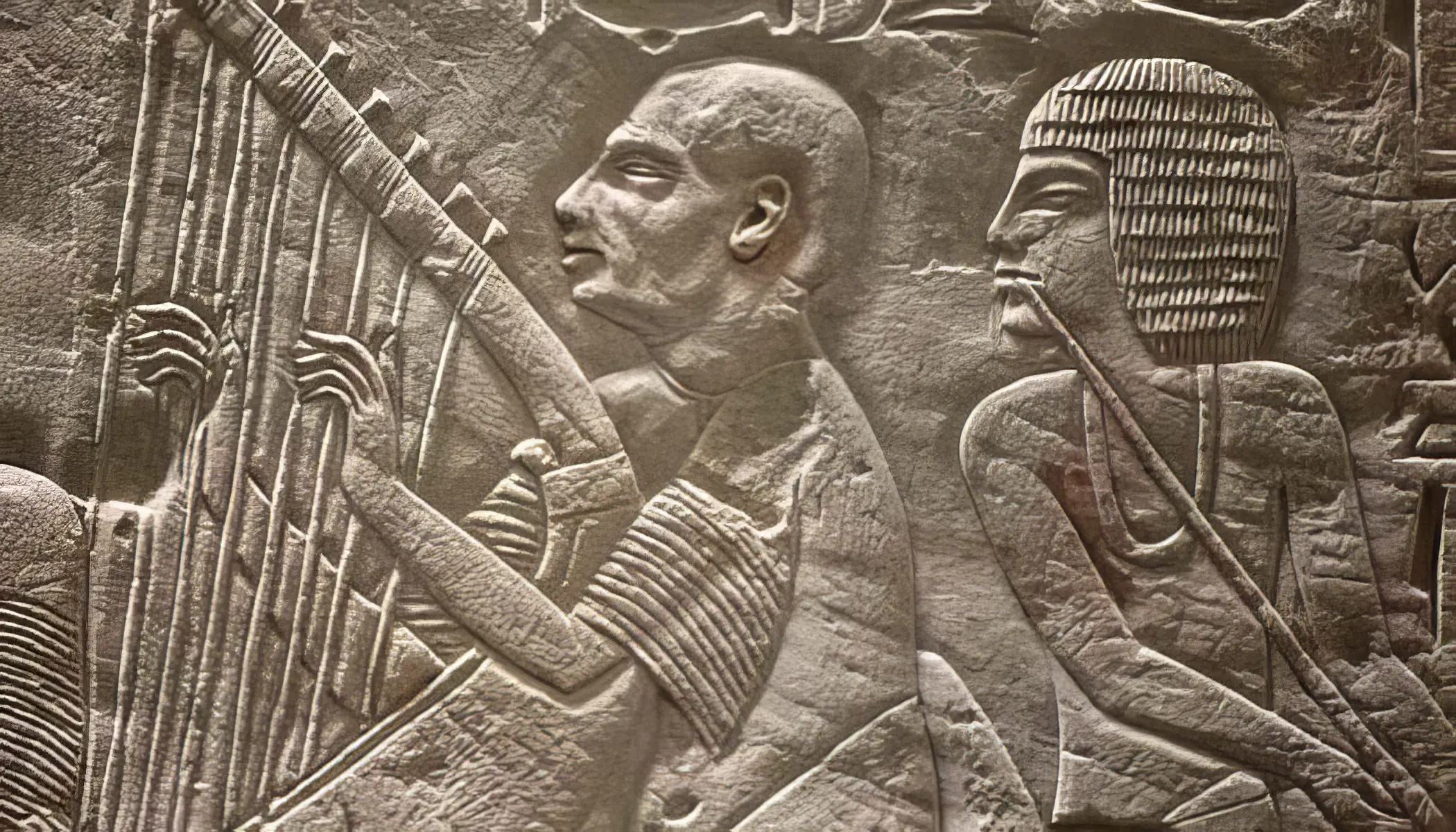
Egyptian music is a rich blend of indigenous, Mediterranean, African, and Western influences, and these songs are some of the most famous.
– Zay El Hawa: A classic by Abdel Halim Hafez, one of Egypt's most beloved singers.
– Enta Omri: Iconic song by Umm Kulthum, the "Star of the East."
– Helwa Ya Baladi: Dalida's nostalgic song about her homeland, Egypt.
– Ana Fi Intizarak: Another Umm Kulthum classic, showcasing her powerful vocals.
– Ya Rayah: Rachid Taha's hit song, originally Algerian but popularized in Egypt.
– Batwanes Beek: Warda's famous song, a staple in Egyptian music.
Films
Egypt's cinematic history is rich and diverse, here are some of the most famous films about Egypt:
– "The Nightingale's Prayer": Directed by Henry Barakat, a tragic tale of revenge and redemption in rural Egypt.
– "Cairo Station": Youssef Chahine's film explores societal issues in 1950s Egypt through a busy train station.
– "The Mummy": A classic horror film set in Egypt, directed by Karl Freund.
– "The Yacoubian Building": Marwan Hamed's film depicts modern Egyptian society through the residents of a Cairo apartment building.
– "Clash": Set entirely in a police van, Mohamed Diab's film captures the political unrest of 2013 Egypt.