

Travel Guide to Peru: Top Things to Do & Tips
This South American country is known for its rich history, including the ancient Incan city of Machu Picchu. It boasts diverse landscapes, from the Andes Mountains to the Amazon rainforest, and a animated culinary scene in its capital, Lima.
- Capital
- Lima
- Population
- 30 millions
- Superficy
- 1286000 sq.km
- Months to Visit
- May to Sept.
- Living Cost
- Moderate
Overview
Peru is a South American country known for its diverse landscapes, ranging from the arid plains of the Pacific coastal region to the peaks of the Andes mountains and the tropical forests of the Amazon Basin. Its capital, Lima, is home to a rich colonial history and a magnificient culinary scene. Peru is most famous for Machu Picchu, an ancient Incan city set high in the Andes. The country's rich cultural heritage is a blend of Inca and Spanish influences, with a variety of indigenous languages still spoken today. Peru also boasts a rich biodiversity, with a wide range of plant and animal species. Despite economic challenges, Peru's natural and cultural wealth make it a compelling destination for travelers.
Pros & Cons
GOOD REASONS TO VISIT PERU
– Machu Picchu: Explore the iconic Incan city, a UNESCO World Heritage site and one of the New Seven Wonders.
– Diverse Landscapes: From Andean peaks to Amazon rainforest, Peru's varied geography offers unique adventures.
– Rich History and Culture: Discover Peru's ancient civilizations, colonial architecture, and vibrant indigenous cultures.
– Culinary Scene: Enjoy Peruvian cuisine, known for its fusion flavors, fresh seafood, and traditional dishes like ceviche.
– Biodiversity: Peru is home to a wide range of flora and fauna, ideal for wildlife enthusiasts. CHALLENGES WHEN VISITING PERU
– Altitude Sickness: High altitudes in areas like Cusco can cause discomfort or health issues for some visitors.
– Safety Concerns: Petty crime, especially in larger cities, requires vigilance and precaution.
– Limited Infrastructure: Remote areas may lack amenities and reliable transportation, making travel challenging.
Before Departure
Before setting off on your adventure to Peru, there are several key points to consider:
– Passport: Ensure your passport is valid for at least six months beyond your planned departure date.
– Visa: Most tourists can enter Peru without a visa for stays up to 183 days. Check your country's specific requirements before travel.
– Currency: The official currency is the Peruvian Sol (PEN). Credit cards are widely accepted in cities and tourist areas, and ATMs are readily available.
– Internet access: WiFi is common in hotels, restaurants, and cafes in major cities. Prepaid SIM cards for data are available at the airport and many stores.
– Language barrier: The official languages are Spanish and Quechua. English is spoken in tourist areas and hotels, but learning basic Spanish phrases can enhance your experience.
What to Pack
When packing for Peru, consider the diverse climates, from coastal regions to high-altitude Andean peaks, and the cultural and adventure activities you'll be undertaking.
– Essentials: Passport and visa (if required), travel insurance details, flight tickets and itinerary, accommodation reservations.
– Clothing: Layered clothing for varying climates, sturdy hiking boots for treks, swimwear, hat and sunglasses for sun protection, rain jacket for wet season.
– Health & Safety: Prescription medications and a basic first aid kit, insect repellent, sunscreen with high SPF, altitude sickness medication, personal hygiene items.
– Electronics: Travel adapter for Peruvian outlets, mobile phone, camera, portable charger.
Weather
Peru's weather varies greatly depending on the region and altitude:
– Summer (December to March): Coastal areas are warm and sunny, while the Andes and Amazon are rainy.
– Autumn (April to June): The coast starts to cool, the Andes have less rain, and the Amazon remains warm and wet.
– Winter (July to September): The coast is cool and cloudy, the Andes are dry and cold, and the Amazon is slightly cooler but still wet.
– Spring (October to November): The coast begins to warm up, the Andes start to get rain, and the Amazon is warm and wet. The best time to visit Peru is from May to September.
– This is the dry season in the Andes and Amazon, making travel easier.
– However, it's winter on the coast, so beach-goers might prefer the summer months.
– Keep in mind that this is also the peak tourist season, so popular sites may be crowded.
Travel Budget
Peru is a country with a wide range of prices. Here are some average costs for tourists:
– Hotel: 30$ to 150$
– Lunch: 3$ to 20$
– Beverage (in bar/restaurant): 2$ to 7$
– Coffee: 1$ to 4$
– Transportation: (train 15$ to 60$), (bus 1$ to 5$), (taxi /10km 6$ to 12$)
– Mobile data (per GB): 2$ to 5$
Language
The official language of Peru is Spanish, and here are some useful phrases for tourists:
– Hello: Hola
– Thank you: Gracias
– Please: Por favor
– How much is this?: ¿Cuánto cuesta esto?
– Excuse me: Perdón
– I don't understand: No entiendo
– Yes: Sí
– No: No
– Goodbye: Adiós
History
Peru's history begins with the establishment of the Norte Chico civilization around 3200 BC, one of the oldest in the world. The Inca Empire, the largest empire in pre-Columbian America, emerged in the 15th century. Spanish conquest in the 16th century led to three centuries of colonial rule. Peru gained independence in 1821, followed by periods of political instability and economic ups and downs. The late 20th century saw internal conflict with the Shining Path insurgency. Today, Peru is a democratic republic with a growing economy.
Geopolitics
Peru is a democratic republic located on the western coast of South America, bordering Ecuador, Colombia, Brazil, Bolivia, and Chile. Its capital is Lima. Peru has had border disputes in the past, notably with Ecuador, but these have largely been resolved. The country is a member of several international organizations, including the United Nations and the Organization of American States. Economically, Peru is one of the fastest-growing countries in Latin America, with significant mining and agricultural sectors. Its geopolitical position is influenced by its relationships with neighboring countries, its role in regional organizations, and its economic ties with China, the United States, and the European Union.
Sample Itinerary
This itinerary offers a journey through Peru's rich history in Lima, the natural beauty of the Amazon Rainforest, the Inca heritage in Cusco, and the wonder of Machu Picchu.
– 2 days in Lima: Visit the historic center, Larco Museum, and enjoy the coastal views. Try local cuisine in Miraflores district.
– 3 days in Amazon Rainforest: Experience wildlife spotting, jungle walks, and river cruises. Stay in a jungle lodge for a unique experience.
– 2 days in Cusco: Explore the historic city, Sacsayhuaman, and the Sacred Valley. Experience the local culture and cuisine.
– 2 days in Machu Picchu: Take a train to Aguas Calientes, then tour the iconic Inca citadel. Enjoy the sunrise and optional hikes like Huayna Picchu.
– 1 day in Puno: Visit Lake Titicaca, the Uros Floating Islands, and Taquile Island. Depart from Juliaca airport.
Popular cities
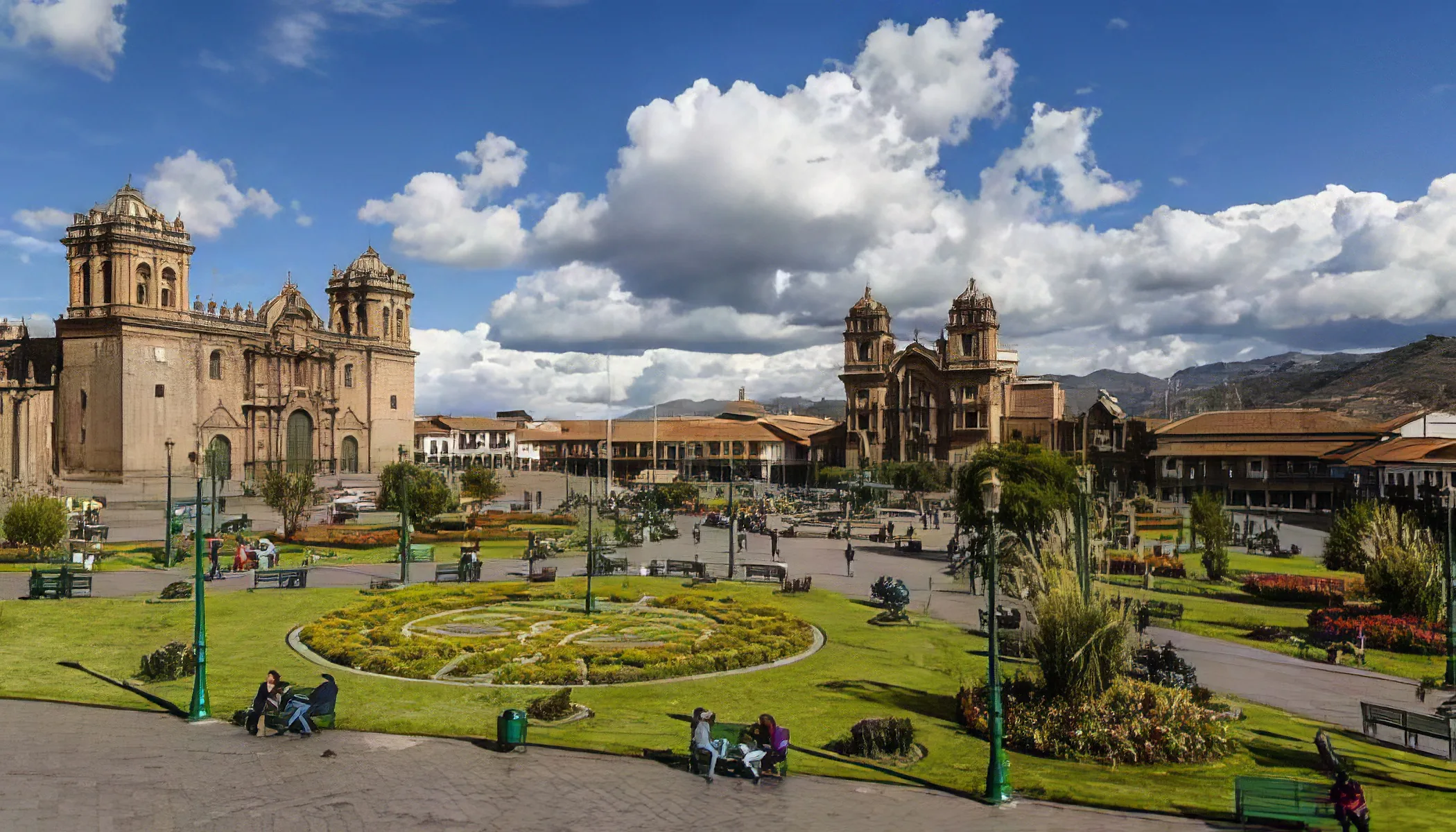
Peru offers a diverse range of cities, each with its unique charm and attractions:
– Lima: The capital city, known for its colonial architecture, pleasant food scene, and historic center.
– Cusco: The ancient capital of the Inca Empire, it's the gateway to Machu Picchu.
– Arequipa: Known for its colonial architecture made of white volcanic stone, and the nearby Colca Canyon.
– Trujillo: Home to ancient archaeological sites, colonial architecture, and a nice cultural scene.
– Puno: Located on the shores of Lake Titicaca, it's famous for its floating islands.
– Iquitos: The largest city in the Peruvian Amazon, it's the gateway to the jungle.
– Huaraz: Known for its fascinating mountain landscapes, it's a popular base for trekking and climbing.
Monuments
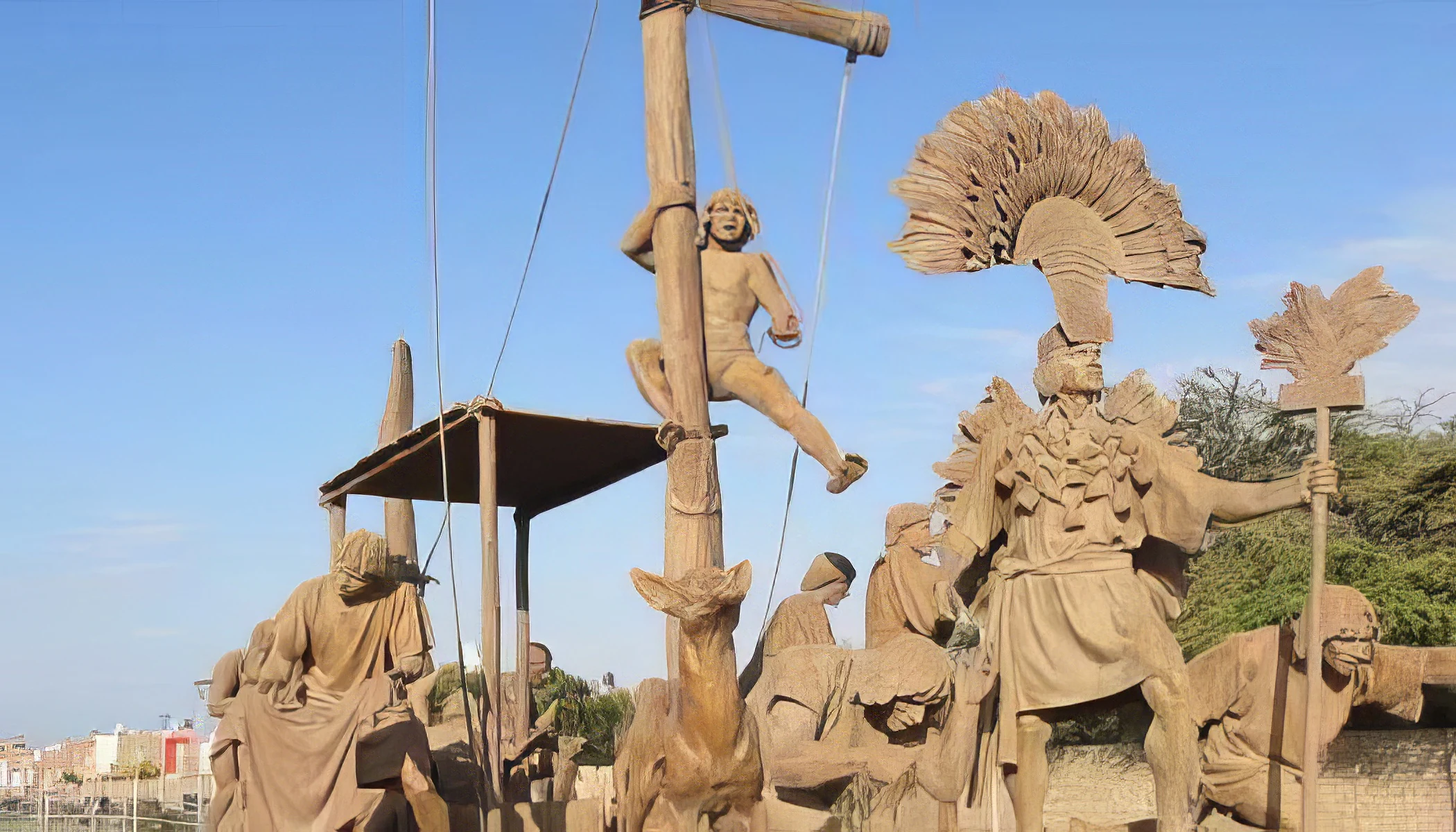
Peru is home to a rich array of historical monuments and architectural wonders:
– Machu Picchu: Incan city in the Andes, known for its sophisticated dry-stone walls.
– Cusco Cathedral: Colonial-era cathedral with a collection of colonial art.
– Sacred Valley: Fertile region with numerous archaeological sites and Incan ruins.
– Nazca Lines: Enormous geoglyphs etched into the desert floor, best viewed from the air.
– Sacsayhuaman: Incan fortress with impressive stone walls, overlooking the city of Cusco.
– Chan Chan: Largest pre-Columbian city in the Americas, built by the Chimu culture.
– Ollantaytambo: Incan town with well-preserved ruins and terraced fields.
– Huaca Pucllana: Pre-Incan pyramid in the heart of Lima, built by the Lima culture.
Natural wonder
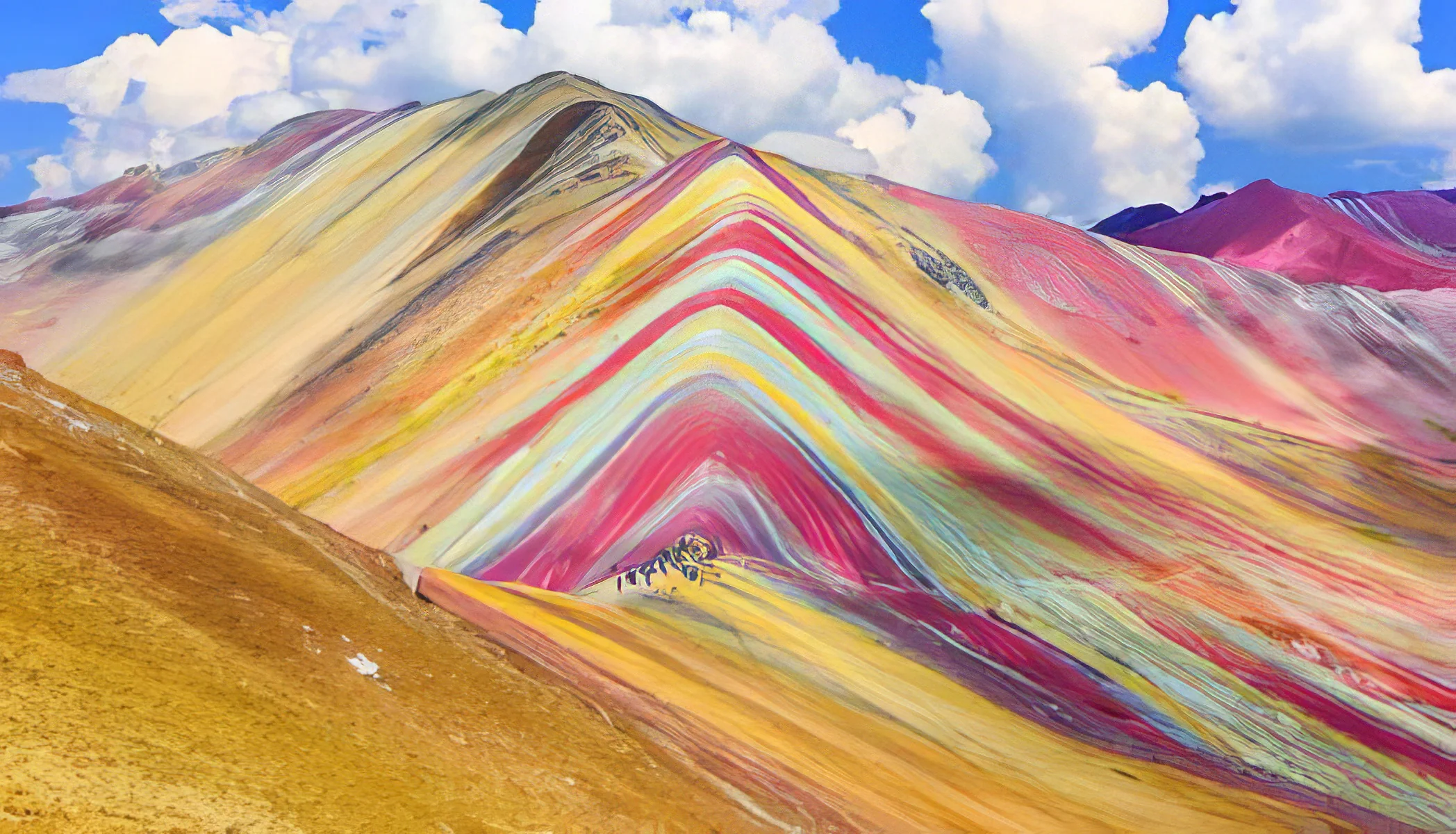
Explore the diverse natural wonders of Peru:
– Machu Picchu: An ancient Incan city set high in the Andes Mountains.
– Colca Canyon: One of the world's deepest canyons, home to the Andean condor.
– Lake Titicaca: The world's highest navigable lake, known for its floating islands.
– Amazon Rainforest: Part of the world's largest rainforest, rich in biodiversity.
– Huascaran National Park: Home to Peru's highest mountain and remarkable glacial landscapes.
– Manu National Park: A biodiversity hotspot with unique wildlife and plant species.
– Nazca Lines: Ancient geoglyphs etched into the desert floor, best viewed from the air.
– Paracas National Reserve: A coastal reserve known for its diverse marine life.
– Vinicunca (Rainbow Mountain): A mountain known for its colorful mineral deposits.
– Cordillera Blanca: A mountain range with numerous peaks over 6,000 meters.
Beaches
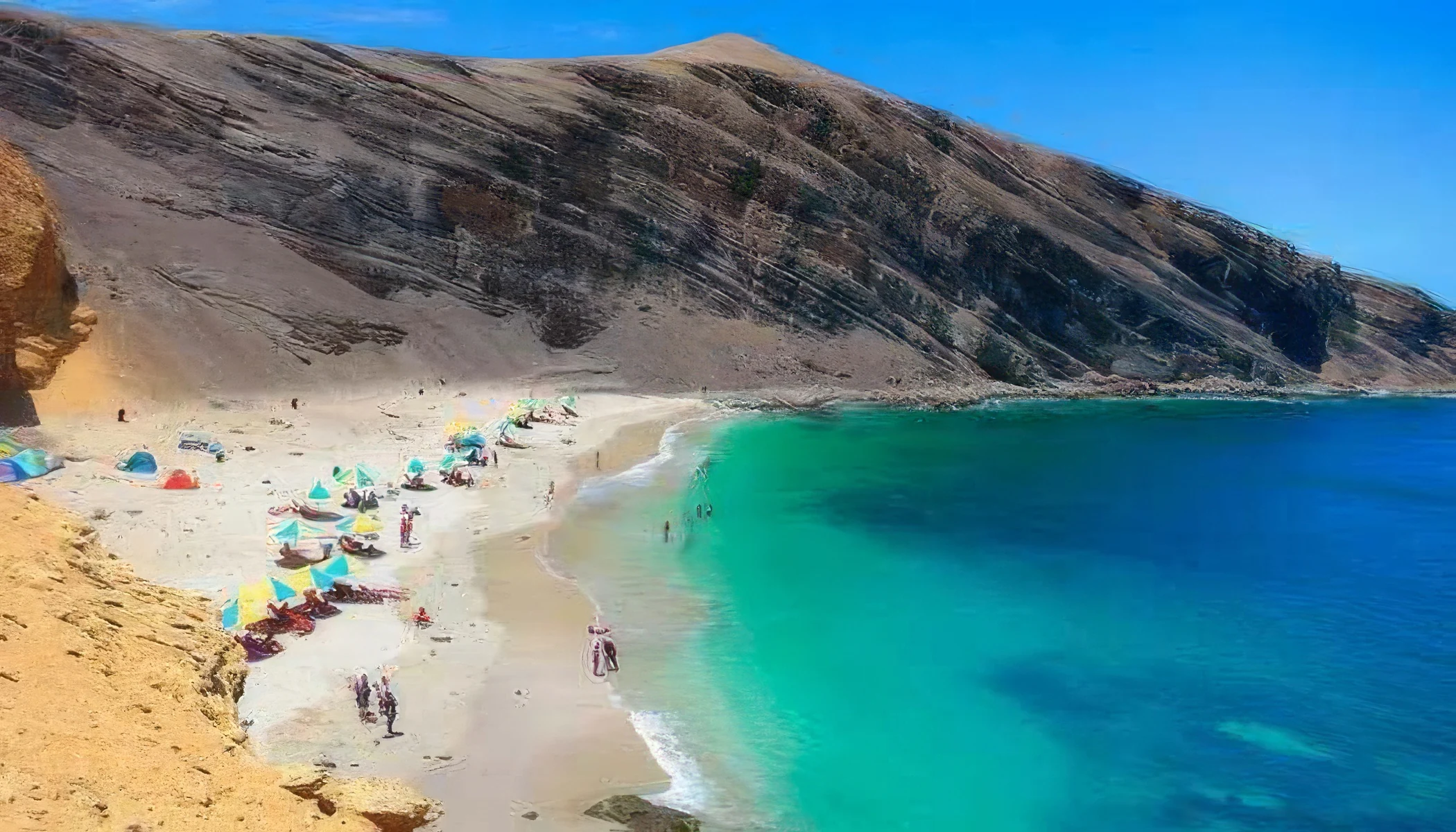
Here are some of the most visited beaches in Peru:
– Punta Sal: Known for its warm waters and beautiful white sand, located in northern Peru.
– Mancora Beach: Popular for surfing and nightlife, located in the Piura region.
– Las Pocitas Beach: Offers calm waters and natural pools, located in Mancora.
– Zorritos Beach: Famous for its warm waters, ideal for swimming, located in Tumbes.
– Vichayito Beach: Known for its clear waters and peaceful atmosphere, located in northern Peru.
– Santa Maria Beach: Popular for water sports, located near Lima.
– Punta Rocas: Known for hosting international surfing competitions, located south of Lima.
Outdoor activities
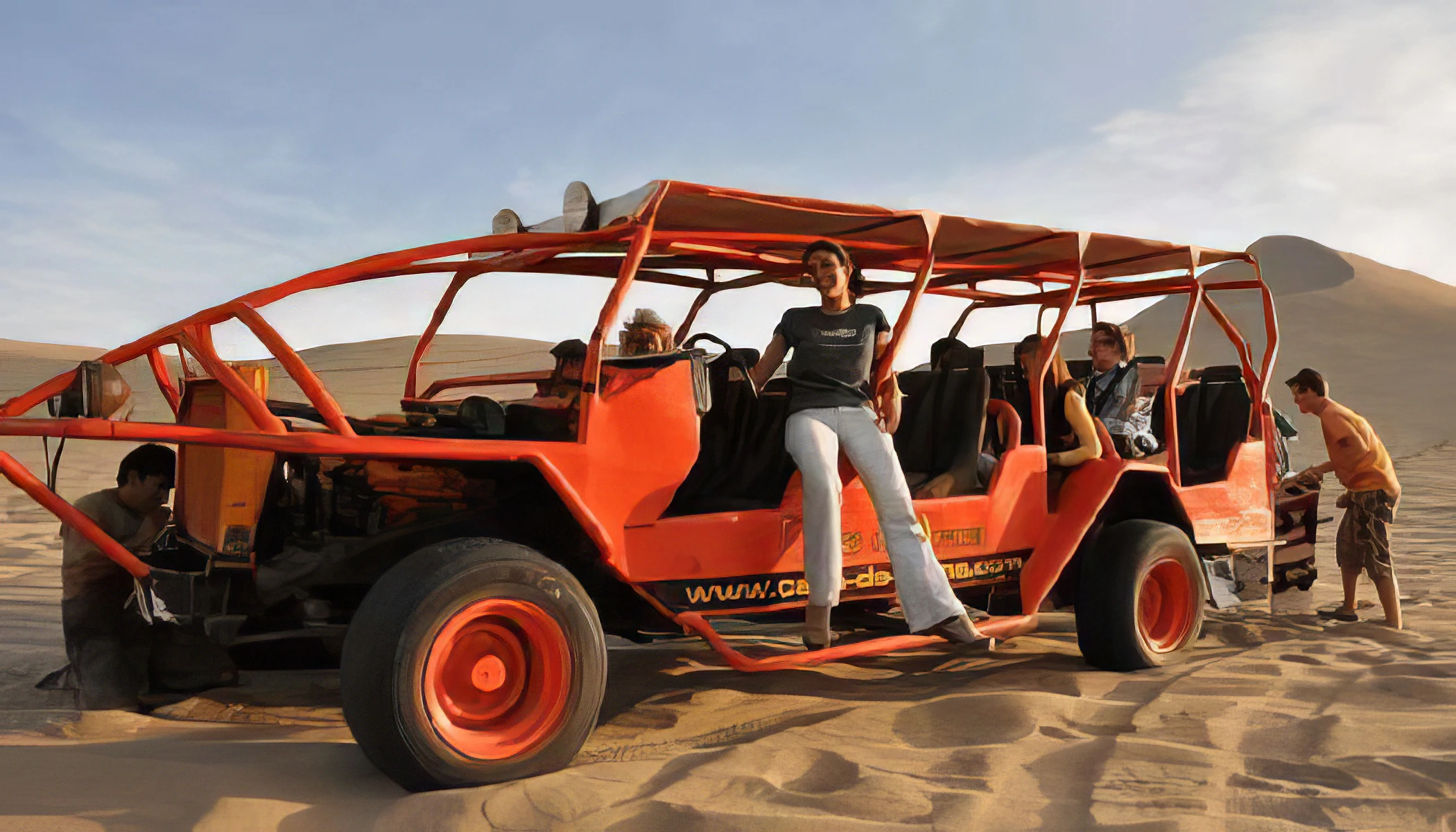
Peru offers a variety of outdoor experiences that cater to the adventurous spirit:
– Trekking the Inca Trail: A challenging hike leading to the historic site of Machu Picchu.
– Sandboarding in Huacachina: Experience the thrill of sliding down massive sand dunes.
– Amazon Jungle Tour: Explore the diverse wildlife and flora in the world's largest rainforest.
– Lake Titicaca Boat Trip: Visit the floating islands and experience the local culture.
– Colca Canyon Hike: Witness the flight of the Andean condors in one of the world's deepest canyons.
– Surfing in Mancora: Ride the waves in this popular beach town.
– Mountain Biking in the Sacred Valley: Enjoy the scenic landscapes on two wheels.
Kid Friendly
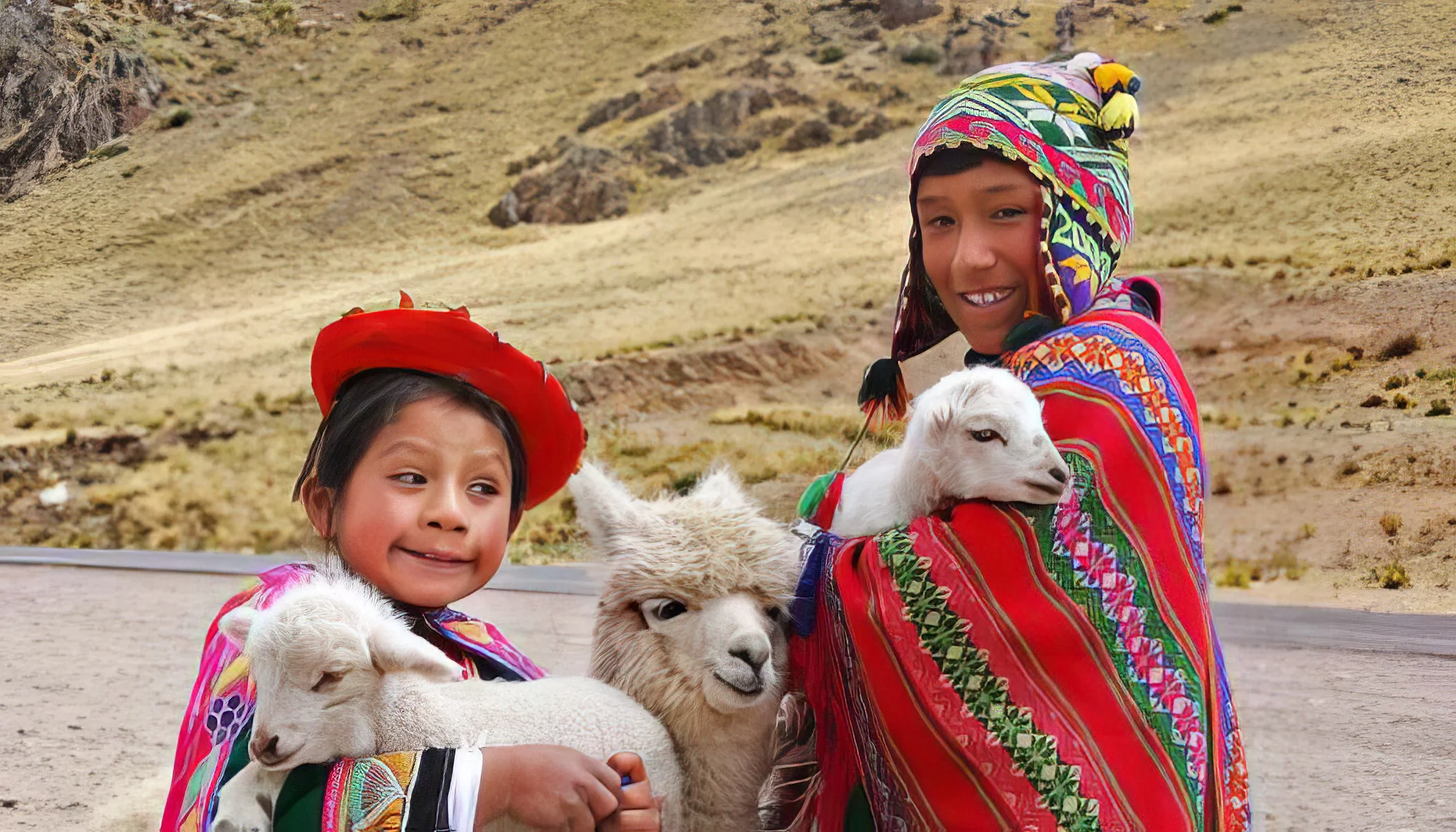
Peru offers a variety of activities that are both educational and fun for children:
– Machu Picchu: An ancient Incan city that offers a fascinating history lesson.
– Amazon Rainforest: A chance to explore diverse wildlife and plant species.
– Lake Titicaca: A beautiful lake where kids can enjoy boat rides and see floating islands.
– Huacachina Oasis: A desert oasis where families can try sandboarding.
– Nazca Lines: Mysterious ancient geoglyphs that can be viewed from a small plane.
– Cusco Planetarium: An educational experience where kids can learn about the stars and Incan astronomy.
– Parque de las Leyendas: A zoo in Lima that houses a variety of animals native to Peru.
– Q'enqo Ruins: An archaeological site near Cusco that offers a glimpse into Incan history.
Cuisine
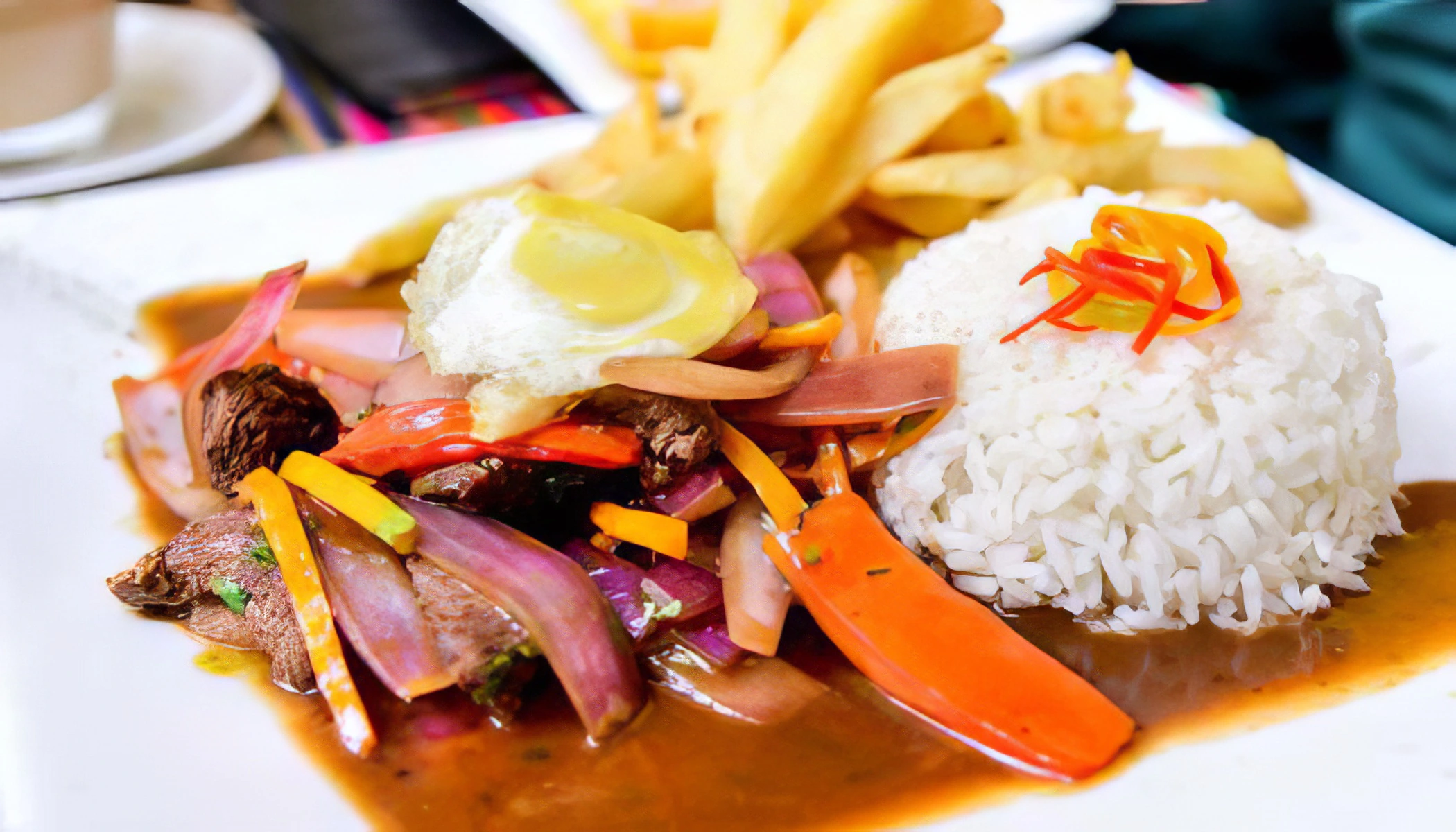
Peruvian cuisine is a lovely fusion of indigenous, Spanish, African, and Asian influences, resulting in a unique and diverse food culture. It's known for its fresh seafood, hearty stews, and flavorful street food. Here are some of Peru's most famous dishes:
– Ceviche: Raw fish marinated in citrus juices and spiced with chili peppers.
– Lomo Saltado: Stir-fried beef with onions, tomatoes, and fries, served with rice.
– Aji de Gallina: Creamy chicken stew made with yellow chili peppers, cheese, and milk.
– Anticuchos: Grilled skewers of marinated beef heart, often served with potatoes.
– Picarones: Sweet potato and squash doughnuts served with a syrup made from raw cane sugar.
Souvenir
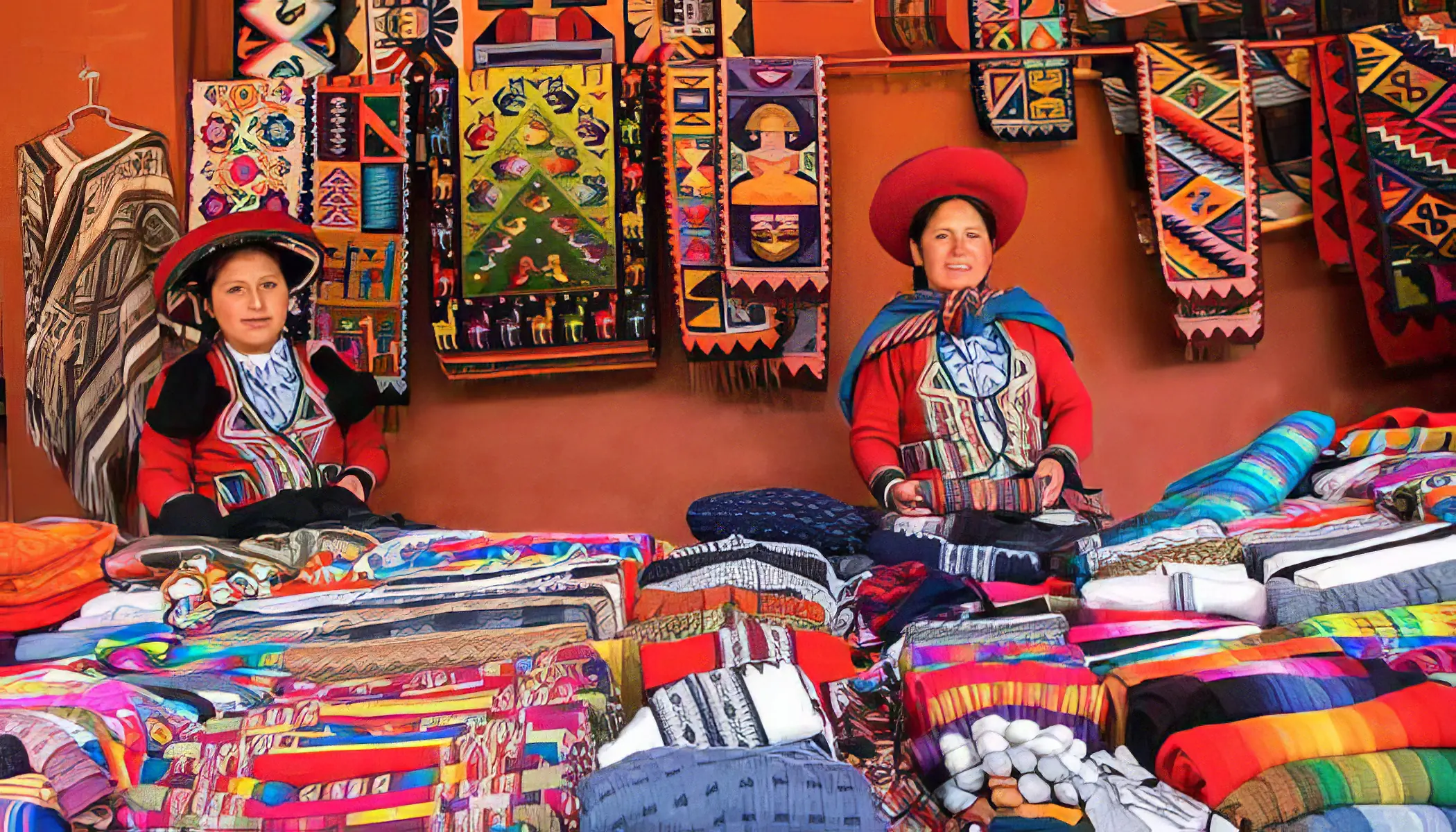
Peru is a country rich in culture and history, which is reflected in its wide range of unique souvenirs. Here are some popular items to consider:
– Alpaca Wool Items: Peru is famous for its high-quality alpaca wool products, including sweaters, scarves, and blankets.
– Peruvian Jewelry: Handcrafted jewelry made from silver and semi-precious stones is a popular souvenir.
– Pisco: Pisco is a type of brandy produced in Peru, and it's a popular alcoholic beverage to bring home.
– Chullo Hat: This traditional Peruvian hat, often made of alpaca wool, is both practical and a great souvenir.
– Peruvian Coffee: Known for its rich flavor, Peruvian coffee is a great souvenir for coffee lovers.
– Retablos: These are traditional Peruvian wooden boxes filled with intricate scenes and figures.
– Peruvian Textiles: Hand-woven textiles featuring traditional Peruvian designs are a popular choice.
Traditional Shows
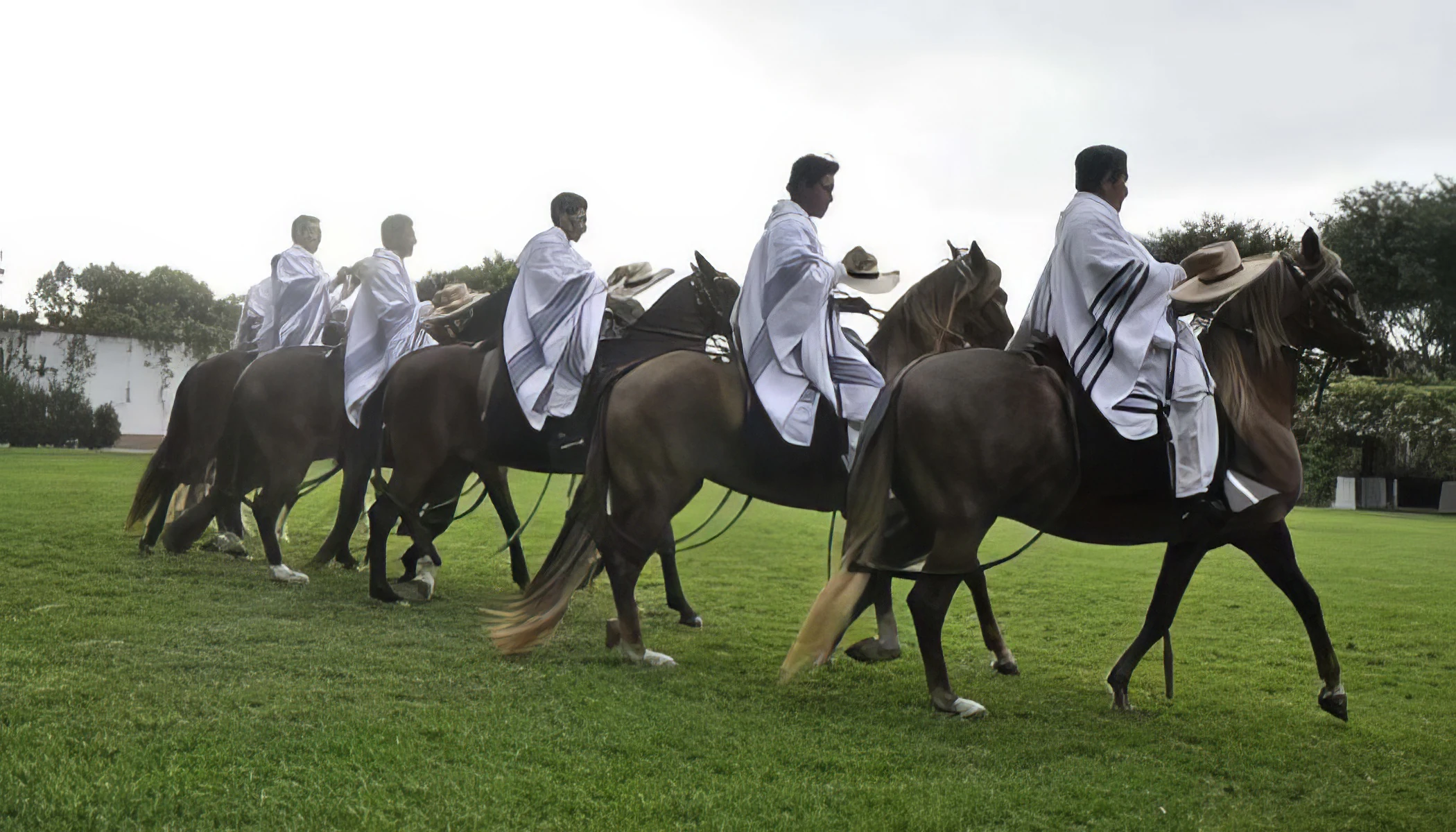
Peru is a country rich in traditional music and art performances:
– Marinera Dance: Witness this elegant and energetic coastal dance, often performed at Trujillo's annual Marinera Festival.
– Scissors Dance: Experience this high-energy Andean dance, where performers leap and twirl with large scissors, often seen in Ayacucho.
– Cusco Folk Dances: Enjoy a variety of traditional dances reflecting Incan and Spanish influences, performed in Cusco's Plaza De Armas.
– Creole Music: Listen to the soulful blend of African, Spanish, and Andean influences in Lima's charming Creole music scene.
– Amazonian Tribal Dances: Explore the rich cultural diversity of Peru's Amazon region through traditional tribal dances, often performed at local festivals.
Events & Festivals
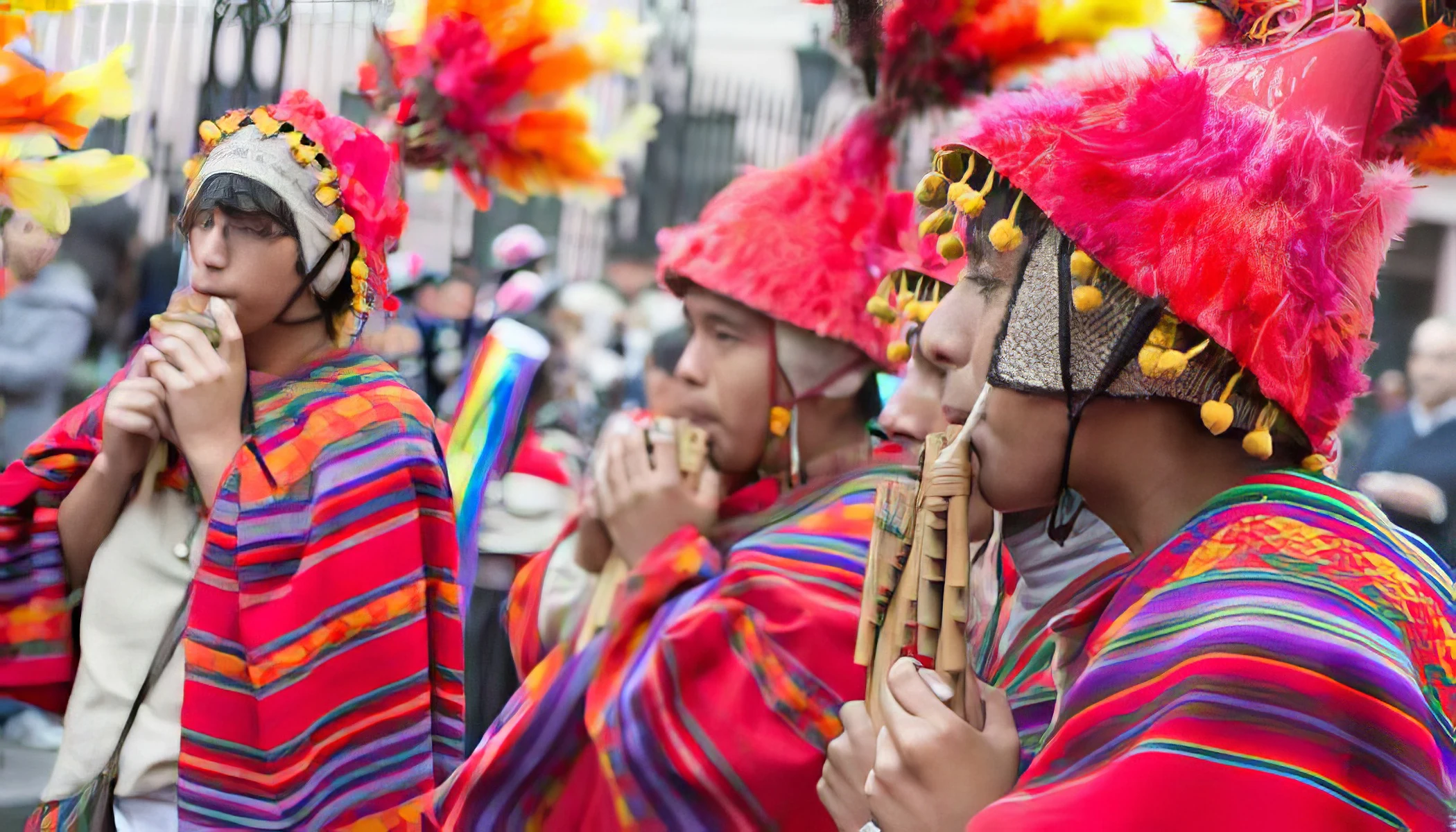
Peru is a country rich in culture and tradition, with numerous festivals and events throughout the year:
– Marinera Festival: January event in Trujillo, showcasing Peru's national dance, the Marinera.
– Carnival: February/March nationwide celebration with parades, water fights, and traditional music.
– Holy Week: April religious event with processions and rituals, particularly significant in Ayacucho.
– Inti Raymi: June Inca festival in Cusco, reenacting the sun god worship ceremony.
– Fiestas Patrias: July national holiday celebrating Peru's independence with parades and fireworks.
– Mistura: September food festival in Lima, highlighting Peruvian cuisine.
– Lord of Miracles: October religious procession in Lima, one of the largest in South America.
Famous People
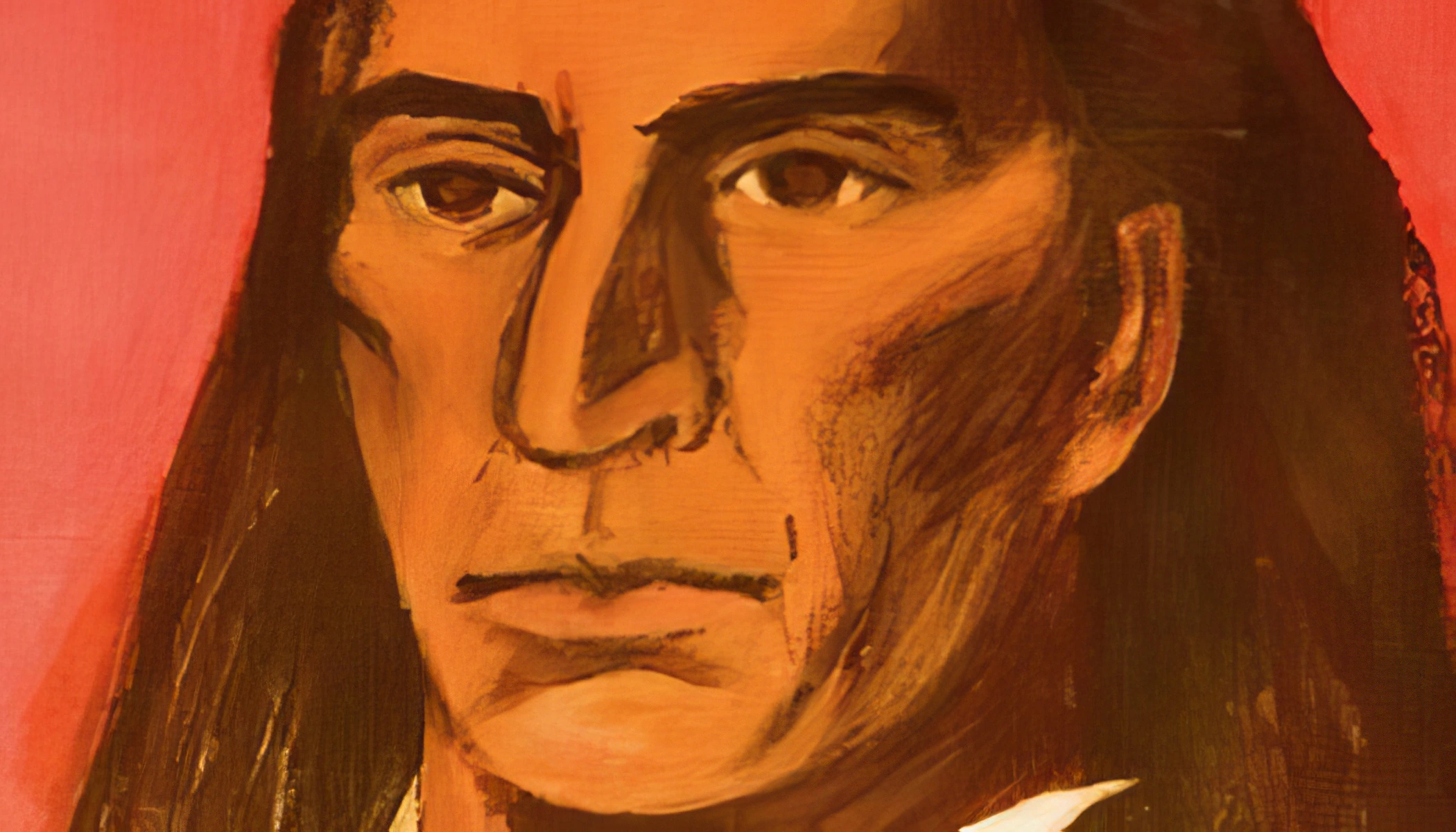
Peru has been home to many notable figures who have made significant contributions in various fields.
– Mario Vargas Llosa (born 1936, Arequipa): Nobel laureate in Literature and one of Latin America's most significant novelists.
– Alberto Fujimori (born 1938, Lima): Controversial former president known for defeating the Shining Path insurgency.
– Susana Baca (born 1944, Chorrillos): Grammy-winning singer and important figure in the revival of Afro-Peruvian music.
– Cesar Vallejo (1892 to 1938, Santiago de Chuco): Renowned poet, known for his book "Trilce."
– Túpac Amaru II (1738 to 1781, Cuzco): Indigenous leader who led a major Andean uprising against the Spanish.
Books

These books provide a rich exploration of Peru's history, culture, and society, offering readers a deeper understanding of this South American country.
– "Death in the Andes" by Mario Vargas Llosa: A novel about disappearances and violence in the Andean region.
– "The Bridge of San Luis Rey" by Thornton Wilder: A philosophical exploration of fate and love in colonial Peru.
– "Turn Right at Machu Picchu" by Mark Adams: A travelogue retracing the steps of Hiram Bingham III in Peru.
– "The Last Days of the Incas" by Kim MacQuarrie: A detailed history of the fall of the Inca Empire.
– "Bel Canto" by Ann Patchett: A novel set during a hostage crisis in Lima.
Songs
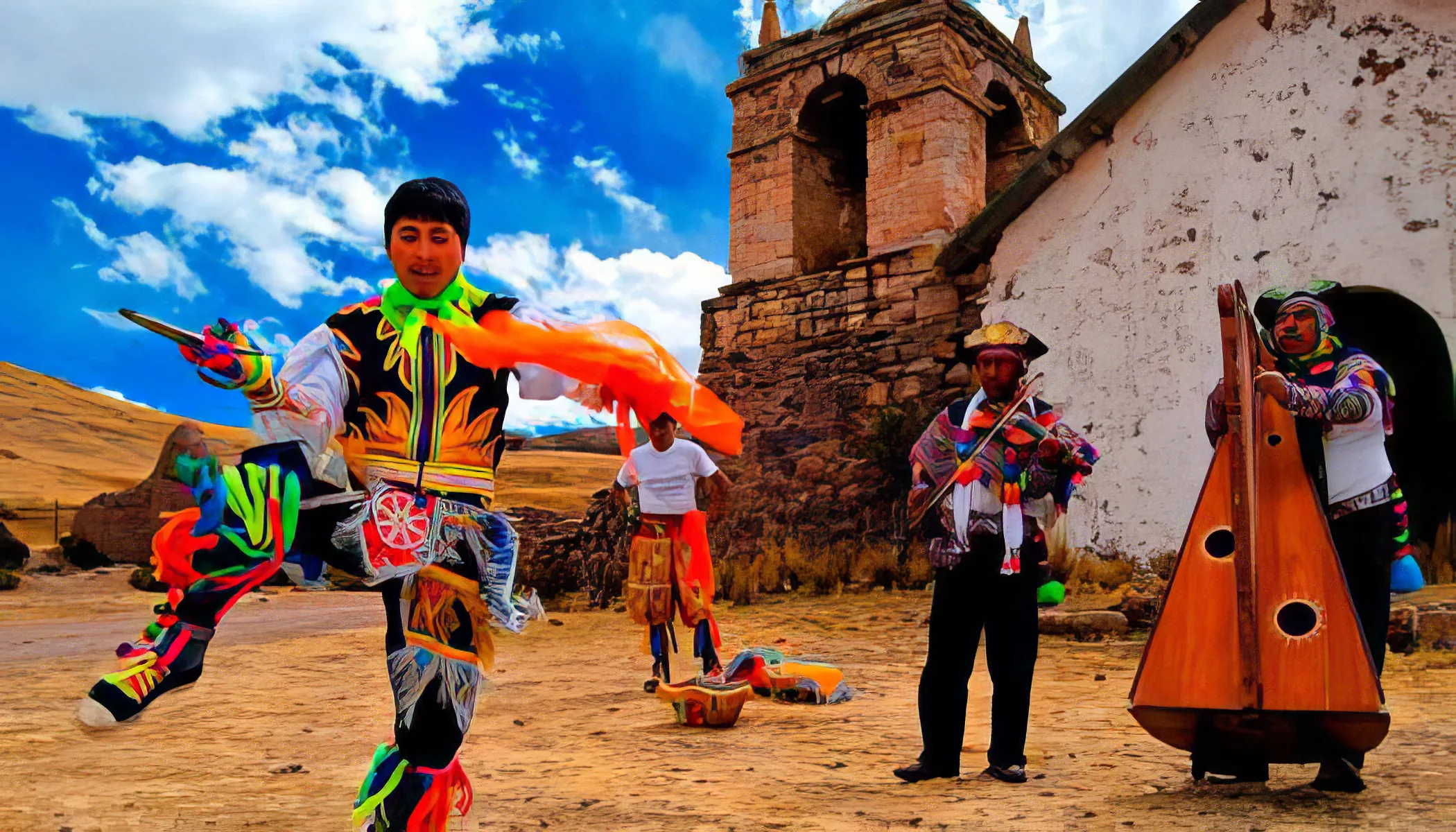
Peruvian music is a rich blend of indigenous, African, and Spanish influences, producing unique and memorable songs.
– El Condor Pasa: A traditional Andean folk tune, popularized globally by Simon & Garfunkel.
– La Flor de la Canela: Iconic vals criollo song by Chabuca Granda, a symbol of Peru.
– Contigo Peru: A patriotic song by Arturo "Zambo" Cavero, often played at national events.
– Valicha: A popular huayno song, showcasing the traditional music of the Andean region.
– Carinito: A catchy cumbia song by Los Hijos del Sol, popular throughout Latin America.
– Propuesta Indecente: A modern bachata hit by Romeo Santos, featuring Peruvian elements.
Films

Peru's rich history and diverse landscapes have inspired many filmmakers. Here are some of the most famous films about Peru:
– "The Milk of Sorrow": Claudia Llosa's film explores the fear of women abused during Peru's recent history.
– "Madeinusa": Directed by Claudia Llosa, a story about a young girl's life in an isolated Peruvian village.
– "City of M": A gritty urban drama by director Felipe Degregori, focusing on youth and crime in Lima.
– "The Dancer Upstairs": John Malkovich's directorial debut, a political thriller set during Peru's internal conflict.
– "The Green Wall": Directed by Armando Robles Godoy, a story about a family's life in the Peruvian jungle.