

Explore Portugal: Culture, Cities & Places to Visit
Located on the Iberian Peninsula, this country is known for its rich history, maritime traditions, and Mediterranean cuisine. Its diverse landscapes range from sandy beaches to vineyard-covered hills. The capital, Lisbon, is famed for its pastel-colored buildings and trams.
- Capital
- Lisbon
- Population
- 10.7 millions
- Superficy
- 93000 sq.km
- Months to Visit
- May to Oct.
- Living Cost
- Moderate
Overview
Portugal is a Southern European country located on the Iberian Peninsula, known for its long and varied coastline, sunny climate, and historic sites. Its capital, Lisbon, is famous for its hilltop vistas, pastel-colored buildings, and tram system. The country's second city, Porto, is recognized for its stately bridges and port wine production. Portugal's history is marked by a rich maritime past, with notable explorers like Vasco da Gama. The country's cuisine is seafood-focused, with dishes like bacalhau being national staples. Portugal offers a mix of lively cities, beautiful beaches, and rural landscapes, making it a diverse destination for travelers.
Pros & Cons
GOOD REASONS TO VISIT PORTUGAL
– Diverse Landscapes: From Algarve's beaches to Douro Valley's vineyards, Portugal offers a variety of natural beauty.
– Rich History: Explore ancient castles, Roman ruins, and UNESCO World Heritage sites like the Tower of Belém.
– Delicious Cuisine: Enjoy fresh seafood, pastéis de nata, and Port wine. Each region has its unique culinary delights.
– Friendly Locals: Portuguese people are known for their hospitality, making visitors feel welcome and comfortable.
– Affordable Travel: Compared to other Western European countries, Portugal offers affordable accommodation, food, and attractions. CHALLENGES WHEN VISITING PORTUGAL
– Summer Crowds: Popular destinations like Lisbon and Algarve can get crowded in summer, leading to long lines and higher prices.
– Limited Public Transport: In rural areas, public transport can be infrequent and unreliable, making a car rental necessary.
– Language Barrier: While English is common in tourist areas, it's less so in rural regions. Basic Portuguese can help.
Before Departure
Before setting off on your adventure to Portugal, there are several key points to consider:
– Passport: Ensure your passport is valid for at least three months beyond your planned departure date.
– Visa: For stays up to 90 days, no visa is required for EU, US, Canada, Australia, and New Zealand citizens. Others should check Portugal's visa policy.
– Currency: Euro (€) is the official currency; credit cards are widely accepted; ATMs (Multibanco) are ubiquitous.
– Internet access: WiFi is widely available in hotels, cafes, and restaurants. Prepaid SIM cards for data are easily accessible.
– Language barrier: Portuguese is the official language; English is widely spoken in tourist areas and by younger generations. Spanish and French are also commonly understood.
What to Pack
When packing for Portugal, consider the season, the region you're visiting, and the activities you plan to engage in.
– Essentials: Passport, travel insurance details, flight tickets, itinerary, and accommodation reservations.
– Clothing: Comfortable walking shoes, lightweight clothing for summer, warmer layers for winter, swimwear (if visiting the beach), and a rain jacket.
– Health & Safety: Prescription medications, basic first aid kit, sunscreen, personal hygiene items, and possibly seasickness medication if planning boat trips.
– Electronics: Travel adapter for Portuguese outlets, mobile phone, camera, and chargers.
Weather
Portugal's weather varies from north to south and from coast to inland:
– Winter (December to February): North is cold and rainy, while the south is mild and occasionally rainy.
– Spring (March to May): Countrywide pleasant temperatures with less rainfall, especially in the south.
– Summer (June to August): North is warm and dry, while the south is hot and very dry.
– Autumn (September to November): Mild and rainy in the north, warm and occasionally rainy in the south. The best time to visit Portugal is from April to June and September to October. Reasons are:
– Pleasant weather with less crowds.
– Lower prices for flights and accommodations. However, these periods may not coincide with the peak season for beach tourism, which is in the hot, dry summer months.
Travel Budget
Portugal is a country with moderate living costs. Here are some average prices for reference:
– Hotel: 50$ to 200$
– Lunch: 10$ to 30$
– Beverage (in bar/restaurant): 2$ to 10$
– Coffee: 1$ to 3$
– Transportation: (train 5$ to 40$), (bus 2$ to 15$), (taxi /10km 6$ to 15$)
– Mobile data (per GB): 5$ to 10$
Language
Portuguese is the official language of Portugal and is widely spoken throughout the country. Here are some useful phrases for tourists:
– Hello: Olá
– Thank you: Obrigado (if you're male), Obrigada (if you're female)
– Please: Por favor
– How much is this?: Quanto custa isto?
– Excuse me: Com licença
– I don't understand: Eu não entendo
– Yes: Sim
– No: Não
– Goodbye: Adeus
History
Portugal's history begins with the early Iberian people and Roman occupation around 200 BC. After the fall of Rome, it was invaded by Germanic tribes and later by the Moors in the 8th century. The Christian Reconquista in the 12th century established Portugal as an independent kingdom. In the 15th and 16th centuries, Portugal led maritime exploration, establishing a vast colonial empire, including Brazil. The 1755 Lisbon earthquake, Napoleonic invasions, and the loss of its largest colony, Brazil, in 1822 marked a period of decline. The 20th century saw the end of the monarchy, a period of dictatorship, and finally, the establishment of a democratic republic in 1974.
Geopolitics
Portugal is a democratic republic located in Southern Europe, on the Iberian Peninsula, bordering Spain and the Atlantic Ocean. It is a member of the United Nations, European Union, NATO, and the Community of Portuguese Language Countries. Portugal maintains strong ties with Spain, its only land neighbor, and has a long history of maritime exploration, which influences its international relations. The country has a significant role in global maritime affairs due to its strategic location along major sea routes between Europe, Africa, and the Americas. Portugal's geopolitical stance is largely pro-European Union and it has been an advocate for increased European integration.
Sample Itinerary
This tour offers a blend of Portugal's animated cities, historic landmarks, and gorgeous coastal views in Lisbon, Sintra, Porto, and the Algarve.
– 2 days in Lisbon: Visit the historic Alfama district, Belem Tower, and Jeronimos Monastery. Enjoy a tram ride and taste local cuisine.
– 1 day in Sintra: Explore Pena Palace, Moorish Castle, and the old town. Enjoy the town's fairy-tale ambiance and natural beauty.
– 2 days in Porto: Tour the Ribeira district, Livraria Lello, and Porto Cathedral. Experience a Douro River cruise and port wine tasting.
– 2 days in the Algarve: Relax on beautiful beaches, visit the dramatic cliffs of Cape St. Vincent, and explore charming coastal towns.
Popular cities
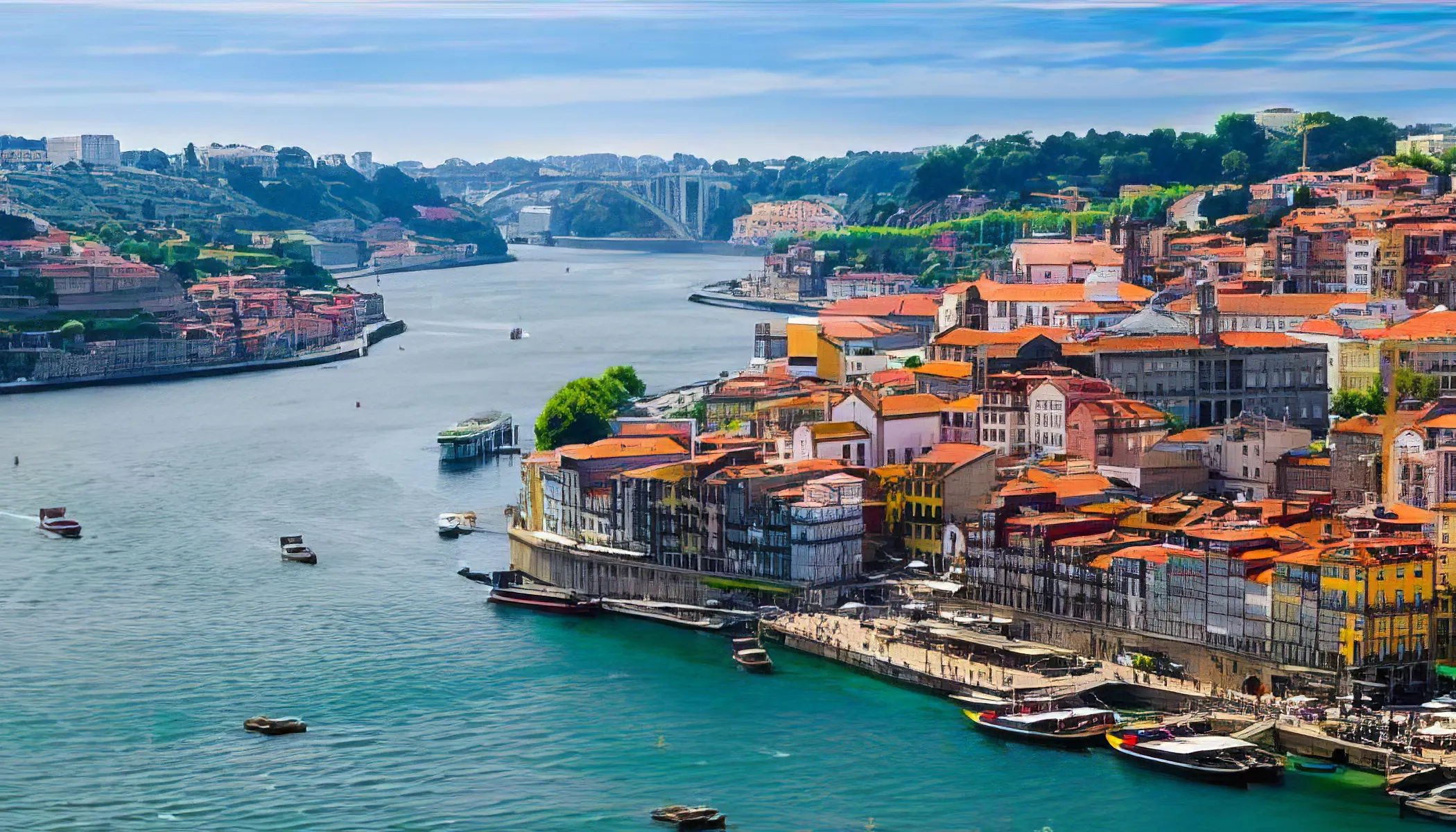
Portugal offers a diverse range of cities, each with its own unique charm and history:
– Lisbon: The capital city, known for its historic neighborhoods, iconic trams, and attractive nightlife.
– Porto: Famous for its port wine, historic center, and the sensational Ribeira district.
– Sintra: Home to fairy-tale palaces, sumptuous gardens, and the Moorish Castle.
– Coimbra: Known for its historic university, medieval old town, and the beautiful Monastery of Santa Cruz.
– Faro: The gateway to the Algarve region, offering beautiful beaches and a charming old town.
– Evora: A UNESCO World Heritage site, known for its well-preserved Roman temple and medieval walls.
– Braga: Known for its religious heritage, including the Bom Jesus do Monte sanctuary and Braga Cathedral.
Monuments
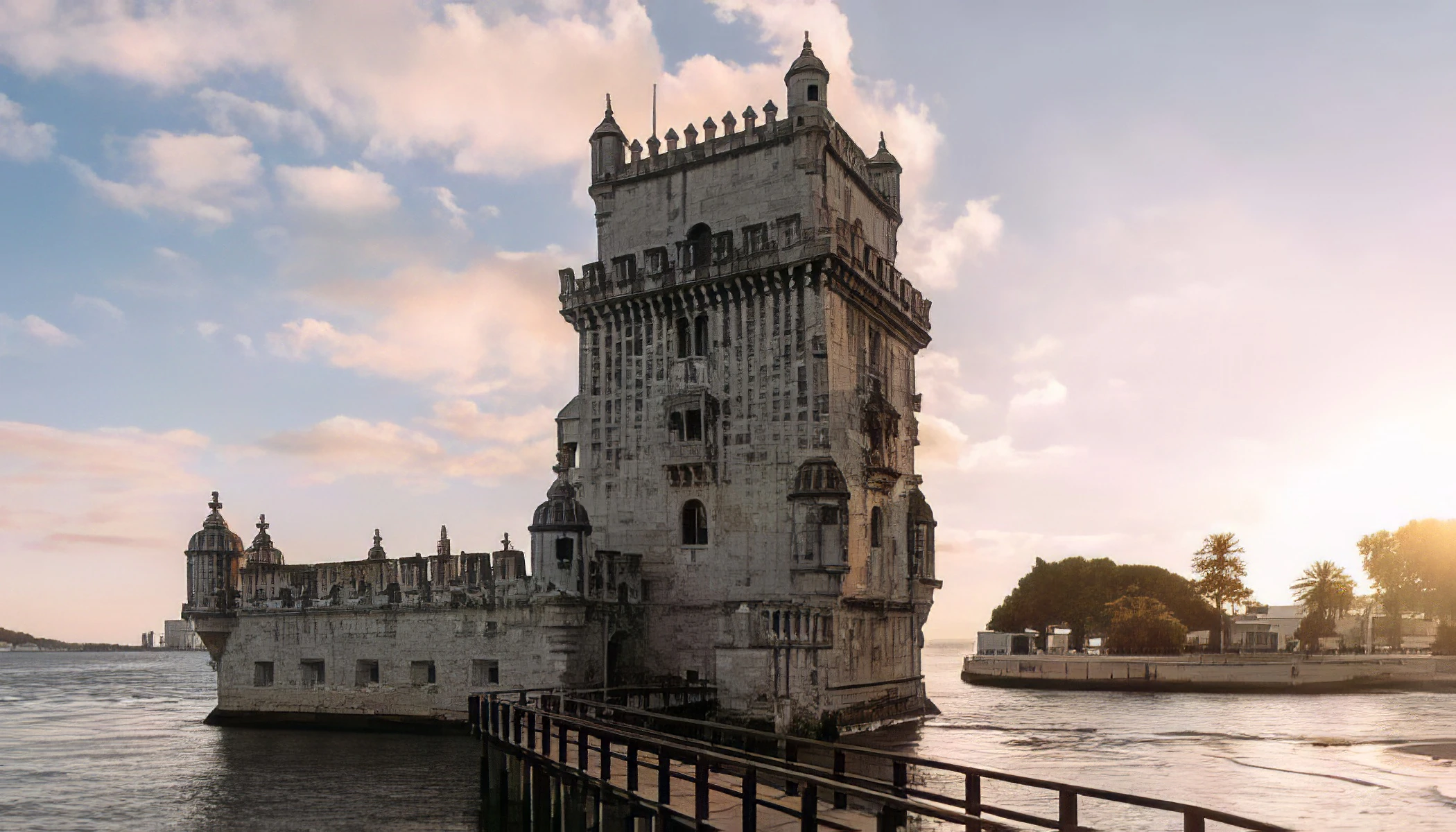
Portugal is home to a variety of historical monuments and architectural wonders:
– Belem Tower, Lisbon: A fortified tower and a symbol of the Age of Discoveries.
– Jeronimos Monastery, Lisbon: A masterpiece of Manueline architecture, UNESCO World Heritage site.
– Pena Palace, Sintra: 19th-century Romanticist castle with nice views and gardens.
– Castle of Guimaraes: Birthplace of Portugal, a well-preserved medieval castle.
– Convent of Christ, Tomar: Former Knights Templar stronghold, known for its unique window.
– Clerigos Tower, Porto: 18th-century baroque church tower offering panoramic views of Porto.
– Roman Temple of Evora: Well-preserved Roman temple ruins in the historic city of Evora.
– Batalha Monastery: Gothic and Manueline-style monastery, a symbol of Portugal's independence.
Natural wonder
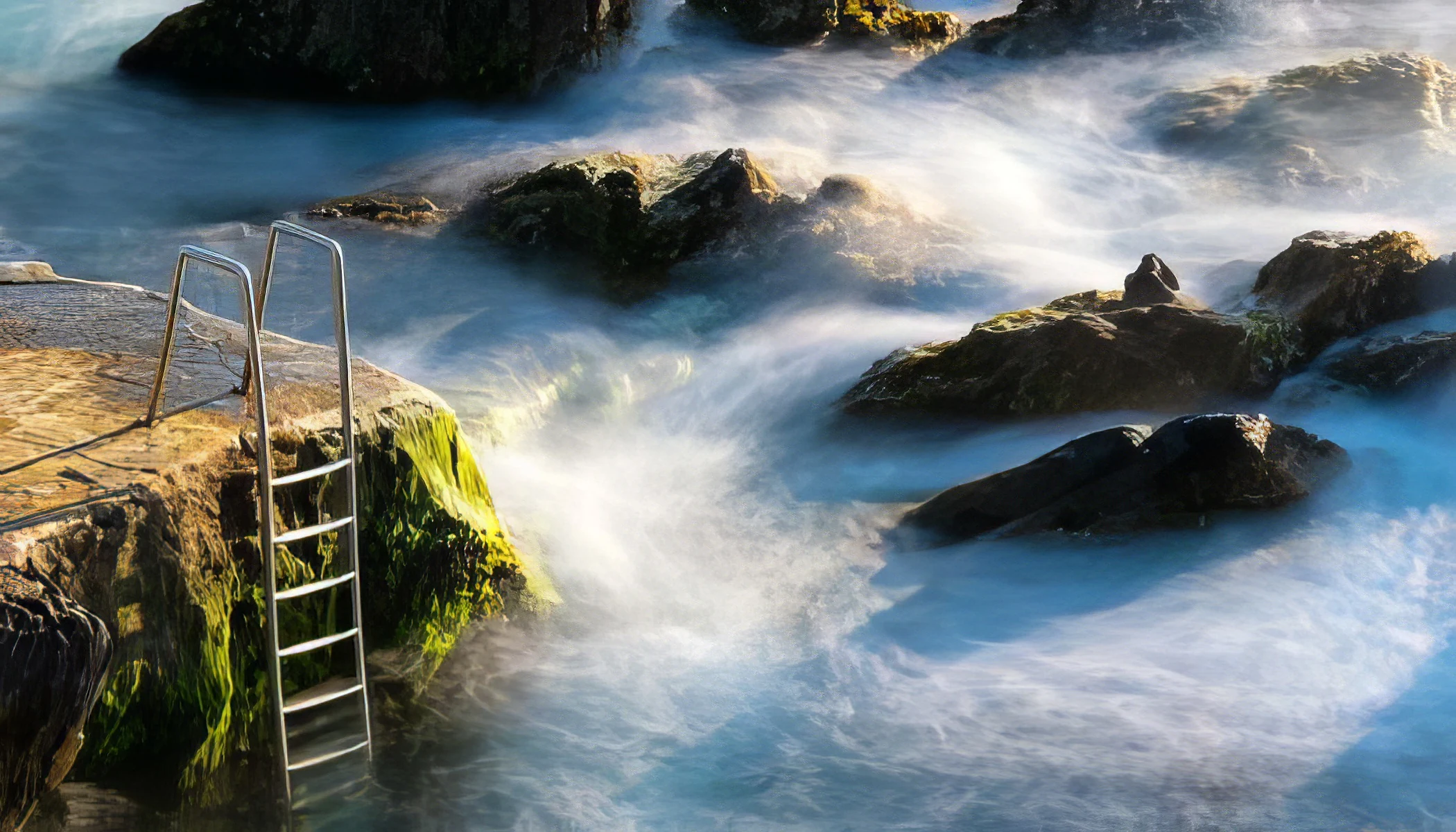
Explore the natural beauty of Portugal:
– Peneda-Gerês National Park: Portugal's only national park, known for its diverse flora and fauna.
– Douro Valley: A UNESCO World Heritage site famous for its terraced vineyards and wine production.
– Ria Formosa: A network of islands and lagoons, home to numerous bird species.
– Madeira's Laurisilva Forest: A UNESCO site, it's the largest surviving laurel forest.
– Berlengas Islands: A nature reserve known for its unique marine life and bird species.
– Serra da Estrela: The highest mountain range in Portugal, offering skiing in winter.
– Azores Archipelago: Volcanic islands known for their remarkable landscapes and hot springs.
– Arrábida Natural Park: Offers diverse landscapes from mountains to sea, with rich biodiversity.
– Tejo Estuary: One of Europe's largest wetlands, a major birdwatching site.
– Ponta de Sagres: Known for its dramatic cliffs and views of the Atlantic Ocean.
Beaches
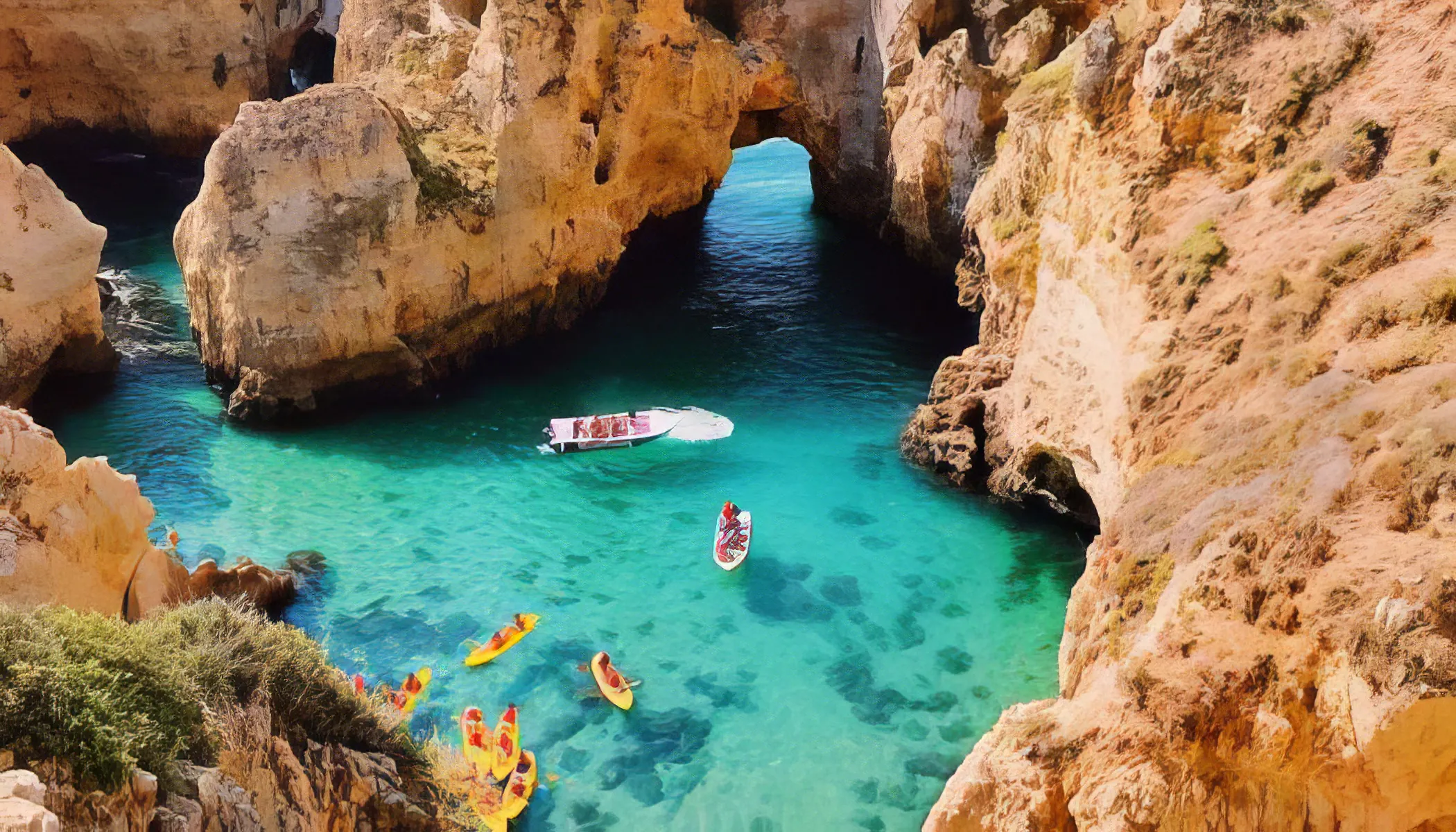
Here are some of the most visited beaches in Portugal:
– Algarve Beaches: Known for their handsome cliffs, golden sands, and clear waters.
– Praia Da Rocha: A popular beach in Portimão with wide sandy areas and lively nightlife.
– Praia Da Marinha: Famous for its beautiful rock formations and clear blue waters in Algarve.
– Praia de Miramar: Noted for the Senhor da Pedra chapel on the beach near Porto.
– Praia da Comporta: Offers a long stretch of white sand and clear waters in Alentejo.
– Praia de Mira: Known for its wooden walkways and traditional haystacks in Centro.
– Praia da Nazaré: Famous for its big waves and surfing near Leiria.
Outdoor activities
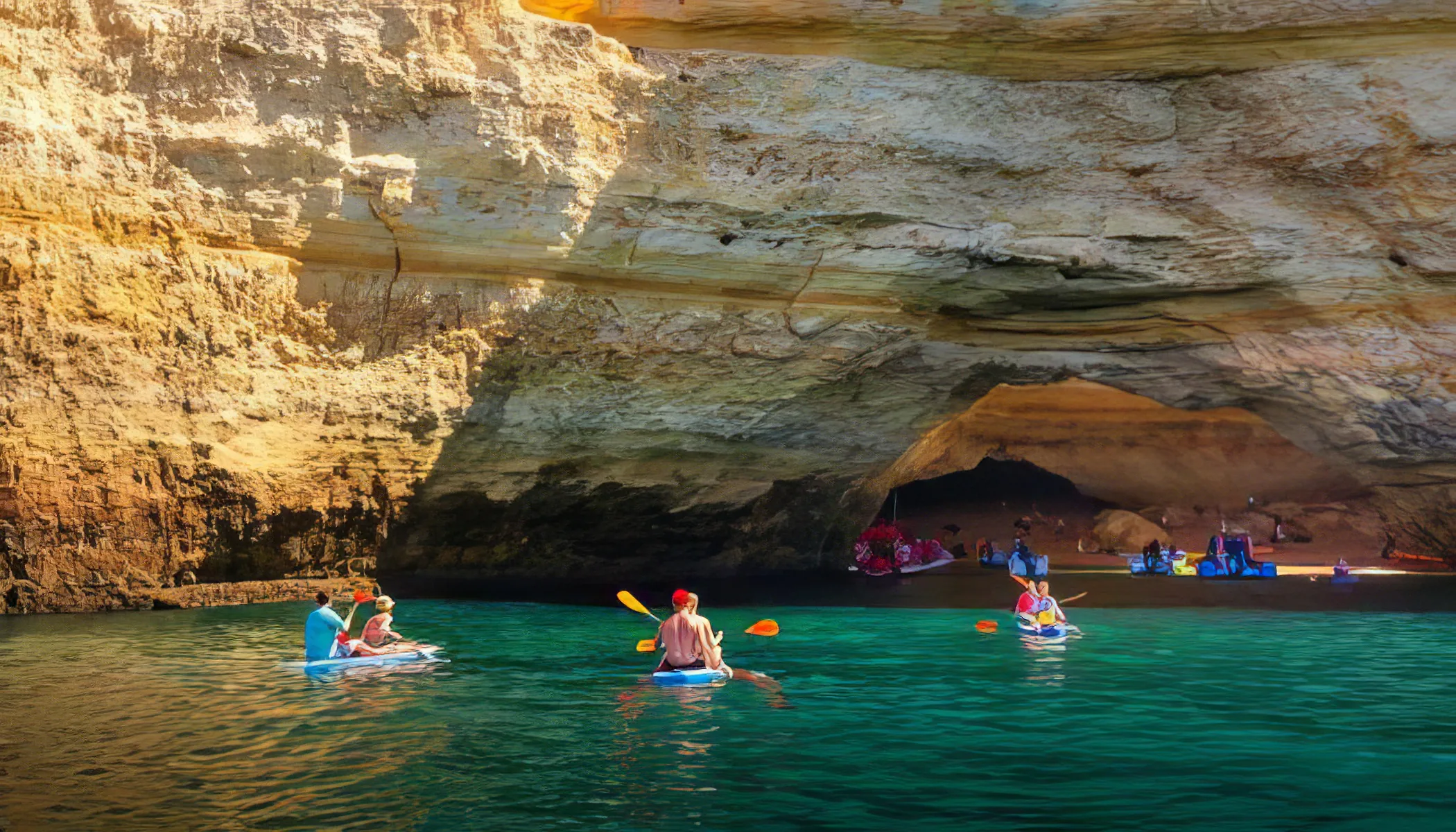
Portugal offers a variety of outdoor experiences for nature lovers and adventure seekers:
– Surfing in Nazaré: Ride some of the world's biggest waves.
– Hiking in Peneda-Gerês National Park: Explore Portugal's only national park with its diverse flora and fauna.
– Cycling in the Douro Valley: Enjoy scenic vineyard views and wine tasting.
– Kayaking in the Algarve: Paddle through sea caves and along handsome coastline.
– Bird Watching in Ria Formosa: Spot flamingos, spoonbills and other bird species in this natural park.
– Sailing in Lisbon: Experience the city from the Tagus River with iconic landmarks in view.
– Whale Watching in the Azores: Encounter dolphins and whales in their natural habitat.
Kid Friendly
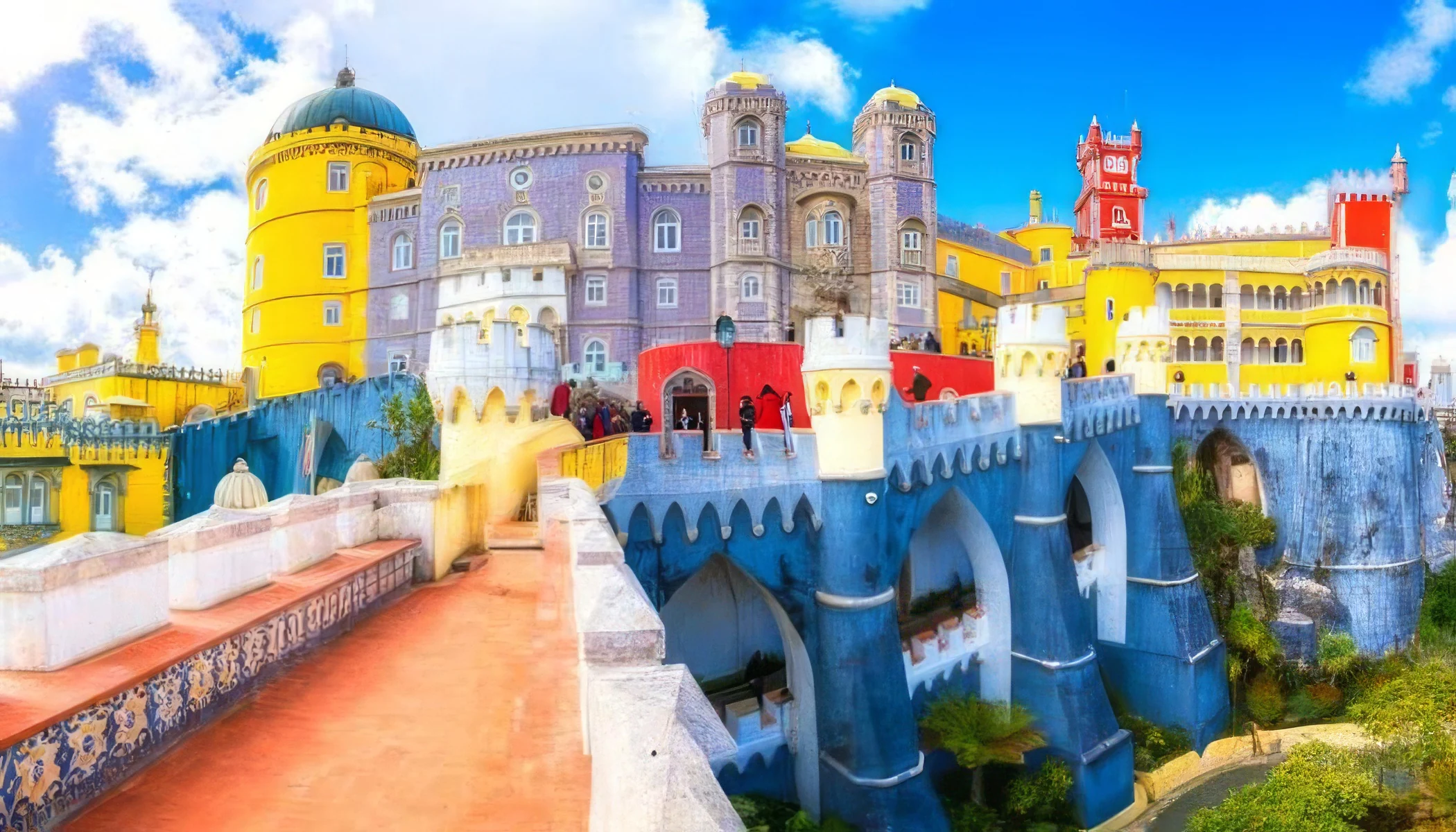
Portugal offers a variety of activities that are perfect for families with children:
– Oceanário de Lisboa: A large, modern aquarium showcasing diverse marine life.
– Zoomarine Algarve: A marine park with dolphin shows, water slides, and a beach.
– Parque Aventura: Outdoor adventure park with tree climbing and zip lines.
– Pena Palace: A colorful, fairy-tale like castle that will captivate kids.
– Livraria Lello: A beautiful bookstore that inspired parts of Harry Potter.
– Dino Parque Lourinhã: A dinosaur park with life-size models and a museum.
– Portugal dos Pequenitos: A theme park with miniature versions of Portuguese houses and monuments.
– Quinta Da Regaleira: A gothic palace with enchanting gardens and hidden tunnels.
Cuisine

Portuguese cuisine is rich, hearty, and diverse, with a focus on fresh seafood and locally sourced ingredients. The food scene is a blend of traditional dishes and innovative culinary techniques. Portugal's gastronomy is deeply rooted in its history and culture. The most famous dishes and desserts in Portugal are:
– Bacalhau: Salted cod, often served with potatoes and onions.
– Pastel de Nata: Creamy custard tart with a flaky pastry crust.
– Caldo Verde: Traditional green soup made with kale, potatoes, and chorizo.
– Francesinha: Sandwich with various meats, covered with melted cheese and a hot tomato and beer sauce.
– Arroz de Pato: Baked duck rice, a hearty and flavorful dish.
Souvenir
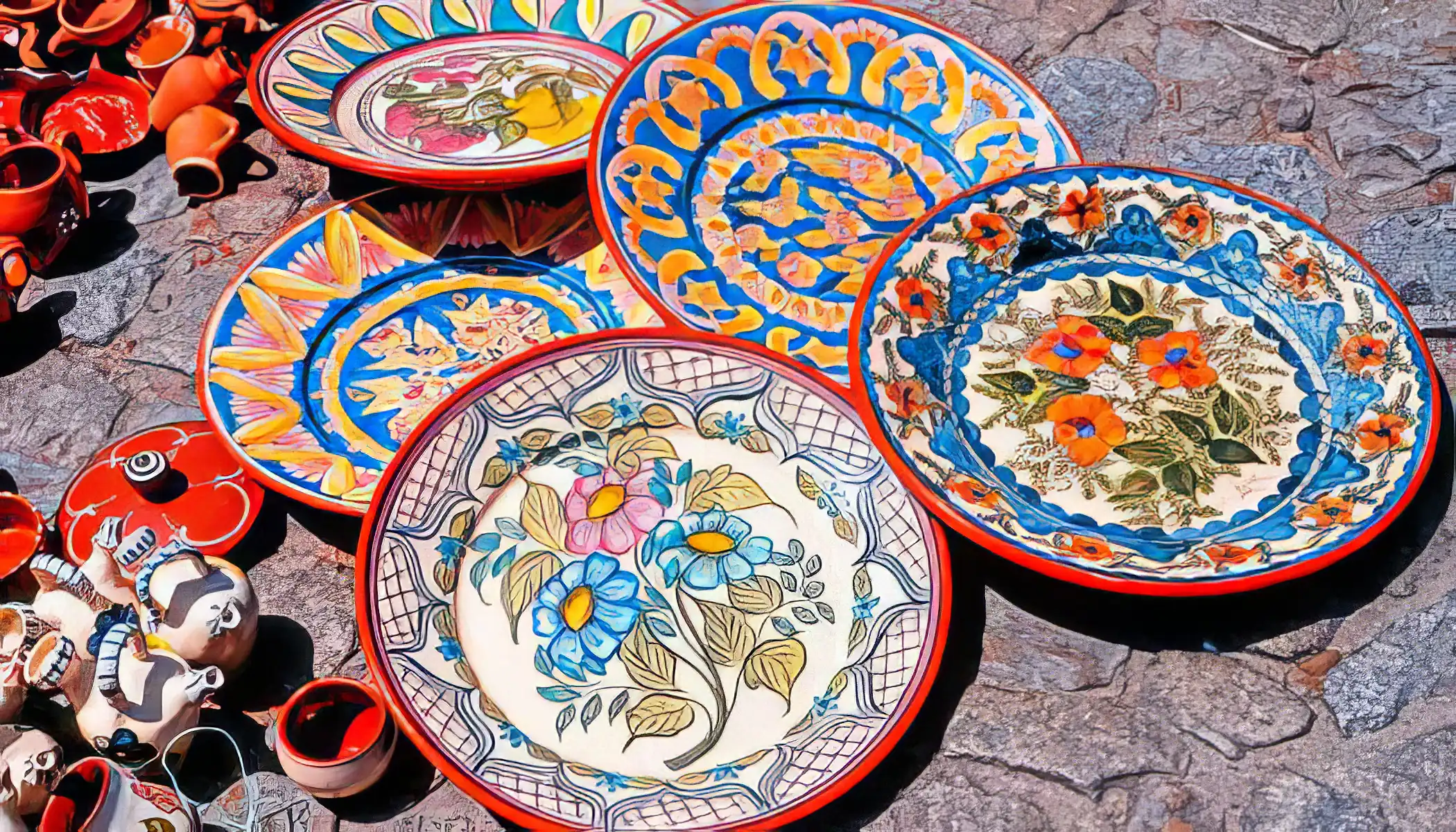
Portugal is a country rich in culture and tradition, and this is reflected in its wide range of unique souvenirs. Here are some items you might want to consider:
– Cork Products: Portugal is the world's largest cork producer. You can find bags, hats, and other items made of cork.
– Port Wine: Portugal's famous fortified wine is a popular souvenir, especially from the Douro Valley region.
– Azulejos: These are traditional Portuguese painted ceramic tiles, often used in decoration.
– Rooster of Barcelos: This colorful ceramic rooster is a common symbol of Portugal and a popular souvenir.
– Portuguese Cheese: Portugal produces a variety of unique and delicious cheeses.
– Portuguese Soap: Portugal is known for its high-quality soaps, often made with local ingredients like sea salt and olive oil.
– Pastel de Nata: While you can't take these delicious custard tarts home, they're a must-try while in Portugal.
Traditional Shows
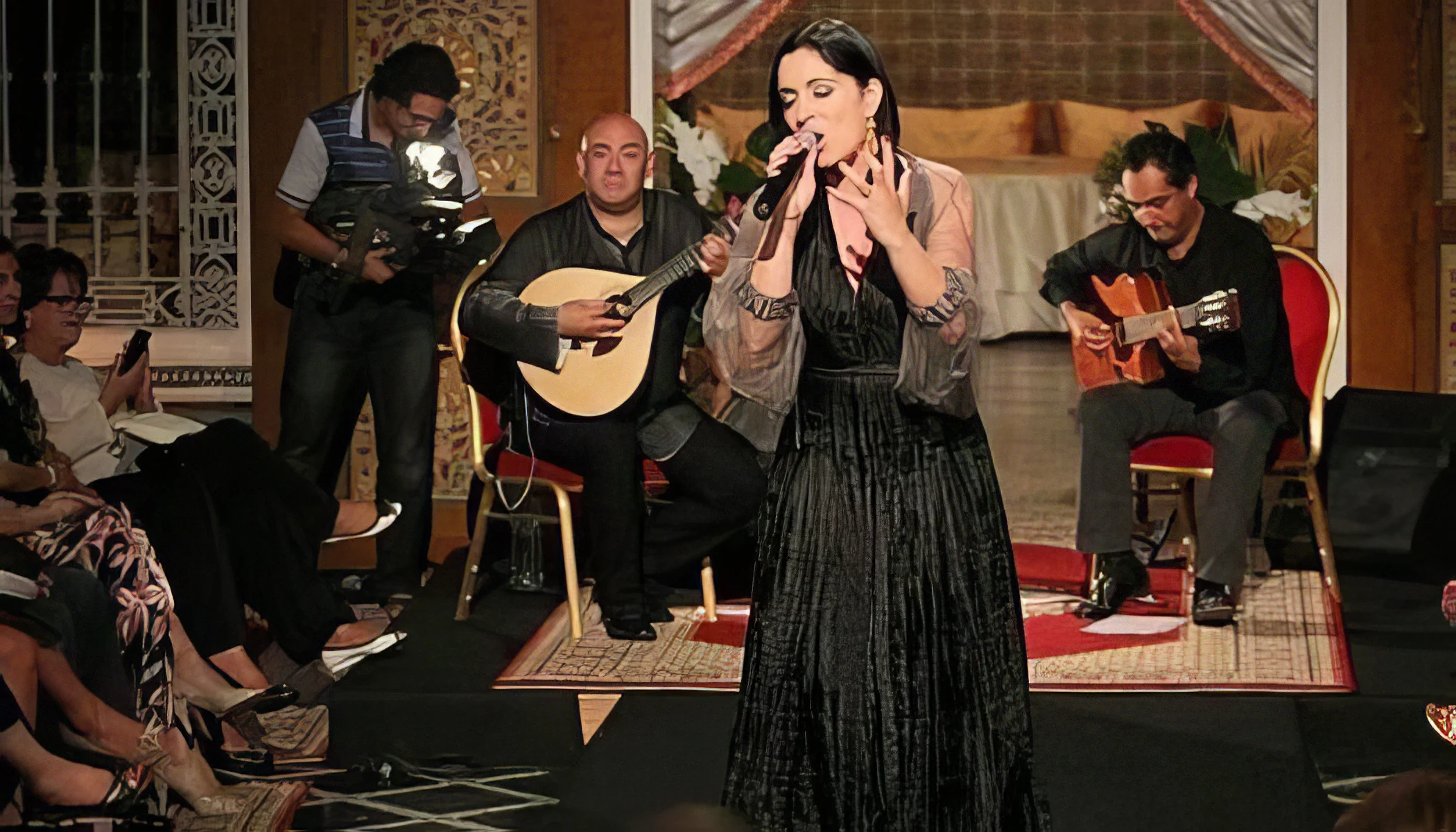
Portugal is rich in traditional music and art performances:
– Fado Music: Experience the soul of Portugal through Fado, a traditional music genre known for its melancholic tunes and lyrics, commonly performed in Lisbon.
– Folklore Dance: Witness the dynamic and energetic traditional Portuguese dances, often performed at festivals throughout the country.
– Classical Guitar Concerts: Enjoy the mastery of Portuguese guitarists in classical concerts, particularly in Coimbra, a city known for its musical heritage.
– Sardana Dance: Join in or watch the traditional Sardana circle dance, a symbol of unity and pride, often performed in public squares.
– Bullfighting: Observe the controversial yet traditional spectacle of bullfighting, a deeply rooted tradition in Portuguese culture, particularly in the Ribatejo region.
Events & Festivals
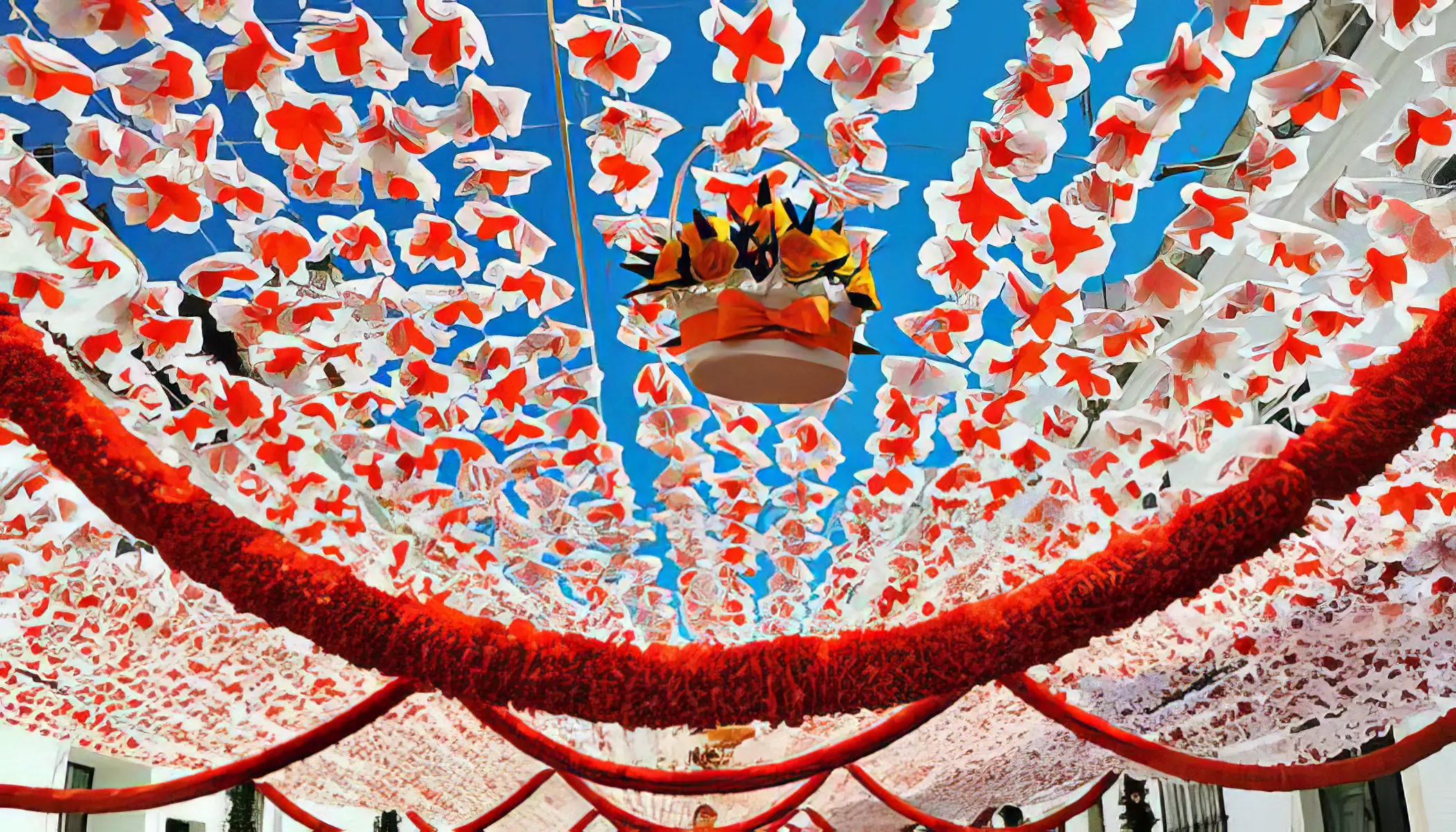
Portugal is a country rich in culture and tradition, with numerous events and festivals throughout the year:
– Carnaval: Celebrated in February/March, it's a lively festival with parades and costumes, especially in Madeira and the Algarve.
– Holy Week: Religious processions and ceremonies take place across the country in April.
– Festa das Cruzes: Early May festival in Barcelos, marking the start of the festas populares season with music and dance.
– Santo Antonio Festival: June street festival in Lisbon, with parades, music, and traditional food.
– Sao Joao Festival: Midsummer festival in Porto in June, featuring street concerts, dances, and fireworks.
– Paredes de Coura Festival: August music festival attracting international artists.
– National Gastronomy Festival: October event in Santarém, showcasing Portugal's culinary heritage.
Famous People
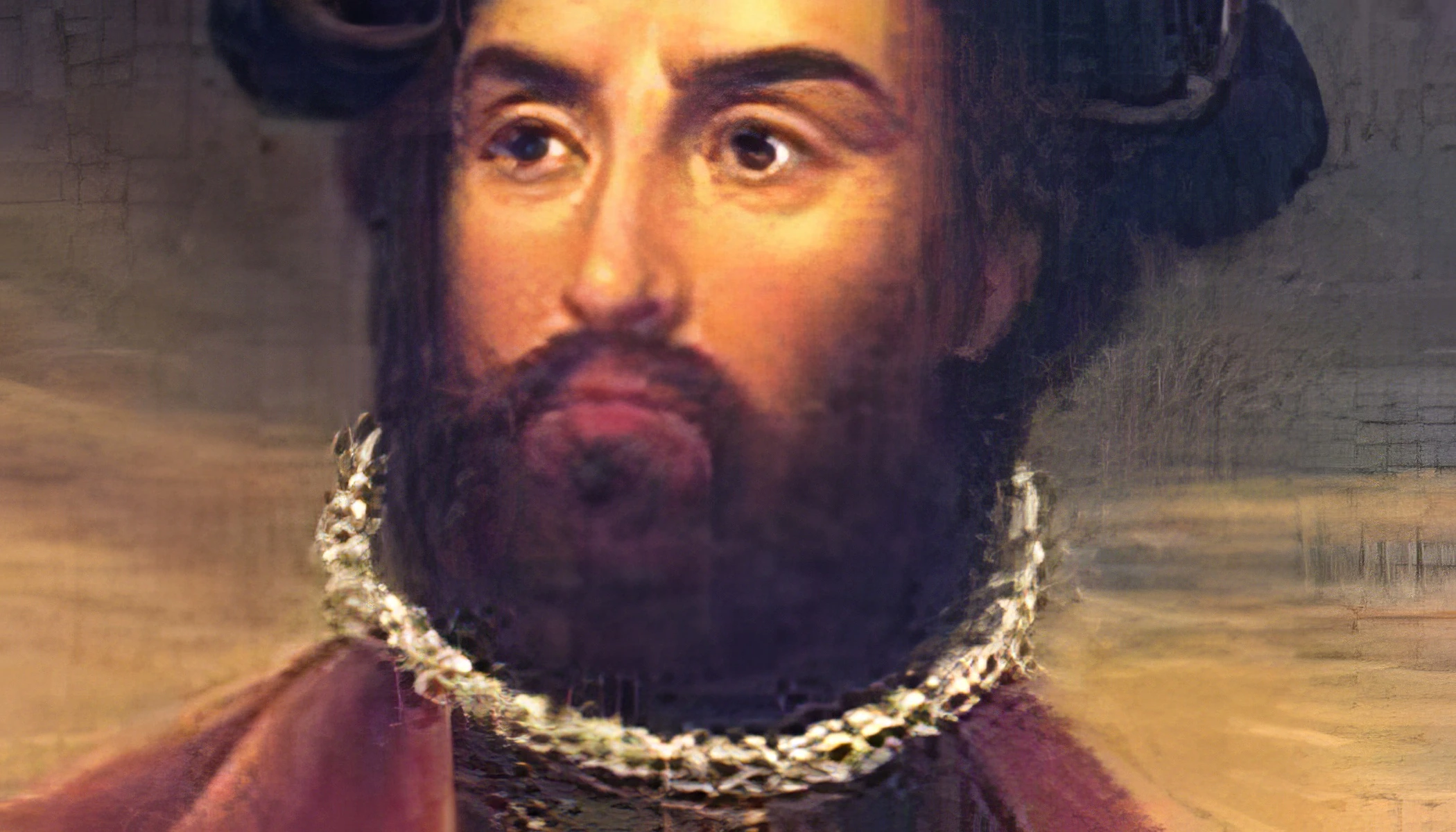
Portugal has been home to many notable figures who have made significant contributions in various fields.
– Vasco da Gama (1460 to 1524, Sines): Explorer who discovered the sea route to India.
– Cristiano Ronaldo (born 1985, Funchal): One of the world's best footballers, multiple times Ballon d'Or winner.
– Fernando Pessoa (1888 to 1935, Lisbon): One of Portugal's most significant literary figures, known for his poetry.
– António Guterres (born 1949, Lisbon): Current Secretary-General of the United Nations and former Prime Minister of Portugal.
– Amália Rodrigues (1920 to 1999, Lisbon): Fado singer and actress, known as the "Queen of Fado."
Books
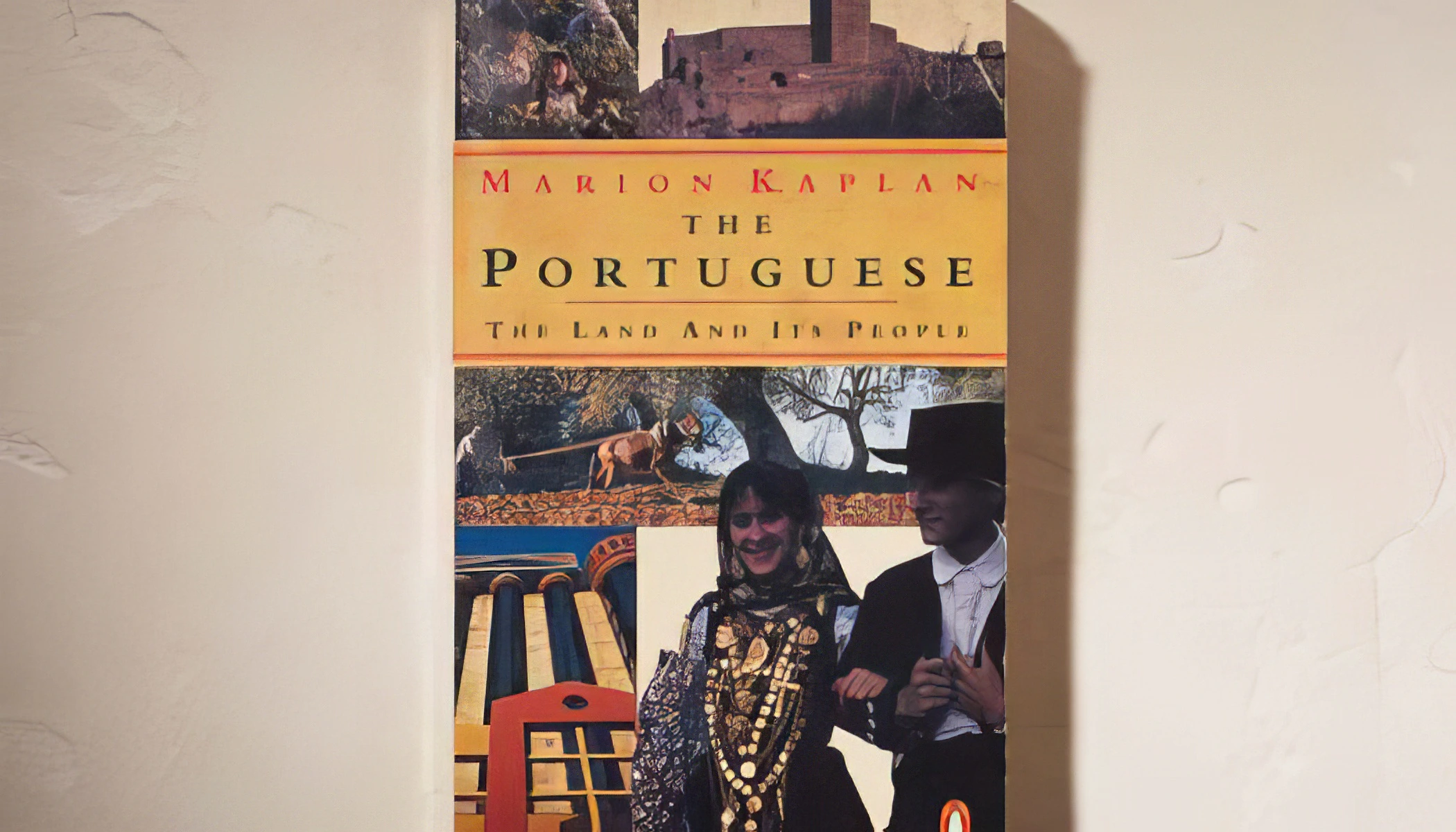
These books provide a rich exploration of Portugal's history, culture, and landscape.
– "Baltasar and Blimunda" by José Saramago: A love story set in 18th century Portugal.
– "The Book of Disquiet" by Fernando Pessoa: A collection of the author's reflections on life in Lisbon.
– "Night Train to Lisbon" by Pascal Mercier: A Swiss professor's journey of self-discovery in Portugal.
– "The High Mountains of Portugal" by Yann Martel: Three interwoven stories set in different periods in Portugal.
– "The Last Kabbalist of Lisbon" by Richard Zimler: A mystery novel set in 16th century Lisbon.
Songs

Portugal's music scene is rich and diverse, with traditional Fado songs and contemporary pop hits making their mark internationally.
– Canção do Mar: A popular Fado song by Dulce Pontes.
– Amar Pelos Dois: Salvador Sobral's song that won Eurovision 2017.
– Gaivota: A classic Fado by Amália Rodrigues, the queen of Fado.
– Povo Que Lavas No Rio: Another iconic song by Amália Rodrigues.
– A Minha Casinha: A popular song by Xutos & Pontapés, a famous rock band.
– O Homem do Leme: Another hit from Xutos & Pontapés, known for its catchy tune.
Films

Here are some of the most renowned films that beautifully depict the culture and life in Portugal:
– "Night Train to Lisbon": Bille August's film about a Swiss professor who abandons his lectures for a thrilling adventure in Lisbon.
– "Mysteries of Lisbon": Directed by Raúl Ruiz, a sprawling epic of love, betrayal, and identity in 19th-century Portugal.
– "The Year of the Death of Ricardo Reis": João Botelho's adaptation of José Saramago's novel, exploring the life of a doctor in 1930s Lisbon.
– "Tabu": Directed by Miguel Gomes, a unique love story set against the backdrop of colonial Africa and modern Portugal.
– "The Ornithologist": João Pedro Rodrigues's film about a man's transformative journey in the wilderness of northern Portugal.