

Explore Russia: Culture, Cities & Places to Visit
The largest country in the world, it spans eleven time zones and two continents. Known for its rich history, diverse culture, and iconic landmarks like the Kremlin and Red Square. Its vast landscapes range from tundra to subtropical beaches.
- Capital
- Moscow
- Population
- 140.8 millions
- Superficy
- 17100000 sq.km
- Months to Visit
- June to Sept.
- Living Cost
- Moderate
Overview
Russia, the largest country in the world, spans Eastern Europe and northern Asia, encompassing a diverse range of landscapes and climates. Its capital, Moscow, is known for its historic Kremlin complex and iconic St. Basil's Cathedral. The country has a rich cultural history, with contributions to literature, philosophy, music, and science. Russia's economy is heavily dependent on its vast natural resources, including oil, gas, and minerals. Despite its political controversies, Russia remains a significant player on the global stage. Its sheer size and cultural richness make it a unique destination for travelers.
Pros & Cons
GOOD REASONS TO VISIT RUSSIA
– Rich History: Russia's past is reflected in its palaces, churches, and museums, like the Hermitage and Kremlin.
– Architectural Wonders: Iconic structures like Saint Basil's Cathedral and the Winter Palace showcase Russia's architectural grandeur.
– Vast Landscapes: From Siberia's wilderness to Lake Baikal, Russia offers diverse natural beauty.
– Trans-Siberian Railway: This epic journey offers unique cultural experiences and magnificent views.
– Russian Cuisine: Traditional dishes like borscht, pelmeni, and blini offer a taste of Russia's culinary heritage. CHALLENGES WHEN VISITING RUSSIA
– Language Barrier: English is not widely spoken outside major cities; learning basic Russian phrases can be helpful.
– Visa Process: Obtaining a Russian visa can be time-consuming and complex.
– Weather Extremes: Winters can be extremely cold, especially in Siberia and the Far East.
Before Departure
Before planning your trip to Russia, there are several important factors to consider:
– Passport: Your passport should be valid for at least six months after your visa expiry date.
– Visa: Russia requires a visa for most tourists, which must be obtained in advance. The standard tourist visa is valid for up to 30 days.
– Currency: The local currency is the Russian Ruble (RUB). Credit cards are widely accepted, and ATMs are readily available.
– Internet access: WiFi is widely available in cities, and SIM cards for data can be purchased at airports and many shops.
– Language barrier: The official language is Russian. English is not widely spoken outside of major cities, so learning basic Russian phrases can be helpful.
What to Pack
Traveling to Russia requires careful preparation due to its diverse climate and cultural norms.
– Essentials: Passport with Russian visa, travel insurance details, flight tickets, itinerary, and accommodation reservations.
– Clothing: Warm clothing and boots for winter, lighter wear for summer, formal attire for theater visits, comfortable walking shoes.
– Health & Safety: Prescription medications, basic first aid kit, personal hygiene items, sunscreen for summer, lip balm for winter.
– Electronics: Travel adapter for Russian outlets, mobile phone, camera, portable charger.
Weather
Russia's weather varies greatly across its vast territory:
– Winter (December to February): Extremely cold with heavy snowfall, especially in Siberia and the Far East.
– Spring (March to May): Weather starts to warm up, with melting snow causing muddy conditions.
– Summer (June to August): Warm to hot, with long daylight hours, especially in the northern regions.
– Autumn (September to November): Cool to cold, with beautiful fall foliage in many areas. The best time to visit Russia is during the summer months (June to August). Reasons are:
– Pleasant weather and long daylight hours.
– Many cultural and music festivals take place. However, it's also the peak tourist season, so expect higher prices and more crowds. For those who can brave the cold, winter offers unique experiences like the Trans-Siberian Railway journey and ice festivals in Siberia.
Travel Budget
Russia offers a wide range of prices depending on the region. Here are some average costs for tourists:
– Hotel: 50$ to 200$
– Lunch: 7$ to 20$
– Beverage (in bar/restaurant): 2$ to 8$
– Coffee: 2$ to 4$
– Transportation: (train 20$ to 100$), (bus 1$ to 3$), (taxi /10km 6$ to 12$)
– Mobile data (per GB): 3$ to 7$
Language
Russian is the most widely spoken Slavic language and one of the most spoken languages in the world. Here are some useful phrases for tourists:
– Hello: Здравствуйте (Zdravstvuyte)
– Thank you: Спасибо (Spasibo)
– Please: Пожалуйста (Pozhaluysta)
– How much is this?: Сколько это стоит? (Skol'ko eto stoit?)
– Excuse me: Извините (Izvinite)
– I don't understand: Я не понимаю (Ya ne ponimayu)
– Yes: Да (Da)
– No: Нет (Net)
– Goodbye: До свидания (Do svidaniya)
History
Russia's history begins with the East Slavs in the 9th century, who formed the state of Kievan Rus. Mongol invasion in the 13th century ended Kievan Rus, giving rise to the Grand Duchy of Moscow. The 16th century saw the establishment of the Russian Empire, which became one of the most powerful nations in the world. The empire fell to the Bolsheviks in 1917, leading to the formation of the Soviet Union in 1922. The Soviet Union collapsed in 1991, resulting in the Russian Federation we know today. Despite its tumultuous history, Russia remains a global power.
Geopolitics
Russia is the largest country in the world, spanning Eastern Europe and northern Asia, with a diverse range of neighboring countries, including China, Mongolia, and several Eastern European nations. It has a centralized government with Moscow as its capital, under the leadership of President Vladimir Putin. Russia is a permanent member of the United Nations Security Council and has significant influence on global political matters. It has complex relationships with Western countries, particularly the United States and European Union, marked by periods of tension and cooperation. Russia's geopolitical strategy often involves leveraging its vast natural resources, such as gas and oil, for political influence. Its involvement in regional conflicts, such as in Ukraine and Syria, has significant geopolitical implications.
Sample Itinerary
This tour offers a blend of Russia's rich history in Moscow, the cultural heritage of Saint Petersburg, and the natural beauty of Lake Baikal.
– 3 days in Moscow: Visit the Kremlin, Red Square, and St. Basil's Cathedral. Explore the State Historical Museum and Gorky Park.
– 3 days in Saint Petersburg: Tour the Hermitage Museum, Peter and Paul Fortress, and the Church of the Savior on Spilled Blood. Enjoy a canal cruise.
– 2 days in Kazan: Discover the Kazan Kremlin, Kul Sharif Mosque, and Bauman Street. Experience the unique blend of Muslim and Christian culture.
– 2 days in Lake Baikal: Enjoy the natural beauty of the world's deepest lake. Hike, boat, or relax by the shore, depending on the season.
– 1 day in Vladivostok: Visit the Vladivostok Fortress, Submarine S-56 Museum, and Russky Island. Depart from Vladivostok after enjoying the Pacific Ocean views.
Popular cities
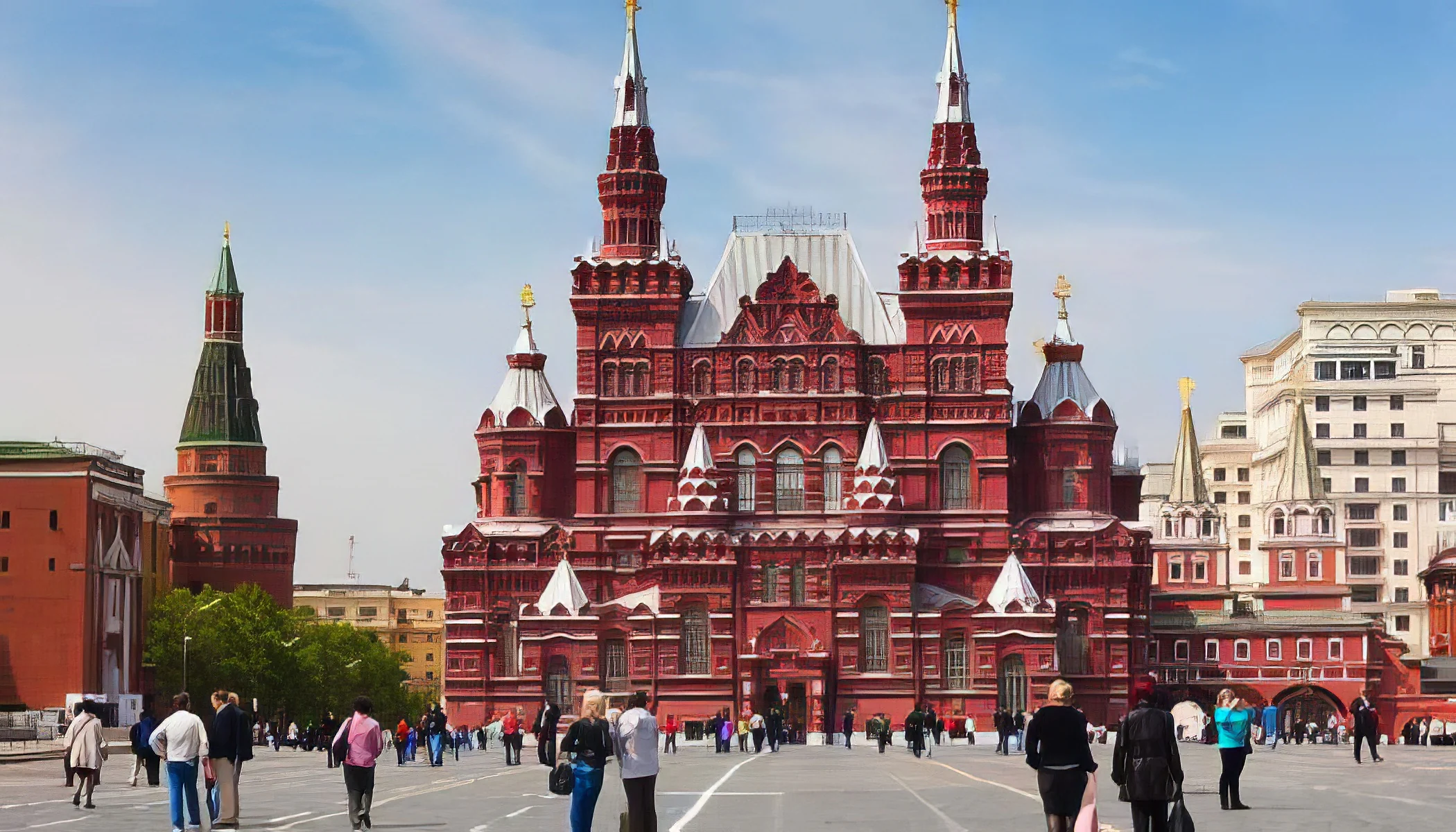
Russia, the largest country in the world, offers a variety of cities with rich history and culture:
– Moscow: The capital city, known for the Kremlin, Red Square, and St. Basil's Cathedral.
– Saint Petersburg: Famous for its historic city center, Hermitage Museum, and beautiful canals.
– Kazan: A city that beautifully blends Muslim and Christian cultures, known for the Kazan Kremlin.
– Sochi: Known for hosting the 2014 Winter Olympics, it offers beautiful beaches and ski resorts.
– Vladivostok: A port city offering beautiful views of the Pacific Ocean and the Golden Horn Bay.
– Yekaterinburg: Known for its rich history, it's the gateway to the Ural Mountains.
– Nizhny Novgorod: A historic city with a Kremlin, located at the confluence of the Volga and Oka rivers.
Monuments
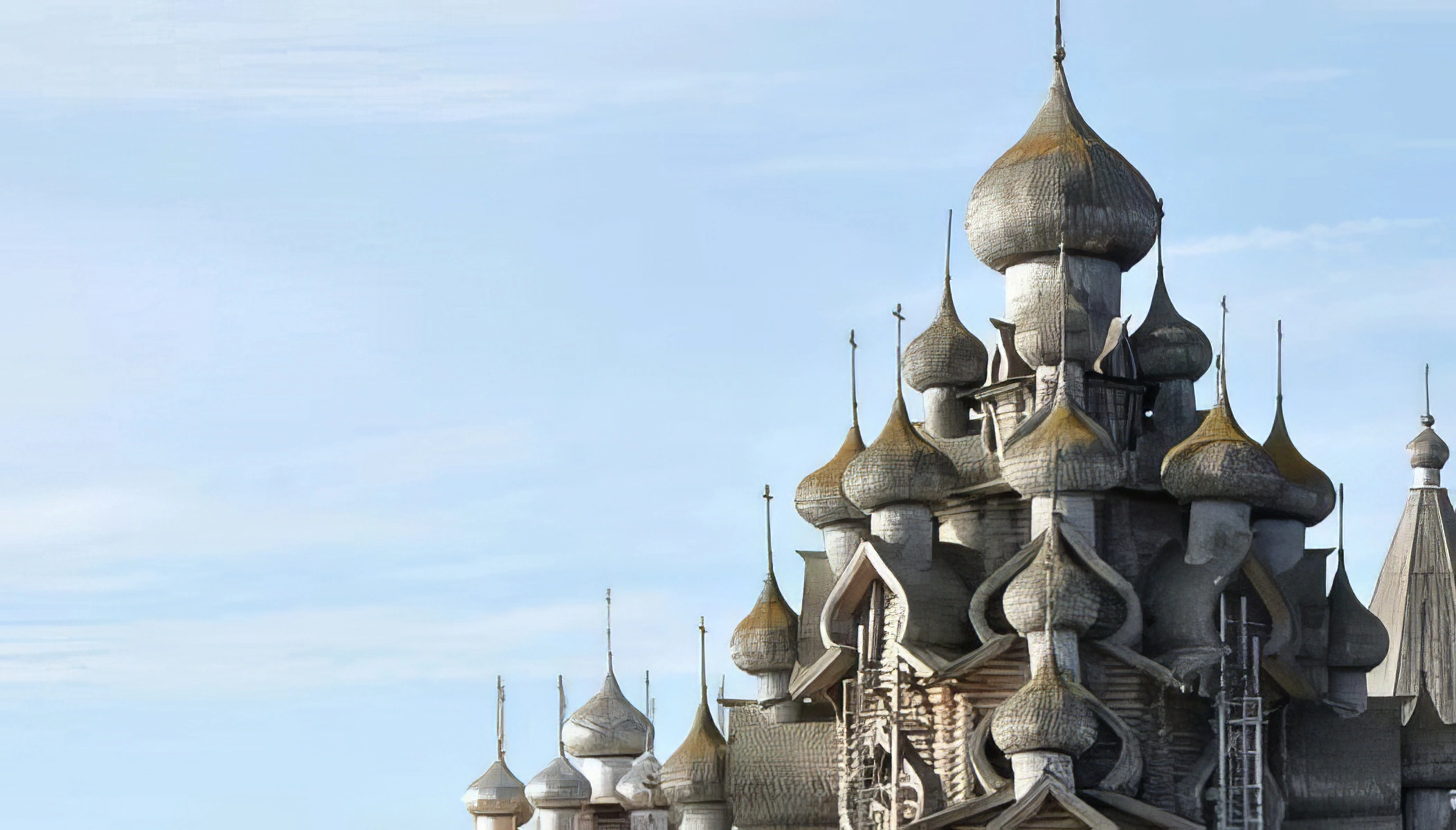
Russia is home to many significant historical monuments and architectural wonders:
– Red Square, Moscow: The city's historic center, featuring the iconic St. Basil's Cathedral.
– The Kremlin, Moscow: A fortified complex with palaces, cathedrals, and the official residence of the President.
– Hermitage Museum, St. Petersburg: One of the world's largest art museums, housed in the Winter Palace.
– Peterhof Palace, St. Petersburg: Known as the "Russian Versailles", with grand palaces and gardens.
– Saint Isaac's Cathedral, St. Petersburg: The largest Russian Orthodox cathedral in the city.
– Kazan Kremlin, Kazan: A UNESCO site, featuring the Kul Sharif Mosque and Annunciation Cathedral.
– Cathedral of Christ the Saviour, Moscow: The tallest Orthodox Christian church in the world.
– Novodevichy Convent, Moscow: A UNESCO site, showcasing Russian Baroque architecture.
Natural wonder
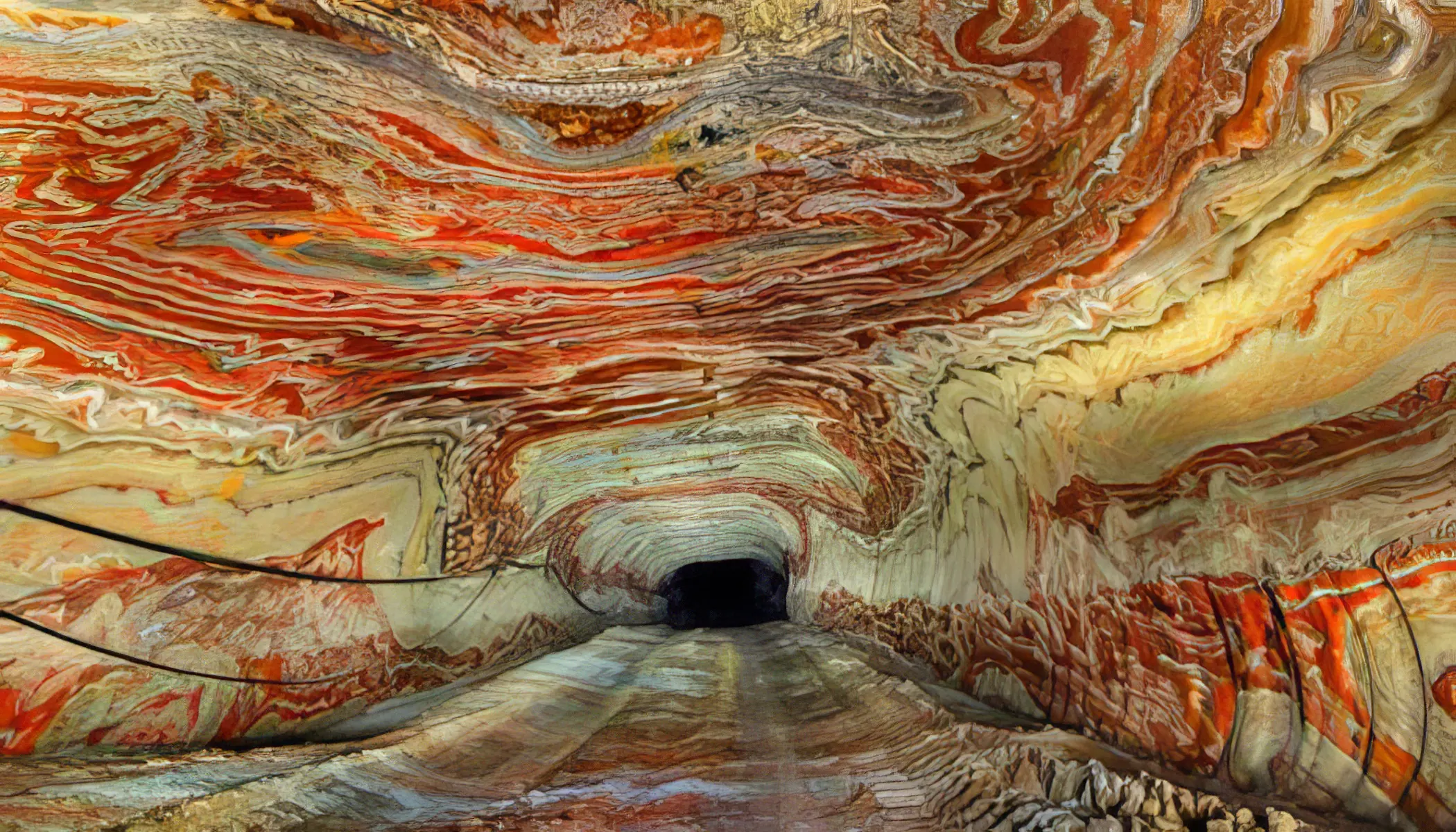
Explore the vast and diverse natural wonders of Russia:
– Lake Baikal: The deepest and oldest freshwater lake in the world.
– Mount Elbrus: The highest peak in Europe, located in the Caucasus mountain range.
– Kamchatka Peninsula: Home to numerous volcanoes, hot springs, and a diverse range of wildlife.
– Valley of Geysers: One of the largest geyser fields in the world, located in Kamchatka.
– Lena Pillars: Natural rock formation along the banks of the Lena River in Siberia.
– Ural Mountains: A mountain range that runs approximately from north to south through western Russia.
– Altai Mountains: A mountain range in Central and East Asia, where Russia, China, Mongolia, and Kazakhstan come together.
– Stolby Nature Reserve: Known for its dramatic rock formations, located near the city of Krasnoyarsk.
– Lake Teletskoye: The deepest lake in the Altai Mountains, known for its clear water.
– Putorana Plateau: A high-lying basalt plateau, a UNESCO World Heritage Site known for its untouched wilderness.
Beaches
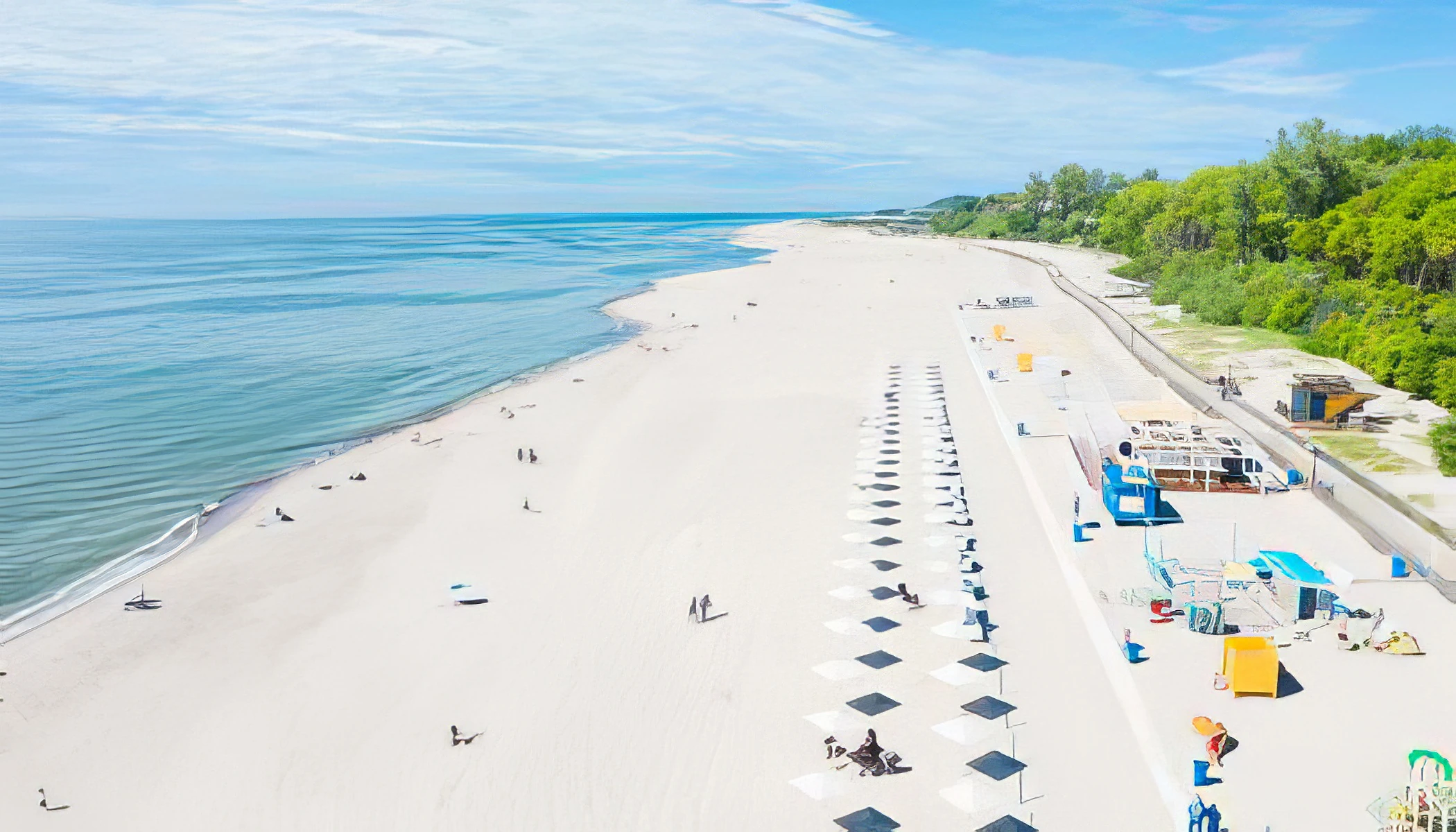
Russia, despite its cold climate, has some notable beaches:
– Sochi Beach: A pebble beach on the Black Sea, popular for summer vacations.
– Anapa Beach: Known for its sandy coastline and warm waters on the Black Sea.
– Yantarny Beach: Famous for its amber reserves and clear Baltic Sea waters.
– Laskovy Beach: Located on the Gulf of Finland near St. Petersburg, popular for water sports.
– Divnomorskoe Beach: A sandy beach on the Black Sea, known for its calm waters.
– Adler Beach: Located in Sochi, it's a popular spot for summer tourists.
– Repino Beach: A peaceful beach on the Gulf of Finland, near St. Petersburg.
Outdoor activities
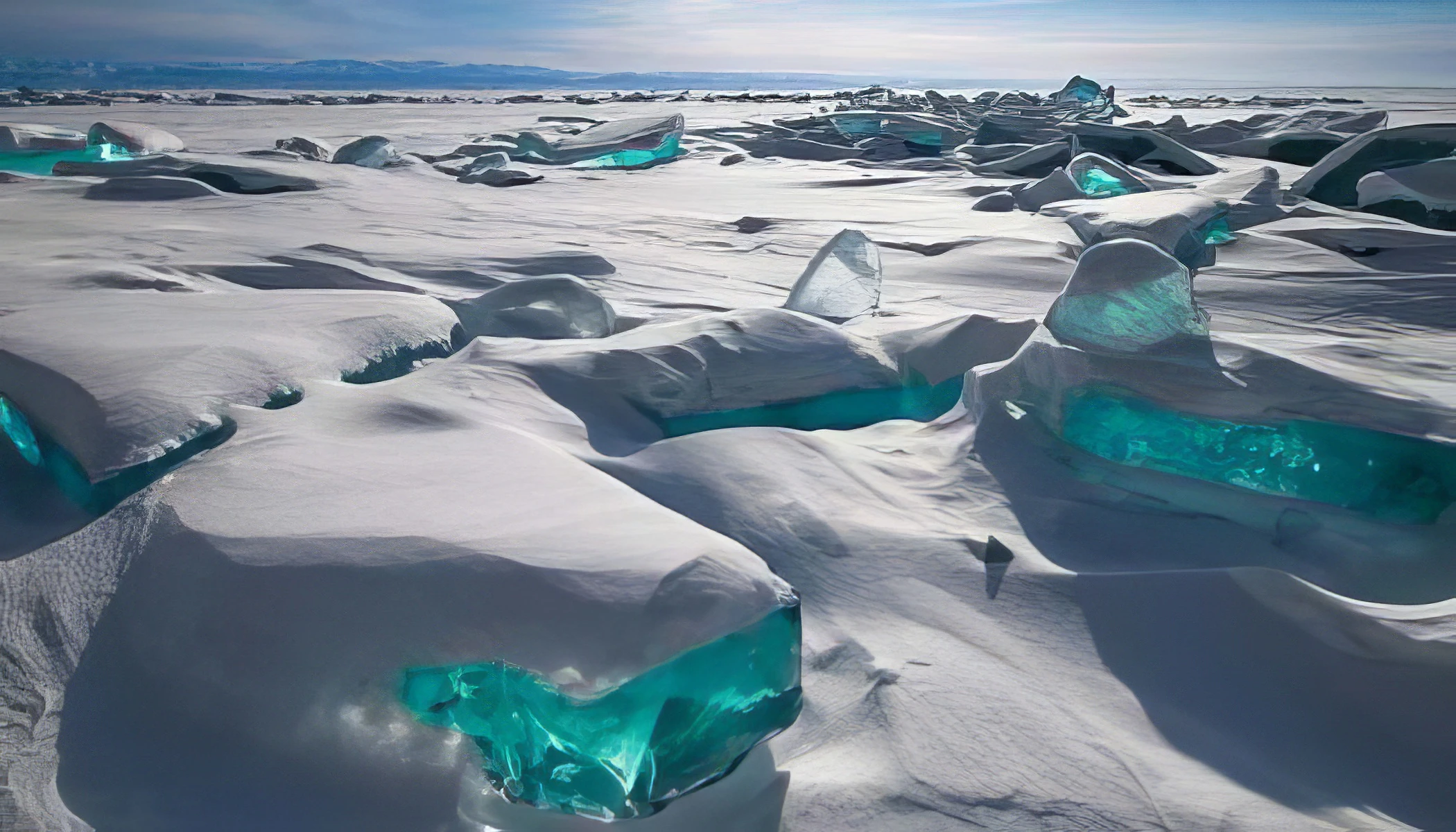
Russia offers a variety of outdoor experiences, from urban exploration to wilderness adventures:
– Trans-Siberian Railway Journey: Experience the vastness of Russia from a train window.
– Trekking in the Altai Mountains: Explore Siberia's unspoiled natural beauty on foot.
– Lake Baikal Cruise: Enjoy the world's deepest and oldest freshwater lake.
– Skiing in Sochi: Hit the slopes in Russia's premier winter sports destination.
– Kamchatka Peninsula Tour: Witness active volcanoes and geysers in this remote region.
– Ice Diving in the White Sea: Dive under the ice for a unique underwater experience.
– Wildlife Spotting in the Russian Far East: Look for rare species like Amur tigers and Siberian leopards.
Kid Friendly
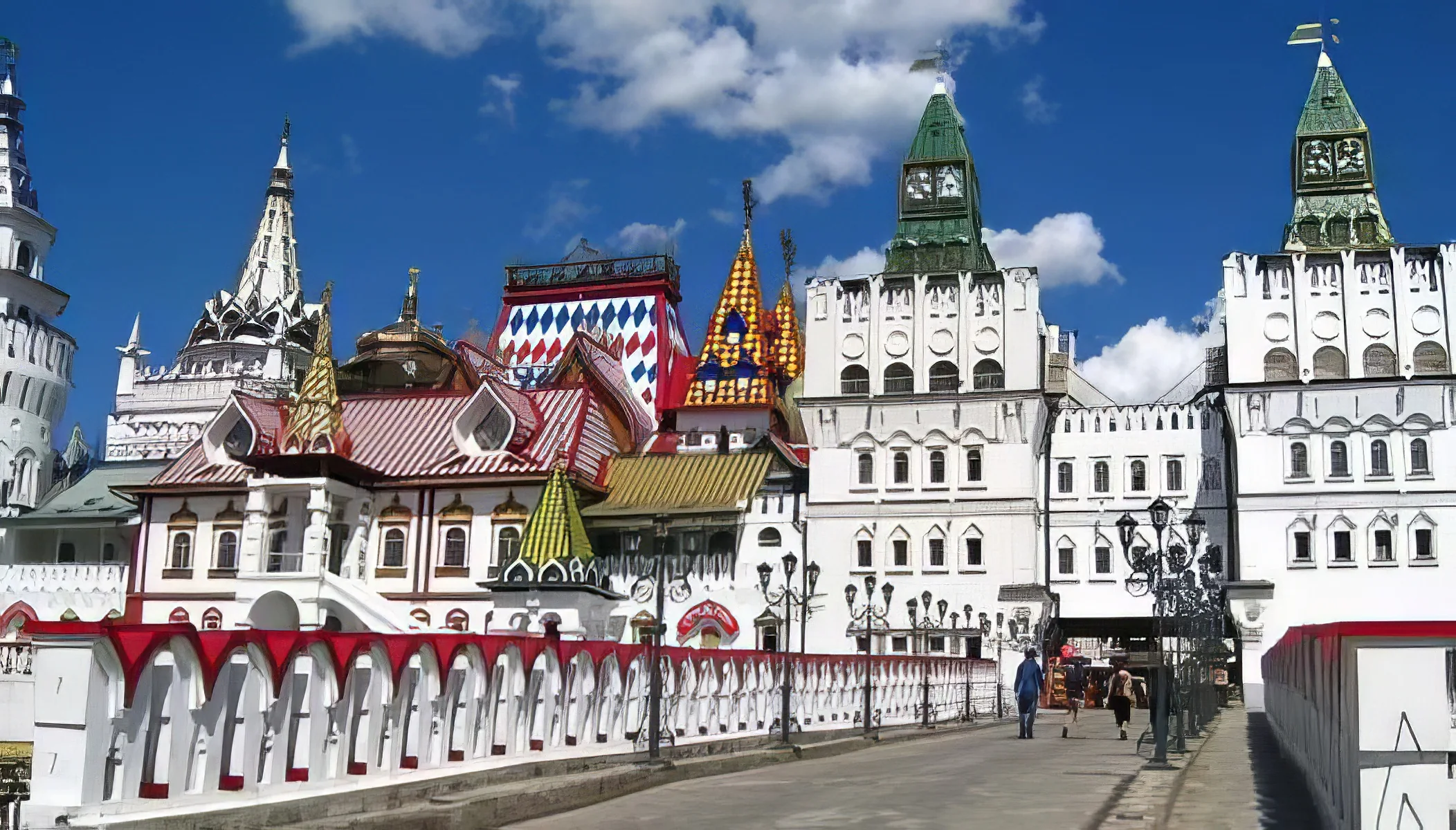
Here are some activities in Russia that are suitable for children:
– Moscow Zoo: A large zoo with a variety of animals from around the world.
– Hermitage Museum: A vast museum with a collection of art and culture that can be educational for kids.
– Gorky Park: A central park in Moscow with a variety of outdoor activities and playgrounds.
– Oceanarium in Vladivostok: A large aquarium with a variety of marine life.
– Grand Maket Russia: A miniature model of Russia, showcasing the country's diverse landscapes and cities.
– Divo Ostrov Amusement Park: A fun-filled amusement park located in St. Petersburg.
– Russian Railway Museum: A museum showcasing the history of Russian railways with a collection of vintage trains.
– Sokolniki Park: A large park in Moscow offering various outdoor activities and events for families.
Cuisine

Russian cuisine is a collection of diverse, hearty, and comforting dishes, reflecting the country's cold climate and agricultural richness. It's characterized by a variety of soups, breads, and meat dishes. Traditional cooking methods and local ingredients are highly valued. Most famous cuisine in Russia are:
– Borscht: A beetroot soup, often served with sour cream and dill.
– Pelmeni: Small dumplings filled with meat, served with butter or sour cream.
– Beef Stroganoff: Sauteed pieces of beef served in a sauce with smetana (sour cream).
– Blini: Thin pancakes often served with caviar, sour cream, or jam.
– Pirozhki: Small stuffed buns with a variety of fillings, often meat or vegetables.
Souvenir
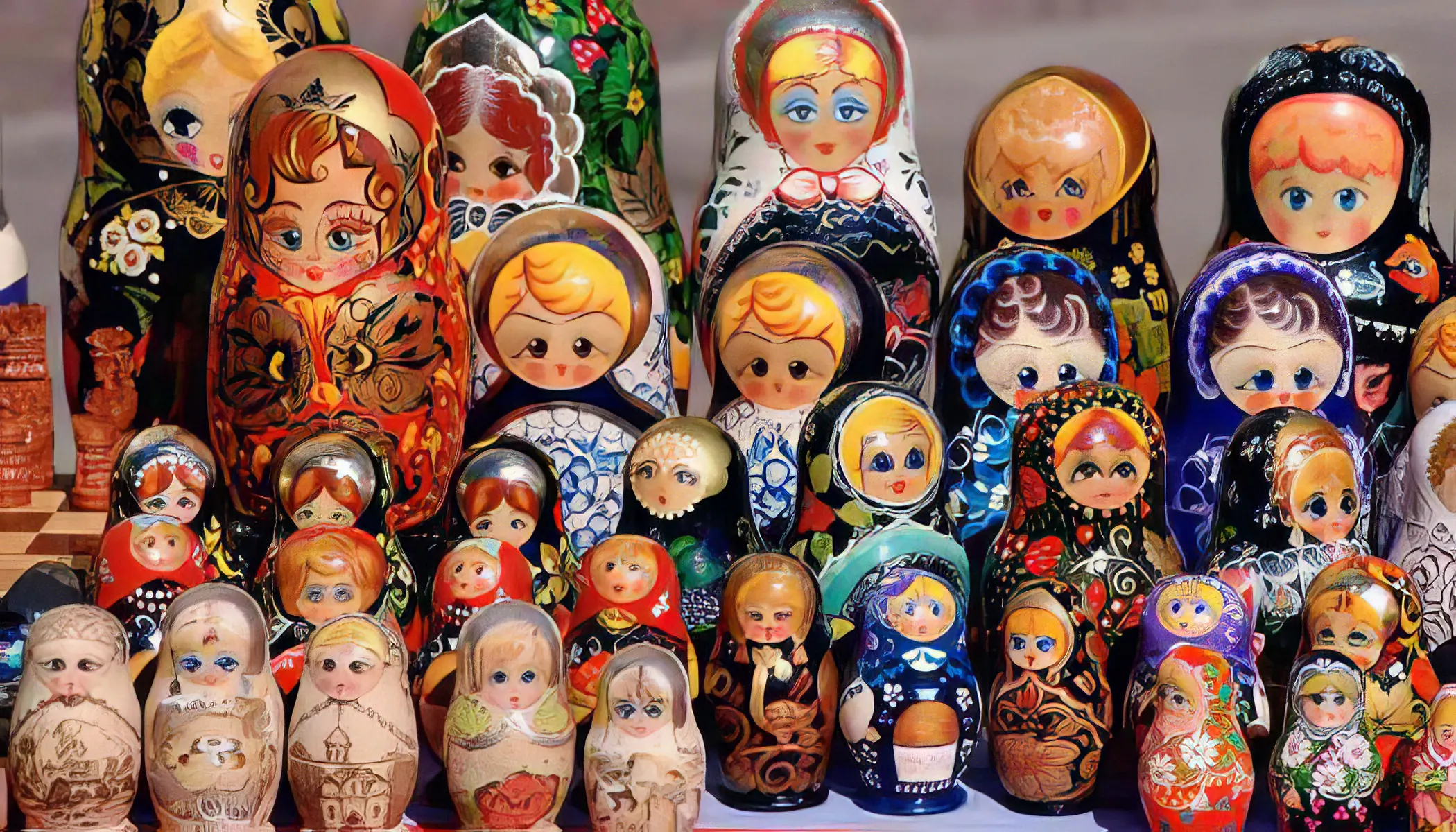
Russia is a country with a rich history and culture, which is reflected in its unique souvenirs. Here are some items you might want to consider:
– Matryoshka Dolls: These are traditional Russian nesting dolls, often hand-painted with intricate designs.
– Fabergé Eggs: Replicas of the famous jeweled eggs are a popular souvenir.
– Samovar: A traditional Russian tea kettle, often made of metal and beautifully decorated.
– Russian Vodka: Russia is famous for its vodka, and a bottle can make a great souvenir.
– Ushanka Hat: This is a traditional Russian fur hat with ear flaps, perfect for cold weather.
– Lacquer Boxes: These are small, hand-painted boxes, often featuring scenes from Russian fairy tales.
– Russian Chocolate: Russia produces a variety of unique and delicious chocolates.
Traditional Shows
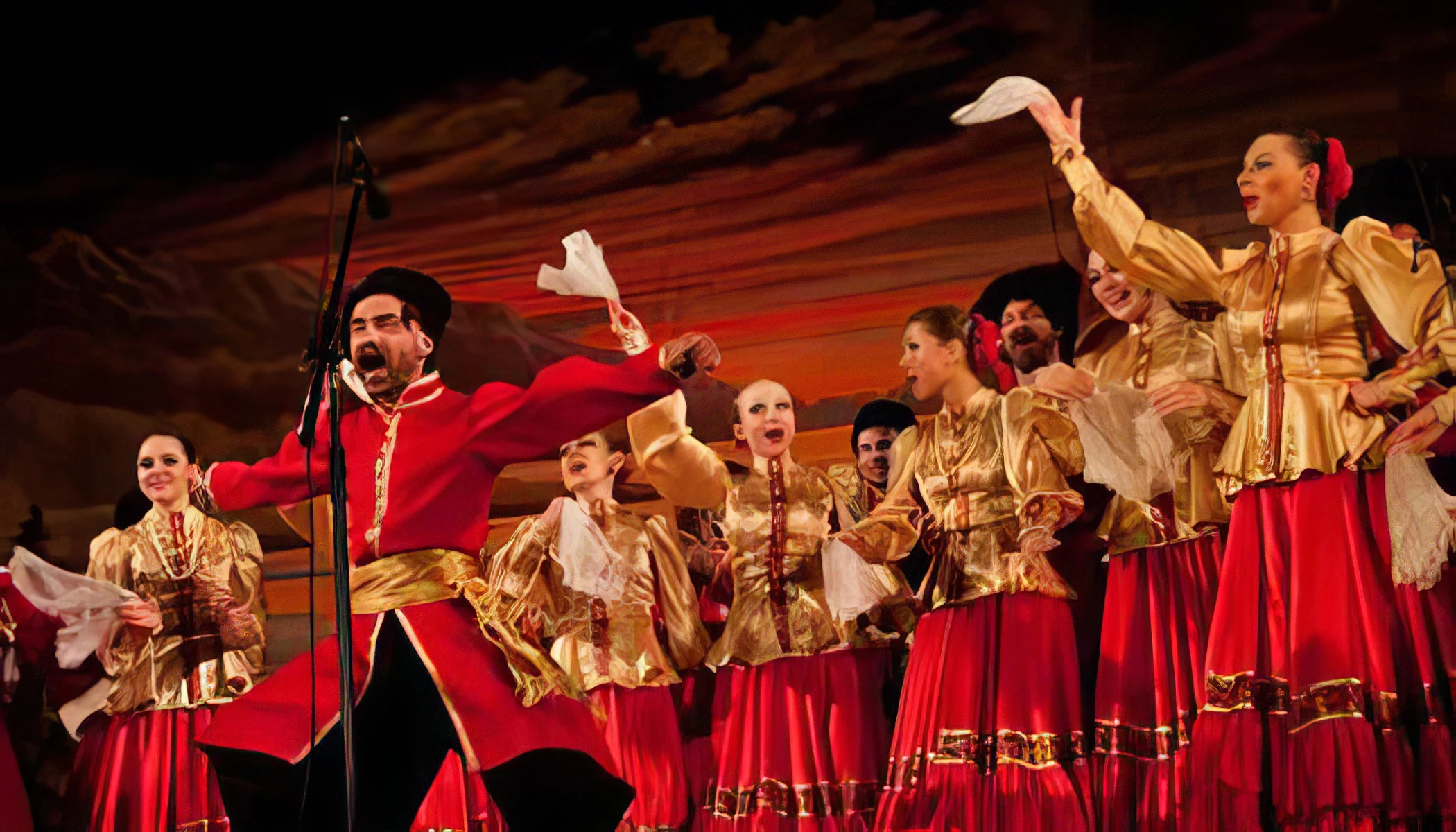
Russia is renowned for its rich cultural heritage in music and performing arts:
– Ballet at Bolshoi Theatre: Witness world-class ballet performances in Moscow, a city synonymous with this elegant dance form.
– Tchaikovsky Concert: Experience the grandeur of Russian classical music at the Tchaikovsky Concert Hall in Moscow.
– Folk Show at Nikolaevsky Palace: Enjoy traditional Russian music and dance in St. Petersburg, showcasing the country's pleasant folklore.
– Mariinsky Theatre Opera: Visit St. Petersburg's Mariinsky Theatre for an opera performance, a testament to Russia's deep-rooted operatic tradition.
– Red Army Choir: Attend a performance by the Alexandrov Ensemble in Moscow, known for their powerful renditions of Russian folk tunes and military songs.
Events & Festivals
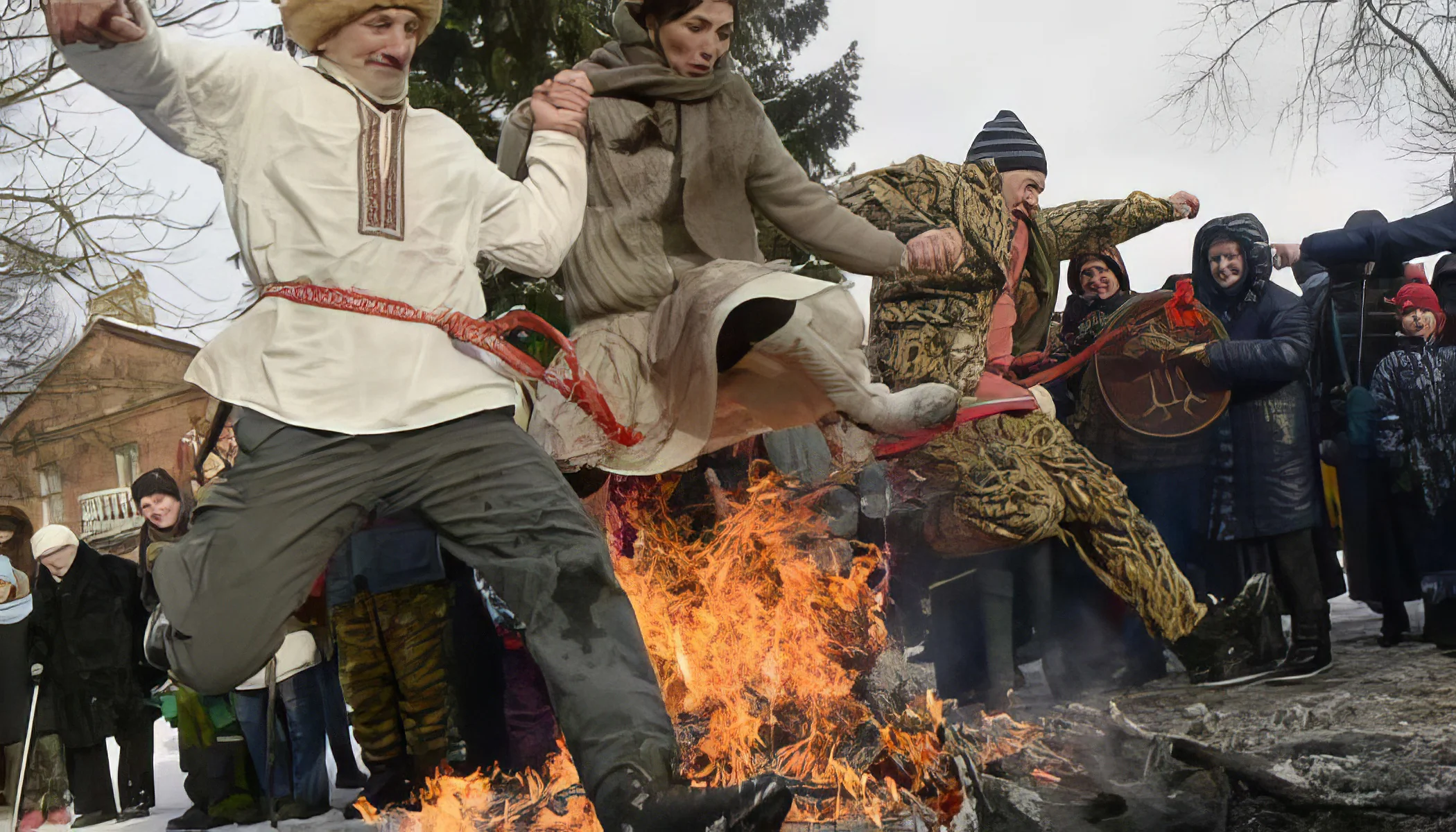
Russia, a country with a rich cultural heritage, hosts several significant events and festivals each year:
– Russian Winter Festival: Celebrated in December/January, it features ice sculptures, traditional food, and folk dances.
– Maslenitsa: A week-long festival in February/March marking the end of winter with pancakes and outdoor activities.
– Victory Day: Commemorated on May 9, it marks the end of World War II with military parades.
– White Nights Festival: A June/July event in St. Petersburg, featuring music, opera, and ballet performances.
– Tatar Sabantuy: A summer festival in June/July, showcasing Tatar traditions, music, and sports.
– Moscow City Day: Celebrated in September, it includes concerts, exhibitions, and fireworks.
– Unity Day: Observed on November 4, it marks the liberation of Moscow from Polish invaders in 1612.
Famous People
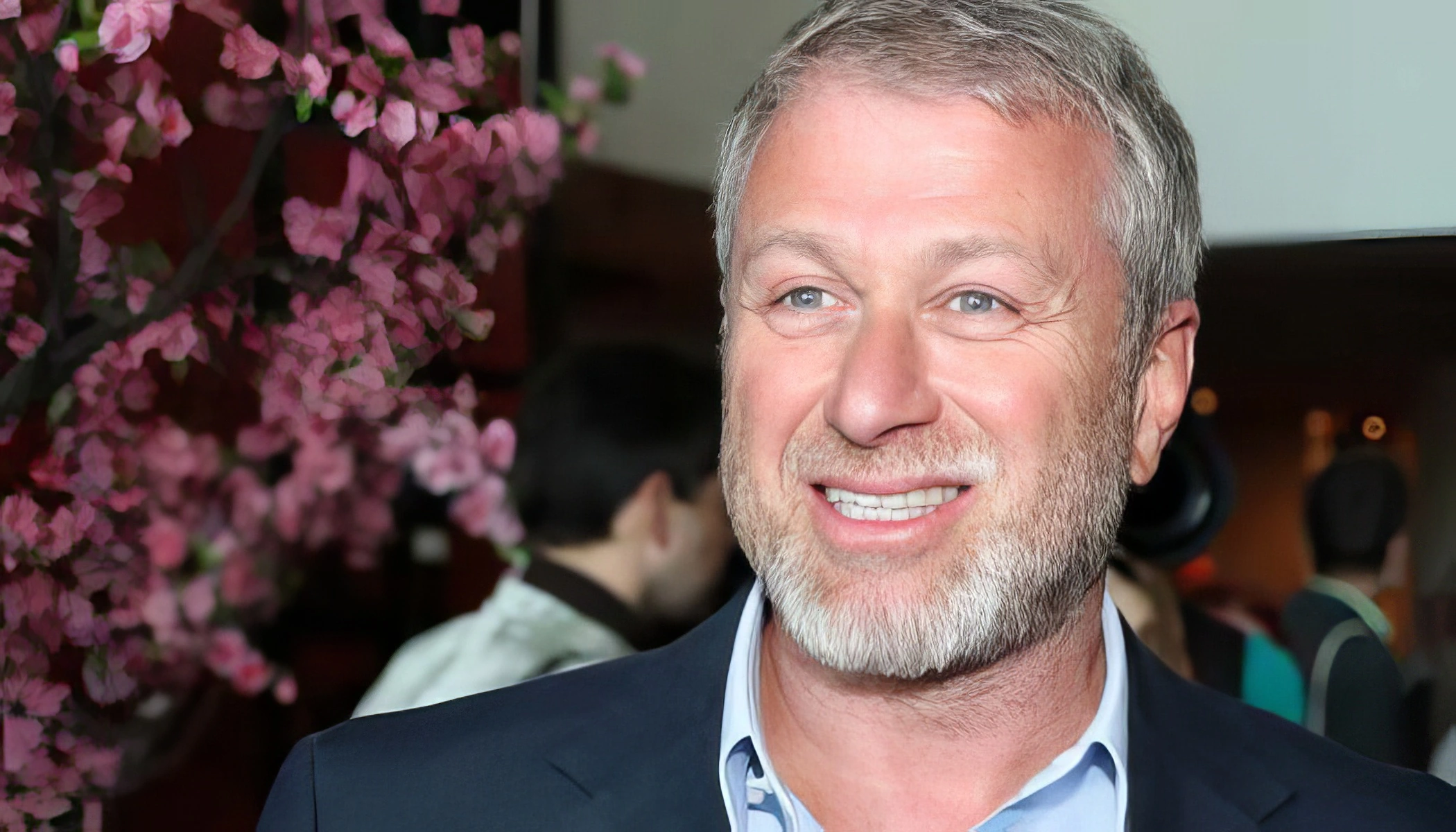
Russia has been home to many globally recognized figures in various fields, from politics to arts and science.
– Vladimir Putin (born 1952, Leningrad): Current president of Russia, known for his long-standing political career.
– Fyodor Dostoevsky (1821 to 1881, Moscow): Renowned novelist, famous for works like "Crime and Punishment."
– Leo Tolstoy (1828 to 1910, Yasnaya Polyana): Celebrated author known for "War and Peace" and "Anna Karenina."
– Sergei Eisenstein (1898 to 1948, Riga): Pioneering film director and film theorist, known for "Battleship Potemkin."
– Dmitri Mendeleev (1834 to 1907, Tobolsk): Chemist and inventor, famous for formulating the Periodic Law and creating the Periodic Table.
Books
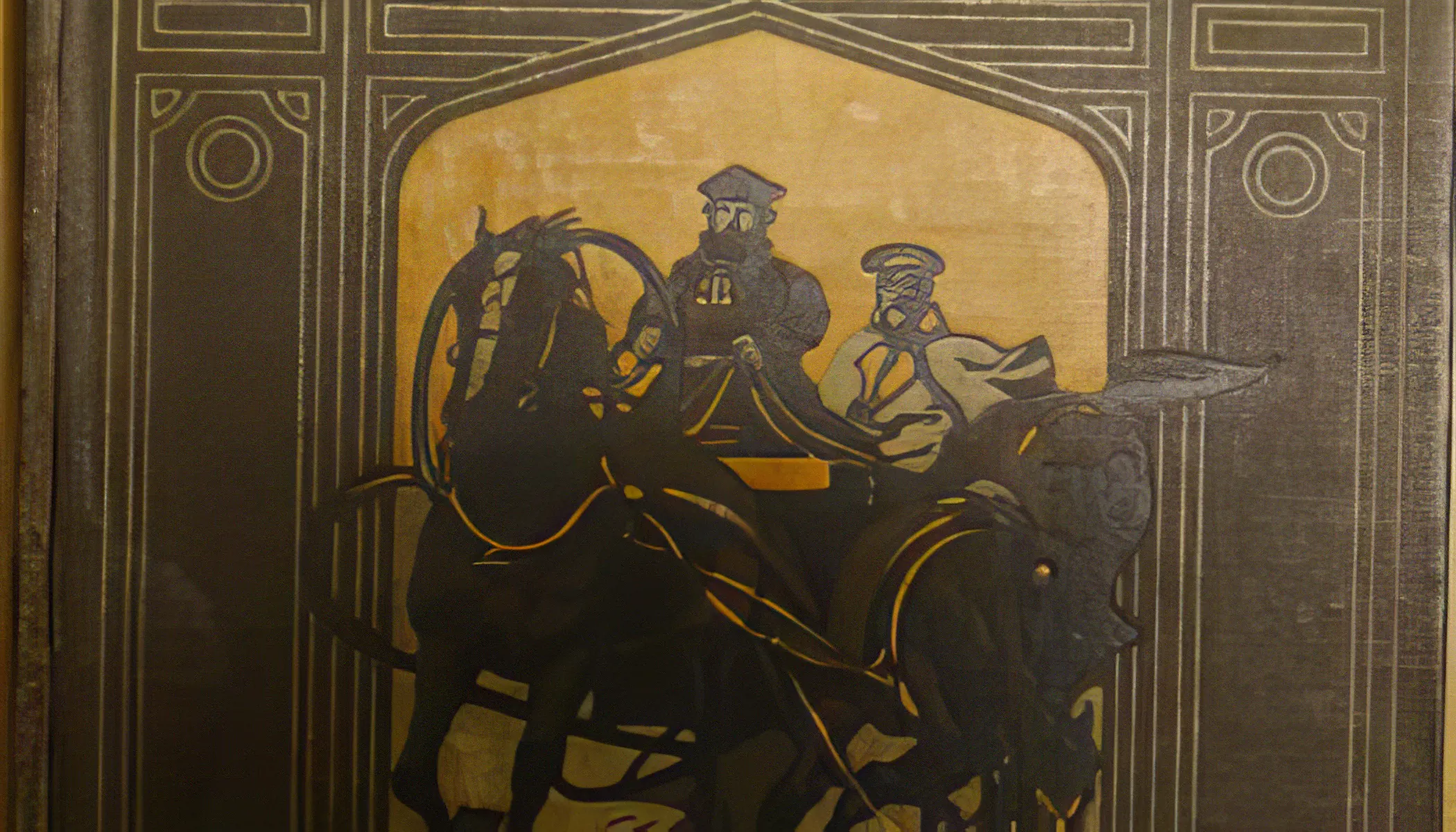
These books provide a deep dive into Russian history, culture, and society, offering readers a glimpse into the country's rich literary tradition.
– "War and Peace" by Leo Tolstoy: Epic novel depicting Russian society during the Napoleonic era.
– "Crime and Punishment" by Fyodor Dostoevsky: Psychological exploration of crime, punishment, and redemption in St. Petersburg.
– "Doctor Zhivago" by Boris Pasternak: Love and loss during the Russian Revolution and Civil War.
– "The Master and Margarita" by Mikhail Bulgakov: Satirical novel blending reality, fantasy, and political commentary in Moscow.
– "One Day in the Life of Ivan Denisovich" by Aleksandr Solzhenitsyn: Gritty depiction of a day in a Soviet labor camp.
Songs

These songs are some of the most recognized in Russia, showcasing the country's rich musical heritage and contemporary talent.
– Katyusha: A famous wartime song symbolizing the Russian spirit.
– Kalinka: Traditional Russian folk song known for its speedy tempo.
– Moscow Nights: Popular Russian song expressing love for Moscow's beauty.
– Polushko Pole: A powerful Soviet-era song often associated with the Red Army.
– Dorogoi Dlinnoyu: Known globally as "Those Were the Days," originally a Russian romance song.
– Leningrad: A modern hit by Billy Joel, reflecting on the city's history.
Films
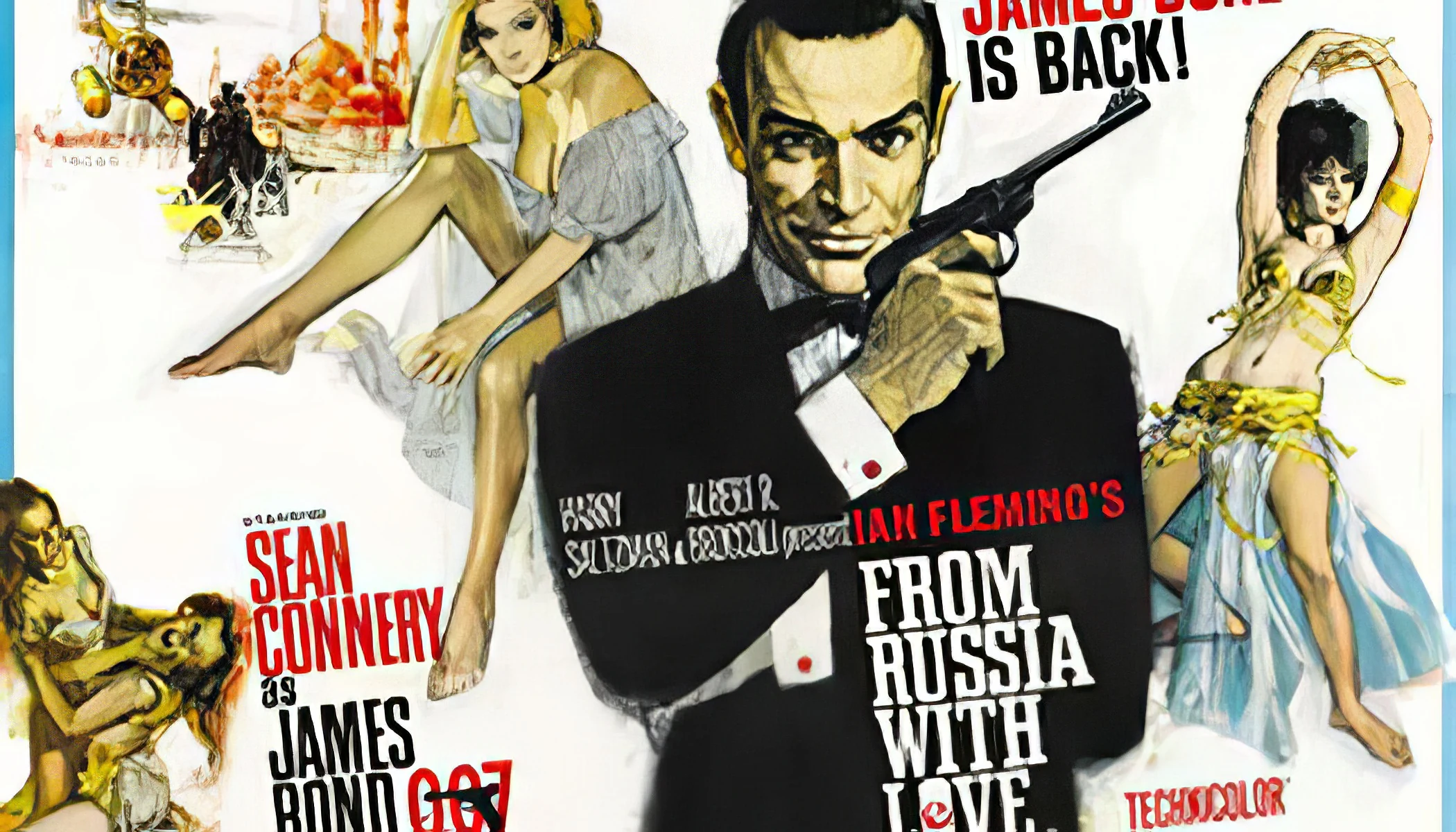
Here are some of the most renowned films that provide a glimpse into Russian culture and history:
– "Battleship Potemkin": Sergei Eisenstein's silent film is a dramatized account of a 1905 naval mutiny.
– "Solaris": Andrei Tarkovsky's sci-fi classic explores human consciousness and memory.
– "Leviathan": Andrey Zvyagintsev's film is a critique of corruption in contemporary Russia.
– "Russian Ark": Alexander Sokurov's single-shot film explores Russian history through the Hermitage Museum.
– "Stalker": Another Tarkovsky masterpiece, a philosophical journey in a post-apocalyptic landscape.