

Travel Guide to Turkey: Top Things to Do & Tips
This Eurasian country is a unique blend of Eastern and Western cultures. Known for its rich history, it boasts grand architecture, lively bazaars, and diverse landscapes. From Istanbul's busy streets to Cappadocia's fairy chimneys, it offers a wide range of experiences.
- Capital
- Ankara
- Population
- 77.9 millions
- Superficy
- 781000 sq.km
- Months to Visit
- April to June & Sept. to Nov.
- Living Cost
- Moderate
Overview
Turkey is a transcontinental country located mainly on the Anatolian Peninsula in Western Asia, with a smaller portion on the Balkan Peninsula in Southeast Europe. Its largest city, Istanbul, is known for its historic sites, including the Hagia Sophia and the Blue Mosque. The country's unique position at the crossroads of Europe and Asia has influenced its diverse culture, history, and cuisine. Turkey is also home to natural wonders like the white travertine terraces of Pamukkale and the unique rock formations of Cappadocia. The country has a mixed economy with industries ranging from automotive to textiles. Overall, Turkey offers a rich blend of ancient and modern attractions for visitors.
Pros & Cons
GOOD REASONS TO VISIT TURKEY
– Rich History: Turkey's history spans thousands of years, with Roman, Byzantine, and Ottoman influences visible in architecture and culture.
– Diverse Landscapes: From Cappadocia's fairy chimneys to Pamukkale's terraces and beautiful Mediterranean beaches, Turkey offers varied natural beauty.
– Delicious Cuisine: Turkish food, like kebabs, baklava, and Turkish tea, is flavorful and diverse, with regional specialties.
– Istanbul: This city straddles two continents and offers iconic sights like the Blue Mosque, Hagia Sophia, and the Grand Bazaar.
– Warm Hospitality: Turkish people are known for their friendliness and hospitality, making visitors feel welcome. CHALLENGES WHEN VISITING TURKEY
– Political Instability: Occasional political unrest and protests can occur, potentially affecting travel plans.
– Language Barrier: While English is spoken in tourist areas, it's less common elsewhere, which can pose communication challenges.
– Visa Requirements: Some nationalities require a visa to enter Turkey, which can be an additional travel preparation step.
Before Departure
Before setting off on your adventure to Turkey, there are several key points to consider:
– Passport: Your passport should be valid for at least 60 days beyond the duration of your stay.
– Visa: Most tourists require a visa for Turkey, which can be obtained online via the e-Visa system. The tourist visa is valid for 90 days.
– Currency: The local currency is Turkish Lira (TRY). Credit cards are widely accepted and ATMs are prevalent.
– Internet access: WiFi is widely available in hotels, restaurants, and cafes. Prepaid SIM cards for data are also easily accessible.
– Language barrier: The official language is Turkish. English is not widely spoken outside of major cities and tourist areas, so learning basic Turkish phrases can be helpful.
What to Pack
Traveling to Turkey requires thoughtful packing to accommodate its diverse climate, cultural norms, and various activities.
– Essentials: Passport and visa (if required), travel insurance details, flight tickets and itinerary, accommodation reservations.
– Clothing: Comfortable walking shoes, modest clothing for visiting religious sites, swimwear (for beach resorts), hat and sunglasses for sun protection, jacket or sweater for cooler evenings.
– Health and Safety: Prescription medications and a basic first aid kit, sunscreen with high SPF, personal hygiene items.
– Electronics: Travel adapter for Turkish outlets, mobile phone, camera, portable charger.
Weather
Turkey experiences diverse weather patterns due to its varied topography:
– Winter (December to February): Cold and snowy, especially in the interior and eastern regions.
– Spring (March to May): Mild temperatures with occasional rain showers across the country.
– Summer (June to August): Hot and dry, particularly in the central and southern regions.
– Autumn (September to November): Pleasant temperatures with occasional rainfall. The best time to visit Turkey is during Spring (April to June) and Autumn (September to November). Reasons include:
– Mild weather and less crowded tourist spots.
– Ideal for sightseeing and outdoor activities. However, these periods also coincide with the peak tourist season, leading to potential increases in prices and crowded attractions.
Travel Budget
Turkey offers a range of prices for tourists, depending on the region and the level of luxury. Here are some average costs:
– Hotel: 30$ to 150$
– Lunch: 5$ to 20$
– Beverage (in bar/restaurant): 2$ to 10$
– Coffee: 1$ to 3$
– Transportation: (train 10$ to 30$), (bus 2$ to 10$), (taxi /10km 5$ to 15$)
– Mobile data (per GB): 2$ to 5$
Language
Turkish is the official language of Turkey and is relatively easy to pronounce for English speakers. Here are some useful phrases for tourists:
– Hello: Merhaba
– Thank you: Teşekkür ederim
– Please: Lütfen
– How much is this?: Bu ne kadar?
– Excuse me: Affedersiniz
– I don't understand: Anlamıyorum
– Yes: Evet
– No: Hayır
– Goodbye: Hoşça kal
History
Turkey's history spans thousands of years, with the region being home to ancient civilizations like the Hittites, Greeks, and Romans. It became part of the Byzantine Empire, with Constantinople (now Istanbul) as its capital, until the 15th century when the Ottoman Turks took control. The Ottoman Empire expanded across three continents but began to decline in the 17th century, culminating in defeat in World War I. The empire was partitioned by the Allies, leading to the Turkish War of Independence under Mustafa Kemal Atatürk. In 1923, the Republic of Turkey was established with Atatürk as its first president, introducing a series of reforms to modernize and secularize the country. Turkey has since evolved into a democratic, albeit politically complex, nation with a strong economy.
Geopolitics
Turkey is a transcontinental country located mainly on the Anatolian Peninsula in Western Asia, with a smaller portion on the Balkan Peninsula in Southeast Europe. It shares borders with eight countries and is surrounded by sea on three sides. Turkey's geopolitical significance is largely due to its strategic location, bridging Europe and Asia, and its proximity to several geopolitical hotspots, including the Middle East and the Caucasus. It is a member of NATO and a candidate for EU membership, but negotiations have been stalled for years. Turkey's relations with its neighbors and allies are complex and often strained, due to issues such as the Cyprus dispute, disagreements over the Syrian conflict, and tensions in the Eastern Mediterranean over energy resources. Its foreign policy is characterized by a balance between Western alignment, regional power ambitions, and increasingly independent action.
Sample Itinerary
This tour offers a blend of Istanbul's historic sites, Cappadocia's unique landscapes, Pamukkale's thermal waters, and Ephesus's ancient ruins.
– 3 days in Istanbul: Visit the Hagia Sophia, Blue Mosque, Topkapi Palace, and Grand Bazaar. Enjoy a Bosphorus cruise and taste local cuisine.
– 2 days in Cappadocia: Explore fairy chimneys, underground cities, and rock formations. Optional hot air balloon ride for sunrise views.
– 1 day in Pamukkale: Experience the thermal waters and white terraces. Visit the ancient city of Hierapolis.
– 1 day in Ephesus: Tour the ancient city, including the Library of Celsus, Temple of Artemis, and the Great Theatre. Visit the House of Virgin Mary.
Popular cities
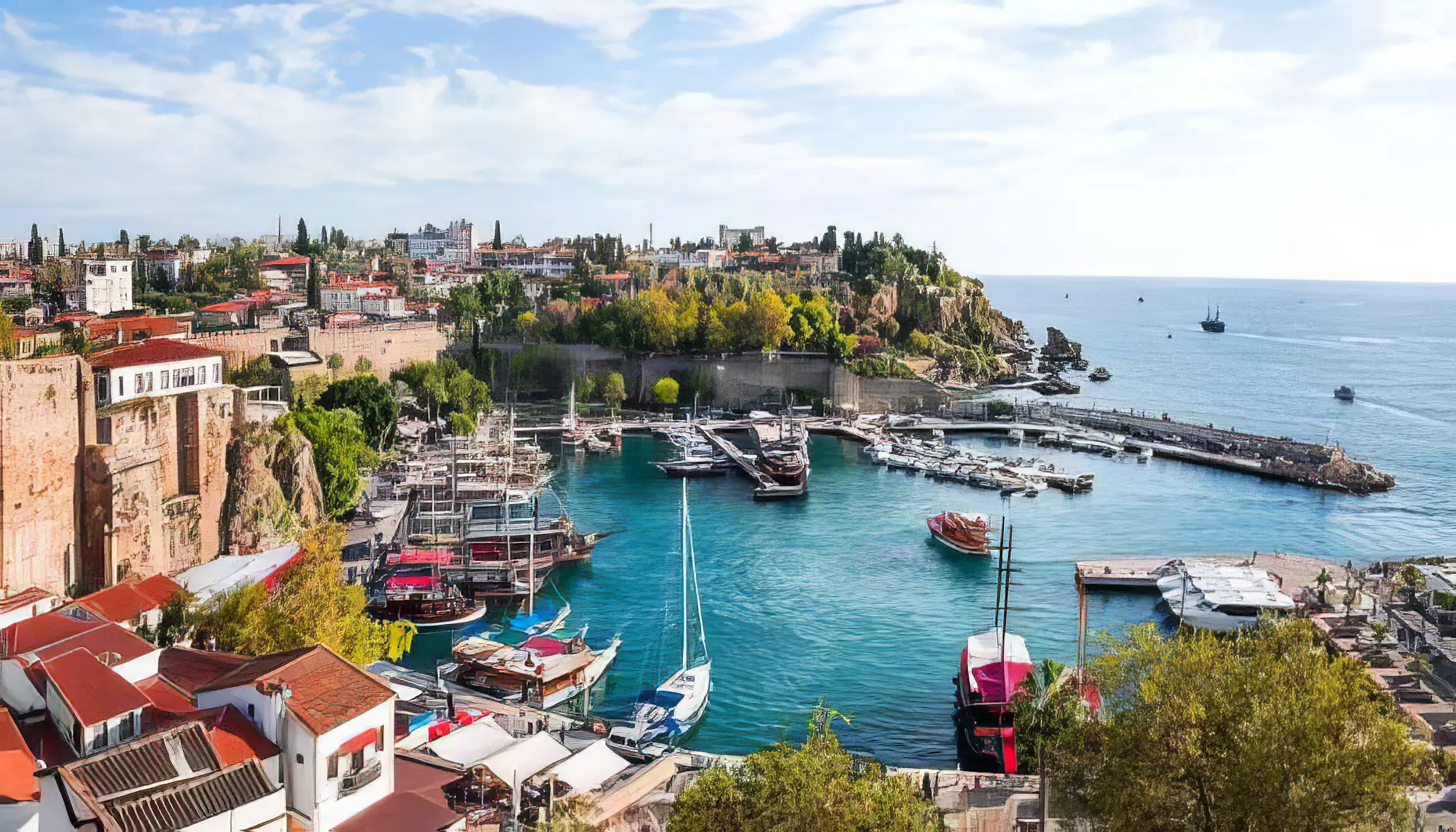
Turkey offers a rich tapestry of history, culture, and natural beauty. Here are the top cities to visit:
– Istanbul: The largest city in Turkey, known for its historic sites like the Hagia Sophia and the Blue Mosque.
– Ankara: The capital city, home to important government buildings and museums.
– Antalya: A resort city known for its old harbor, beautiful beaches, and the Roman-era Hadrian’s Gate.
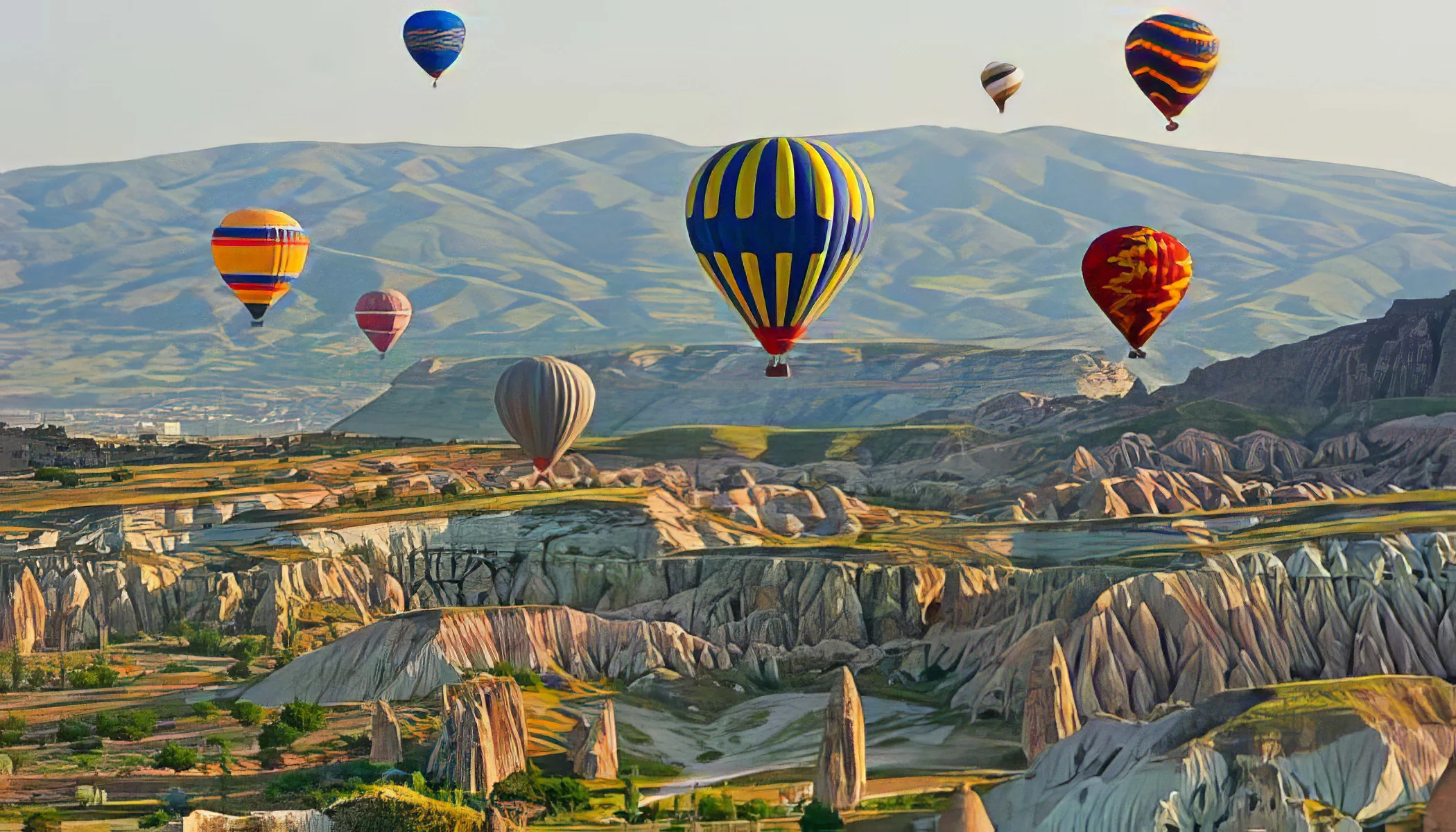
– Cappadocia: Famous for its unique rock formations, underground cities, and hot air balloon rides.
– Izmir: A city on the Aegean coast, known for its seafront promenade and ancient Agora.
– Bursa: Known for its historic markets, thermal baths, and the Grand Mosque.
– Ephesus: An ancient city, home to the Temple of Artemis, one of the Seven Wonders of the Ancient World.
Monuments
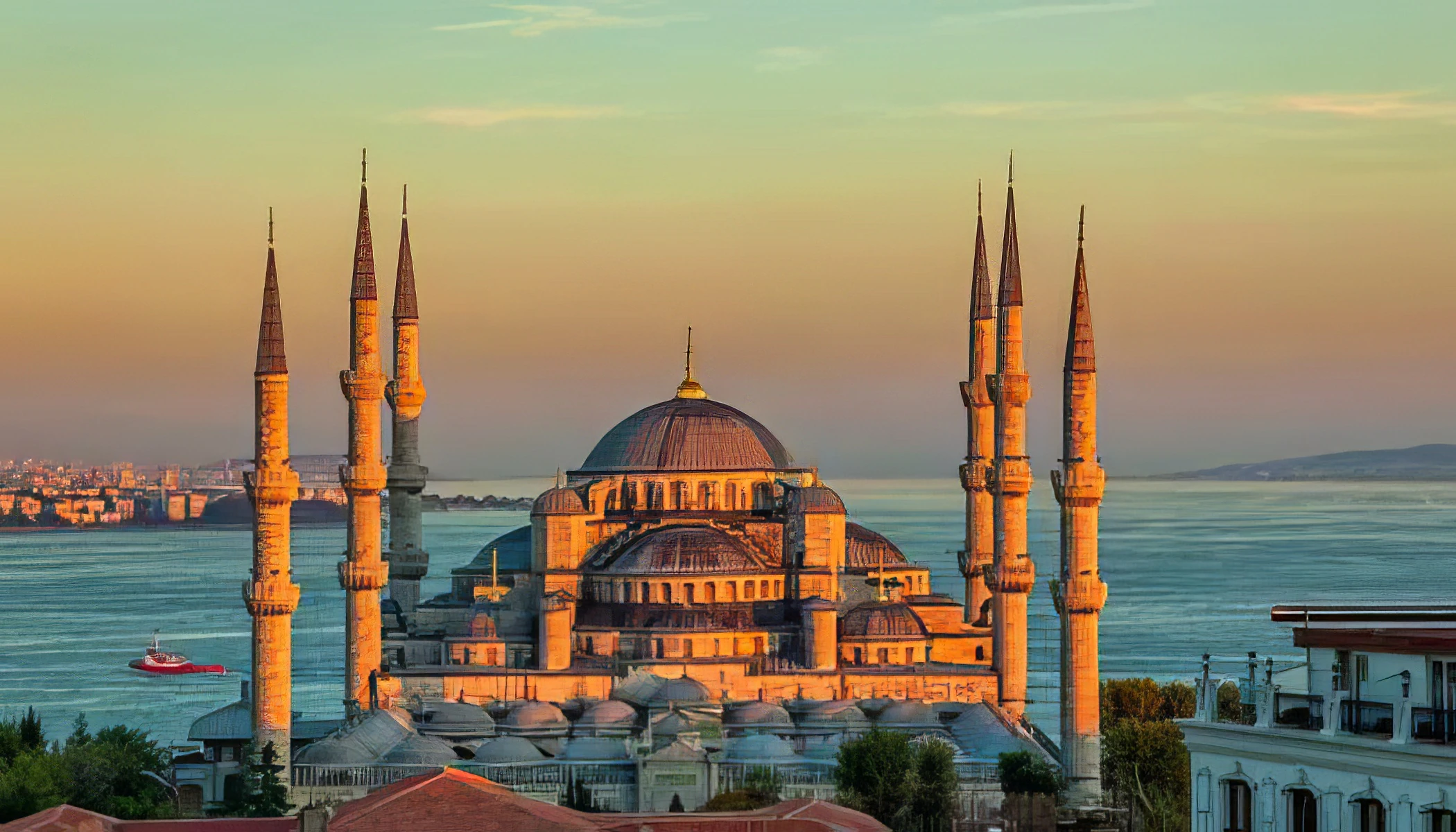
Turkey is home to numerous historical monuments and architectural wonders:
– Hagia Sophia, Istanbul: Once a church, then a mosque, now a museum showcasing Byzantine architecture.
– Topkapi Palace, Istanbul: Former residence of Ottoman sultans, now a museum with extensive collections.
– Ephesus, Selçuk: Ancient Greek city with well-preserved ruins including the Library of Celsus.
– Cappadocia: Unique landscape with fairy chimneys, ancient cave dwellings, and underground cities.
– Pamukkale, Denizli: Natural site with terraces of carbonate minerals left by flowing water.
– Blue Mosque, Istanbul: Historic mosque known for its blue Iznik tiles and six minarets.
– Mount Nemrut, Adiyaman: UNESCO site with giant stone heads from the kingdom of Commagene.
– Troy, Çanakkale: Archaeological site of the ancient city mentioned in Homer's Iliad.
Natural wonder
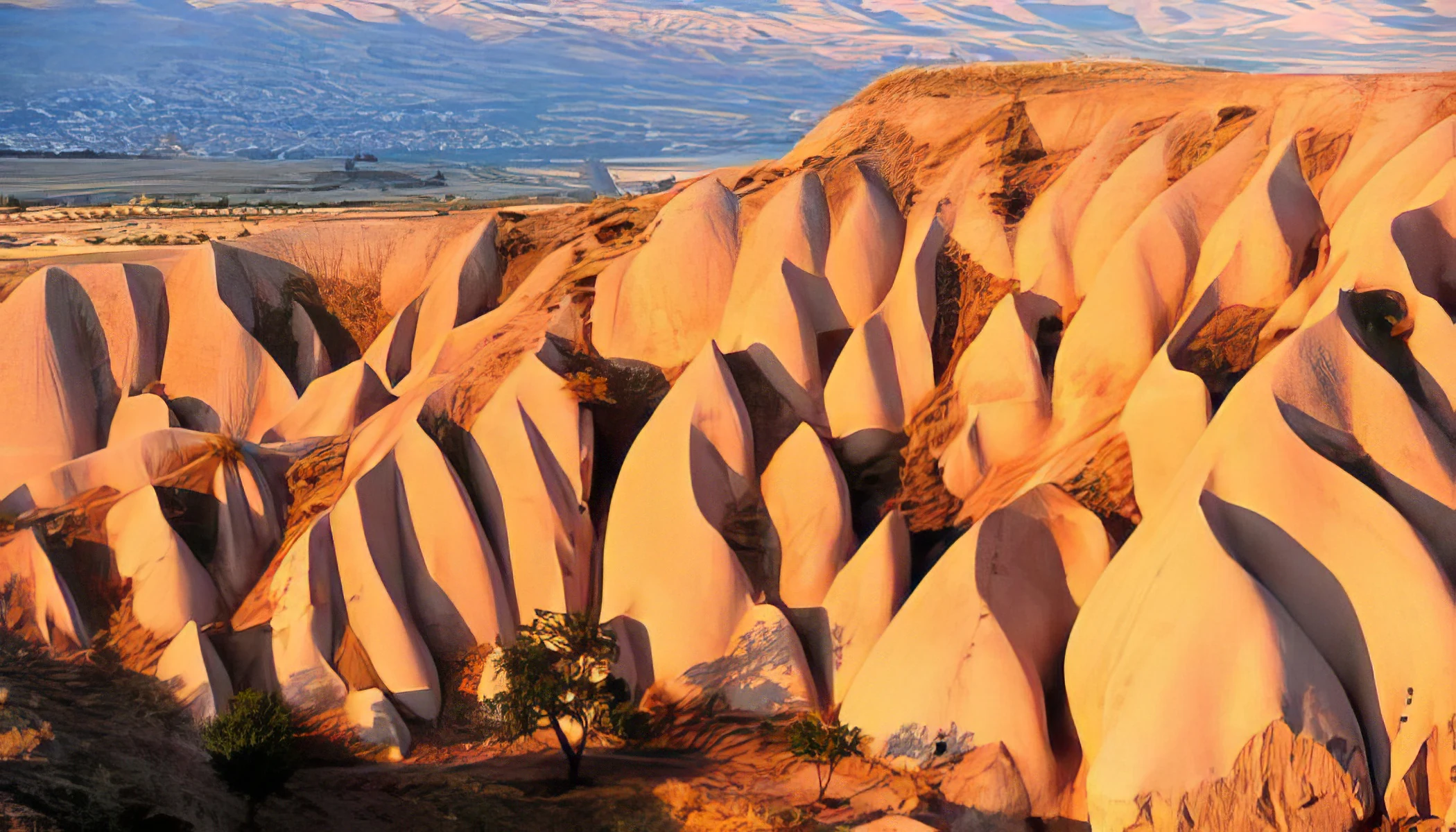
Explore the diverse natural beauty of Turkey:
– Pamukkale: Known for its terraces of carbonate minerals left by flowing water.
– Cappadocia: Unique geological formations, including fairy chimneys and cave dwellings.
– Mount Ararat: Turkey's highest peak, associated with the legend of Noah's Ark.
– Lake Van: The largest lake in Turkey, surrounded by mountains.
– Oludeniz Blue Lagoon: A lovely natural reserve known for its turquoise waters.
– Mount Nemrut: Known for its summit where large statues are erected around a royal tomb.
– Saklikent Gorge: One of the deepest canyons in the world, offering cool retreats in summer.
– Butterfly Valley: A nature reserve home to diverse butterfly species.
– Dilek Peninsula National Park: Offers a variety of ecosystems, from Mediterranean beaches to dense forests.
– Kackar Mountains: Known for their alpine meadows, wildlife, and hiking trails.
Beaches
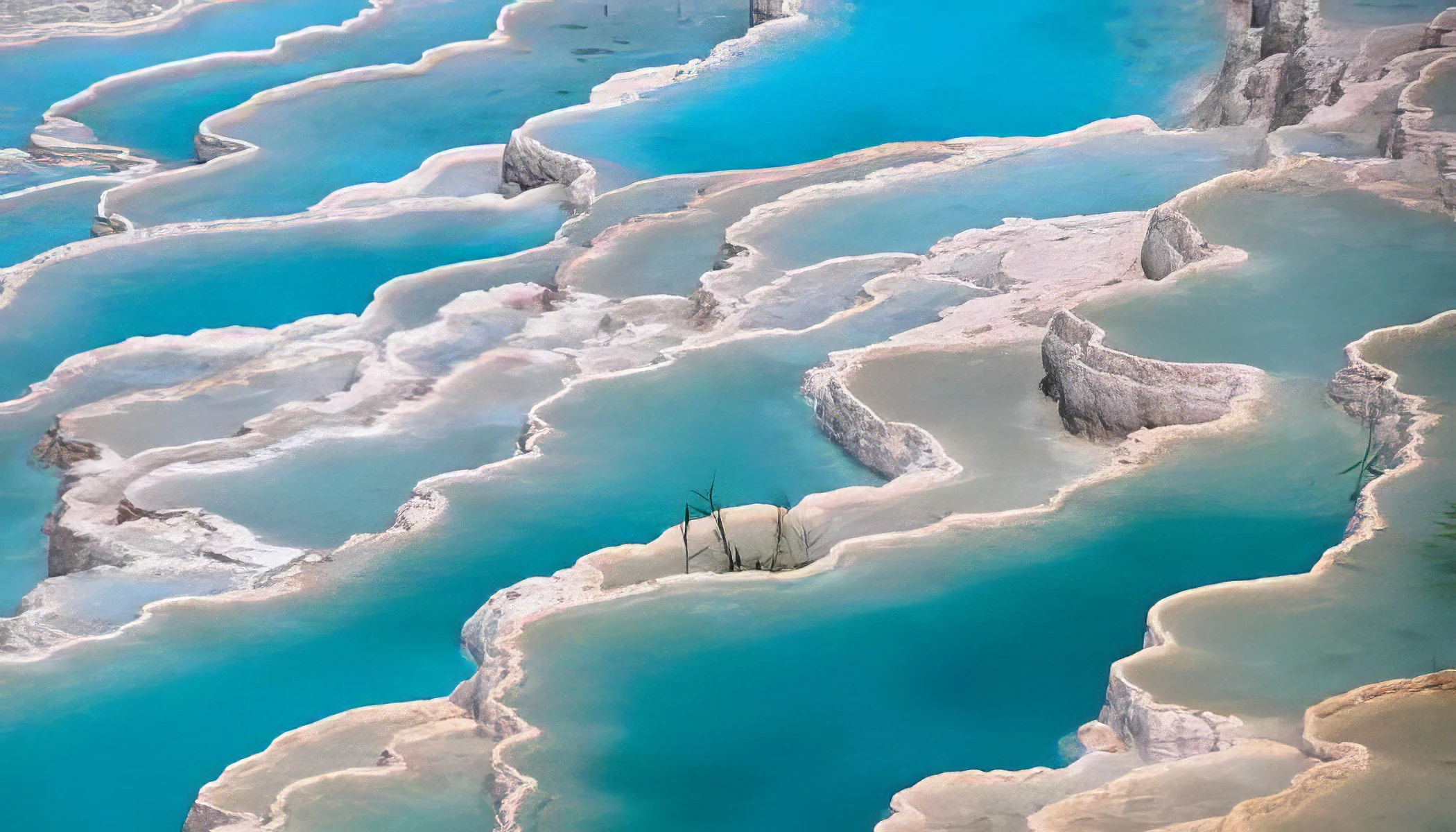
Here are some of the most visited beaches in Turkey:
– Patara Beach: Known for its long sandy beach and ancient ruins in Antalya.
– Oludeniz Beach: Famous for its blue lagoon and paragliding in Fethiye.
– Iztuzu Beach: Notable for its unique geography and sea turtle nesting grounds in Dalyan.
– Kaputas Beach: A small, charming beach located between Kas and Kalkan.
– Cleopatra Beach: Known for its fine sand and clear waters in Alanya.
– Lara Beach: Popular for its golden sand, clear waters, and luxury resorts in Antalya.
– Konyaalti Beach: A pebble beach with a view of the Taurus Mountains in Antalya.
Outdoor activities
Turkey offers a variety of outdoor experiences that cater to different types of adventurers:
– Hot Air Ballooning in Cappadocia: Float above unique rock formations and fairy chimneys.
– Trekking in Mount Ararat: Climb Turkey's highest peak for a challenging adventure.
– Paragliding in Oludeniz: Soar over the beautiful blue lagoon and white sandy beaches.
– Sailing in Aegean Sea: Experience the clear waters and beautiful islands on a yacht.
– Exploring Pamukkale's Thermal Pools: Walk through terraces of carbonate minerals left by flowing water.
– Diving in Kas: Explore underwater caves and wrecks in the clear Mediterranean waters.
– Hiking in Lycian Way: Discover ancient ruins and spectacular coastal views along the trail.
Kid Friendly
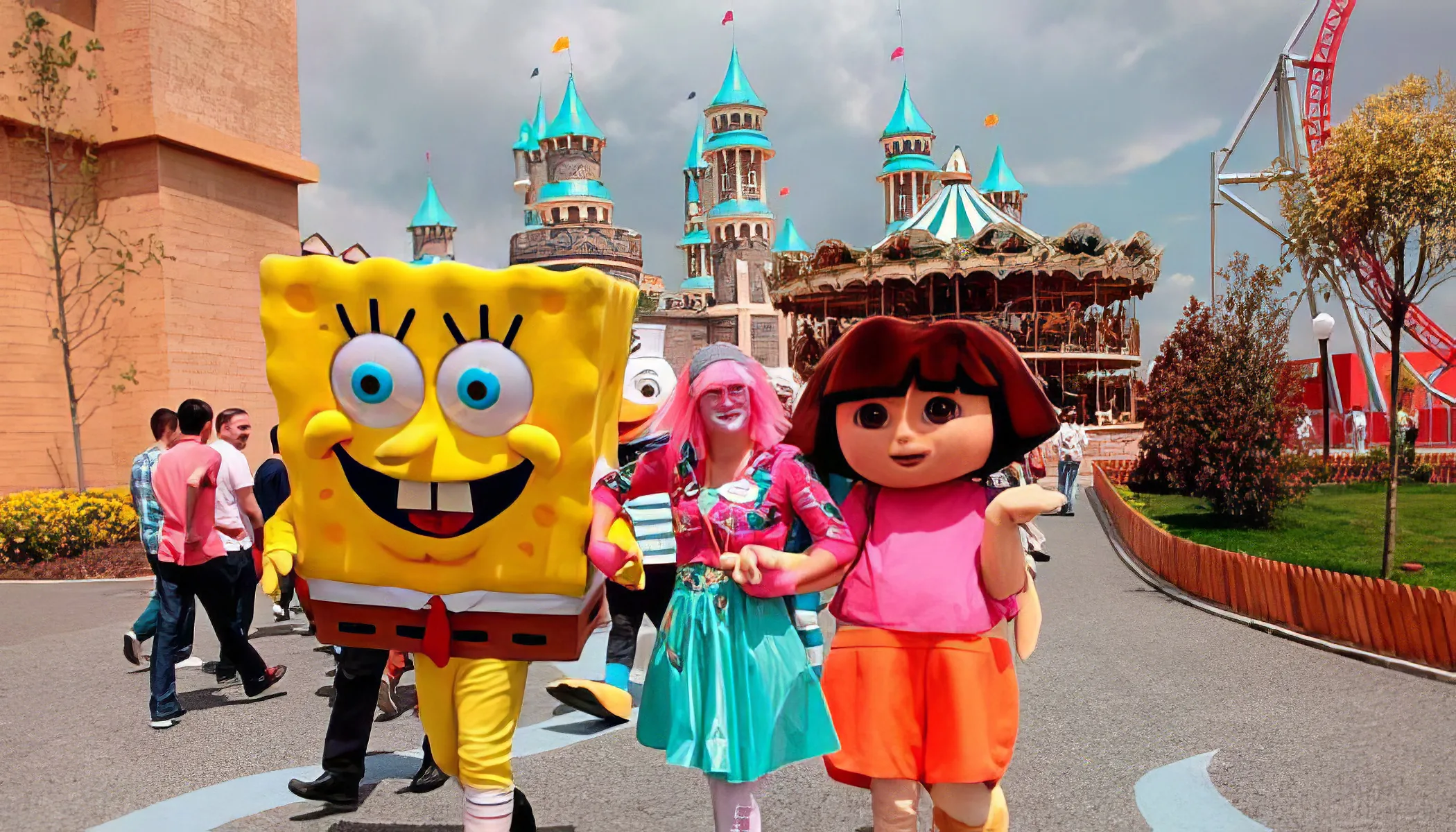
Turkey offers a variety of activities that are perfect for children:
– Troy Wooden Horse: A large wooden horse structure in Canakkale, inspired by the famous Trojan War.
– Aqua Vega Aquarium: One of the largest aquariums in Europe, located in Ankara.
– Miniaturk: A park in Istanbul featuring miniature models of famous Turkish landmarks.
– Butterfly Valley: A beautiful natural reserve in Fethiye, home to diverse butterfly species.
– Istanbul Toy Museum: A museum showcasing a wide range of toys from different periods and countries.
– Pamukkale Thermal Pools: Natural thermal pools in Denizli, a fun and unique swimming experience.
– Dinopark Antalya: A dinosaur-themed park with life-sized models, perfect for young dinosaur enthusiasts.
– The Land of Legends Theme Park: A large theme park in Antalya with various rides and attractions.
Cuisine
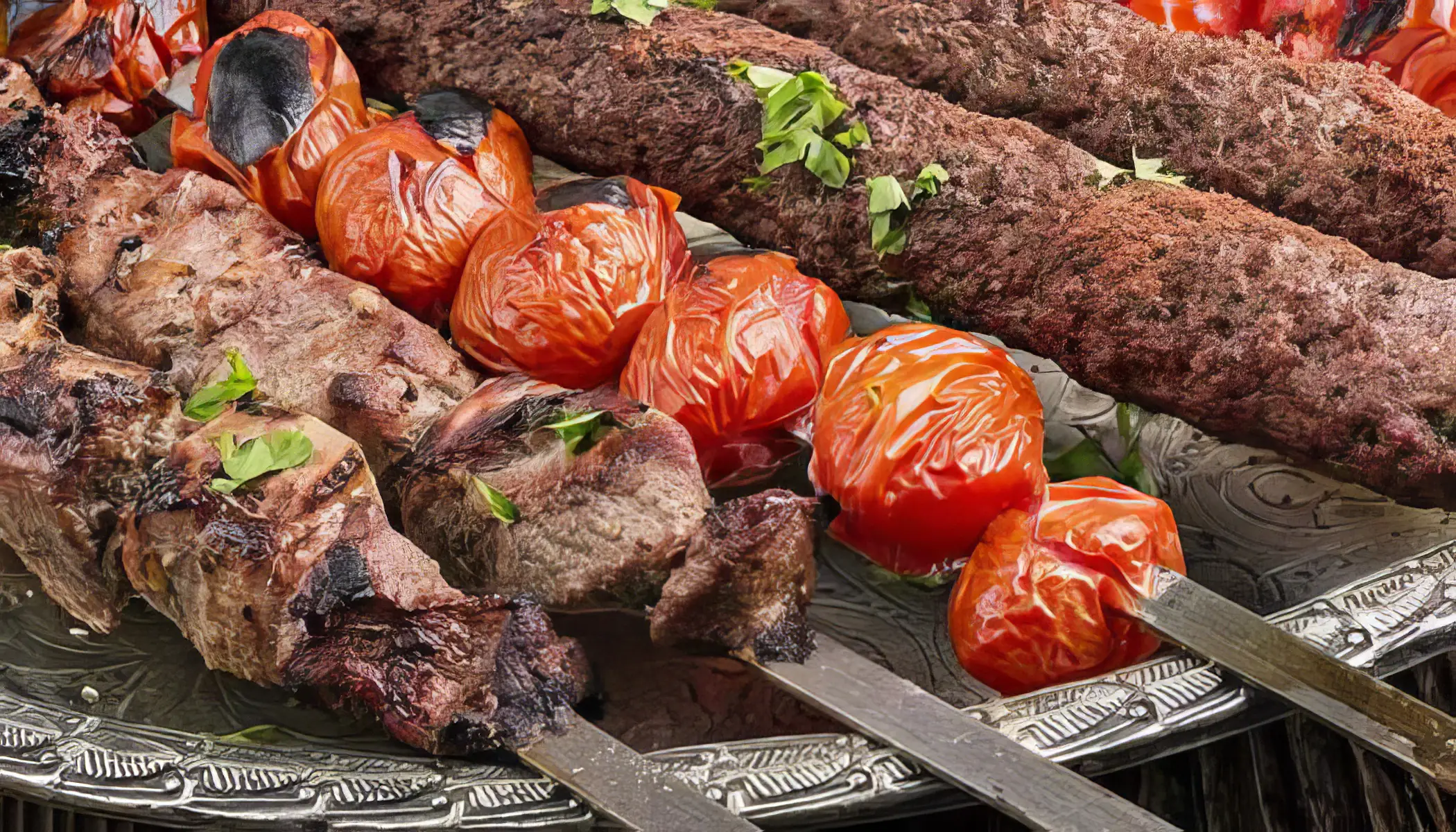
Turkish cuisine is a rich fusion of Central Asian, Middle Eastern, Mediterranean, and Balkan influences. It's known for its diverse range of flavors, fresh ingredients, and hearty dishes. Street food and traditional restaurants offer a wide variety of options.
– Kebab: Grilled meat on skewers, often served with rice and vegetables.
– Baklava: Sweet pastry made of layers of filo filled with chopped nuts and sweetened with syrup or honey.
– Manti: Turkish dumplings typically filled with ground meat, served with yogurt and spices.
– Dolma: Stuffed vegetables, often peppers or vine leaves, with rice and sometimes meat.
– Lokum: Also known as Turkish Delight, a sweet confectionery gel often flavored with rosewater, lemon, or mint.
Souvenir
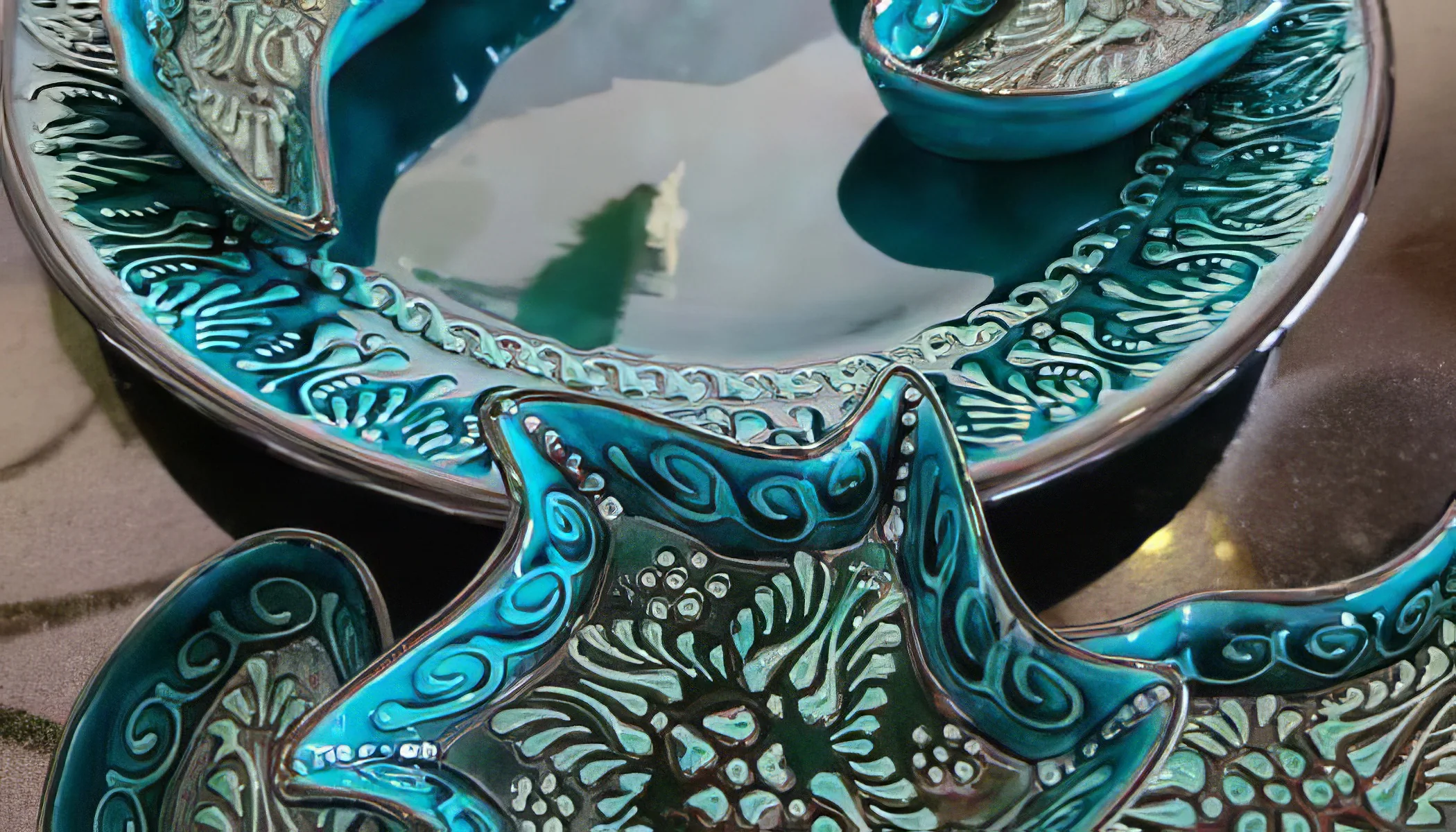
Turkey is a country rich in history and culture, and this is reflected in its wide range of unique souvenirs. Here are some items you might want to consider:
– Turkish Carpets: Known for their sophisticated designs and quality, Turkish carpets are a popular souvenir.
– Turkish Delight: This sweet treat is a traditional Turkish confectionery often packaged in decorative boxes.
– Evil Eye Amulets: These blue glass amulets are believed to ward off evil and bring good luck.
– Turkish Tea and Coffee: Turkey is famous for its tea and coffee, and they make a great souvenir.
– Ceramics: Hand-painted Turkish ceramics, often in blue and white, are a popular choice.
– Turkish Spices: Turkey is known for its spices, and a selection of these can make a great souvenir.
– Turkish Towels: Known as peshtemals, these towels are lightweight, absorbent, and quick-drying.
Traditional Shows
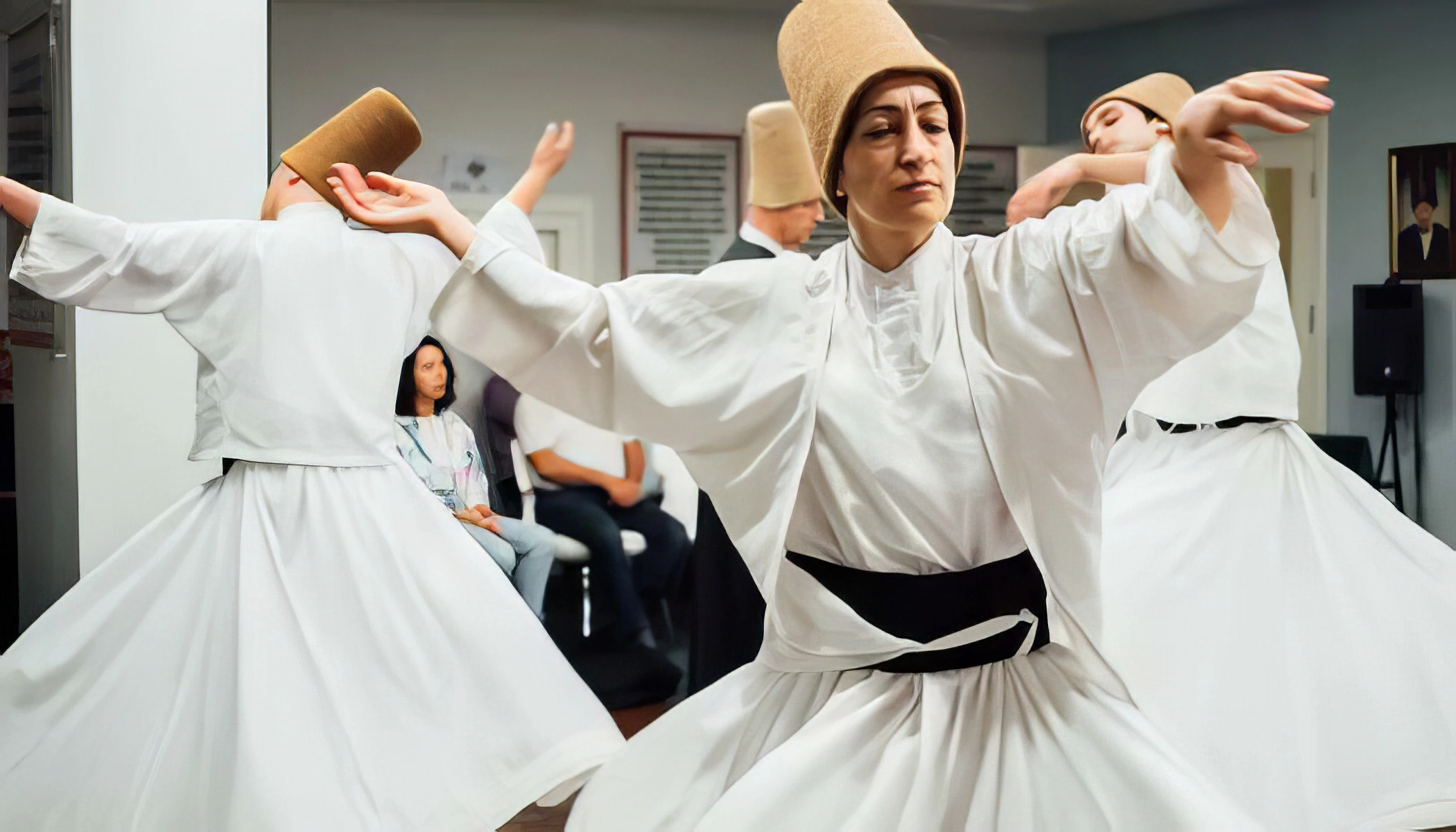
Turkey is rich in traditional performances that reflect its vibrant culture:
– Whirling Dervishes: Witness the spiritual Sufi ritual of whirling dervishes in Konya, a mesmerizing dance of devotion.
– Turkish Folk Dance: Experience the diversity of Turkish culture through folk dances, each region offering unique performances.
– Ottoman Military Band: Listen to the Mehter Band in Istanbul, the world's oldest military band, playing Ottoman martial tunes.
– Karagöz and Hacivat: Enjoy this traditional shadow puppet show, a humorous dialogue between two main characters, commonly performed in Bursa.
– Turkish Classical Music: Attend a concert in Istanbul to appreciate the complex melodies and rhythms of this centuries-old music tradition.
Events & Festivals
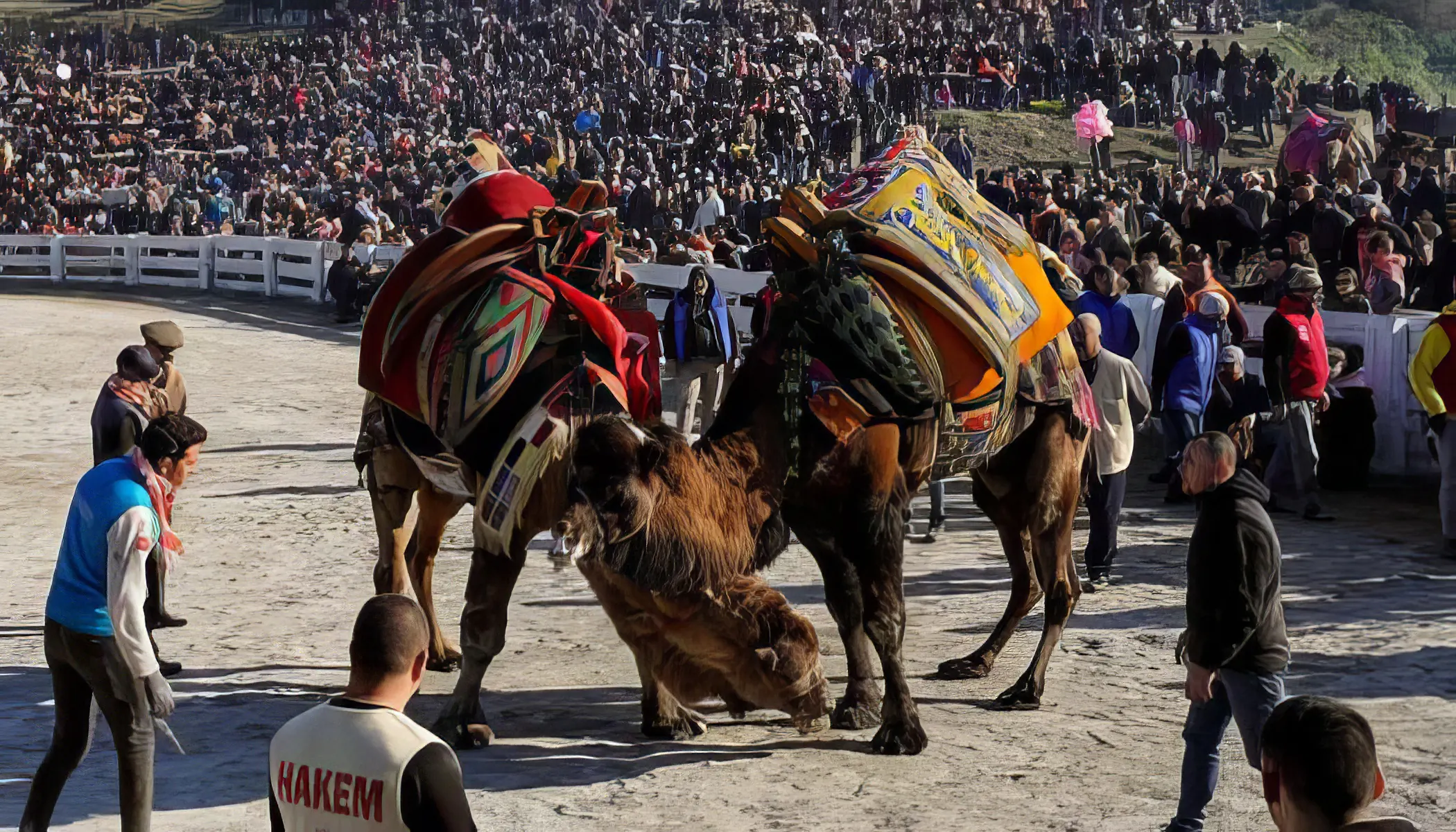
Turkey is a remarkable country with a rich cultural heritage, reflected in its numerous annual events and festivals:
– Camel Wrestling Festival: A traditional event in January where camels wrestle in Aegean region.
– Istanbul Film Festival: A major international film festival held in April.
– Hidirellez Festival: Celebrated in May, marking the arrival of spring and celebrated with music and dance.
– Kadir Gecesi: A religious event in May, marking the revelation of Quran to Prophet Muhammad.
– Istanbul Jazz Festival: A July event featuring local and international jazz artists.
– Republic Day: Celebrated on October 29, marking the creation of the Turkish Republic.
– Mevlana Whirling Dervishes: December festival in Konya, featuring the spiritual dance of the Whirling Dervishes.
Famous People

Turkey has been home to many influential figures who have made significant contributions in various fields.
– Mustafa Kemal Ataturk (1881 to 1938, Thessaloniki): Founder and first President of the Republic of Turkey.
– Rumi (1207 to 1273, Balkh): Renowned poet and theologian, founder of the Mevlevi Order, known for his Persian poetry.
– Orhan Pamuk (born 1952, Istanbul): Nobel laureate in Literature, known for novels like "My Name is Red."
– Hurrem Sultan (1502 to 1558, Ruthenia): Influential wife of Sultan Suleiman the Magnificent, known for her political acumen.
– Nuri Bilge Ceylan (born 1959, Istanbul): Internationally acclaimed film director, known for "Winter Sleep."
Books
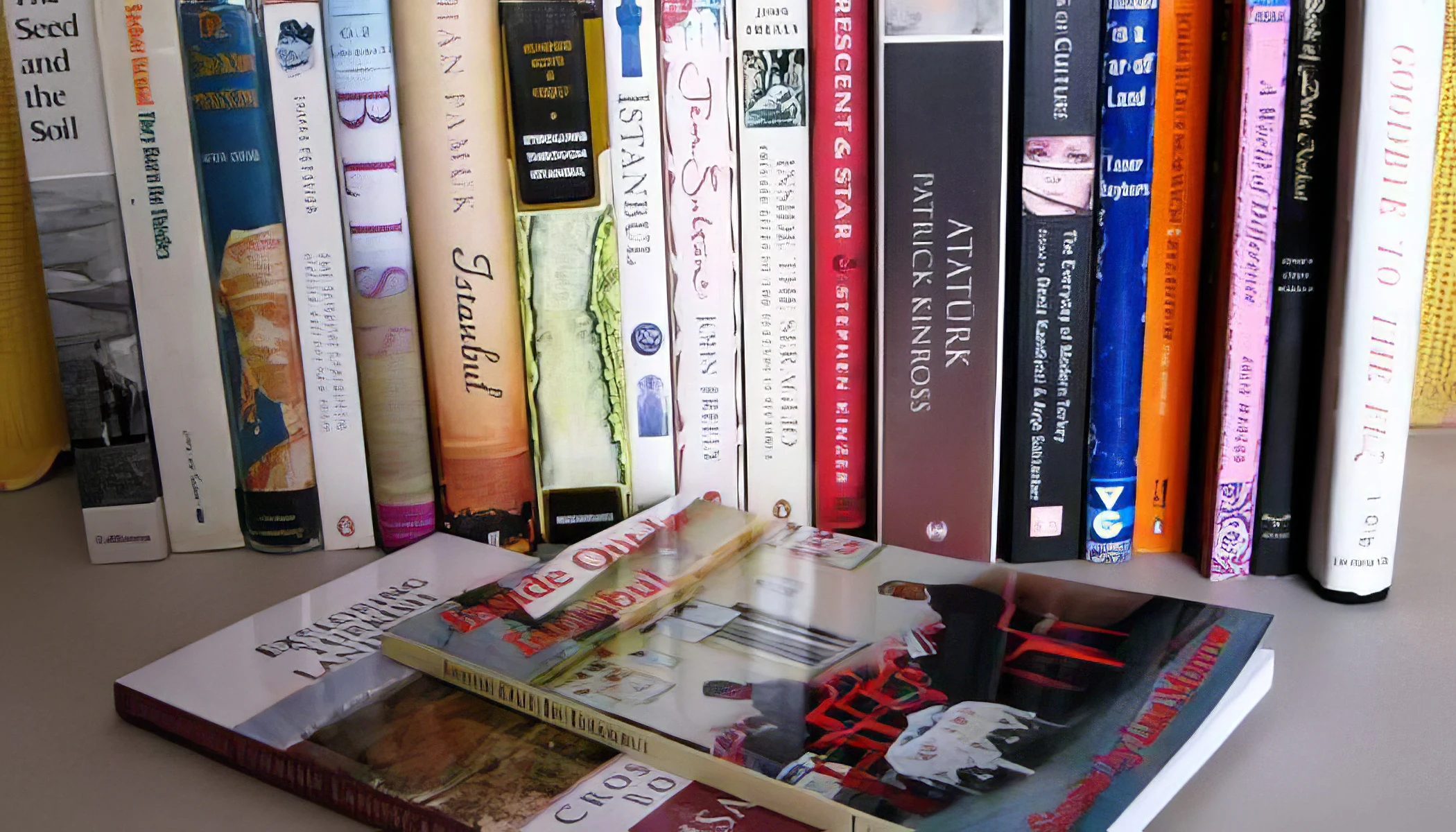
These books provide a rich exploration of Turkish history, culture, and society, offering readers a deeper understanding of the country.
– "My Name is Red" by Orhan Pamuk: A historical novel set in late 16th-century Istanbul.
– "Birds Without Wings" by Louis de Bernières: Depicts the impact of the collapse of the Ottoman Empire on a small town.
– "Snow" by Orhan Pamuk: Explores political and cultural tensions in modern Turkey.
– "The Bastard of Istanbul" by Elif Shafak: A family saga that delves into Turkish and Armenian history.
– "Istanbul: Memories and the City" by Orhan Pamuk: A memoir that captures the essence of Istanbul.
Songs
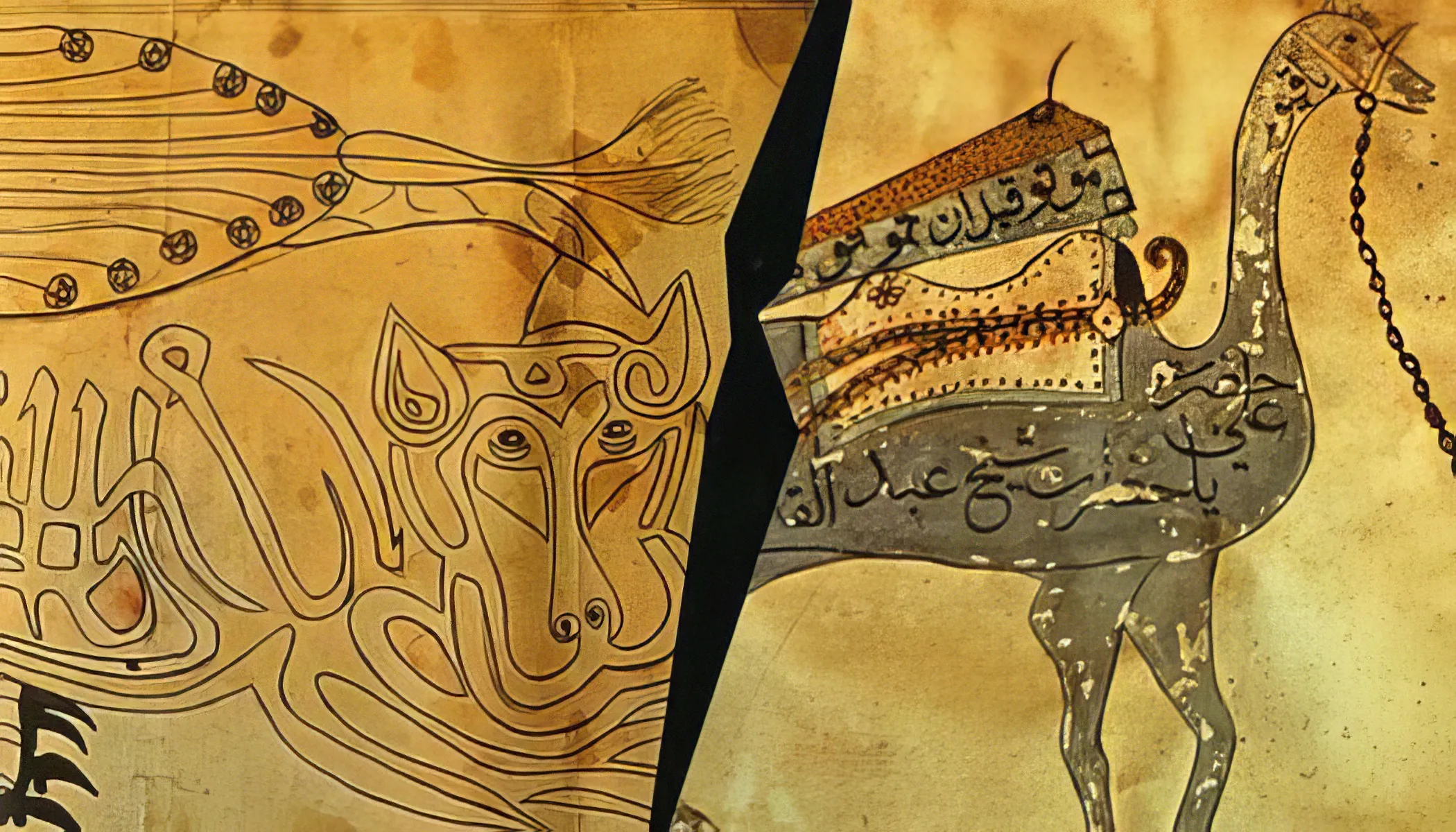
These songs are some of the most popular and influential in Turkish music, spanning genres from pop to folk and beyond.
– Simarik: Tarkan's pop hit known for its catchy "kiss" sound.
– Sevda Cicegi: A classic Turkish folk song by Barış Manço.
– Dönence: A progressive rock song by Barış Manço, loved by many.
– Sarı Gelin: Traditional folk song, often played at Turkish weddings.
– Firuze: A popular song by Sezen Aksu, the queen of Turkish pop.
– Şımarık: Another hit by Tarkan, known for its distinctive whistle.
Films
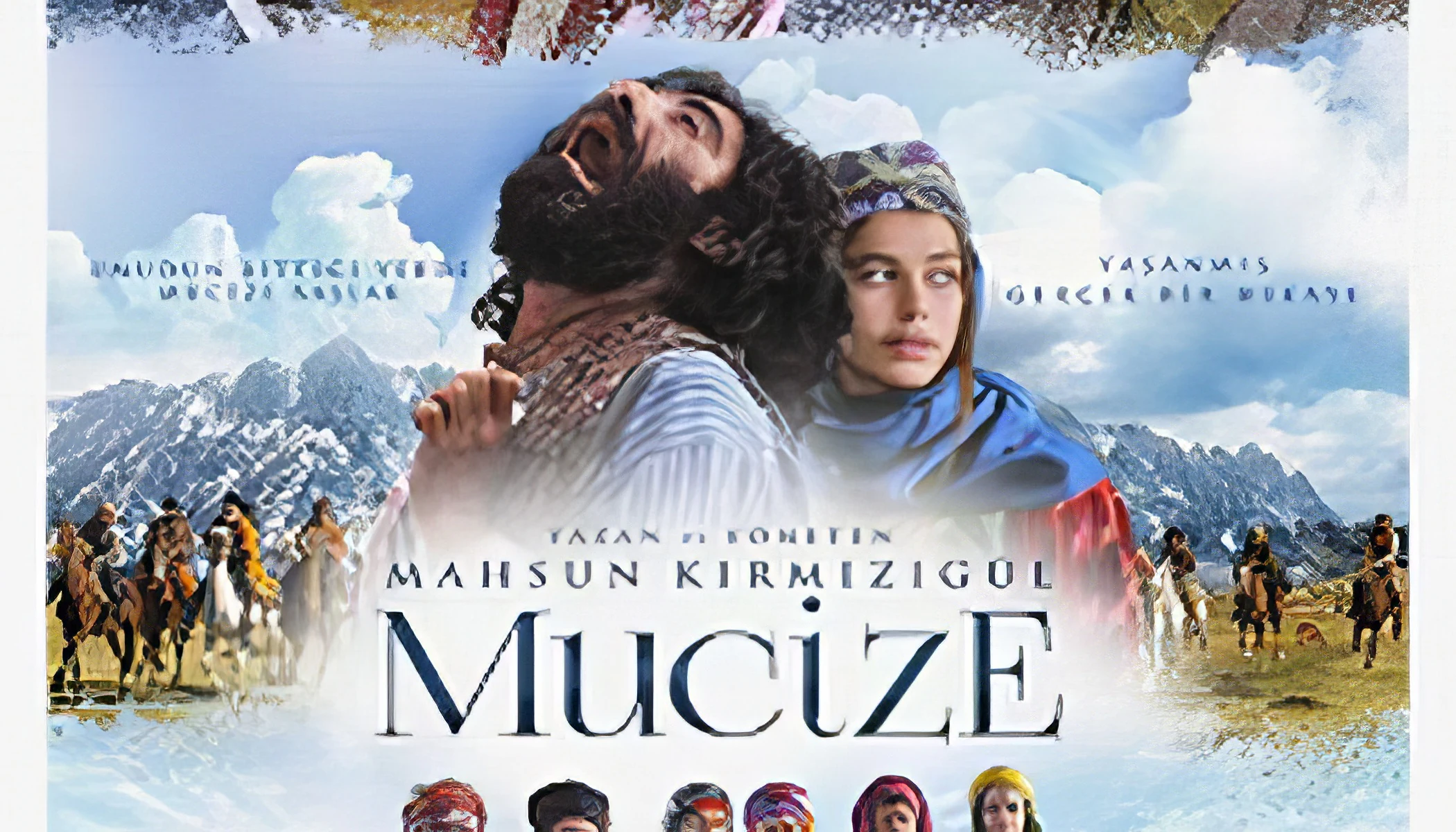
Here are some of the most renowned films that beautifully depict Turkish culture and history:
– "Yol": Directed by Yılmaz Güney, a poignant film about five prisoners given a week's home leave.
– "Once Upon a Time in Anatolia": Nuri Bilge Ceylan's film is a slow-burning crime story set in Turkish steppes.
– "Winter Sleep": Another Nuri Bilge Ceylan's film, a drama about a former actor running a small hotel in Anatolia.
– "The Edge of Heaven": Fatih Akin's film intertwines stories of six people's lives in Germany and Turkey.
– "Mustang": Directed by Deniz Gamze Ergüven, a powerful film about five orphaned sisters' lives in a Turkish village.