

Sightseeing in Assisi: Culture & Must‑See Spots
This town is renowned for being the birthplace of St. Francis and features medieval architecture, including the Basilica of San Francesco d'Assisi, a UNESCO World Heritage site. It's set in the rolling hills of Umbria.
- Population
- 28,000
- Size
- 187 square km
- Train Station
- Assisi Santa Maria degli Angeli
- Est. Visit Days
- 2 days
Overview
Assisi, a city in central Italy, is renowned for its medieval art and architecture, as well as its significance to the Christian religion as the birthplace of St. Francis. The town's major attraction is the Basilica di San Francesco, a UNESCO World Heritage site that draws numerous pilgrims and art enthusiasts. Assisi's charming old town, with its winding streets and historic buildings, offers a glimpse into the region's rich history. However, the city can be quite crowded, especially during peak tourist seasons, which might detract from the experience. Additionally, as a hilly town, Assisi might pose challenges for those with mobility issues.
Traffic & Transport
The city's compact size and pedestrian-friendly streets make walking an excellent option for exploring the central areas, where most of the historic and cultural attractions are located. For longer distances or to reach the surrounding areas, buses are available and provide a cost-effective way to travel. Bicycles are also a popular choice, offering visitors the flexibility to navigate at their own pace. However, it's important to note that the historic center is mostly car-free, so using a car for sightseeing within this area is not practical. For those preferring taxi services, there are several reliable taxi companies operating in the city. Additionally, the use of taxi-booking apps like Uber provides a convenient option for securing a ride, with availability typically good throughout the city.
History
Originally founded by the Etruscans, the city was conquered by the Romans in 295 BC, becoming a flourishing town known for its production of fine pottery and its strategic military position. It was the birthplace of St. Francis, who founded the Franciscan religious order in the early 13th century, significantly shaping the city's cultural and religious identity. Throughout the Middle Ages, it was a major center of art, learning, and commerce, particularly renowned for its textiles. The city was also the site of significant conflicts, including the Battle of Collestrada in 1202 during the struggles between the Guelphs and Ghibellines. In the Renaissance, it continued to be a hub of artistic and intellectual activity, attracting scholars, poets, and artists.
Itinerary Sample
Explore Assisi over two days, focusing on its rich history and beautiful landscapes. Here’s a suggested itinerary:
– First day: Visit the Basilica of San Francesco d'Assisi, explore the medieval streets, and see the Roman Forum and Temple of Minerva.
– Second day: Tour the Basilica of Santa Chiara, walk to Rocca Maggiore for panoramic views, and visit the Eremo Delle Carceri to experience its peaceful surroundings.
Near Excursion
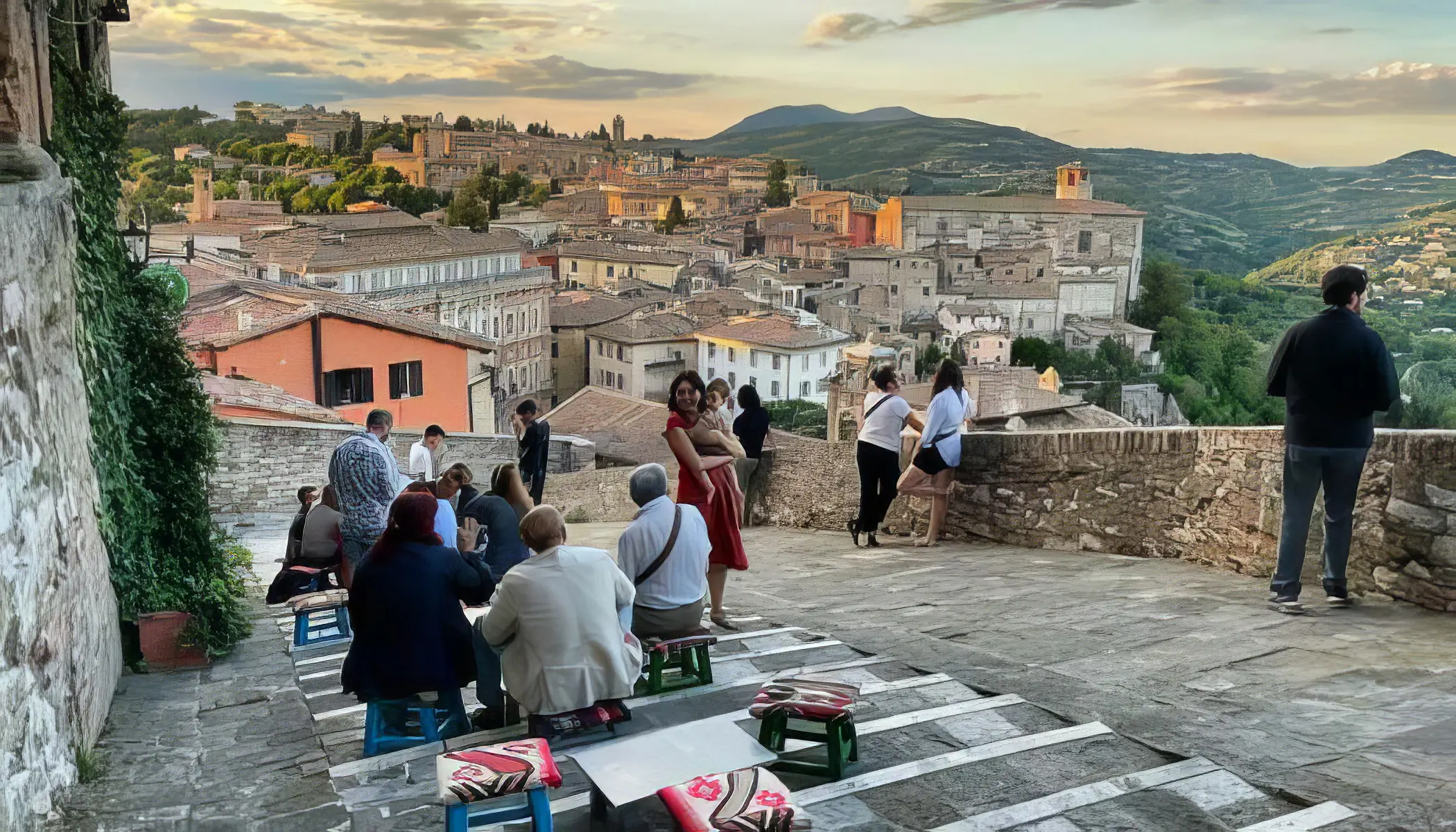
This city is a great starting point for several exciting day trips. Here are some suggestions:
– Perugia at 25 km: A historic city known for its medieval architecture and chocolate festival.
– Spoleto at 47 km: Famous for its ancient Roman theater and the annual Festival dei Due Mondi.
– Gubbio at 52 km: A charming medieval town with a Roman theater and the Palazzo dei Consoli.
– Orvieto at 85 km: Known for its gorgeous cathedral and underground caves.
– Siena at 130 km: Renowned for its medieval cityscape and the Palio horse race.
Attraction
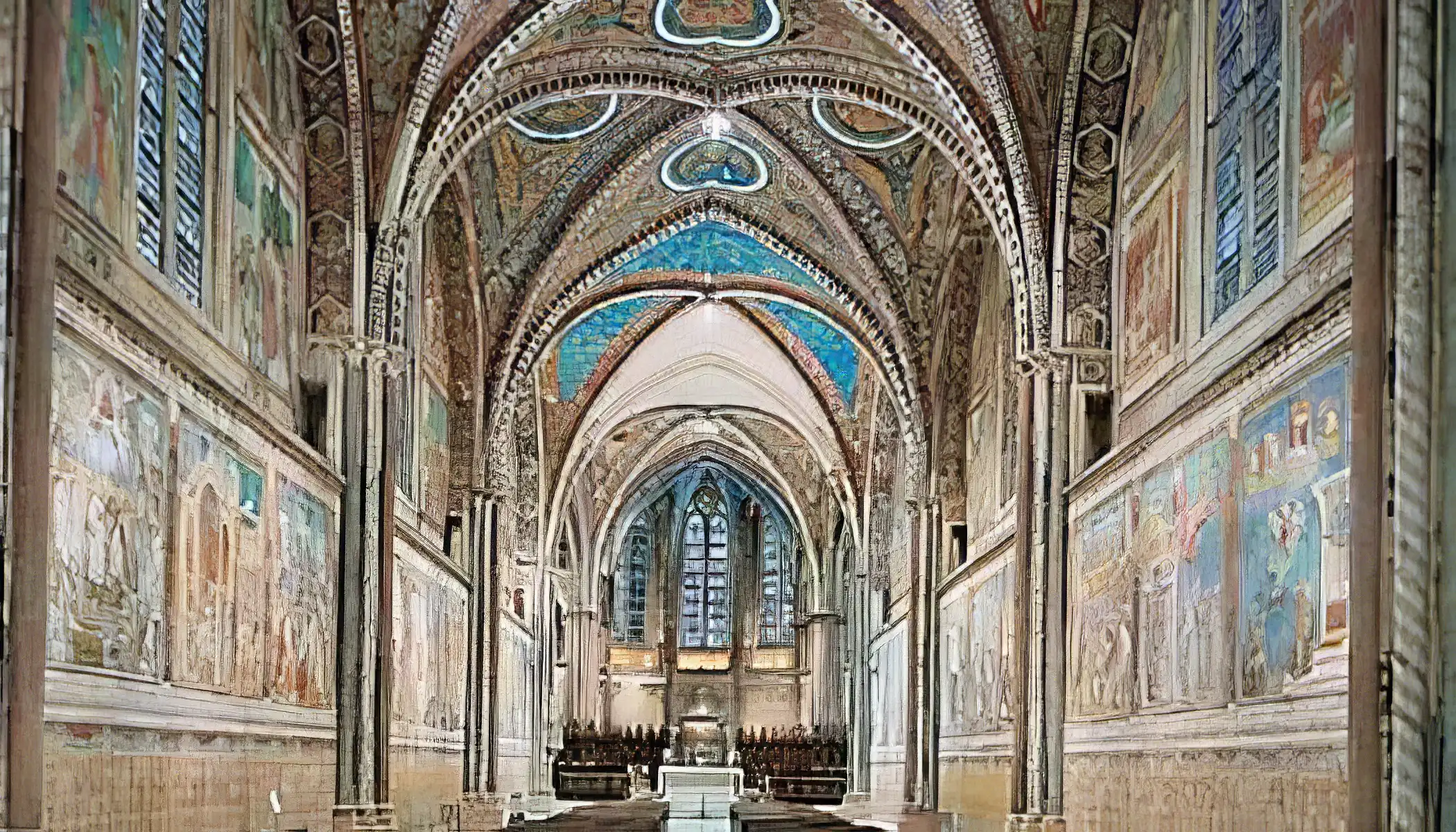
This city is known for its rich history, religious significance, and well-preserved medieval architecture.
– Basilica of Saint Francis: A UNESCO World Heritage site, it houses the tomb of Saint Francis and beautiful frescoes by Giotto.
– Basilica of Santa Chiara: Dedicated to Saint Clare, it features her tomb and the famous Crucifix of San Damiano.
– Rocca Maggiore: A medieval fortress offering panoramic views of the surrounding countryside.
– Piazza del Comune: The main square, home to the Temple of Minerva and several historic buildings.
– Eremo Delle Carceri: A peaceful hermitage in the woods where Saint Francis retreated for prayer.
– San Damiano: A small church and convent where Saint Francis received his calling and wrote the Canticle of the Sun.
Activity
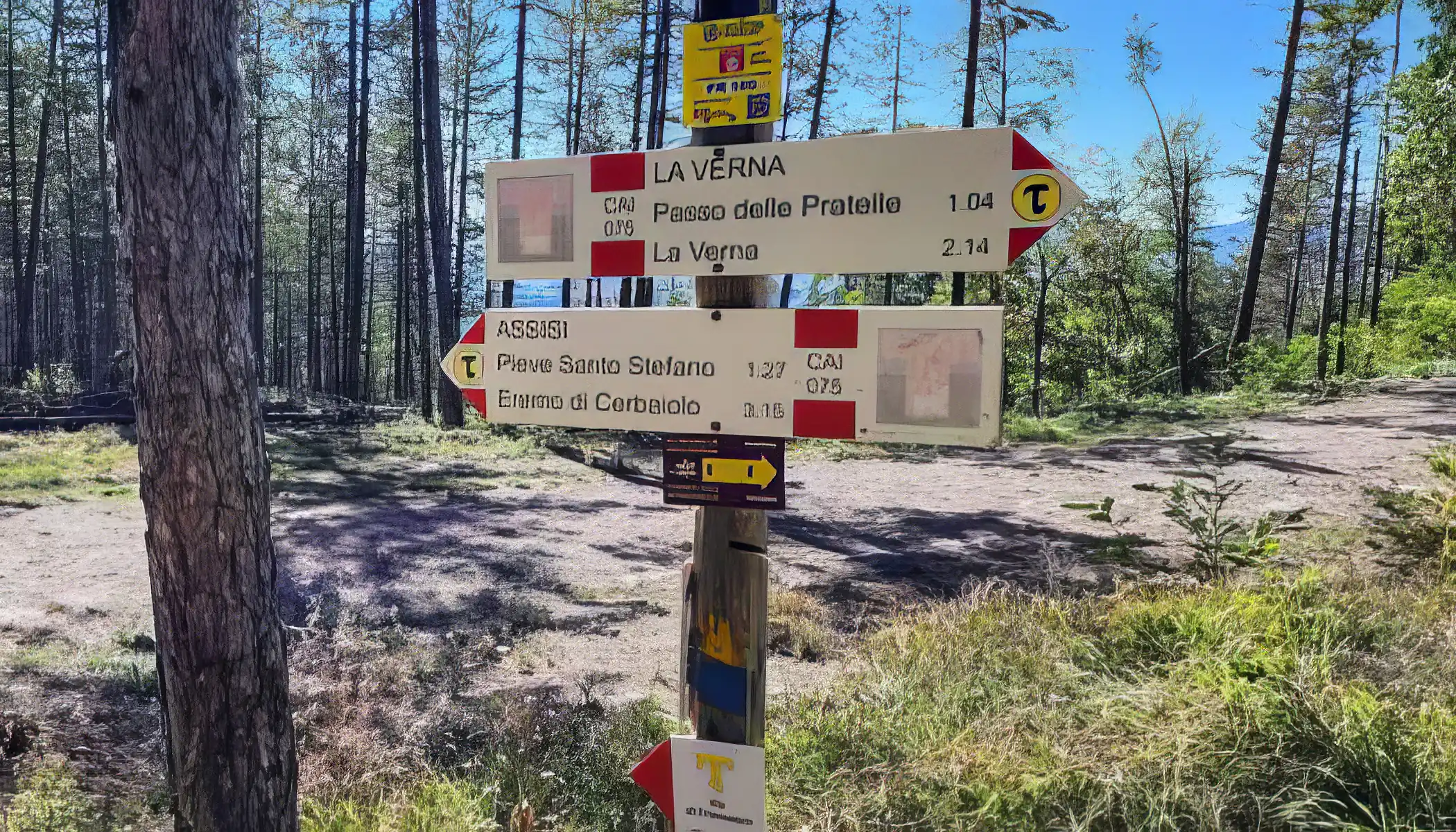
In Assisi, travelers can explore medieval architecture, religious sites, and scenic countryside.
– St. Francis Trail: Walk the path St. Francis took through the countryside.
– Rocca Maggiore: Visit a medieval fortress with panoramic views.
– Mount Subasio: Hike or bike in a nature reserve with diverse flora and fauna.
– Wine Tasting: Enjoy local wines from the Umbria region.
– Cooking Classes: Learn to make traditional Umbrian dishes.
Cuisine
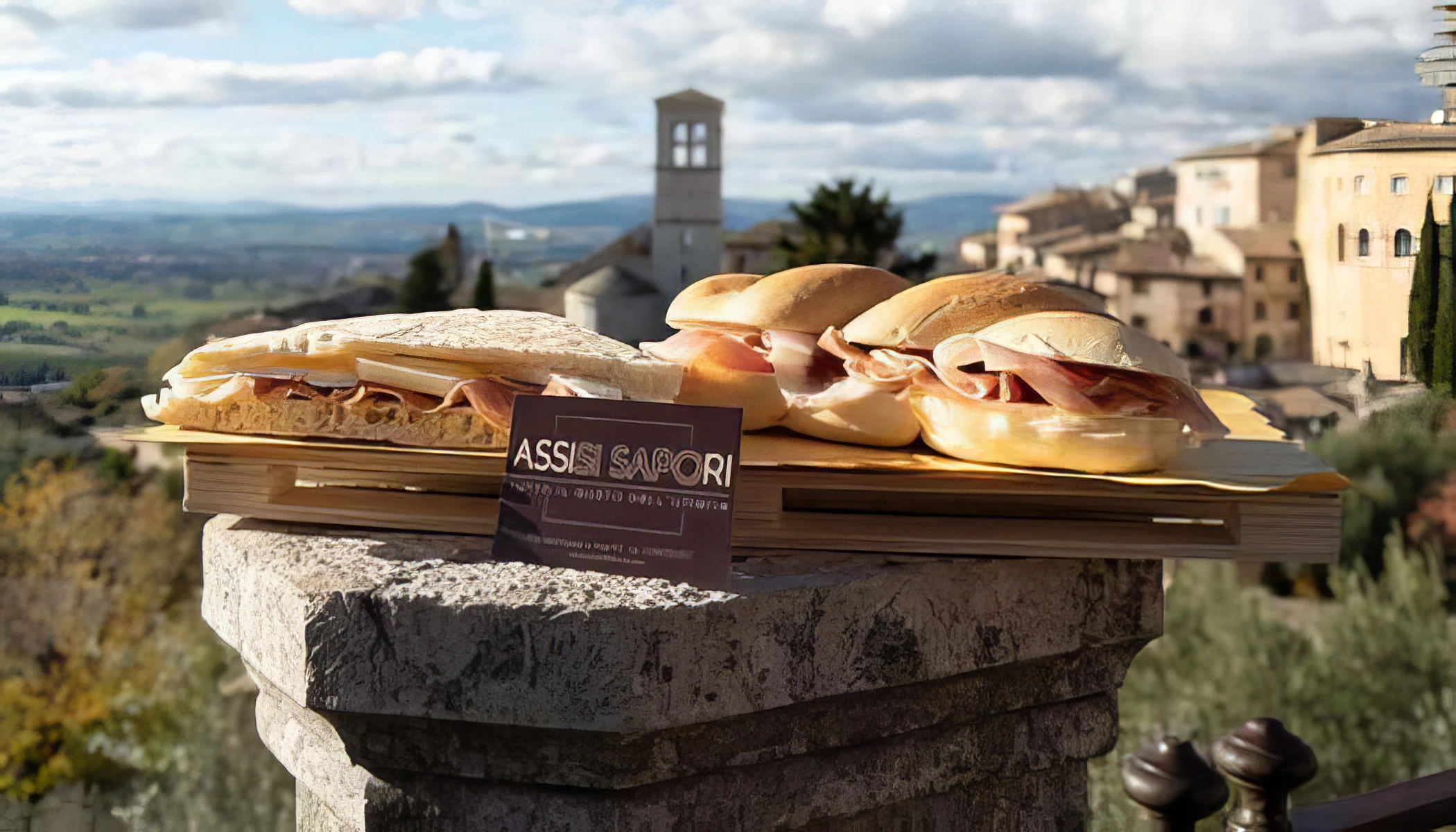
The city offers a rich culinary tradition rooted in Umbrian cuisine, featuring simple, rustic dishes made with local ingredients. Some of the city's most famous dishes include:
– Torta al Testo: A traditional flatbread often stuffed with cheese, greens, or meats.
– Strangozzi: Thick, hand-rolled pasta typically served with truffle sauce or tomato-based sauces.
– Porchetta: Slow-roasted, herb-stuffed pork, often served in sandwiches.
– Zuppa di Farro: A hearty spelt soup with vegetables and sometimes meat.
– Rocciata: A pastry filled with apples, nuts, and spices, similar to strudel.
– Cicerchiata: Small fried dough balls coated in honey, often enjoyed during festivals.
Shopping
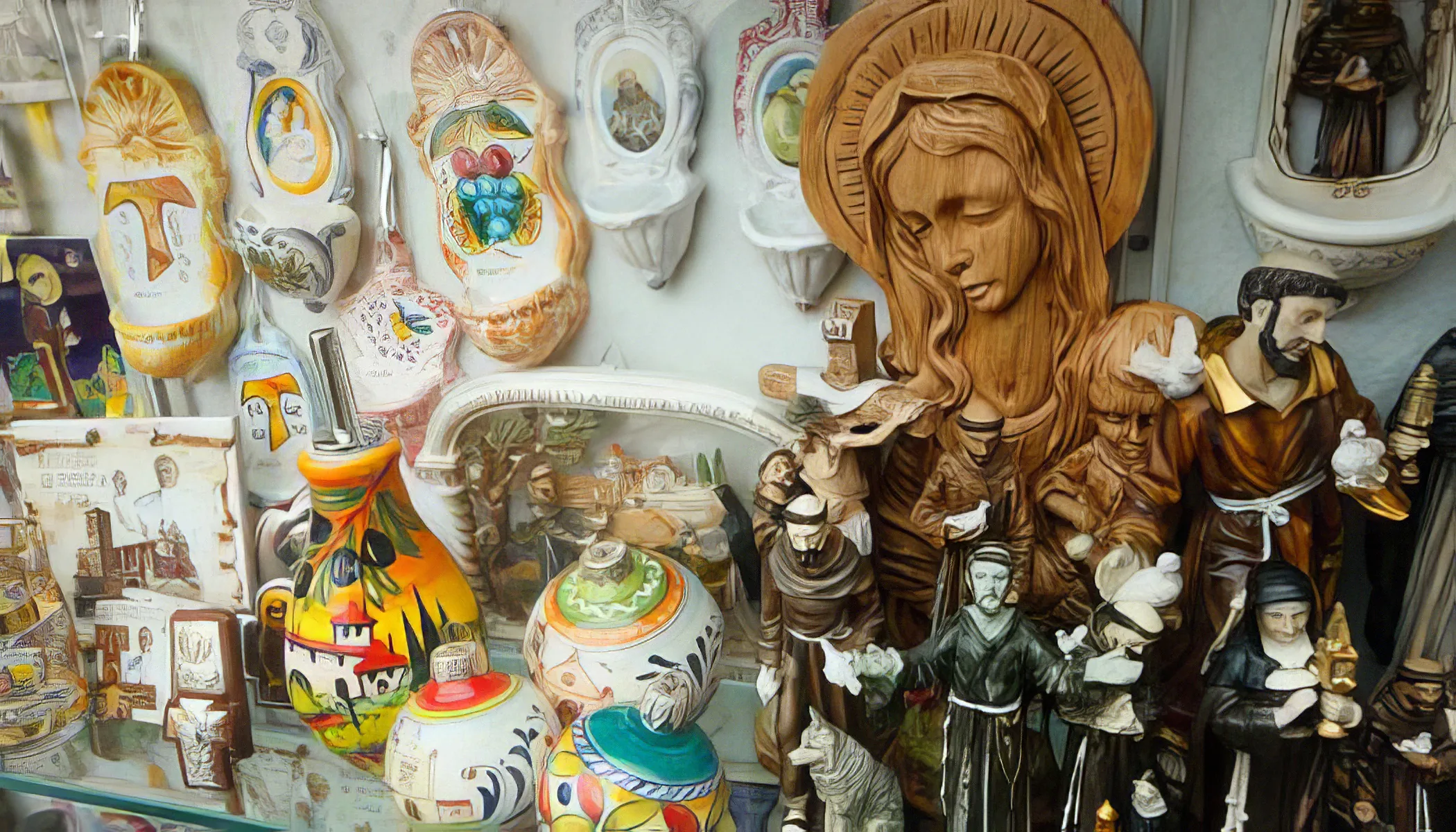
In this city, tourists can enjoy a unique shopping experience by exploring the local boutiques and artisan shops. A popular gift to purchase is a handcrafted item related to Saint Francis, such as a statue or a rosary. The city is also known for its beautiful textiles and ceramics, which make for distinctive and thoughtful gifts. Additionally, local olive oil and wines are excellent choices for those who appreciate gourmet products. Leather goods and religious art are also widely available and reflect the city's rich cultural heritage. These items not only serve as souvenirs but also as a piece of the city's artistic and spiritual essence.
Arts & Culture
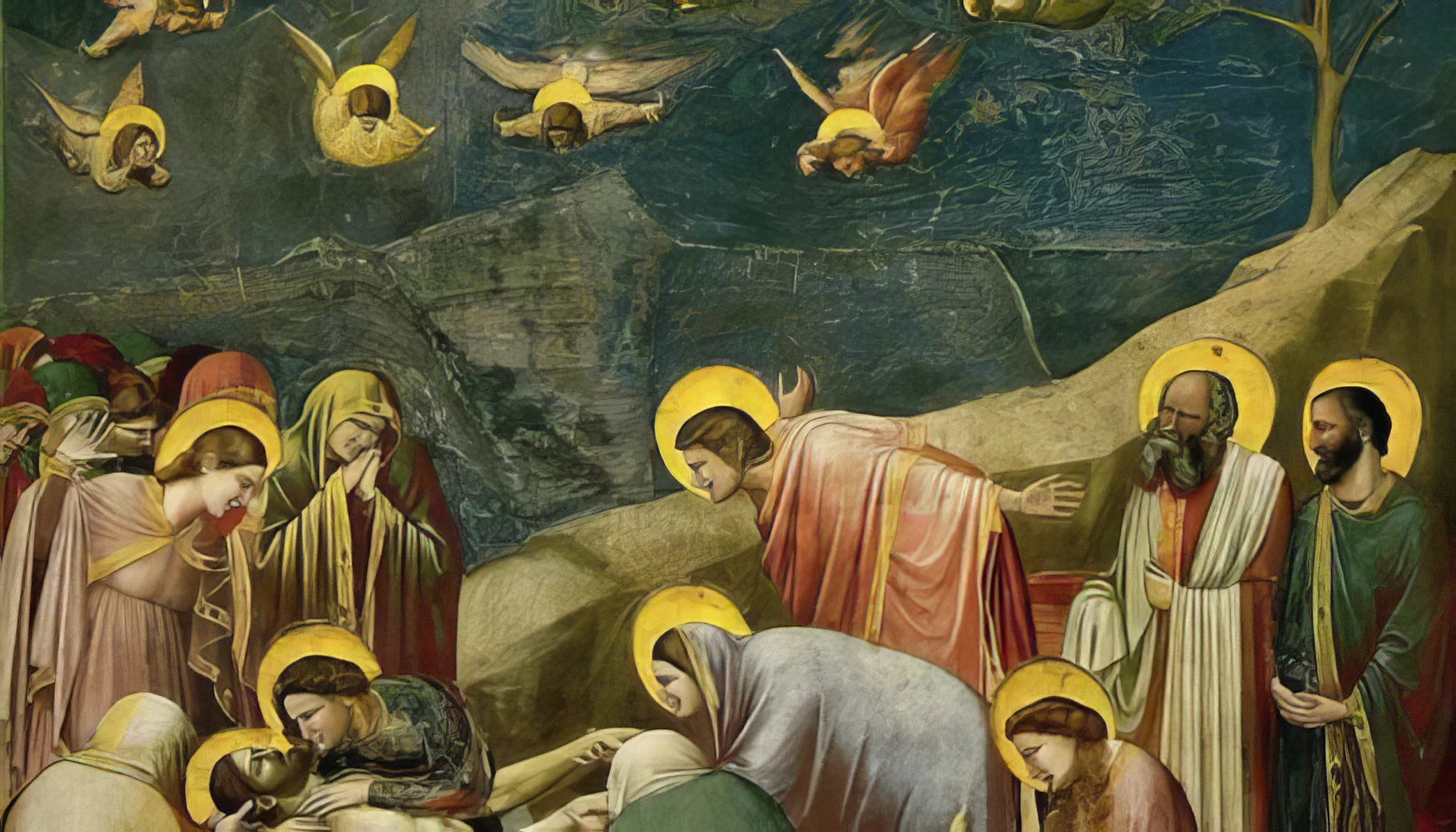
The city is renowned for its significant role in the history of art, particularly through the works of Giotto and Cimabue, who have left a lasting impact in the Basilica of San Francesco. This UNESCO World Heritage site hosts frescoes that attract scholars, artists, and tourists. The city also celebrates Calendimaggio, a spring festival held in the first week of May, which features medieval and Renaissance costumes, music, and competitions. Additionally, it is a focal point for religious and spiritual events, drawing visitors from around the world for its historical and sacred significance.