

Orvieto: Best Things to Do & Top Attractions
Perched atop a volcanic plug, this small city is known for its sensational medieval architecture, including a striking cathedral with refined façades and frescoes. Renowned for its white wines, it offers a blend of history, culture, and culinary delights.
- Population
- 20,000
- Train Station
- Orvieto
- Est. Visit Days
- 2 days
Overview
Orvieto, a city in Italy's Umbria region, is renowned for its handsome medieval architecture, including the Orvieto Cathedral, a masterpiece of Gothic design. The city also boasts the Pozzo Di San Patrizio, a historic well known for its double helix staircase. Orvieto's well-preserved old town offers a glimpse into its rich history, while the Etruscan ruins in the area provide a deeper archaeological interest. However, Orvieto can be quite crowded with tourists, especially during peak seasons, which might detract from the experience. Additionally, the city's public transportation system is somewhat limited, making it a bit challenging to explore beyond the immediate city center.
Traffic & Transport
The city's compact size and pedestrian-friendly streets make walking an excellent option for exploring the central areas, where most of the historic sites are located. For longer distances or to reach the surrounding areas, buses are available and provide a convenient and cost-effective mode of transportation. Bicycles are also a popular choice for getting around, offering visitors a more active way to see the sights. However, it's important to note that the historic center is mostly car-free, so driving is not recommended for sightseeing within this area. For those preferring to use taxi services, there are several reliable taxi companies operating in the city. Additionally, the use of taxi-booking apps like Uber provides an efficient way to hail a ride, offering both traditional taxi services and private car options for transportation needs.
History
Originally an Etruscan settlement, the city was known as Velzna and was a significant center for the Etruscan civilization. It was a member of the Etruscan League and engaged in trade with the Greeks and Romans. In 264 BCE, it was conquered by the Romans and became a key fortress due to its strategic position. The city was later a refuge for the popes in the 13th century, leading to the construction of the impressive Papal Palace. It also flourished as a center for the arts, especially in the Renaissance period, attracting artists and architects.
Itinerary Sample
Here's a 2-day itinerary to explore Orvieto, Italy:
– First day: Visit Orvieto Cathedral, explore the Underground City, and stroll through the streets of the historic center.
– Second day: Tour the Pozzo Di San Patrizio, visit the Museo dell'Opera del Duomo, and enjoy local cuisine at a traditional trattoria.
Near Excursion
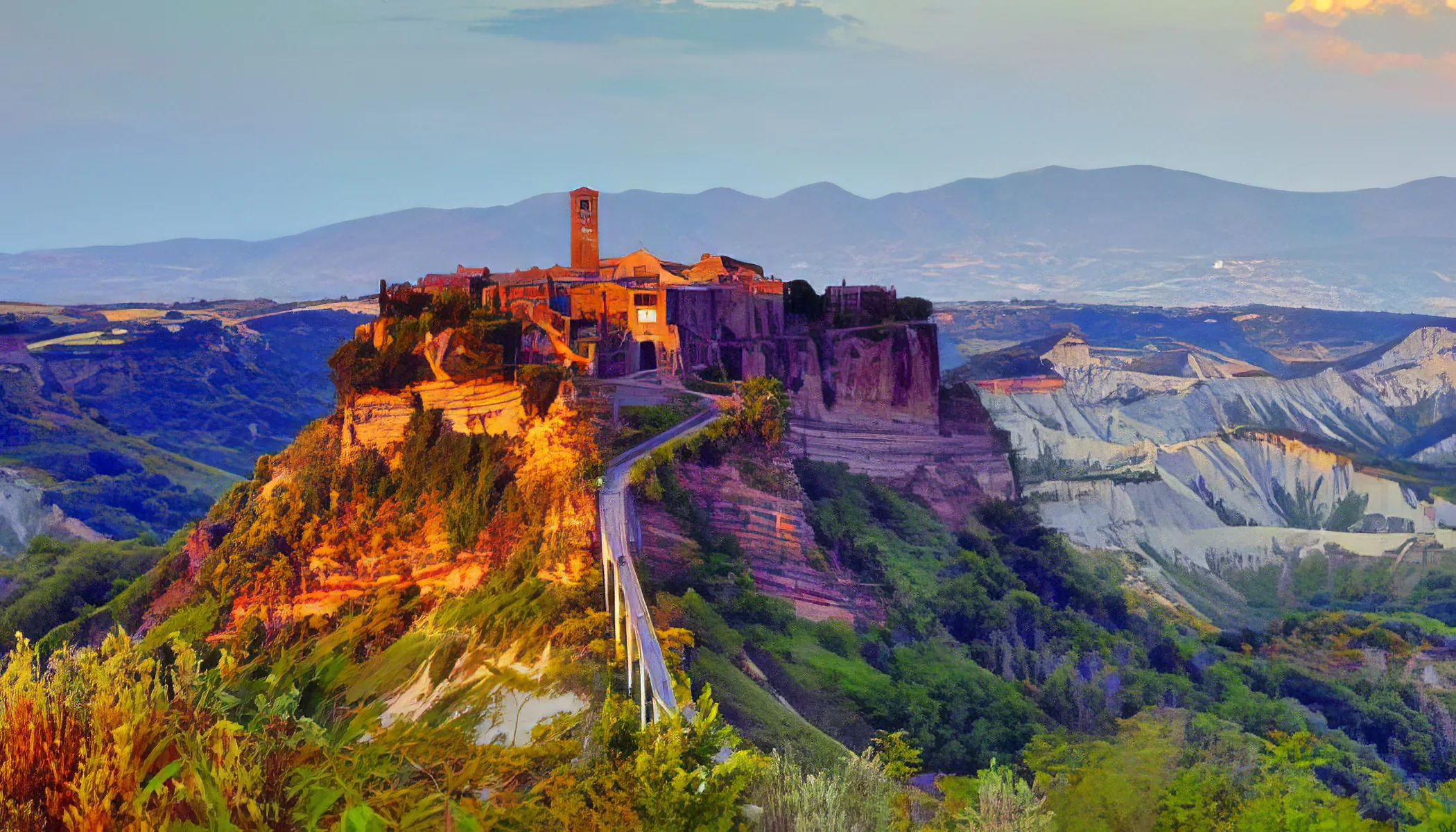
This city is a great starting point for several exciting day trips. Here are some suggestions:
– Civita Di Bagnoregio at 20 km: A nice medieval town known as "The Dying City" due to erosion.
– Lake Bolsena at 25 km: A volcanic lake ideal for swimming, boating, and relaxing.
– Todi at 35 km: A charming hilltop town with medieval architecture and beautiful views.
– Assisi at 85 km: Famous for the Basilica of Saint Francis and its well-preserved medieval center.
– Perugia at 75 km: A historic city known for its chocolate, medieval buildings, and vibrant cultural scene.
Attraction
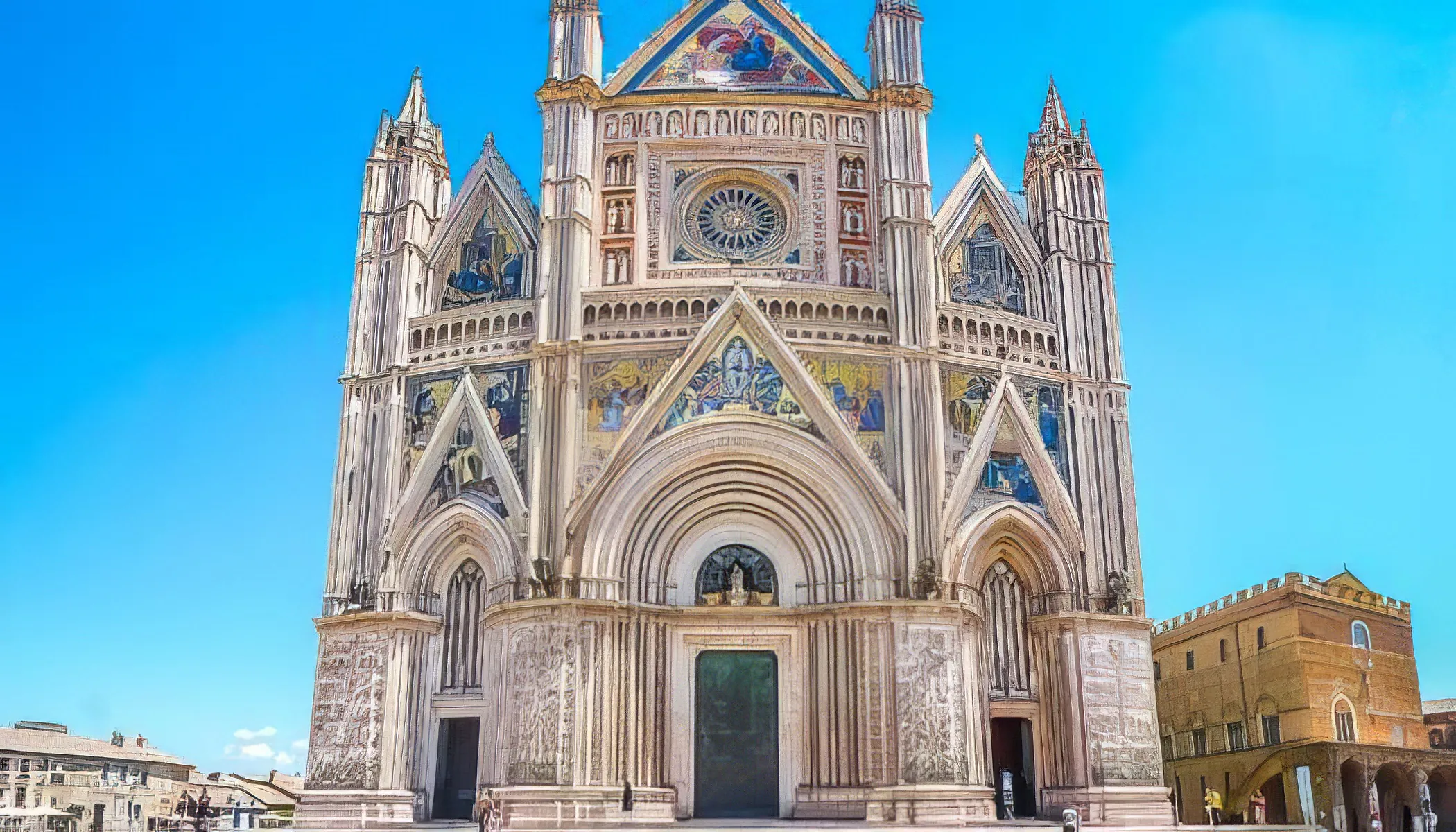
This city is known for its remarkable medieval architecture and rich history.
– Duomo: A magnificent Gothic cathedral with sophisticated facade and beautiful frescoes inside.
– Orvieto Underground: A network of ancient tunnels and caves beneath the city.
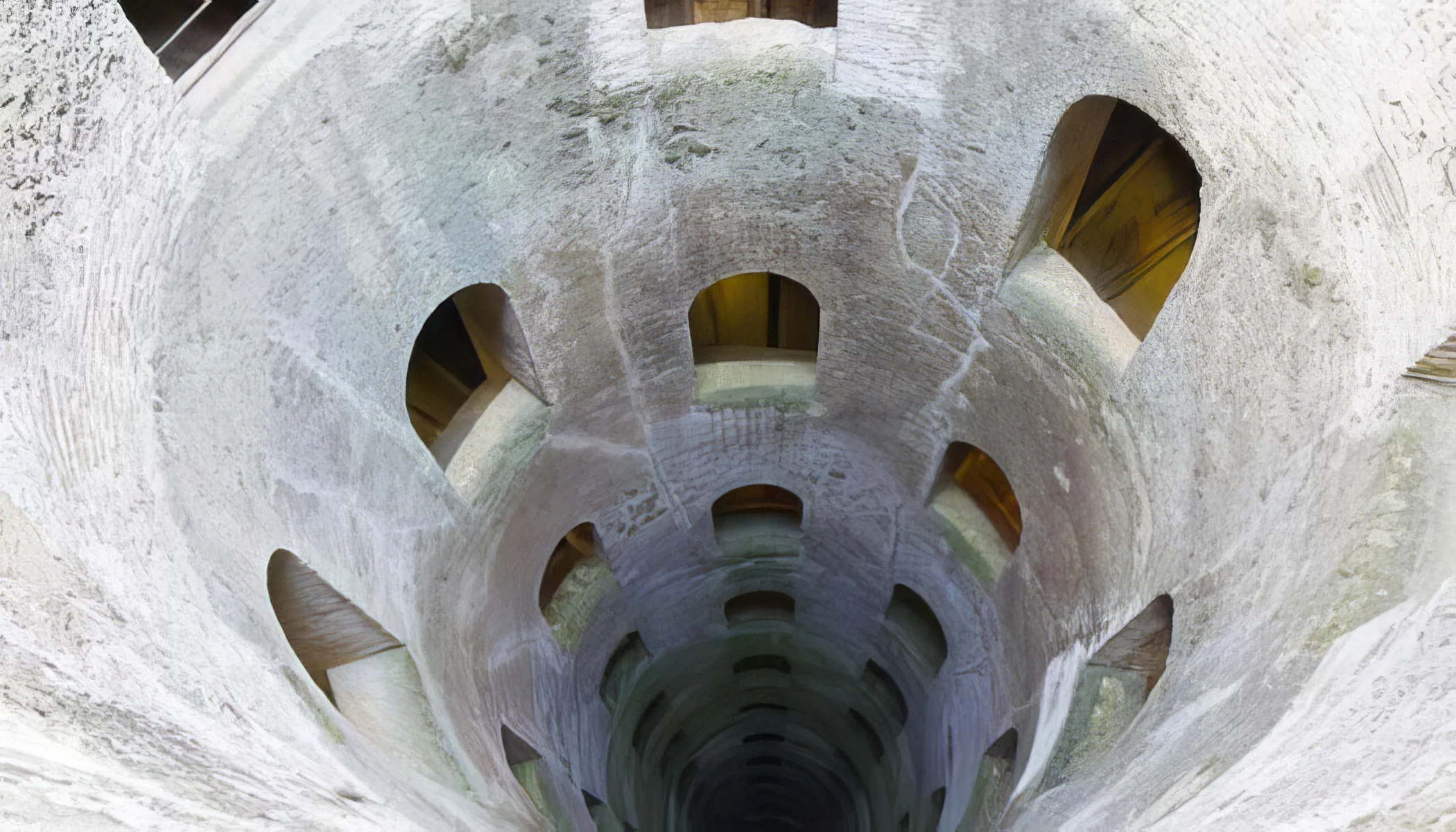
– St. Patrick's Well: A historic well with a double spiral staircase, built in the 16th century.
– Torre del Moro: A clock tower offering panoramic views of the city and surrounding countryside.
– Palazzo del Popolo: A historic palace now used for events and exhibitions.
– Etruscan Museum: A museum showcasing artifacts from the ancient Etruscan civilization.
Activity
Orvieto offers unique underground tours, wine tasting, and panoramic views from its cliff-top location.
– Underground Tour: Explore Orvieto's fascinating network of underground caves and tunnels.
– Orvieto Underground: Discover the city's history through its underground Etruscan and medieval structures.
– Orvieto Wine Tour: Enjoy local wine tasting experiences in the surrounding vineyards.
– Orvieto Cliff Walk: Take a scenic walk along the city's cliff edge for panoramic views.
– Orvieto Cooking Class: Learn to cook traditional Umbrian dishes in a local cooking class.
Cuisine
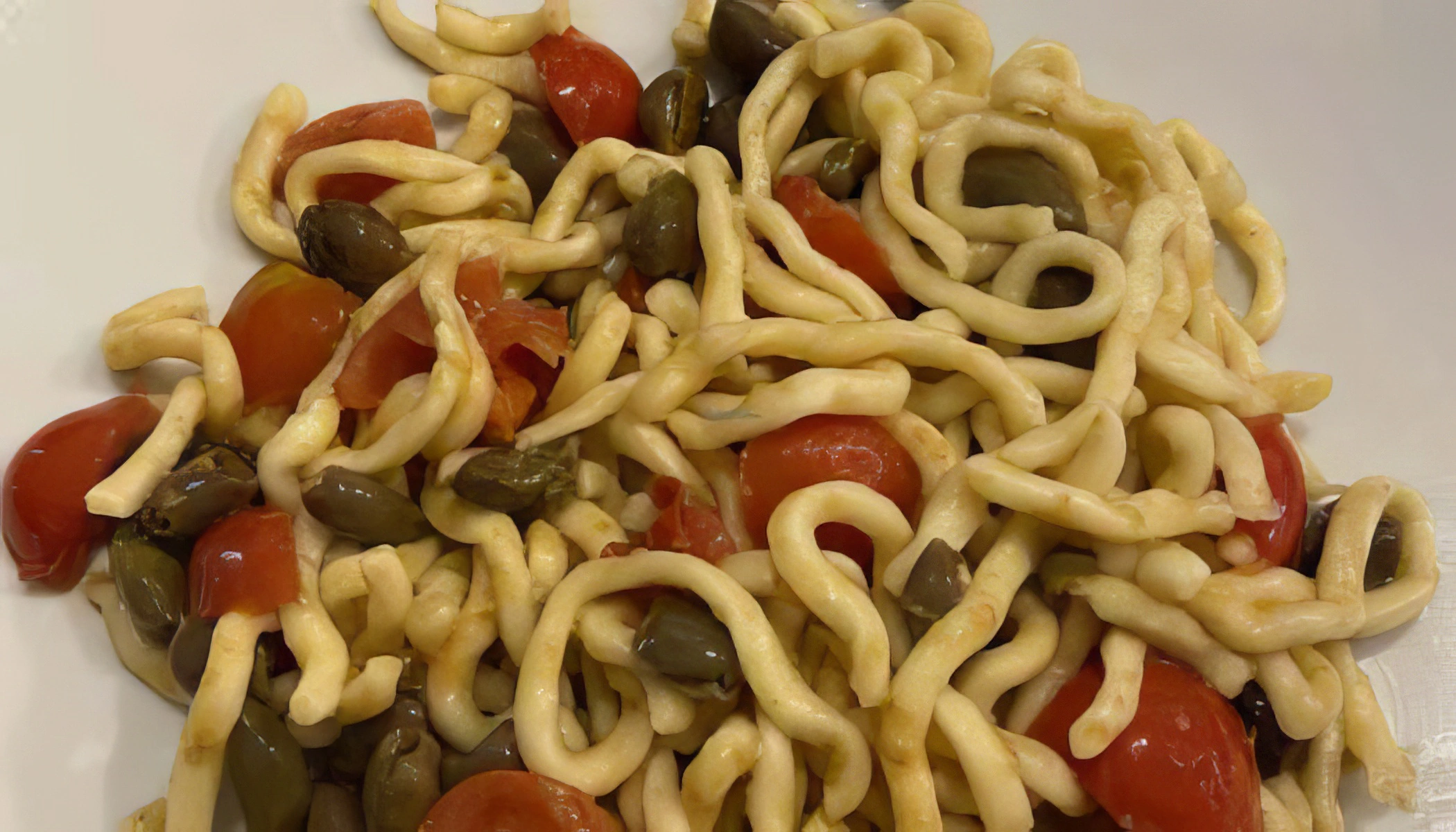
The city offers a rich culinary tradition with a focus on local ingredients and traditional recipes. Its cuisine is deeply rooted in Umbrian flavors and rustic dishes.
– Umbrichelli: Thick, hand-rolled pasta often served with truffle or tomato sauce.
– Wild Boar Stew: Hearty stew made with tender wild boar, red wine, and herbs.
– Porchetta: Slow-roasted pork seasoned with garlic, rosemary, and fennel.
– Cinghiale alla Cacciatora: Wild boar cooked hunter-style with tomatoes, onions, and red wine.
– Torta al Testo: Traditional flatbread stuffed with various fillings like sausage, greens, or cheese.
– Tozzetti: Almond biscotti often enjoyed with a glass of local dessert wine.
Shopping
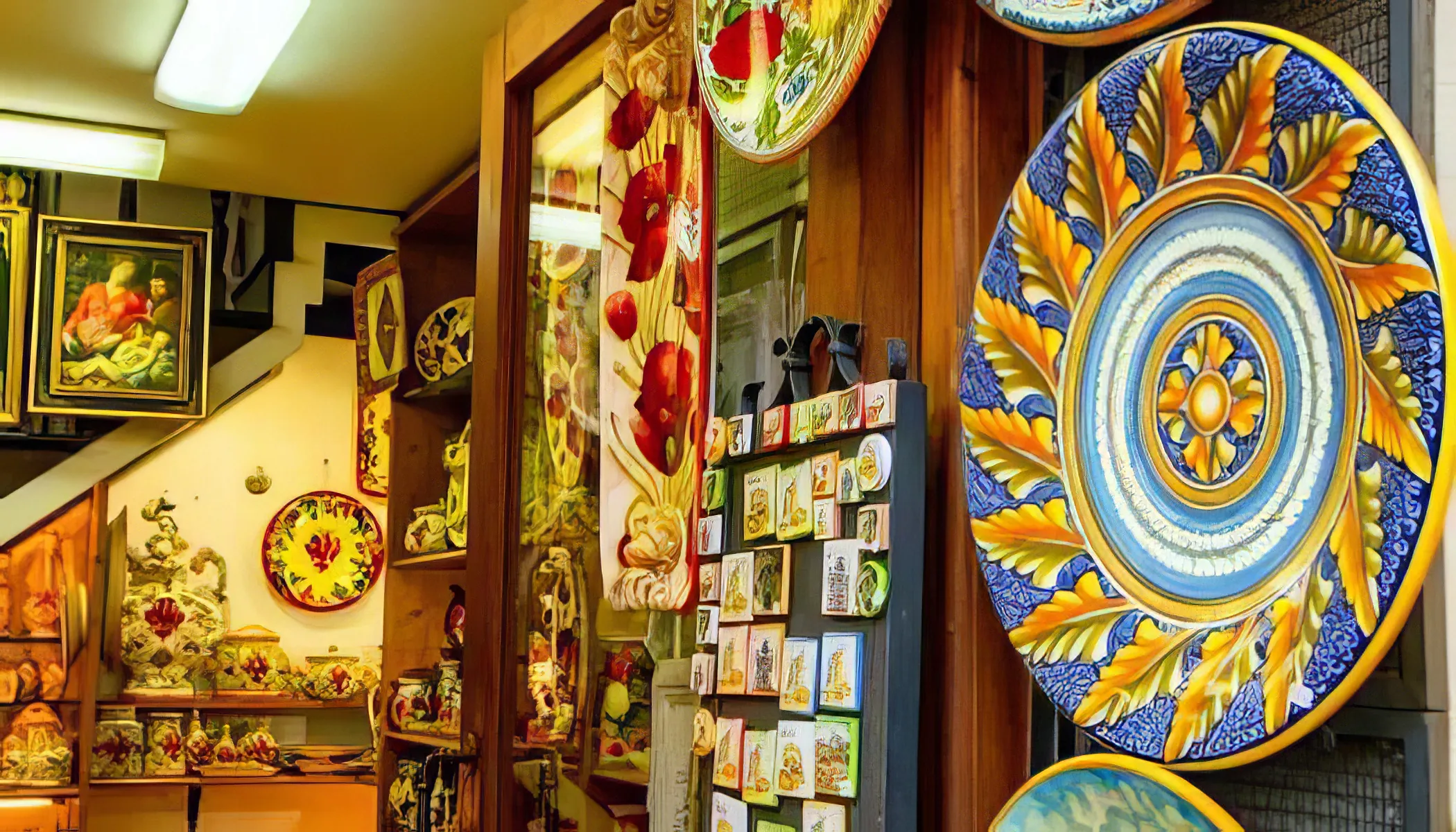
In this city, visitors can enjoy shopping for renowned local ceramics, which make excellent gifts. The town is also famous for its handcrafted lace and textiles. Wine enthusiasts may appreciate a bottle of Orvieto Classico, a white wine from the region. Olive oil is another high-quality local product that makes a thoughtful gift. For a unique souvenir, consider purchasing a piece of volcanic stone jewelry, a nod to the town's geological surroundings. These items reflect the artisanal culture and rich history of the area.
Arts & Culture

The city is renowned for its annual Umbria Jazz Winter Festival, which attracts jazz enthusiasts from around the world. Its magnificent cathedral, a masterpiece of Gothic architecture, features frescoes by Luca Signorelli that are considered among the most important Renaissance artworks in Italy. The city also hosts the Festa della Palombella, a traditional event celebrating the descent of the Holy Spirit on Pentecost with a dove-shaped rocket flying over the crowd. Additionally, the local museums and galleries showcase Etruscan artifacts and contemporary art, reflecting the city's rich historical tapestry and ongoing cultural vitality.