

Sightseeing in Perugia: Culture & Must‑See Spots
Located in the Umbria region, this city is known for its historical architecture, including medieval walls and Etruscan structures. It hosts the annual Umbria Jazz Festival and houses the University for Foreigners.
- Population
- 166,000
- Size
- 450 square km
- Airport
- San Francesco d'Assisi – Int'l.
- Train Station
- Perugia Fontivegge
- Subway
- Minimetrò
- Est. Visit Days
- 2 days
Overview
Perugia, a city in central Italy, is renowned for its medieval old town and cultural heritage, notably the Palazzo dei Priori, a medieval town hall. The city is also famous for hosting the annual Umbria Jazz Festival, a major event in the jazz music calendar. Perugia's historical sites, such as the Rocca Paolina, offer a glimpse into its rich past. However, the city's hilly terrain might pose a challenge for those with mobility issues, and its public transportation system can be somewhat limited. Despite this, Perugia's charming streets and delicious local cuisine make it a worthwhile destination.
Traffic & Transport
The city's compact size and historical layout make it ideal for exploring on foot, especially in the central areas where traffic can be congested. For longer distances or to reach the surrounding areas, buses are the most practical option, with a well-organized network that connects the city to nearby towns and villages. Additionally, the MiniMetro, a unique and efficient public transportation system, provides a scenic route from the lower part of the city to the historic center. For those who prefer cycling, bike rentals are available and offer a pleasant way to navigate the city and its surroundings. For taxi services, there are several reliable companies operating in the city, including Radio Taxi. Additionally, the use of taxi-booking apps like MyTaxi provides a convenient option for securing a cab and estimating fares.
History
Originally an Etruscan settlement, the city was known as Perusia. It became a significant town during the Roman expansion, notably resisting a siege by Octavian in 40 BC. This event led to a period of prosperity under Roman rule. In the Middle Ages, it was a free commune and a center of art and learning, particularly in the 15th century when it was ruled by the Baglioni family. The city also played a role in the development of the Umbrian school of painting.
Itinerary Sample
Here's a 2-day itinerary to explore Perugia, Italy, ensuring you experience its key attractions efficiently:
– First day: Visit the historic Perugia Cathedral, explore the National Gallery of Umbria, and stroll through Piazza IV Novembre.
– Second day: Discover the Rocca Paolina fortress, enjoy the views from Giardini Carducci, and taste local chocolates at a traditional shop.
Near Excursion
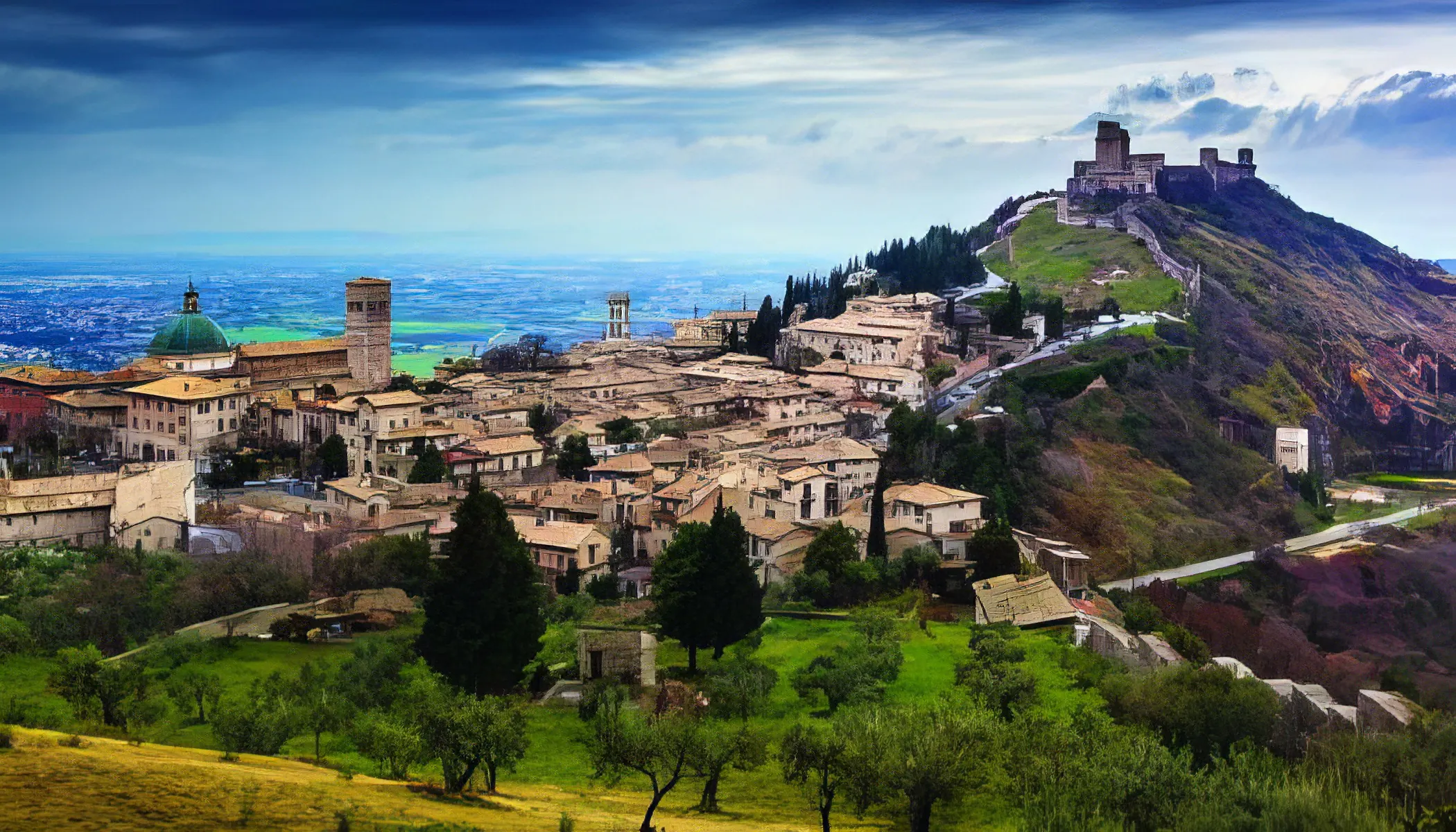
This city is a great starting point for several exciting day trips. Here are some suggestions:
– Assisi at 25 km: Visit the Basilica of Saint Francis and explore medieval streets.
– Gubbio at 40 km: Discover ancient Roman ruins and the impressive Palazzo dei Consoli.
– Spoleto at 65 km: Enjoy the historic architecture and the famous Spoleto Festival.
– Orvieto at 75 km: See the nice Orvieto Cathedral and underground caves.
– Lake Trasimeno at 30 km: Relax by the lake, take a boat trip, or visit the islands.
Attraction
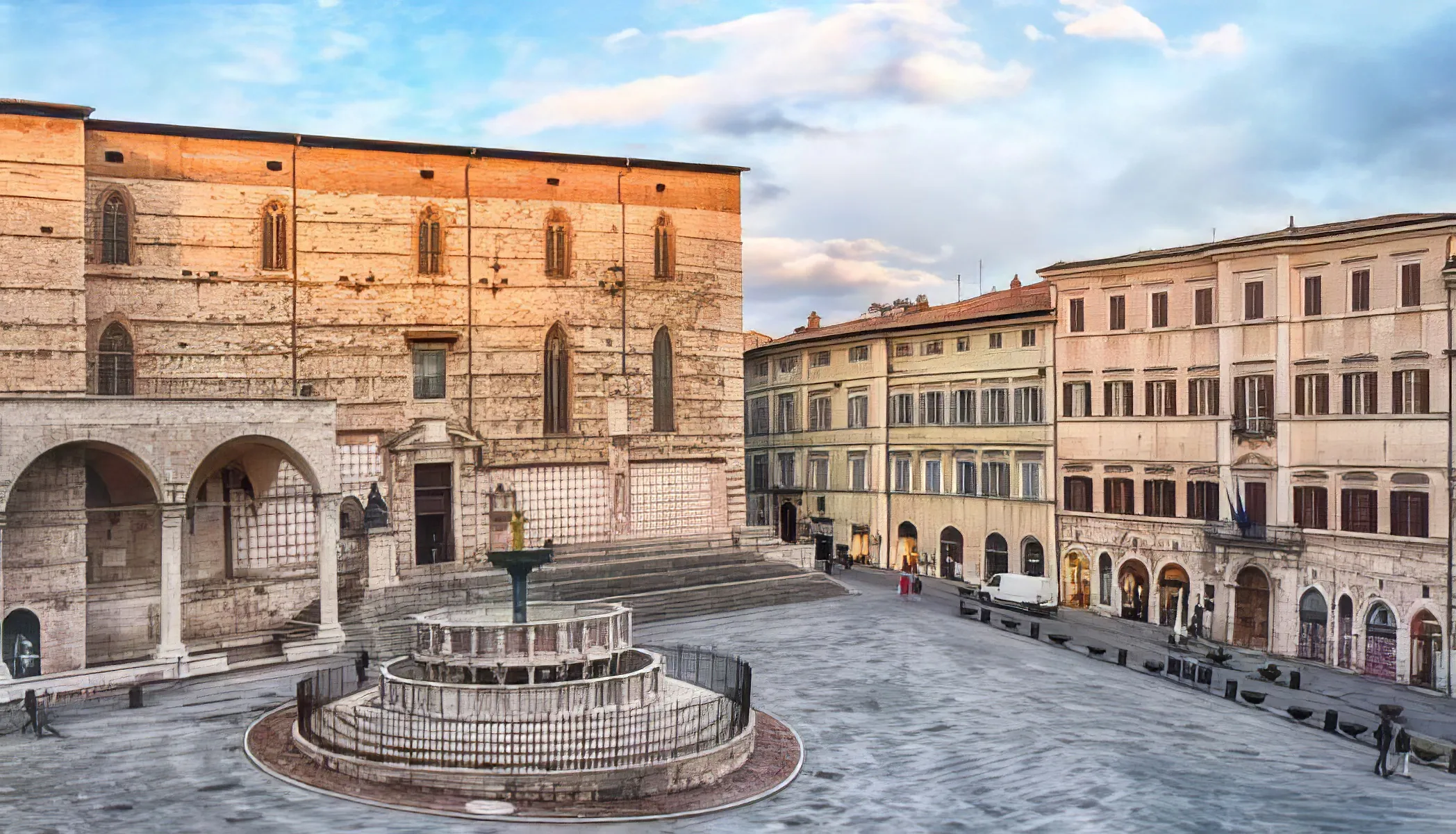
Known for its rich history, art, and medieval architecture, this city offers a variety of attractions for tourists.
– Piazza IV Novembre: Central square featuring the Fontana Maggiore and the Cathedral of San Lorenzo.
– Rocca Paolina: Historical fortress offering underground passages and exhibitions.
– Galleria Nazionale dell'Umbria: Art museum housing works from the Middle Ages to the 19th century.
– Etruscan Well: Ancient well showcasing engineering from the Etruscan period.
– Palazzo dei Priori: Gothic palace with historical significance and art collections.
– Church of San Pietro: Beautiful church with impressive frescoes and a peaceful garden.
Activity
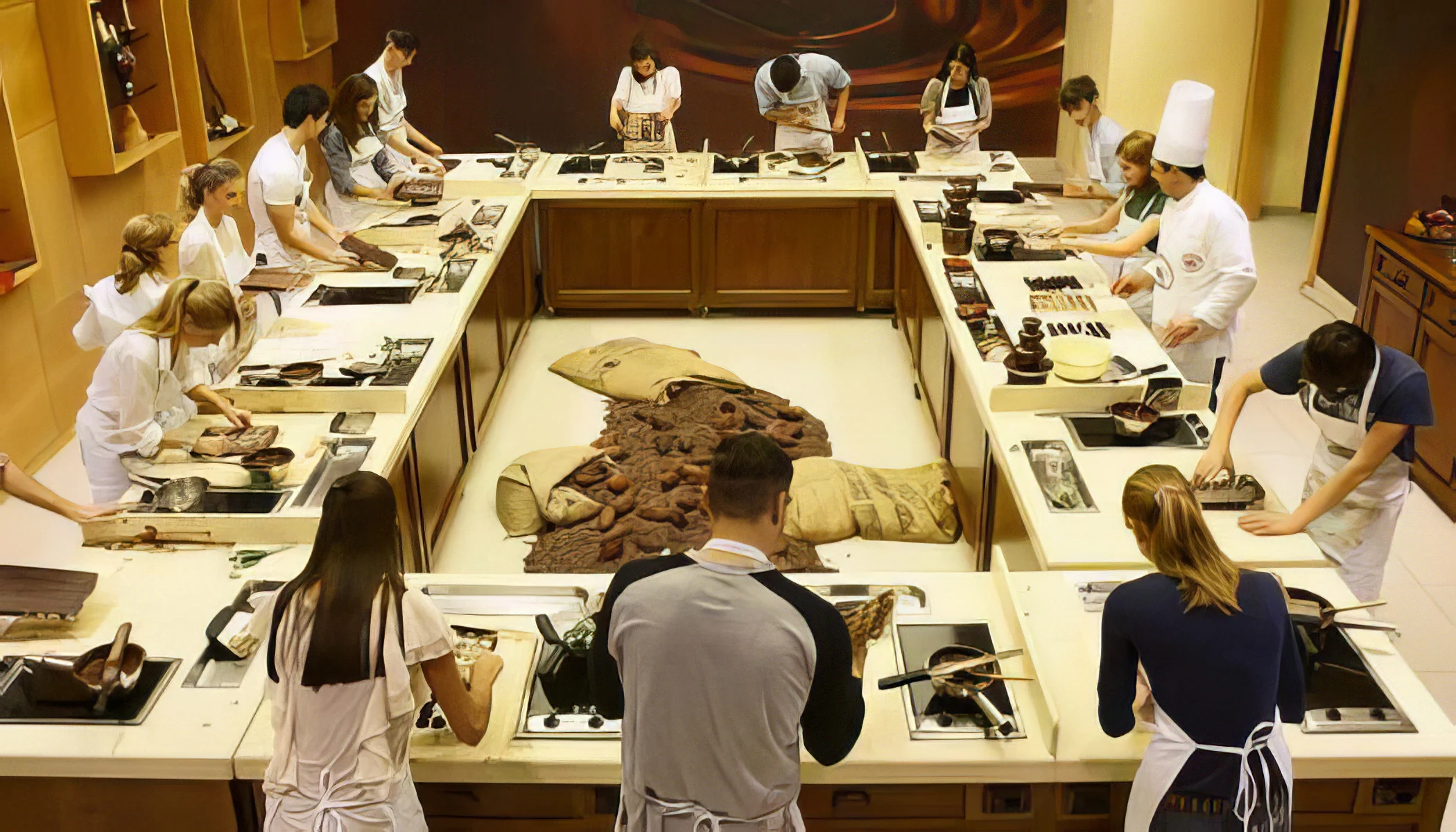
Perugia offers unique experiences blending history, nature, and local traditions.
– Perugina Chocolate Factory Tour: Learn about the famous Baci chocolates.
– Rocca Paolina Underground Tour: Explore the remains of a 16th-century fortress.
– Lake Trasimeno Boat Trip: Enjoy a relaxing boat ride on Italy's fourth-largest lake.
– Perugia Underground Tour: Discover hidden tunnels and chambers beneath the city.
– Wine Tasting in the Umbrian Countryside: Sample local wines near Perugia.
Cuisine
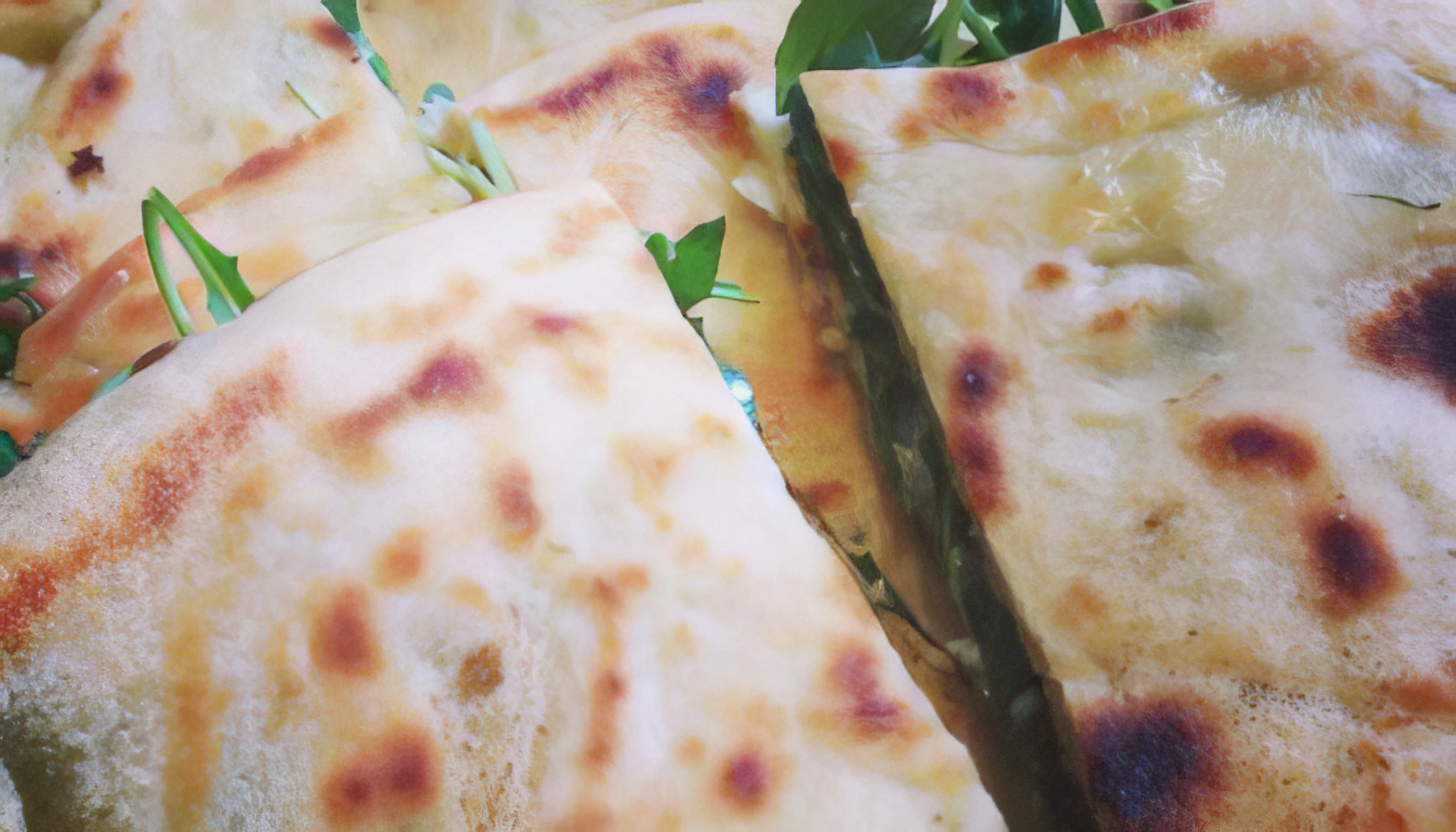
The city offers a rich culinary tradition with a focus on hearty, rustic dishes and renowned chocolates. Some of the city's most famous dishes and desserts include:
– Torta al Testo: A traditional flatbread often stuffed with sausage, greens, or cheese.
– Strangozzi: Thick, hand-rolled pasta typically served with truffle sauce or tomato-based sauces.
– Porchetta: Slow-roasted, herb-stuffed pork, usually served in sandwiches.
– Cinghiale in Umido: Wild boar stew cooked with tomatoes, red wine, and herbs.
– Baci: Famous chocolate hazelnut pralines, a signature sweet treat.
– Torcolo di San Costanzo: A ring-shaped cake flavored with anise, raisins, and candied fruit.
Shopping
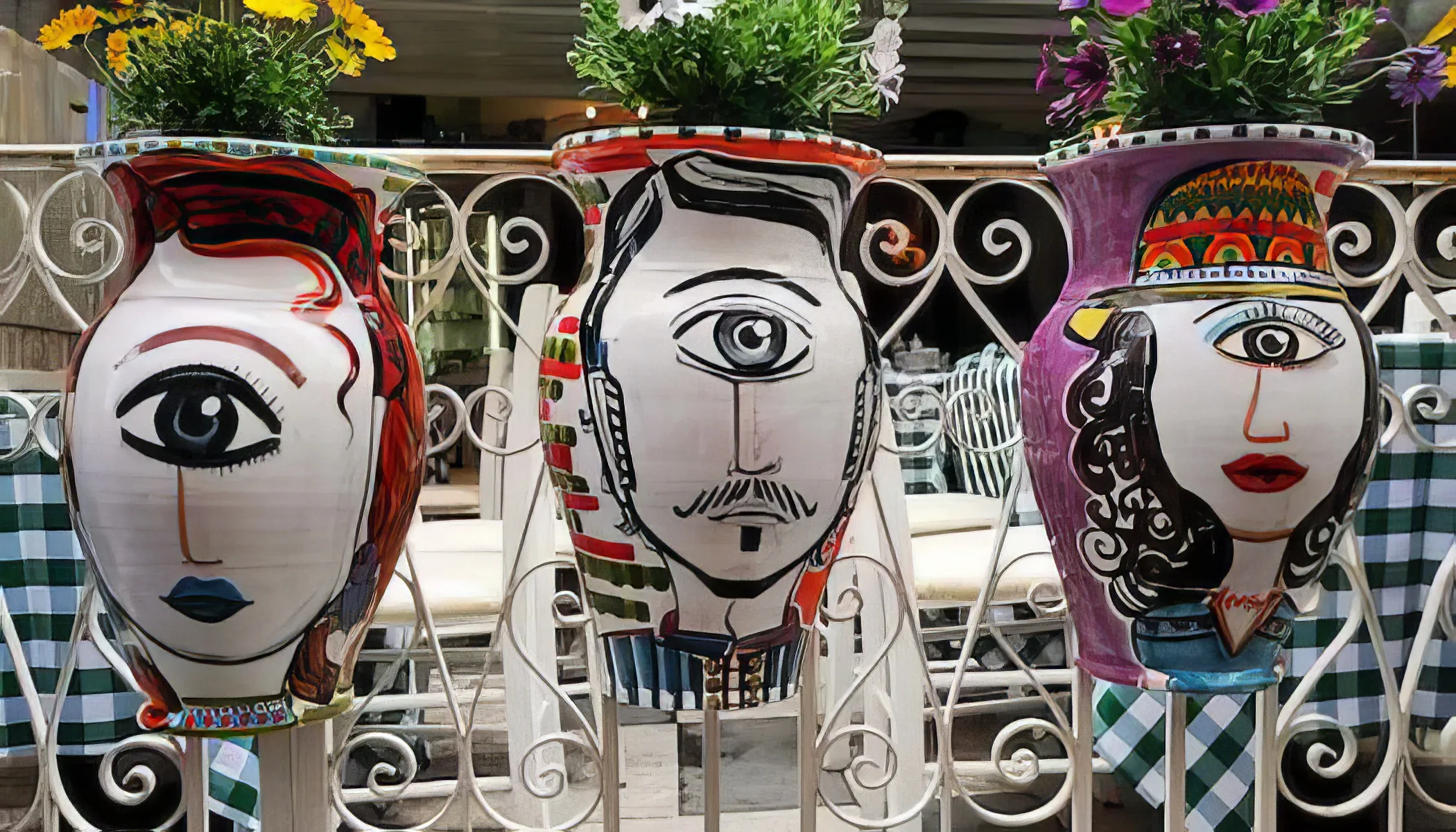
In the city, tourists can explore charming boutiques and artisan shops that offer unique local crafts. A popular gift to purchase is the renowned Baci Perugina chocolates, which are not only delicious but also beautifully packaged, making them perfect for gifts. Additionally, the area is known for its fine leather goods and ceramics, which reflect the artisanal heritage of the region. The local markets are also a great place to find truffles and olive oil, both of which are staples in the regional cuisine and appreciated souvenirs. For a more artistic gift, consider hand-painted Deruta ceramics, which are both functional and decorative. These items provide a taste of local craftsmanship and culture, ideal for bringing a piece of Italy back home.
Arts & Culture
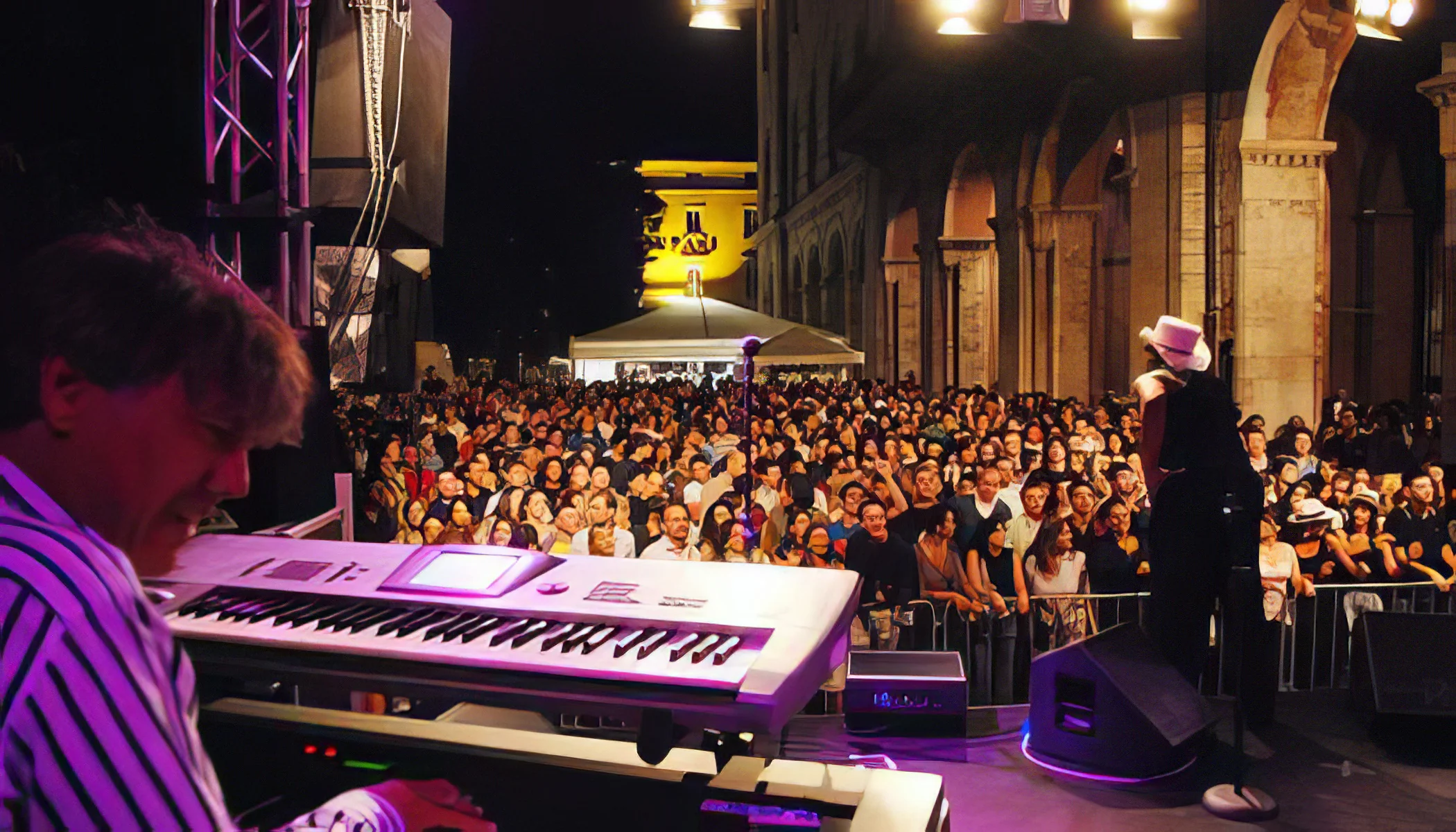
The city hosts the Umbria Jazz Festival, one of the most important jazz festivals in the world, attracting global artists and audiences every July. It is also home to the National Gallery of Umbria, which houses a significant collection of Medieval and Renaissance art, including works by Perugino and Pinturicchio. Additionally, the city celebrates its rich history with the annual Sagra Musicale Umbra, a classical music festival held since 1947. The historic center, with its Etruscan walls and medieval architecture, provides a nice setting for various cultural events and art exhibitions throughout the year.