

Explore Brazil: Culture, Cities & Places to Visit
This South American giant is known for its pleasant culture, diverse ecosystems, and significant economic growth. From the lively carnivals of Rio de Janeiro to the vast Amazon rainforest, it offers a unique blend of experiences.
- Capital
- Brasília
- Population
- 201.2 millions
- Superficy
- 8512000 sq.km
- Months to Visit
- May to Sept.
- Living Cost
- Moderate
Overview
Brazil, located in South America, is the largest country in both South America and Latin America. It is known for its diverse culture, dynamic festivals, and vast Amazon rainforest. The capital, Brasília, is recognized for its modernist architecture, while Rio de Janeiro is famous for its Copacabana and Ipanema beaches, as well as the iconic Christ the Redeemer statue. Brazil's economy is one of the world's largest, with significant contributions from agriculture, mining, and manufacturing sectors. The country is also home to a wide range of wildlife, including many endangered species. Despite facing challenges such as deforestation and social inequality, Brazil remains a country of significant global influence and natural beauty.
Pros & Cons
GOOD REASONS TO VISIT BRAZIL
– Diverse Landscapes: From Amazon rainforest to Pantanal wetlands and Iguazu Falls, Brazil offers varied natural beauty.
– Animated Culture: Experience samba, capoeira, and colorful carnivals reflecting Brazil's rich cultural heritage.
– Iconic Landmarks: Visit Christ the Redeemer, Sugarloaf Mountain, and historic sites in Salvador.
– Beaches: Enjoy Copacabana, Ipanema, and other remarkable beaches along Brazil's extensive coastline.
– Cuisine: Taste feijoada, acarajé, and caipirinha, showcasing Brazil's diverse culinary traditions. CHALLENGES WHEN VISITING BRAZIL
– Safety Concerns: Crime rates can be high in certain areas; tourists should stay vigilant and follow local advice.
– Language Barrier: Portuguese is the main language; English is not widely spoken outside major tourist areas.
– Long Distances: Brazil is a large country; traveling between attractions can be time-consuming and tiring.
Before Departure
Before setting off on your adventure to Brazil, there are several key points to consider:
– Passport: Ensure your passport is valid for at least six months beyond your planned departure date.
– Visa: As of June 2019, tourists from the US, Canada, Australia, and Japan no longer need a visa for stays up to 90 days.
– Currency: The local currency is the Brazilian Real (BRL). Credit cards are widely accepted, and ATMs are prevalent in urban areas.
– Internet access: WiFi is widely available in hotels, restaurants, and cafes. Prepaid SIM cards for data are also readily available.
– Language barrier: Portuguese is the official language. English is not widely spoken outside of tourist areas and major cities, so learning basic Portuguese phrases can be helpful.
What to Pack
When packing for Brazil, it's important to consider the tropical climate, beach culture, and beautiful city life.
– Essentials: Passport and visa (if required), travel insurance details, flight tickets and itinerary, accommodation reservations.
– Clothing: Lightweight and breathable clothing, comfortable walking shoes, swimwear, hat and sunglasses for sun protection, light rain jacket.
– Health & Safety: Prescription medications and a basic first aid kit, insect repellent, sunscreen with high SPF, personal hygiene items.
– Electronics: Travel adapter for Brazilian outlets, mobile phone, camera, portable charger.
Weather
Brazil's weather varies greatly across its vast landscape:
– Summer (December to March): Hot and humid with frequent rain showers across most of the country.
– Autumn (April to June): Mild temperatures with less rainfall, especially in the south.
– Winter (July to September): Cooler, drier weather in the south, while the north remains warm and rainy.
– Spring (October to November): Warm with occasional rain showers, particularly in the south. The best time to visit Brazil is during its winter (July to September). Reasons include:
– Cooler, drier weather makes sightseeing more comfortable, especially in the south.
– It's the best time for wildlife viewing in the Amazon. However, it's also the peak tourist season, so expect higher prices and more crowds.
Travel Budget
Brazil is a country with a wide range of prices. Here are some average costs for reference:
– Hotel: 30$ to 150$
– Lunch: 10$ to 30$
– Beverage (in bar/restaurant): 3$ to 10$
– Coffee: 1$ to 3$
– Transportation: (train 1$ to 3$), (bus 1$ to 3$), (taxi /10km 5$ to 15$)
– Mobile data (per GB): 3$ to 5$
Language
Portuguese is the official language of Brazil and is widely spoken throughout the country. Here are some useful phrases for tourists:
– Hello: Olá
– Thank you: Obrigado (if you're male), Obrigada (if you're female)
– Please: Por favor
– How much is this?: Quanto custa isso?
– Excuse me: Com licença
– I don't understand: Eu não entendo
– Yes: Sim
– No: Não
– Goodbye: Adeus
History
Brazil's history began with the arrival of the Portuguese in 1500, who claimed the land for their empire. For over 300 years, Brazil was a colony of Portugal, with the economy largely based on sugar production and slavery. In 1822, Brazil gained independence from Portugal and became a monarchy under Emperor Pedro I. The monarchy ended in 1889, and Brazil became a republic. The 20th century saw periods of military dictatorship and democratic rule. Today, Brazil is a democratic federation and the largest economy in Latin America.
Geopolitics
Brazil is the largest country in South America, sharing borders with every South American nation except Chile and Ecuador. It has a federal presidential republic government, with Brasilia as its capital. Brazil is a member of several international organizations, including the United Nations and the Organization of American States. It has significant influence in Latin America due to its size, economy, and political power. Brazil's geopolitical strategy has traditionally focused on regional integration, global trade partnerships, and increasing its influence on the world stage. However, it faces internal challenges such as economic inequality, corruption, and environmental issues, particularly deforestation in the Amazon.
Sample Itinerary
This tour includes the vibrant city life of Rio de Janeiro, the natural wonder of Iguazu Falls, the historical charm of Salvador, and the Amazon Rainforest.
– 3 days in Rio de Janeiro: Visit Christ the Redeemer, Sugarloaf Mountain, and Copacabana Beach. Experience the city's nightlife and samba music.
– 2 days in Iguazu Falls: Explore the wonderful waterfalls from both Brazilian and Argentinian sides. Enjoy the surrounding wildlife and rainforest.
– 2 days in Salvador: Discover the city's colonial architecture in Pelourinho district, visit the Sao Francisco Church, and enjoy Afro-Brazilian culture.
– 3 days in the Amazon Rainforest: Experience a jungle tour with wildlife spotting, visit indigenous communities, and cruise along the Amazon River.
Popular cities
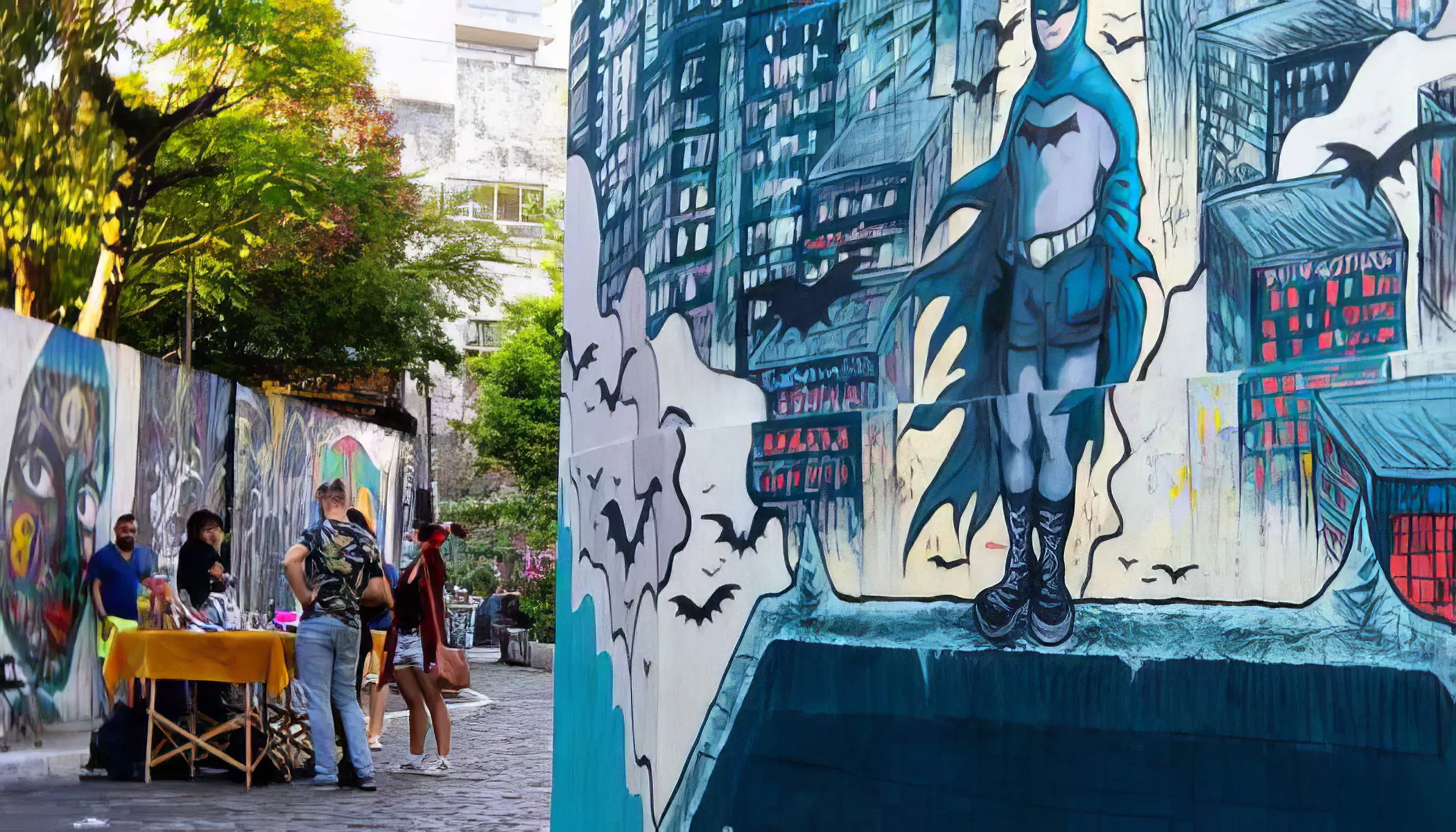
Brazil offers a diverse range of cities, each with its unique charm and attractions:
– Rio de Janeiro: Known for its iconic landmarks like Christ the Redeemer and Copacabana Beach.
– Sao Paulo: The largest city in Brazil, it's a cultural hub with a vibrant nightlife and diverse cuisine.
– Salvador: Famous for its Afro-Brazilian culture, colonial architecture, and beautiful Carnival celebrations.
– Brasilia: The capital city, known for its unique modernist architecture and urban planning.
– Florianopolis: A city on an island, known for its beautiful beaches and excellent surfing conditions.
– Manaus: The gateway to the Amazon rainforest, offering unique wildlife and nature experiences.
– Recife: Known for its historic old town, beautiful beaches, and lively Carnival celebrations.
Monuments
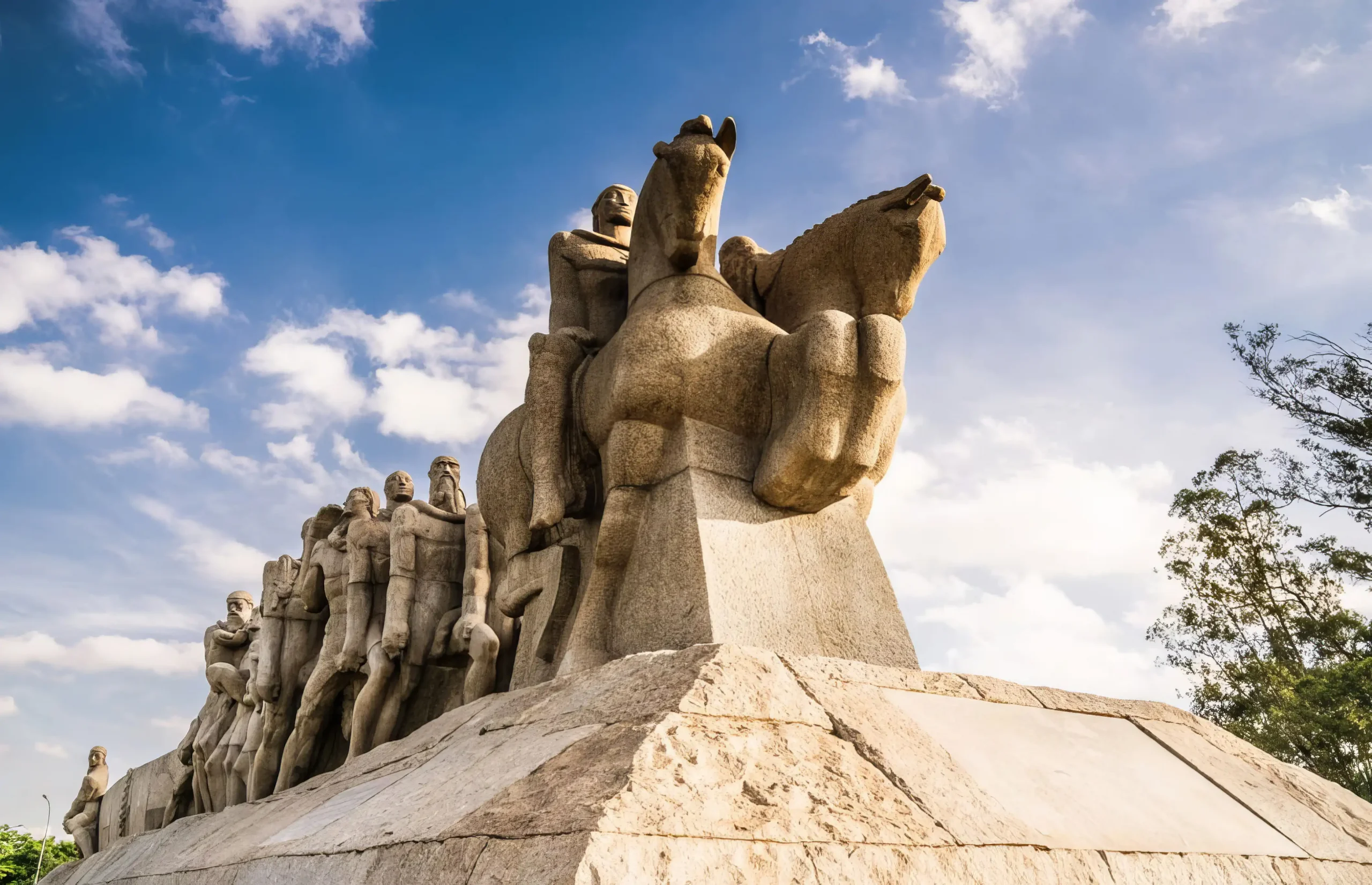
Brazil is home to a variety of historical and architectural monuments:
– Christ the Redeemer, Rio de Janeiro: Iconic statue of Jesus Christ overlooking the city.
– Sugarloaf Mountain, Rio de Janeiro: Natural monument offering panoramic views of the city.
– Iguazu Falls, Paraná: One of the world's largest waterfalls, located on the border with Argentina.
– Pelourinho, Salvador: Historic district with colonial architecture and colorful buildings.
– Cathedral of Brasília, Brasília: Modernist cathedral designed by Oscar Niemeyer.
– São Paulo Museum of Art, São Paulo: Notable for its suspended structure and collection of Western art.
– Theatro Municipal, Rio de Janeiro: Opulent early 20th-century theater hosting ballet and classical music.
– Sanctuary of Bom Jesus do Congonhas, Minas Gerais: Baroque-style basilica with soapstone statues of the apostles.
Natural wonder
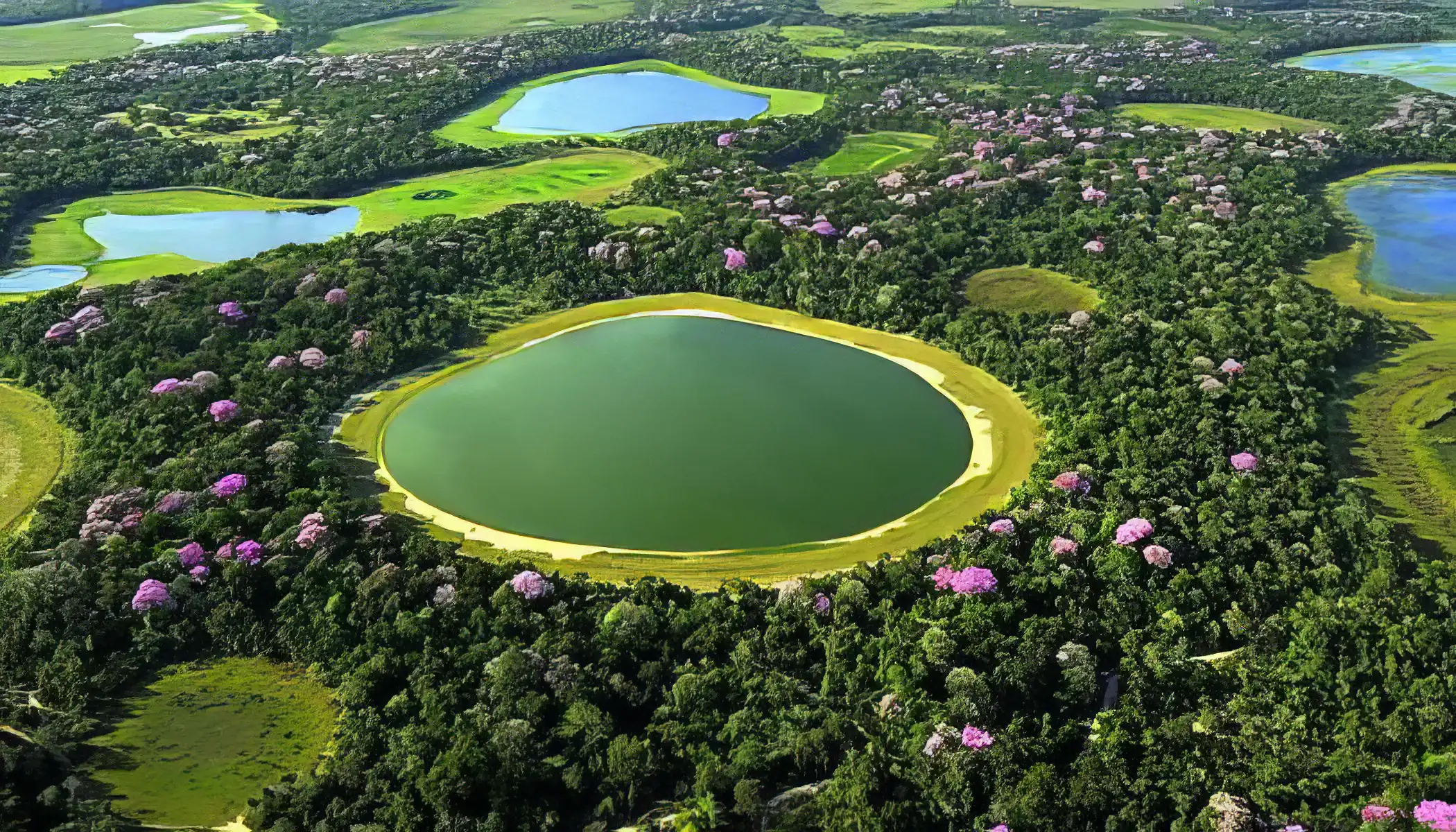
Explore the diverse natural wonders of Brazil:
– Amazon Rainforest: The world's largest tropical rainforest, rich in biodiversity.
– Pantanal: The world's largest tropical wetland, home to a variety of wildlife.
– Iguazu Falls: A massive waterfall system on the border with Argentina.
– Chapada Diamantina National Park: Known for its caves, rivers, waterfalls, and hiking trails.
– Fernando de Noronha: An archipelago with unique marine life and beautiful landscapes.
– Lençóis Maranhenses National Park: Features vast sand dunes and seasonal rainwater lagoons.
– Mount Roraima: A unique tabletop mountain with endemic plant species.
– Jalapão State Park: Known for its sand dunes, waterfalls, and natural springs.
– Aparados da Serra National Park: Home to Itaimbezinho canyon and remarkable waterfalls.
– Serra da Capivara National Park: Known for prehistoric rock paintings and unique landscapes.
Beaches
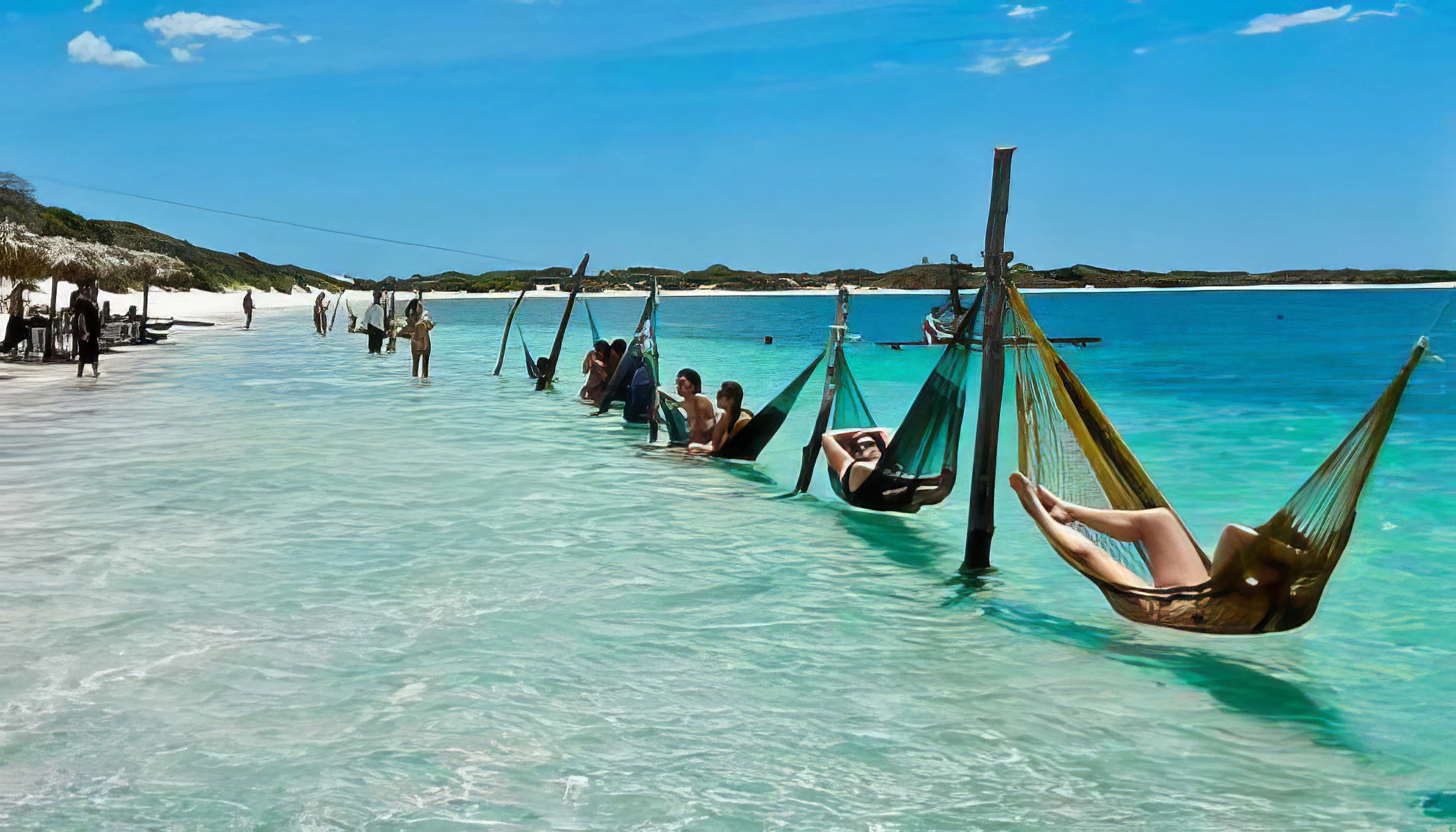
Here are some of the most visited beaches in Brazil:
– Copacabana Beach: Iconic beach in Rio de Janeiro known for its vibrant atmosphere.
– Ipanema Beach: Famous for its lively culture and remarkable views in Rio de Janeiro.
– Praia do Rosa: A beautiful bay with great surf in Santa Catarina.
– Praia do Sancho: Known for its clear waters and rich marine life in Fernando de Noronha.
– Praia da Pipa: Offers dolphin sightings and surfing in Rio Grande do Norte.
– Porto De Galinhas: Popular for natural pools and snorkeling in Pernambuco.
– Praia Do Espelho: Noted for its natural beauty and tranquility in Bahia.
Outdoor activities

Brazil offers a variety of outdoor experiences, from exploring rainforests to relaxing on beautiful beaches:
– Hiking in Chapada Diamantina: Traverse through caves, waterfalls, and unique rock formations.
– Wildlife Viewing in Pantanal: Spot jaguars, caimans, and hundreds of bird species.
– Surfing in Florianopolis: Ride the waves on some of Brazil's best beaches.
– Hang Gliding in Rio de Janeiro: Soar above the city for a unique perspective.
– Amazon Rainforest Tour: Experience the world's largest tropical rainforest and its diverse wildlife.
– Snorkeling in Fernando de Noronha: Explore clear waters filled with colorful fish and coral reefs.
– Dune Buggying in Natal: Navigate through towering sand dunes for an adrenaline rush.
Kid Friendly
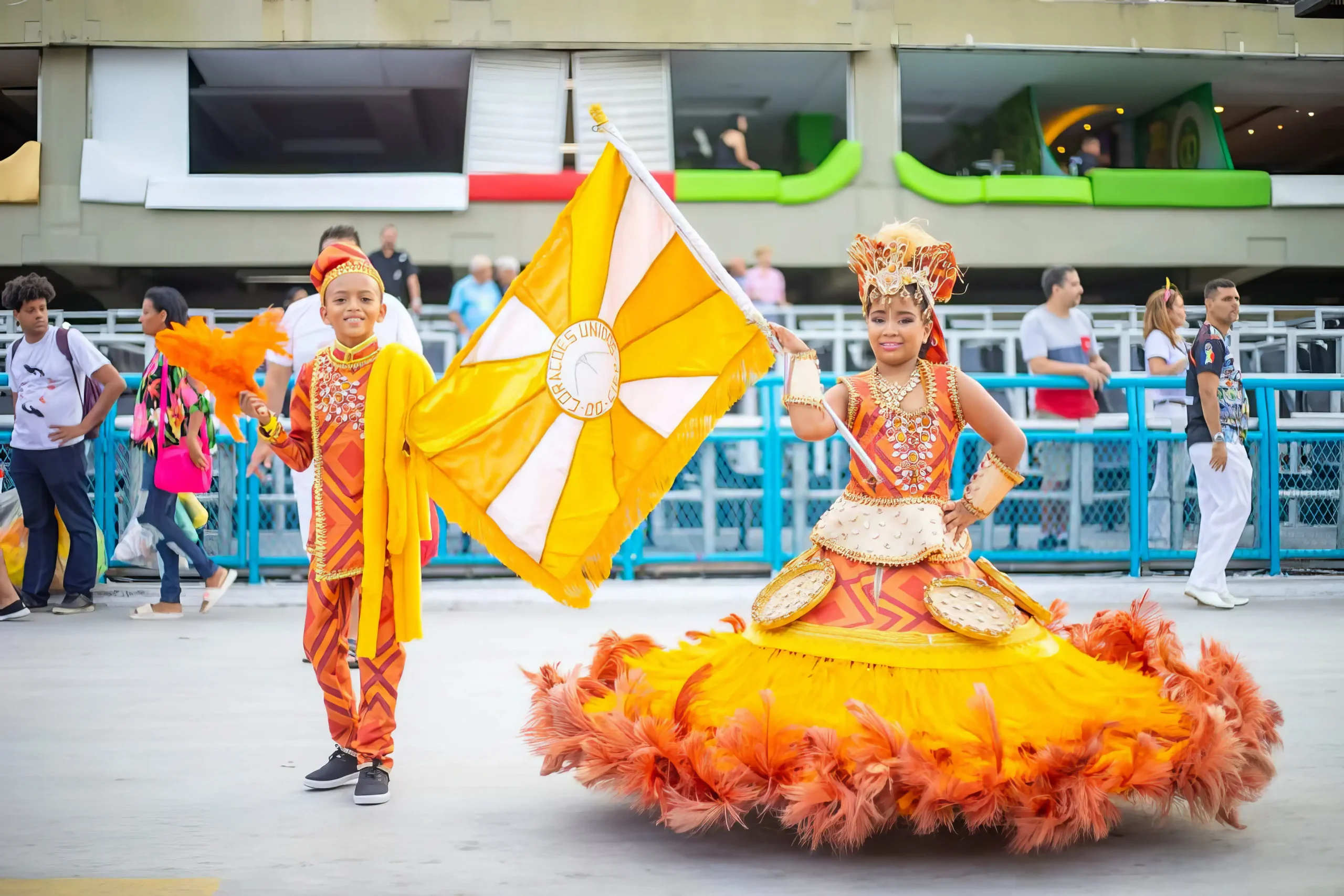
Brazil offers a variety of activities that are perfect for families with children:
– Amazon Rainforest: A guided tour can introduce kids to unique wildlife and plants.
– Pantanal: A wildlife tour here offers a chance to see jaguars, capybaras, and other animals.
– Iguazu Falls: A magnificent natural wonder that offers boat rides and wildlife spotting.
– Sugarloaf Mountain: A cable car ride to the top provides gorgeous views of Rio de Janeiro.
– Sao Paulo Zoo: Home to a wide variety of animals, including many native to Brazil.
– Salvador Beaches: Safe, clean beaches with calm waters perfect for kids.
– Beto Carrero World: The largest theme park in Latin America, with rides and shows for all ages.
– Instituto Butantan: A biological research center with a snake farm and a historical museum.
Cuisine
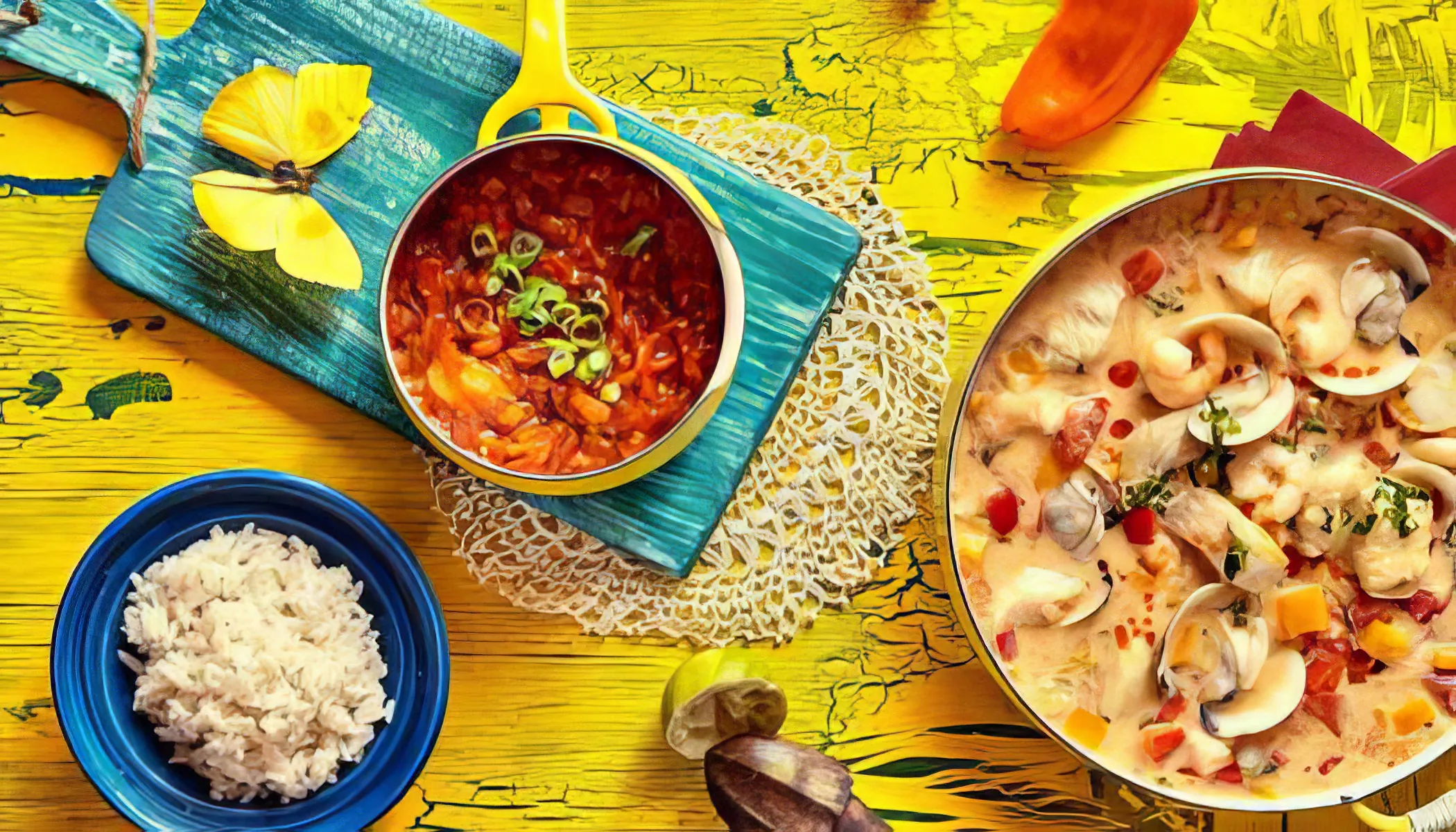
Brazilian cuisine is a lively fusion of indigenous, African, and Portuguese influences, resulting in a diverse and flavorful food scene. Street food is popular, with vendors offering a variety of regional specialties. The country's vast size contributes to its culinary diversity. Most famous cuisine in Brazil are:
– Feijoada: A hearty black bean stew with pork.
– Acarajé: Deep-fried ball of black-eyed pea dough, filled with shrimp.
– Pão de Queijo: Cheese bread made from cassava flour.
– Moqueca: Seafood stew made with coconut milk, tomatoes, onions, and coriander.
– Brigadeiro: Chocolate fudge balls, a popular dessert.
Souvenir
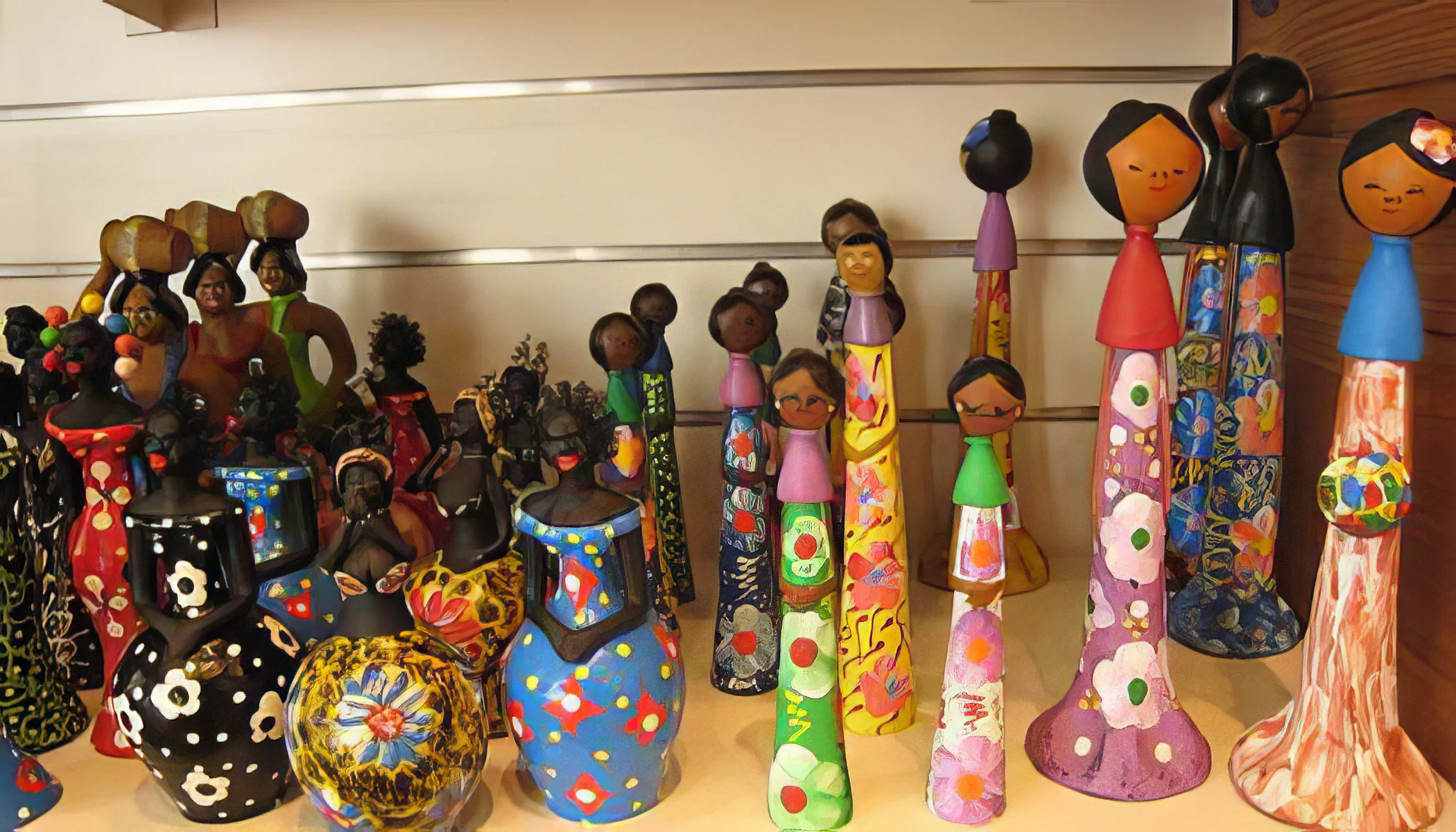
Brazil is a energetic country with a rich cultural heritage, which is reflected in its wide range of souvenirs. Here are some popular items to consider:
– Havaianas: These Brazilian flip-flops are comfortable, durable, and come in a variety of colors and designs.
– Cachaça: This is a popular Brazilian spirit made from sugarcane, often used in the national cocktail, Caipirinha.
– Brazilian Coffee: Brazil is the world's largest coffee producer, so it's a great place to buy high-quality coffee beans.
– Gemstone Jewelry: Brazil is rich in precious and semi-precious stones, making gemstone jewelry a popular souvenir.
– Hammocks: Brazilian hammocks are known for their quality and comfort, and make a great souvenir.
– Brazilian Soccer Jersey: Soccer is a big part of Brazilian culture, and a jersey from a popular team like Flamengo or Santos is a great souvenir.
– Local Art: Brazil has a pretty art scene, and a piece of local art can be a unique and meaningful souvenir.
Traditional Shows

Brazil is known for its lovely music and dance culture:
– Samba Shows: Experience the energetic rhythm of Samba, a popular Brazilian dance form, at Rio de Janeiro's Samba City.
– Capoeira Performances: Witness this unique blend of martial arts, dance, and music, originating from Afro-Brazilian communities, in Salvador.
– Forró Music: Enjoy this traditional Brazilian music and dance style, particularly popular in the Northeast region, in cities like Recife.
– Bossa Nova Shows: Listen to the soothing sounds of Bossa Nova, a music genre that originated in Rio de Janeiro.
– Carnival Parades: Join the world's biggest party in Rio de Janeiro, where samba schools compete with spectacular floats and costumes.
Events & Festivals
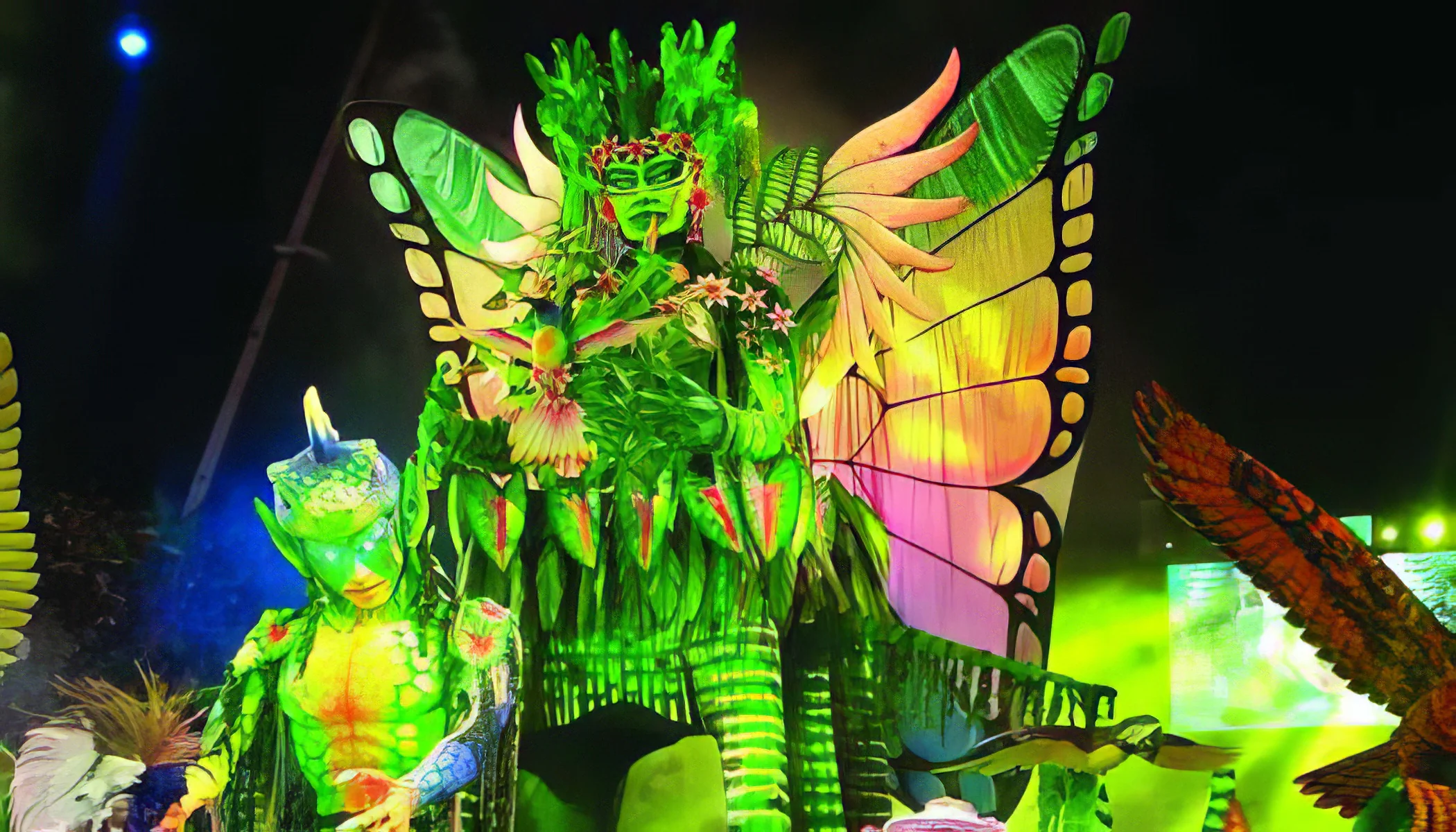
Brazil is known for its pleasant festivals and cultural events that take place throughout the year:
– Carnival: A week-long festival in February/March, known for its parades, costumes, and samba dancing.
– Festa Junina: Celebrated in June, it's a traditional midsummer festival with folk dances and food.
– Parintins Folklore Festival: A June event in Amazonas, featuring a competition of folklore presentations.
– Independence Day: Celebrated on September 7 with parades and patriotic events.
– Oktoberfest of Blumenau: A large October beer festival, inspired by the German Oktoberfest.
– Festival de Gramado: An August film festival in Gramado, showcasing Brazilian and international films.
– Réveillon: New Year's Eve celebration, particularly famous in Rio de Janeiro for its fireworks and beach parties.
Famous People

Brazil has been home to many influential figures who have made significant contributions in various fields.
– Pelé (born 1940, Três Corações): Widely regarded as one of the greatest football players of all time.
– Ayrton Senna (1960 to 1994, São Paulo): One of the greatest Formula One drivers in history.
– Oscar Niemeyer (1907 to 2012, Rio de Janeiro): Renowned architect known for designing Brasília, Brazil's capital.
– Paulo Coelho (born 1947, Rio de Janeiro): Bestselling novelist, famous for "The Alchemist."
– Dilma Rousseff (born 1947, Belo Horizonte): Brazil's first female president, serving from 2011 to 2016.
Books
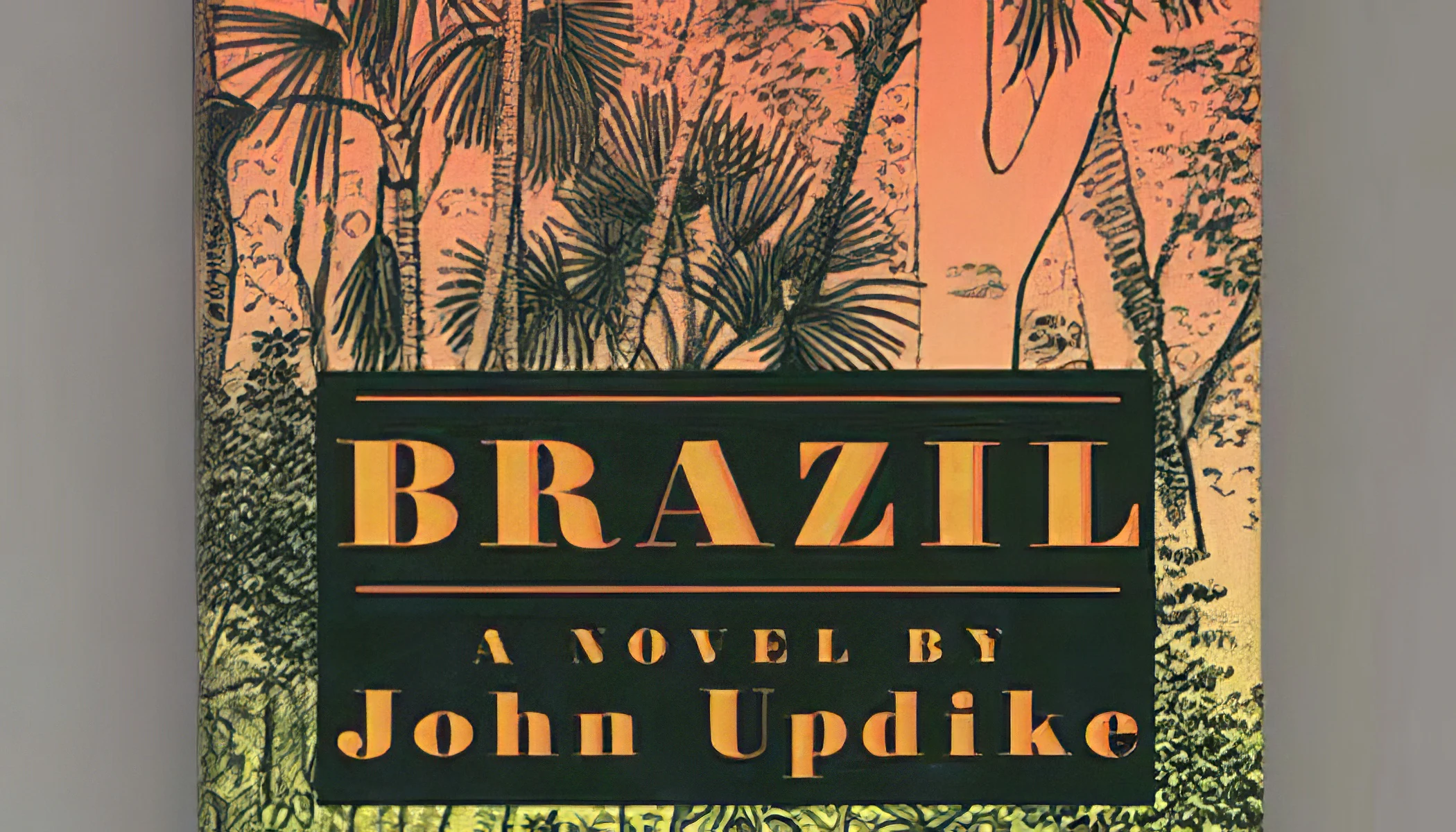
These books provide a rich exploration of Brazil's remarkable culture, complex history, and diverse landscapes.
– "The Alchemist" by Paulo Coelho: A young shepherd's journey of self-discovery set in Brazil.
– "City of God" by Paulo Lins: A raw depiction of life in a Rio de Janeiro favela.
– "The War of the End of the World" by Mario Vargas Llosa: A historical novel about a religious war in late 19th-century Brazil.
– "Dona Flor and Her Two Husbands" by Jorge Amado: A humorous tale of love and ghostly visitations in Bahia.
– "The Devil to Pay in the Backlands" by João Guimarães Rosa: A complex narrative of life in Brazil's rugged backlands.
Songs
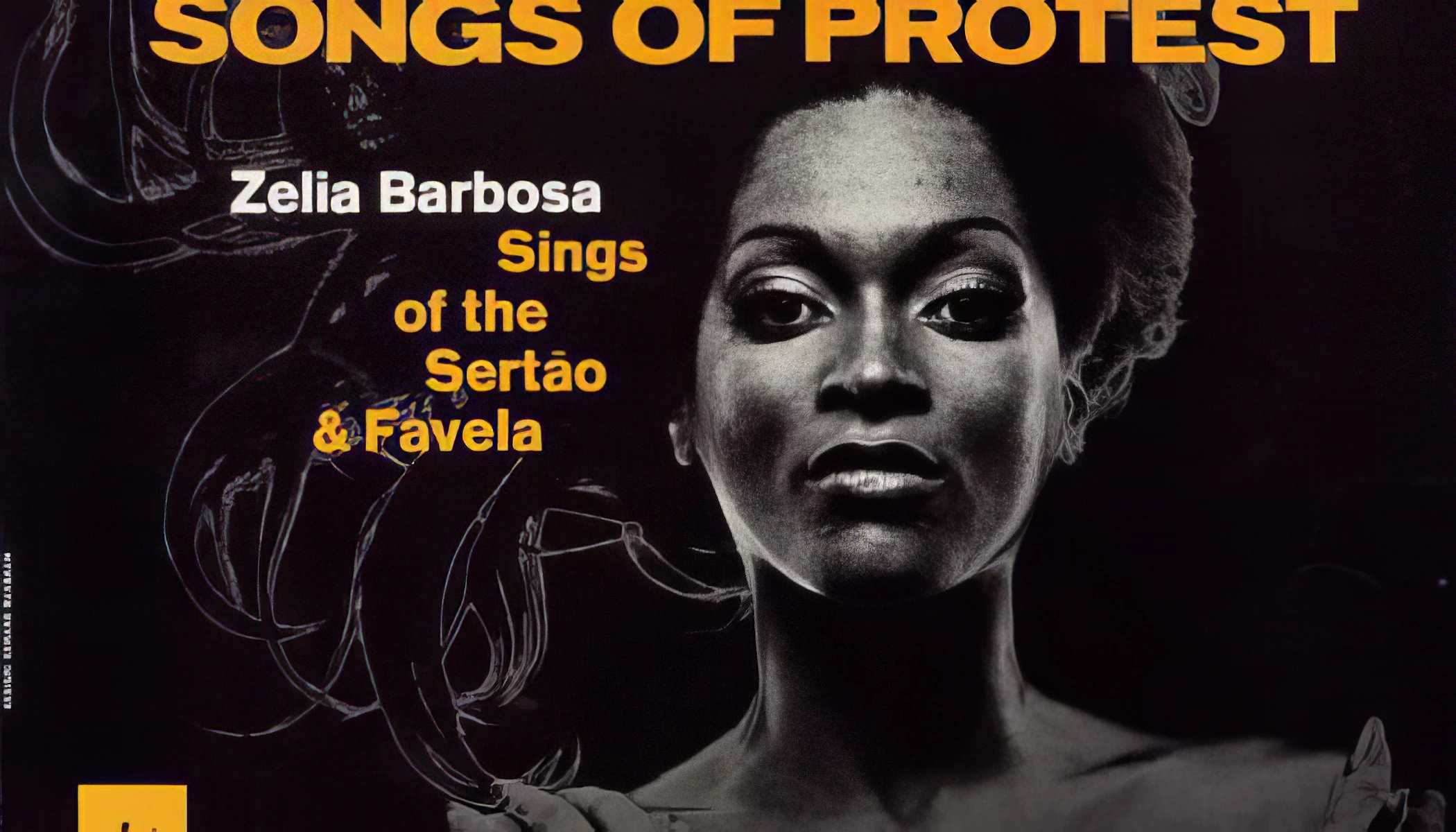
Brazilian music is a rich tapestry of samba, bossa nova, and popular music, reflecting the country's pleasant culture and history.
– The Girl from Ipanema: Internationally renowned bossa nova song by Antonio Carlos Jobim.
– Mas Que Nada: Signature samba song by Jorge Ben Jor.
– Águas de Março: Classic bossa nova track by Antonio Carlos Jobim.
– Chega de Saudade: Considered the first recorded bossa nova song, by João Gilberto.
– Carinhoso: Popular song by Pixinguinha, a pioneer of choro music.
– Aquarela do Brasil: Patriotic samba-exaltação by Ary Barroso.
Films

Here are some of the most renowned films that beautifully depict the culture and life in Brazil:
– "City of God": Directed by Fernando Meirelles, it's a gritty tale of crime and survival in Rio's favelas.
– "Central Station": Walter Salles' film about a woman's journey to reunite a boy with his father.
– "Elite Squad": José Padilha's film explores the corruption and violence within Rio's police force.
– "Black Orpheus": Marcel Camus' film retells the Greek myth of Orpheus and Eurydice set during Rio's Carnival.
– "Aquarius": Directed by Kleber Mendonça Filho, it's a story of a woman's fight to keep her apartment.