

Cuba Attractions & Travel Advice – Plan Your Visit
This Caribbean island nation is known for its white-sand beaches, tobacco fields, and dynamic music scene. Its capital, Havana, is filled with pastel houses, 1950s-era cars, and Spanish-colonial architecture. It's a country with a rich history and unique culture.
- Capital
- Havana
- Population
- 11.5 millions
- Superficy
- 111000 sq.km
- Months to Visit
- Nov. to Apr.
- Living Cost
- Moderate
Overview
Cuba is an island nation located in the Caribbean, known for its remarkable culture, rich history, and tropical climate. Its capital, Havana, is famous for its colonial architecture, colorful buildings, and vintage cars. The country's economy is largely based on agriculture, mining, and manufacturing, with tourism also playing a significant role. Cuba's political system is a socialist republic, with the Communist Party being the ruling party. The country is renowned for its music, dance, and sports, particularly baseball. Despite economic challenges, Cuba has achieved notable successes in areas such as education and healthcare.
Pros & Cons
GOOD REASONS TO VISIT CUBA
– Rich History: Cuba's colonial architecture, vintage cars, and revolutionary history offer a unique cultural experience.
– Animated Music and Dance: Experience salsa, rumba, and jazz in lively music venues and impromptu street performances.
– Beautiful Beaches: Cuba boasts pristine, white-sand beaches, particularly in Varadero and Cayo Coco.
– Warm Hospitality: Cubans are known for their friendliness and hospitality, making visitors feel welcome.
– Unique Ecosystems: Explore diverse landscapes from the tobacco fields of Viñales to the wetlands of Zapata Peninsula. CHALLENGES WHEN VISITING CUBA
– Limited Internet Access: Internet is not widely available, which can be challenging for those needing regular connectivity.
– Food Variety: While traditional Cuban food is tasty, there's limited variety and availability of certain products.
– Infrastructure: Some areas have outdated infrastructure and amenities, which may not meet expectations of some travelers.
Before Departure
Before planning your trip to Cuba, there are several important factors to consider:
– Passport: Ensure your passport is valid for at least six months beyond your departure date.
– Visa: Tourist cards (tourist visa) are required for most nationalities, valid for 30 days and extendable for another 30 days.
– Currency: Cuba has two currencies, the Cuban Peso (CUP) and the Cuban Convertible Peso (CUC). Credit cards are not widely accepted, and ATMs are not reliable.
– Internet access: Internet access is limited and often slow. WiFi is available in some hotels and public parks, and prepaid internet cards can be purchased.
– Language barrier: Spanish is the official language. English is spoken in tourist areas, but not widely spoken elsewhere. Knowing basic Spanish phrases can be helpful.
What to Pack
Planning a trip to Cuba requires careful packing to ensure comfort and convenience during your stay.
– Essentials: Passport and visa (if required), Travel insurance details, Flight tickets and itinerary, Accommodation reservations.
– Clothing: Lightweight and breathable clothing, comfortable walking shoes, swimwear (for beach areas), hat and sunglasses for sun protection, light jacket for cooler evenings.
– Health and Safety: Prescription medications and a basic first aid kit, insect repellent, sunscreen with high SPF, personal hygiene items.
– Electronics: Travel adapter for Cuban outlets, mobile phone, camera, portable charger.
Weather
Cuba experiences a tropical climate with two distinct seasons.
– Dry Season (November to April): This period is characterized by warm, sunny days with less rainfall and lower humidity.
– Wet Season (May to October): This period is typically hot and humid with frequent rainfall and the possibility of hurricanes. The best time to visit Cuba is during the dry season, from November to April.
– Pros: Pleasant weather, less rainfall, and numerous cultural events.
– Cons: It's the peak tourist season, so expect higher prices and more crowds.
Travel Budget
Cuba is a country with a unique economy. Here are some average costs for tourists:
– Hotel: 70$ to 200$
– Lunch: 5$ to 15$
– Beverage (in bar/restaurant): 2$ to 6$
– Coffee: 1$ to 3$
– Transportation: (train 10$ to 50$), (bus 1$ to 5$), (taxi /10km 10$ to 20$)
– Mobile data (per GB): 7$ to 10$
Language
Cuba's official language is Spanish, and here are some useful phrases for tourists:
– Hello: Hola
– Thank you: Gracias
– Please: Por favor
– How much is this?: ¿Cuánto cuesta esto?
– Excuse me: Perdón
– I don't understand: No entiendo
– Yes: Sí
– No: No
– Goodbye: Adiós
History
Cuba was inhabited by indigenous people before Christopher Columbus claimed it for Spain in 1492. It remained a Spanish colony until the Spanish-American War of 1898, when the U.S. intervened on behalf of the Cuban rebels, resulting in Spanish withdrawal and the establishment of a nominally independent Cuba. The U.S. retained significant influence until the Cuban Revolution in 1959, led by Fidel Castro, which established a socialist state allied with the Soviet Union. The U.S. imposed an economic embargo in response, leading to decades of tension, including the Cuban Missile Crisis in 1962. After the fall of the Soviet Union, Cuba faced economic hardship but maintained its socialist system. Fidel Castro's brother, Raul, took over in 2008, and has since initiated some economic and diplomatic reforms.
Geopolitics
Cuba is a socialist state located in the Caribbean, just south of the United States. It has a one-party communist government, with Havana as its capital. The country has had a complex and strained relationship with the United States, marked by a long-standing economic embargo imposed by the U.S. Cuba maintains strong ties with other socialist and communist countries, including China and Venezuela. Its geopolitical position is largely defined by its socialist ideology, its proximity to the United States, and its relationships with other Latin American countries and global powers.
Sample Itinerary
This itinerary offers a blend of Havana's animated culture, Trinidad's historical charm, Varadero's beach relaxation, and the natural beauty of Viñales Valley.
– 2 days in Havana: Explore Old Havana, visit the Revolution Museum, and enjoy a classic car tour. Experience live music and nightlife at the Malecón.
– 2 days in Trinidad: Visit the historic center, Plaza Mayor, and the Romantic Museum. Enjoy local music at Casa de la Musica.
– 2 days in Varadero: Relax on the beach, enjoy water sports, and visit the Varahicacos Ecological Reserve.
– 2 days in Viñales Valley: Explore the valley, visit tobacco farms, and enjoy horseback riding. Experience the local culture and cuisine.
Popular cities
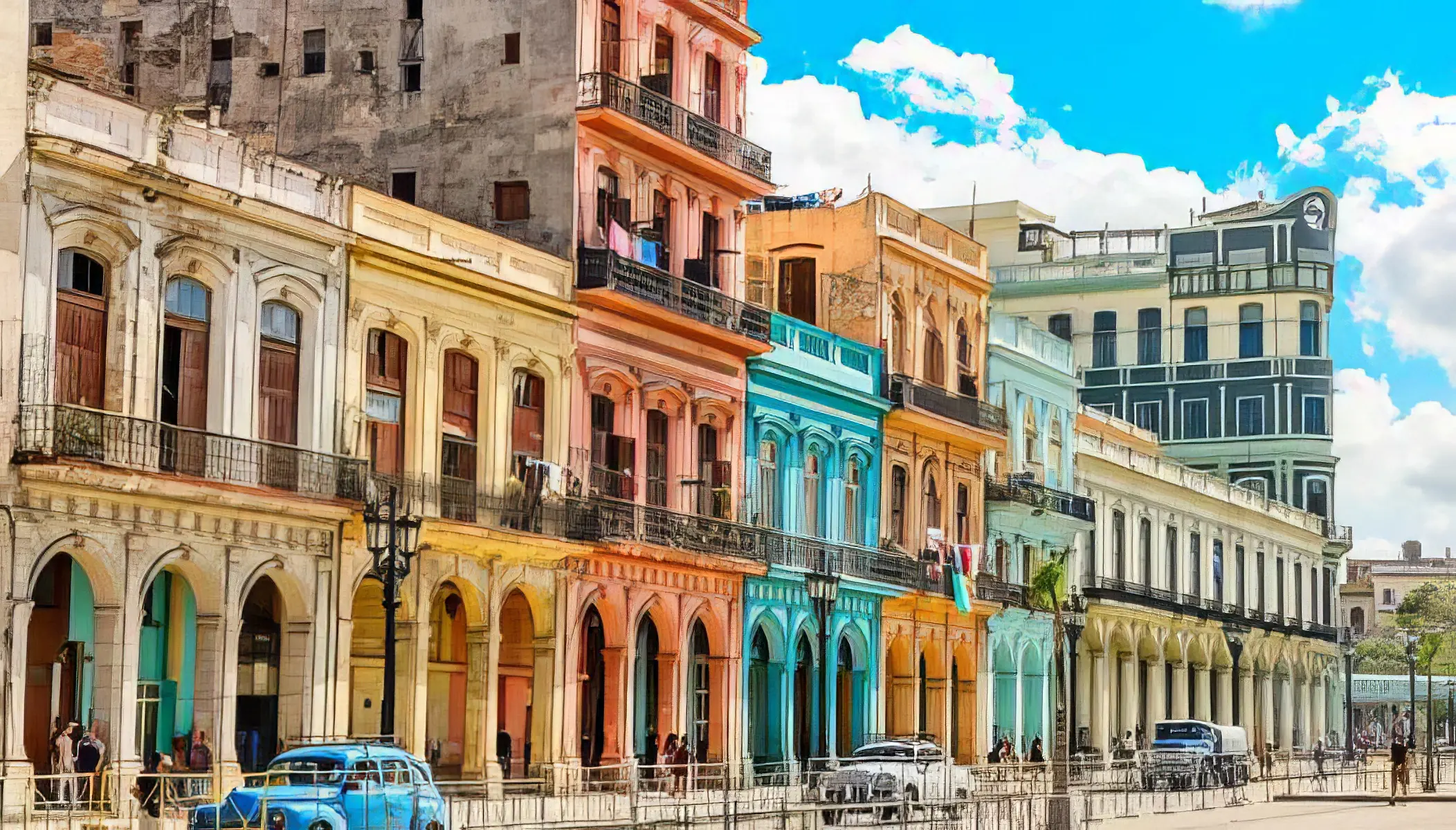
Cuba offers a mix of lively cities, rich history, and beautiful beaches:
– Havana: The capital city, known for its historic architecture, vintage cars, and lively music scene.
– Trinidad: A UNESCO World Heritage site, it boasts well-preserved colonial architecture and cobblestone streets.
– Santiago de Cuba: Known as the birthplace of Cuban music, it also offers historic sites and cultural festivals.
– Cienfuegos: A coastal city with French-influenced architecture and a beautiful bay area.
– Varadero: Famous for its resorts and beautiful beaches, it's a popular tourist destination.
– Santa Clara: Known for its revolutionary history, it's home to the Che Guevara Mausoleum.
– Baracoa: The oldest city in Cuba, it offers unique cuisine, natural beauty, and historic sites.
Monuments

Cuba is home to a variety of historical monuments and architectural wonders:
– Old Havana: UNESCO site, features colonial architecture and historic landmarks.
– Morro Castle, Havana: 16th-century fortress offering panoramic views of Havana.
– El Capitolio, Havana: Iconic national capitol building, inspired by the U.S. Capitol.
– Plaza de la Revolución, Havana: Large city square known for political rallies and speeches.
– Castillo de San Pedro de la Roca, Santiago de Cuba: UNESCO site, 17th-century fortress with a museum.
– Che Guevara Mausoleum, Santa Clara: Memorial dedicated to revolutionary Che Guevara.
– Cienfuegos: UNESCO site, known for its well-preserved 19th-century urban planning and architecture.
– Valle de los Ingenios, Trinidad: Historic sugar mills valley, a testament to Cuba's sugar industry.
Natural wonder
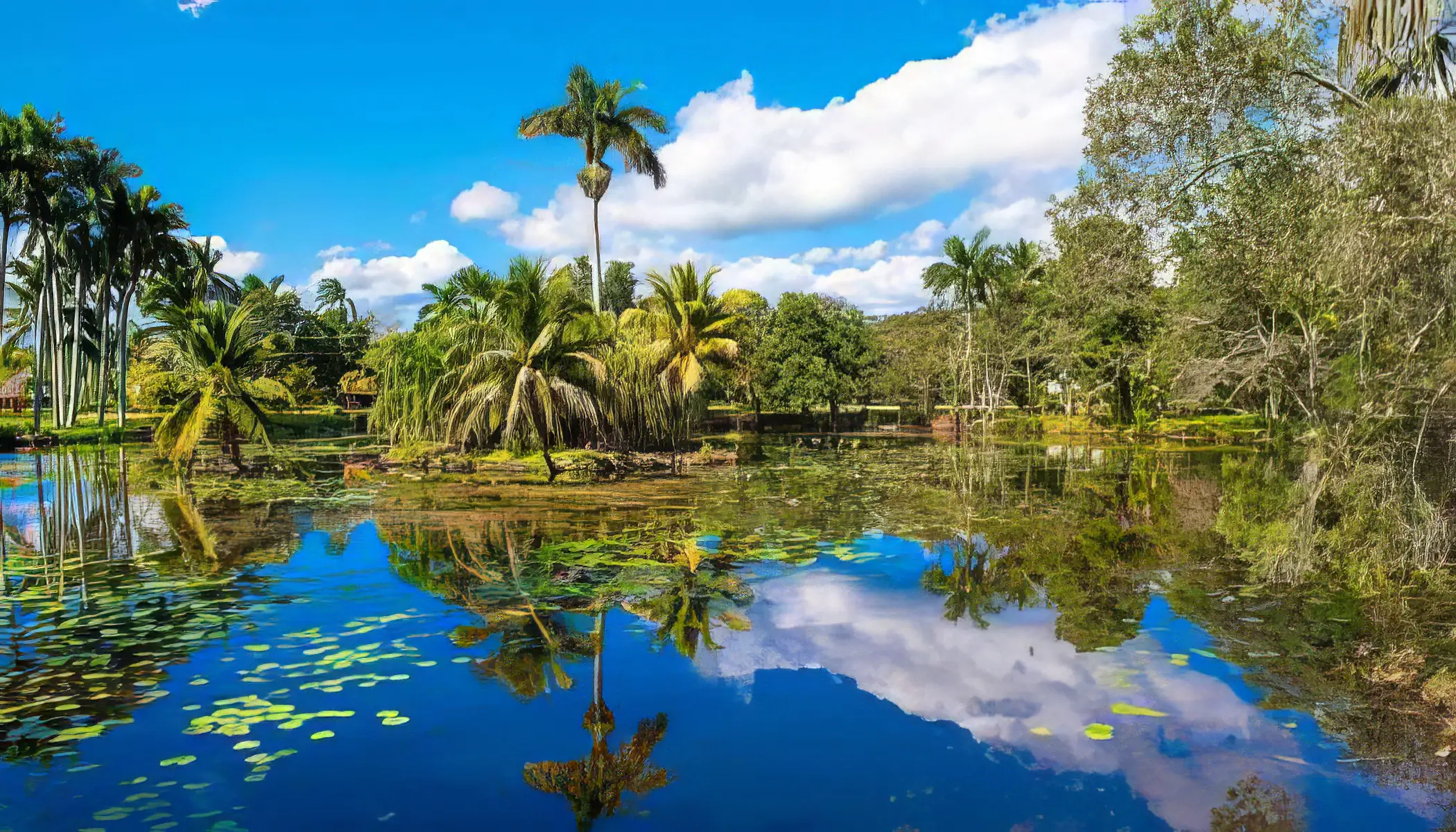
Explore the natural beauty of Cuba:
– Viñales Valley: Known for its gorgeous cliffs and traditional tobacco farms.
– El Nicho: A series of waterfalls and natural pools in the Escambray Mountains.
– Ciénaga de Zapata: The largest wetland in the Caribbean, home to diverse wildlife.
– El Yunque: A flat-topped mountain offering panoramic views and hiking trails.
– Topes de Collantes: A nature reserve park in the Escambray Mountains, known for its waterfalls and caves.
– Varahicacos Ecological Reserve: Features a network of caves and trails, home to diverse flora and fauna.
– Guanahacabibes Peninsula: A UNESCO Biosphere Reserve with diverse marine and terrestrial ecosystems.
– Sierra del Rosario: Mountain range with rich forests, waterfalls, and bird-watching opportunities.
– Humboldt National Park: UNESCO World Heritage Site known for its biodiversity.
– Desembarco del Granma National Park: Features marine terraces and cliffs, a UNESCO World Heritage Site.
Beaches
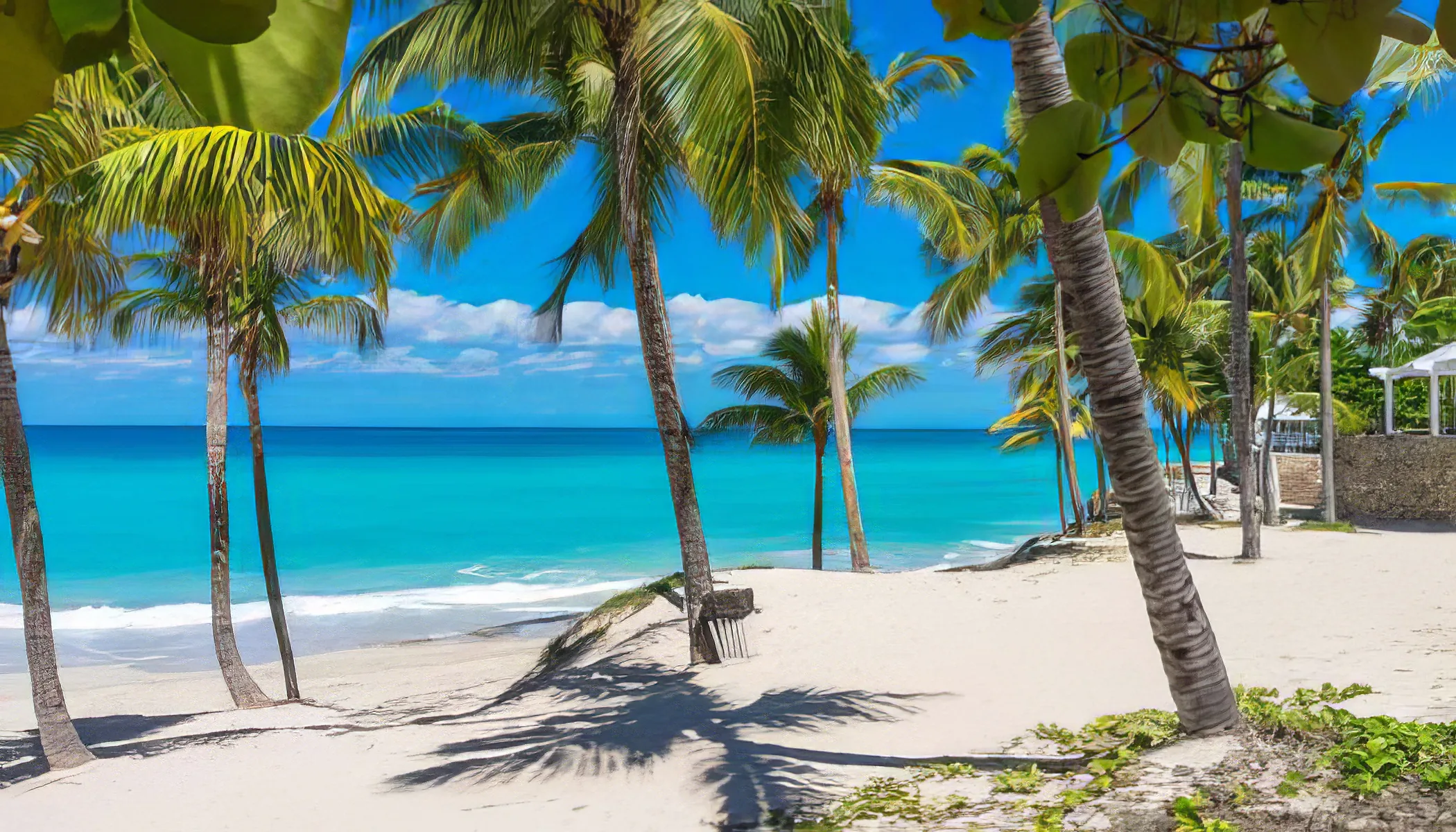
Here are some of the most visited beaches in Cuba:
– Varadero Beach: Known for its 20km stretch of white sand and clear waters.
– Playa Paraiso: A smooth beach on Cayo Largo with soft white sand and calm turquoise waters.
– Guardalavaca Beach: Offers clear waters, white sand, and coral reefs in Holguin province.
– Playa Ancon: Closest beach to Trinidad, known for its long stretch of white sand.
– Cayo Coco: Part of Jardines Del Rey archipelago, known for its clear waters and coral reefs.
– Playa Los Flamencos: A immaculate beach on Cayo Coco with white sand and clear waters.
– Playa Pilar: Located on Cayo Guillermo, known for its high sand dunes and clear waters.
Outdoor activities
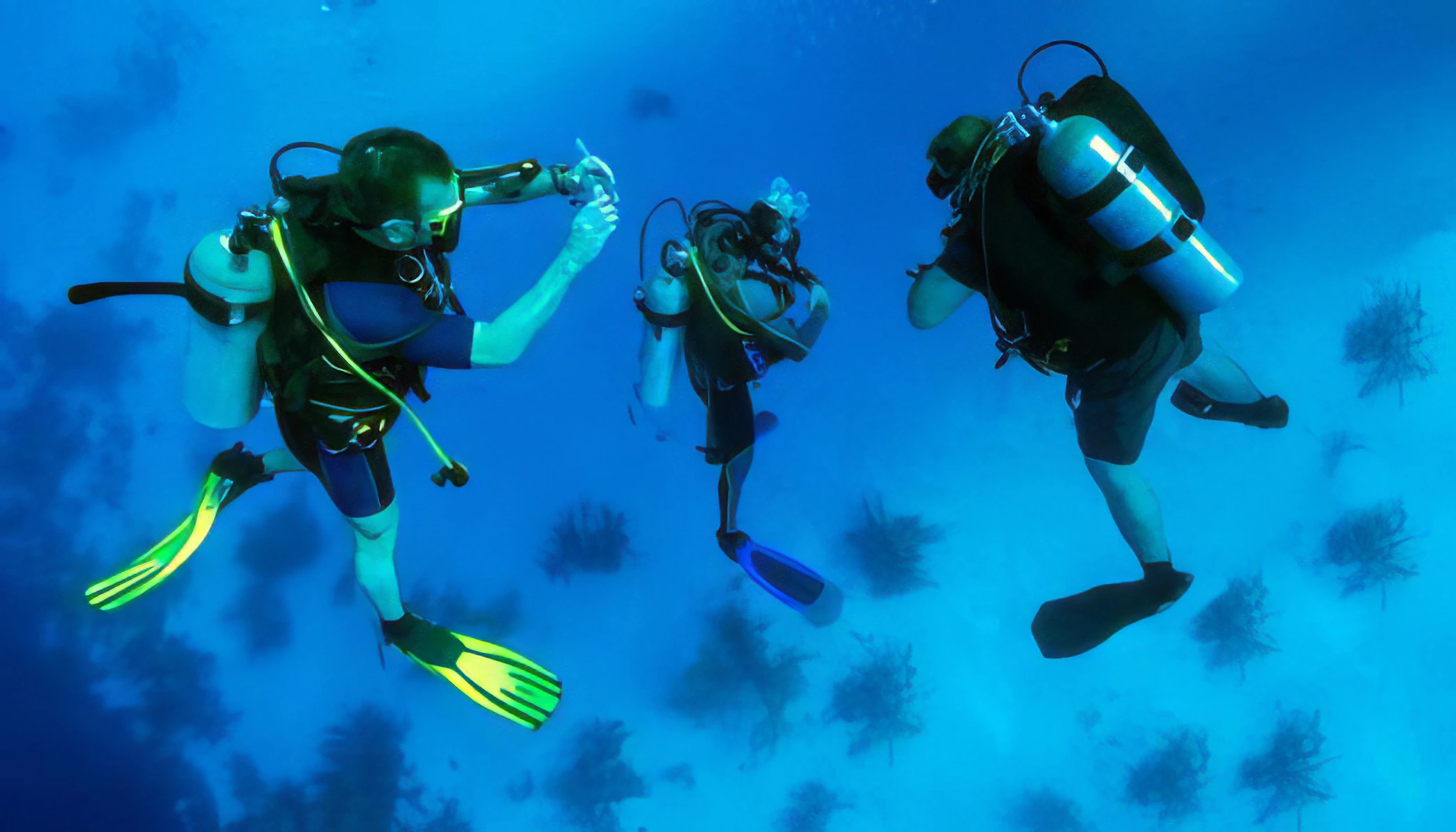
Cuba offers a variety of outdoor experiences that cater to different interests and adventure levels:
– Snorkeling in Varadero: Explore the lively underwater world of Cuba's clear waters.
– Hiking in Sierra Maestra: Trek through Cuba's highest mountain range with nice views.
– Cycling in Viñales Valley: Enjoy the scenic landscapes of tobacco fields and shiny hills.
– Sailing in Havana: Experience the city's skyline from a unique perspective on the water.
– Bird Watching in Zapata Swamp: Spot a variety of endemic and migratory bird species.
– Exploring El Nicho Waterfalls: Swim in natural pools and enjoy the surrounding nature.
– Walking tour in Old Havana: Discover the city's rich history and architecture on foot.
Kid Friendly
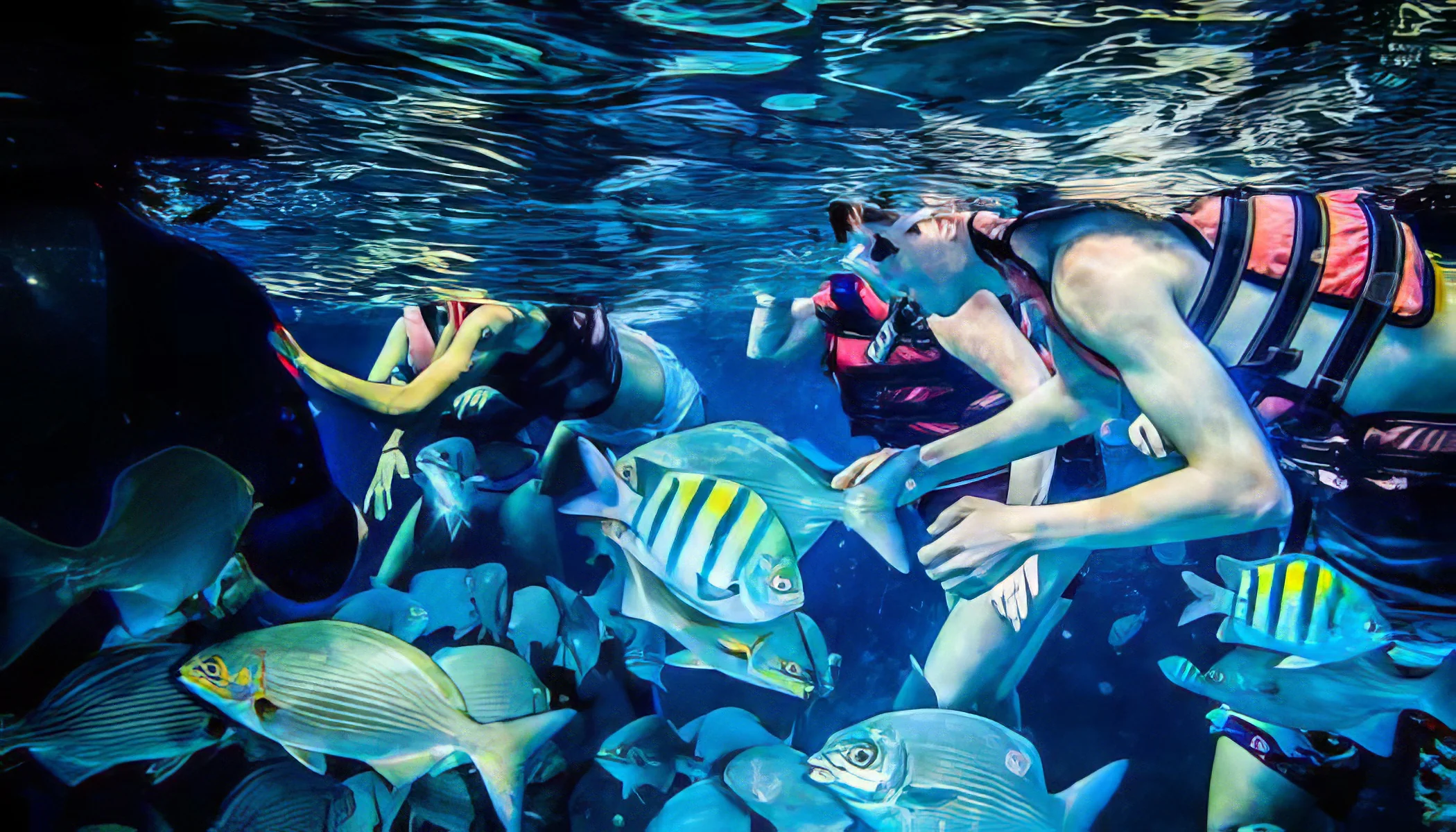
Cuba offers a variety of activities that are both fun and educational for children:
– Varadero Beach: A beautiful beach with calm waters, perfect for kids to swim and play.
– Havana Zoo: A large zoo with a variety of animals, including a children's petting area.
– Acuario Nacional: A national aquarium with a variety of marine life and daily dolphin shows.
– Parque Josone: A park with paddle boats, swimming pools, and playgrounds.
– El Nicho Waterfalls: A natural park with waterfalls and swimming holes, great for a family hike.
– Saturno Cave: A natural cave with a swimming hole that kids will find exciting.
– Guanaroca Lagoon: A nature reserve where families can bird watch, especially flamingos.
– Parque de Diversiones: An amusement park in Havana with a variety of rides and games.
Cuisine
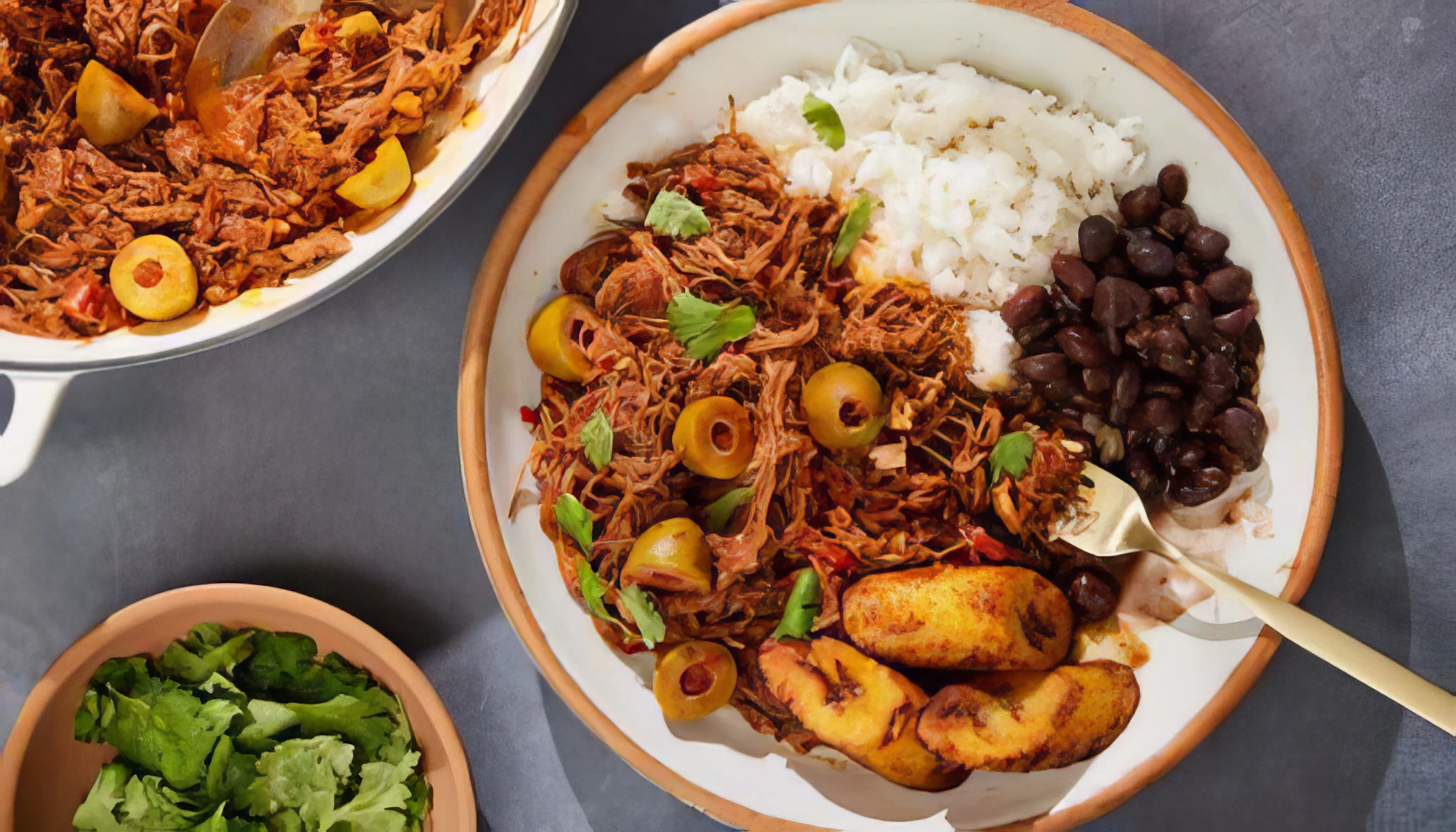
Cuban cuisine is a fusion of Spanish, African, and Caribbean influences, with a focus on simple, hearty dishes. The food is often slow-cooked and features a variety of meats, beans, and rice. Here are some of the most famous Cuban dishes:
– Ropa Vieja: Shredded beef stew in a tomato-based sauce.
– Moros y Cristianos: A dish of black beans and white rice.
– Lechon Asado: Roasted pork, often marinated in mojo sauce.
– Tostones: Fried green plantains, often served as a side dish.
– Cuban Sandwich: A pressed sandwich with ham, roasted pork, Swiss cheese, pickles, and mustard.
– Flan: A creamy caramel custard dessert.
– Pastelitos: Puff pastries filled with sweet or savory fillings.
Souvenir
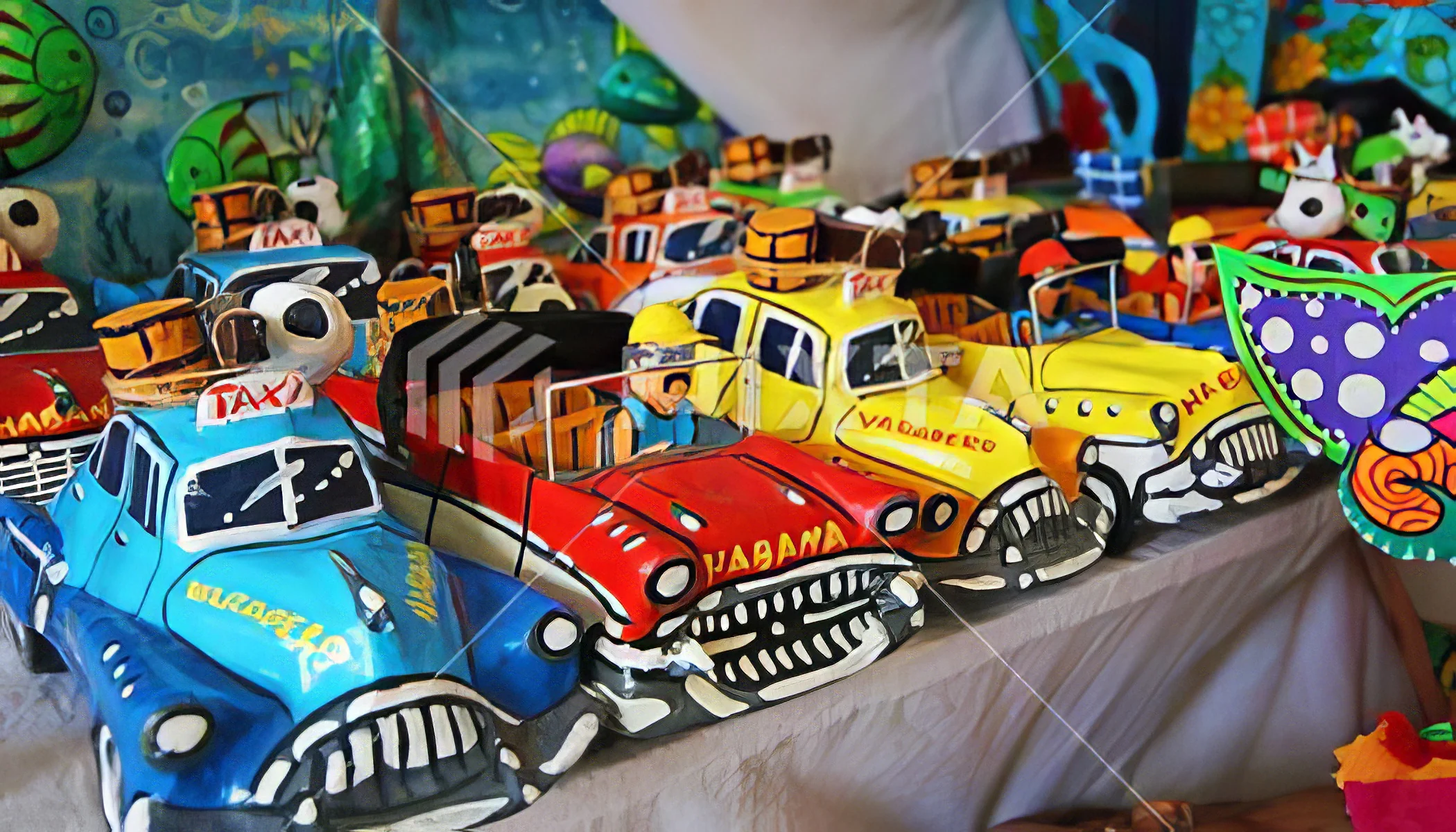
Cuba is a country rich in culture and history, and its souvenirs reflect this. Here are some items you might want to consider:
– Cuban Cigars: Known worldwide for their quality, Cuban cigars are a popular souvenir.
– Rum: Cuba is famous for its rum, and a bottle makes a great souvenir.
– Guayabera Shirts: These traditional Cuban shirts are stylish and comfortable.
– Cuban Coffee: Known for its strong flavor, Cuban coffee is a must-buy for coffee lovers.
– Cuban Music CDs: Cuba has a rich musical history, and a CD of traditional Cuban music is a great souvenir.
– Artwork: Local artwork is a unique and personal souvenir.
– Cuban Honey: Known for its unique flavor, Cuban honey is a sweet souvenir to bring home.
Traditional Shows

Cuba is a country rich in cultural performances:
– Rumba: Experience this Afro-Cuban dance and music style, full of rhythm and movement, in Havana.
– Tropicana Show: Witness a classic cabaret show with music, dance, and colorful costumes in Havana.
– Ballet Nacional de Cuba: Enjoy world-class ballet performances in Havana, showcasing Cuba's strong dance tradition.
– Buena Vista Social Club: Listen to traditional Cuban music performed by seasoned musicians in Havana.
– Afro-Cuban Dance: Learn about Cuba's African roots through energetic and spiritual dance performances in Santiago de Cuba.
Events & Festivals
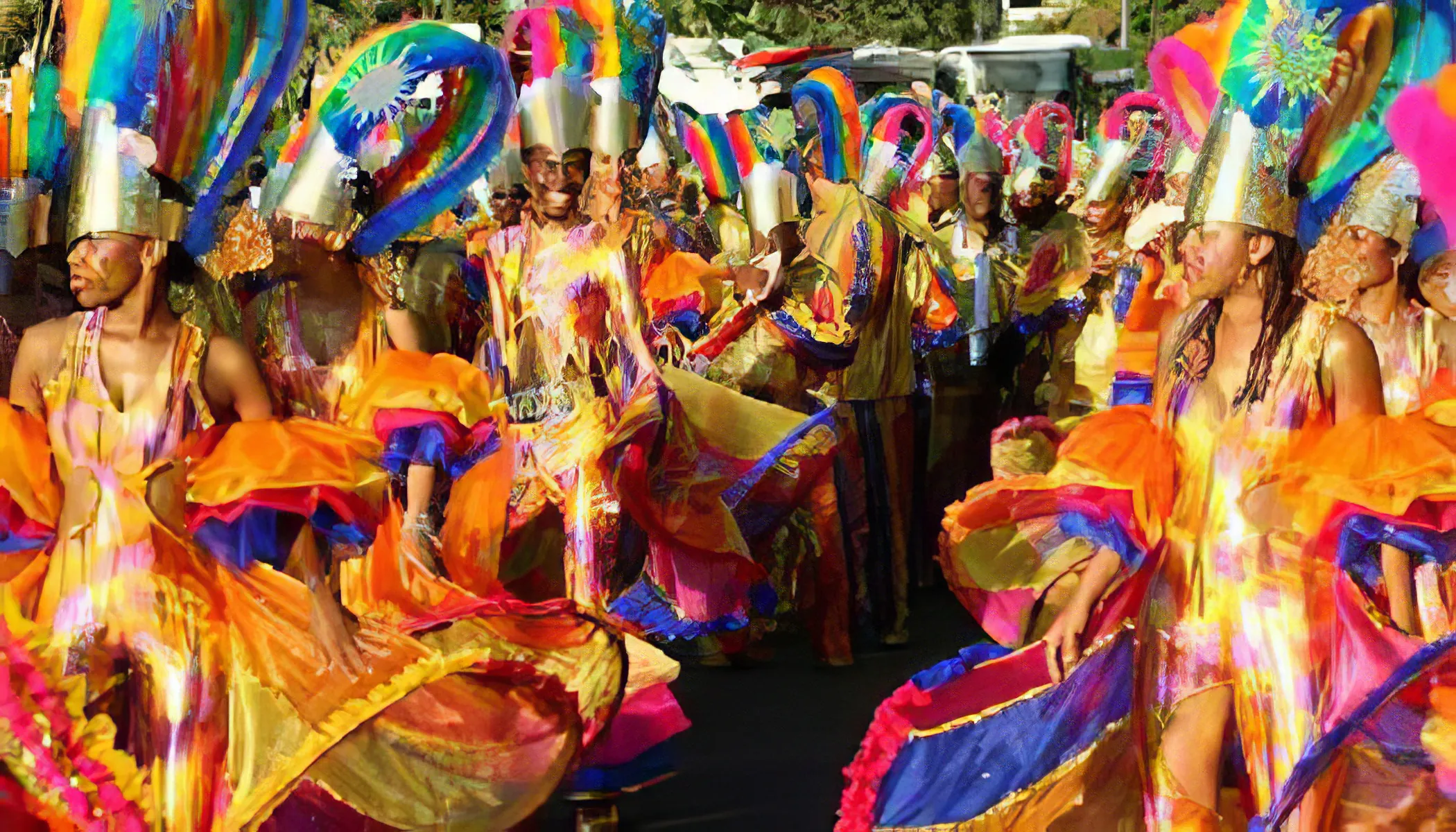
Cuba, a animated country, hosts several events and festivals throughout the year:
– International Jazz Festival: January event in Havana, featuring renowned international and local jazz musicians.
– Havana Book Fair: February event promoting literacy and love for books.
– International Workers' Day: May 1st parade in Havana, celebrating workers' rights.
– Cubadisco: May event in Havana, showcasing the best in Cuban music.
– Carnival of Santiago de Cuba: July event with parades, music, and dance.
– Havana Ballet Festival: Biennial November event, featuring performances by the world-class National Ballet of Cuba.
– Havana Film Festival: December event showcasing Latin American cinema.
Famous People

Cuba is renowned for its influential figures in politics, arts, and sports who have gained international recognition.
– Fidel Castro (1926 to 2016, Birán): Revolutionary leader who served as the Prime Minister and President of Cuba.
– Che Guevara (1928 to 1967, Argentina): Argentine Marxist revolutionary who played a key role in the Cuban Revolution.
– Celia Cruz (1925 to 2003, Havana): Internationally renowned singer, known as the "Queen of Salsa."
– Jose Marti (1853 to 1895, Havana): Poet, journalist, and national hero who fought for Cuban independence.
– Yoani Sanchez (born 1975, Havana): Blogger and journalist known for her critical commentary on Cuban politics.
Books
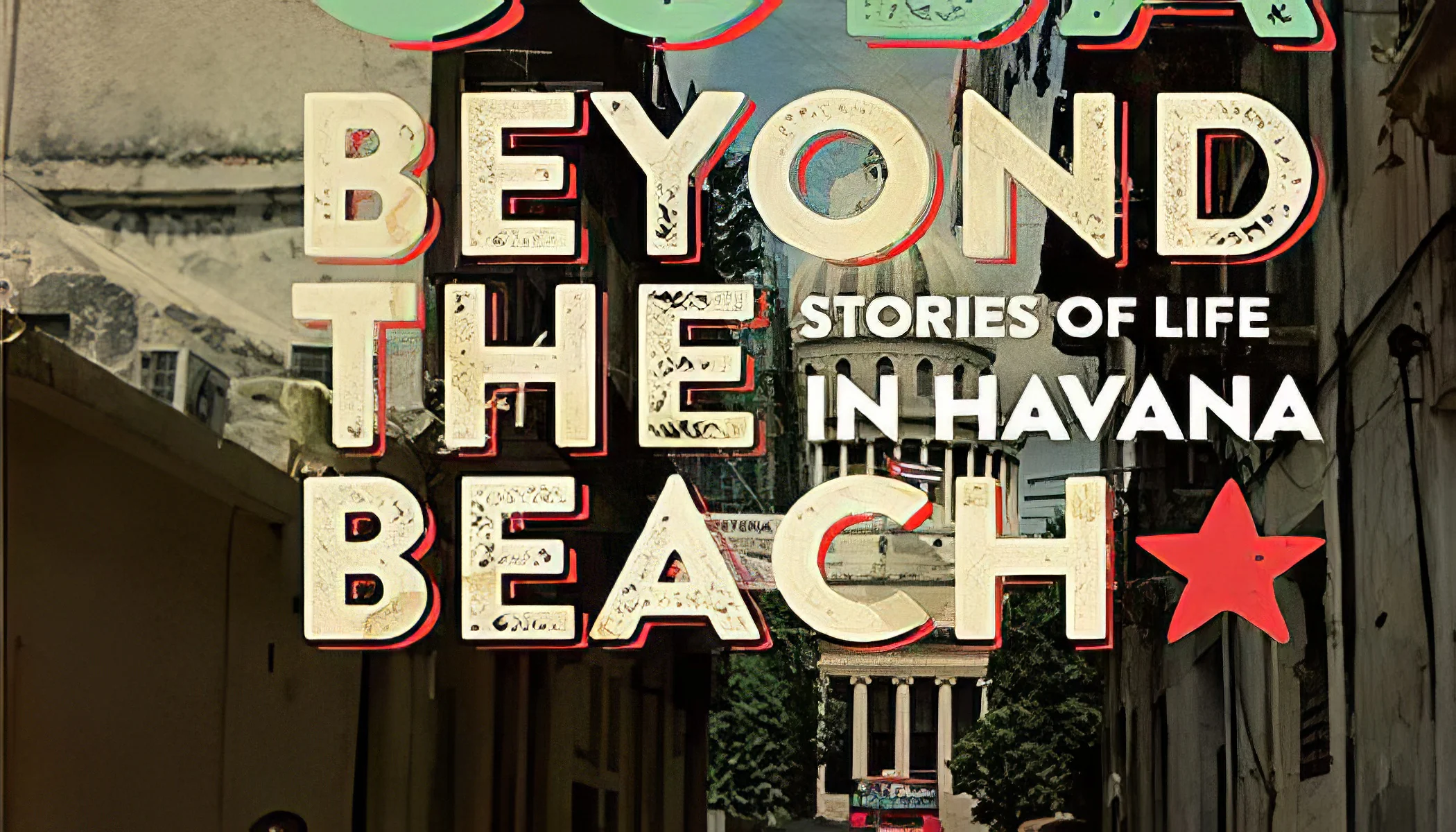
These books provide a rich exploration of Cuba's history, culture, and political landscape.
– "The Old Man and the Sea" by Ernest Hemingway: A tale of an old fisherman's struggle against nature.
– "Dreaming in Cuban" by Cristina García: Chronicles three generations of women's experiences in Cuba and the U.S.
– "Our Man in Havana" by Graham Greene: A satirical novel set in Batista's Cuba.
– "Havana Bay" by Martin Cruz Smith: A detective novel set in the heart of Havana.
– "Before Night Falls" by Reinaldo Arenas: A memoir of life in Cuba under Castro's regime.
Songs

Cuban music is a rich blend of African, Spanish, and indigenous influences, resulting in a unique and lovely sound.
– Guantanamera: A traditional Cuban song, often considered the country's unofficial national anthem.
– Chan Chan: A popular song by Buena Vista Social Club, showcasing classic Cuban son music.
– El Manisero: Known as "The Peanut Vendor," this song is one of the most famous Cuban songs internationally.
– La Negra Tomasa: A famous rumba song by Guillermo Rodriguez Fiffe.
– Hasta Siempre, Comandante: A song by Carlos Puebla, dedicated to Che Guevara.
– El Carretero: A traditional Cuban country song, popularized by the Buena Vista Social Club.
Films

Here are some of the most renowned films that beautifully depict the culture and history of Cuba:
– "Strawberry and Chocolate": Directed by Tomás Gutiérrez Alea, it's a story about friendship and acceptance in 1970s Havana.
– "Memories of Underdevelopment": A film by Tomás Gutiérrez Alea, it explores the life of a bourgeois intellectual after the Cuban revolution.
– "I Am Cuba": Mikhail Kalatozov's film is a Soviet-Cuban collaboration showcasing the pre-revolutionary life in Cuba.
– "Suite Habana": Directed by Fernando Pérez, it's a silent documentary capturing a day in the life of Havana.
– "Lucía": Humberto Solás' film tells the story of three women named Lucía during three pivotal periods in Cuban history.