

Explore Greece: Culture, Cities & Places to Visit
This Southern European country is known for its rich history and cultural heritage. It's the birthplace of democracy and philosophy, with ancient ruins, beautiful islands, and a Mediterranean climate. Its cuisine is also highly appreciated worldwide.
- Capital
- Athens
- Population
- 11 millions
- Superficy
- 132000 sq.km
- Months to Visit
- May to Oct.
- Living Cost
- Moderate
Overview
Greece, located in Southeast Europe, is known for its rich ancient history and beautiful landscapes. Athens, the capital, is home to famous historical sites such as the Parthenon and Acropolis. The country is made up of a mainland and thousands of islands, including popular destinations like Crete, Mykonos, and Santorini. Greece's cuisine, featuring dishes like moussaka and souvlaki, is highly regarded. The country has significantly influenced Western civilization in areas such as philosophy, politics, and sports. Greece offers a mix of historical exploration and lovely natural beauty, making it a popular tourist destination.
Pros & Cons
GOOD REASONS TO VISIT GREECE
– Historic Sites: Greece is home to ancient ruins like the Parthenon, Delphi, and Olympia, offering a rich historical experience.
– Beautiful Islands: With over 200 inhabited islands, Greece offers sensational beaches, charming villages, and unique landscapes.
– Delicious Cuisine: Greek food, with its fresh ingredients and Mediterranean flavors, is a highlight for many visitors.
– Warm Hospitality: Greeks are known for their friendliness and hospitality, making visitors feel welcome.
– Diverse Activities: From hiking Mount Olympus to wine tasting in Santorini, Greece offers a range of activities. CHALLENGES WHEN VISITING GREECE
– Summer Crowds: Popular destinations can be crowded in summer, leading to long lines and crowded beaches.
– Economic Instability: Occasional strikes and demonstrations can disrupt travel plans.
– Limited Accessibility: Some historic sites and islands may be difficult to access for those with mobility issues.
Before Departure
Before setting off on your Greek adventure, there are several key points to consider:
– Passport: Ensure your passport is valid for at least six months beyond your planned departure date.
– Visa: Greece is part of the Schengen Area; tourists from many countries can stay visa-free for up to 90 days. Check your country's specific requirements.
– Currency: The official currency is the Euro (€). Credit cards are widely accepted, and ATMs are readily available.
– Internet access: WiFi is widely available in hotels, cafes, and tourist areas. Prepaid SIM cards for data are also easily accessible.
– Language barrier: Greek is the official language. English is widely spoken in tourist areas, hotels, and restaurants. Knowledge of basic Greek phrases can enhance your experience.
What to Pack
When packing for Greece, consider the Mediterranean climate, historical sites, and beach activities you might engage in.
– Essentials: Passport and visa (if required), travel insurance details, flight tickets and itinerary, accommodation reservations.
– Clothing: Lightweight clothing, comfortable walking shoes for exploring historical sites, swimwear, hat and sunglasses for sun protection, a light jacket for cooler evenings.
– Health and Safety: Prescription medications and a basic first aid kit, sunscreen with high SPF, personal hygiene items.
– Electronics: Travel adapter for Greek outlets, mobile phone, camera for capturing memories.
Weather
Greece experiences Mediterranean climate with hot, dry summers and mild, wet winters.
– Winter (December to February): Cold and wet, especially in the northern regions. Snowfall is common in the mountains.
– Spring (March to May): Mild weather with occasional rain showers. The landscape is lush and green.
– Summer (June to August): Hot and dry with temperatures often exceeding 30°C. The islands are slightly cooler due to sea breezes.
– Autumn (September to November): Warm and sunny early on, becoming cooler and wetter later in the season. The best time to visit Greece is late spring (April to early-June) and early autumn (September to October).
– The weather is pleasant, not too hot for sightseeing and the sea is warm enough for swimming.
– These periods avoid the peak tourist season, offering a more relaxed experience and lower prices. However, some tourist services may be less available outside the peak season.
Travel Budget
Greece is a country with a moderate cost of living. Here are some average costs for tourists:
– Hotel: 50$ to 200$
– Lunch: 10$ to 30$
– Beverage (in bar/restaurant): 5$ to 15$
– Coffee: 3$ to 5$
– Transportation: (train 20$ to 60$), (bus 2$ to 7$), (taxi /10km 15$ to 25$)
– Mobile data (per GB): 5$ to 10$
Language
Greek is the official language of Greece, known for its rich history and cultural influence. Here are some useful phrases for tourists:
– Hello: Γεια σου (Yia sou)
– Thank you: Ευχαριστώ (Efharisto)
– Please: Παρακαλώ (Parakalo)
– How much is this?: Πόσο κοστίζει αυτό? (Poso kostizei afto?)
– Excuse me: Συγγνώμη (Sygnomi)
– I don't understand: Δεν καταλαβαίνω (Den katalavaino)
– Yes: Ναι (Nai)
– No: Όχι (Ohi)
– Goodbye: Αντίο (Antio)
History
Greece's history begins with the civilization of the Minoans on the island of Crete around 2000 B.C. This was followed by the Mycenaean civilization, and then the Dark Ages. The Classical Period, from the 5th to 4th centuries B.C., was when Athens and Sparta dominated, and significant advancements in philosophy, politics, and science were made. The country was then conquered by the Romans in 146 B.C., and later became part of the Byzantine Empire. In 1453, the Ottomans took control, until the Greek War of Independence in 1821. Modern Greece was established in 1830, and despite political instability and economic crises, it remains a significant location for understanding Western history and culture.
Geopolitics
Greece is a southeastern European country located at the crossroads of Europe, Asia, and Africa, sharing land borders with Albania, North Macedonia, Bulgaria, and Turkey. It's a parliamentary republic, with Athens as its capital. Greece is a member of the European Union, NATO, and the United Nations, playing a significant role in regional politics. The country has ongoing disputes with Turkey over territorial waters and airspace in the Aegean Sea. Greece's strategic location makes it a key player in issues related to migration, particularly from the Middle East and North Africa.
Sample Itinerary
This itinerary offers a blend of historical exploration in Athens, the unique architecture of Santorini, and the rich history and beaches of Crete.
– 2 days in Athens: Visit the Acropolis, Parthenon, and Ancient Agora. Explore the Plaka district and the National Archaeological Museum.
– 2 days in Santorini: Enjoy the iconic blue-domed churches in Oia, the sunset views, and the volcanic beaches. Visit the ancient ruins of Akrotiri.
– 2 days in Crete: Explore the Palace of Knossos, Heraklion Archaeological Museum, and the old town of Chania. Relax on Elafonisi Beach.
– 1 day in Delphi: Visit the ancient sanctuary, the Temple of Apollo, and the Delphi Archaeological Museum. Enjoy the mountainous views.
– 1 day in Meteora: Discover the monasteries perched on towering rock formations. Enjoy the panoramic views and the sunset.
Popular cities
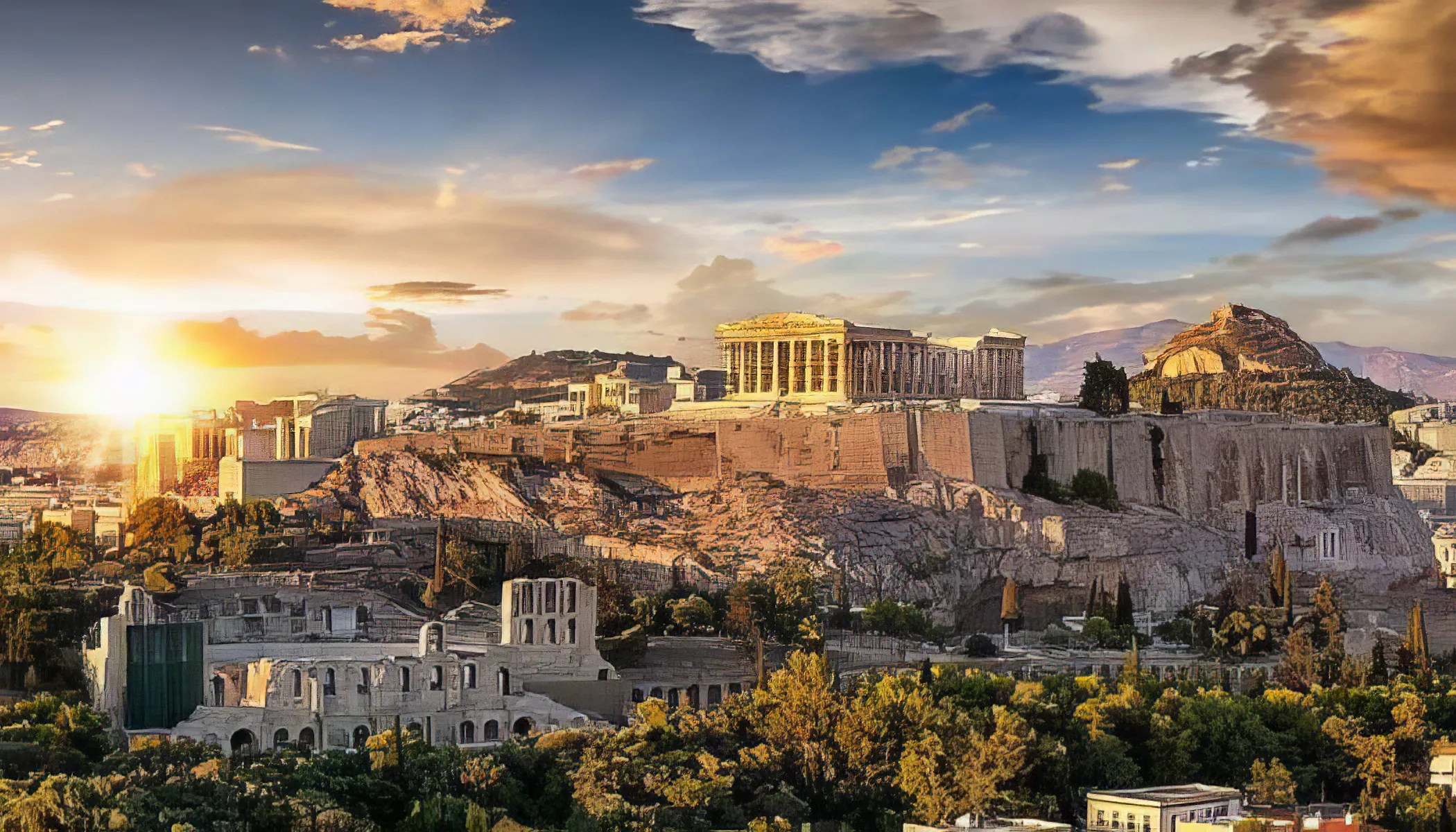
Greece offers a unique blend of ancient history, magnificient culture, and beautiful landscapes:
– Athens: The capital city, home to iconic historical sites like the Acropolis.
– Thessaloniki: Known for its rich history, charming nightlife, and Byzantine walls.
– Santorini: Famous for its white-washed buildings, blue-domed churches, and beautiful sunsets.
– Mykonos: A popular island destination known for its beaches and lively nightlife.
– Crete: The largest Greek island, offering diverse landscapes and historical sites.
– Rhodes: Known for its beach resorts, ancient ruins, and the medieval town of Rhodes.
– Corfu: An island known for its beautiful beaches, Venetian architecture, and the historic Old Town.
Monuments
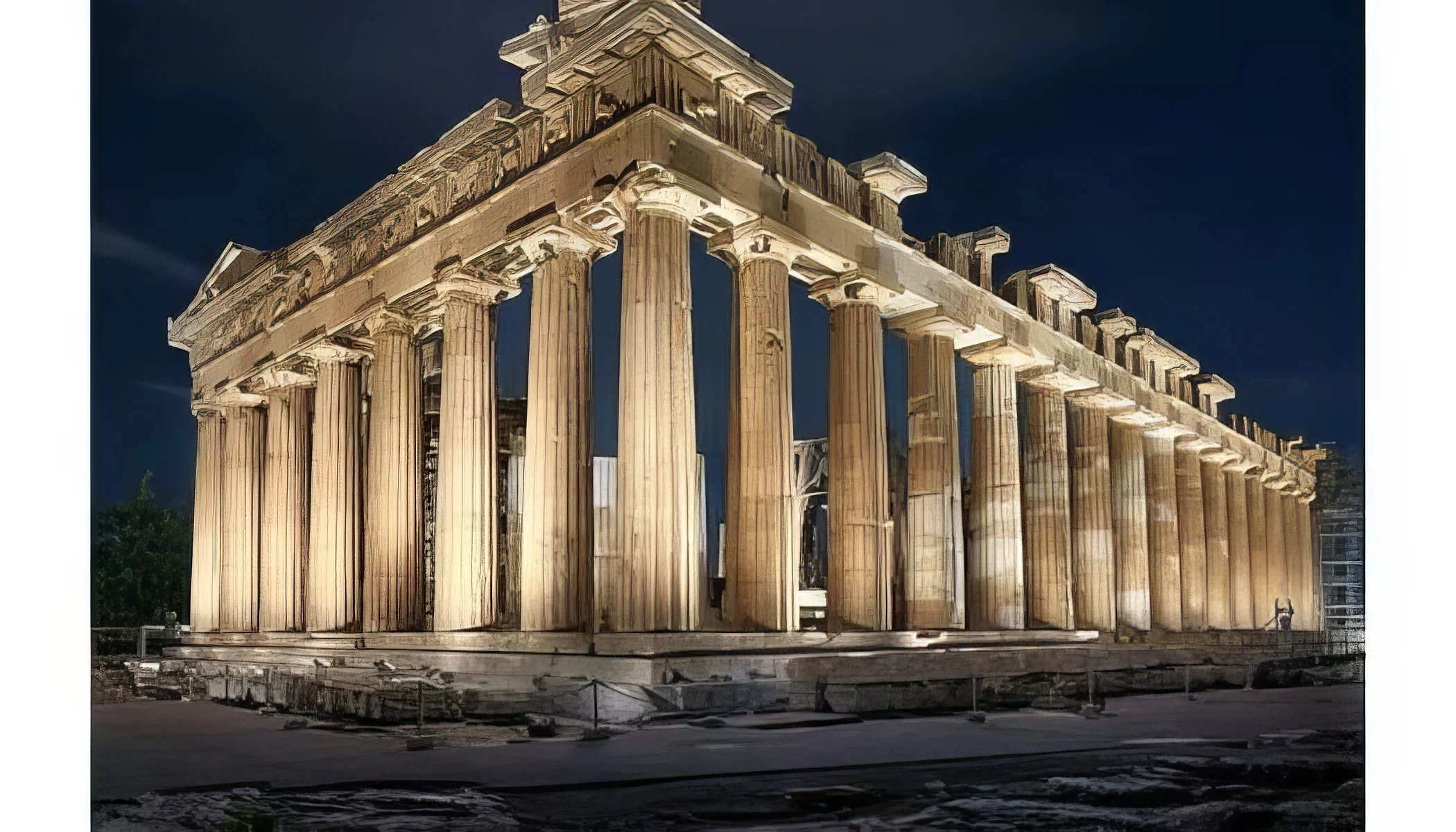
Greece is home to numerous iconic historical monuments and architectural sites:
– Acropolis, Athens: Ancient citadel with iconic Parthenon temple dedicated to goddess Athena.
– Delphi: Ancient religious sanctuary, home to the Oracle and a theater.
– Meteora: Monasteries perched on top of towering rock formations.
– Knossos, Crete: Largest Bronze Age archaeological site, considered Europe's oldest city.
– Epidaurus Theater: Well-preserved ancient theater known for its exceptional acoustics.
– Temple of Olympian Zeus, Athens: Massive ruined temple, once housing a colossal statue of Zeus.
– Mycenae: Archaeological site of a major center of Greek civilization in the second millennium BC.
– Palace of the Grand Master, Rhodes: Medieval castle, symbol of the island's rich history.
Natural wonder
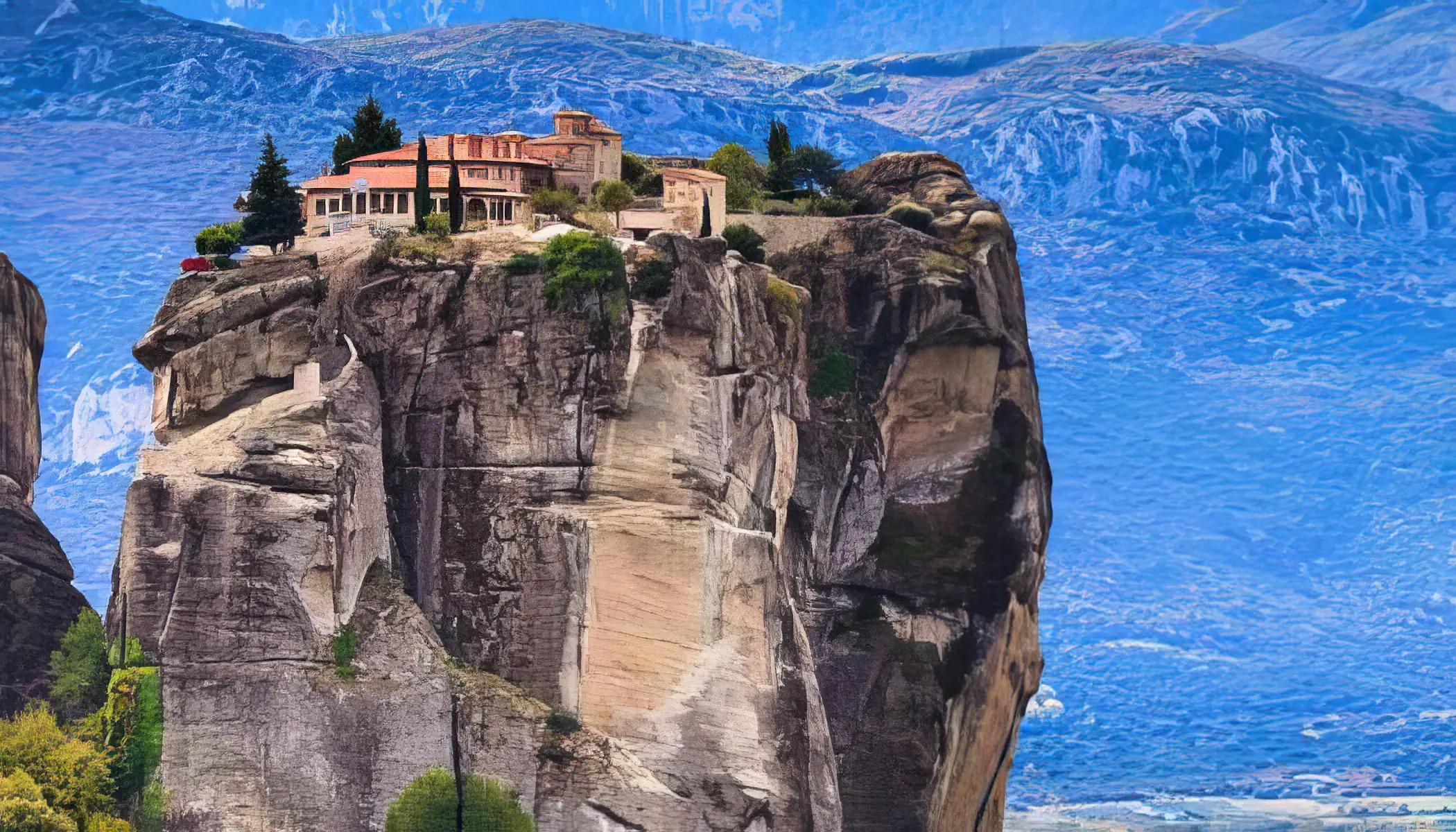
Explore the impressive natural wonders of Greece:
– Meteora: Known for its towering rock formations and ancient monasteries.
– Samaria Gorge: A long canyon in Crete, popular for hiking.
– Mount Olympus: The highest mountain in Greece, legendary home of the ancient Greek gods.
– Melissani Cave: A cave with a sunlit lake on Kefalonia island.
– Santorini Caldera: A large, sea-filled crater formed by a volcanic eruption.
– Vikos Gorge: One of the deepest gorges in the world, located in the Pindus Mountains.
– Plitvice Lakes: A series of cascading lakes and waterfalls, known for their distinctive colors.
– Navagio Beach: A secluded cove on Zakynthos island, known for its shipwreck.
– The Volcanic Springs of Santorini: Hot springs located in the volcanic islands of Nea Kameni and Palea Kameni.
– The Caves of Diros: A complex of sea caves on the Mani Peninsula, filled with stalactites and stalagmites.
Beaches
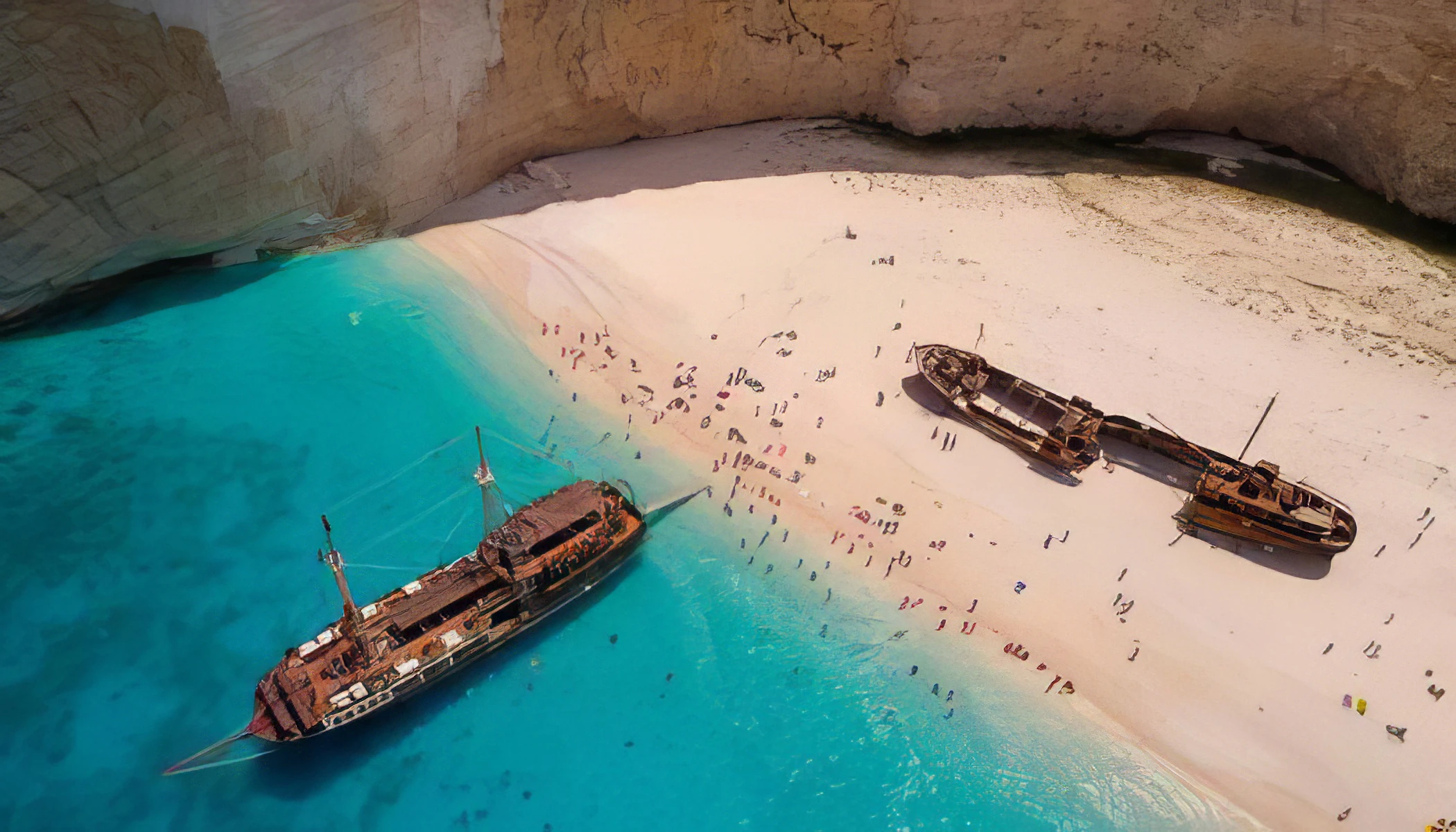
Here are some of the most visited beaches in Greece:
– Navagio Beach: Known for its shipwreck and turquoise waters on Zakynthos Island.
– Elafonisi Beach: Famous for its pink sand and clear waters on Crete.
– Myrtos Beach: Noted for its white pebble beach and blue waters on Kefalonia.
– Super Paradise Beach: Popular for parties and nightlife on Mykonos.
– Red Beach: Unique for its red volcanic sand on Santorini.
– Balos Lagoon: Offers exotic scenery with white sand and turquoise waters on Crete.
– Simos Beach: Renowned for its golden sand and crystal-clear waters on Elafonisos.
Outdoor activities
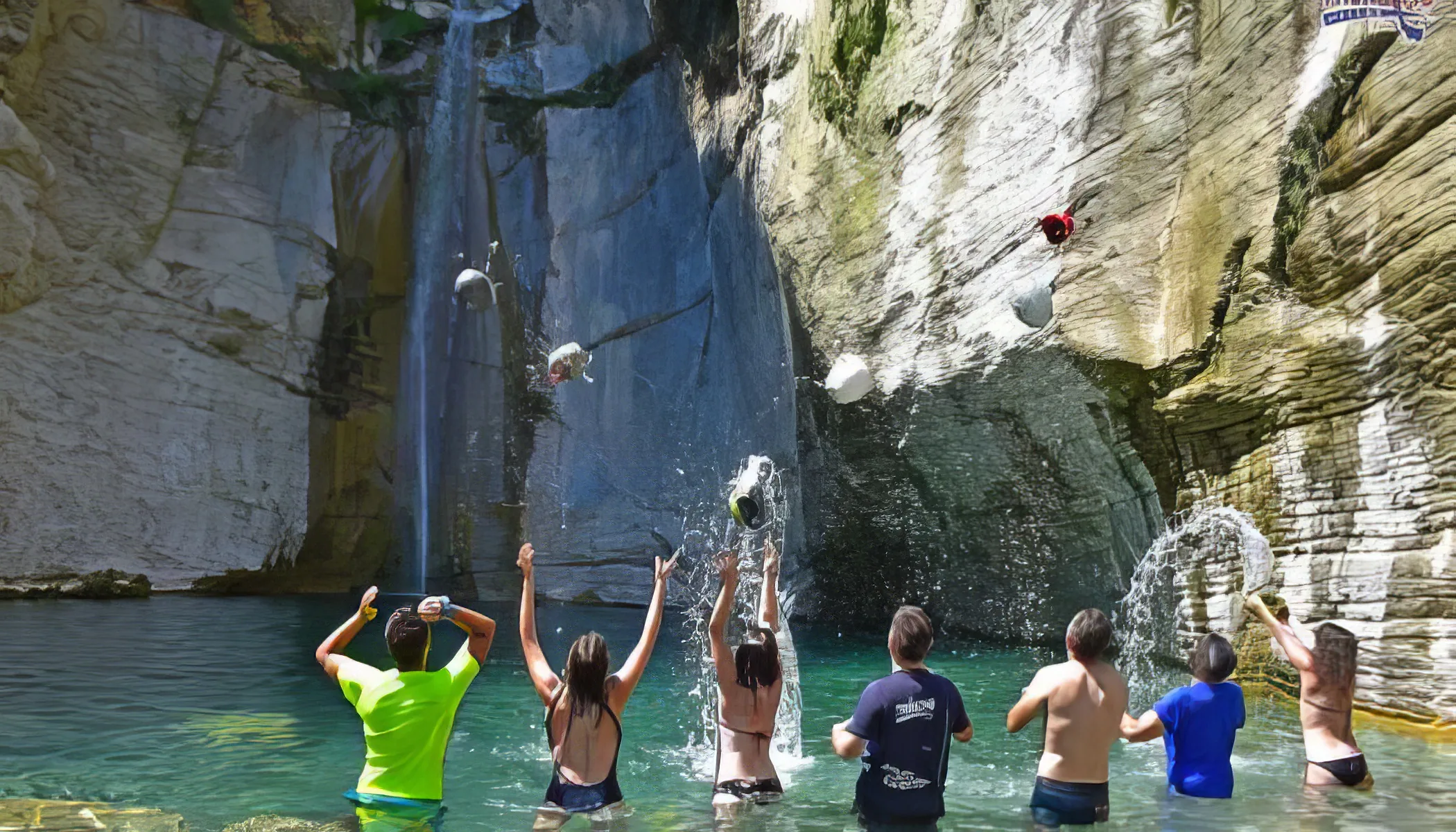
Greece offers a plethora of outdoor experiences that cater to all types of adventurers:
– Sailing in the Aegean Sea: Experience the beauty of Greece's numerous islands.
– Hiking Mount Olympus: Trek the legendary home of the Greek gods.
– Snorkeling in Crete: Explore the rich marine life in the clear Mediterranean waters.
– Cycling in Nafplio: Enjoy the scenic views of this historic seaside town.
– Windsurfing in Rhodes: Ride the waves in one of Europe's top windsurfing destinations.
– Exploring the Samaria Gorge: Hike through one of the longest gorges in Europe.
– Visiting the Meteora Monasteries: Discover these ancient monasteries perched high on rock pillars.
Kid Friendly
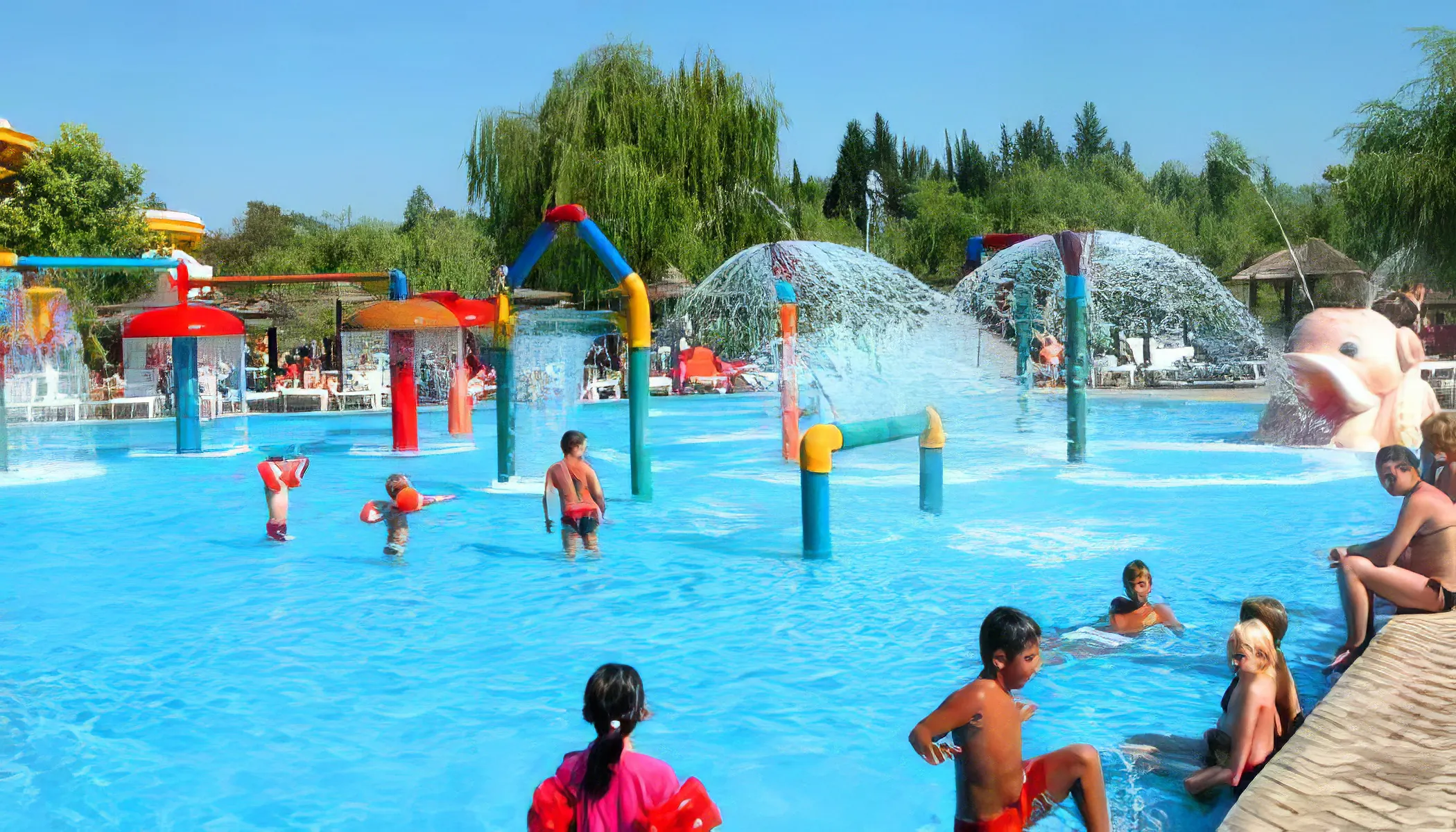
Greece offers a variety of activities that are perfect for families with children:
– Acropolis Museum: A modern museum showcasing ancient Greek artifacts, perfect for young history buffs.
– Attica Zoological Park: A large zoo in Athens with a wide variety of animals and bird species.
– Waterland Thessaloniki: A popular water park with a variety of slides and pools for all ages.
– Cretaquarium: An aquarium in Crete showcasing Mediterranean sea life, a great educational experience.
– Aqualand Corfu: A large water park in Corfu with a variety of water slides and pools.
– Little Kook: A themed café in Athens with a fairy-tale atmosphere that kids will love.
– Navarino Wildlife Reserve: A nature reserve in Messinia where kids can learn about local wildlife.
– Hellenic Children's Museum: An interactive museum in Athens designed to stimulate children's curiosity and creativity.
Cuisine

Greek cuisine is a rich tapestry of Mediterranean flavors, emphasizing fresh ingredients, simple preparation, and robust seasonings. It's known for its healthy, balanced meals and iconic street food. The country's culinary scene is diverse, with regional variations and time-honored traditions.
– Moussaka: Layered eggplant, potato, and spiced meat dish topped with béchamel sauce.
– Souvlaki: Skewered and grilled meat, often served in a pita with tzatziki sauce.
– Spanakopita: Savory pastry filled with spinach and feta cheese.
– Dolmades: Stuffed grape leaves, often filled with rice and herbs.
– Baklava: Sweet pastry made of layers of filo filled with chopped nuts and sweetened with syrup or honey.
– Loukoumades: Small fried dough balls drizzled with honey and cinnamon.
Souvenir
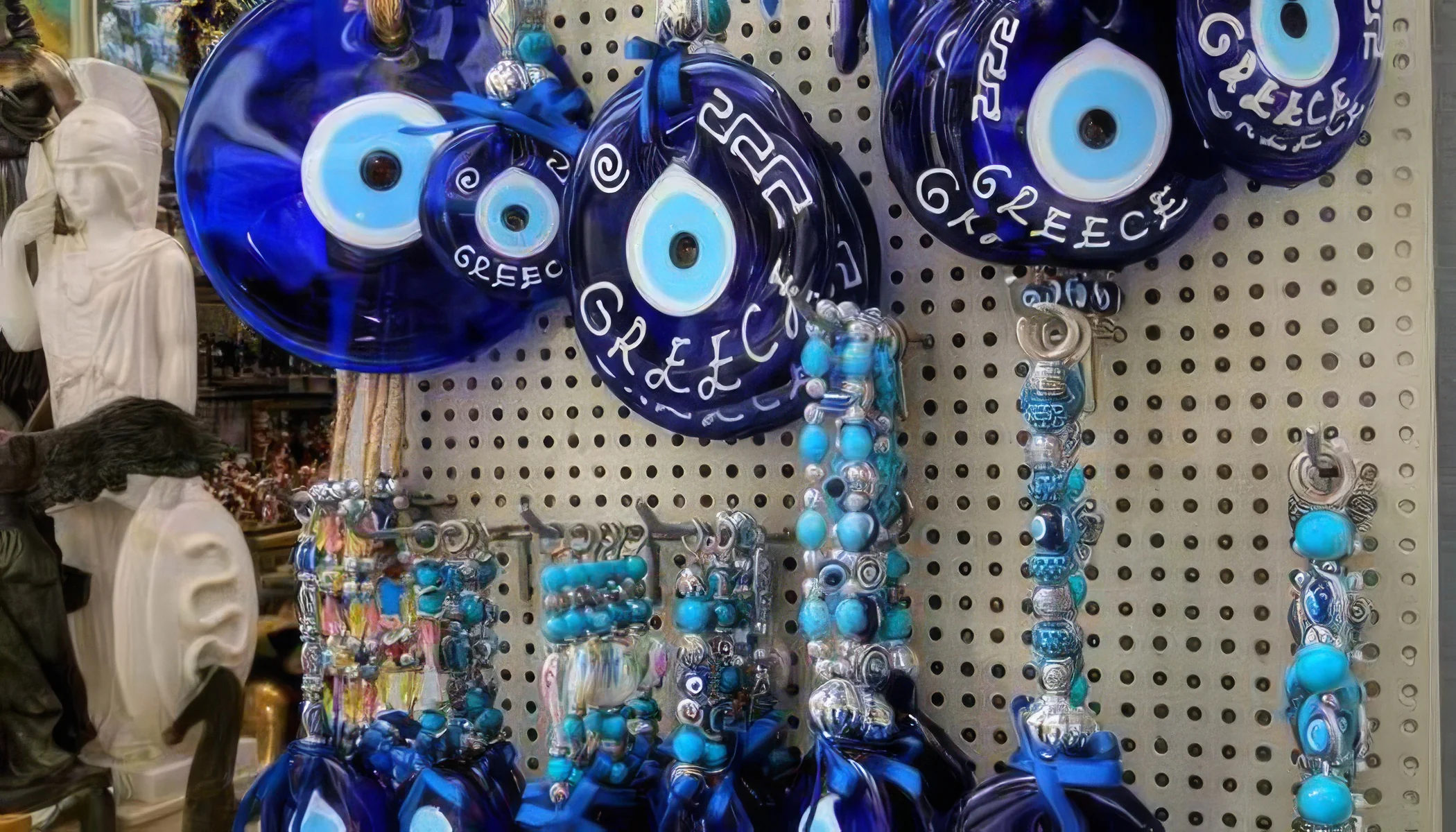
Greece is a country rich in history and culture, and this is reflected in its variety of unique souvenirs. Here are some items you might want to consider:
– Olive Oil: Greece is famous for its high-quality olive oil, which is a staple in Greek cuisine.
– Greek Honey: Known for its unique flavors, Greek honey is a sweet souvenir to bring home.
– Worry Beads: Traditional Greek worry beads, or komboloi, are a popular souvenir and can be found in many designs.
– Greek Wine: Greece has a long history of winemaking, and a bottle of Greek wine is a great souvenir.
– Greek Sandals: Handmade leather sandals are a traditional Greek product and a practical souvenir.
– Greek Pottery: From ancient designs to modern pieces, Greek pottery is a beautiful and unique souvenir.
– Icons and Religious Artifacts: Greece is known for its religious art, and small icons or other religious artifacts can make meaningful souvenirs.
Traditional Shows
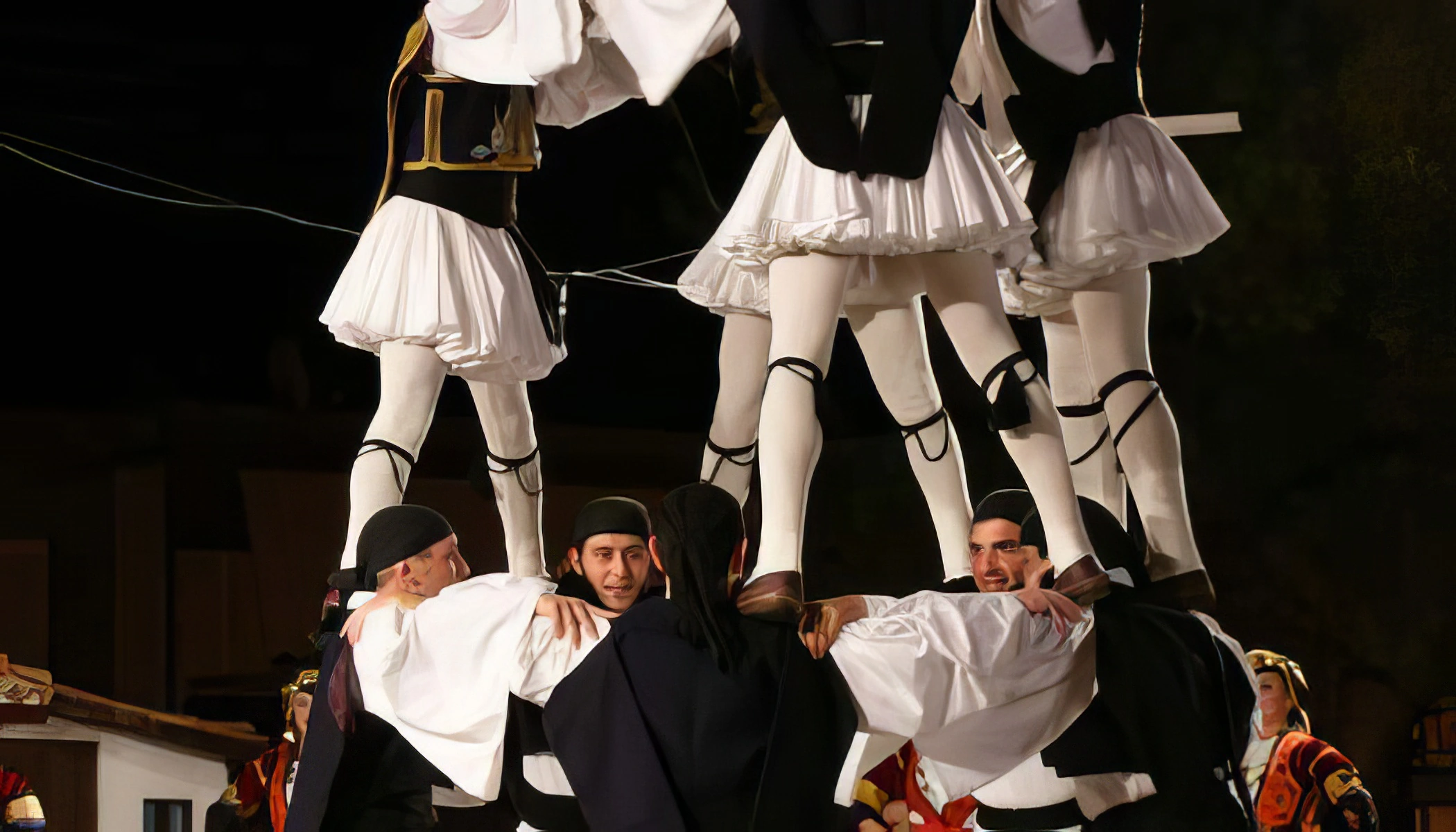
Greece is renowned for its rich cultural heritage in the arts:
– Greek Tragedies: Witness ancient Greek drama in its original form at the Odeon of Herodes Atticus in Athens.
– Rebetiko Music: Experience this urban folk music genre, often performed in small venues and tavernas around Athens.
– Traditional Greek Dance Performances: Enjoy dynamic folk dances at Dora Stratou Theatre in Athens, showcasing regional Greek dance traditions.
– Byzantine Chanting: Listen to this deeply spiritual music form at monasteries and churches throughout Greece, particularly in Thessaloniki.
– Shadow Puppet Theatre: Discover this unique storytelling medium, often performed at festivals and special events across Greece.
Events & Festivals
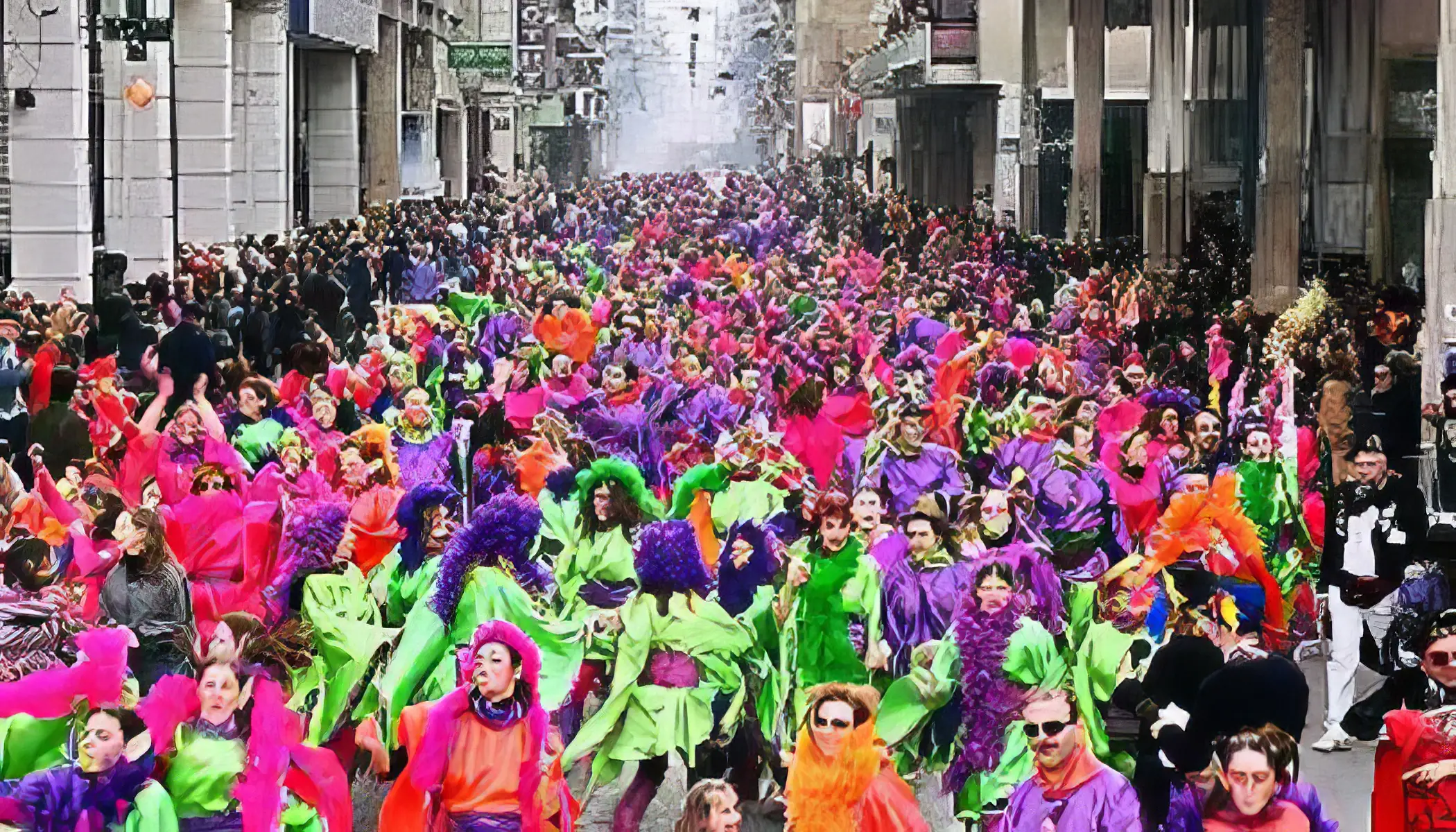
Greece, a country rich in history and culture, hosts several significant events and festivals each year:
– Epiphany: Celebrated in January, it involves a cross-throwing ceremony into the sea, symbolizing the baptism of Christ.
– Carnival (Apokries): A February/March event with costumes, parades, and parties, similar to Mardi Gras.
– Easter: The most important religious event in Greece, celebrated in April with processions, candlelit parades, and feasts.
– Athens & Epidaurus Festival: A summer-long festival from June to August, showcasing music, theatre, and dance performances.
– Santorini Jazz Festival: A July event featuring international jazz artists.
– Ochi Day: Celebrated in October, it commemorates Greece's refusal to surrender to Italy during WWII.
– Thessaloniki International Film Festival: A November event showcasing international and Greek films.
Famous People
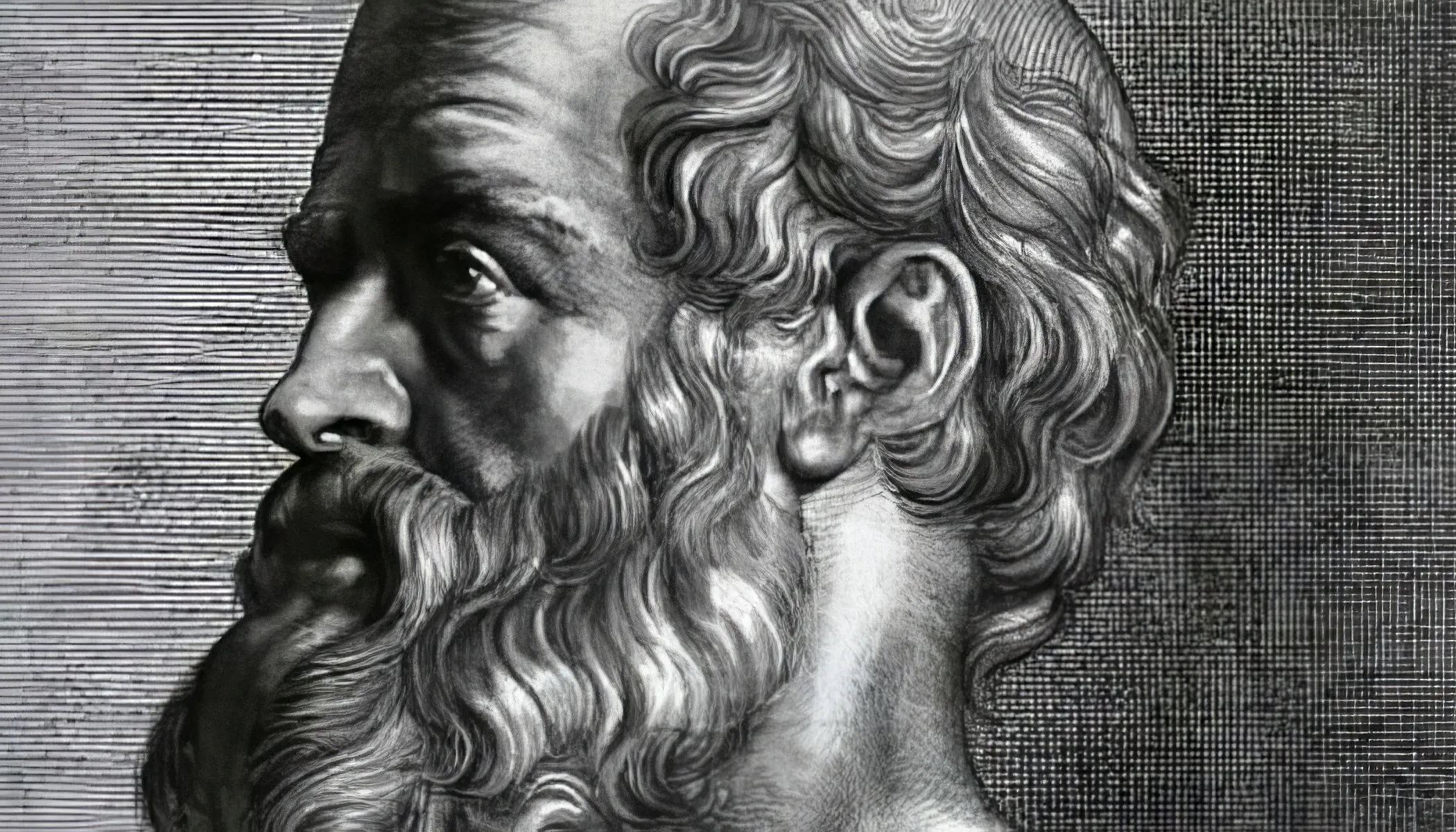
Greece has been home to many renowned figures who have significantly influenced world history, arts, and science.
– Socrates (469 to 399 BC, Athens): Philosopher who laid the groundwork for Western systems of logic and philosophy.
– Alexander the Great (356 to 323 BC, Pella): King of Macedonia who established one of the largest empires of the ancient world.
– Pythagoras (570 to 495 BC, Samos): Mathematician and philosopher, known for the Pythagorean theorem.
– El Greco (1541 to 1614, Crete): Painter, sculptor, and architect of the Spanish Renaissance.
– Maria Callas (1923 to 1977, New York, raised in Athens): Soprano opera singer, one of the most renowned and influential opera singers of the 20th century.
Books
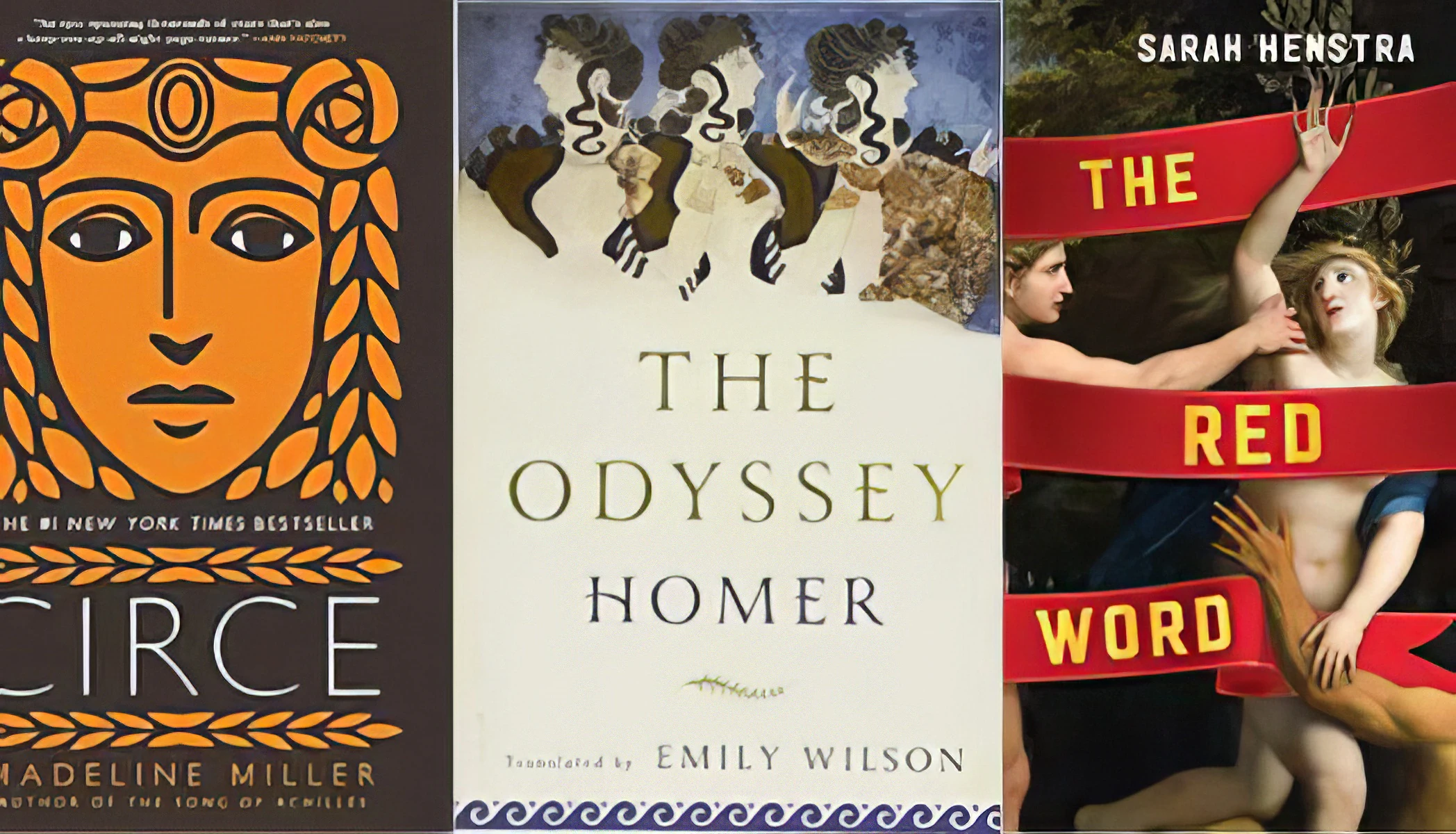
These books provide a rich exploration of Greece's history, culture, and mythology.
– "The Iliad" by Homer: Epic poem depicting the Trojan War, a pivotal event in Greek mythology.
– "Zorba the Greek" by Nikos Kazantzakis: A novel about a Greek man's philosophical journey.
– "The Odyssey" by Homer: Epic poem following Odysseus' journey home after the Trojan War.
– "My Family and Other Animals" by Gerald Durrell: A British family's humorous experiences living in Corfu.
– "The King Must Die" by Mary Renault: A historical novel about the mythical hero Theseus.
Songs

These songs are some of the most well-known in Greece, showcasing the country's rich musical heritage and contemporary talent.
– Zorba the Greek: Mikis Theodorakis' instrumental piece, globally recognized as the epitome of Greek music.
– Ta Pedia Tou Pirea: Melina Mercouri's song from the film "Never on Sunday," known worldwide.
– Misirlou: Traditional Greek song popularized globally by Dick Dale and featured in "Pulp Fiction."
– S' Agapo: Manos Loizos' love song, a classic in Greek music.
– Dalaras: George Dalaras' "The Wandering," a song reflecting the Greek diaspora.
– Sto 'Pa Kai Sto Ksanaleo: A popular modern song by Eleftheria Arvanitaki.
Films

Here are some of the most renowned films that beautifully depict the culture and history of Greece:
– "Zorba the Greek": A British writer learns about life and humanity from a vivacious Greek peasant named Zorba.
– "Never on Sunday": A romantic comedy about an American scholar who falls for a free-spirited Greek prostitute.
– "Dogtooth": A disturbing film by Yorgos Lanthimos about a couple who keep their adult children in total isolation.
– "The Travelling Players": Theo Angelopoulos' epic film about a troupe of actors traveling through Greece during WWII.
– "Rembetiko": Costas Ferris' film about the life of a famous Greek singer set against the backdrop of Greek history.