

Travel Guide to Japan: Top Things to Do & Tips
An island nation in East Asia known for its blend of traditional and modern influences. From ancient temples and serene landscapes to bustling cities and technological advancements, it offers a unique cultural experience. Renowned for sushi, sumo wrestling, and cherry blossoms.
- Capital
- Tokyo
- Population
- 127.3 millions
- Superficy
- 378000 sq.km
- Months to Visit
- March to May & Sept. to Nov.
- Living Cost
- Expensive
Overview
Japan, an island nation in East Asia, is known for its unique blend of traditional and modern influences. Tokyo, the capital, is a bustling metropolis with high-tech innovations alongside historic temples. The country is famous for its technological advancements, anime culture, and culinary delights such as sushi and ramen. Japan's natural beauty ranges from the snowy peaks of Hokkaido to the cherry blossoms of Kyoto. The country has a rich cultural heritage, with traditional arts like tea ceremonies, calligraphy, and martial arts. Despite its dense population, Japan maintains high standards of cleanliness and safety.
Pros & Cons
GOOD REASONS TO VISIT JAPAN
– Rich History and Culture: Explore ancient temples, shrines, tea ceremonies, and traditional festivals.
– Technological Innovation: Experience Japan's cutting-edge technology, from robotics to high-speed trains.
– Natural Beauty: Enjoy cherry blossoms, Mount Fuji, and beautiful gardens.
– Unique Cuisine: Savor sushi, ramen, and sake. Japan's culinary scene is diverse and world-renowned.
– Safety: Japan is known for its low crime rate and cleanliness, providing a secure environment for tourists.
CHALLENGES WHEN VISITING JAPAN
– High Cost: Japan can be expensive, with high costs for accommodation, dining, and transportation.
– Language Barrier: English is not widely spoken outside major cities; basic Japanese phrases can be helpful.
– Complex Etiquette: Japan's social norms and customs can be intricate and confusing for first-time visitors.
Before Departure
Before you set off to explore the Land of the Rising Sun, Japan, consider the following:
– Passport: Ensure your passport is valid for the entire duration of your stay.
– Visa: Visa requirements vary by country; check Japan's Ministry of Foreign Affairs website. Most tourist visas are valid for 90 days.
– Currency: Japanese Yen (JPY) is the local currency; credit cards widely accepted; ATMs available but foreign cards work best at 7-Eleven or Post Office ATMs.
– Internet access: WiFi is common in cities, but for constant connectivity, consider a pocket WiFi or local SIM card.
– Language barrier: Japanese is the official language; English is not widely spoken outside of major cities, so learning basic phrases can be helpful.
What to Pack
Traveling to Japan requires careful planning to accommodate for its unique culture, varying climates, and technological advancements.
– Essentials: Passport and visa (if required), travel insurance details, flight tickets and itinerary, accommodation reservations.
– Clothing: Comfortable walking shoes, layers for varying climates, modest attire for temples, umbrella for unpredictable weather.
– Health & Safety: Prescription medications, basic first aid kit, personal hygiene items, face masks (commonly worn when ill).
– Electronics: Travel adapter for Japanese outlets, mobile phone, portable Wi-Fi or SIM card, camera for capturing memories.
Weather
Japan's weather varies greatly from north to south, with four distinct seasons:
– Winter (December to February): Northern regions experience heavy snowfall, while the Pacific coast is more temperate. Tokyo and Osaka are usually cold but rarely below freezing.
– Spring (March to May): Across the country, temperatures are mild to warm, with little rainfall. This is the season of cherry blossoms, which bloom at different times depending on the region.
– Summer (June to August): The country experiences a rainy season (June) and then intense heat and humidity. Hokkaido in the north remains cooler.
– Autumn (September to November): Temperatures cool down and the country experiences a beautiful fall foliage season, especially in the mountainous areas.
The best time to visit Japan depends on what you want to experience:
– For mild weather and cherry blossoms, spring (March to May) is ideal. However, it's also peak tourist season, so expect crowds and higher prices.
– Autumn (September to November) is also a great time to visit, with comfortable temperatures and stunning fall colors. It's slightly less crowded than spring.
– Winter (December to February) is perfect for snow sports in Hokkaido. It's also the best time to experience winter illuminations, especially in Tokyo and Osaka.
– Summer (June to August) can be hot and humid, but it's the best time for climbing Mt. Fuji and attending traditional festivals. The rainy season can impact outdoor activities.
Travel Budget
Japan is known for its high cost of living. Here are some average costs for tourists:
– Hotel: 50$ to 300$
– Lunch: 10$ to 30$
– Beverage (in bar/restaurant): 5$ to 15$
– Coffee: 3$ to 6$
– Transportation: (train 20$ to 100$), (bus 3$ to 10$), (taxi /10km 30$ to 50$)
– Mobile data (per GB): 3$ to 10$
Language
Japanese is a language that uses a combination of three scripts: Hiragana, Katakana, and Kanji. Here are some useful phrases for tourists:
– Hello: Konnichiwa (Koh-nee-chee-wah)
– Thank you: Arigatou (Ah-ree-gah-toh)
– Please: Onegaishimasu (Oh-neh-gai-shee-mahs)
– How much is this?: Kore wa ikura desu ka? (Koh-reh wah ee-koo-rah deh-soo kah?)
– Excuse me: Sumimasen (Soo-mee-mah-sen)
– I don't understand: Wakarimasen (Wah-kah-ree-mah-sen)
– Yes: Hai (Hai)
– No: Iie (Ee-eh)
– Goodbye: Sayonara (Sah-yoh-nah-rah)
History
Japan's history begins with the Jomon period (circa 14,000 B.C. to 300 B.C.), followed by the Yayoi period when rice cultivation was introduced. The country was largely influenced by China during the Kofun (300-538) and Asuka (538-710) periods, adopting Buddhism and a centralized government. The feudal era, marked by the Kamakura, Muromachi, and Edo periods, lasted from the 12th to the 19th century, ending when the Meiji Restoration in 1868 restored imperial rule. Japan's rapid industrialization and militarization led to its involvement in World War II, which ended with its surrender in 1945. Post-war, Japan experienced a remarkable economic recovery, becoming a global economic and technological powerhouse.
Geopolitics
Japan is an island nation located in East Asia, surrounded by the Pacific Ocean and the Sea of Japan, and close to Russia, China, and the Korean Peninsula. It is a constitutional monarchy with a parliamentary government, with Tokyo as its capital. Japan maintains a pacifist constitution, limiting its military to self-defense, but has been reinterpreting this stance due to regional security concerns, particularly North Korea's nuclear program and China's increasing assertiveness. It is a member of the G7, G20, and OECD, and has strong alliances, notably with the United States, which plays a significant role in its defense policy. Japan's geopolitical strategy focuses on maintaining its security, promoting free trade, and expanding its global influence, especially in technology and soft power.
Sample Itinerary
This tour offers a blend of Japan's modernity in Tokyo, traditional culture in Kyoto, history in Hiroshima, and natural beauty in Hakone.
– 2 days in Tokyo: Visit the bustling Shibuya Crossing, historic Asakusa, and the serene Meiji Shrine. Explore Akihabara for electronics and anime culture.
– 2 days in Kyoto: Discover the Golden Pavilion, Fushimi Inari Shrine, and bamboo groves of Arashiyama. Experience a traditional tea ceremony.
– 1 day in Hiroshima: Pay respects at the Peace Memorial Park and Museum. Visit the historic Itsukushima Shrine on Miyajima Island.
– 1 day in Hakone: Enjoy a cruise on Lake Ashi, visit the Hakone Shrine, and experience hot springs. Get a view of Mount Fuji if weather permits.
– 1 day in Osaka: Explore Osaka Castle, Dotonbori Street, and sample local street food. Depart from Osaka.
Popular cities

Japan offers a unique blend of traditional and modern attractions. Here are some cities to consider:
– Tokyo: Japan's bustling capital, known for its modern skyscrapers, shopping districts, and historic temples.
– Kyoto: Famous for its traditional wooden houses, geisha district, and numerous classical Buddhist temples.
– Osaka: Known for its modern architecture, vibrant nightlife, and hearty street food.
– Hiroshima: A city with a tragic history, now a symbol of peace and resilience.
– Nara: Home to many ancient temples and the famous Nara Deer Park.
– Yokohama: A city known for its beautiful harbor, Chinatown, and the towering Landmark Tower.
– Sapporo: Famous for its beer, ramen, and the annual Sapporo Snow Festival.
– Fukuoka: Known for its ancient temples, beaches, and modern shopping malls.
– Nagasaki: A city with a rich history, beautiful parks, and unique cuisine.
– Kanazawa: Known for its well-preserved Edo-era districts, art museums, and beautiful Kenrokuen Garden.
Monuments
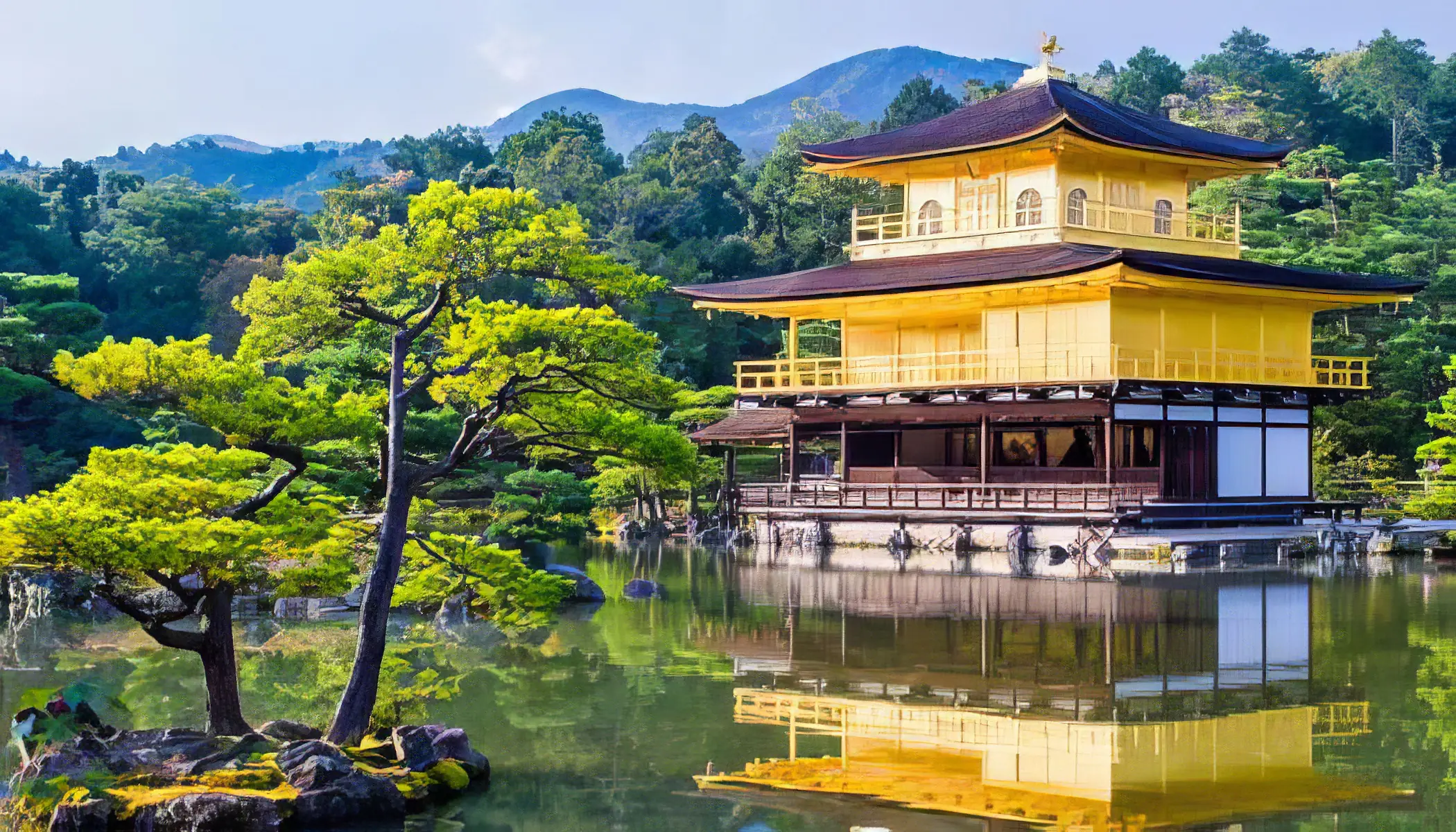
Japan is home to many historical monuments and architectural wonders:
– Tokyo Imperial Palace: The residence of Japan's Imperial Family, surrounded by moats and gardens.
– Kinkaku-ji, Kyoto: A Zen Buddhist temple, known for its gold-leaf covered pavilion.
– Hiroshima Peace Memorial: A reminder of the atomic bombing, symbolizing peace and resilience.
– Himeji Castle, Hyogo: A UNESCO site, it's Japan's best preserved samurai castle.
– Todai-Ji Temple, Nara: Houses the world's largest bronze Buddha statue.
– Fushimi Inari Shrine, Kyoto: Famous for its thousands of vermilion torii gates.
– Itsukushima Shrine, Hiroshima: Known for its floating torii gate during high tide.
– Osaka Castle: A historic castle with a museum showcasing Osaka's history.
Natural wonder
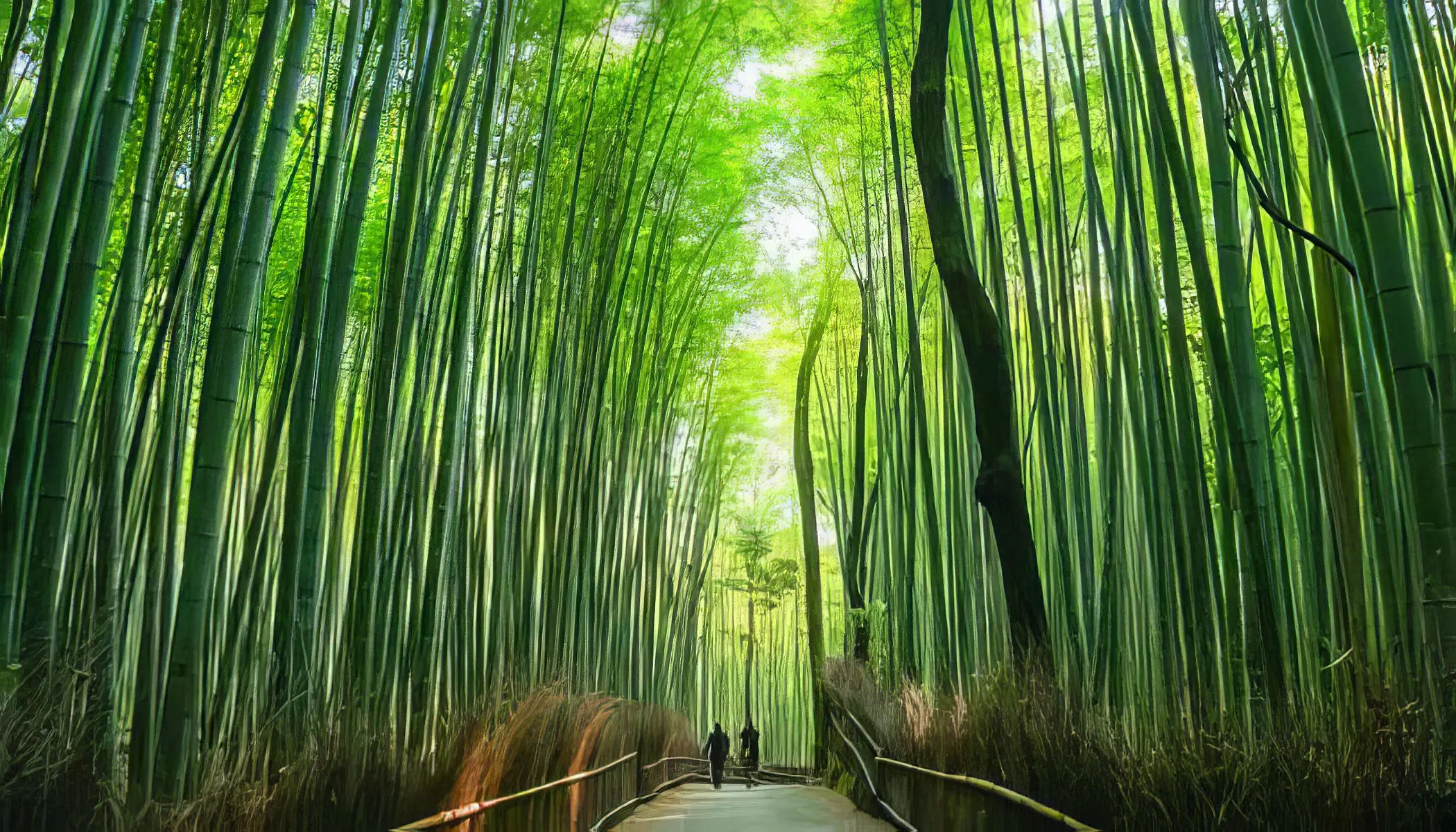
Explore the natural beauty of Japan:
– Mount Fuji: Japan's highest mountain, known for its symmetrical cone.
– Jigokudani Monkey Park: Famous for its hot springs and snow monkeys.
– Aokigahara Forest: Dense forest at the base of Mount Fuji, known for its quietness.
– Yakushima Island: UNESCO site with ancient cedar forests and diverse wildlife.
– The Great Buddha of Kamakura: A massive outdoor bronze statue of Amida Buddha.
– Kegon Falls: One of Japan's highest waterfalls, located in Nikko National Park.
– Lake Kawaguchi: One of the Fuji Five Lakes, offering stunning views of Mount Fuji.
– Okinawa's Coral Reefs: Known for their biodiversity and clear waters.
– Shirakami-Sanchi: Mountainous area, home to the world's largest virgin beech forest.
– Iriomote Island: Almost entirely covered by dense jungle and mangrove forests.
Beaches
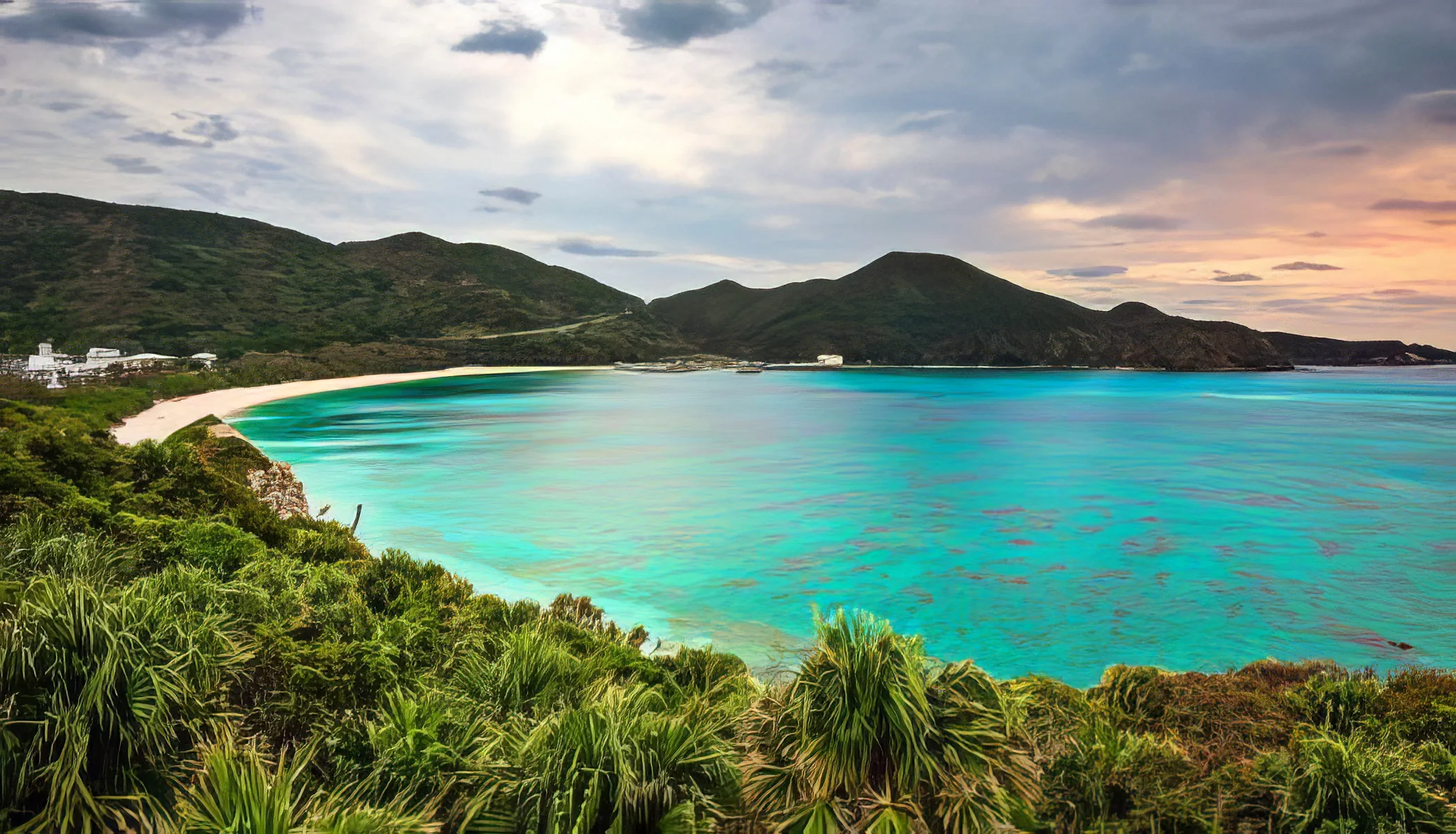
Japan offers a variety of beautiful beaches. Here are some of the most popular ones:
– Shirahama Beach: Known for its white sand and hot springs in Wakayama Prefecture.
– Zushi Beach: Popular for its proximity to Tokyo and views of Mount Fuji.
– Yuigahama Beach: A sandy beach in Kamakura, popular for swimming and surfing.
– Yonaha Maehama Beach: Famous for its clear blue waters and white sand in Okinawa.
– Amanohashidate Beach: Known for its pine-covered sandbar in Kyoto Prefecture.
– Jodogahama Beach: Renowned for its clear blue waters and white pebbles in Iwate Prefecture.
– Katsurahama Beach: Notable for its scenic beauty and statue of Sakamoto Ryoma in Kochi.
Outdoor activities
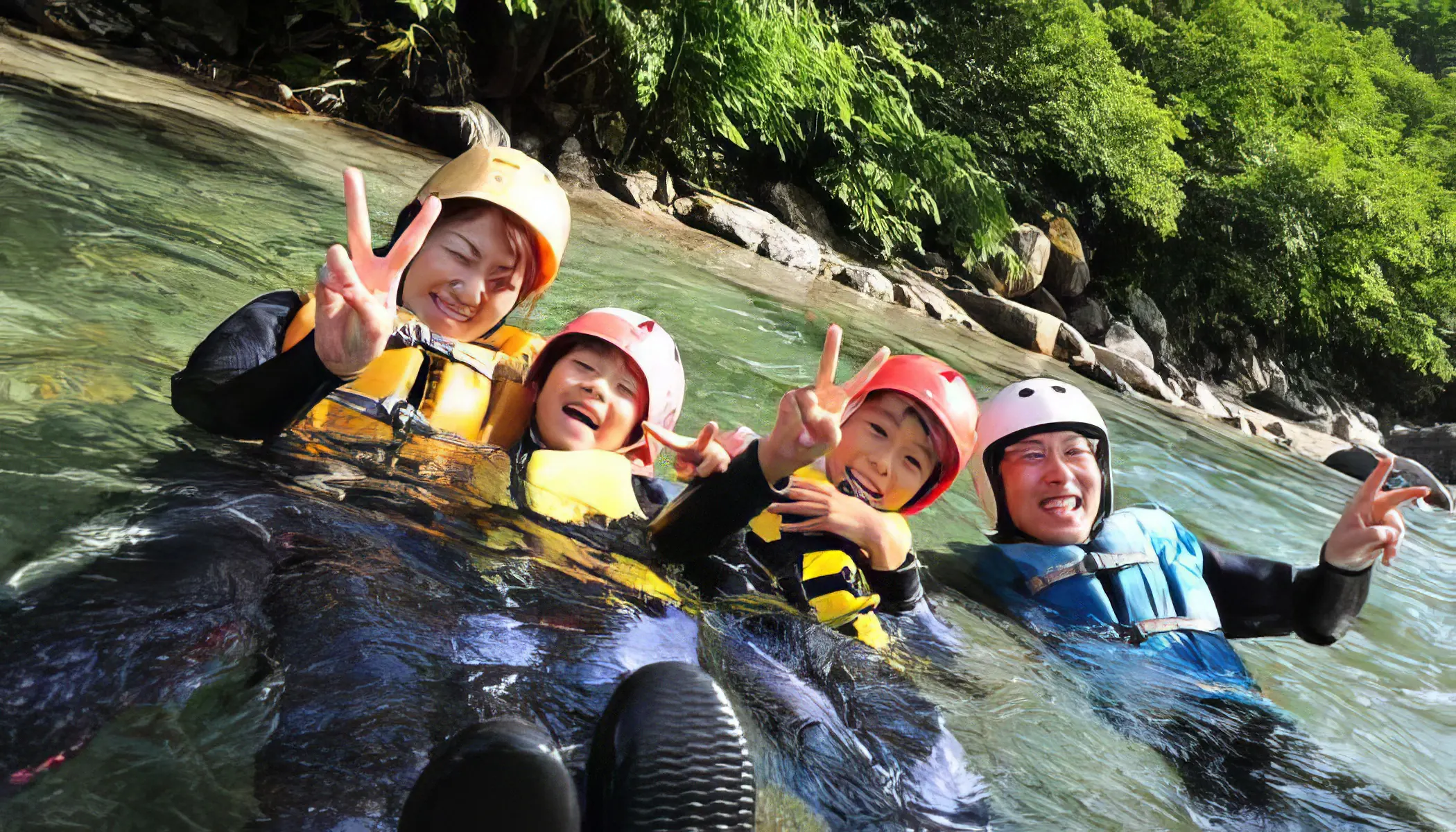
Japan offers a variety of outdoor experiences, from serene to thrilling:
– Hiking Mount Fuji: Ascend Japan's iconic peak for a sunrise view.
– Skiing in Hokkaido: Enjoy world-class slopes and powdery snow.
– Cycling Shimanami Kaido: Ride across a chain of islands and bridges.
– Bamboo Forest Walk in Arashiyama: Stroll through a tranquil, towering bamboo grove.
– Cherry Blossom Viewing in Kyoto: Witness the stunning springtime bloom.
– Snorkeling in Okinawa: Explore vibrant coral reefs and tropical fish.
– Boat Ride in Hozugawa River: Experience a traditional river cruise with scenic views.
Kid Friendly
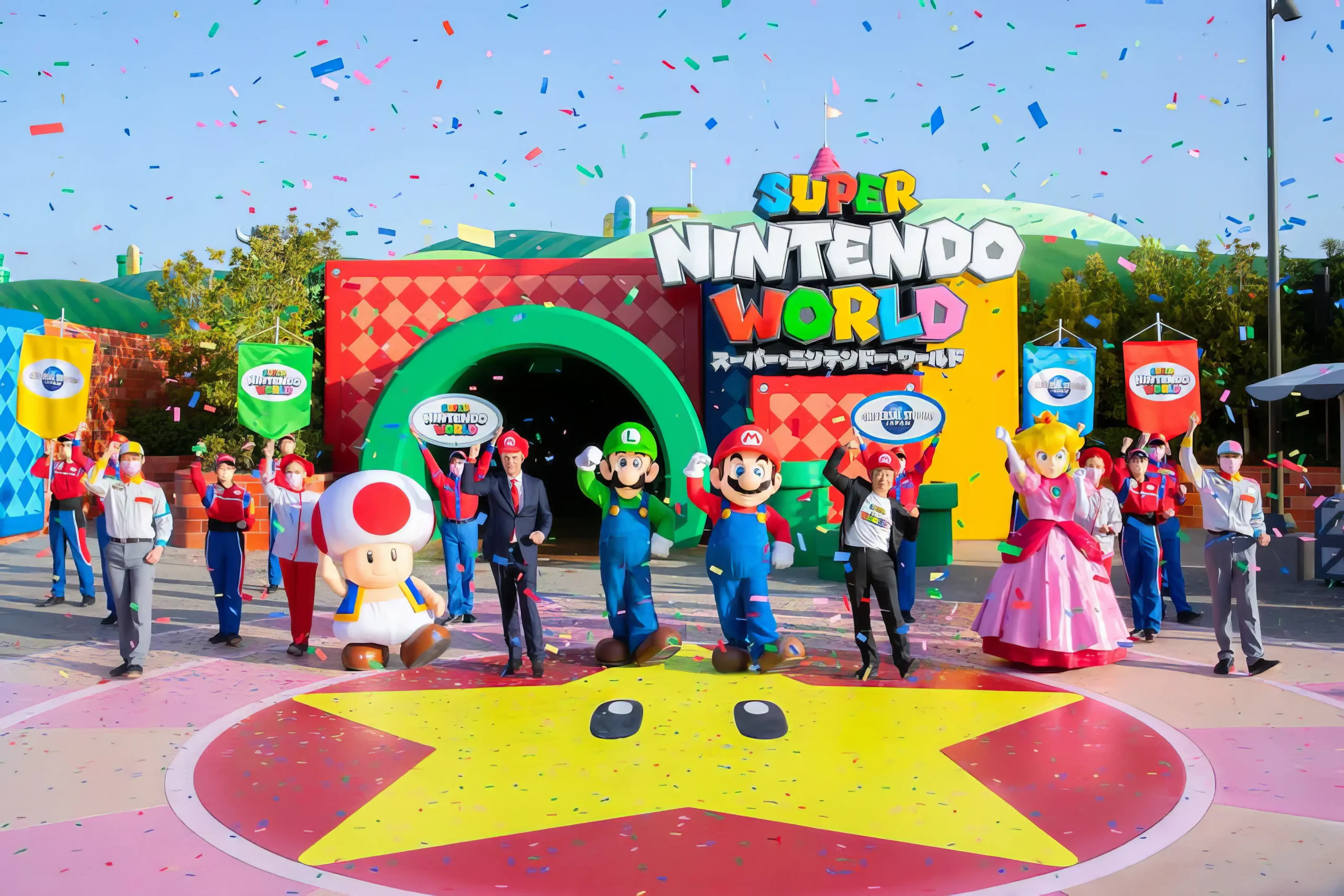
Japan offers a variety of activities that are sure to entertain children:
– Tokyo Disneyland: A popular theme park with rides and attractions based on Disney characters.
– Fuji-Q Highland: An amusement park known for its thrilling roller coasters and beautiful views of Mount Fuji.
– Nara Park: A public park where children can interact with hundreds of freely roaming deer.
– KidZania Tokyo: An educational indoor theme park where kids can try out different jobs in a fun environment.
– Oga Aquarium GAO: A large aquarium showcasing a variety of marine life from around the world.
– Hakone Open-Air Museum: An outdoor museum with interactive sculptures that children can play on.
– Zoorasia Yokohama Zoological Gardens: A large zoo with a variety of animals from around the world.
– Snow Monkey Park: A unique park where children can observe Japanese macaques bathing in hot springs.
Cuisine
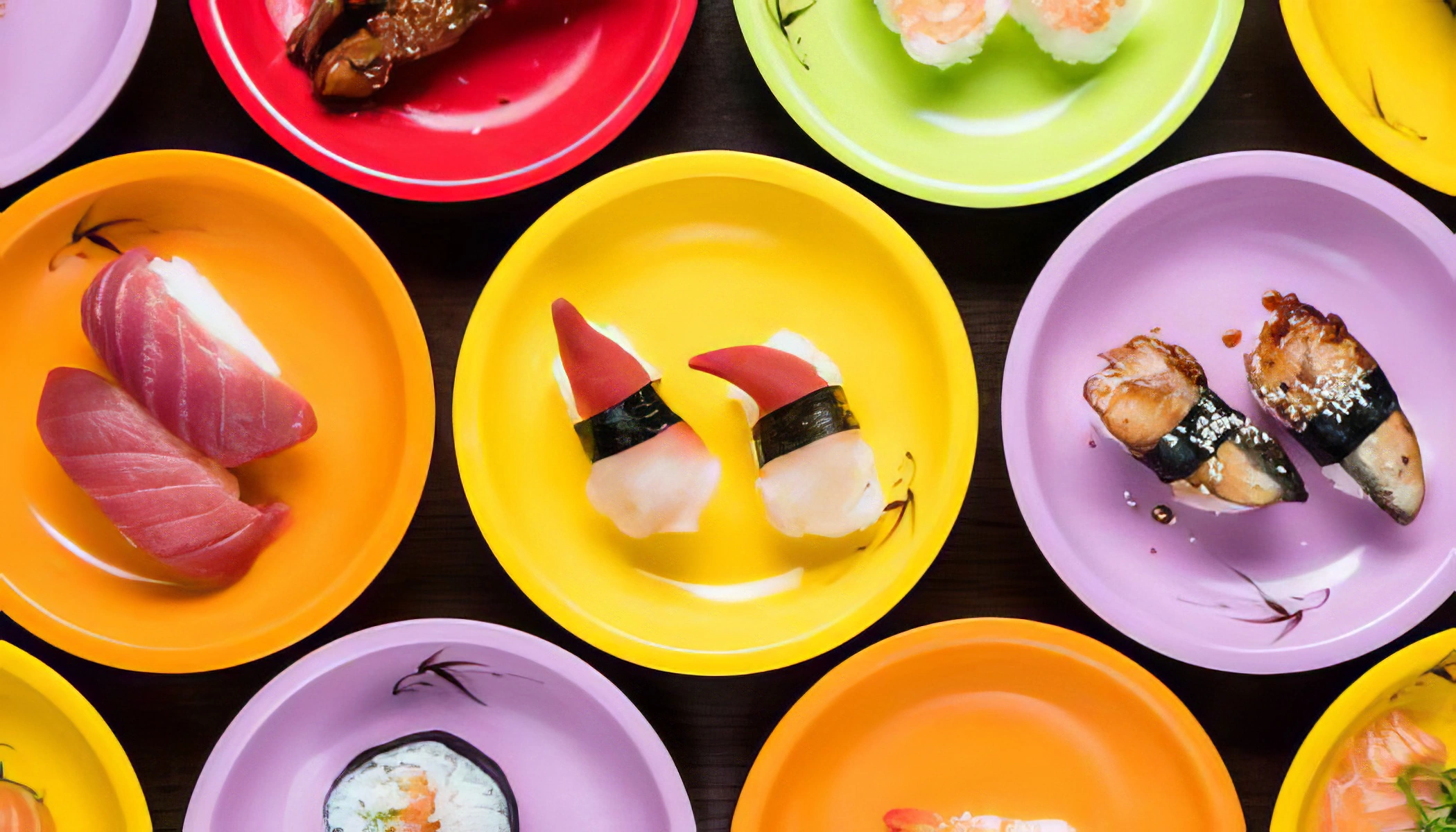
Japan's food scene is renowned for its precision, balance, and deep respect for ingredients. From bustling izakayas to serene tea houses, the country offers a diverse culinary landscape that is both traditional and innovative. The emphasis on seasonality and quality of ingredients is reflected in every dish.
– Sushi: Vinegared rice paired with various ingredients, most commonly seafood.
– Ramen: Noodle soup dish with various toppings like sliced pork, green onions, and seaweed.
– Tempura: Deep-fried seafood or vegetables in a light, crispy batter.
– Sashimi: Thinly sliced raw fish or seafood, served without rice.
– Miso Soup: Traditional Japanese soup made from a miso paste and dashi broth.
– Matcha Tea: Powdered green tea traditionally used in Japanese tea ceremonies.
– Mochi: Sweet rice cake made from glutinous rice, often filled with sweetened red bean paste.
– Dorayaki: Sweet pancake sandwich filled with red bean paste.
Souvenir
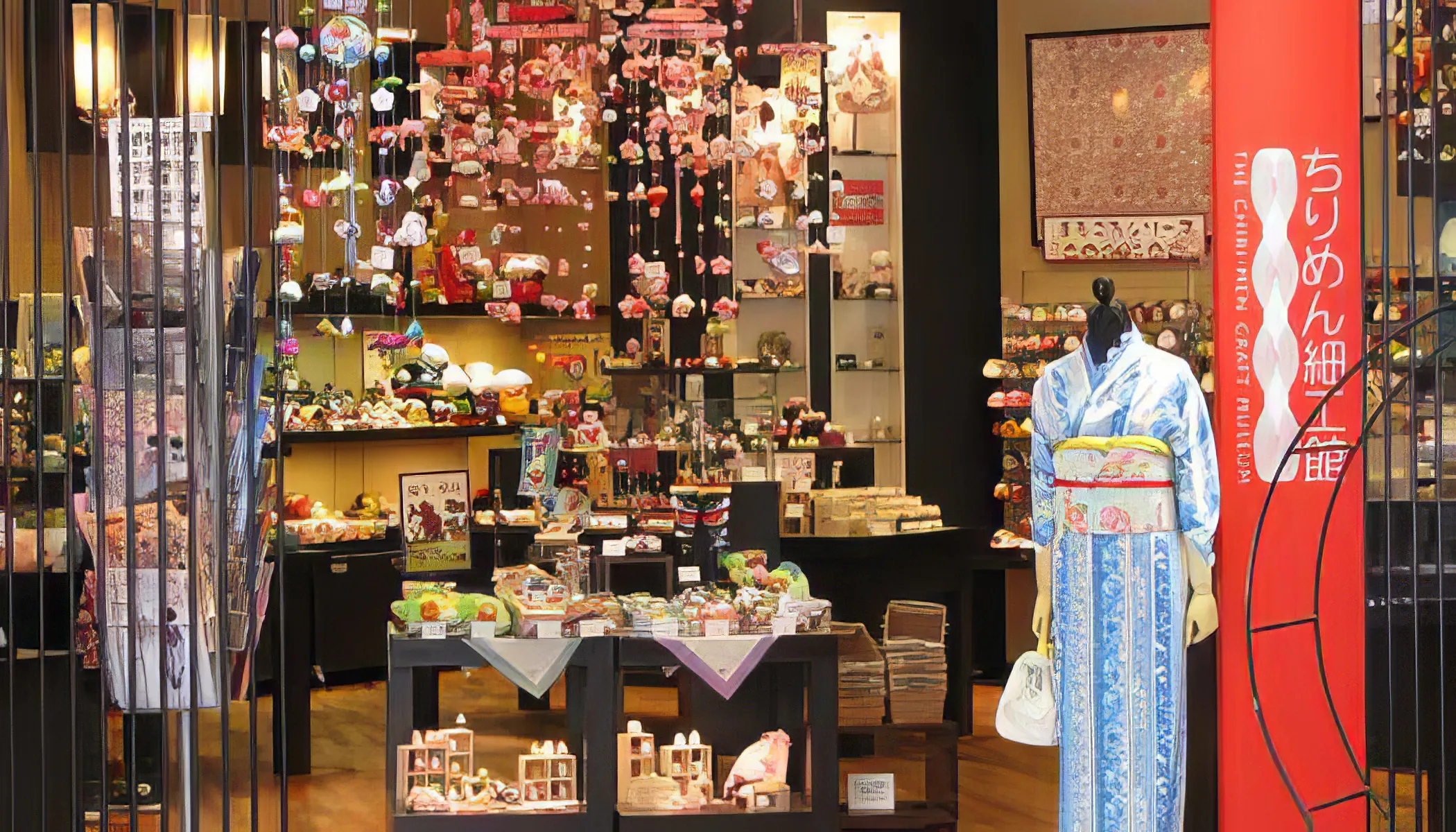
Japan is a country with a rich cultural heritage and a wide variety of unique souvenirs. Here are some popular choices:
– Kimono: Traditional Japanese clothing, often made from silk and beautifully decorated.
– Matcha Tea: High-quality green tea powder used in traditional Japanese tea ceremonies.
– Japanese Fans: Decorative and functional, these fans are a symbol of Japanese culture.
– Chopsticks: Often beautifully crafted, chopsticks are a practical souvenir.
– Sake: Japanese rice wine, available in many varieties and often beautifully packaged.
– Japanese Pottery: Known for its quality and craftsmanship, Japanese pottery makes a great souvenir.
– Anime Merchandise: Japan is the birthplace of anime, making anime merchandise a popular souvenir.
Traditional Shows
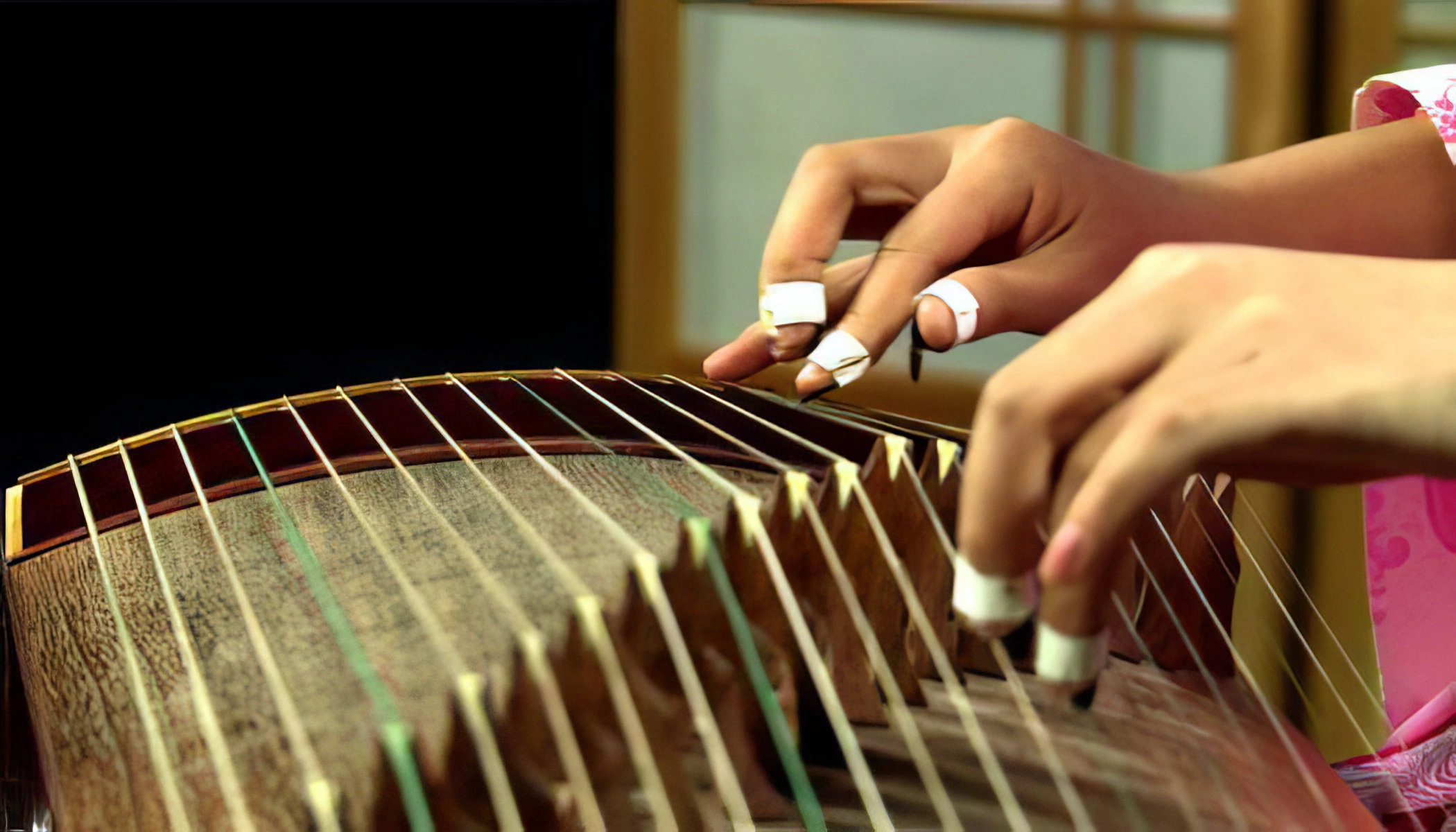
Japan is renowned for its traditional arts and performances:
– Kabuki: Witness this classical Japanese dance-drama known for its elaborate makeup and costumes in Tokyo's Kabuki-za Theatre.
– Noh: Experience Noh, a major form of classical musical drama that has been performed since the 14th century, in Kyoto's Kanze Noh Theatre.
– Bunraku: Visit Osaka's National Bunraku Theatre to see traditional puppet theater, where intricate puppets are manipulated by skilled puppeteers.
– Taiko Drumming: Feel the powerful rhythms of Taiko, a traditional Japanese drumming performance, at the Kodo Village on Sado Island.
– Gagaku: Listen to Gagaku, the world's oldest orchestral music still performed today, at the Imperial Palace in Tokyo.
Events & Festivals
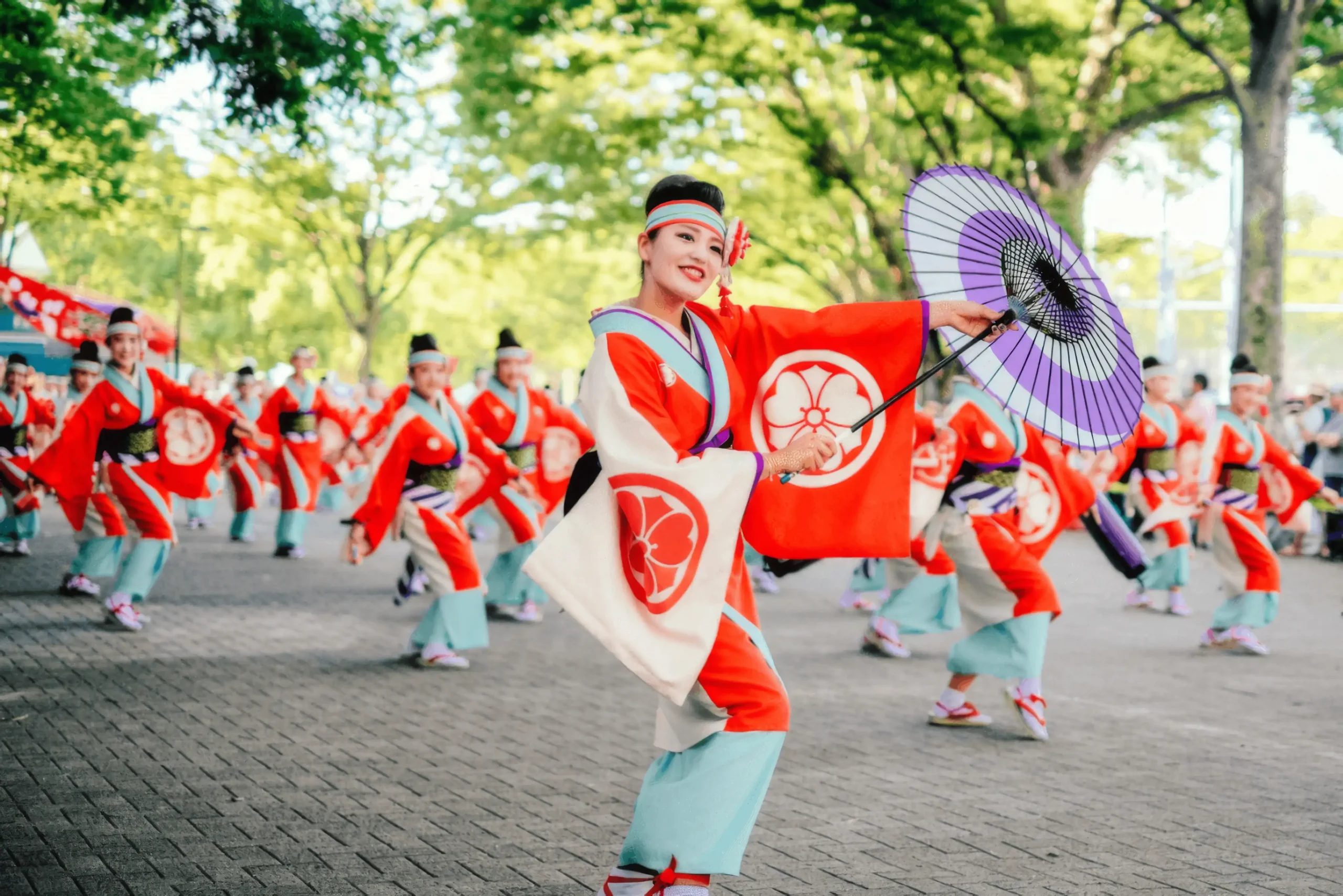
Japan is a country rich in tradition and culture, with numerous events and festivals throughout the year:
– Sapporo Snow Festival: February event in Hokkaido, featuring massive snow and ice sculptures.
– Hanami: Cherry blossom viewing in March/April, a nationwide event with picnics under blooming trees.
– Golden Week: Late April/early May, a week of national holidays and festivals.
– Gion Matsuri: July festival in Kyoto, known for its grand procession of floats.
– Obon: August event honoring ancestors' spirits, marked by dances and lanterns.
– Tokyo Game Show: September event showcasing new video games and technology.
– New Year's Celebrations: Nationwide festivities in December/January, with temple visits and traditional foods.
Famous People

Japan has been home to many influential figures who have made significant contributions to various fields.
– Emperor Akihito (born 1933, Tokyo): He was the 125th Emperor of Japan, known for his efforts to modernize the monarchy.
– Akira Kurosawa (1910 to 1998, Tokyo): Renowned filmmaker, famous for classics like "Seven Samurai" and "Rashomon."
– Hokusai Katsushika (1760 to 1849, Edo): Eminent ukiyo-e painter and printmaker, best known for "The Great Wave off Kanagawa."
– Haruki Murakami (born 1949, Kyoto): Internationally acclaimed contemporary novelist and translator.
– Marie Kondo (born 1984, Tokyo): Organizing consultant and author, famous for her KonMari method of tidying up.
Books

These books provide a rich exploration of Japanese culture, history, and society, from ancient times to the modern era.
– "The Tale of Genji" by Murasaki Shikibu: A classic of Japanese literature, depicting court life in Heian Japan.
– "Norwegian Wood" by Haruki Murakami: A poignant story of love and loss in 1960s Tokyo.
– "Snow Country" by Yasunari Kawabata: A tragic love story set in the snowy mountains of Japan.
– "The Wind-Up Bird Chronicle" by Haruki Murakami: A surreal journey into the subconscious of modern Japan.
– "Kokoro" by Natsume Soseki: A deep exploration of the human heart in the transition from the Meiji era to modern Japan.
Songs
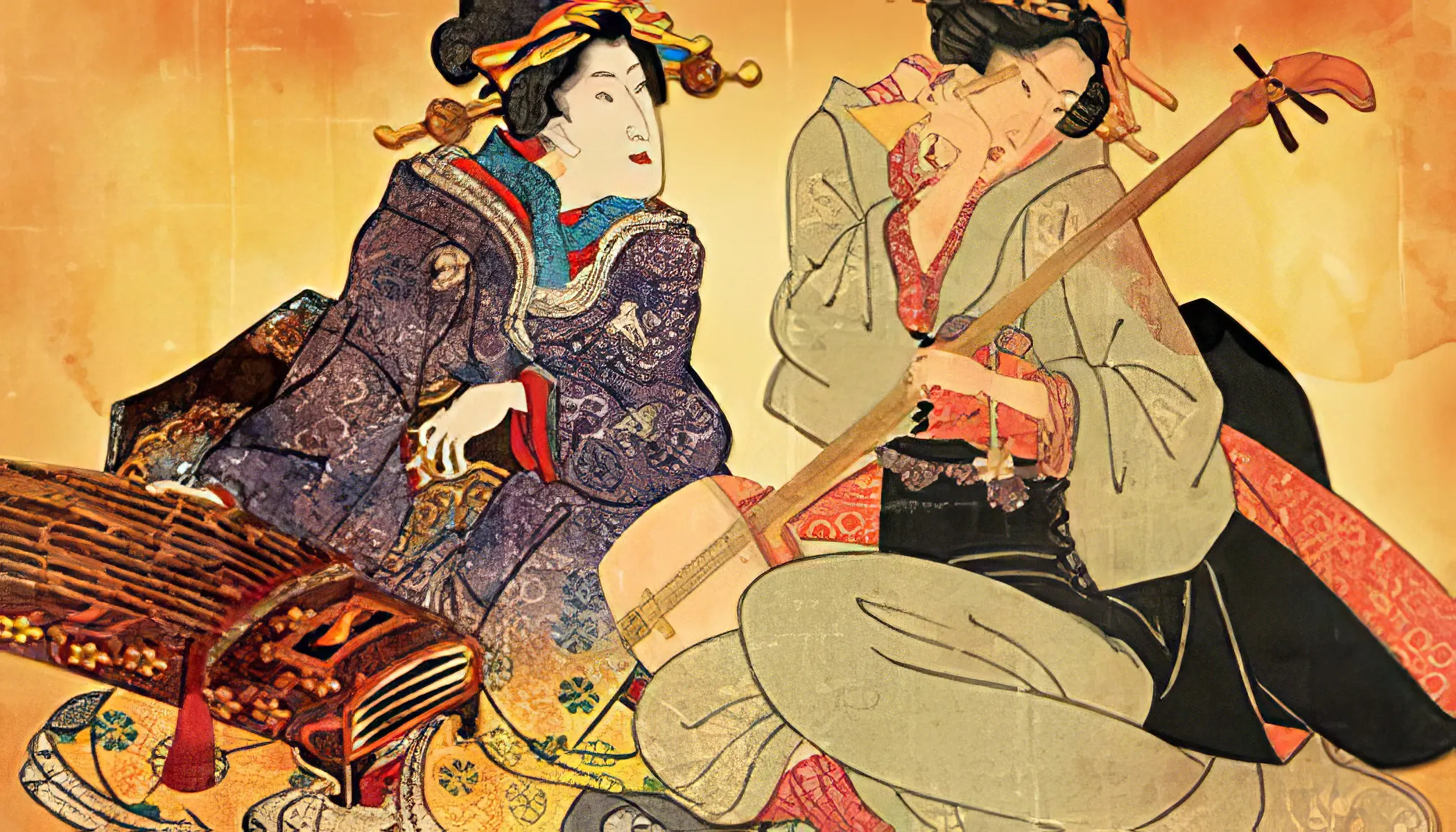
These songs are some of the most popular in Japan, showcasing the country's unique blend of traditional and modern musical styles.
– Sukiyaki: Internationally recognized song by Kyu Sakamoto, a symbol of 1960s Japan.
– Heavy Rotation: AKB48's signature song, epitomizing the idol group phenomenon.
– Lemon: Kenshi Yonezu's hit song, known for its poignant lyrics and melody.
– Pretender: High-impact song by Official HIGE DANDism, showcasing modern J-Pop.
– Blue Bird: Naruto's theme song by Ikimono Gakari, loved by anime fans worldwide.
– Koi: Gen Hoshino's pop song, famous for its catchy dance routine.
Films
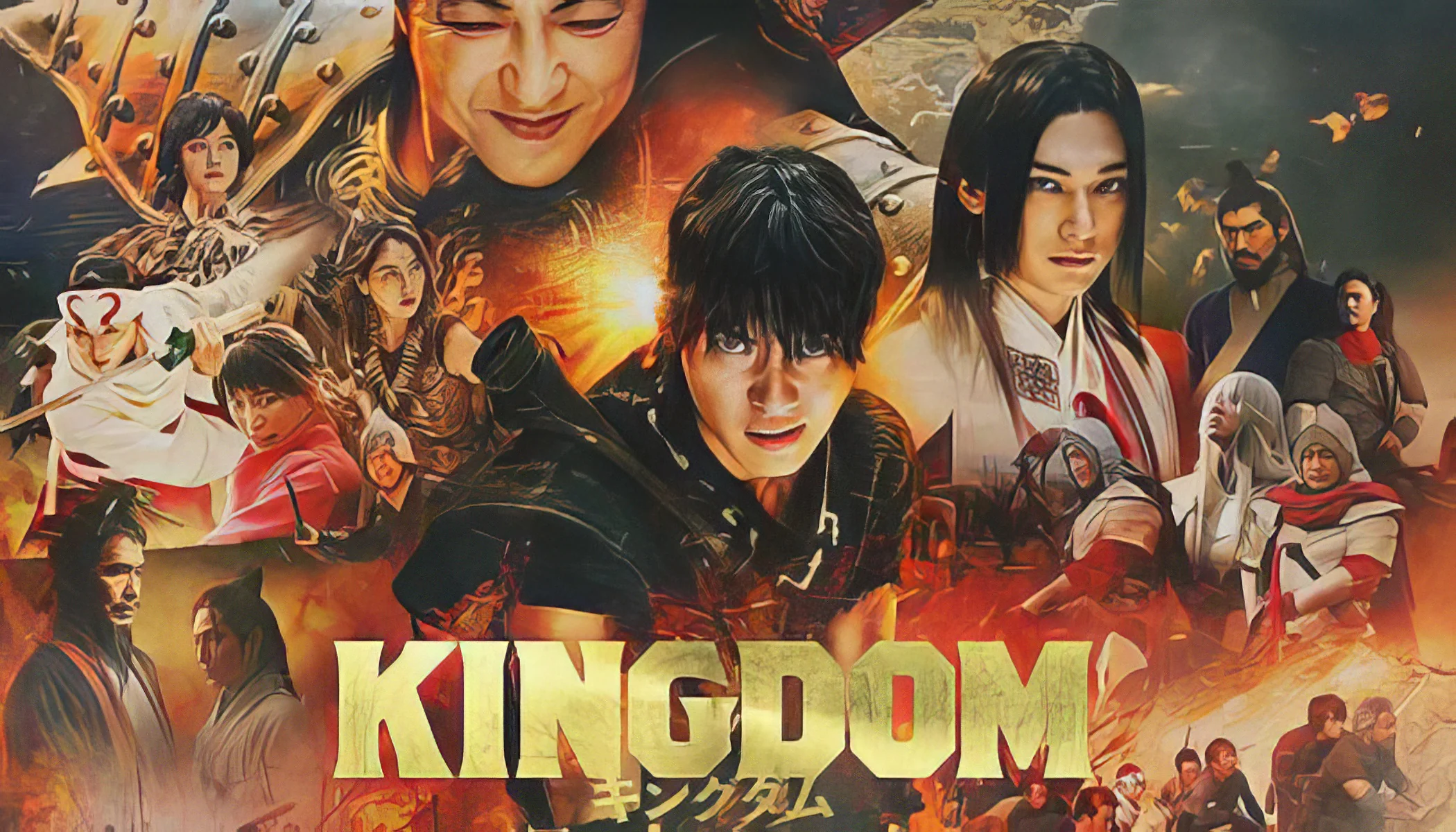
Immerse yourself in the rich culture of Japan through these renowned films:
– "Seven Samurai": Akira Kurosawa's epic tale of a village defended by ronin against bandits.
– "Tokyo Story": Yasujirō Ozu's poignant family drama exploring generational conflict in post-war Japan.
– "Spirited Away": Hayao Miyazaki's animated masterpiece about a young girl's journey in a world of spirits.
– "Rashomon": Another Kurosawa classic, explores the nature of truth through differing accounts of a crime.
– "Battle Royale": Kinji Fukasaku's controversial film about a government forcing students to fight to the death.