

Travel Guide to Morocco: Top Things to Do & Tips
This North African country is known for its rich history and diverse culture. It boasts lively markets, ancient cities, and remarkable landscapes from the Sahara Desert to the Atlas Mountains. Its cuisine is a flavorful blend of many influences.
- Capital
- Rabat
- Population
- 31.7 millions
- Superficy
- 447000 sq.km
- Months to Visit
- March to May & Sept. to Nov.
- Living Cost
- Moderate
Overview
Morocco is a North African country known for its diverse geography, which includes coastal plains, mountain ranges, and desert areas. Its cities, such as Marrakech and Fes, are famous for their historic medinas and vibrant souks. Casablanca, the largest city, blends modernity with tradition, featuring both contemporary architecture and historic sites. Moroccan cuisine, characterized by rich flavors and unique spice blends, is a significant aspect of the country's culture. Morocco's history is marked by the influence of Berber, Arab, and French cultures. The country's natural beauty, cultural heritage, and warm hospitality make it a popular destination for travelers.
Pros & Cons
GOOD REASONS TO VISIT MOROCCO
– Diverse Landscapes: From Sahara dunes to Atlas Mountains and Atlantic beaches, Morocco offers varied natural beauty.
– Rich History and Culture: Explore ancient medinas, mosques, and palaces reflecting Morocco's Berber, Arab, and French influences.
– Lively Markets: Experience the active souks, selling everything from spices to handcrafted goods.
– Delicious Cuisine: Taste tagine, couscous, and mint tea. Moroccan food is a flavorful blend of many cultures.
– Adventure Activities: Enjoy trekking, camel riding, and surfing, making Morocco a destination for adventure seekers. CHALLENGES WHEN VISITING MOROCCO
– Persistent Vendors: In tourist areas, vendors can be insistent, which may be overwhelming for some visitors.
– Cultural Differences: Modest dress and understanding local customs is important, especially for women.
– Limited Alcohol Availability: Alcohol is not widely available due to religious reasons, which may disappoint some travelers.
Before Departure
Before setting off on your adventure to Morocco, there are several key points to consider:
– Passport: Ensure your passport is valid for at least six months beyond your planned departure date.
– Visa: Most tourists (including U.S., UK, EU, Australia, and Canada citizens) do not require a visa for stays up to 90 days. Check Morocco's visa policy for your country.
– Currency: Moroccan Dirham (MAD) is the local currency; credit cards are widely accepted in cities, but cash is preferred in rural areas; ATMs are common.
– Internet access: WiFi is available in hotels, cafes, and some public areas. Prepaid SIM cards for data are available from Maroc Telecom, Inwi, or Orange.
– Language barrier: Arabic is the official language, but French is widely spoken. English is understood in tourist areas, while Spanish is common in the north.
What to Pack
Packing for a trip to Morocco requires consideration of the country's diverse climate, cultural norms, and various activities.
– Essentials: Passport and visa (if required), travel insurance details, flight tickets and itinerary, accommodation reservations.
– Clothing: Lightweight and breathable clothing for the day, warm clothing for cooler nights, modest attire for cultural sites, comfortable walking shoes, hat and sunglasses for sun protection.
– Health & Safety: Prescription medications and a basic first aid kit, sunscreen with high SPF, personal hygiene items, diarrhea medicine (just in case).
– Electronics: Travel adapter for Moroccan outlets, mobile phone, camera, portable power bank.
Weather
Morocco's weather varies greatly depending on the season and region:
– Winter (December to February): Mild in the plains with temperatures around 20°C, but can be freezing in the mountains.
– Spring (March to May): Pleasant temperatures across the country, with occasional rain showers.
– Summer (June to August): Extremely hot in the plains, reaching up to 40°C, but cooler in coastal areas and mountains.
– Autumn (September to November): Mild and dry, with temperatures averaging around 25°C. The best time to visit Morocco is during Spring (March to May) and Autumn (September to November).
– These periods offer pleasant temperatures and less tourist crowds.
– However, prices can be slightly higher due to the popular travel seasons.
Travel Budget
Morocco is a country with a wide range of prices. Here are some average costs for reference:
– Hotel: 30$ to 150$
– Lunch: 4$ to 20$
– Beverage (in bar/restaurant): 2$ to 6$
– Coffee: 1$ to 3$
– Transportation: (train 10$ to 40$), (bus 2$ to 10$), (taxi /10km 6$ to 15$)
– Mobile data (per GB): 1$ to 5$
Language
The official languages of Morocco are Arabic and Amazigh, but French is also widely spoken. Here are some useful phrases in Moroccan Arabic (Darija):
– Hello: Salam
– Thank you: Shukran
– Please: Afak
– How much is this?: Bshhal hada?
– Excuse me: Smah liya
– I don't understand: Ma fhmtch
– Yes: Iyah
– No: La
– Goodbye: Bslama
History
Morocco's history dates back to prehistoric times, with the Berber tribes being the earliest known inhabitants. It was part of the Roman Empire, followed by a series of Islamic dynasties starting in the 7th century. The country was divided into French and Spanish protectorates in the early 20th century. Morocco gained independence from France and Spain in 1956. Since then, it has been a monarchy, with a constitution implemented in 1972 and later revised in 2011. Today, Morocco is known for its rich cultural heritage, influenced by Berber, Arab, French, and Spanish cultures.
Geopolitics
Morocco is a constitutional monarchy located in North Africa, bordering the Atlantic Ocean and Mediterranean Sea to the west and north, and Algeria to the east and southeast. It has a longstanding territorial dispute with the Sahrawi Arab Democratic Republic over the Western Sahara region. Morocco maintains strong ties with Europe, particularly France and Spain, due to historical connections and significant trade relations. It is a member of the Arab League, the Union for the Mediterranean, and the African Union, but it's not part of the Economic Community of West African States (ECOWAS). Its strategic location near Europe and rich phosphate deposits significantly influence its geopolitical standing.
Sample Itinerary
This tour offers a blend of Morocco's vibrant cities, historic sites, and sensational desert landscapes.
– 2 days in Marrakech: Visit the Medina, Jardin Majorelle, and Koutoubia Mosque. Experience the lively Jemaa el-Fnaa square and local markets.
– 1 day in Casablanca: Explore the Hassan II Mosque, the largest in Africa, and stroll along the Corniche, the city's beachfront district.
– 2 days in Fes: Discover the ancient Medina, Al-Qarawiyyin University, and the Royal Palace. Experience the traditional tanneries.
– 2 days in Merzouga: Embark on a desert tour, including a camel trek and overnight stay in a desert camp.
– 1 day in Chefchaouen: Wander through the blue-painted streets of this mountain town, visit the Kasbah, and enjoy local crafts.
– 1 day in Rabat: Visit the Hassan Tower, Mausoleum of Mohammed V, and the Kasbah of the Udayas. Depart from Rabat.
Popular cities
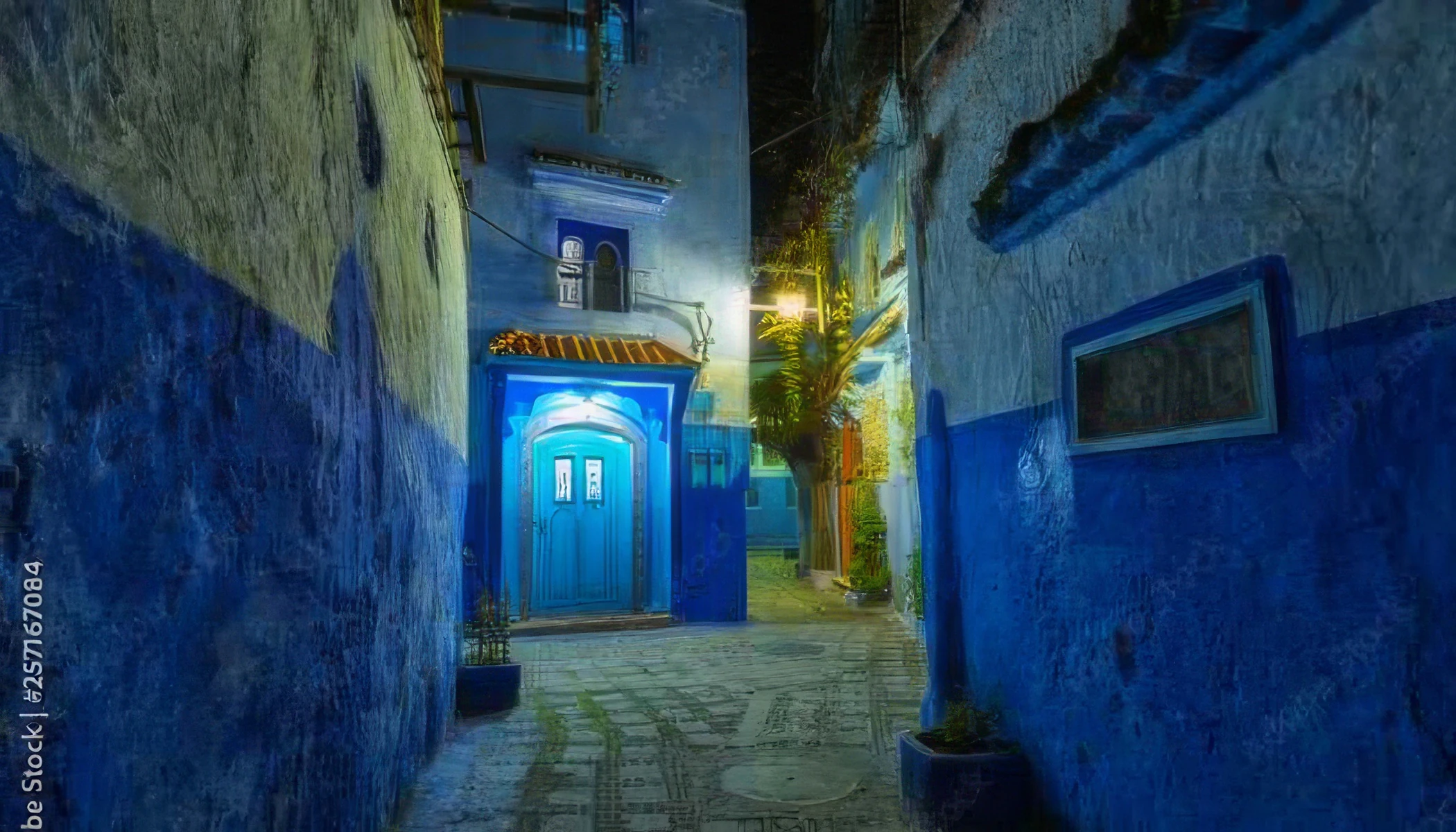
Morocco offers a diverse range of cities, each with its unique charm and attractions:
– Marrakech: Known for its energetic souks, nice palaces, and beautiful gardens.
– Casablanca: The largest city in Morocco, it's famous for its modern architecture and the historic Hassan II Mosque.
– Fes: Home to the world's oldest university and a UNESCO-listed medina.
– Chefchaouen: A small city famous for its blue-painted streets and buildings.
– Rabat: The capital city, it boasts historical sites, museums, and an old medina.
– Tangier: A port city with a rich history, offering a blend of cultures and beautiful coastal views.
– Essaouira: Known for its well-preserved medina, beautiful beaches, and fresh seafood.
Monuments
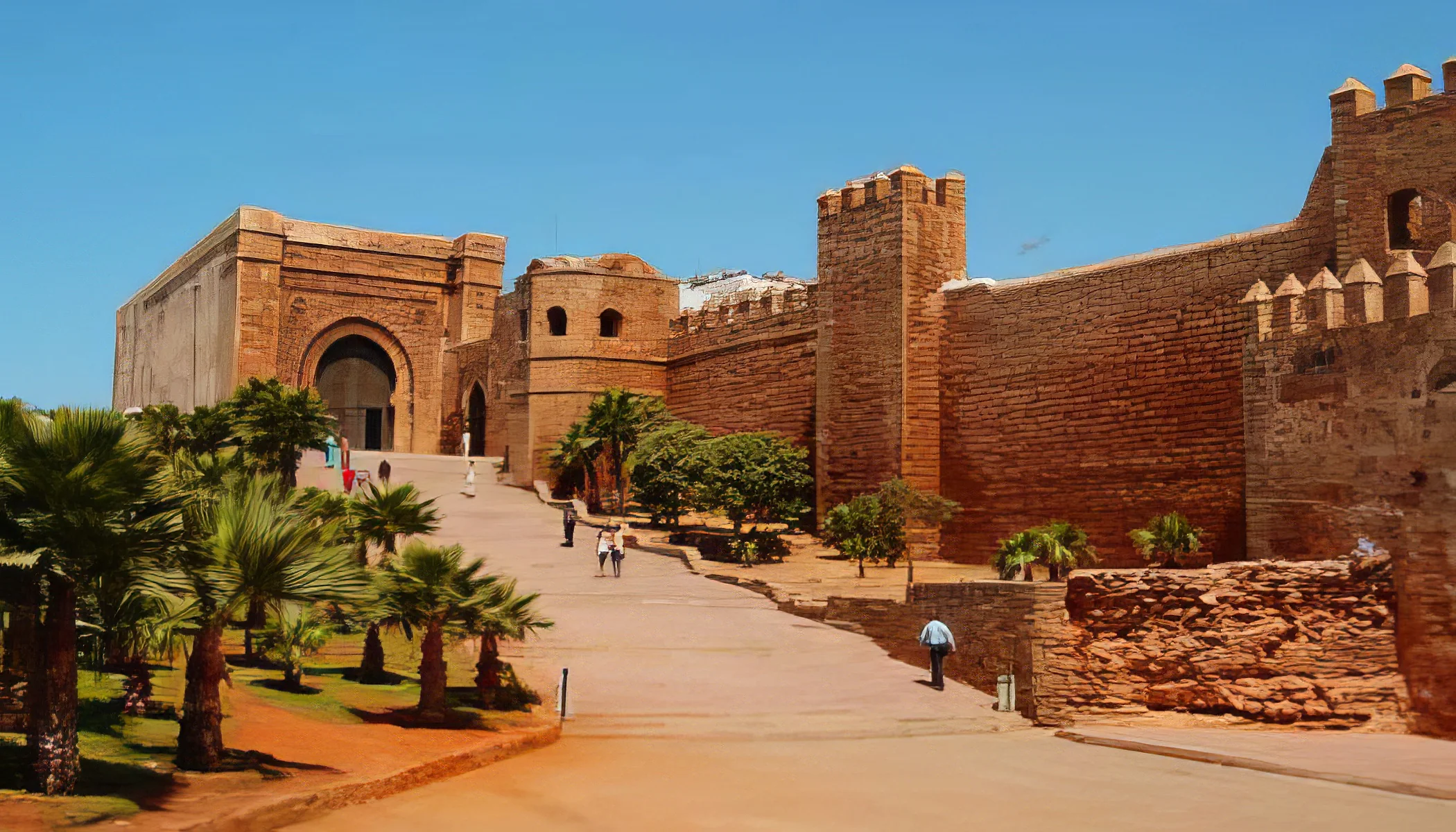
Morocco is home to a variety of historical monuments and architectural wonders:
– Koutoubia Mosque, Marrakech: Largest mosque in Marrakech, known for its beautiful minaret.
– Hassan II Mosque, Casablanca: One of the largest mosques in the world, with a retractable roof.
– Bahia Palace, Marrakech: 19th-century palace with nice gardens and sophisticated decorations.
– Saadian Tombs, Marrakech: Resting place of Saadian sultans, known for its ornate decoration.
– Chellah, Rabat: Ancient Roman and Islamic ruins, now a quiet garden.
– El Badi Palace, Marrakech: 16th-century palace ruins, known for its large pool and gardens.
– Medersa Ben Youssef, Marrakech: Historic Islamic school with beautiful tile work and carvings.
– Volubilis, near Meknes: Ancient Roman city ruins, a UNESCO World Heritage site.
Natural wonder
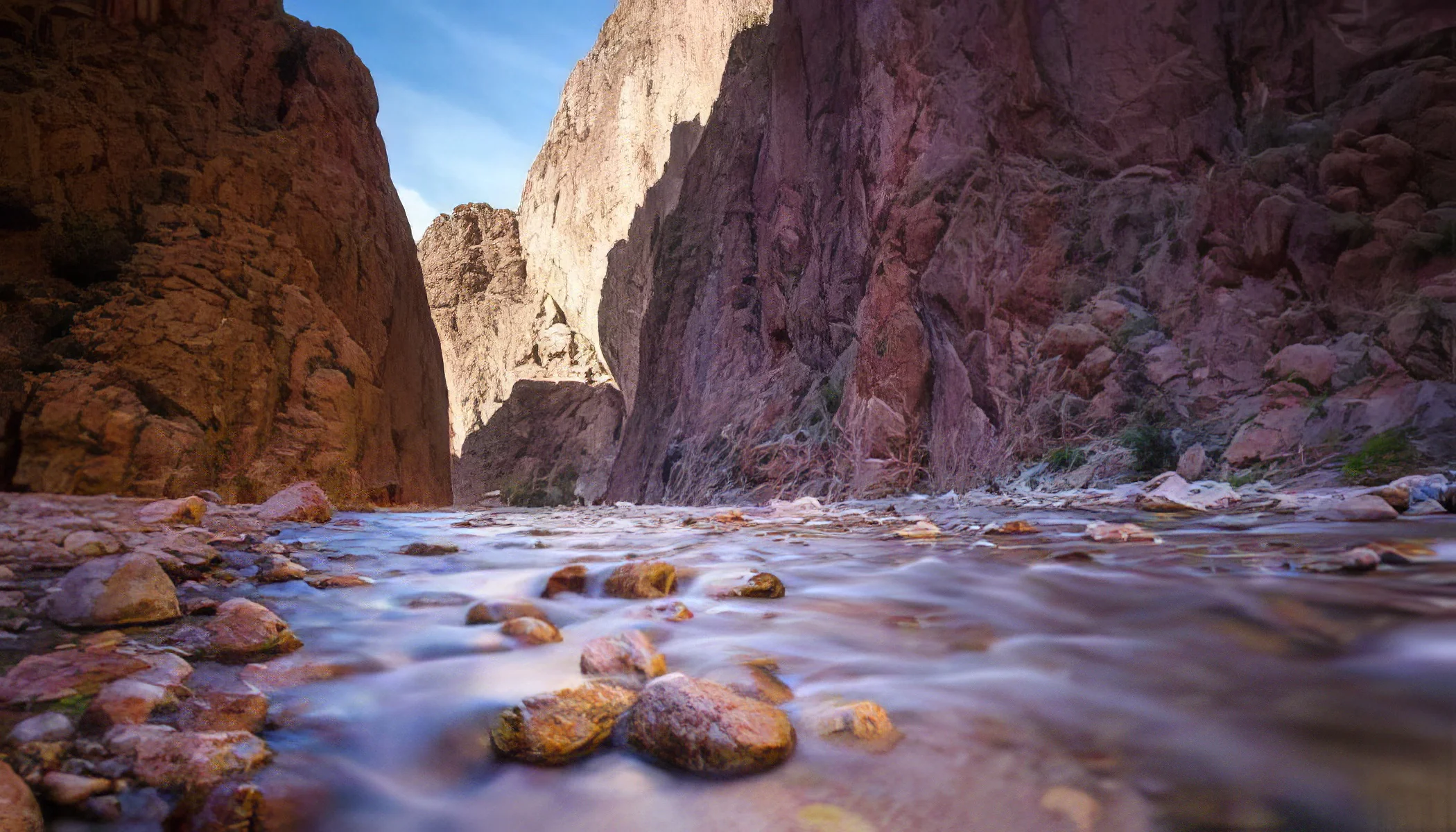
Explore the diverse natural beauty of Morocco:
– Atlas Mountains: A mountain range stretching across Morocco, offering hiking and trekking opportunities.
– Sahara Desert: The world's largest hot desert, known for its sand dunes and camel treks.
– Todra Gorge: A canyon in the eastern part of the High Atlas Mountains.
– Ouzoud Waterfalls: The highest waterfalls in North Africa, surrounded by olive groves.
– Merzouga: A small village known for its proximity to Erg Chebbi, a Saharan erg.
– Dades Valley: Known for its fortresses, palmeries and geological formations.
– Chefchaouen: A city in the Rif Mountains, known for its blue streets and mountainous surroundings.
– Legzira Beach: Famous for its natural arches carved by the Atlantic Ocean.
– Toubkal National Park: Home to Mount Toubkal, the highest peak in the Atlas Mountains.
– Agadir: Known for its mild climate and long sandy beach.
Beaches
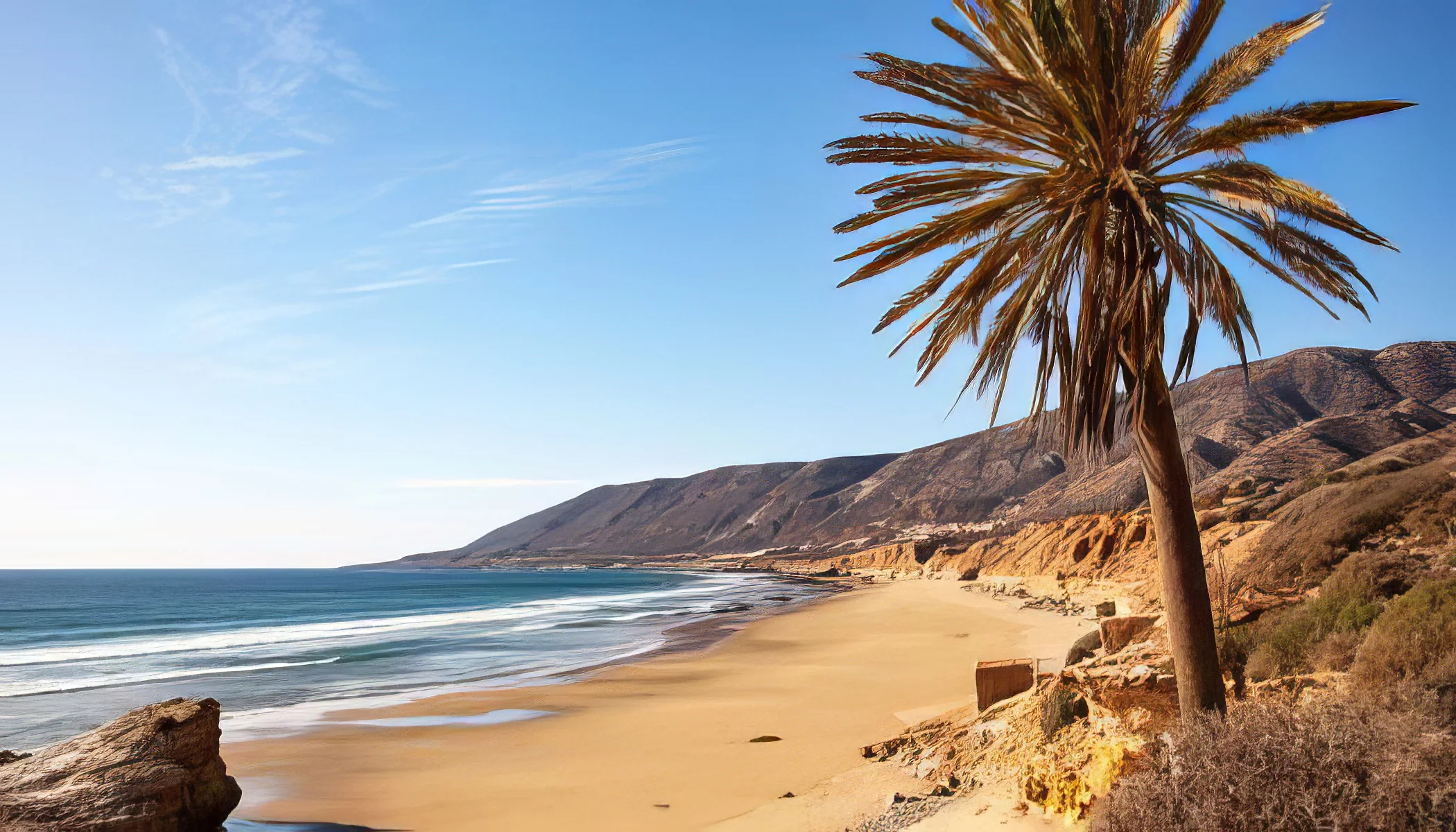
Here are some of the most visited beaches in Morocco:
– Agadir Beach: Known for its wide sandy stretch and calm waters, suitable for families.
– Essaouira Beach: Popular for windsurfing and kitesurfing due to consistent wind conditions.
– Taghazout Beach: A favorite among surfers for its excellent waves.
– Saidia Beach: Located on the Mediterranean, it's known for its long sandy beach.
– Legzira Beach: Famous for its natural stone arches and red cliffs.
– Dakhla Beach: A hotspot for kite surfers, located in the Western Sahara region.
– Paradise Beach: A secluded beach near Asilah, known for its clear waters and tranquility.
Outdoor activities
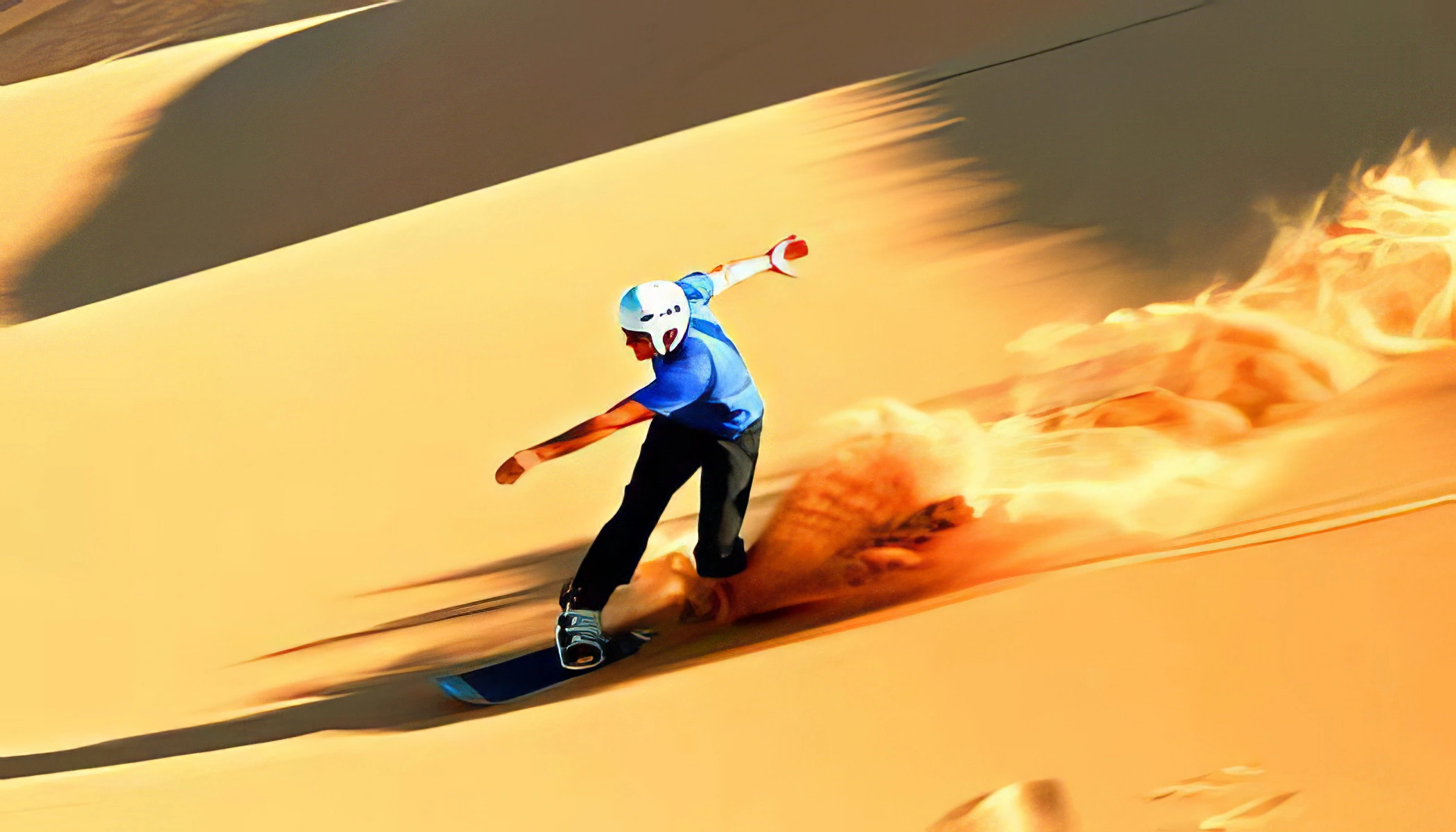
Morocco offers a variety of outdoor experiences that cater to different types of adventurers:
– Trekking in the Atlas Mountains: Experience the beauty of Morocco's highest peaks.
– Camel Trekking in the Sahara Desert: Traverse the vast dunes on a traditional camel trek.
– Surfing in Taghazout: Catch waves in one of Morocco's top surfing destinations.
– Hot Air Ballooning in Marrakech: Enjoy panoramic views of the city and surrounding countryside.
– Bird Watching in Merja Zerga: Spot a variety of bird species in this blue lagoon.
– Mountain Biking in the Rif Mountains: Navigate through rugged terrain and scenic landscapes.
– Exploring the Todra Gorge: Hike through this impressive canyon known for its high cliffs.
Kid Friendly
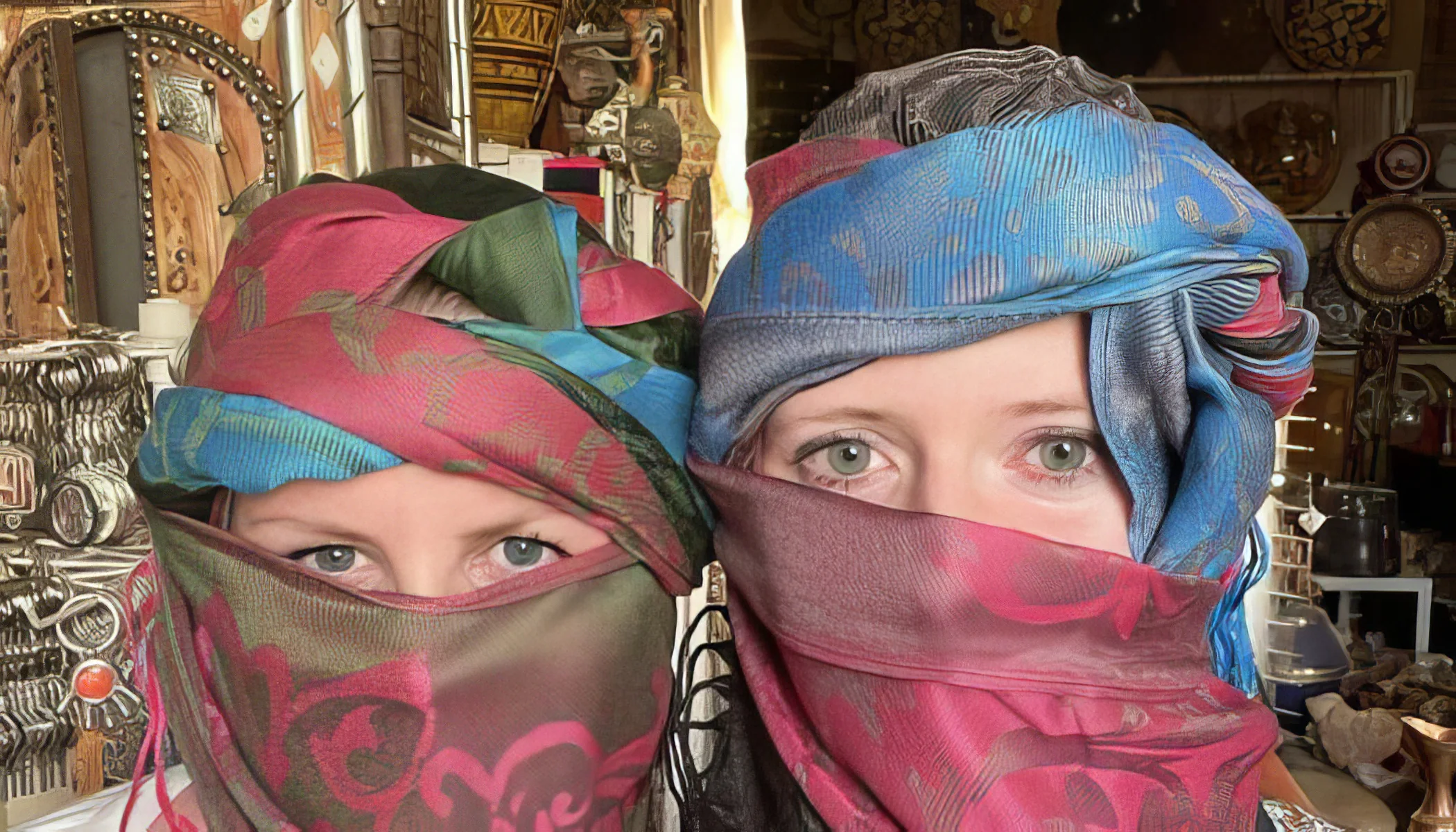
Morocco offers a variety of activities that are both fun and educational for children:
– Majorelle Garden: A beautiful garden in Marrakech with exotic plants and lively blue buildings.
– Ouzoud Waterfalls: A natural wonder where kids can enjoy the sight of cascading water and possibly spot monkeys.
– Paradise Valley: A scenic spot with natural pools and waterfalls, perfect for a family picnic.
– Marrakech Medina: A busy market where kids can experience the local culture and try traditional foods.
– Atlas Mountains: Offers family-friendly hikes and nice views of the surrounding landscape.
– Essaouira Beach: A sandy beach where kids can play and families can enjoy water sports.
– Menara Gardens: A peaceful oasis in Marrakech with a large pool and orchards.
– Saadian Tombs: A historic site in Marrakech that offers a glimpse into Morocco's past.
Cuisine
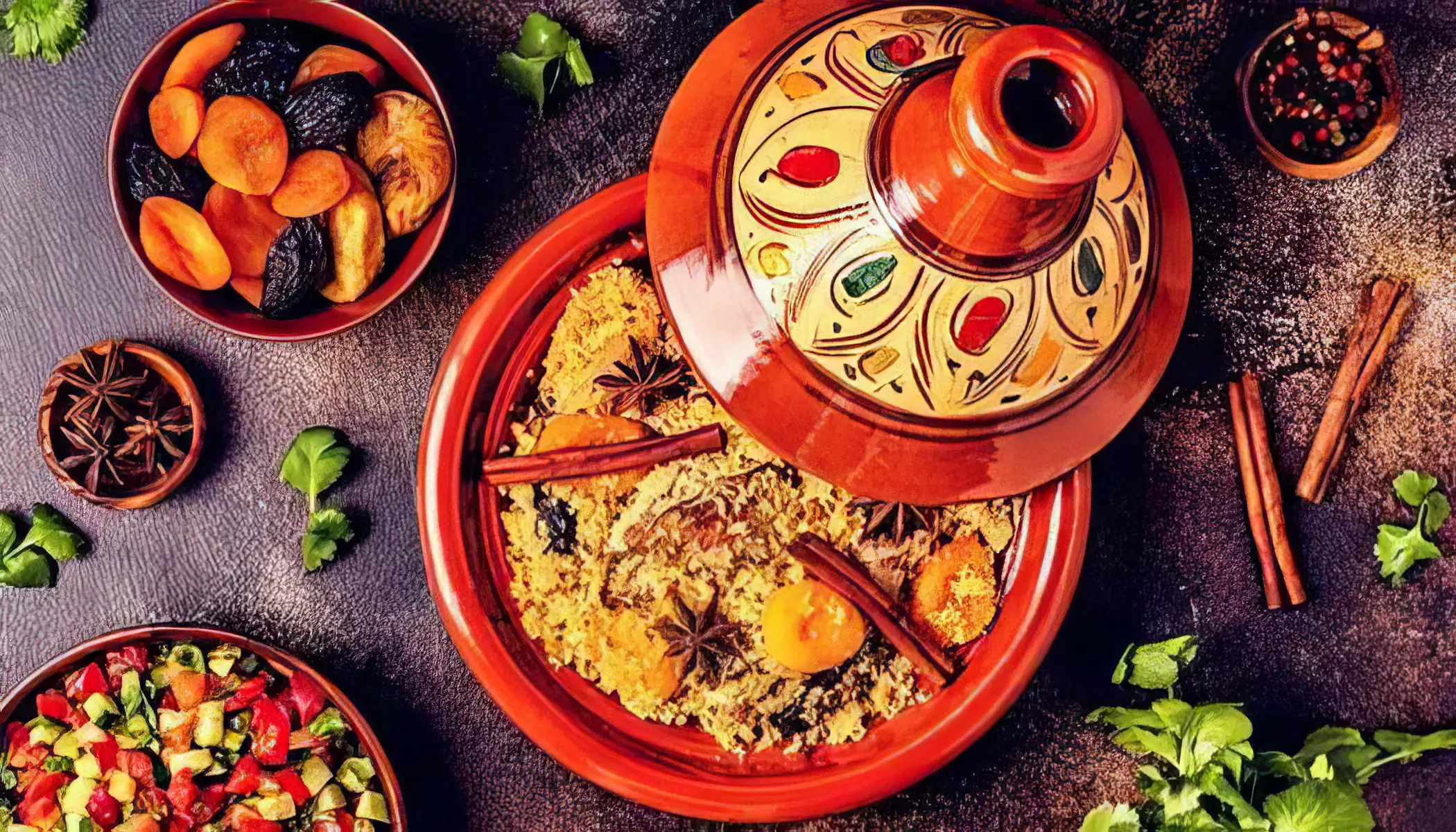
Moroccan cuisine is a beautiful mix of Berber, Arabic, Andalusian, and Mediterranean cuisines with a slight European and Subsaharan influence. It is known for its bold, spicy flavors and unique combinations of meat, vegetables, and spices. Street food and home cooking are both integral parts of the food culture.
– Couscous: Steamed semolina often served with meat and vegetables.
– Tagine: Slow-cooked savory stew, typically made with sliced meat, poultry or fish together with vegetables or fruit.
– Pastilla: Puff pastry pie filled with meat (often pigeon) and dusted with sugar and cinnamon.
– Harira: Rich soup with tomatoes, lentils, chickpeas, and meat, traditionally eaten to break the fast during Ramadan.
– Chebakia: Sesame cookies shaped like a flower, fried and coated with honey.
Souvenir
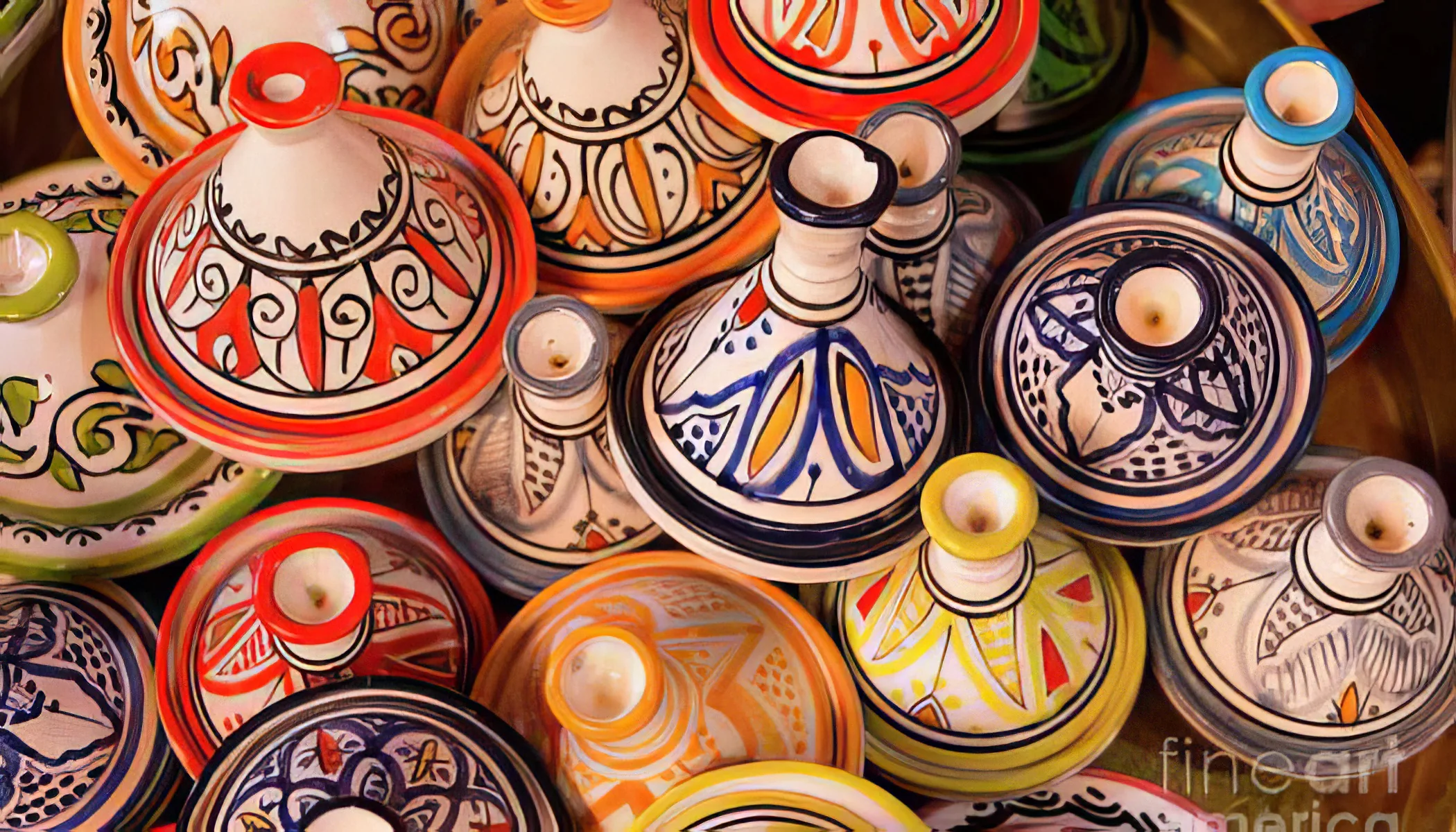
Morocco is a country rich in culture and tradition, which is reflected in its unique and diverse souvenirs. Here are some popular items to consider:
– Argan Oil: Known as "liquid gold", argan oil is a versatile product used for cooking and cosmetics.
– Moroccan Rugs: Handwoven by local artisans, Moroccan rugs are a beautiful and functional souvenir.
– Leather Goods: Morocco is famous for its high-quality leather products, including bags, shoes, and jackets.
– Moroccan Spices: Spices like saffron, cumin, and ras el hanout are essential in Moroccan cuisine and make great souvenirs.
– Pottery and Ceramics: Moroccan pottery, often painted in dynamic colors, is a popular souvenir choice.
– Moroccan Lanterns: These intricate, handcrafted lanterns are a symbol of Moroccan design.
– Djellaba: This traditional Moroccan robe is a comfortable and stylish souvenir.
Traditional Shows
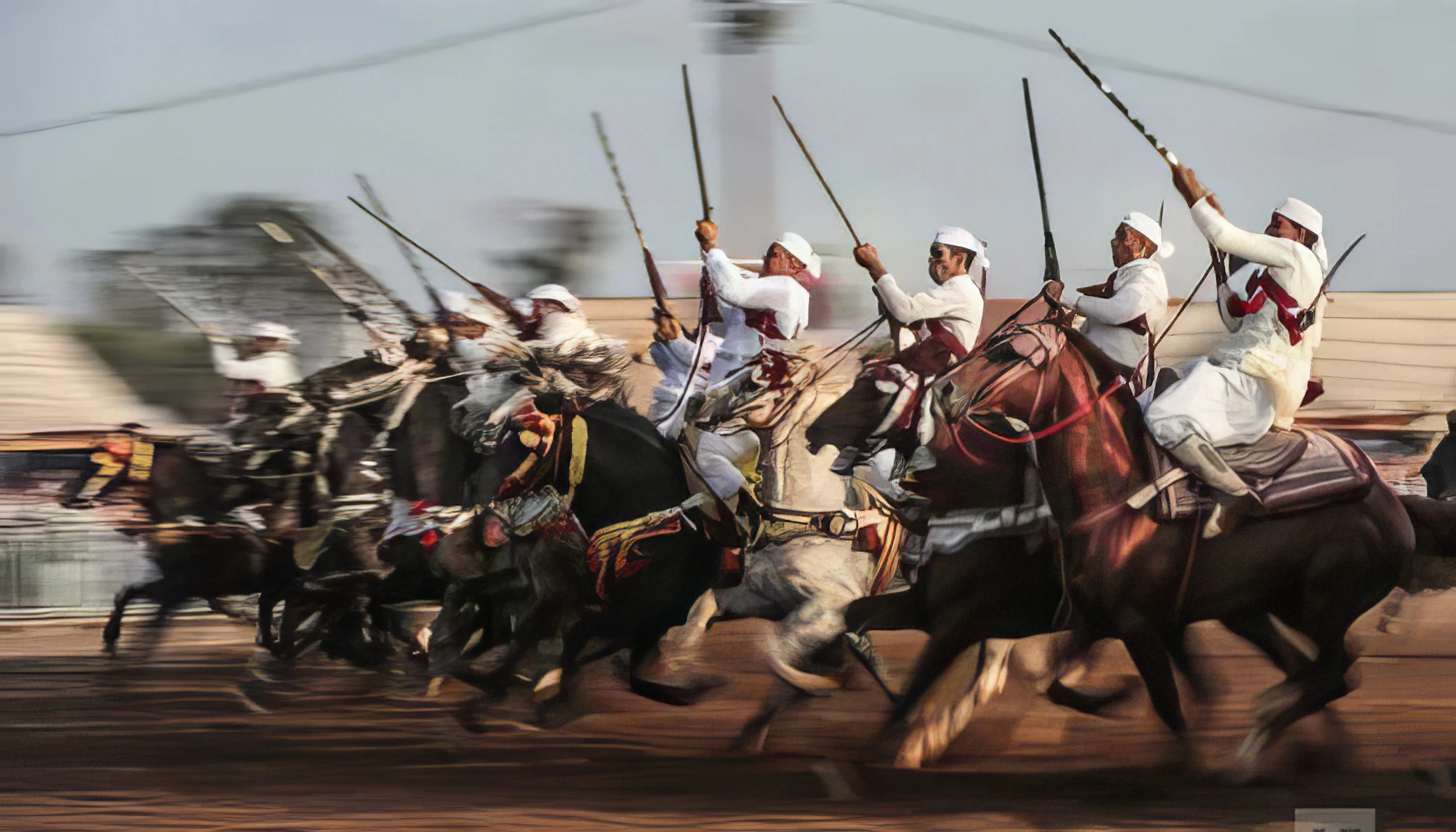
Morocco is rich in traditional music and art performances:
– Gnawa Music: Experience this spiritual music and dance in Marrakech, rooted in African Islamic mysticism, with rhythmic beats and hypnotic trance dances.
– Berber Music: Enjoy the indigenous Amazigh culture's music, featuring traditional instruments and storytelling, often performed in Atlas Mountain villages.
– Andalusian Music: Listen to this classical music style in Fez, influenced by Spain's Andalusian period, blending Arabic, Berber, and Flamenco sounds.
– Dakka Marrakchia: Witness this percussive music and dance form in Marrakech, traditionally performed during festivals and celebrations.
– Ahidous Dance: Observe this communal dance in the Middle Atlas region, where men and women form circles, singing and dancing to rhythmic beats.
Events & Festivals
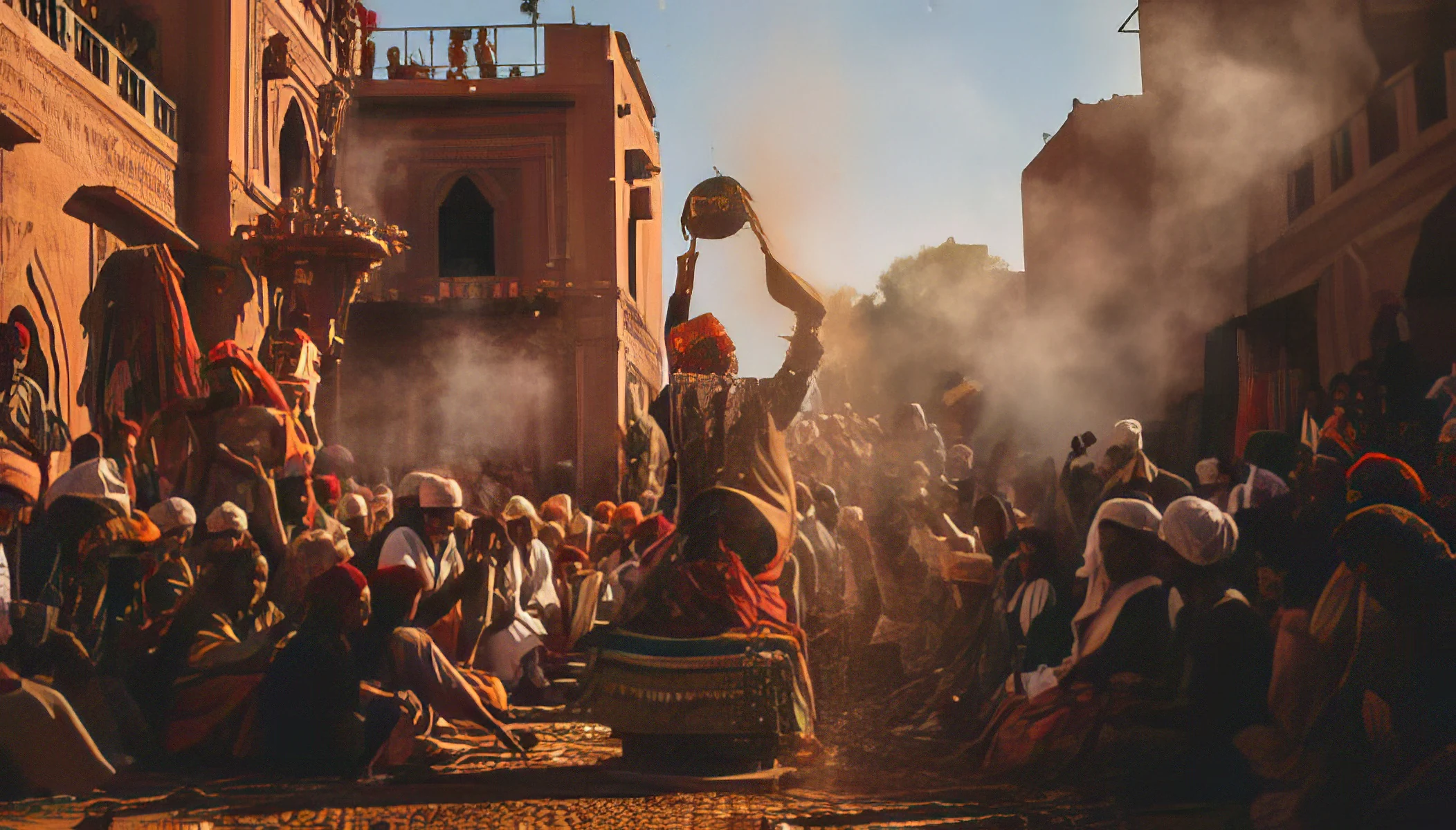
Morocco is a country rich in culture and tradition, with numerous events and festivals taking place throughout the year:
– Almond Blossom Festival: February event in Tafraoute, celebrating the almond tree bloom with music and dance.
– Mawazine: May music festival in Rabat, featuring international and local artists.
– Fes Festival of World Sacred Music: June event showcasing spiritual music from around the globe.
– Gnaoua World Music Festival: June festival in Essaouira, celebrating Gnaoua music and its African roots.
– Marrakech Popular Arts Festival: July event featuring folk dance, music, and horse riding displays.
– Imilchil Marriage Festival: September event where Berber tribes gather for collective marriage ceremonies.
– Erfoud Date Festival: October event celebrating the season's date harvest with music, dance, and a camel race.
Famous People
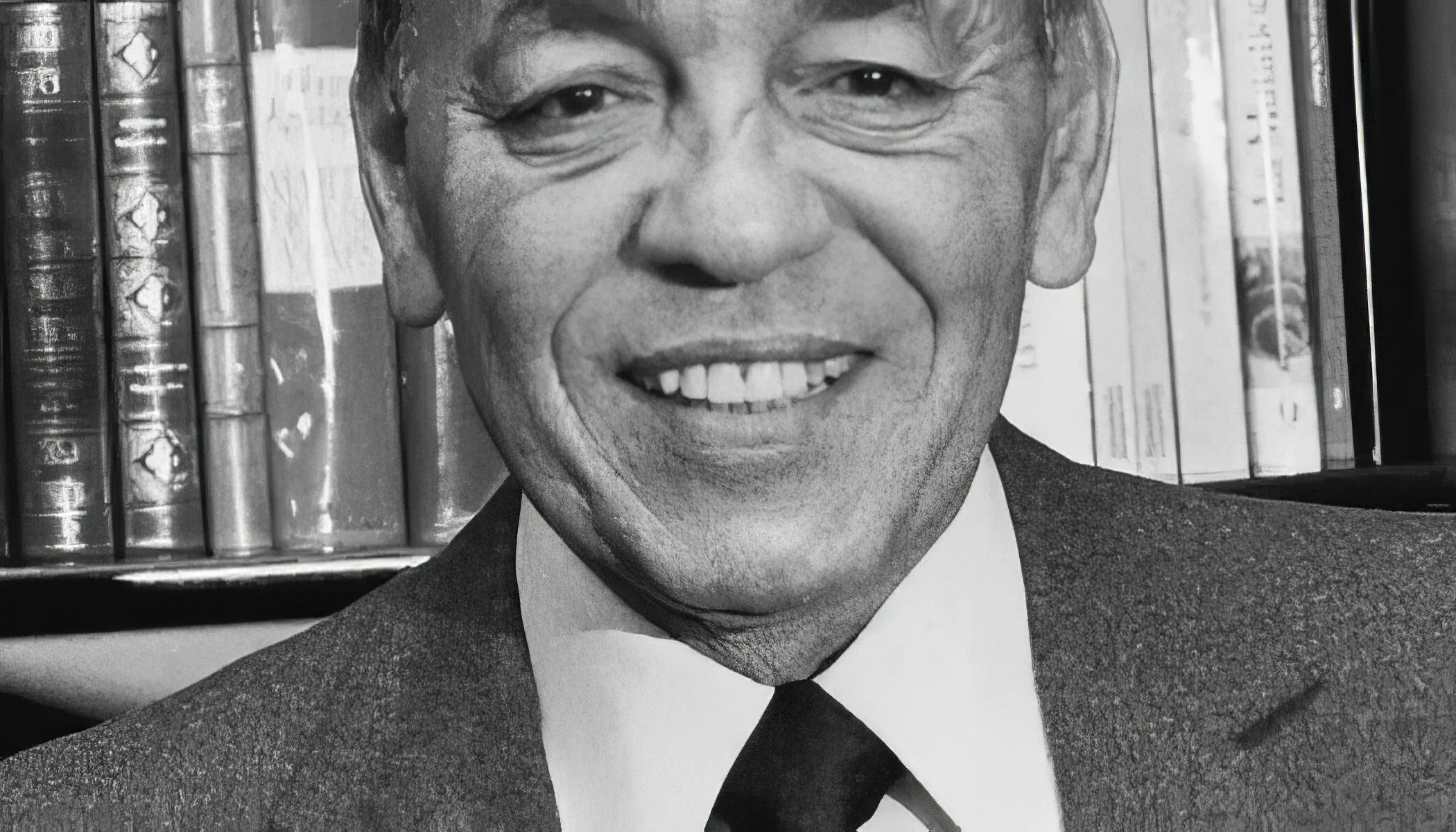
Morocco has been home to many influential figures who have made significant contributions in various fields.
– King Mohammed VI (born 1963, Rabat): Current monarch of Morocco, known for his efforts in modernizing the country.
– Ibn Battuta (1304 to 1369, Tangier): Renowned traveler and scholar, his accounts provide valuable insights into the medieval world.
– Leila Aboulela (born 1964, Cairo): Award-winning Moroccan-Egyptian writer, known for her novel "The Translator."
– Mehdi Ben Barka (1920 to 1965, Rabat): Political leader and opposition figure, his disappearance remains a mystery.
– Malika Oufkir (born 1953, Marrakech): Writer and former "disappeared" prisoner, known for her book "Stolen Lives."
Books
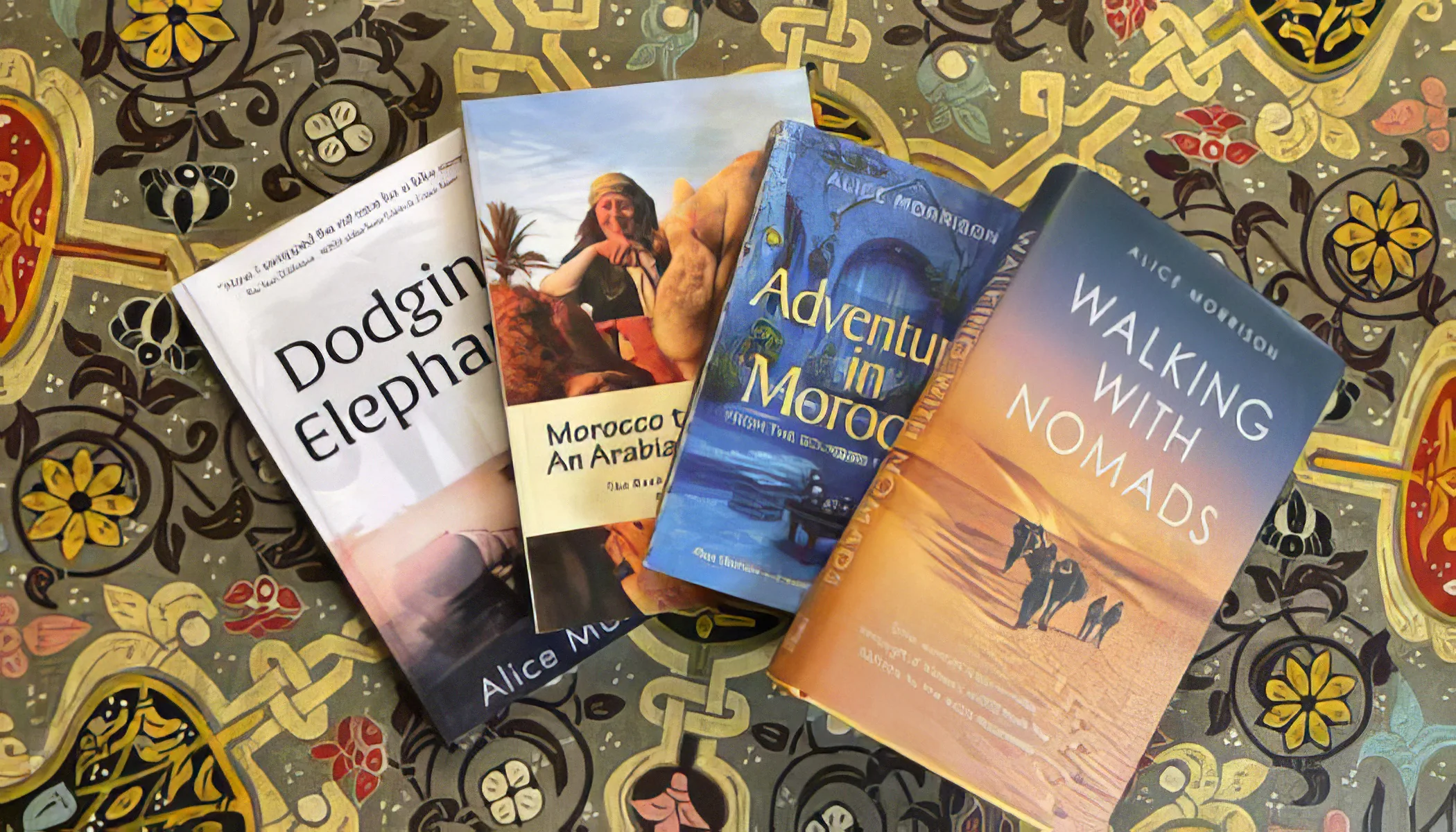
These books provide a rich exploration of Moroccan culture, history, and personal narratives.
– "The Caliph's House" by Tahir Shah: A true story of turning a Moroccan mansion into a home.
– "The Spider's House" by Paul Bowles: Set in Fez during the 1954 nationalist uprising.
– "The Voices of Marrakesh" by Elias Canetti: A travelogue capturing the essence of Marrakesh.
– "A House in Fez" by Suzanna Clarke: Chronicles the restoration of a traditional house in Fez.
– "Hope and Other Dangerous Pursuits" by Laila Lalami: Stories of Moroccans who risk all to cross into Spain.
Songs
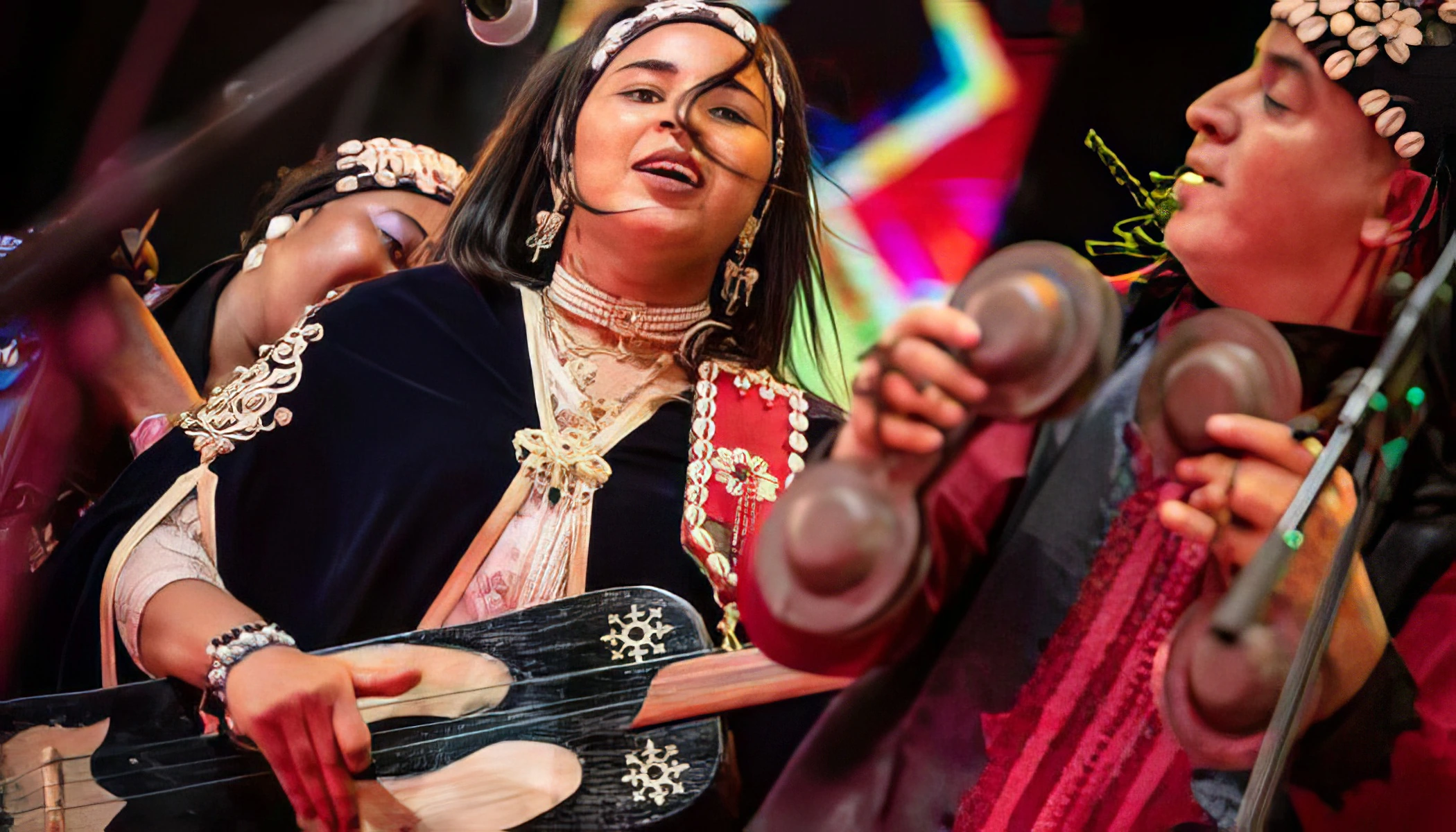
Moroccan music is a rich blend of Berber, Arab, Andalusian, and Saharan influences, as reflected in these popular songs.
– Abdelhadi Belkhayat's "Ya El Bouhali": A classic Moroccan song by a legendary singer.
– Saad Lamjarred's "LM3ALLEM": A modern hit with over 800 million views on YouTube.
– Nass El Ghiwane's "Ya Sah": A traditional Moroccan song by a renowned band.
– Samira Said's "Youm Wara Youm": A popular song by one of Morocco's most famous singers.
– Cheb Khaled's "Aicha": A global hit by an Algerian singer, popular in Morocco.
– Asma Lmnawar's "Andou Zine": A contemporary Moroccan song known for its catchy rhythm.
Films
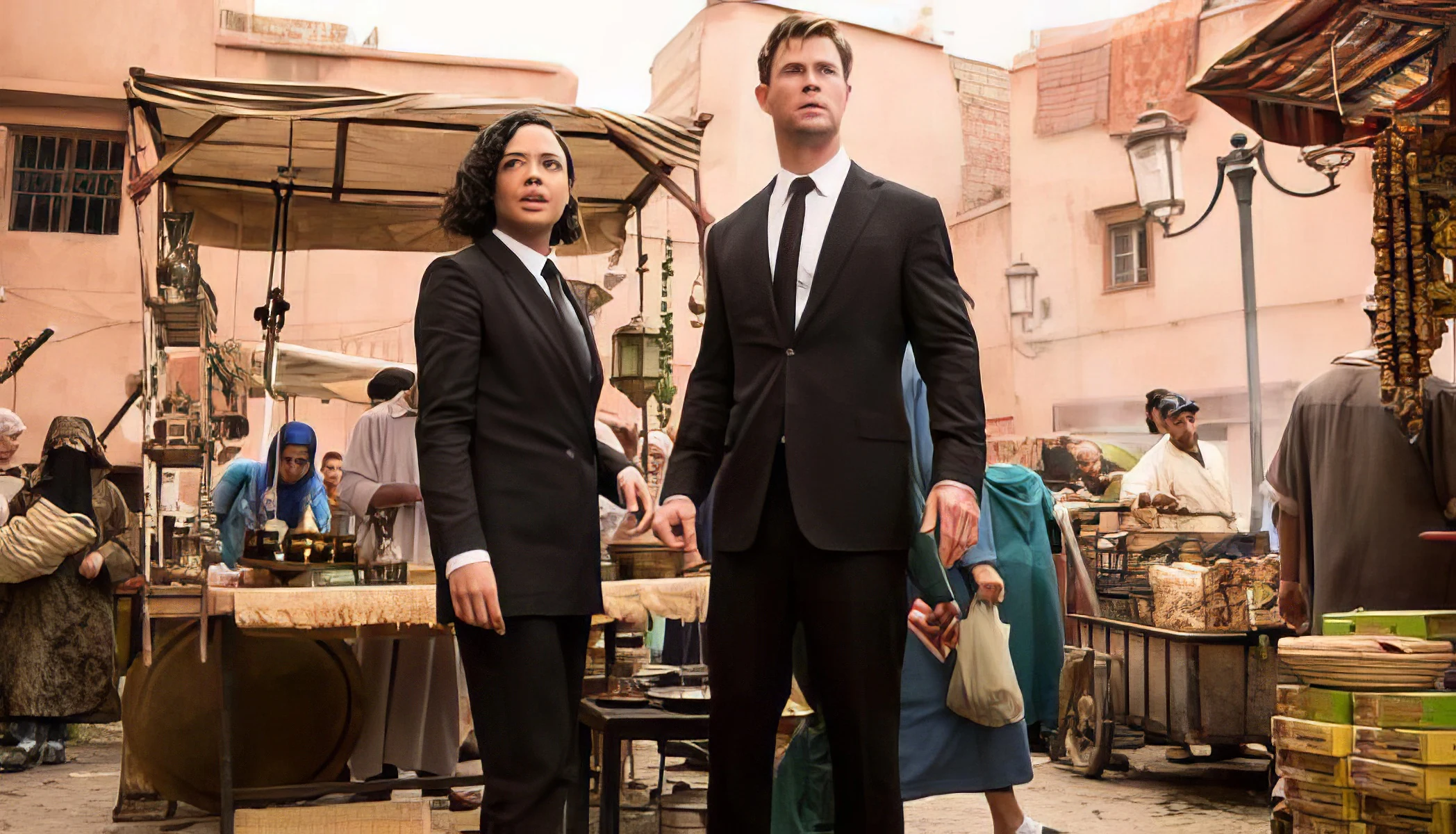
Morocco's rich culture and gorgeous landscapes have inspired many filmmakers. Here are some of the most famous films about Morocco:
– "Casablanca": An iconic Hollywood film set in Morocco during World War II, directed by Michael Curtiz.
– "The Man Who Knew Too Much": Alfred Hitchcock's thriller featuring a pivotal scene in Marrakech's Jemaa el-Fnaa square.
– "Hideous Kinky": A British woman's journey of self-discovery in 1970s Marrakech, directed by Gillies MacKinnon.
– "Babel": Alejandro González Iñárritu's drama intertwines stories across multiple countries, including Morocco.
– "Razzia": Nabil Ayouch's film explores social tensions in Casablanca through five interconnected stories.