

Travel Guide to Philippines: Top Things to Do & Tips
An archipelago in Southeast Asia, known for its fascinating beaches, lively culture, and warm hospitality. It features over 7,000 islands, offering diverse wildlife, historical sites, and a mix of urban and natural attractions.
- Capital
- Manila
- Population
- 100 millions
- Superficy
- 300000 sq.km
- Months to Visit
- Dec. to Feb.
- Living Cost
- Economical
Overview
The Philippines is an archipelago in Southeast Asia, composed of over 7,000 islands, known for its beautiful natural beauty, including pristine beaches, luxuriant rainforests, and diverse marine life. Its capital, Manila, is a busy metropolis featuring a mix of Spanish colonial architecture and modern skyscrapers. The country has a rich cultural heritage, influenced by Spanish, American, and indigenous traditions, evident in its festivals, music, and cuisine. Filipino hospitality is renowned, with locals known for their friendly and welcoming nature. The Philippines faces environmental and social challenges, including vulnerability to natural disasters like typhoons and an ongoing struggle with poverty and political instability. Despite these issues, it remains a popular destination for tourists attracted to its natural attractions, cultural richness, and adventurous activities.
Pros & Cons
GOOD REASONS TO VISIT PHILIPPINES
– Diverse Natural Beauty: From white sandy beaches to beautiful mountains and remarkable rice terraces.
– Rich Biodiversity: Home to unique wildlife, marine sanctuaries, and animated coral reefs ideal for diving and snorkeling.
– Friendly Locals: Filipinos are known for their hospitality and friendliness, enhancing the travel experience.
– Cultural Diversity: A mix of indigenous, Asian, and Spanish influences visible in traditions, festivals, and architecture.
– Adventure Opportunities: Offers a range of activities like surfing, hiking, and island hopping. CHALLENGES WHEN VISITING PHILIPPINES
– Typhoon Season: Prone to typhoons, especially from June to November, which can disrupt travel plans.
– Transportation Issues: Can be challenging with congested traffic and less developed infrastructure in rural areas.
– Safety Concerns: Certain regions have safety issues due to political instability and crime; research destinations thoroughly.
Before Departure
Before planning your trip to the Philippines, here are some essential tips to consider:
– Passport: Ensure your passport is valid for at least six months after your intended departure date from the Philippines.
– Visa: Many nationalities can enter visa-free for 30 days; longer stays require a visa obtained prior to arrival or an extension from within the country.
– Currency: Philippine Peso (PHP); credit cards widely accepted in cities; ATMs prevalent but less so in rural areas.
– Internet access: Good WiFi in cities and tourist areas; purchasing a local SIM card for data is recommended for more reliable coverage.
– Language barrier: Filipino and English are official languages; English is widely spoken, making communication generally easy for tourists.
What to Pack
When packing for the Philippines, consider the tropical climate, diverse activities, and local customs to ensure a comfortable and respectful visit.
– Essentials: Valid passport, visa if required, travel insurance information, confirmed accommodation details, and a detailed itinerary.
– Clothing: Light and airy clothing, swimwear for beaches, comfortable walking shoes, flip-flops, a raincoat or umbrella for sudden showers, and a hat for sun protection.
– Health & Safety: Sunscreen, insect repellent, personal medications, first aid kit, and water purification tablets or a reusable water bottle with a filter.
– Electronics: Universal travel adapter, waterproof phone case, camera, extra memory cards, and a power bank for charging devices on the go.
Weather
Weather in the Philippines varies significantly across its many islands, but generally features a tropical climate:
– Dry Season (December to February): Cool and dry, ideal for outdoor activities.
– Hot Dry Season (March to May): Very hot, perfect for beach visits but can be uncomfortably warm.
– Wet Season (June to November): Rainy, with typhoons possible, especially from July to September. The best time to visit the Philippines is during the dry season from December to February:
– Cooler temperatures and minimal rainfall enhance travel experiences.
– Ideal for exploring both beaches and cities.
– However, it's peak tourist season, so expect higher prices and more crowded destinations.
Travel Budget
The Philippines offers a range of budget-friendly options for travelers. Here are some average costs for common expenses:
– Hotel: 20$ to 100$
– Lunch: 2$ to 10$
– Beverage (in bar/restaurant): 1$ to 4$
– Coffee: 1$ to 3$
– Transportation: (train 1$ to 3$), (bus 0.5$ to 2$), (taxi /10km 3$ to 6$)
– Mobile data (per GB): 1$ to 2$
Language
Filipino (Tagalog) is the most widely spoken language in the Philippines, and it incorporates a significant amount of Spanish and English vocabulary. Here are some useful phrases for tourists:
– Hello: Kumusta
– Thank you: Salamat
– Please: Pakiusap
– How much is this?: Magkano ito?
– Excuse me: Paumanhin
– I don't understand: Hindi ko maintindihan
– Yes: Oo
– No: Hindi
– Goodbye: Paalam
History
The Philippines has a history marked by diverse influences, beginning with early Austronesian settlers around 30,000 years ago. It became a hub for trade and cultural exchange between neighboring Asian civilizations before Spanish colonization in the 16th century, which introduced Christianity and established Manila as a key colonial outpost. After over 300 years of Spanish rule, the Philippines briefly came under British occupation in the 18th century, then returned to Spanish control. The Philippine Revolution in 1896 sought independence, but the country was ceded to the United States in 1898 following the Spanish-American War. A period of American colonization lasted until 1946, interrupted by Japanese occupation during World War II. The Philippines gained full sovereignty in 1946, and since then, it has navigated through periods of martial law, democratic restoration, and ongoing challenges in governance and development.
Geopolitics
The Philippines is an archipelagic country located in Southeast Asia, comprising over 7,000 islands. It is strategically positioned on major sea lanes in the Pacific Ocean and South China Sea, making it significant for international trade and military strategy. The country has ongoing territorial disputes in the South China Sea, primarily with China, which have implications for regional security and international maritime law. The Philippines is a member of ASEAN (Association of Southeast Asian Nations) and actively participates in regional diplomacy and security initiatives. It maintains strong ties with the United States, reflected in defense agreements and military cooperation, while also seeking to strengthen relationships with other global powers such as China and Japan. This balancing act in foreign relations aims to enhance economic opportunities and ensure national security.
Sample Itinerary
This tour covers the Philippines' most scenic spots including beaches, historical sites, and animated cities.
– 2 days in Manila: Explore Intramuros, visit Rizal Park, and tour the National Museum. Experience the hectic nightlife and diverse culinary scene.
– 3 days in Palawan: Stay in Puerto Princesa to visit the Underground River. Head to El Nido for island hopping, snorkeling, and enjoying nice nice cliffs.
– 2 days in Cebu: Visit the historic Magellan's Cross, Santo Niño Basilica, and Fort San Pedro. Relax on the white beaches of Mactan.
– 2 days in Bohol: See the Chocolate Hills, meet tarsiers in a sanctuary, and cruise on the Loboc River. Explore the white beaches and local culture.
– 1 day in Boracay: Enjoy water sports, sunbathe on White Beach, and witness a spectacular sunset. Depart from Boracay after a relaxing day.
Popular cities
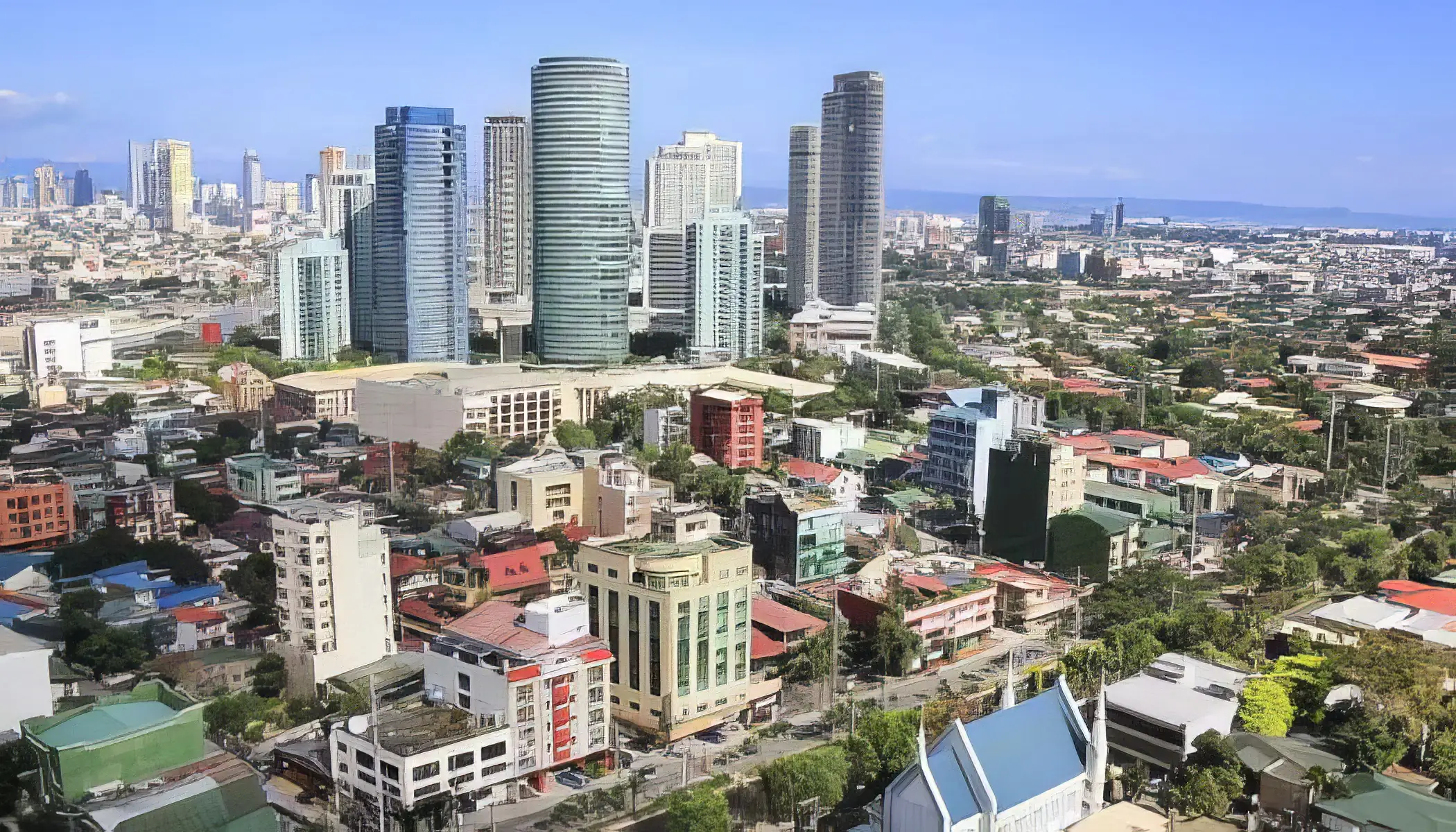
Explore the diverse and animated cities across the Philippines:
– Manila: The bustling capital known for its historical sites, museums, and lively nightlife.
– Cebu City: A blend of urban and historic attractions, famous for its Sinulog Festival.
– Davao City: Known for its natural attractions, safety, and the annual Kadayawan Festival.
– Baguio: The summer capital of the Philippines, famous for its cool climate and pine trees.
– Vigan: A UNESCO World Heritage site with preserved Spanish colonial and Asian architecture.
– Iloilo City: Known for its Spanish colonial churches, old houses, and the Dinagyang Festival.
– Tagaytay: Offers a cooler climate and a gorgeous view of Taal Volcano and Lake.
Monuments
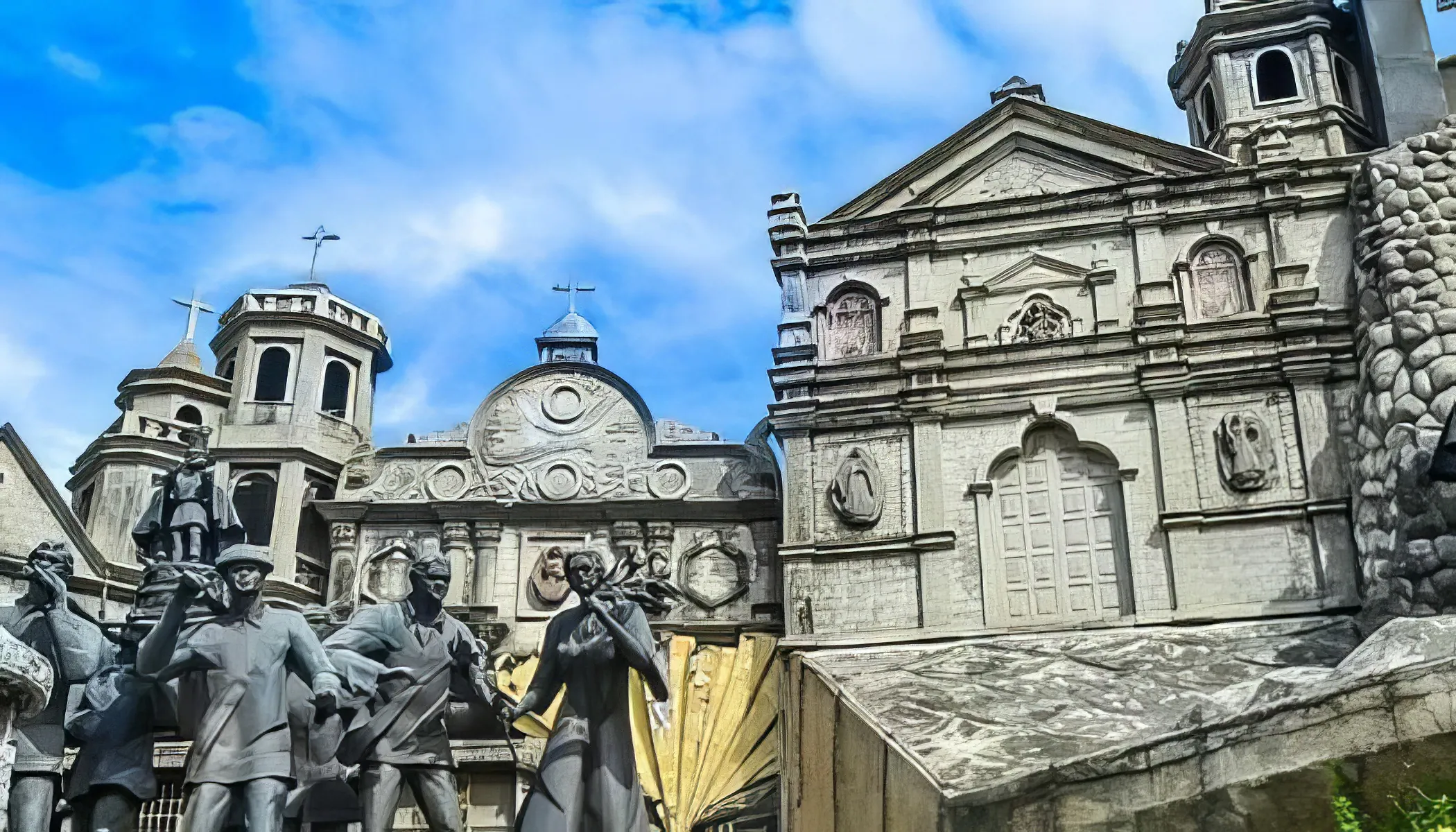
The Philippines is home to a rich array of historical and architectural landmarks:
– Intramuros, Manila: Historic walled area featuring Spanish-era buildings and Fort Santiago.
– San Agustin Church, Manila: Oldest stone church in the Philippines, a UNESCO World Heritage Site.
– Rice Terraces of the Philippine Cordilleras: Nice ancient terraces carved into the mountains, also UNESCO listed.
– Paoay Church, Ilocos Norte: Famous for its distinct Gothic, Baroque, and Oriental architecture fusion.
– Fort Pilar, Zamboanga City: 17th-century Spanish fort that now serves as a regional museum.
– Rizal Park, Manila: Dedicated to the national hero Jose Rizal, with monuments and the National Museum complex.
– Magellan's Cross, Cebu City: Symbolic of Christianity's arrival in the Philippines in 1521.
– Tubbataha Reefs Natural Park: A UNESCO World Heritage marine park known for its coral reefs and diverse marine life.
Natural wonder
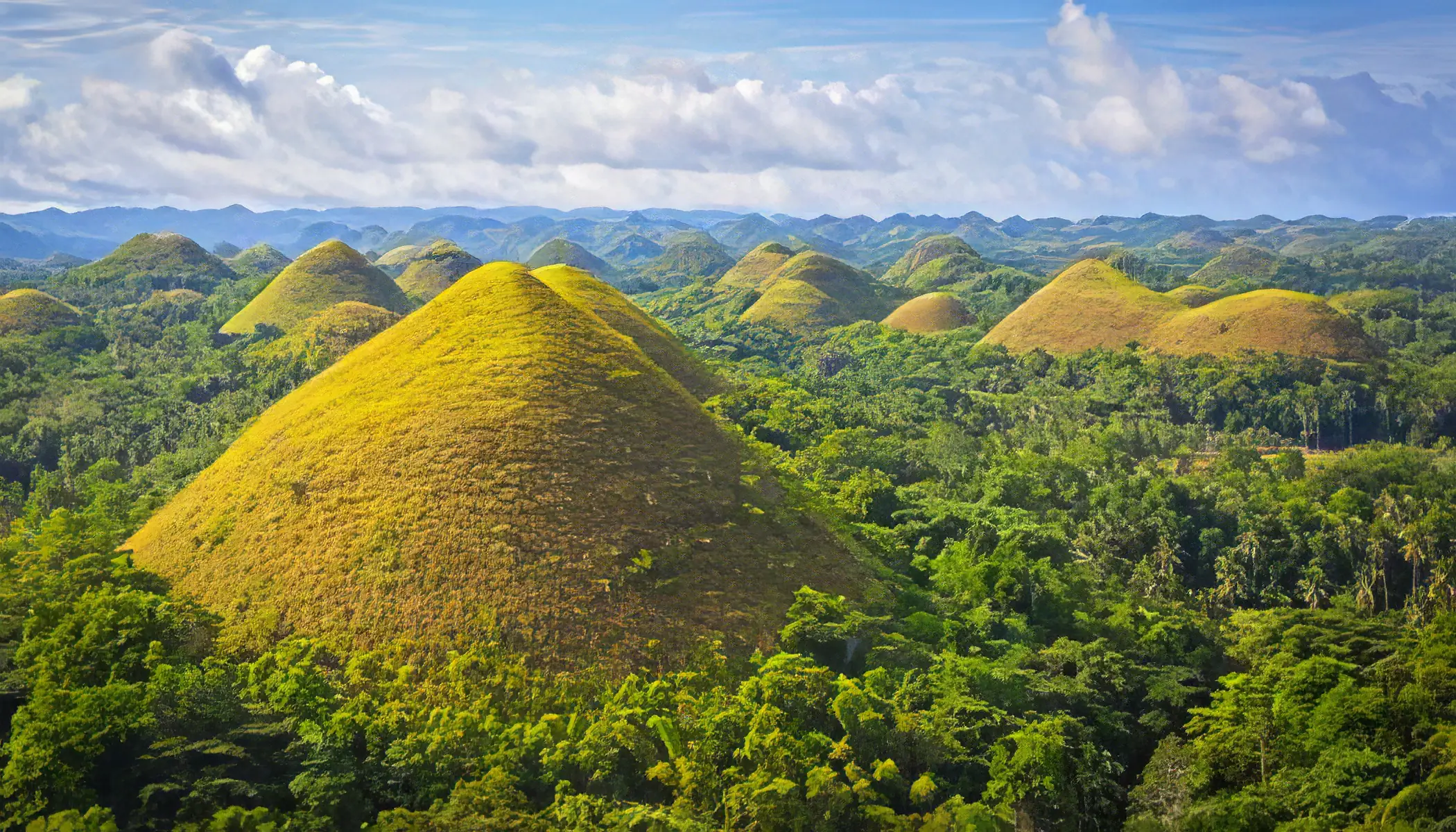
Explore the nice natural wonders of the Philippines:
– Chocolate Hills: Over 1,200 symmetrical mounds turn cocoa-brown in the dry season.
– Mayon Volcano: Known for its perfect cone shape and active status.
– Puerto Princesa Subterranean River: A navigable underground river within a national park.
– Taal Volcano: One of the world's smallest active volcanoes, set on an island in a lake.
– Banaue Rice Terraces: Ancient terraces carved into the mountains by indigenous people.
– Tubbataha Reefs Natural Park: A UNESCO World Heritage marine park famous for its coral reefs.
– Mount Pulag: The third highest mountain in the Philippines, known for its sea of clouds.
– Pagsanjan Falls: A popular waterfall that can be reached by a river canoe trip.
– Hinatuan Enchanted River: A deep spring river with mysteriously clear blue waters.
– Siargao Island: Known for its tear-drop shape and as a surfing haven with large, crystalline waves.
Beaches
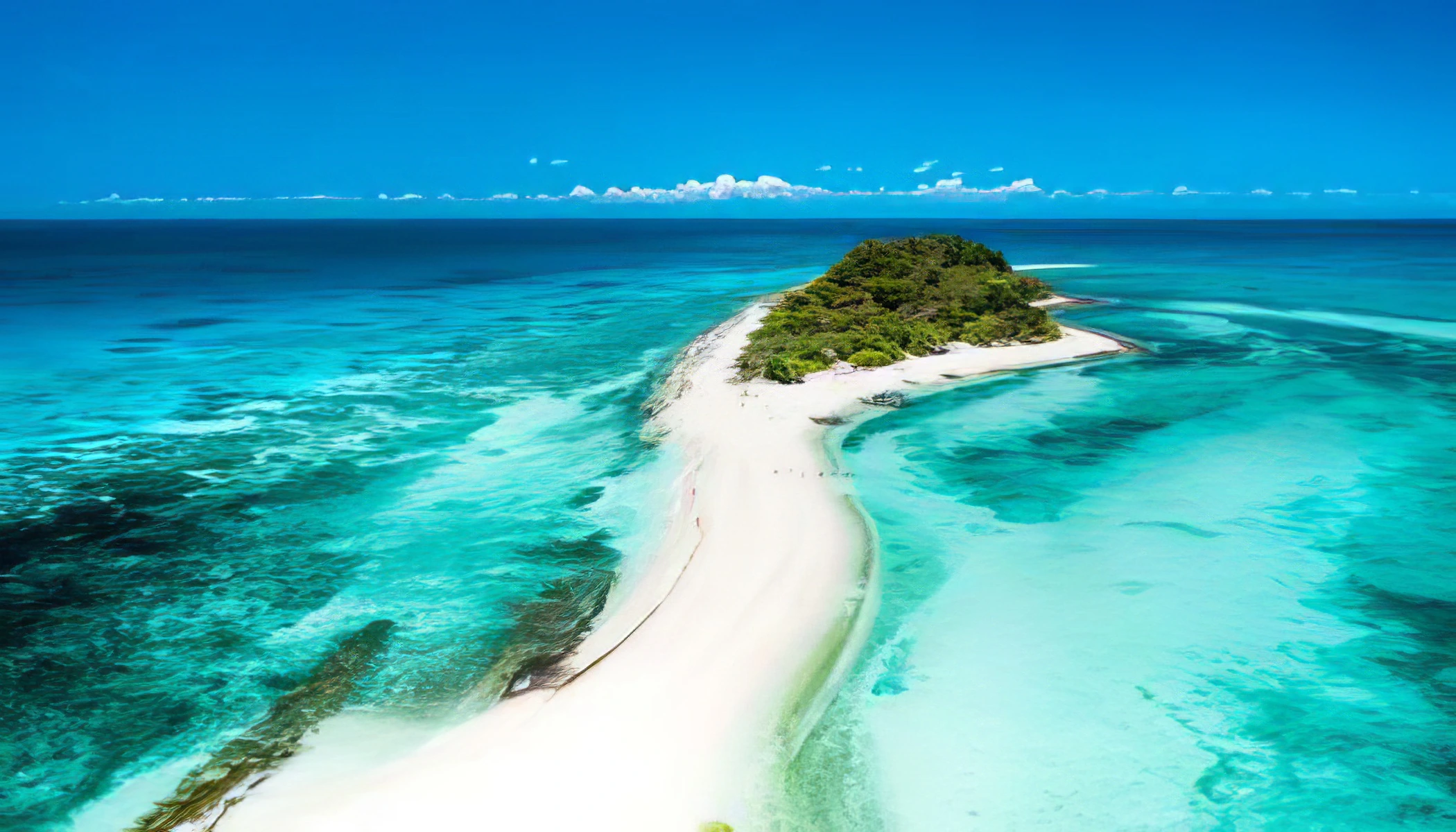
Philippines is renowned for its beautiful and diverse beaches.
– Boracay White Beach: Famous for powdery white sand and lively nightlife.
– El Nido, Palawan: Known for its dramatic bright cliffs and crystal-clear waters.
– Siargao Island: Popular for surfing, with attractive landscapes and clear waters.
– Alona Beach, Panglao: Offers fine white sand and excellent diving opportunities.
– Palaui Island, Cagayan Valley: Features raw beauty with volcanic landscapes and rich marine life.
– Samal Island: Known for its pristine beaches and resorts near Davao City.
– White Island, Camiguin: A stunning, crescent-shaped sandbar with panoramic views of surrounding volcanoes.
Outdoor activities
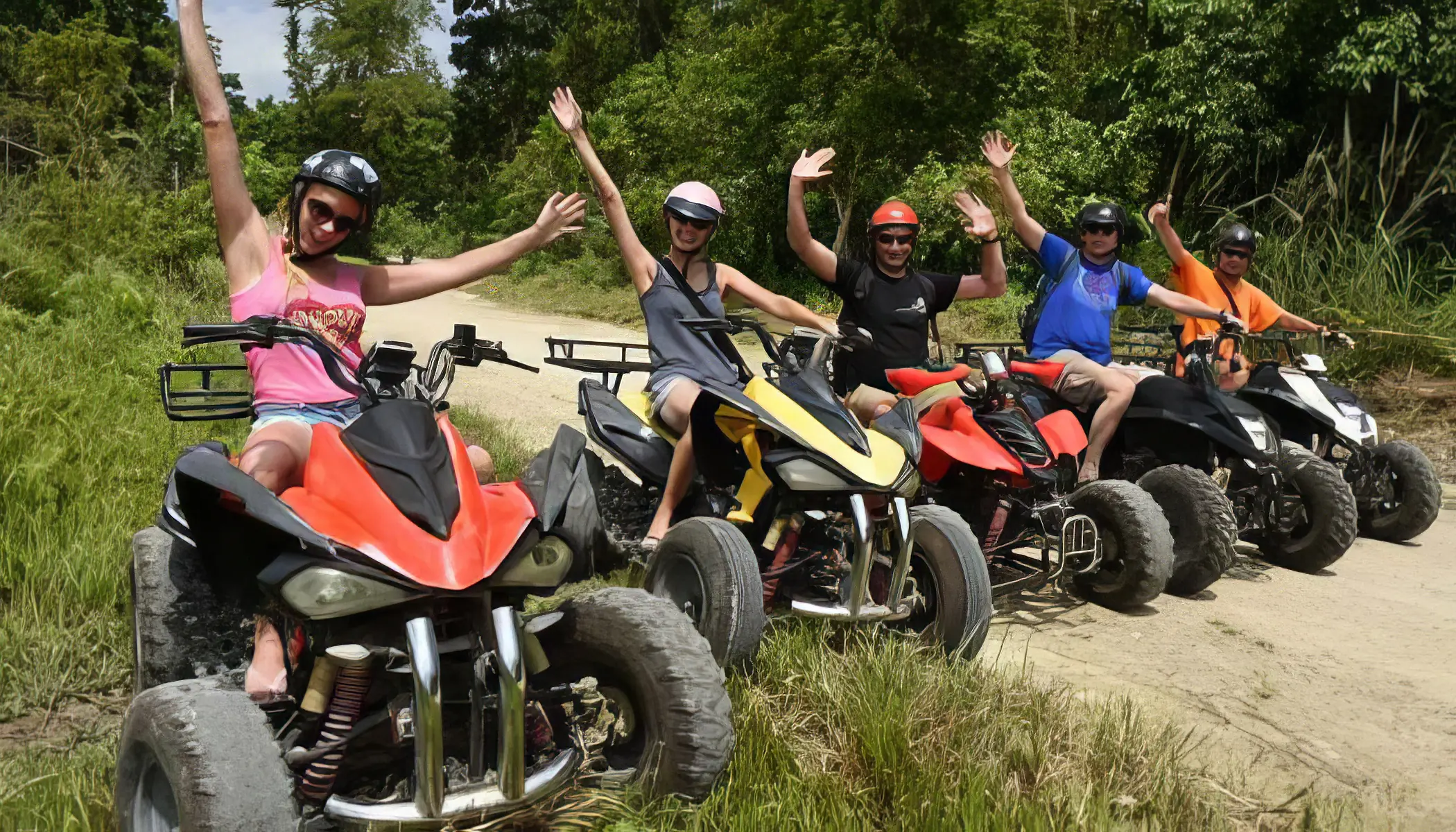
The Philippines offers a plethora of thrilling outdoor activities for nature lovers and adventure seekers:
– Island Hopping in Palawan: Explore hidden lagoons and crystalline beaches.
– Surfing in Siargao: Catch some of the best waves in the Pacific.
– Diving in Tubbataha Reefs Natural Park: Dive among charming coral reefs and diverse marine life.
– Hiking Mount Pulag: Experience sunrise above the clouds at Luzon’s highest peak.
– Whitewater Rafting in Cagayan de Oro: Navigate thrilling rapids surrounded by beautiful scenery.
– Canyoneering in Cebu: Jump, swim, and climb through the canyons of Kawasan Falls.
– Kiteboarding in Boracay: Enjoy one of the best spots for kiteboarding with ideal wind conditions.
Kid Friendly
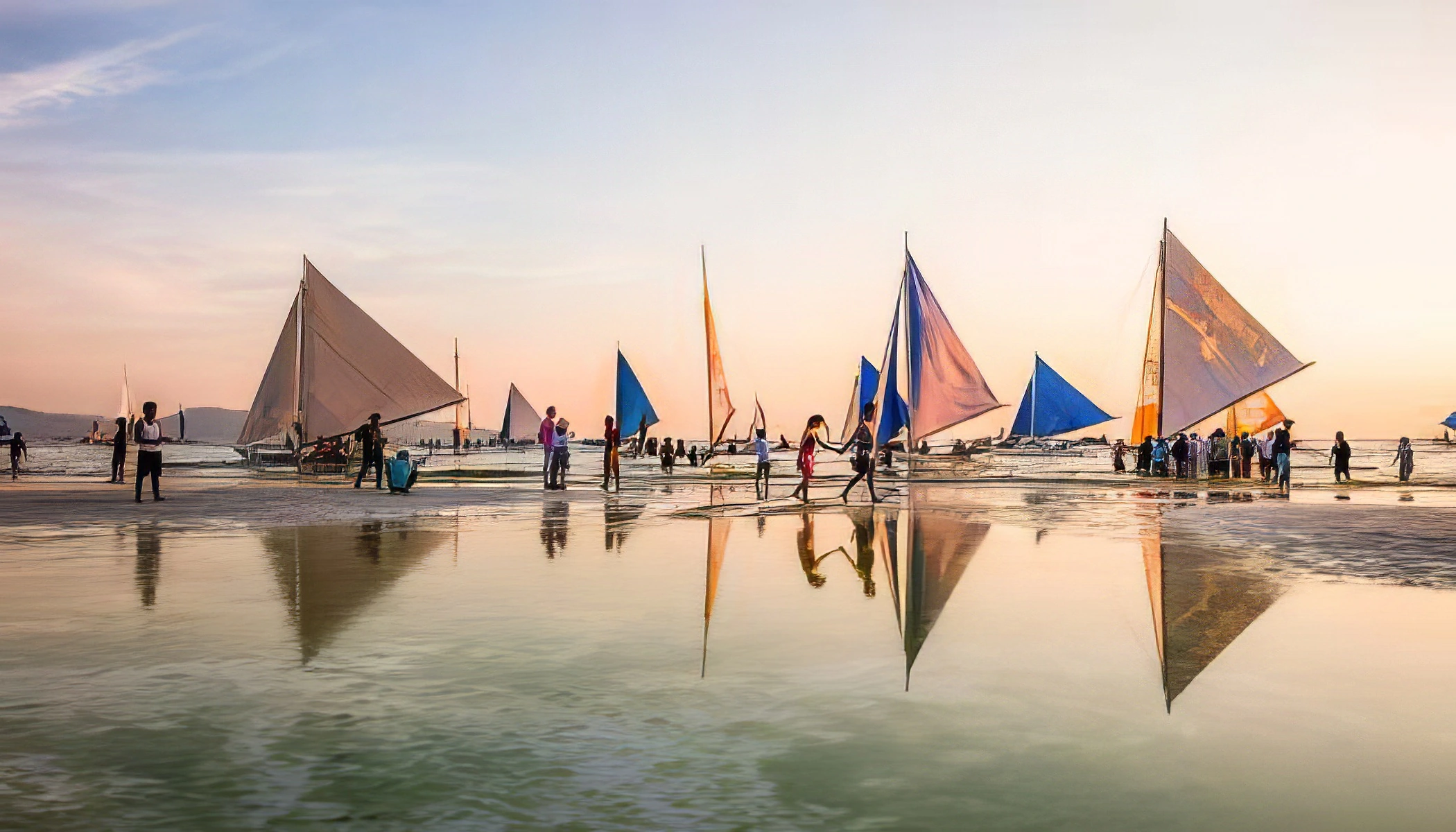
Explore the Philippines with activities that are perfect for kids:
– Ocean Adventure Subic Bay: A marine park where children can interact with sea creatures and watch shows.
– Enchanted Kingdom: A large amusement park near Manila with rides and attractions for all ages.
– Manila Ocean Park: An oceanarium with a variety of sea life, a jellyfish exhibit, and a penguin park.
– Rizal Park: A historical park in Manila with gardens, monuments, and a playground for kids.
– Museo Pambata: An interactive children's museum in Manila that encourages learning through play.
– Chocolate Hills Adventure Park: Offers outdoor activities like zip-lining and biking in a scenic environment.
– Splash Island: A water park in Laguna with slides, pools, and water activities suitable for young children.
– KidZania Manila: An educational theme park where kids can engage in role-playing jobs in a replica city.
Cuisine
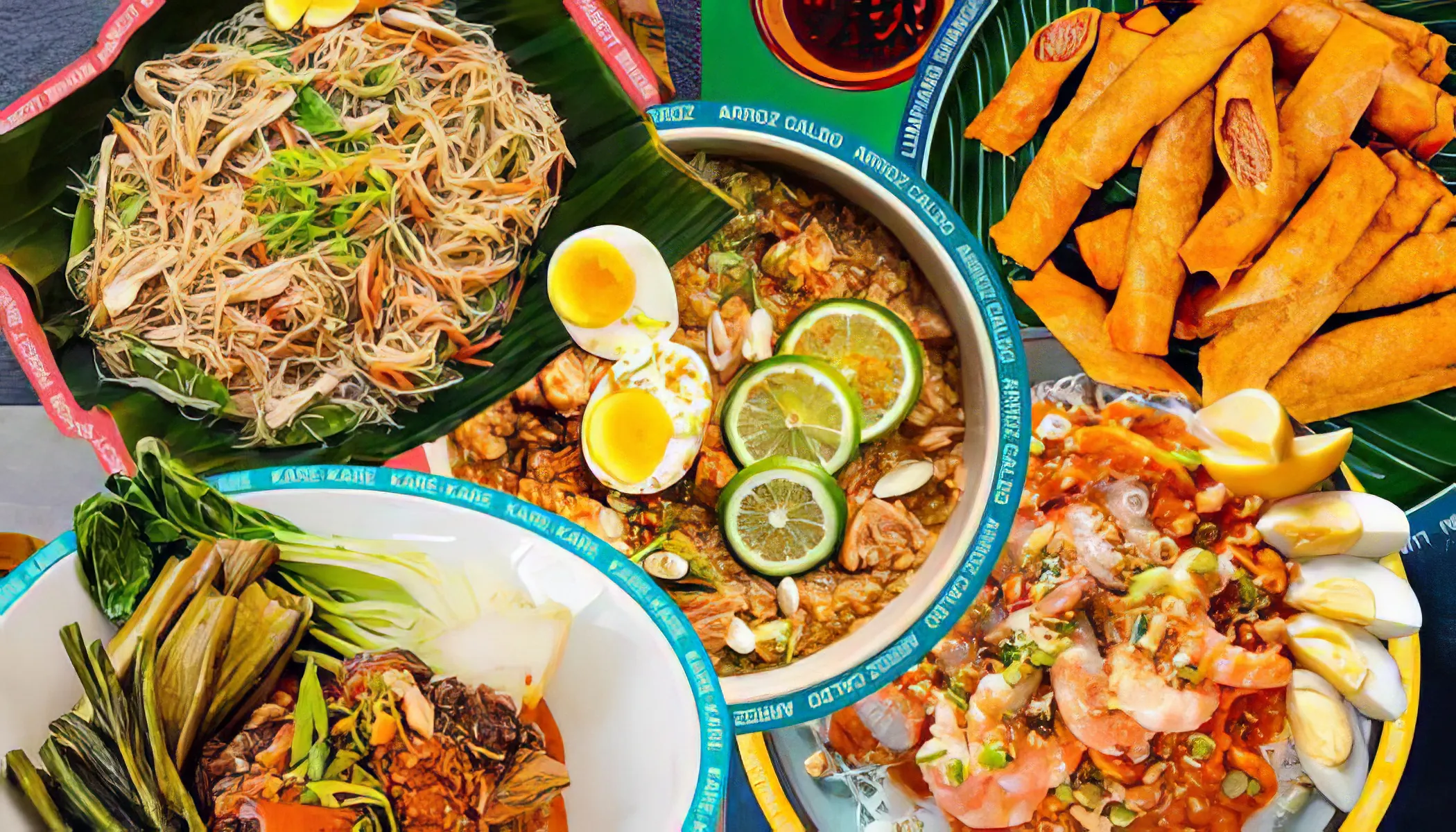
Philippine cuisine features a mix of indigenous, Spanish, Chinese, and American influences, resulting in a unique and diverse food culture. It emphasizes rice, tropical fruits, and seafood, with a penchant for sweet, sour, and salty flavors. Street food is also notably popular.
– Adobo: Meat, typically chicken or pork, marinated in vinegar, soy sauce, and garlic, then browned.
– Sinigang: Sour soup made with tamarind, meat, and various vegetables.
– Lechon: Whole roasted pig with crispy skin, often served at celebrations.
– Pancit: Noodles with meat and vegetables, symbolizing long life.
– Halo-Halo: Mixed dessert with shaved ice, milk, sweet beans, fruits, and ice cream.
Souvenir
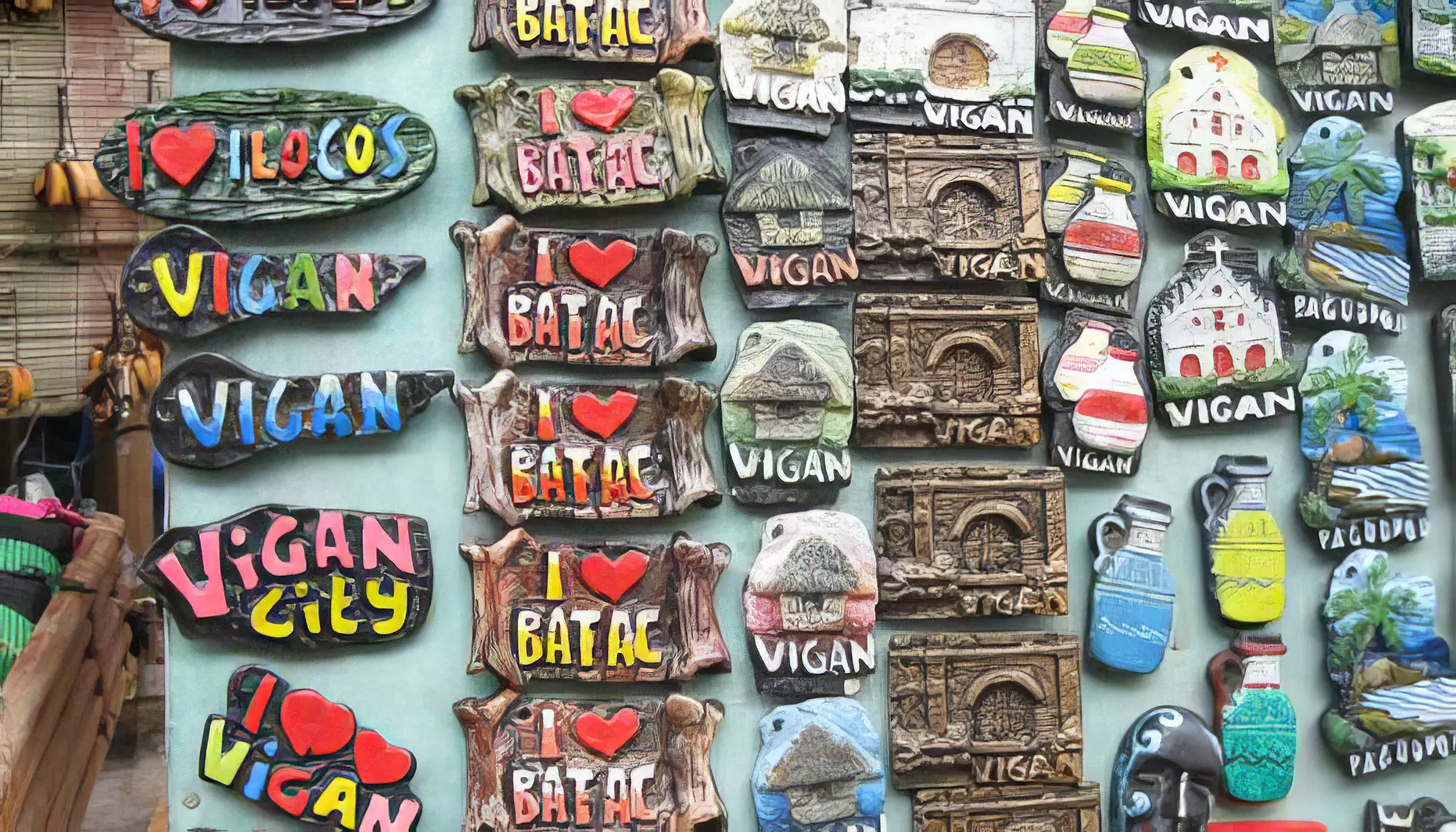
The Philippines offers a diverse range of local crafts and products perfect for souvenirs.
– Barong Tagalog: Traditional Filipino shirt, usually worn by men on formal occasions.
– Capiz Shell Items: Decorative items made from a translucent shell, including lamps, window panes, and ornaments.
– Jeepney Models: Miniature replicas of the colorful and iconic Philippine jeepneys.
– Pearls and Jewelry: The Philippines is known for its South Sea pearls, often set in beautiful jewelry.
– T'nalak Fabric: A traditional cloth woven by the T'boli people of South Cotabato, known for its refined designs.
– Wood Carvings: Beautiful carvings from the wood of the Philippines, including sculptures and furniture.
– Local Snacks: Dried mangoes, polvoron, and other Filipino delicacies are popular take-home treats.
Traditional Shows
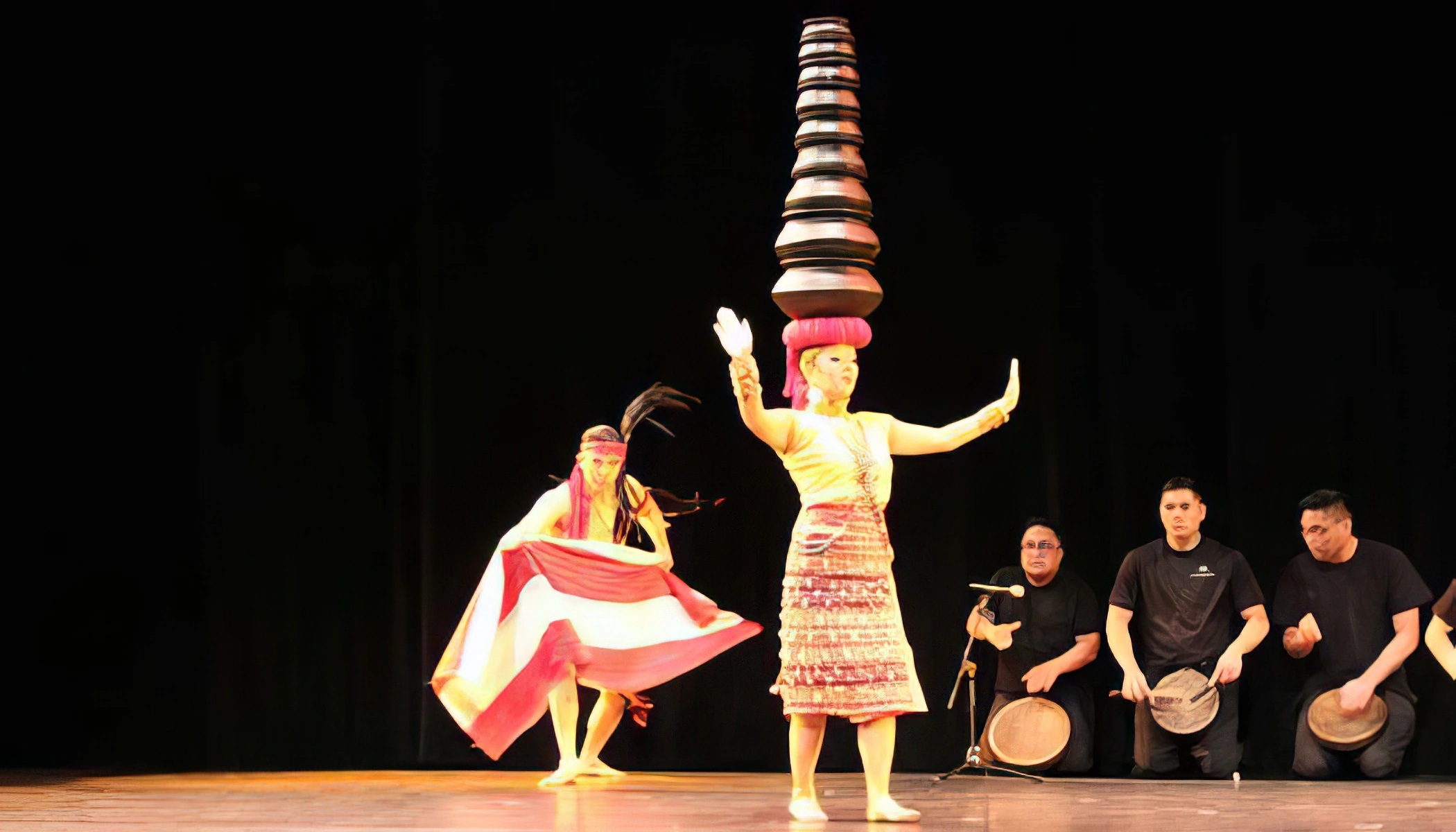
The Philippines is rich in lovely traditional performances:
– Tinikling Dance: Watch dancers skillfully maneuver between bamboo poles in this national dance, symbolizing grace and speed, often performed in Manila.
– Singkil: A traditional dance of the Maranao people of Lake Lanao, which reenacts epic Filipino tales with elaborate costumes and rhythmic movements.
– Kudyapi: Experience the unique sounds of the kudyapi, a traditional two-stringed lute played by indigenous groups, particularly in Mindanao.
– Cariñosa: This romantic, pantomimic dance, often performed in Manila, showcases Filipino courtship, featuring playful movements with fans or handkerchiefs.
– Kulintang: Delve into the ancient gong music of the Maguindanao and Maranao cultures in Mindanao, featuring an ensemble of knobbed gongs that produce layered rhythms.
Events & Festivals
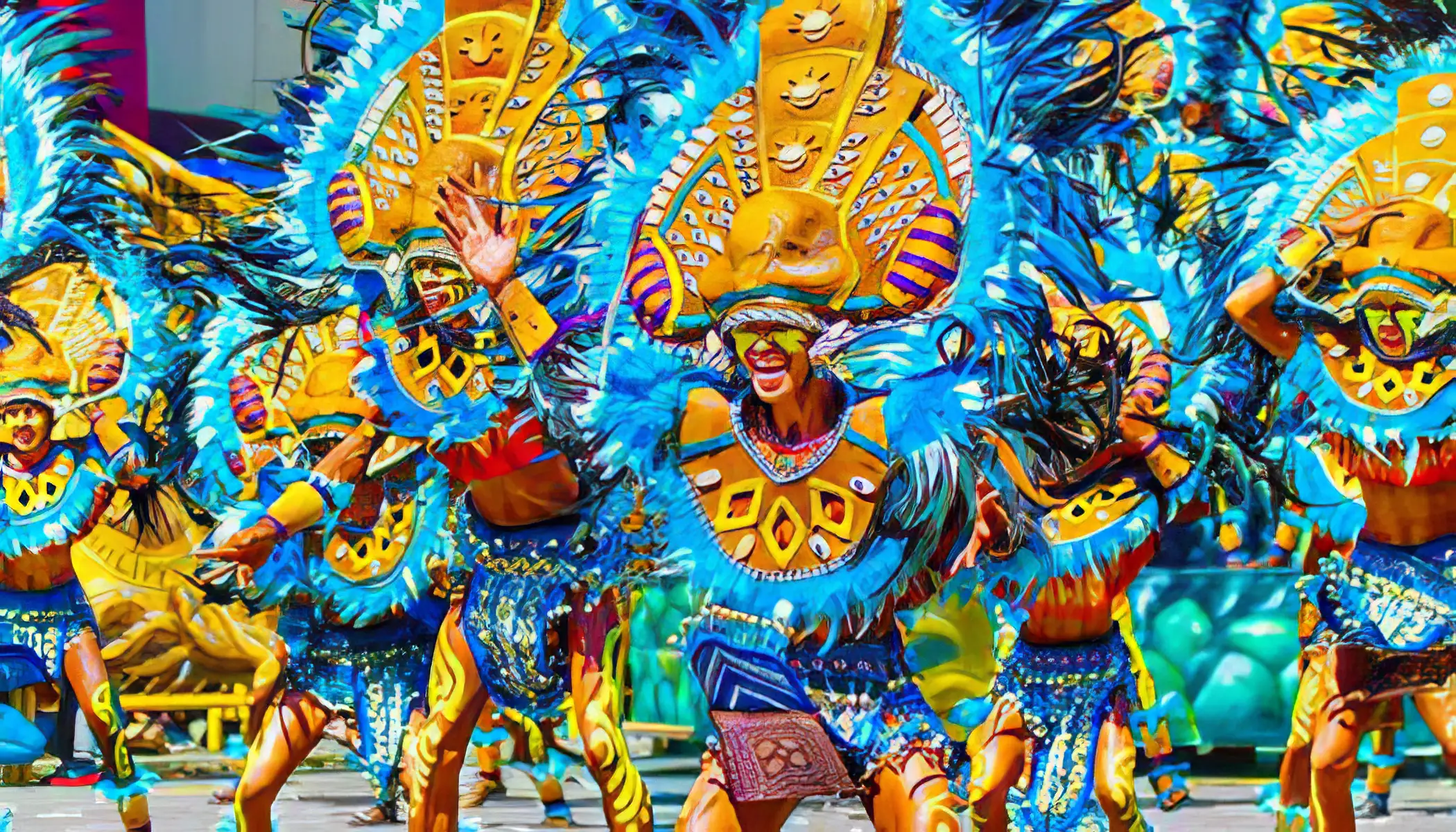
The Philippines is known for its energetic festivals, reflecting its rich culture and traditions:
– Sinulog Festival: January celebration in Cebu honoring the Santo Niño with dances and a grand parade.
– Panagbenga Festival: February flower festival in Baguio, featuring floral floats and street dancing.
– Moriones Festival: Holy Week event in Marinduque, where locals wear Roman soldier costumes and reenact biblical scenes.
– Pahiyas Festival: May harvest thanksgiving in Lucban, Quezon, with houses decorated in colorful agricultural produce.
– Kadayawan Festival: August thanksgiving festival in Davao for bountiful harvests, with ethnic dances and floral floats.
– MassKara Festival: October festival in Bacolod, known for masks and street dances.
– Giant Lantern Festival: December festival in San Fernando, Pampanga, showcasing large, elaborate lanterns.
Famous People
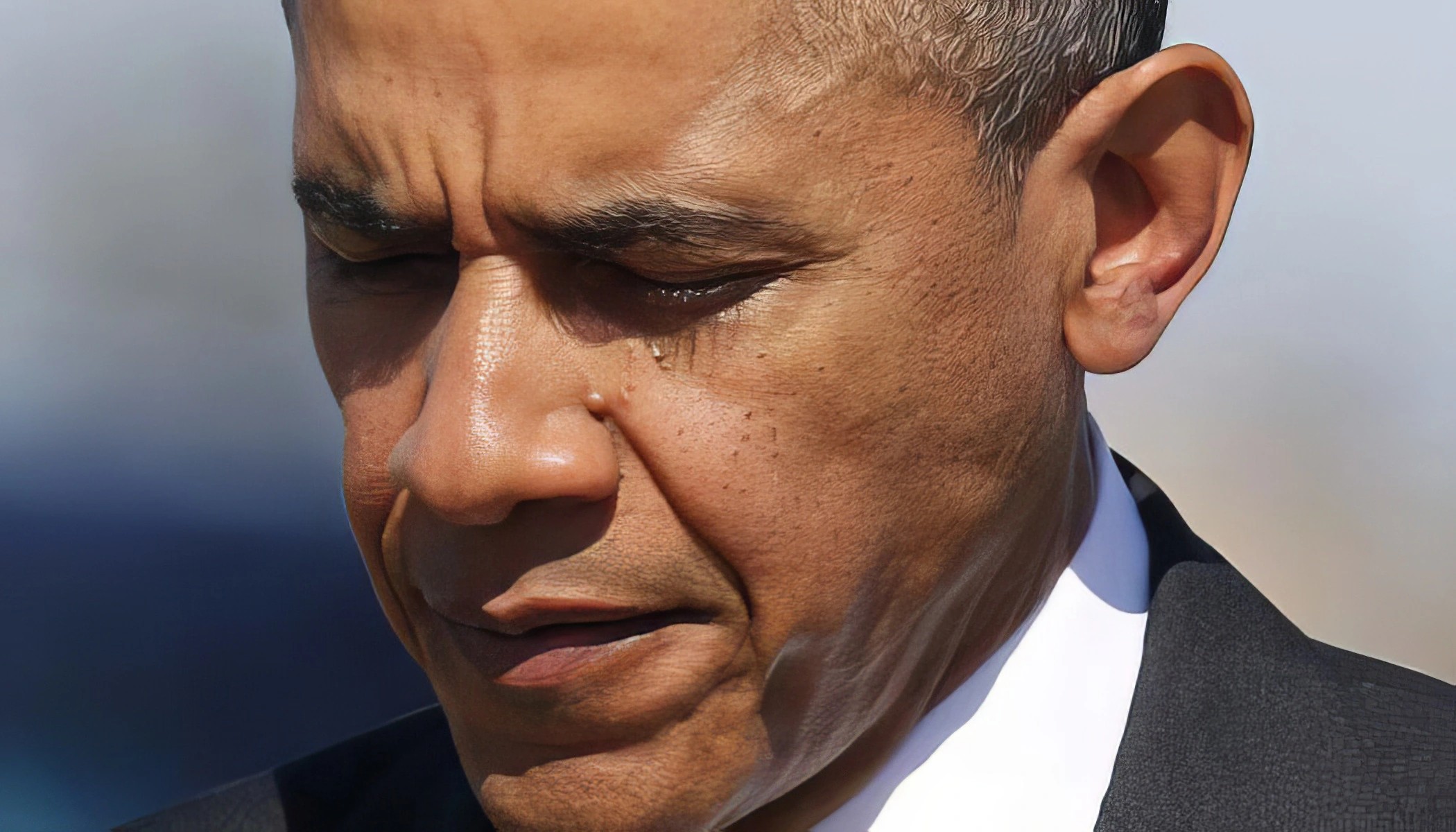
The Philippines has been home to many notable figures across various fields such as politics, arts, and science.
– Jose Rizal (1861 to 1896, Calamba): National hero, writer, and martyr who inspired the Philippine Revolution.
– Ferdinand Marcos (1917 to 1989, Sarrat): Controversial President known for declaring martial law in 1972.
– Corazon Aquino (1933 to 2009, Manila): First female president of the Philippines and icon of democracy.
– Manny Pacquiao (born 1978, Kibawe): World-renowned boxer and politician, multiple world title holder.
– Lea Salonga (born 1971, Manila): Internationally acclaimed singer and actress, famous for her roles in Miss Saigon and Les Misérables.
Books
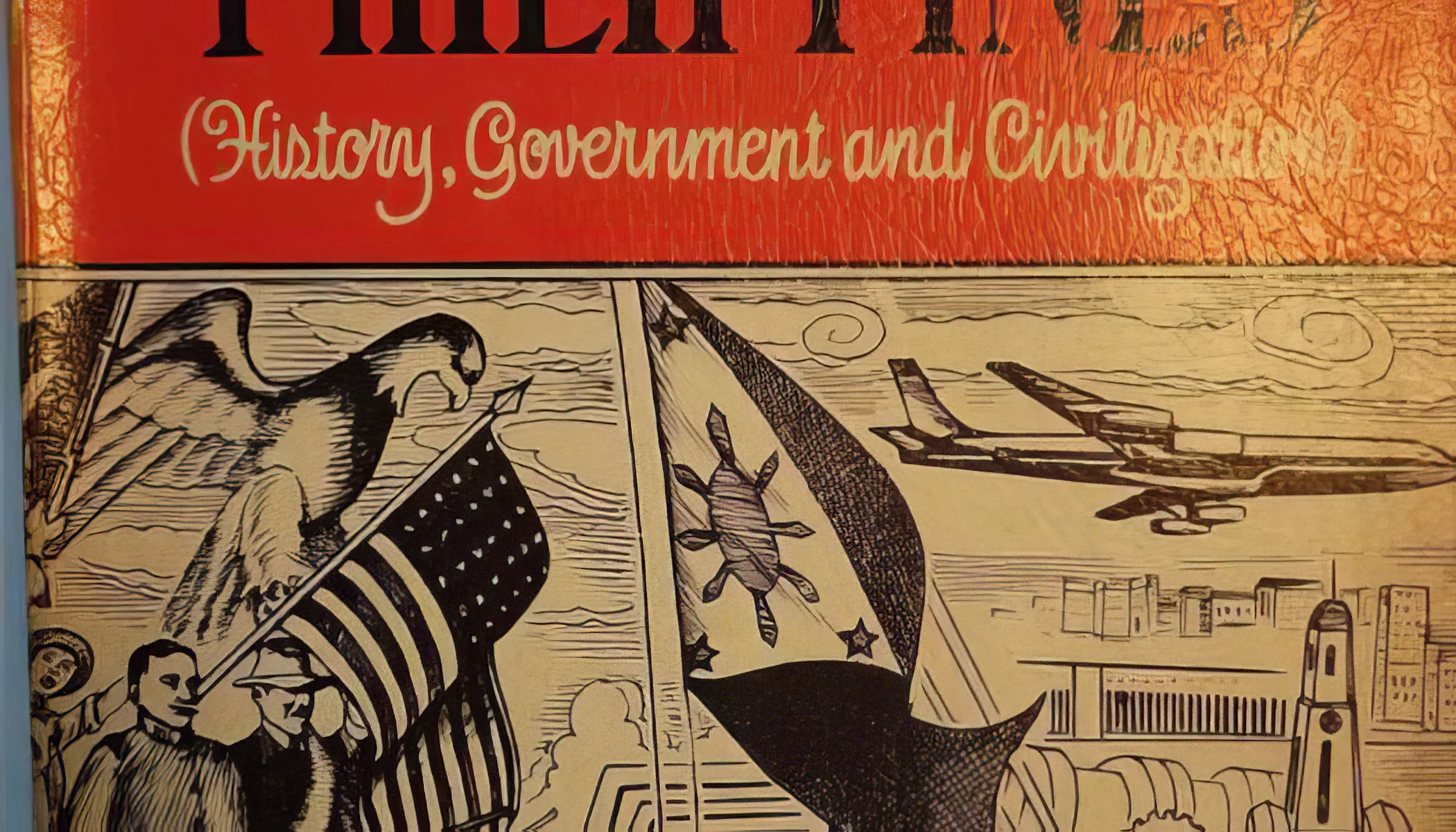
Exploring the rich history and lively culture of the Philippines, these books provide deep insights into its society and people.
– "Noli Me Tangere" by José Rizal: A novel criticizing Spanish colonialism and the power of the Church in the Philippines.
– "Ilustrado" by Miguel Syjuco: A complex narrative intertwining the life of a young Filipino writer and his country's history.
– "America Is in the Heart" by Carlos Bulosan: A semi-autobiographical novel about the Filipino immigrant experience in the United States.
– "Dogeaters" by Jessica Hagedorn: A novel that captures the complexities of Philippine society during the Marcos era.
– "Smaller and Smaller Circles" by F.H. Batacan: A crime novel set in Manila, addressing issues of poverty and corruption.
Songs
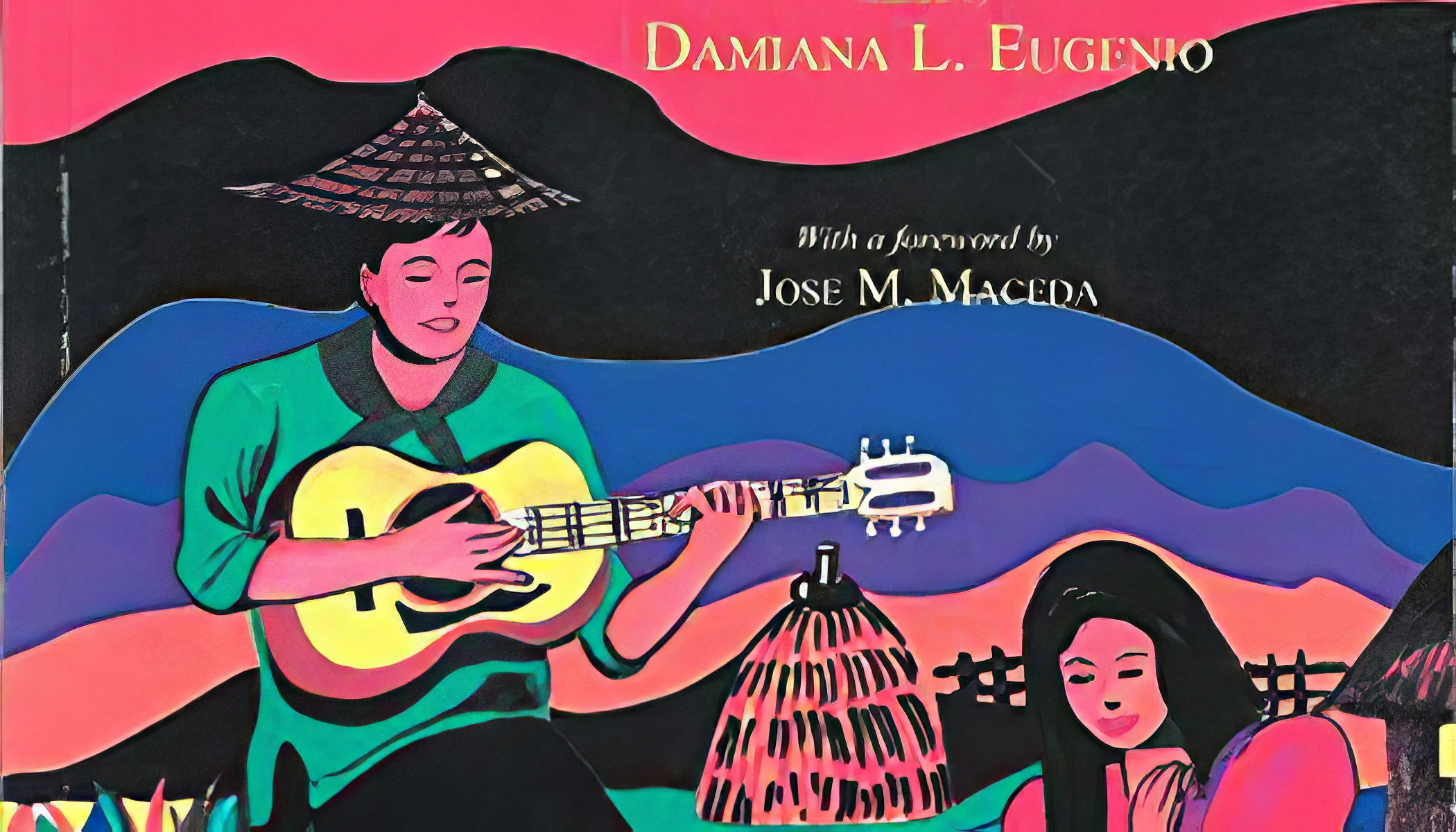
Philippine music is a attractive mix of traditional and modern influences, reflecting the country's rich cultural tapestry.
– Anak: Freddie Aguilar's song that became an anthem across generations.
– Bayan Ko: Patriotic song often sung during nationalistic movements.
– Kahit Maputi Na Ang Buhok Ko: A love ballad by Rey Valera, beloved across ages.
– Ang Huling El Bimbo: Iconic rock ballad by the Eraserheads, depicting youthful nostalgia.
– Tadhana: Up Dharma Down's modern hit exploring fate and deep connections.
– Ikaw: Yeng Constantino's romantic song, a favorite at Filipino weddings.
Films

Explore the rich culture and history of the Philippines through these notable films:
– "Himala": Directed by Ishmael Bernal, a powerful drama about faith and miracles in a small village.
– "On the Job": A gritty crime thriller by Erik Matti that delves into the corruption and crime in Manila.
– "Anak": A poignant drama by Rory Quintos exploring the struggles of an overseas Filipino worker and her family.
– "The Blossoming of Maximo Oliveros": Auraeus Solito's film about a young boy's coming of age in the slums of Manila.
– "General Luna": A historical biopic by Jerrold Tarog, focusing on the life of Filipino general Antonio Luna.