

Tokyo Travel Guide: Tourist Places & Activities
This city, the capital of its country, is known for its blend of modern skyscrapers and traditional temples, energetic Shibuya Crossing, and historic sites like the Imperial Palace and Senso-ji Temple.
- Population
- 14.05 millions
- Size
- 2 194 square km
- Airport
- Haneda – Int'l & 1 other
- Train Station
- Tokyo Station
- Subway
- Tokyo Metro
- Est. Visit Days
- 4 days
Overview
Tokyo, the capital of Japan, is a charming metropolis known for its modern skyscrapers, historic temples, and diverse culture. The city offers a unique blend of traditional and contemporary attractions, such as the historic Asakusa district and the futuristic Shibuya Crossing. However, Tokyo can be quite expensive in terms of accommodation and dining, which might deter budget travelers. Additionally, the city's sheer size and the complexity of its public transportation system can be overwhelming for first-time visitors. Despite these challenges, Tokyo's efficient public services and low crime rates make it a relatively safe and enjoyable destination.
Traffic & Transport
The city's extensive and efficient public transportation system is the best way to navigate the urban sprawl, avoiding the often congested roads. The most convenient modes for tourists are the subway and the JR Yamanote Line, which circles the central districts. For a more scenic view, the above-ground trains and buses offer a great way to see the city. Renting a bicycle is also a popular and eco-friendly option, especially for exploring local neighborhoods. For those preferring taxis, several reliable companies operate, including Nihon Kotsu, Daiwa, and Hinomaru. Additionally, the use of taxi-booking apps like JapanTaxi and Uber provides a convenient way to hail a cab and pay electronically, ensuring a smooth and hassle-free ride.
History
Originally known as Edo, the city was established as a small fishing village in the 12th century. It became the political center of Japan in 1603 when Tokugawa Ieyasu established his feudal government there. The city was renamed Tokyo, meaning "Eastern Capital," in 1868 when the Emperor Meiji moved the capital from Kyoto. Tokyo was extensively damaged during World War II but was rebuilt rapidly, becoming a global economic powerhouse. The city is renowned for its historic temples, traditional arts, and modern pop culture, which have significantly influenced global trends.
Itinerary Sample
Here's a sample 4-day itinerary to explore Tokyo, Japan:
– First day: Visit the historic Asakusa district, explore Senso-ji Temple, and stroll along Nakamise Shopping Street. Enjoy views from Tokyo Skytree.
– Second day: Explore the Shibuya Crossing, visit Meiji Shrine, and shop in Harajuku.
– Third day: Spend the day at Ueno Park, visit the Tokyo National Museum, and explore Ameyoko Market.
– Fourth day: Tour the Imperial Palace, then head to Ginza for shopping and dining.
Near Excursion
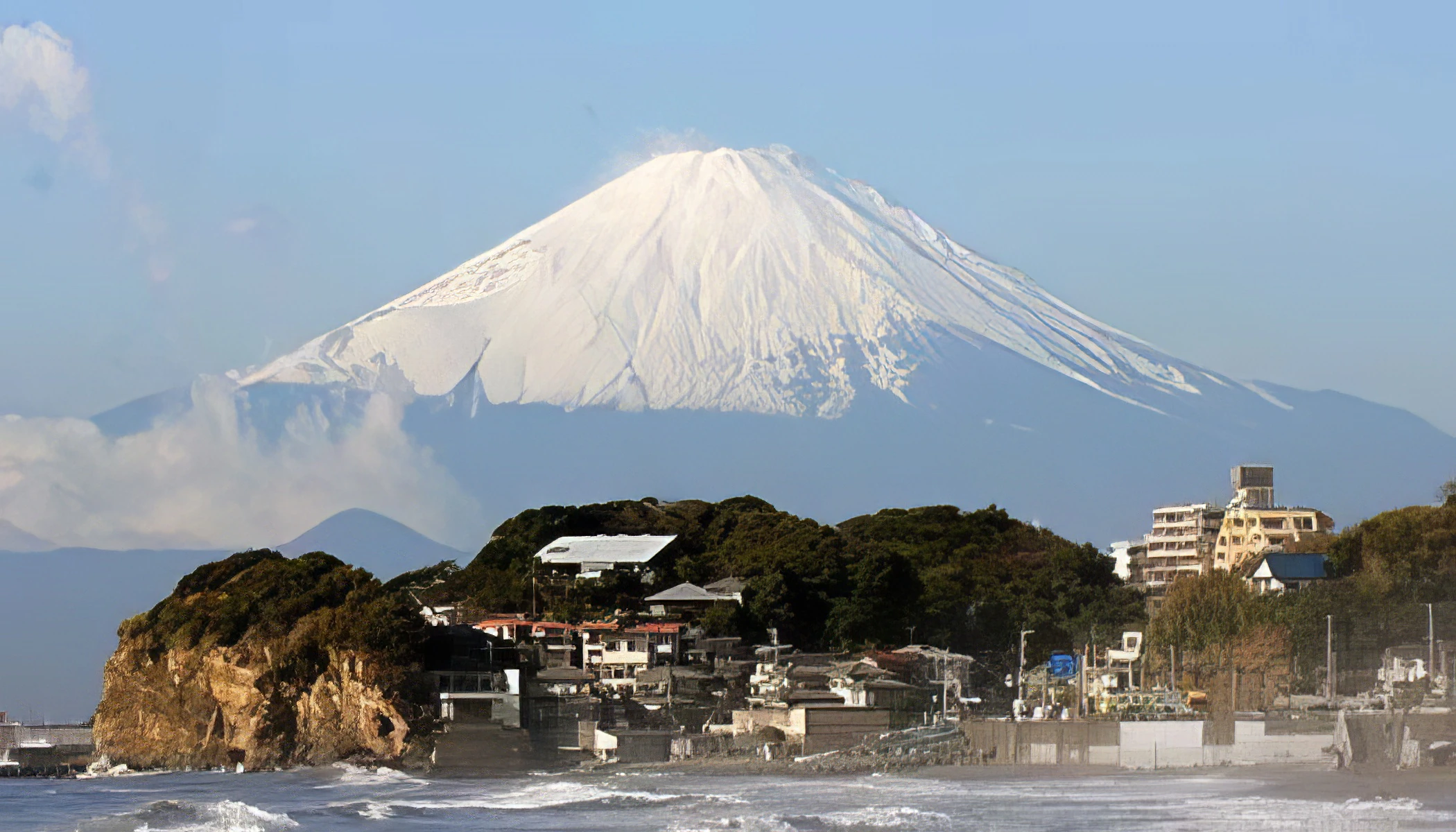
This city offers a variety of day-trip options within a short distance. Here are some suggestions:
– Kamakura at 50 km: Visit the Great Buddha and numerous historic temples and shrines.
– Yokohama at 30 km: Explore the beautiful Chinatown and the beautiful waterfront area.
– Hakone at 90 km: Enjoy hot springs, scenic views of Mount Fuji, and Hakone-open-air-museum/”>The Hakone Open-Air Museum.
– Nikko at 125 km: Discover the UNESCO World Heritage sites, including Toshogu Shrine.
– Kawagoe at 40 km: Experience the "Little Edo" with its well-preserved old town and historic warehouses.
Attraction
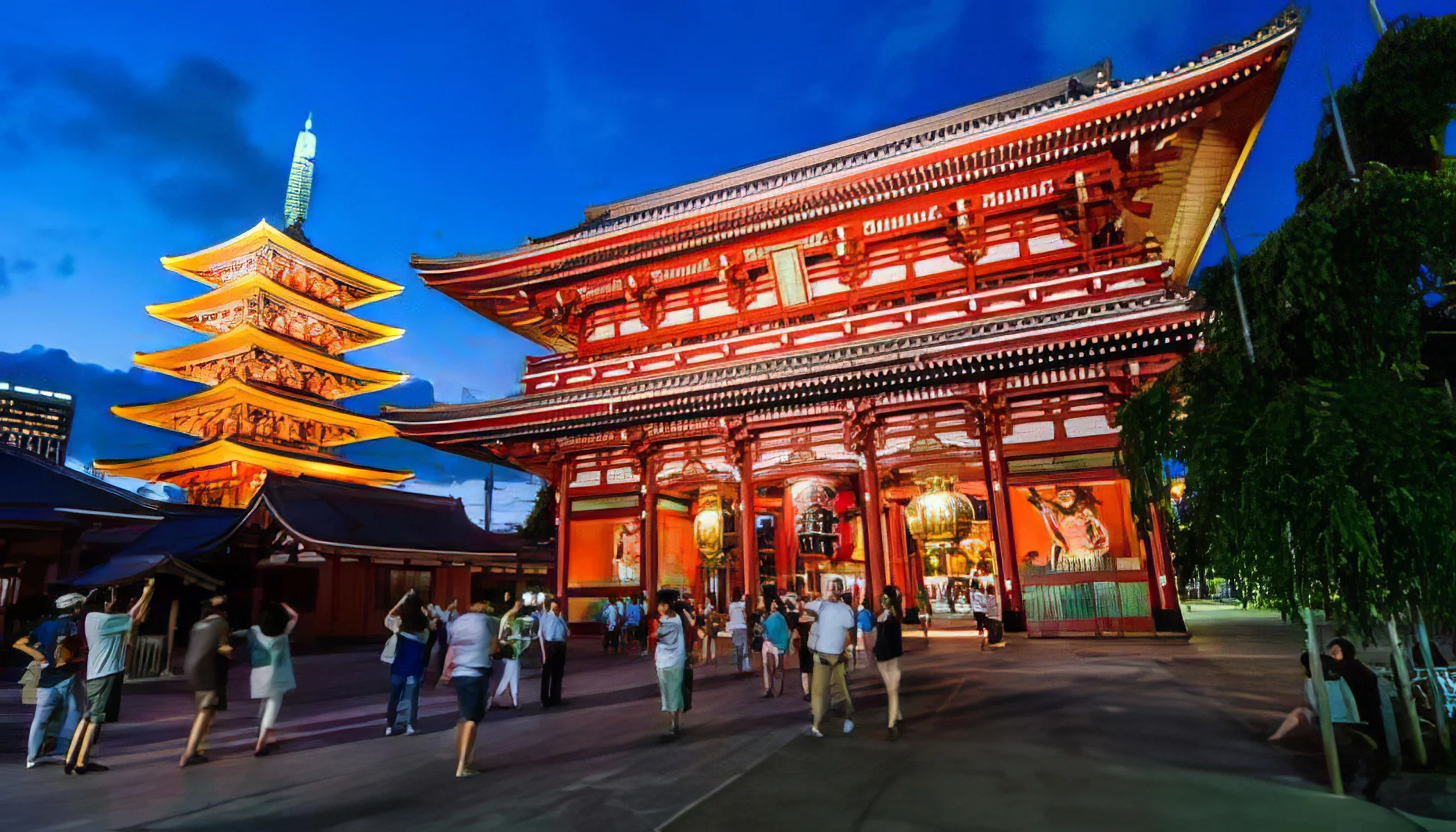
A city known for its blend of traditional culture and modern attractions.
– Senso-ji Temple: An ancient Buddhist temple and one of the city's most significant cultural landmarks.
– Shibuya Crossing: Famous for its dynamic pedestrian scramble and pretty city lights.
– Tokyo Tower: An iconic observation tower offering panoramic views of the city.
– Meiji Shrine: A serene Shinto shrine surrounded by a beautiful forest.
– Akihabara: A district renowned for its electronics shops and anime culture.
– Ueno Park: A spacious public park with museums, a zoo, and beautiful cherry blossoms in spring.
Activity
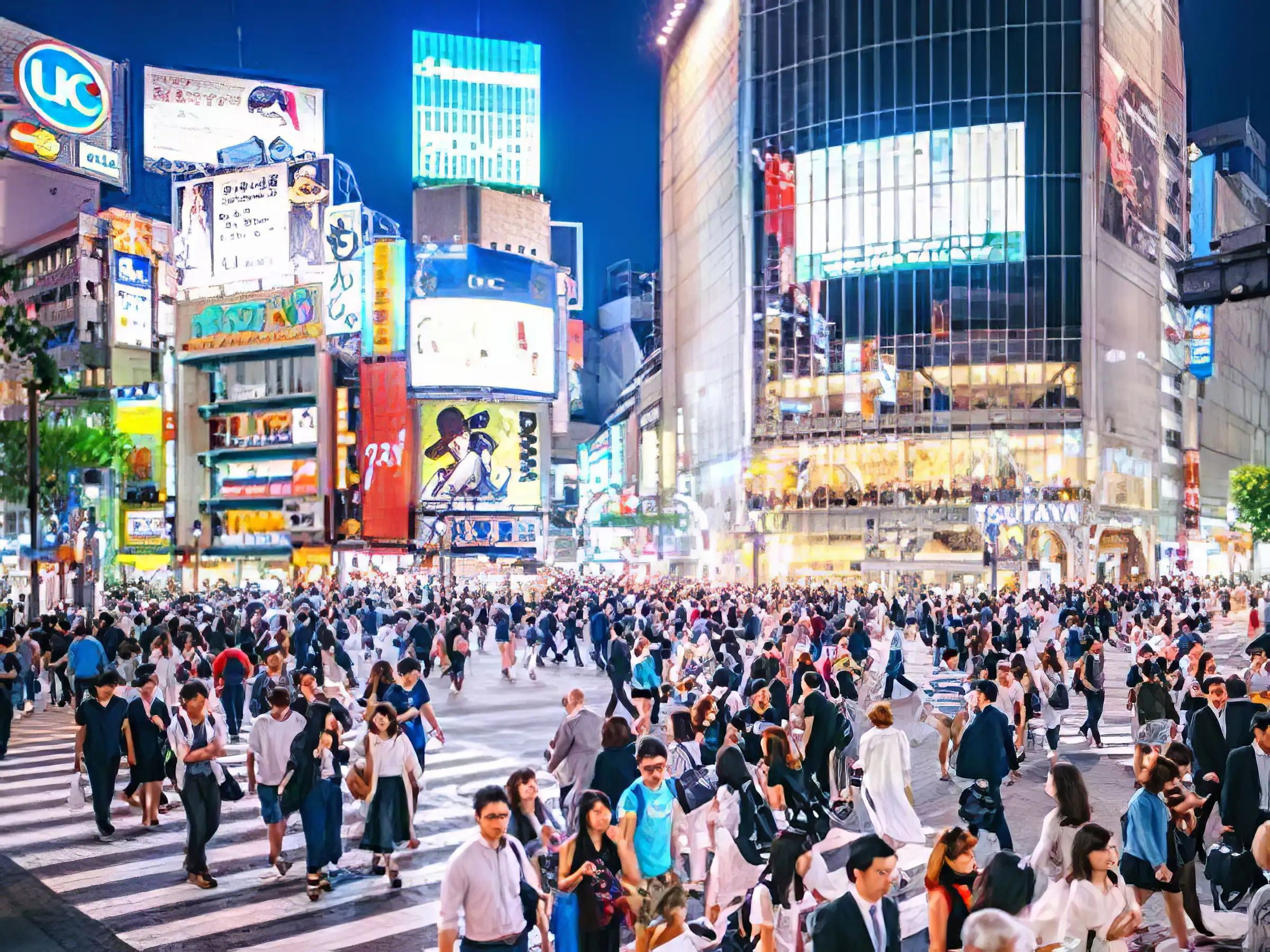
In Tokyo, travelers can experience a blend of traditional culture, modern technology, and unique entertainment options.
– Tsukiji Fish Market: Witness the magnificient atmosphere of the world's largest wholesale fish market.
– Sumo Wrestling Match: Attend a live sumo wrestling tournament to experience this traditional Japanese sport.
– Robot Restaurant Show: Enjoy a quirky and colorful performance featuring robots, dancers, and lasers.
– Tsukuba Circuit Experience: Drive a high-performance car on a professional racing circuit.
– Odaiba Onsen Monogatari: Relax in a traditional Japanese hot spring theme park with various baths and activities.
Cuisine
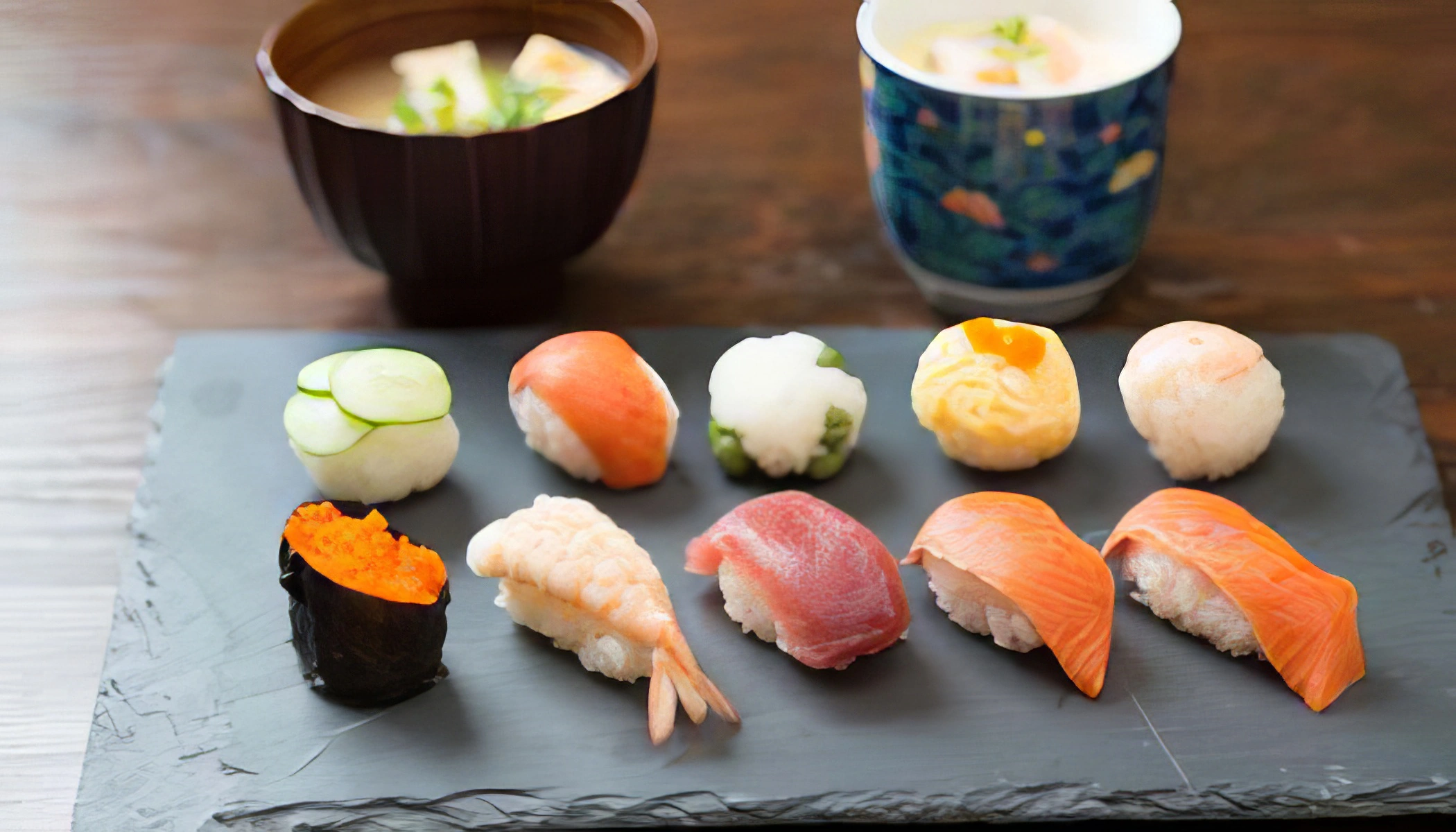
The city offers a diverse and vibrant food scene, blending traditional Japanese cuisine with modern culinary innovations. Street food, fine dining, and unique desserts are all part of the experience. Some of the city's most famous dishes include:
– Sushi: Fresh raw fish served on vinegared rice, often accompanied by wasabi and soy sauce.
– Ramen: Noodle soup with a rich broth, typically topped with meat, eggs, and vegetables.
– Tempura: Lightly battered and deep-fried seafood or vegetables, served with dipping sauce.
– Okonomiyaki: Savory pancake made with flour, eggs, shredded cabbage, and various toppings.
– Taiyaki: Fish-shaped cake filled with sweet red bean paste or other fillings.
– Mochi: Chewy rice cakes often filled with sweet bean paste or other sweet fillings.
Shopping
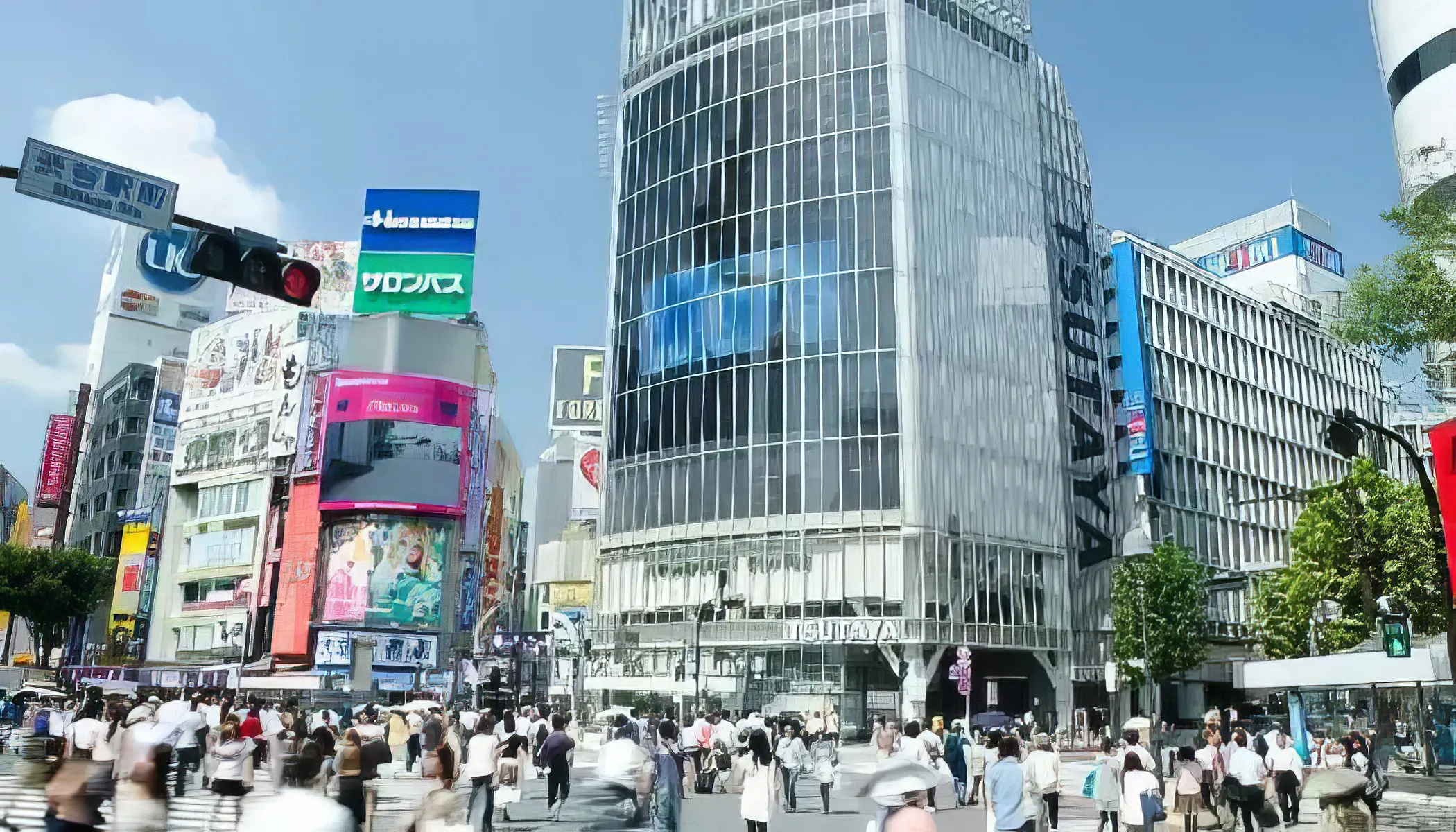
For a unique shopping experience, visit Shibuya and Harajuku for trendy fashion and quirky items. Ginza is ideal for luxury shopping and designer brands. Asakusa offers traditional crafts and souvenirs like kimonos and handcrafted fans. A popular gift to purchase is a beautifully designed Japanese folding fan or a box of matcha (green tea) treats, which reflect traditional Japanese culture. Akihabara is a must-visit for electronics and anime merchandise. Nakamise Shopping Street is great for picking up small trinkets and snacks.
Arts & Culture
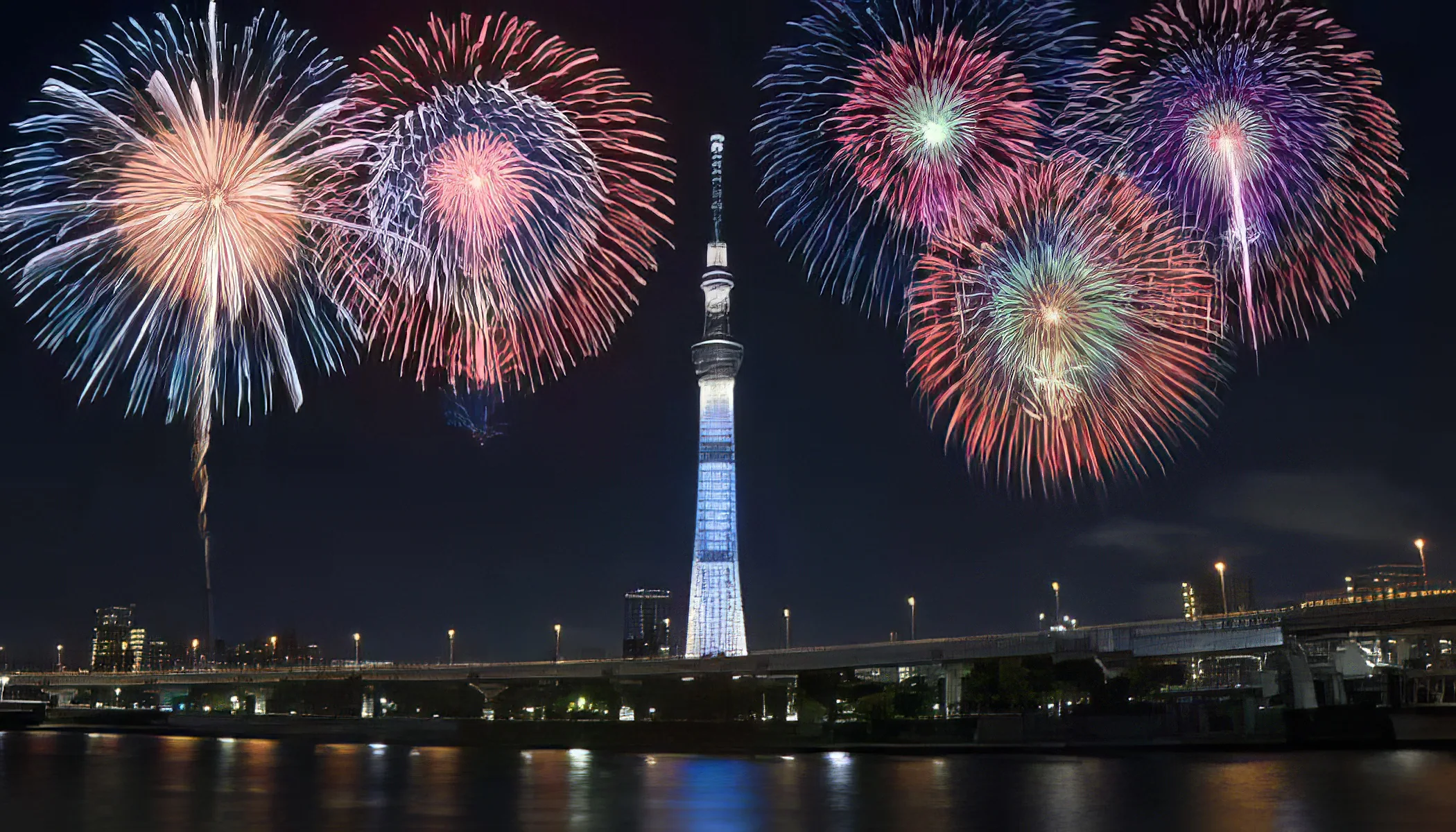
The city hosts numerous cultural festivals throughout the year, including the Sumida River Fireworks Festival, one of Japan's oldest and most famous fireworks festivals. It is also home to several world-class museums, such as the Mori Art Museum and the Edo-Tokyo Museum, which provide insights into contemporary and historical arts. Traditional arts thrive here with opportunities to experience kabuki, sumo wrestling, and tea ceremonies. Additionally, the city's cherry blossom season, particularly viewed in parks like Ueno, is a significant and culturally rich time for both locals and visitors.