

Germany Attractions & Travel Advice – Plan Your Visit
This European country is known for its rich history, influential culture, and strong economy. It boasts a mix of modern cities, charming countryside, and historic landmarks. Renowned for its beer, cars, and philosophers, it's a diverse and fascinating destination.
- Capital
- Berlin
- Population
- 81.9 millions
- Superficy
- 358000 sq.km
- Months to Visit
- May to Sept.
- Living Cost
- Expensive
Overview
Germany, located in Central Europe, is known for its influential role in world history, robust economy, and cultural diversity. Its capital, Berlin, is a energetic city with a rich history, marked by landmarks like the Berlin Wall and Brandenburg Gate. The country is home to a variety of landscapes, from the mountainous regions of Bavaria to the nice Rhine River Valley. Germany is recognized for its technological innovation, strong automotive industry, and high-quality education. It also has a rich cultural heritage, with contributions to literature, philosophy, music, and art. Germany's blend of historical significance and modern innovation makes it a compelling destination for many travelers.
Pros & Cons
GOOD REASONS TO VISIT GERMANY
– Rich History: Germany's history is visible in its architecture, museums, and historic sites like the Berlin Wall.
– Diverse Landscapes: From the Alps' peaks to the Baltic Sea's beaches, Germany offers varied natural beauty.
– Cultural Events: Oktoberfest, Christmas markets, and music festivals provide unique cultural experiences.
– Excellent Infrastructure: Efficient public transportation and well-maintained roads make travel easy.
– Delicious Cuisine: Try bratwurst, pretzels, and world-renowned beers in their country of origin. CHALLENGES WHEN VISITING GERMANY
– Weather: Germany's weather can be unpredictable, with cold winters and sometimes rainy summers.
– Language Barrier: While English is common in cities, it's less so in rural areas.
– Cost: Compared to other European countries, Germany can be more expensive, particularly in major cities.
Before Departure
Before planning your trip to Germany, there are several important factors to consider:
– Passport: Ensure your passport is valid for at least six months beyond your planned date of departure.
– Visa: Depending on your nationality, you may need a Schengen visa. It's valid for 90 days within a 180-day period. Apply through the German embassy or consulate in your country.
– Currency: The official currency is the Euro (€). Credit cards are widely accepted and ATMs are readily available.
– Internet access: WiFi is widely available in hotels, cafes, and public spaces. Prepaid SIM cards for data are also easily accessible.
– Language barrier: The official language is German. English is widely spoken, especially in major cities and tourist areas. French and Spanish are less commonly spoken.
What to Pack
When packing for a trip to Germany, it's important to consider the season, the cultural norms, and the activities you plan to engage in.
– Essentials: Passport and visa (if required), Travel insurance details, Flight tickets and itinerary, Accommodation reservations.
– Clothing: Comfortable walking shoes, warm clothing for winter months, lighter clothing for summer, rain jacket or umbrella, sunglasses.
– Health and Safety: Prescription medications and a basic first aid kit, personal hygiene items, sunscreen for summer months.
– Electronics: Travel adapter for German outlets, mobile phone, camera, portable charger.
Weather
Germany experiences a temperate seasonal climate with moderate to heavy rainfall throughout the year.
– Winter (December to February): Cold with snowfall, especially in the mountainous regions. Temperatures can drop below freezing.
– Spring (March to May): Weather starts to warm up with occasional rainfall. The landscape is beautifully green and blooming.
– Summer (June to August): Warm to hot, with temperatures ranging from 20°C to 30°C. Rainfall is quite common.
– Autumn (September to November): Cool with lively fall foliage. Rainfall is frequent and temperatures start to drop. The best time to visit Germany is during the late spring (May to June) and early autumn (September to October).
– Pleasant weather with less rainfall.
– Outdoor activities and sightseeing are enjoyable. However, these periods also coincide with the tourist season, so expect larger crowds and slightly higher prices.
Travel Budget
Germany is a country with a moderate cost of living. Here are some average costs for tourists:
– Hotel: 90$ to 200$
– Lunch: 10$ to 25$
– Beverage (in bar/restaurant): 3$ to 7$
– Coffee: 2$ to 4$
– Transportation: (train 30$ to 60$), (bus 3$ to 7$), (taxi /10km 20$ to 30$)
– Mobile data (per GB): 5$ to 10$
Language
German is the official language of Germany and is widely spoken across the country. Here are some useful phrases for tourists:
– Hello: Hallo
– Thank you: Danke
– Please: Bitte
– How much is this?: Wie viel kostet das?
– Excuse me: Entschuldigung
– I don't understand: Ich verstehe nicht
– Yes: Ja
– No: Nein
– Goodbye: Auf Wiedersehen
History
Germany's history is marked by periods of great change. It was part of the Holy Roman Empire from the 10th to the 19th century. In the late 19th century, Prussia's Otto von Bismarck unified the various German states into a powerful German Empire. The early 20th century saw two World Wars, with Germany playing a central role in both. Post-World War II, Germany was divided into East and West, symbolized by the Berlin Wall, until its fall in 1989. The reunification of Germany occurred in 1990, and it has since become one of Europe's leading economic powers.
Geopolitics
Germany is a federal parliamentary republic located in Central Europe, bordered by nine countries: Denmark, Poland, the Czech Republic, Austria, Switzerland, France, Luxembourg, Belgium, and the Netherlands. It is the most populous country in the European Union and its economic powerhouse. Germany is a key member of several global and regional international organizations, including the United Nations, NATO, G7, and the EU. It has a strong influence on EU policies and plays a significant role in issues related to European integration and defense. Germany's geopolitical position is also shaped by its relationship with Russia, particularly in terms of energy security, as it relies heavily on Russian gas supplies. Its foreign policy is characterized by a commitment to international cooperation and the peaceful resolution of conflicts.
Sample Itinerary
This itinerary offers a blend of historical sites in Berlin, scenic beauty in the Black Forest, the charm of Heidelberg, and the cultural richness of Munich.
– 2 days in Berlin: Visit the Berlin Wall, Brandenburg Gate, and Museum Island. Explore the pretty nightlife and diverse food scene.
– 2 days in the Black Forest: Enjoy hiking, visit Lake Titisee, and explore traditional villages. Sample the region's famous Black Forest gateau.
– 1 day in Heidelberg: Tour the Heidelberg Castle, Old Town, and Philosopher's Walk. Experience the city's romantic atmosphere and academic history.
– 2 days in Munich: Visit the Nymphenburg Palace, English Garden, and Marienplatz. Enjoy local beer in traditional beer gardens.
– 1 day in Neuschwanstein: Explore the fairy-tale castle of Neuschwanstein. Enjoy the handsome alpine scenery. Depart from Munich.
Popular cities
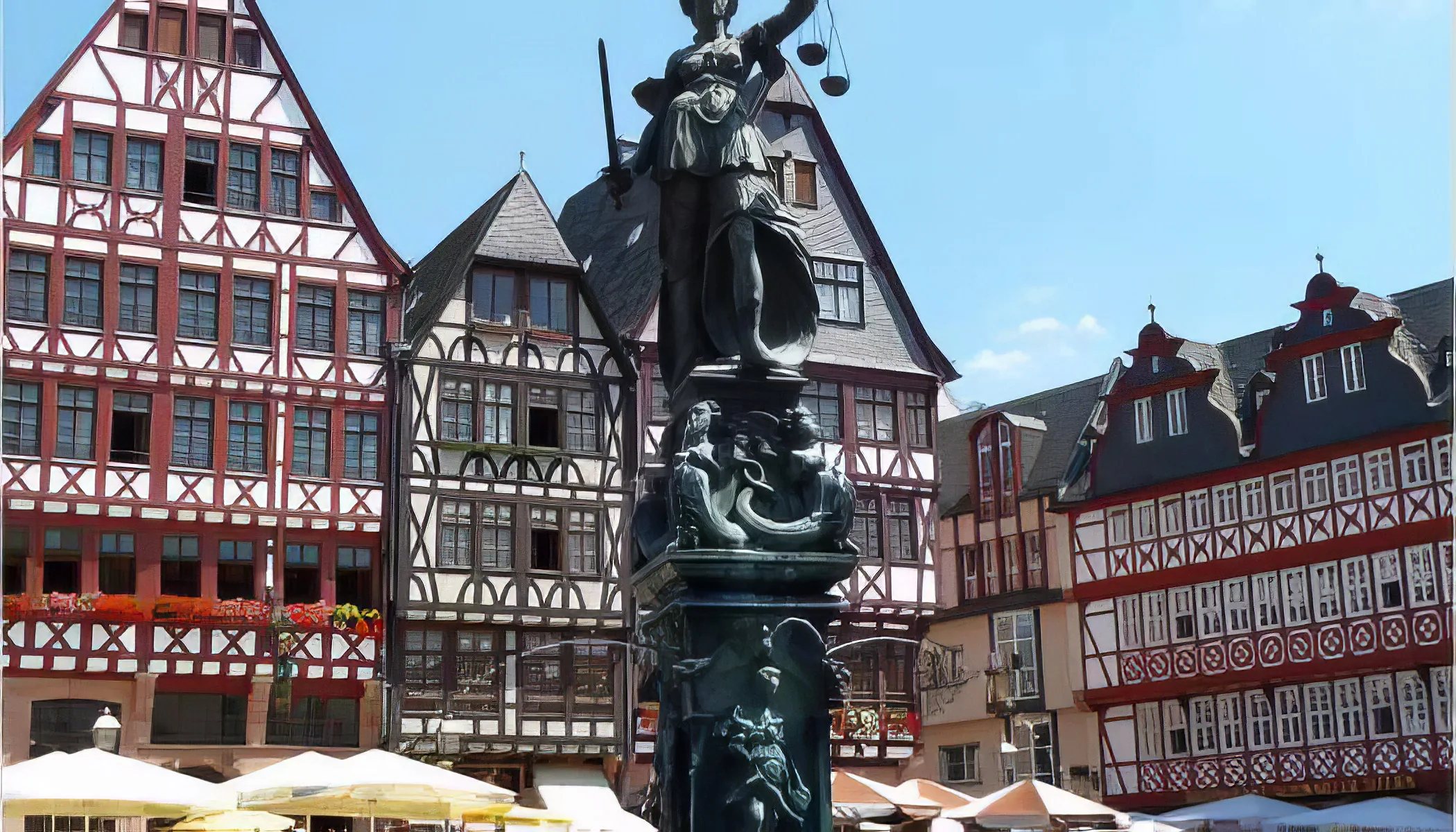
Germany offers a diverse range of cities, each with its unique charm and history:
– Berlin: The capital city, known for its history, nightlife, and the Berlin Wall.
– Munich: Famous for Oktoberfest, its beer halls, and the beautiful Nymphenburg Palace.
– Hamburg: A port city known for its impressive harbor, the Elbphilharmonie, and the Reeperbahn entertainment district.
– Cologne: Home to the Cologne Cathedral, a lively arts scene, and numerous breweries.
– Frankfurt: A global hub for commerce, culture, education, and tourism with a lovely skyline.
– Dresden: Known for its historic landmarks like the Frauenkirche and the Zwinger Palace.
– Heidelberg: A charismatic town with a beautiful castle, Old Town, and Germany's oldest university.
Monuments
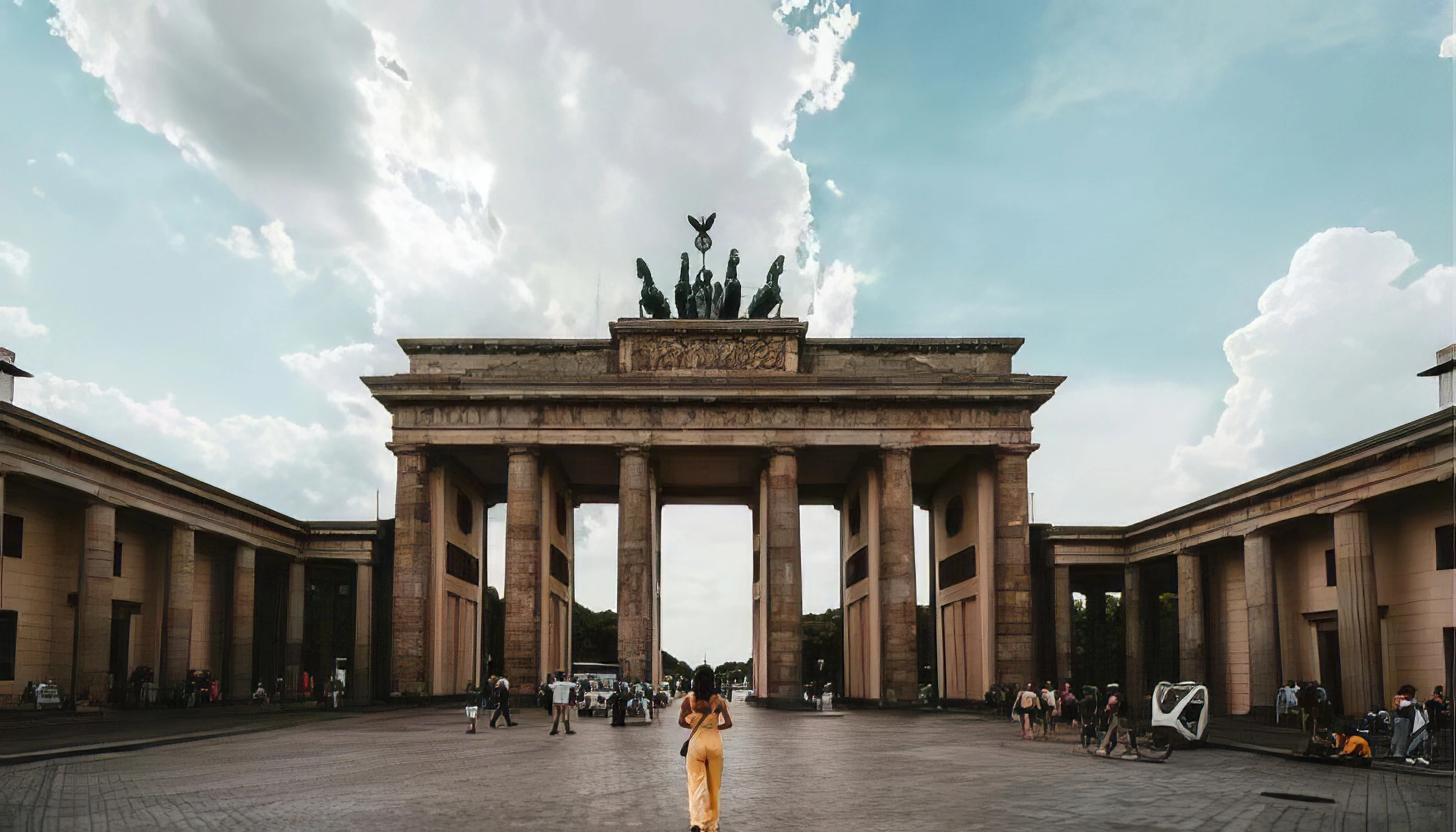
Germany is home to a variety of historical monuments and architectural wonders:
– Brandenburg Gate, Berlin: Iconic neoclassical monument symbolizing German reunification.
– Cologne Cathedral: Gothic cathedral with twin spires, a UNESCO World Heritage site.
– Neuschwanstein Castle, Bavaria: Fairy-tale castle built by King Ludwig II.
– Berlin Wall Memorial: Remnant of the Berlin Wall, symbol of the Cold War.
– Heidelberg Castle: Ruined castle offering panoramic views of Heidelberg.
– Reichstag Building, Berlin: Historic edifice housing the German parliament, known for its glass dome.
– Holocaust Memorial, Berlin: Memorial to the Jewish victims of the Holocaust.
– Checkpoint Charlie, Berlin: Famous Cold War crossing point between East and West Berlin.
Natural wonder
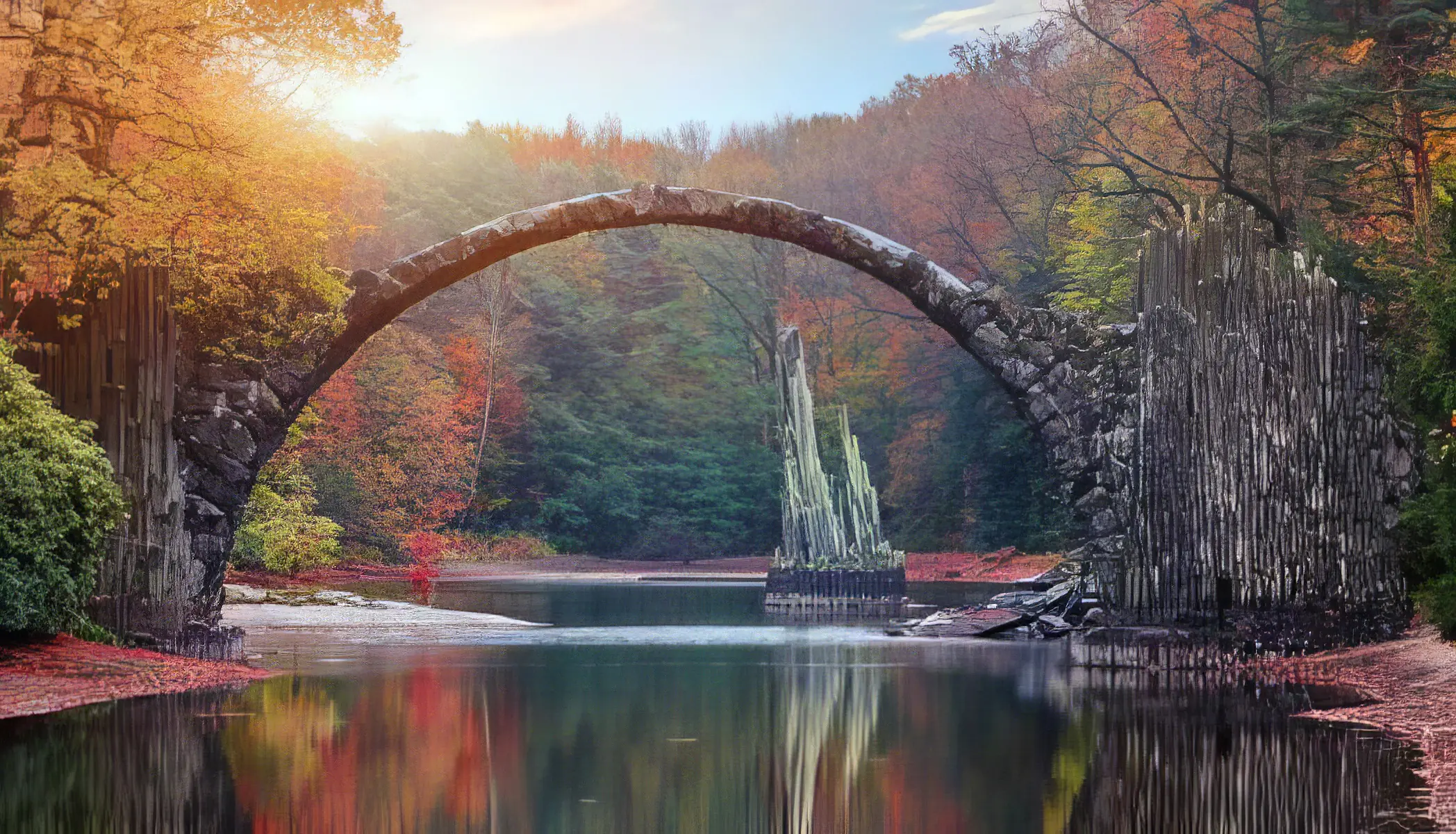
Explore the diverse natural beauty of Germany:
– Black Forest: Known for its dense woodlands, nice villages, and hiking trails.
– Saxon Switzerland National Park: Offers unique sandstone formations and panoramic views.
– Lake Constance: Central Europe's third largest lake, shared by Germany, Austria, and Switzerland.
– Harz Mountains: Features the Brocken, the highest peak, and diverse flora and fauna.
– Jasmund National Park: Home to the famous chalk cliffs on the Baltic Sea.
– Berchtesgaden National Park: Known for its alpine landscapes and the Königssee, a clear mountain lake.
– The Rhine Valley: Famous for its vineyards, castles, and the Lorelei rock.
– Bavarian Forest: Germany's first national park with untouched forests and rare animal species.
– Eifel National Park: Offers diverse landscapes with forests, water bodies, and open grasslands.
– Rugen Island: Known for its beaches, lagoons, and the Jasmund National Park's chalk cliffs.
Beaches
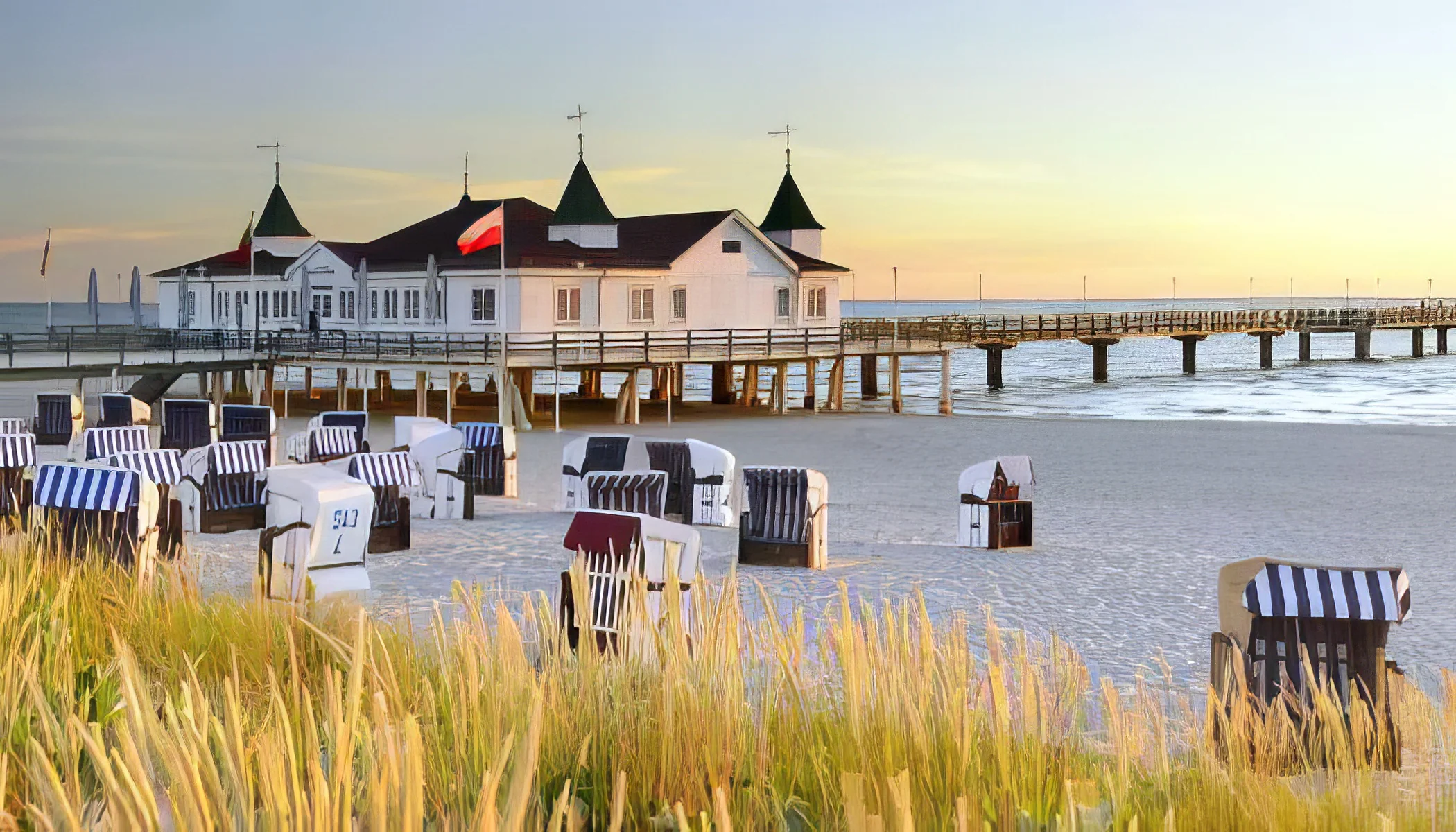
Germany is not typically known for its beaches, but it does have some notable ones:
– Rugen Island Beaches: Known for its white chalk cliffs and long sandy beaches.
– Sylt Island Beaches: Offers a mix of sandy beaches and dunes in the North Sea.
– Usedom Island Beaches: Features some of the sunniest beaches in Germany.
– Warnemunde Beach: A wide, sandy beach located in the Baltic Sea resort town of Warnemunde.
– Timmendorfer Strand: Popular for its long sandy beach and upscale amenities.
– Fehmarn Island Beaches: Known for its bird sanctuary and water sports.
– Norderney Island Beaches: Offers sandy beaches and a seaside resort in the North Sea.
Outdoor activities

Germany offers a variety of outdoor experiences for nature lovers and adventure seekers:
– Hiking in the Black Forest: Traverse through dense forests and charismatic villages.
– Cycling along the Rhine River: Enjoy scenic views of vineyards and castles.
– Sailing on Lake Constance: Experience the tranquility of this vast freshwater lake.
– Skiing in the Bavarian Alps: Take on the slopes in Germany's premier ski destination.
– Canoeing in Spreewald: Navigate through a network of waterways in this unique biosphere reserve.
– Exploring the Berchtesgaden National Park: Discover alpine landscapes, emerald lakes, and diverse wildlife.
– Visiting the Wadden Sea National Park: Experience mudflat hiking and bird watching in this UNESCO World Heritage site.
Kid Friendly
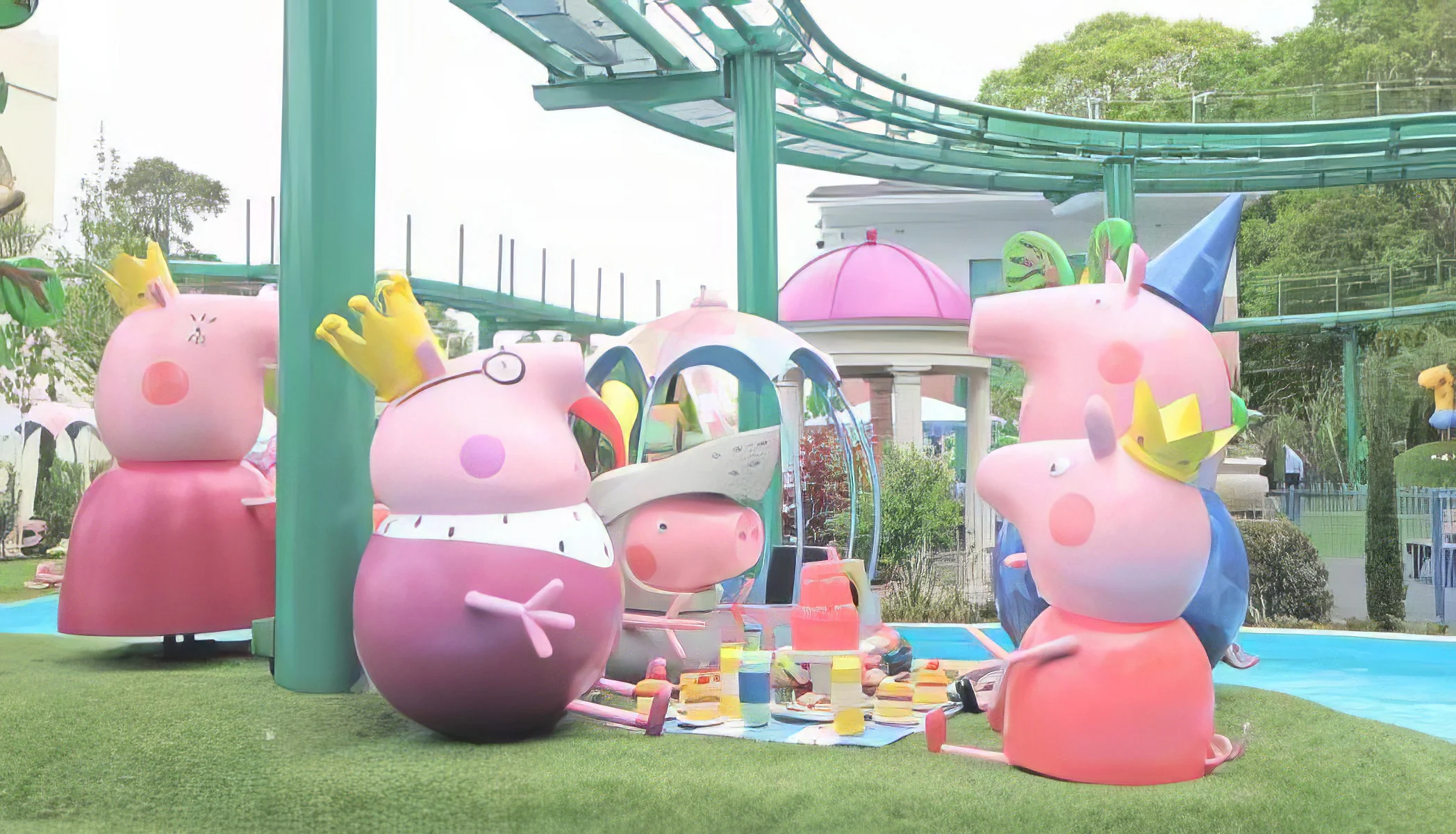
Germany offers a variety of activities that are perfect for children:
– Europa-Park: A large theme park with rides and attractions suitable for all ages.
– Deutsches Museum: A science and technology museum with interactive exhibits.
– Berlin Zoo: One of the most visited zoos in Europe with a wide range of species.
– Playmobil FunPark: A play and adventure park based on the popular Playmobil toys.
– Tropical Islands Resort: An indoor tropical theme park with water slides, pools, and beaches.
– Phantasialand: A theme park with rides and shows for children and adults alike.
– Miniatur Wunderland: A model railway attraction that is the largest of its kind in the world.
– Legoland Deutschland: A Lego-themed park with rides, shows, and building workshops.
Cuisine
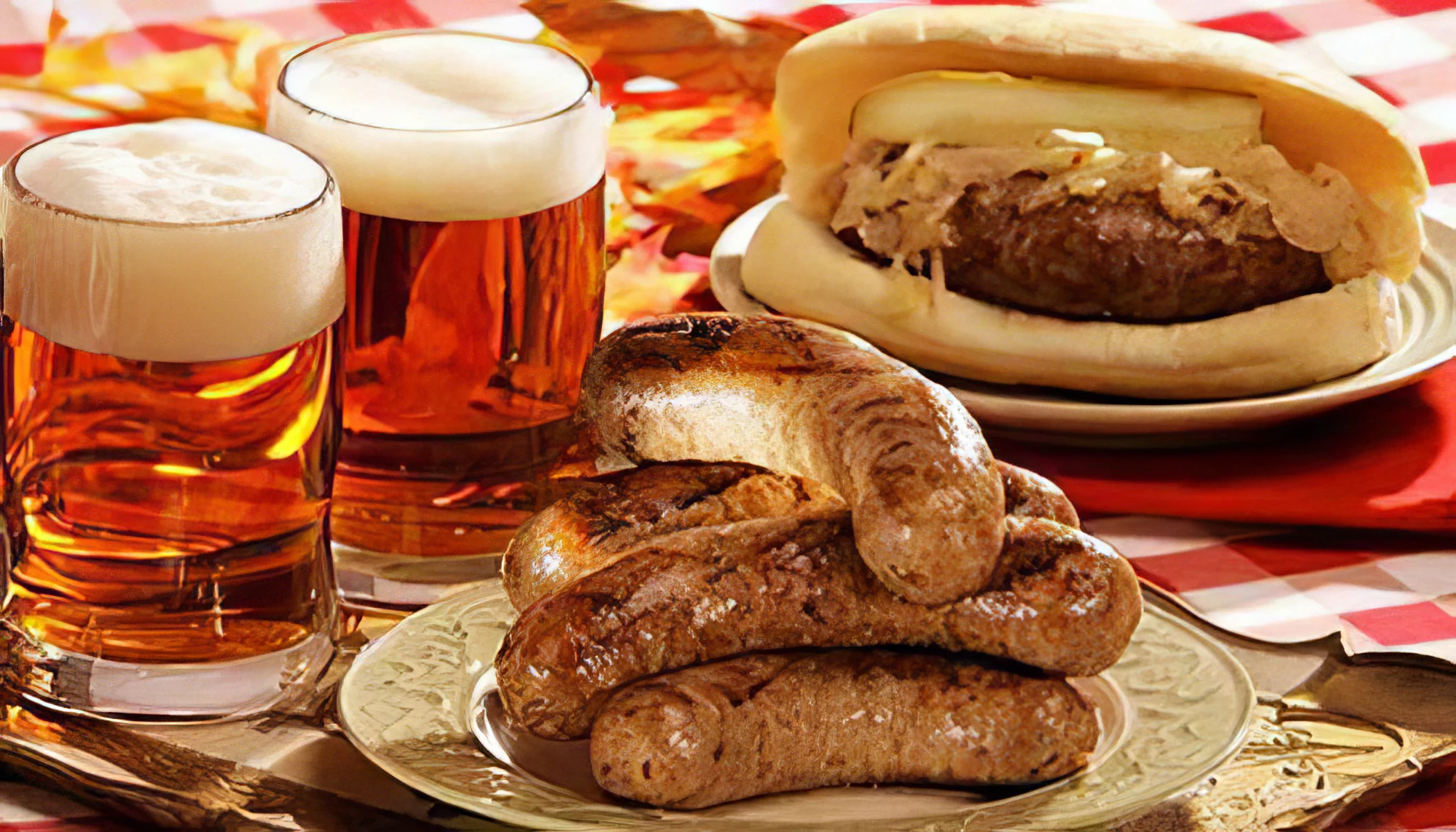
German cuisine is hearty and diverse, with a strong emphasis on meat, bread, and potatoes. Regional variations exist, but traditional dishes are celebrated nationwide. Street food markets and beer gardens offer a taste of Germany's culinary culture. Most famous cuisine in Germany are:
– Bratwurst: A type of German sausage made from pork, beef, or veal.
– Sauerbraten: Pot roast, usually of beef, marinated before being slow-cooked.
– Pretzels: Dense, chewy and usually twisted into a knot shape, often sprinkled with coarse salt.
– Sauerkraut: Fermented cabbage, often served as a side dish.
– Black Forest Gateau: Layered chocolate cake with cherries and whipped cream.
Souvenir
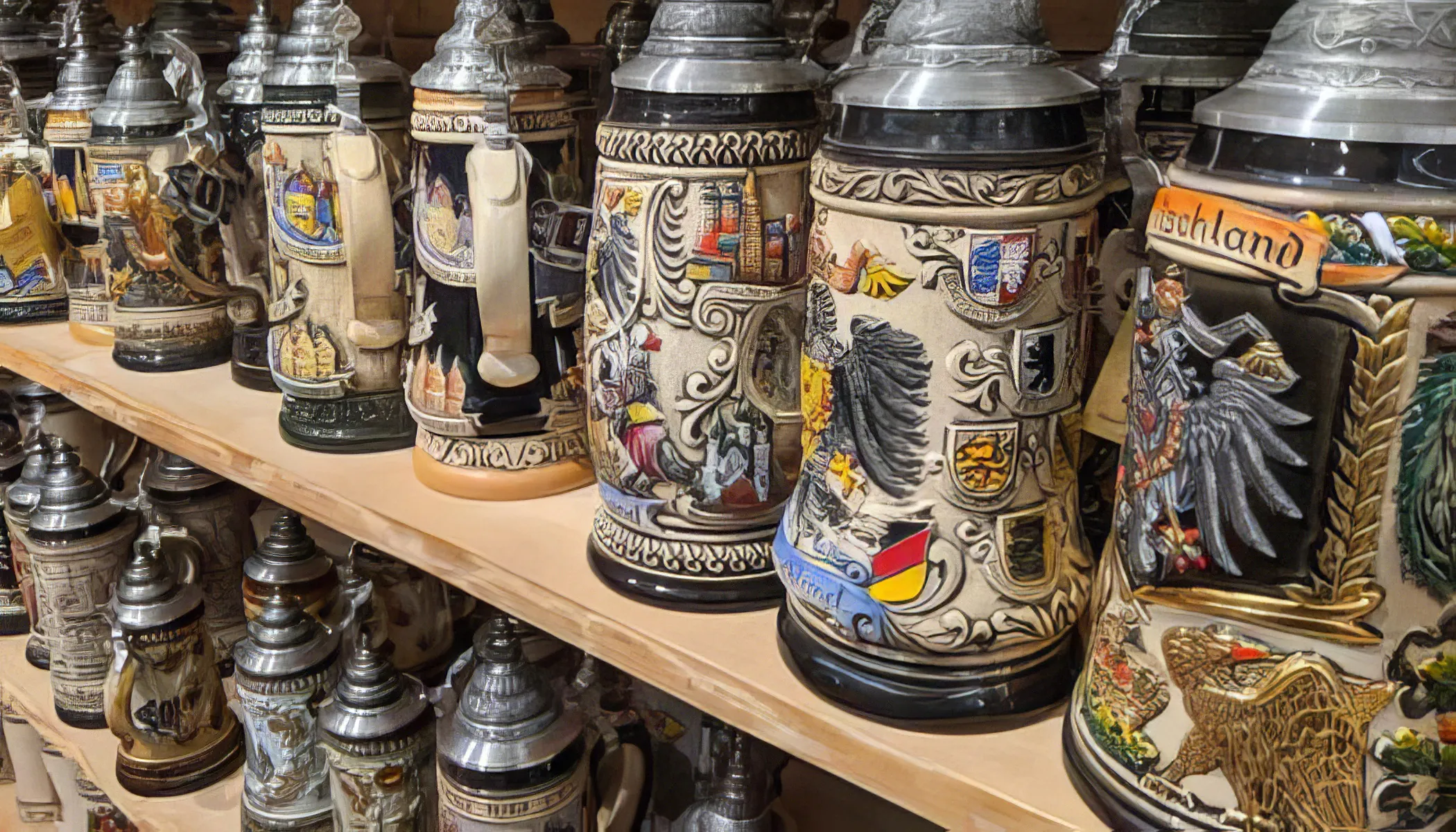
Germany is a country rich in history and culture, offering a variety of unique souvenirs. Here are some popular items to consider:
– Beer Steins: Traditional German beer mugs, often ornately decorated.
– Cuckoo Clocks: Handcrafted clocks from the Black Forest region, known for their complex designs.
– Christmas Ornaments: Germany is famous for its Christmas markets and handcrafted ornaments.
– Nutcrackers: Traditional wooden nutcrackers are a popular souvenir, especially around Christmas.
– Lederhosen and Dirndls: Traditional Bavarian clothing, often bought for Oktoberfest.
– German Chocolate: Germany is known for its high-quality chocolate, making it a tasty souvenir.
– Marzipan: A sweet treat made from sugar and almonds, particularly popular in Lübeck.
Traditional Shows
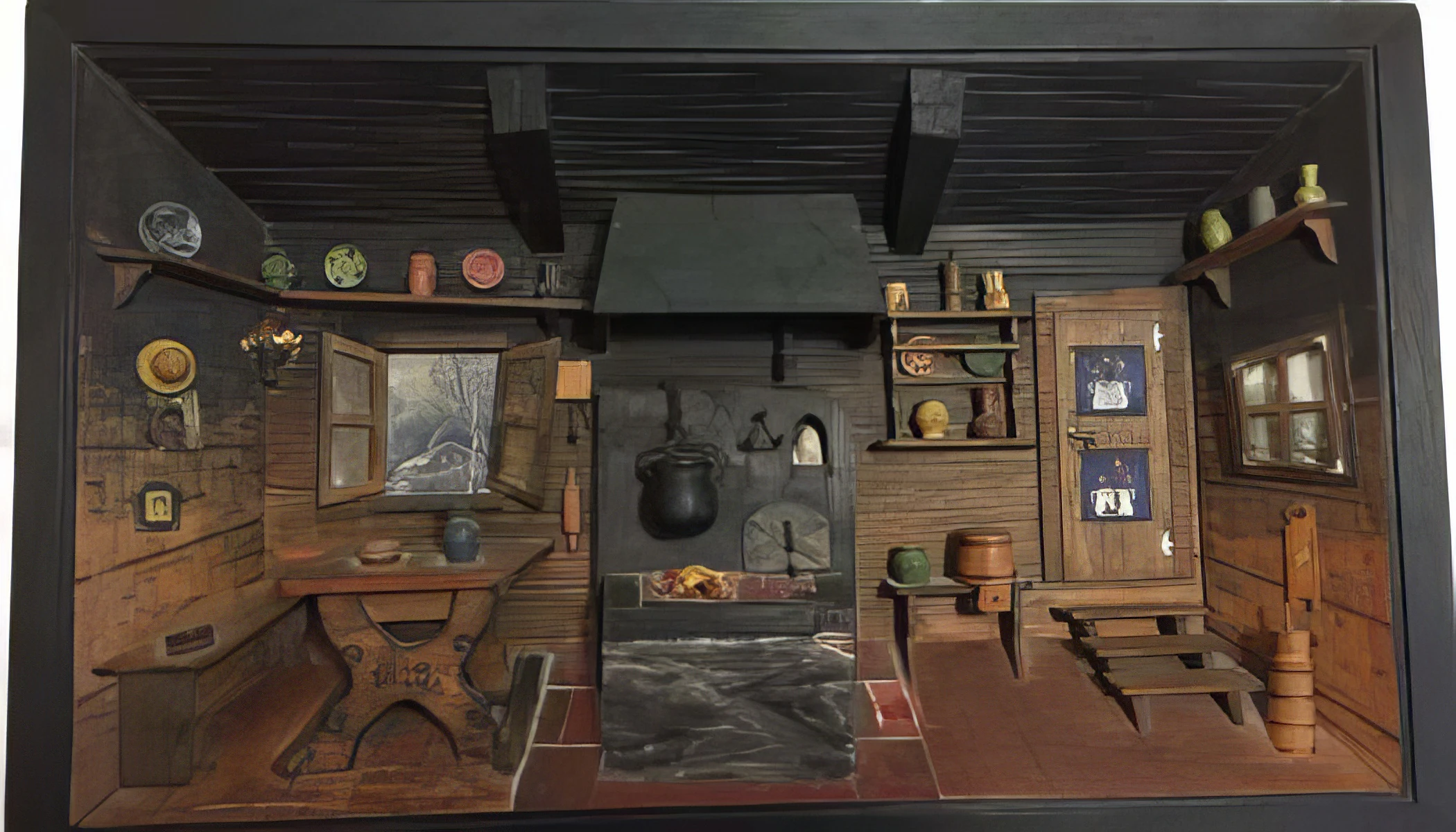
Germany is renowned for its rich cultural heritage in music and performing arts:
– Berlin Philharmonic: One of the world's leading orchestras, offering classical music performances in Berlin.
– Bayreuth Festival: Annual music festival in Bayreuth, dedicated to the opera works of Richard Wagner.
– Passion Play Oberammergau: A centuries-old tradition, this play depicting the Passion of Christ is performed every 10 years in Oberammergau.
– Semperoper Ballett: Based in Dresden, this ballet company combines classical and contemporary dance.
– Thomanerchor: A boys' choir in Leipzig, founded in 1212, performing a wide range of choral music.
Events & Festivals
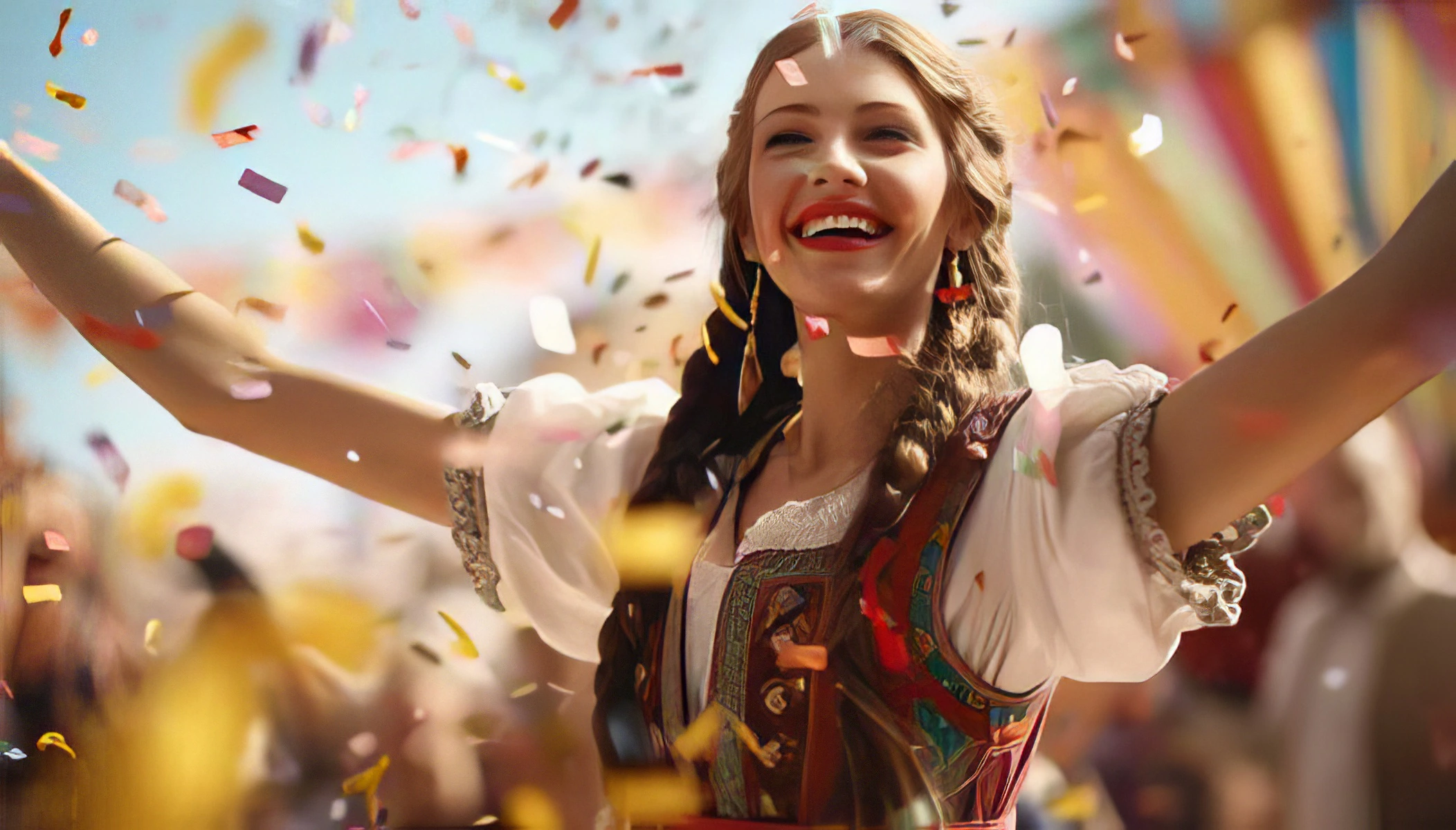
Germany is known for its rich cultural heritage and hosts several events and festivals throughout the year:
– Karneval: Celebrated in February, it's a week-long street festival with parades and costume balls.
– Leipzig Book Fair: A March event, it's one of the largest literature events in Europe.
– Hanami: In April, people gather in public parks to enjoy cherry blossom, a Japanese tradition.
– Oktoberfest: World's largest beer festival, held in Munich from late September to the first weekend in October.
– Berlin International Film Festival: Held in February, it's one of the world's leading film festivals.
– Christmas Markets: From late November to December, markets selling festive goods and foods are set up across the country.
– Documenta: An exhibition of modern and contemporary art, held every five years in Kassel from June to September.
Famous People
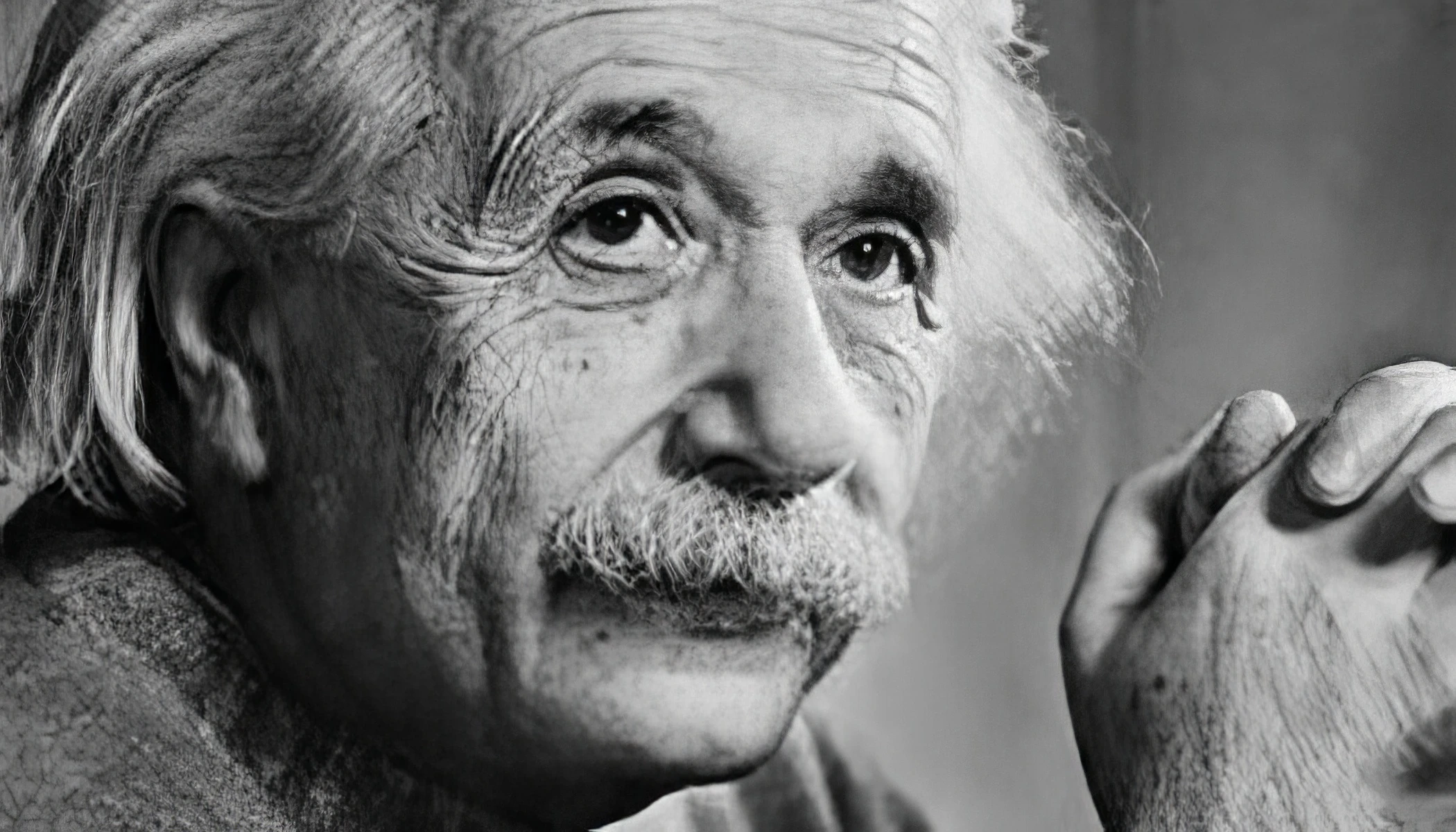
Germany has been home to many influential figures in various fields such as politics, science, and arts.
– Albert Einstein (1879 to 1955, Ulm): Renowned physicist known for developing the theory of relativity.
– Johann Sebastian Bach (1685 to 1750, Eisenach): Composer and musician, a key figure in the Baroque period.
– Angela Merkel (born 1954, Hamburg): Germany's first female Chancellor and a leading figure in global politics.
– Martin Luther (1483 to 1546, Eisleben): Theologian who initiated the Protestant Reformation in the 16th century.
– Ludwig van Beethoven (1770 to 1827, Bonn): One of the most famous and influential composers in the history of classical music.
Books
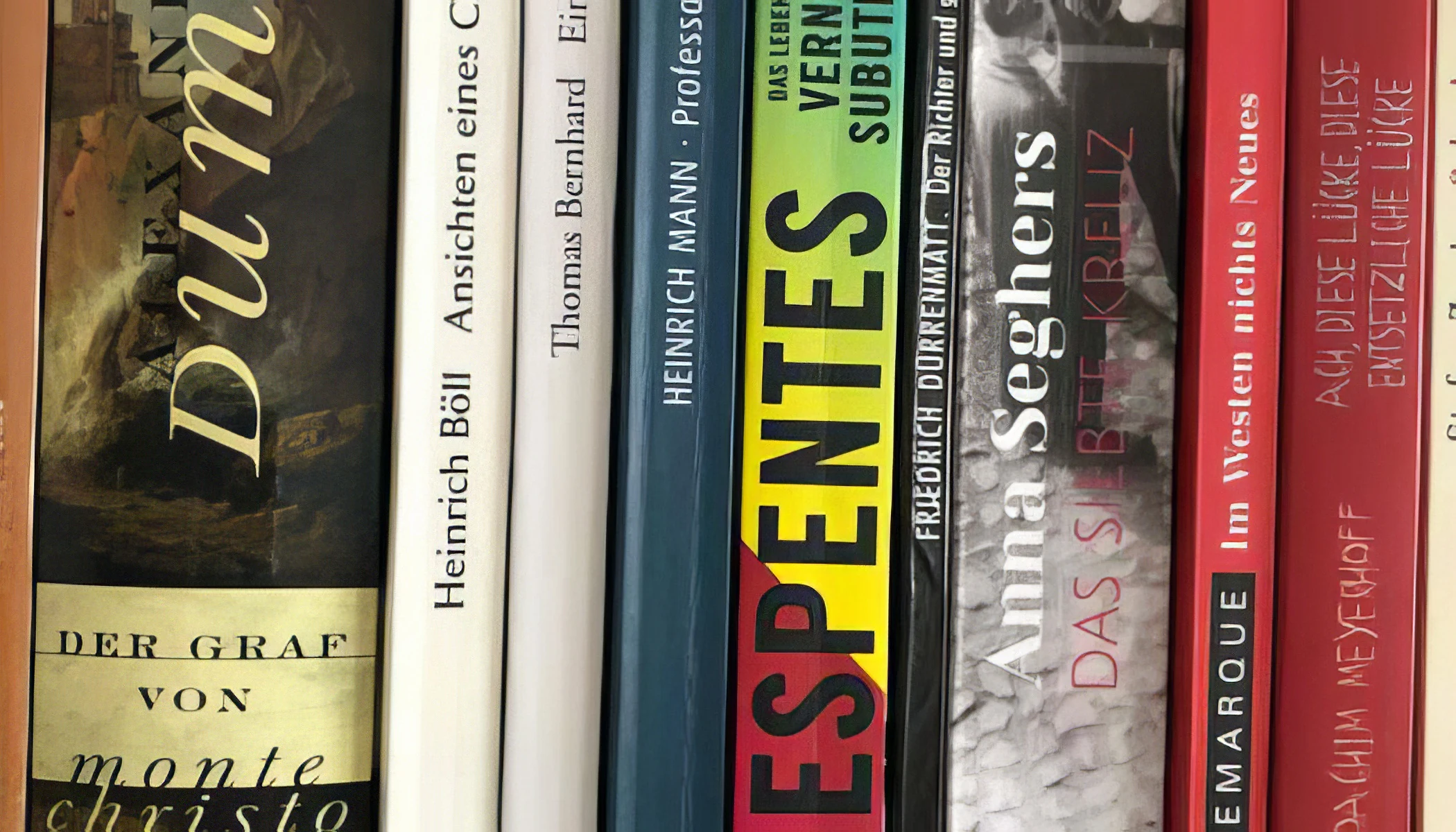
These books provide a rich understanding of Germany's history, culture, and societal changes.
– "All Quiet on the Western Front" by Erich Maria Remarque: A soldier's harrowing experience in World War I.
– "The Book Thief" by Markus Zusak: A young girl's life in Nazi Germany, narrated by Death.
– "Berlin Alexanderplatz" by Alfred Döblin: Chronicles the life of a small-time criminal in 1920s Berlin.
– "The Tin Drum" by Günter Grass: A boy's symbolic protest against the horrors of war and adult society.
– "Stasiland" by Anna Funder: Reveals life under East Germany's surveillance state.
Songs
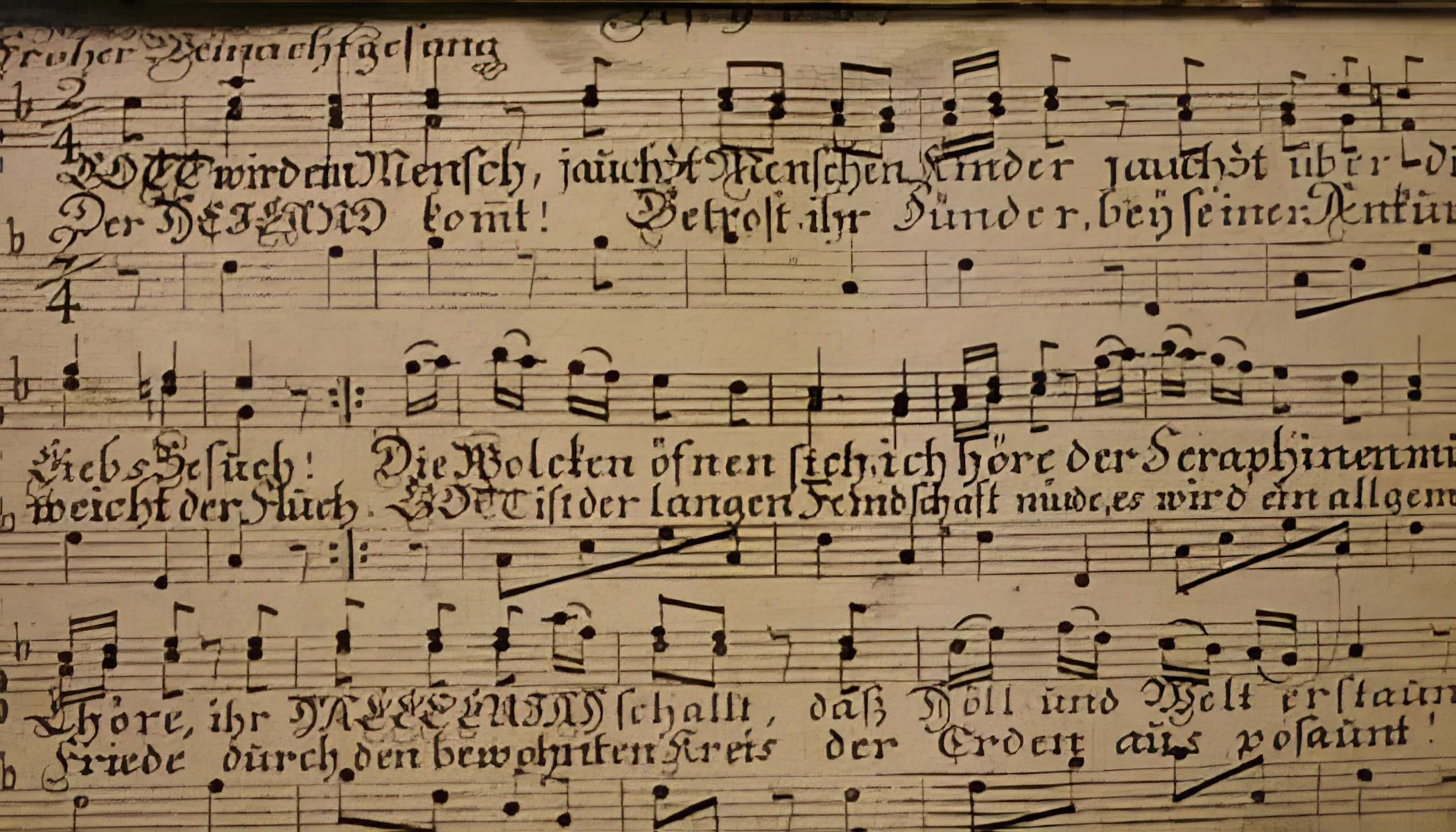
These songs are some of the most well-known from German artists, showcasing the country's diverse musical landscape.
– 99 Luftballons: An anti-war protest song by Nena.
– Du Hast: Rammstein's internationally recognized heavy metal hit.
– Rock Me Amadeus: Falco's chart-topping tribute to Mozart.
– Major Tom: Peter Schilling's iconic space-themed song.
– Wind of Change: Scorpions' anthem of political change.
– Da Da Da: Trio's minimalist, catchy pop hit.
Films
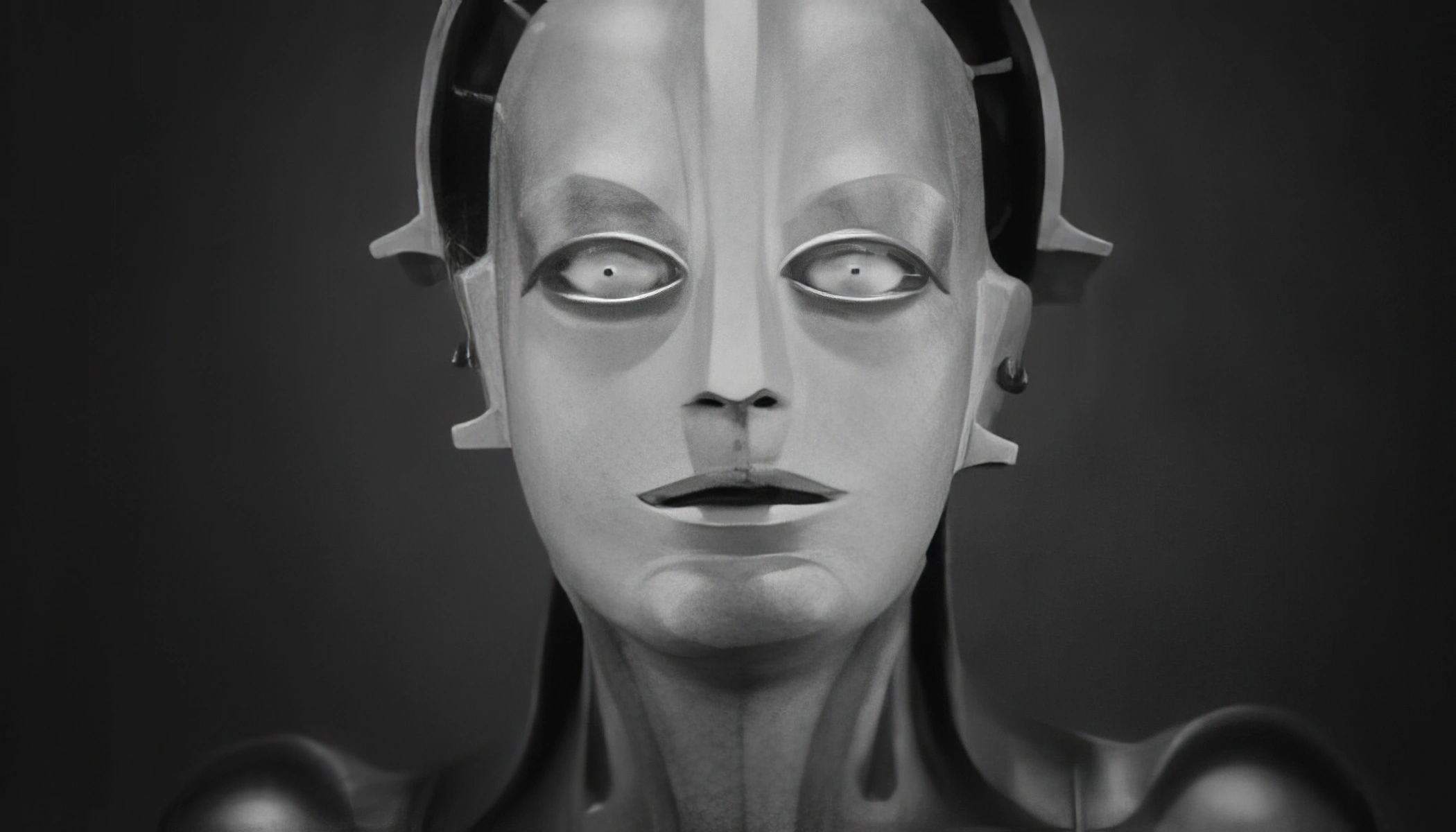
Here are some of the most renowned films that provide a glimpse into Germany's history and culture:
– "The Lives of Others": A gripping tale of surveillance in East Germany during the Cold War.
– "Good Bye, Lenin!": A comedic yet poignant look at the fall of the Berlin Wall.
– "Run Lola Run": A fast-paced thriller that explores the concept of time and fate in Berlin.
– "Das Boot": A World War II epic about a German U-boat crew's grueling life at sea.
– "Wings of Desire": Wim Wenders' poetic film about angels who observe life in Berlin.