

Explore India: Culture, Cities & Places to Visit
This South Asian country is known for its rich history, diverse cultures, and varied landscapes. From the Himalayan peaks to the coastal plains, it offers a mix of experiences. It's also home to iconic landmarks like the Taj Mahal.
- Capital
- New Delhi
- Population
- 1173.2 millions
- Superficy
- 3288000 sq.km
- Months to Visit
- Oct. to March
- Living Cost
- Economical
Overview
India, located in South Asia, is the seventh-largest country by land area and the second-most populous in the world. It is known for its diverse culture, languages, and religions, with Hinduism and Buddhism originating here. The country's landscapes vary from the Himalayan peaks in the north to the coastal plains in the south. India's rich history is evident in its numerous architectural wonders, including the Taj Mahal. The country has a mixed economy, with agriculture, manufacturing, and services sectors. Despite challenges such as poverty and pollution, India continues to grow economically and technologically.
Pros & Cons
GOOD REASONS TO VISIT INDIA
– Diverse Cultures: India's rich tapestry of cultures, languages, and traditions offers a unique and immersive experience.
– Historical Landmarks: Visit iconic sites like the Taj Mahal, Jaipur's palaces, and ancient temples of Varanasi.
– Varied Landscapes: From Himalayan peaks to Kerala's backwaters and Goa's beaches, India's landscapes are incredibly diverse.
– Delicious Cuisine: Indian food is renowned worldwide, with regional variations offering a wide array of flavors.
– Wildlife and Nature: National parks offer opportunities to see tigers, elephants, and a variety of bird species. CHALLENGES WHEN VISITING INDIA
– Overcrowding: Cities like Mumbai and Delhi can be densely populated and chaotic, which may be overwhelming.
– Sanitation Issues: Cleanliness and hygiene can be a concern in some public places and budget accommodations.
– Air Quality: Pollution levels in some cities can be high, potentially affecting those with respiratory issues.
Before Departure
Before planning your trip to India, there are several important factors to consider:
– Passport: Your passport must be valid for at least six months beyond your date of departure.
– Visa: Most tourists need to apply for an e-Visa online before arrival. The tourist e-Visa is valid for 60 days.
– Currency: The local currency is the Indian Rupee (INR). Credit cards are widely accepted in cities, but ATMs are prevalent for cash needs.
– Internet access: WiFi is common in hotels and cafes. Prepaid SIM cards for data are readily available.
– Language barrier: Hindi and English are the official languages. English is widely spoken in urban areas and tourist spots, less so in rural areas.
What to Pack
Traveling to India requires careful packing to accommodate the diverse weather, cultural norms, and various activities you may engage in.
– Essentials: Passport and visa (if required), travel insurance details, flight tickets and itinerary, accommodation reservations.
– Clothing: Lightweight and breathable clothing, comfortable walking shoes, modest attire for visiting religious sites, hat and sunglasses for sun protection, warm clothing if visiting northern regions.
– Health & Safety: Prescription medications and a basic first aid kit, insect repellent, sunscreen with high SPF, personal hygiene items, water purification tablets.
– Electronics: Travel adapter for Indian outlets, mobile phone, camera, power bank for charging on the go.
Weather
India's weather varies greatly by region and season:
– Winter (December to February): North India is cool to cold, while South India remains warm.
– Spring (March to May): Temperatures rise across the country, with heat peaking in May.
– Monsoon (June to September): Heavy rainfall occurs, particularly in the west and northeast.
– Autumn (October and November): Weather cools, especially in the north, and it's generally dry. The best time to visit India is between October and March.
– Pleasant weather with less heat across the country.
– Numerous cultural and religious festivals occur. However, it's also peak tourist season, so expect higher prices and larger crowds.
Travel Budget
India is known for its cost-effective living and travel expenses. Here are some average costs for reference:
– Hotel: 15$ to 70$
– Lunch: 2$ to 10$
– Beverage (in bar/restaurant): 1$ to 4$
– Coffee: 1$ to 2$
– Transportation: (train 1$ to 10$), (bus 0.5$ to 2$), (taxi /10km 2$ to 5$)
– Mobile data (per GB): 0.26$ to 1$
Language
Hindi is the most widely spoken language in India. Here are some useful phrases for tourists:
– Hello: Namaste
– Thank you: Dhanyavaad
– Please: Kripya
– How much is this?: Yeh kitne ka hai?
– Excuse me: Maaf kijiye
– I don't understand: Mujhe samajh nahi aaya
– Yes: Haan
– No: Nahi
– Goodbye: Alvida
History
India's history begins with one of the world's first civilizations, the Indus Valley civilization, around 2500 BCE. It was followed by the Vedic period, which laid the foundations of Hinduism. The Maurya and Gupta empires marked the classical age of India, known for significant advancements in art, science, and politics. Muslim invasions in the 12th century led to the establishment of the Delhi Sultanate and later the Mughal Empire. Colonial rule began in the 19th century with the British East India Company and culminated in the British Raj. India gained independence from British rule in 1947 after a non-violent struggle led by Mahatma Gandhi and others.
Geopolitics
India, located in South Asia, is the world's largest democracy and shares borders with Pakistan, China, Nepal, Bhutan, Bangladesh, and Myanmar. It has ongoing territorial disputes with Pakistan over Kashmir and with China over the Aksai Chin and Arunachal Pradesh regions. India is a member of several international organizations, including the United Nations, the World Bank, and the International Monetary Fund. It is also a founding member of the Non-Aligned Movement and the South Asian Association for Regional Cooperation (SAARC). India's foreign policy is characterized by a focus on regional security, economic cooperation, and maintaining strategic autonomy in its international relations.
Sample Itinerary
This tour covers the historical richness of Delhi, the architectural marvels of Agra, the royal heritage of Jaipur, and the spiritual tranquility of Varanasi.
– 2 days in Delhi: Visit Red Fort, Qutub Minar, and Humayun's Tomb. Explore Chandni Chowk market and India Gate.
– 1 day in Agra: Witness the iconic Taj Mahal and Agra Fort. Explore local markets for handicrafts.
– 2 days in Jaipur: Visit Amber Fort, Hawa Mahal, and City Palace. Experience local culture and cuisine.
– 2 days in Varanasi: Attend the Ganga Aarti at Dashashwamedh Ghat. Visit Kashi Vishwanath Temple and Sarnath, where Buddha gave his first sermon.
Popular cities
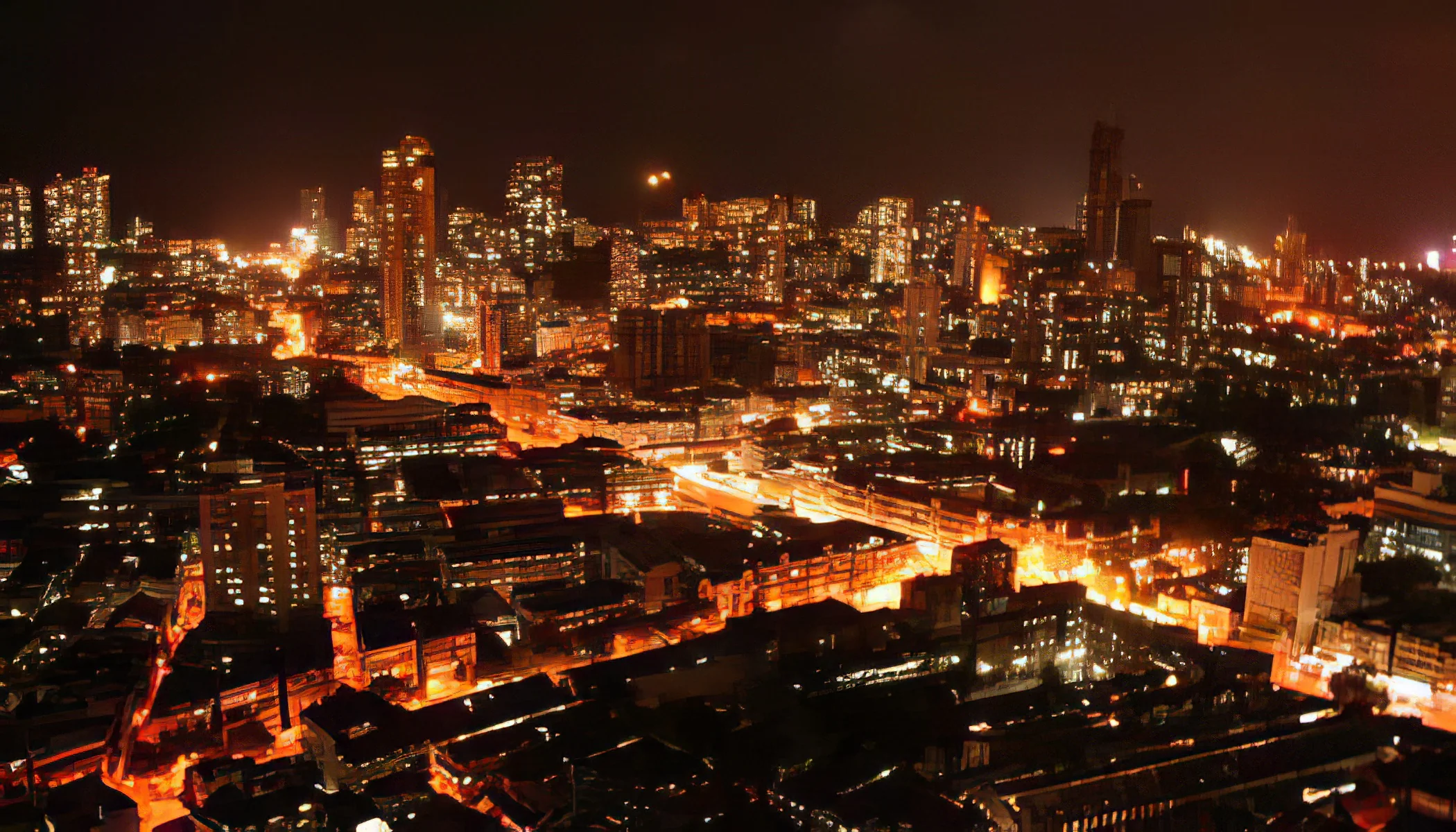
India offers a diverse range of cities, each with its unique charm and attractions:
– Delhi: The capital city, home to historic landmarks like the Red Fort and Qutub Minar.
– Mumbai: Known for its busy streets, Bollywood, and the iconic Gateway of India.
– Jaipur: The 'Pink City' is famous for its nice forts, palaces, and rich history.
– Agra: Home to the world-renowned Taj Mahal, a symbol of love and UNESCO World Heritage Site.
– Varanasi: One of the oldest cities in the world, it's a spiritual hub with numerous temples.
– Goa: Known for its beautiful beaches, Portuguese architecture, and lively nightlife.
– Kochi: A coastal city in Kerala, it's known for its backwaters, spice markets, and colonial history.
Monuments
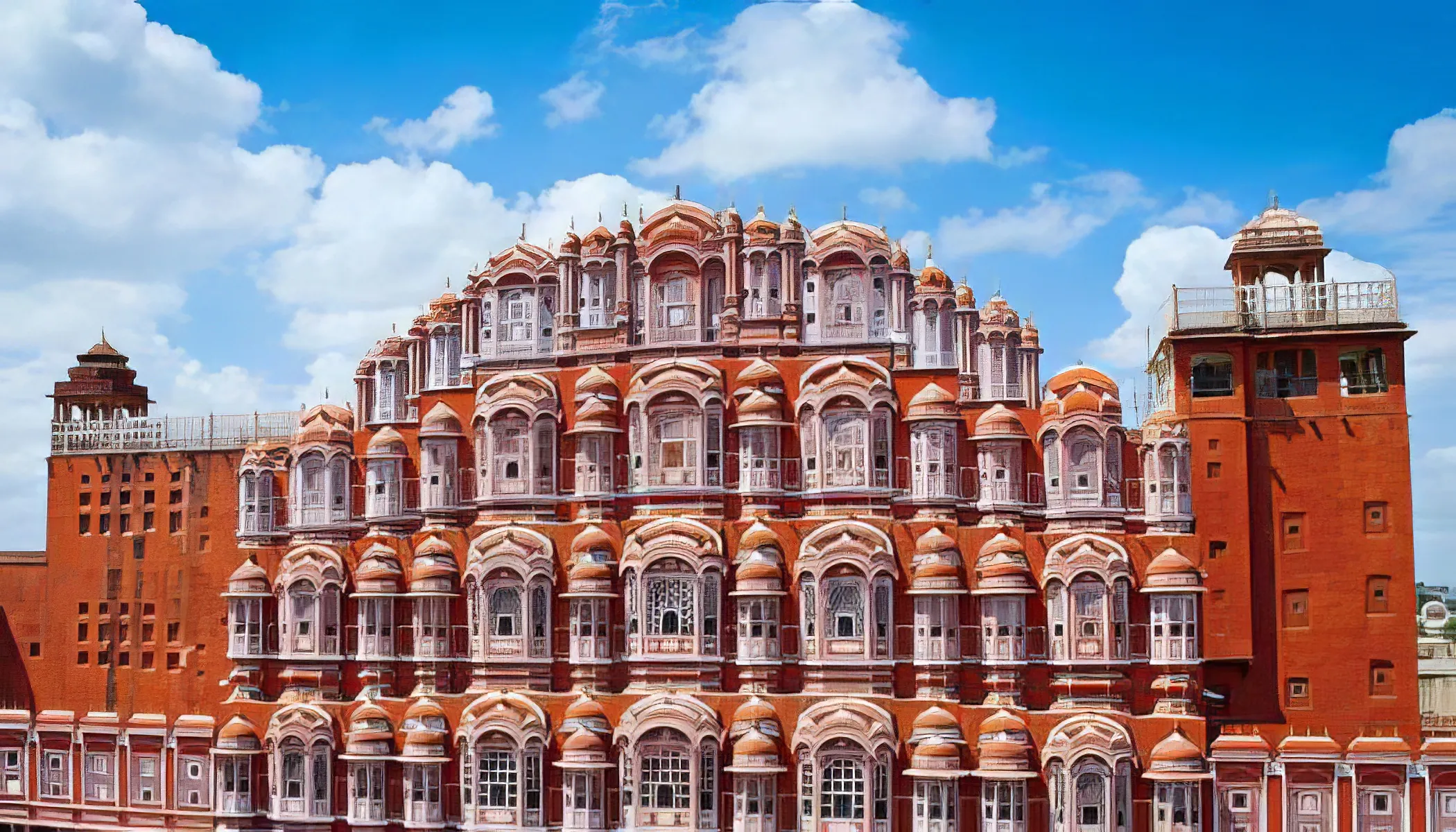
India is home to numerous historical monuments and architectural wonders:
– Taj Mahal, Agra: Iconic white marble mausoleum, a UNESCO World Heritage site.
– Qutub Minar, Delhi: Tallest brick minaret in the world, showcasing Indo-Islamic architecture.
– Red Fort, Delhi: Historic fort, symbol of India's independence, houses several museums.
– Hawa Mahal, Jaipur: Unique five-story structure with 953 windows, known as "Palace of Winds".
– Mysore Palace, Mysore: Opulent royal residence with refined architecture and beautiful gardens.
– Ajanta and Ellora Caves, Maharashtra: Ancient rock-cut Buddhist, Hindu and Jain temples.
– Sun Temple, Konark: 13th-century temple, known for its complex stone carvings.
– Gateway of India, Mumbai: Grand archway built to commemorate King George V's visit.
Natural wonder
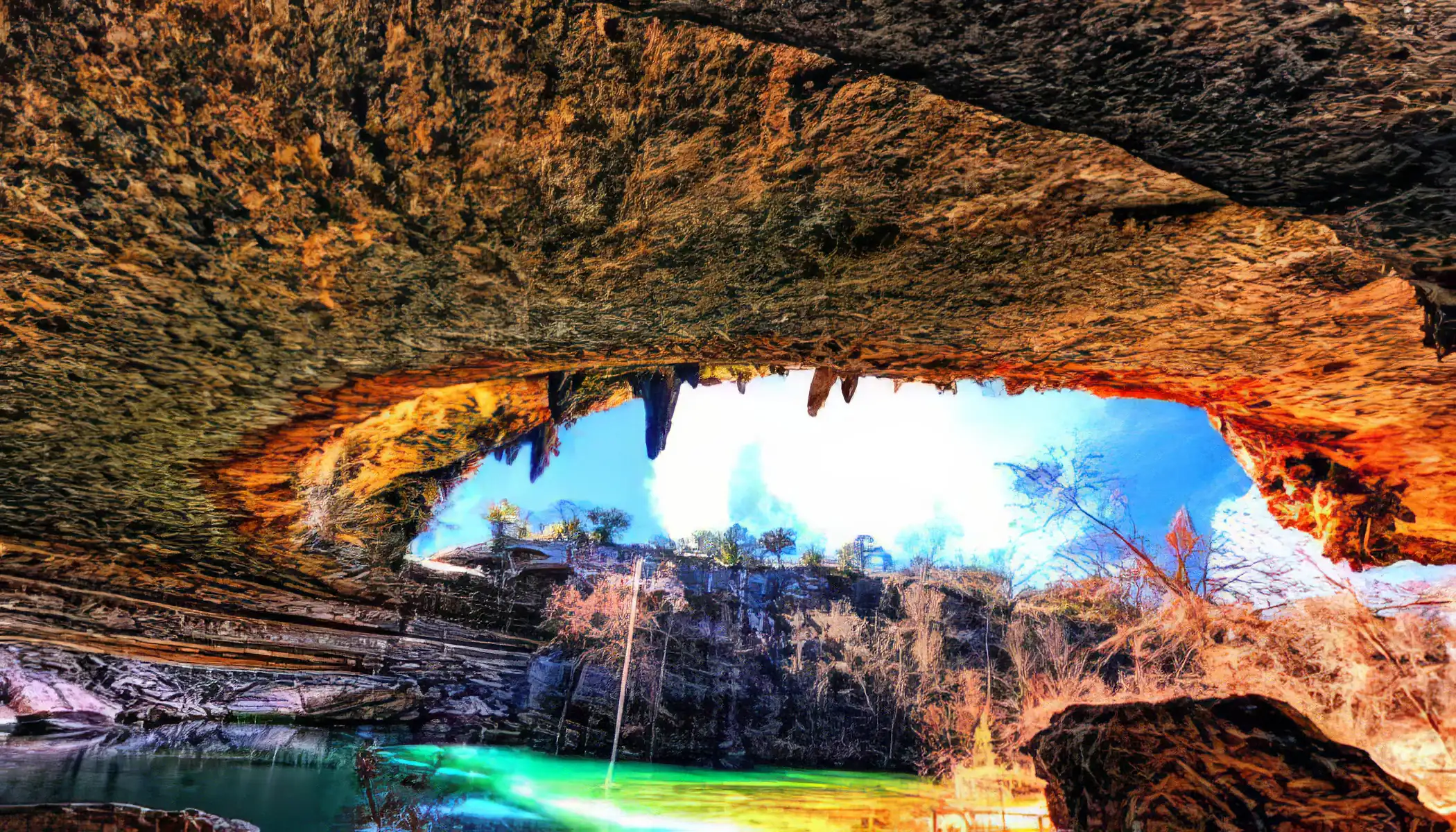
Explore the diverse natural beauty of India:
– The Himalayan Range: Home to the world's highest peaks, including Mount Everest.
– The Thar Desert: India's largest desert, known for its sand dunes and camel rides.
– The Sundarbans: The world's largest mangrove forest, home to the Royal Bengal Tiger.
– The Western Ghats: A UNESCO World Heritage Site, known for its biodiversity.
– The Andaman and Nicobar Islands: Known for their natural beaches, coral reefs, and diverse marine life.
– The Valley of Flowers: A UNESCO World Heritage Site, famous for its wildflower blooms.
– The Dal Lake: Known for its houseboats and beautiful surrounding mountains.
– The Kaziranga National Park: Home to the world's largest population of one-horned rhinoceroses.
– The Chilika Lake: Asia's largest brackish water lagoon, known for its birdlife.
– The Kutch Desert Wildlife Sanctuary: Known for its salt desert and wildlife.
Beaches
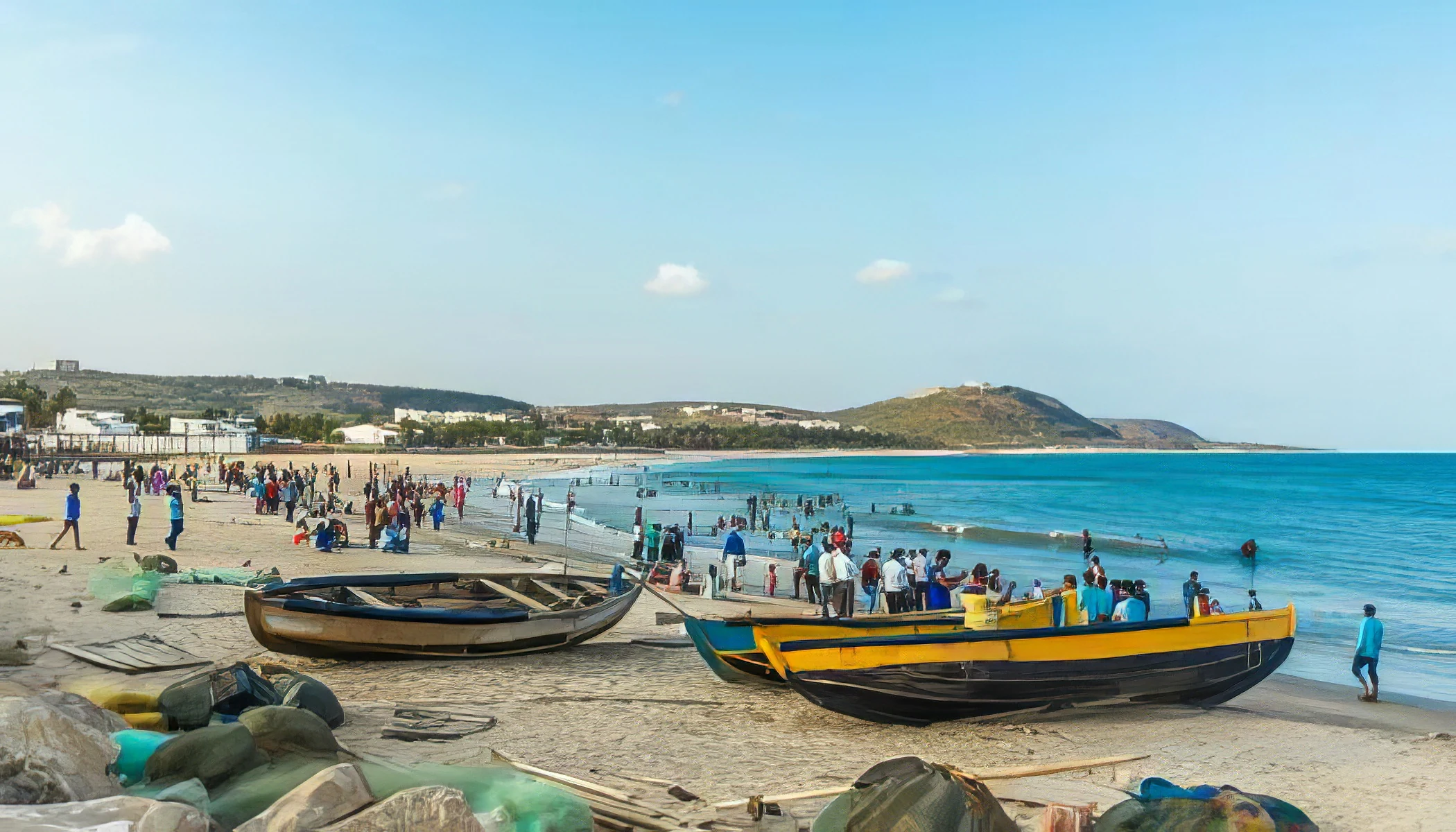
Here are some of the most visited beaches in India:
– Goa Beaches: Known for their lively atmosphere, water sports, and beach shacks.
– Marina Beach: A popular urban beach in the city of Chennai.
– Kovalam Beach: Famous for its lighthouse, palm groves, and Ayurvedic treatments in Kerala.
– Radhanagar Beach: Recognized for its white sands and clear waters on Havelock Island, Andaman.
– Varkala Beach: Noted for its cliffside views and natural springs in Kerala.
– Gokarna Beaches: Renowned for their carefree environment and religious significance in Karnataka.
– Juhu Beach: A bustling beach in Mumbai, known for its food stalls and sunset views.
Outdoor activities
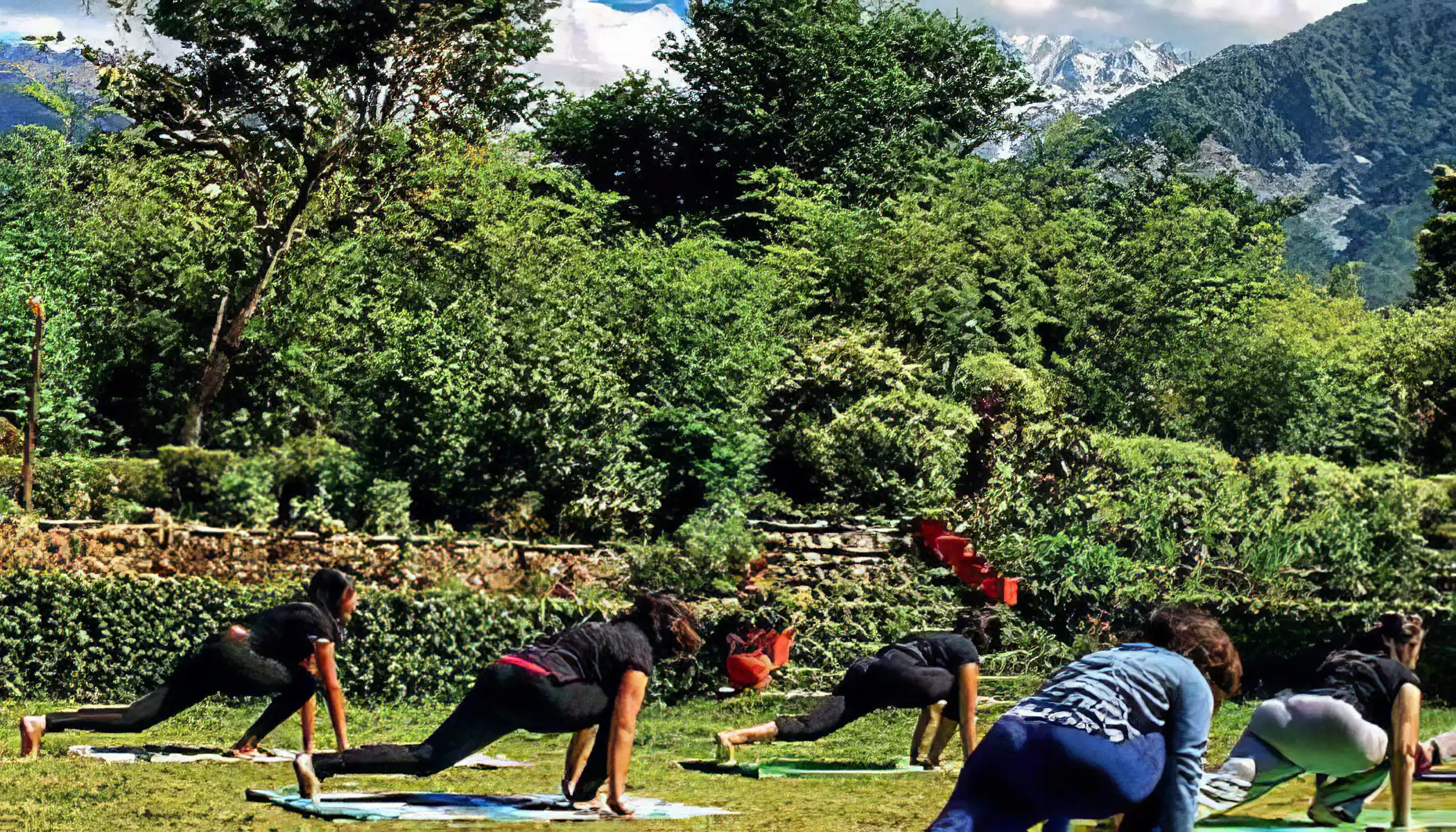
India offers a plethora of outdoor experiences that cater to the adventurous spirit:
– Trekking in the Himalayas: Experience the majestic snow-capped peaks and peaceful landscapes.
– Wildlife Safari in Ranthambore: Spot tigers and other wildlife in their natural habitat.
– Camel Safari in Rajasthan: Traverse the Thar Desert on a traditional camel ride.
– River Rafting in Rishikesh: Navigate the rapids of the Ganges River.
– Houseboat Cruise in Kerala: Explore the quiet backwaters and dense greenery.
– Snorkeling in Andaman: Discover energetic coral reefs and diverse marine life.
– Cycling in Ladakh: Take on the challenging terrain amidst fascinating mountainous landscapes.
Kid Friendly
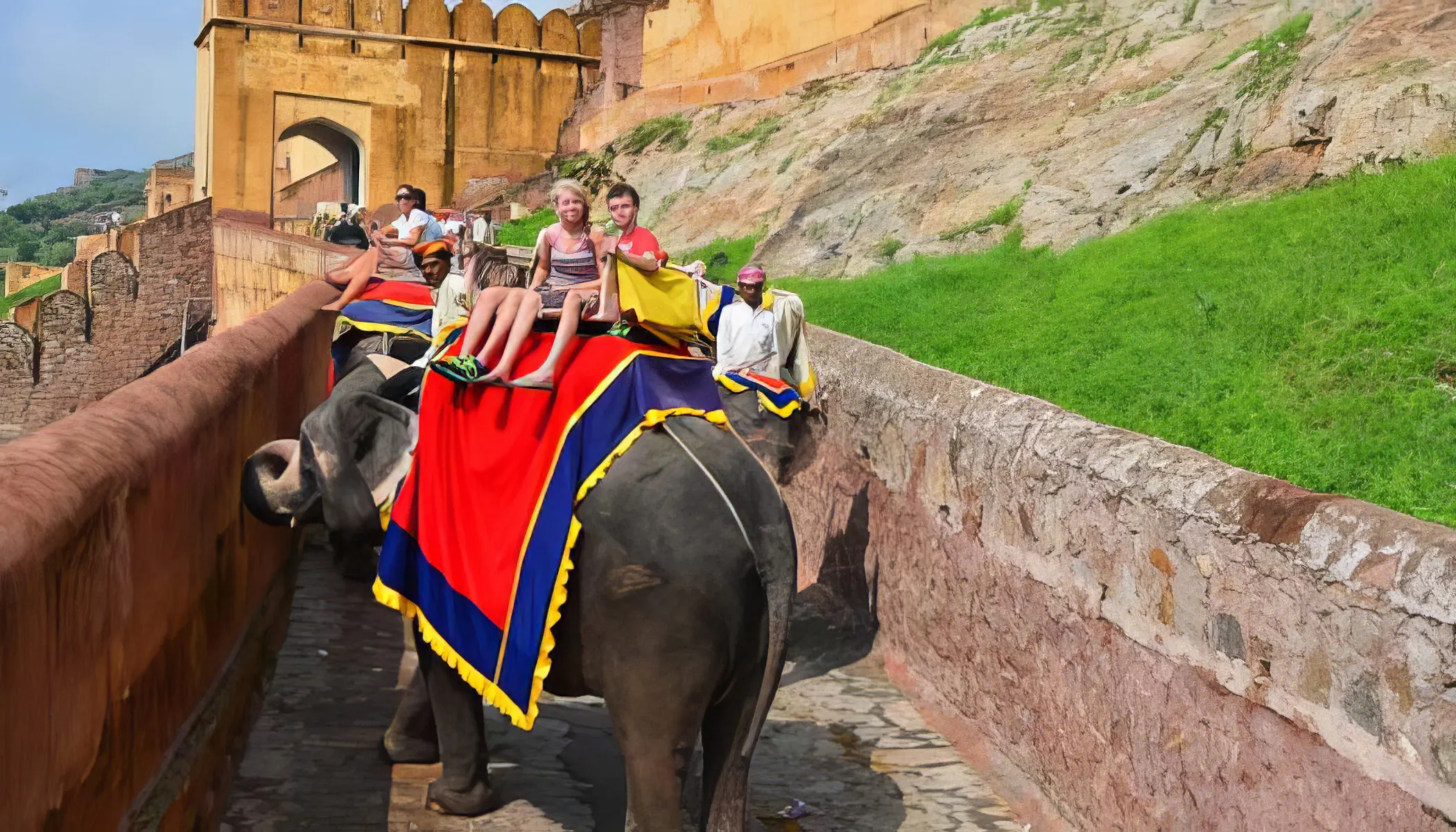
India offers a variety of activities that are enjoyable for children:
– Red Fort: A historic fort in Delhi that offers a sound and light show.
– Elefantastic: An elephant farm in Jaipur where kids can interact with elephants.
– Science City: A science-themed park in Kolkata with interactive exhibits.
– Essel World: A large amusement park in Mumbai with a variety of rides.
– Jim Corbett National Park: A wildlife park where kids can spot tigers and other animals.
– Jantar Mantar: An astronomical observatory in Jaipur that fascinates kids.
– Nicco Park: An amusement park in Kolkata with a variety of kid-friendly rides and attractions.
– Qutub Minar: A historic monument in Delhi that offers a glimpse into India's past.
Cuisine
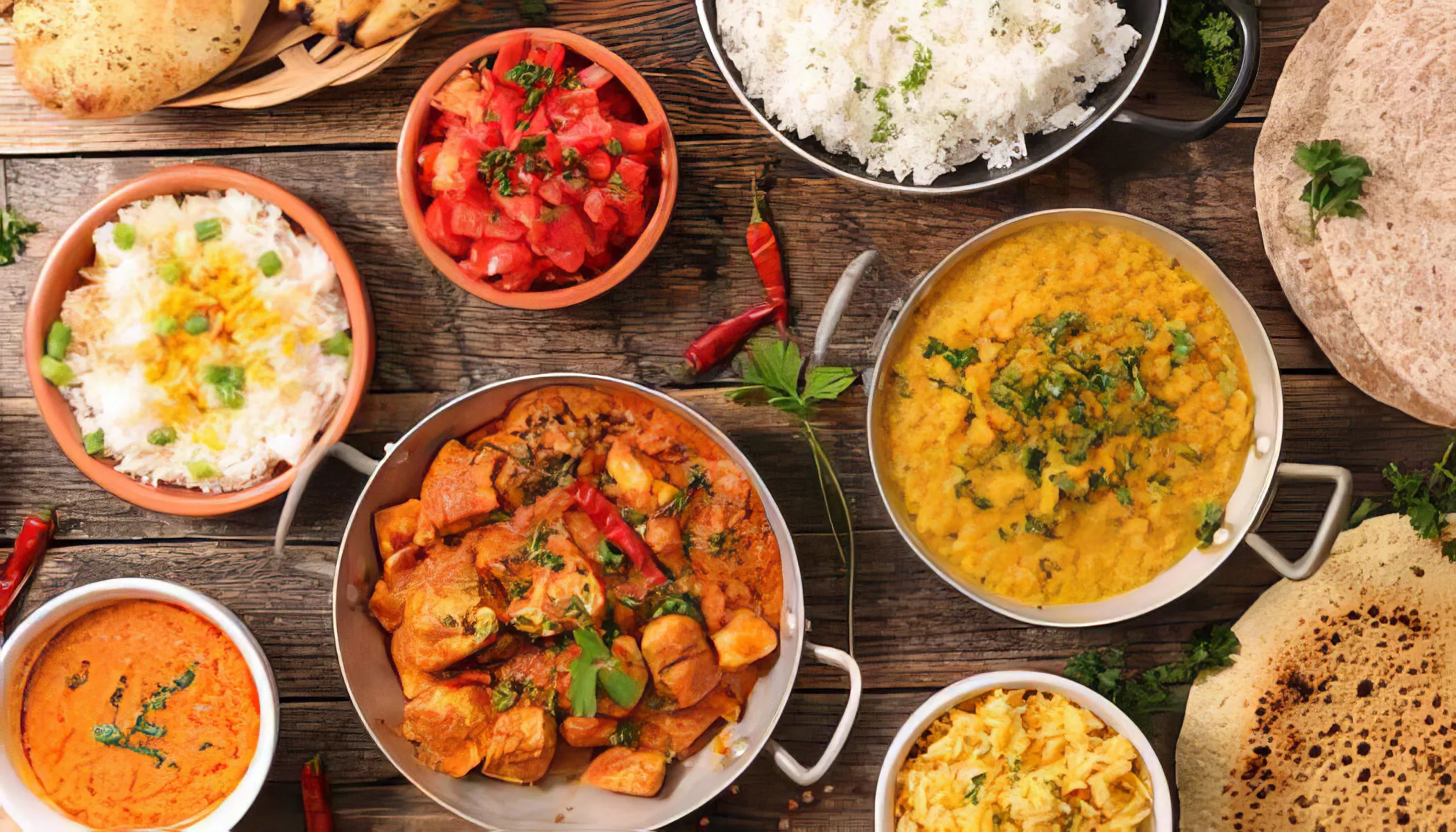
Indian cuisine is characterized by its bold, complex flavors and an array of spices. It varies greatly across regions, reflecting the country's diverse cultures and traditions. Street food is also a significant part of the culinary scene.
– Biryani: A fragrant rice dish cooked with spices and meat, often chicken or mutton.
– Butter Chicken: Tender chicken pieces cooked in a creamy tomato-based sauce.
– Samosa: Fried or baked pastry with a savory filling, such as spiced potatoes, onions, peas, or lentils.
– Masala Dosa: Thin, crispy pancake made from fermented batter, filled with spiced potatoes.
– Gulab Jamun: Sweet dessert consisting of deep-fried dough balls soaked in a sugar syrup.
– Jalebi: Spiral-shaped dessert made by deep-frying a wheat flour batter and soaking it in sugar syrup.
Souvenir
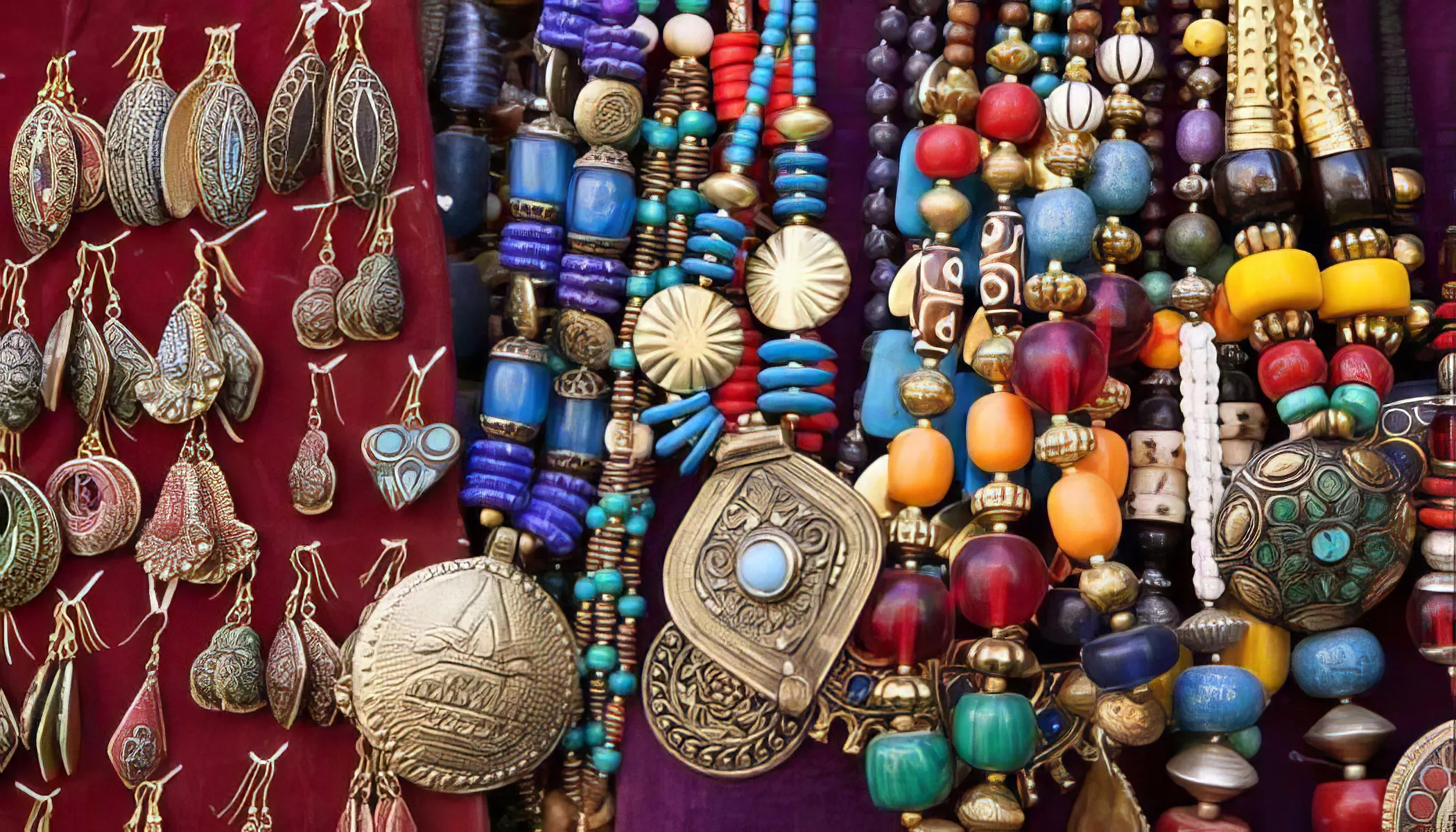
India is a country rich in culture and tradition, which is reflected in its wide range of unique souvenirs. Here are some popular items to consider:
– Sarees: Traditional Indian clothing, available in a variety of colors and fabrics.
– Spices: India is famous for its spices, which are used in many traditional dishes.
– Tea: Darjeeling and Assam teas are popular souvenirs from India.
– Jewelry: Indian jewelry, especially pieces made of silver and semi-precious stones, is highly sought after.
– Handicrafts: Handmade items such as pottery, woodwork, and textiles are common souvenirs.
– Pashmina Shawls: These high-quality woolen shawls are a luxury item in India.
– Sandalwood Carvings: Refined carvings made from fragrant sandalwood are a unique souvenir.
Traditional Shows
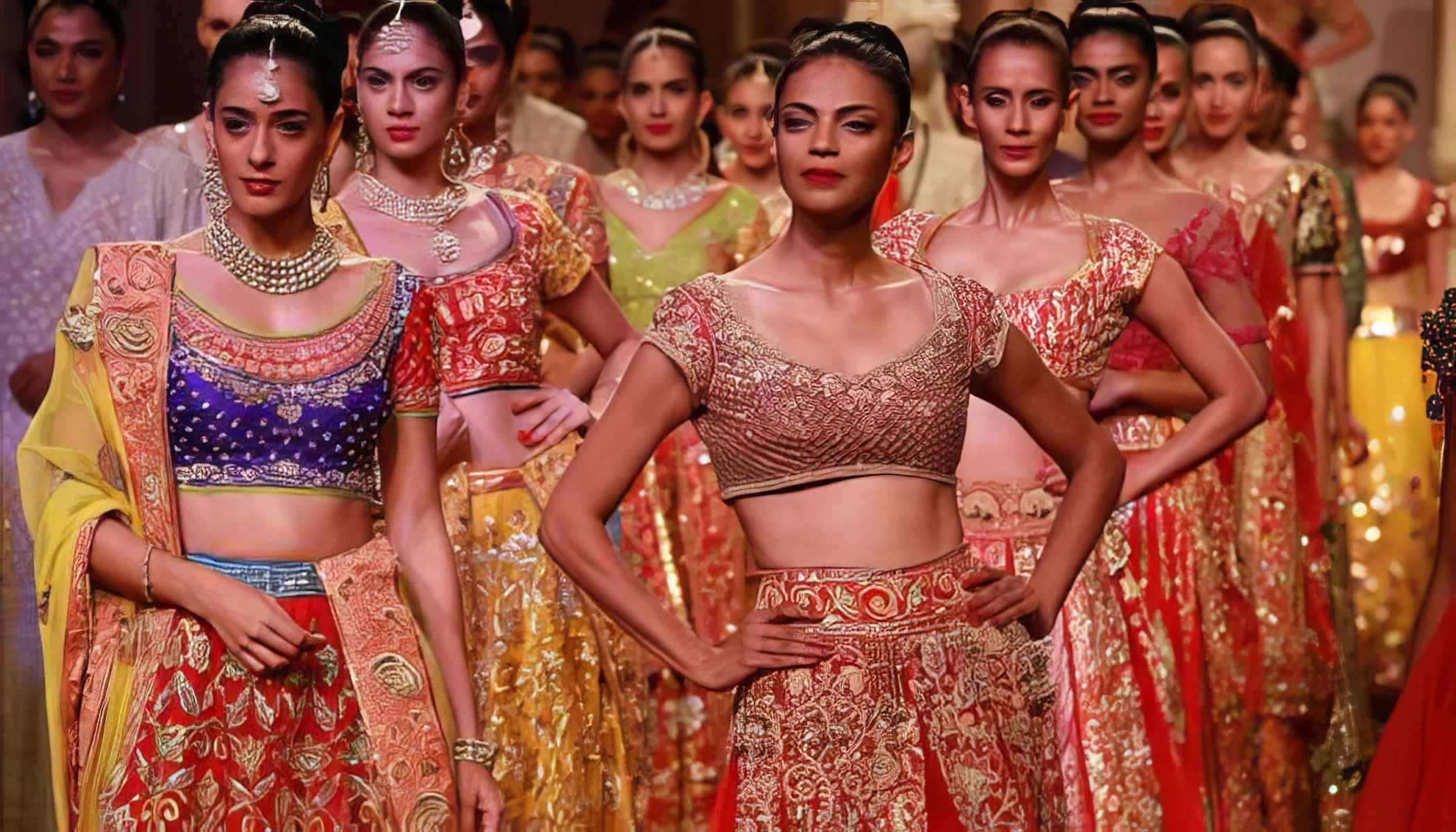
India is renowned for its rich cultural heritage and traditional art performances:
– Kathakali: Witness this dramatic dance form that combines music, dance, and storytelling in Kerala, showcasing Indian mythology.
– Bharatanatyam: Experience this classical dance form, known for its grace and precision, performed in Tamil Nadu.
– Dhrupad Music: Listen to this oldest form of Hindustani classical music, performed in Varanasi, reflecting the spiritual depth of Indian culture.
– Sattriya Dance: Discover this dance drama from Assam, which combines music, dance, and storytelling, based on Hindu epics.
– Rajasthani Folk Music: Enjoy the lively and energetic folk music and dance performances in Rajasthan, reflecting the region's rich cultural heritage.
Events & Festivals
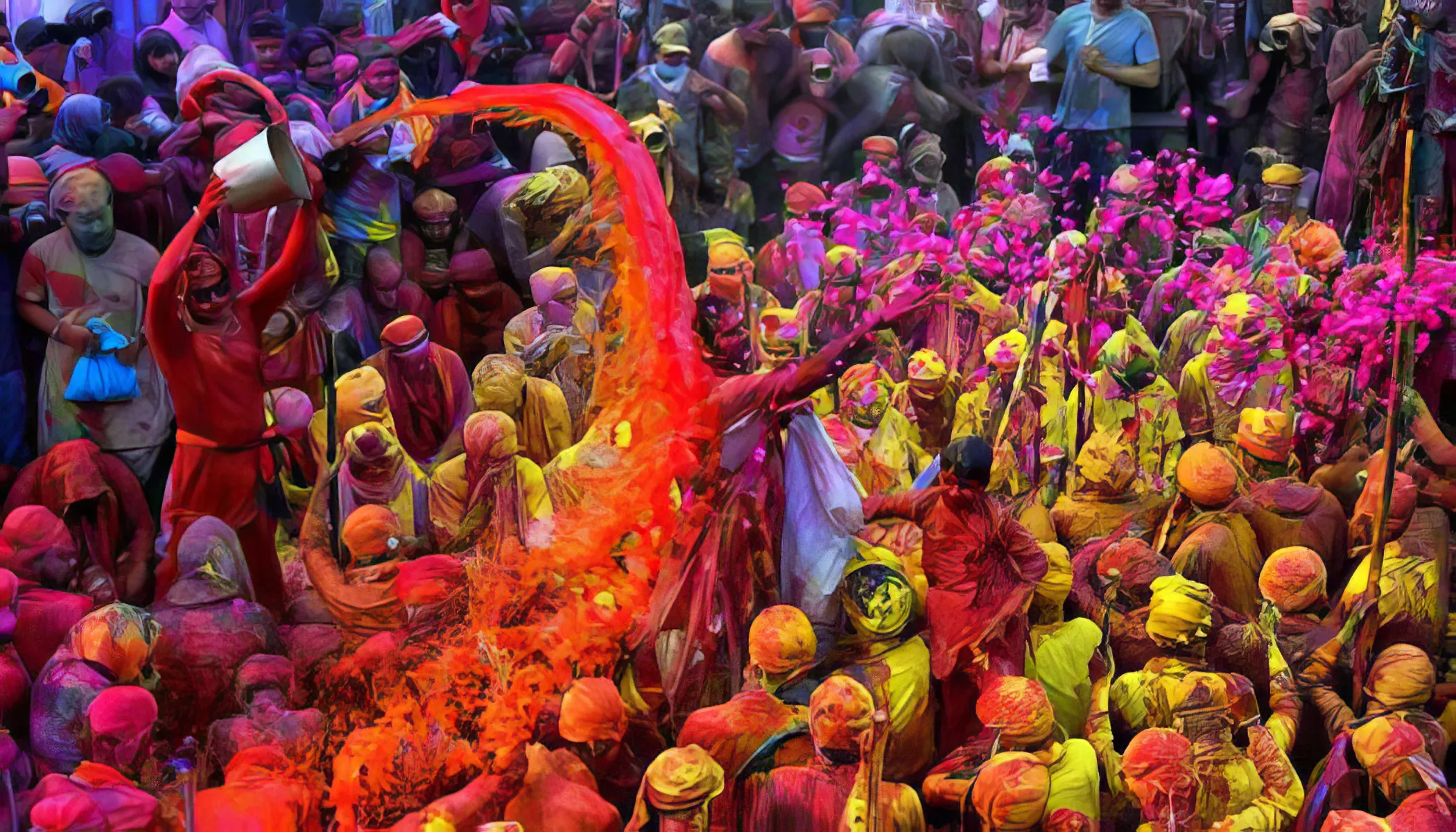
India, a country rich in culture and traditions, hosts numerous festivals and events throughout the year:
– Republic Day: Celebrated on January 26, it marks the day when India's constitution came into effect.
– Holi: A nice festival in March, where people throw colored powders at each other to celebrate the arrival of spring.
– Navaratri/Durga Puja: A nine-night festival in October, dedicated to the goddess Durga.
– Diwali: Known as the festival of lights, it is celebrated in October/November, marking the victory of light over darkness.
– Eid-ul-Fitr: Celebrated after Ramadan, the Islamic holy month of fasting, usually in May/June.
– Raksha Bandhan: A festival in August, celebrating the bond between brothers and sisters.
– Christmas: Celebrated on December 25, marking the birth of Jesus Christ.
Famous People
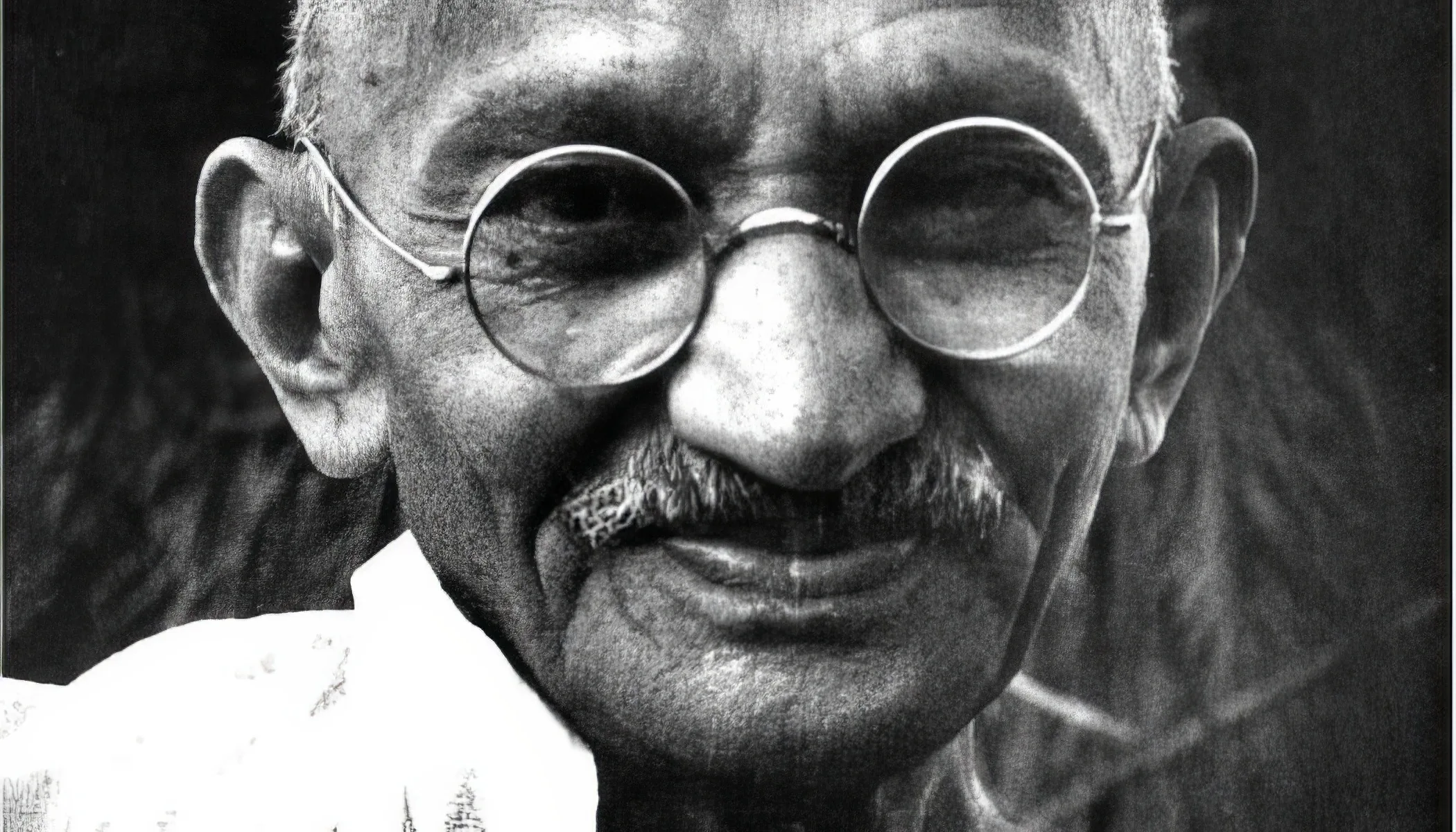
India, with its rich history and diverse culture, has given birth to many notable figures in various fields.
– Mahatma Gandhi (1869 to 1948, Porbandar): Leader of Indian nationalism, known for nonviolent resistance and leading India to independence.
– Rabindranath Tagore (1861 to 1941, Kolkata): Poet, philosopher, and artist, first non-European Nobel laureate in Literature.
– A. P. J. Abdul Kalam (1931 to 2015, Rameswaram): Scientist and statesman, known as the Missile Man of India and 11th President.
– Sachin Tendulkar (born 1973, Mumbai): One of the greatest cricketers of all time, holds numerous cricketing records.
– Amitabh Bachchan (born 1942, Allahabad): Renowned actor in Indian cinema, known for his roles in Bollywood's golden age.
Books
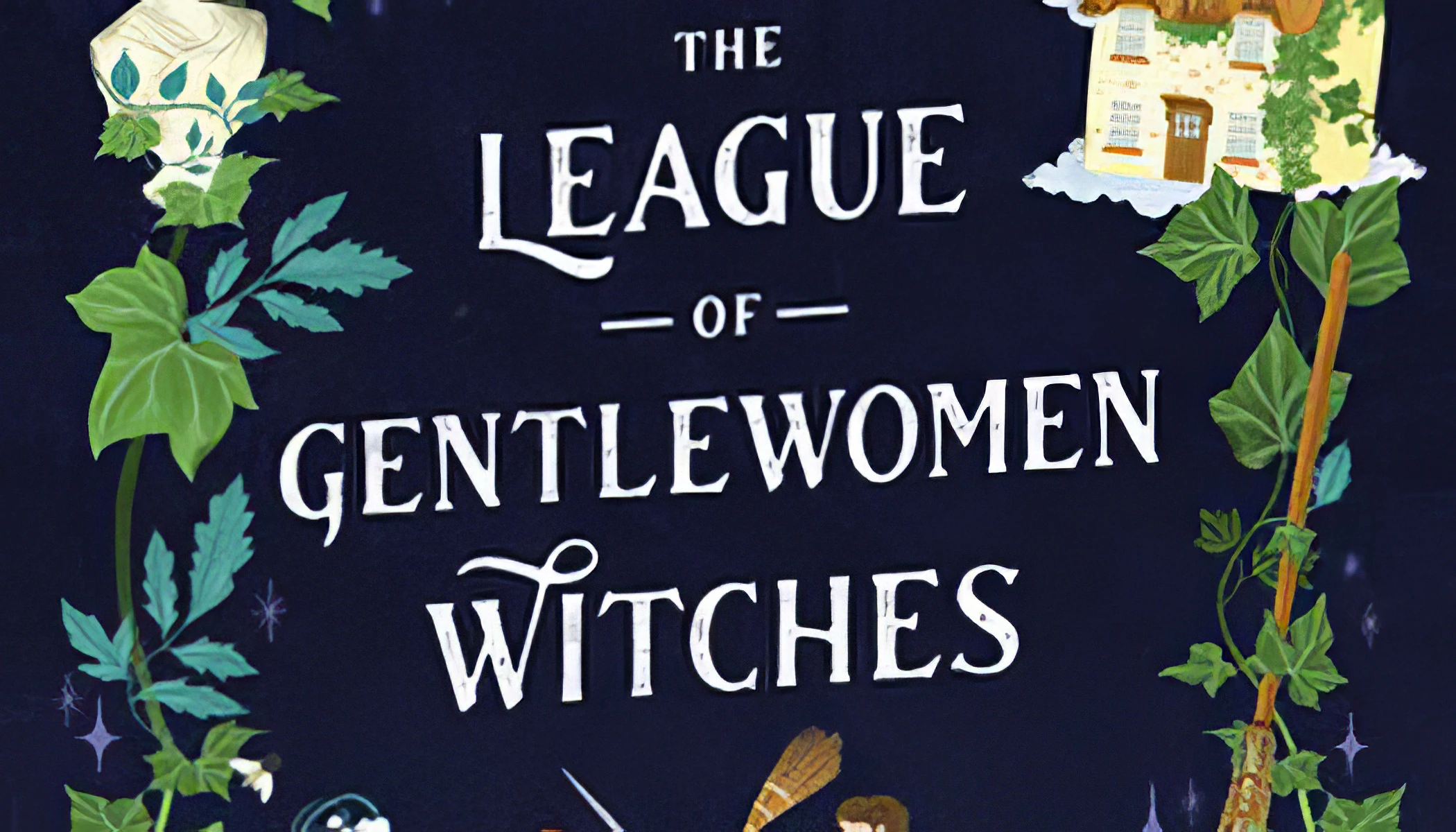
These books provide a rich tapestry of Indian life, culture, history, and societal changes.
– "Midnight's Children" by Salman Rushdie: A magical realist novel set against India's transition from British colonialism to independence.
– "The God of Small Things" by Arundhati Roy: A family saga set in Kerala, exploring India's caste system.
– "A Suitable Boy" by Vikram Seth: A panoramic view of post-independence India through the story of a young woman's search for love and identity.
– "The White Tiger" by Aravind Adiga: A darkly humorous perspective on India's class struggle in a globalized world.
– "Train to Pakistan" by Khushwant Singh: A heart-wrenching tale of the India-Pakistan partition.
Songs

Indian music is a rich tapestry of diverse styles, from classical ragas to Bollywood hits. Here are some of the most famous songs from Indian singers or about India.
– Tum Hi Ho: A romantic ballad from the Bollywood film "Aashiqui 2."
– Jai Ho: An Oscar-winning song from the film "Slumdog Millionaire."
– Maa Tujhe Salaam: A patriotic song by A.R. Rahman, celebrating India.
– Chaiyya Chaiyya: A popular Bollywood song from the film "Dil Se."
– Kabhi Kabhi Mere Dil Mein: A classic love song from the film "Kabhi Kabhie."
– Dheere Dheere Se: A hit song from the film "Aashiqui," known for its melodious tune.
Films
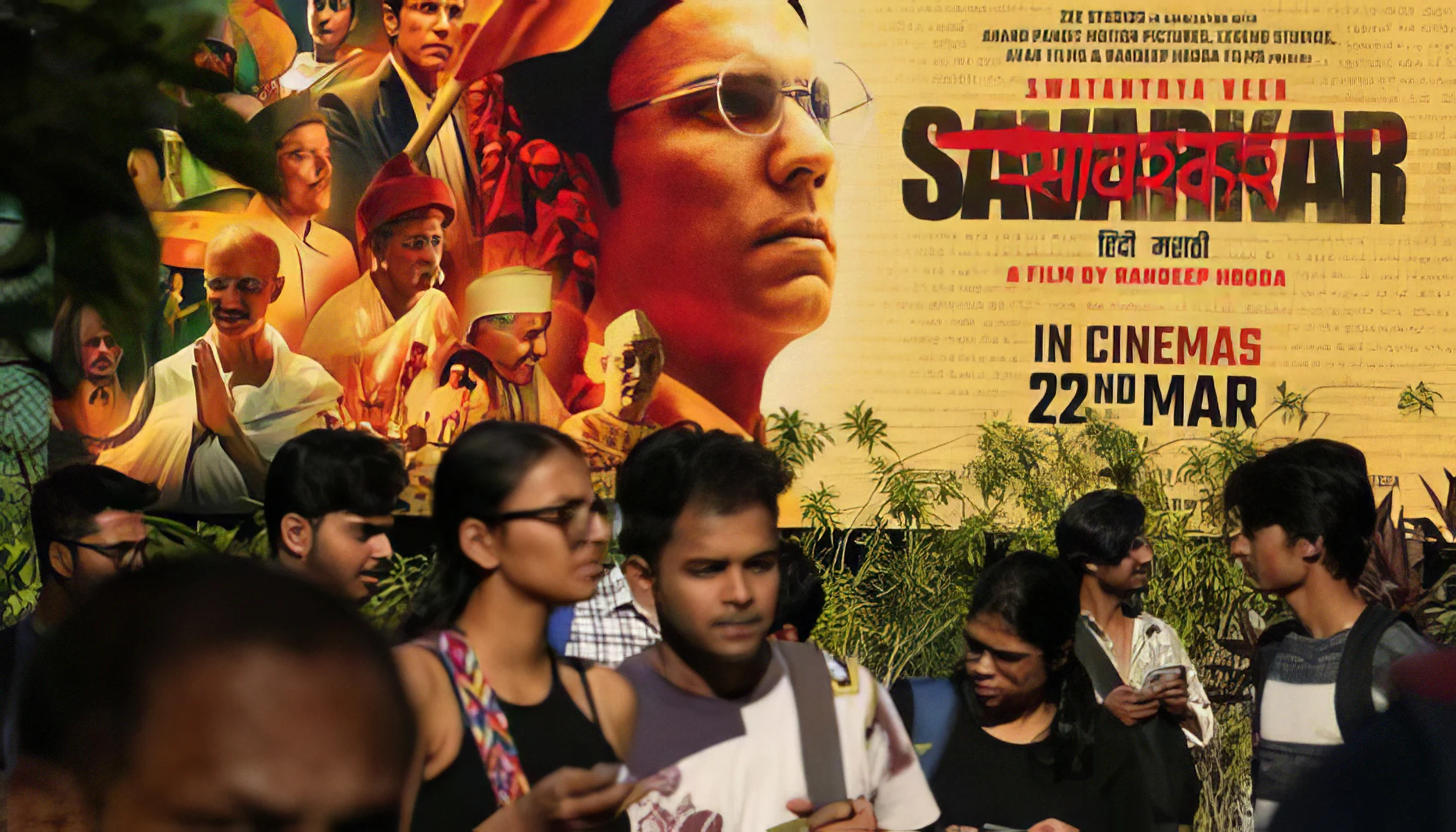
India's rich culture and history have inspired many memorable films. Here are five of the most famous:
– "Sholay": Directed by Ramesh Sippy, this is a classic Indian action-adventure film set in the backdrop of a small village.
– "Lagaan": Directed by Ashutosh Gowariker, it's a story about villagers who challenge British rulers to a game of cricket to waive off their taxes.
– "Mughal-e-Azam": Directed by K. Asif, it's a historical drama about a Mughal prince's love for a court dancer.
– "Mother India": Directed by Mehboob Khan, it's a tale of a woman's struggle to raise her children and survive against all odds.
– "Dilwale Dulhania Le Jayenge": Directed by Aditya Chopra, it's a romantic drama about a young couple's fight for love against their families' traditions.