

Explore Spain: Culture, Cities & Places to Visit
Located in southwestern Europe, this country is known for its diverse culture, beautiful festivals, and historic architecture. It boasts beautiful coastlines, mountain ranges, and cities like Barcelona and Madrid. Its cuisine, including tapas and paella, is globally renowned.
- Capital
- Madrid
- Population
- 46.6 millions
- Superficy
- 505000 sq.km
- Months to Visit
- May, June, Sept., and Oct.
- Living Cost
- Moderate
Overview
Spain, located in Southwestern Europe, is known for its diverse landscapes, rich history, and dynamic culture. Its capital, Madrid, is home to the Royal Palace and the Prado Museum, showcasing European art. Other major cities include Barcelona, famous for its modernist landmarks like the Sagrada Familia. Spain's varied geography ranges from the sandy beaches of Costa del Sol to the snow-capped Pyrenees mountains. The country is also famous for its culinary traditions, including tapas and paella. Spain's cultural heritage, combined with its warm climate and diverse landscapes, make it a popular destination for tourists.
Pros & Cons
GOOD REASONS TO VISIT SPAIN
– Diverse Landscapes: From sunny beaches to snow-capped mountains, Spain offers a variety of natural beauty.
– Rich History and Culture: Explore ancient Roman ruins, Moorish palaces, and energetic local festivals.
– Delicious Cuisine: Taste world-renowned dishes like paella, tapas, and churros in their country of origin.
– Artistic Heritage: Visit museums housing works by famous Spanish artists like Picasso, Dali, and Goya.
– Pleasant Climate: Spain generally has a warm, sunny climate, making it a great year-round destination. CHALLENGES WHEN VISITING SPAIN
– Crowded Tourist Spots: Popular sites like Barcelona's Sagrada Familia and Madrid's Prado Museum can get very crowded.
– Late Dining Times: Spaniards typically eat dinner late, which might not suit everyone's schedule.
– Summer Heat: Southern Spain can get extremely hot in the summer, which may be uncomfortable for some.
Before Departure
Before setting off on your Spanish adventure, there are several key points to consider:
– Passport: Ensure your passport is valid for at least three months beyond your planned departure date.
– Visa: Non-EU tourists staying less than 90 days do not need a visa. For longer stays, apply for a tourist visa in advance.
– Currency: Euro (€) is the local currency. Credit cards are widely accepted and ATMs are readily available.
– Internet access: WiFi is widely available in hotels, cafes, and public spaces. Prepaid SIM cards for data are easily accessible.
– Language barrier: Spanish is the official language. English is commonly spoken in tourist areas, while French and German are less common.
What to Pack
When packing for a trip to Spain, it's important to consider the country's diverse climates, cultural norms, and the activities you plan to engage in.
– Essentials: Passport and visa (if required), Travel insurance details, Flight tickets and itinerary, Accommodation reservations.
– Clothing: Comfortable walking shoes, lightweight clothing for summer, warmer layers for winter, swimwear (for beach areas), hat and sunglasses for sun protection.
– Health and Safety: Prescription medications and a basic first aid kit, sunscreen with high SPF, personal hygiene items.
– Electronics: Travel adapter for Spanish outlets, mobile phone, camera, portable charger.
Weather
Spain's weather varies by region but generally has hot summers and mild winters:
– Winter (December to February): Mild in the south, colder and wetter in the north.
– Spring (March to May): Generally warm with occasional rain, especially in the north.
– Summer (June to August): Hot throughout, especially in the south and central regions.
– Autumn (September to November): Warm and dry in the south, cooler and wetter in the north. The best time to visit Spain is during the spring (April to June) and fall (September and October). Reasons are:
– Pleasant weather with less crowds.
– Lower prices for accommodation and flights. However, these periods may coincide with local festivals, potentially leading to increased prices and crowded tourist spots.
Travel Budget
Spain is a country with a moderate cost of living. Here are some average costs for tourists:
– Hotel: 50$ to 200$
– Lunch: 10$ to 30$
– Beverage (in bar/restaurant): 3$ to 10$
– Coffee: 1.5$ to 3$
– Transportation: (train 15$ to 60$), (bus 2$ to 7$), (taxi /10km 10$ to 20$)
– Mobile data (per GB): 3$ to 10$
Language
Spanish is the official language of Spain and is widely spoken throughout the country. Here are some useful phrases for tourists:
– Hello: Hola
– Thank you: Gracias
– Please: Por favor
– How much is this?: ¿Cuánto cuesta esto?
– Excuse me: Perdón
– I don't understand: No entiendo
– Yes: Sí
– No: No
– Goodbye: Adiós
History
Spain's history begins with the Iberians and Celts, followed by Roman and Visigothic rule. In the 8th century, much of Spain came under Islamic Moorish rule, which lasted until the late 15th century when the Catholic Monarchs, Ferdinand and Isabella, completed the Reconquista. The Spanish Empire expanded greatly in the 16th and 17th centuries, becoming the most powerful nation in Europe and spreading its influence globally. The 19th and 20th centuries saw political instability, including a civil war from 1936 to 1939, leading to a dictatorship under Francisco Franco until 1975. After Franco's death, Spain transitioned to a democratic constitutional monarchy. Today, Spain is a developed country with the world's 14th largest economy.
Geopolitics
Spain is a parliamentary constitutional monarchy located in Southwestern Europe, bordering Portugal to the west and France to the northeast, with coastlines along the Atlantic Ocean and the Mediterranean Sea. It also has territorial disputes over Gibraltar with the UK and has two autonomous cities in North Africa. Spain is a member of the United Nations, European Union, NATO, and other international organizations. Its geopolitical influence is largely tied to its role within the EU, where it is the fourth largest economy. Spain's foreign policy focuses on strengthening European integration, promoting peace and security, and fostering relations with Latin America and the Mediterranean region.
Sample Itinerary
This itinerary offers a blend of Spain's pretty cities, historical landmarks, and beautiful coastal towns.
– 2 days in Madrid: Visit the Prado Museum, Royal Palace, and Retiro Park. Explore local markets and enjoy tapas.
– 2 days in Barcelona: Discover Gaudi's masterpieces like Sagrada Familia and Park Guell. Stroll along Las Ramblas and visit the Gothic Quarter.
– 1 day in Valencia: Explore the City of Arts and Sciences, the old town, and enjoy paella.
– 1 day in Seville: Visit the Alcazar, Seville Cathedral, and Plaza de España. Experience flamenco.
– 1 day in Granada: Explore The Alhambra, Generalife Gardens, and the Albayzín district.
– 1 day in Cordoba: Visit the Mezquita, Alcazar De Los Reyes Cristianos, and stroll through the Jewish Quarter.
Popular cities
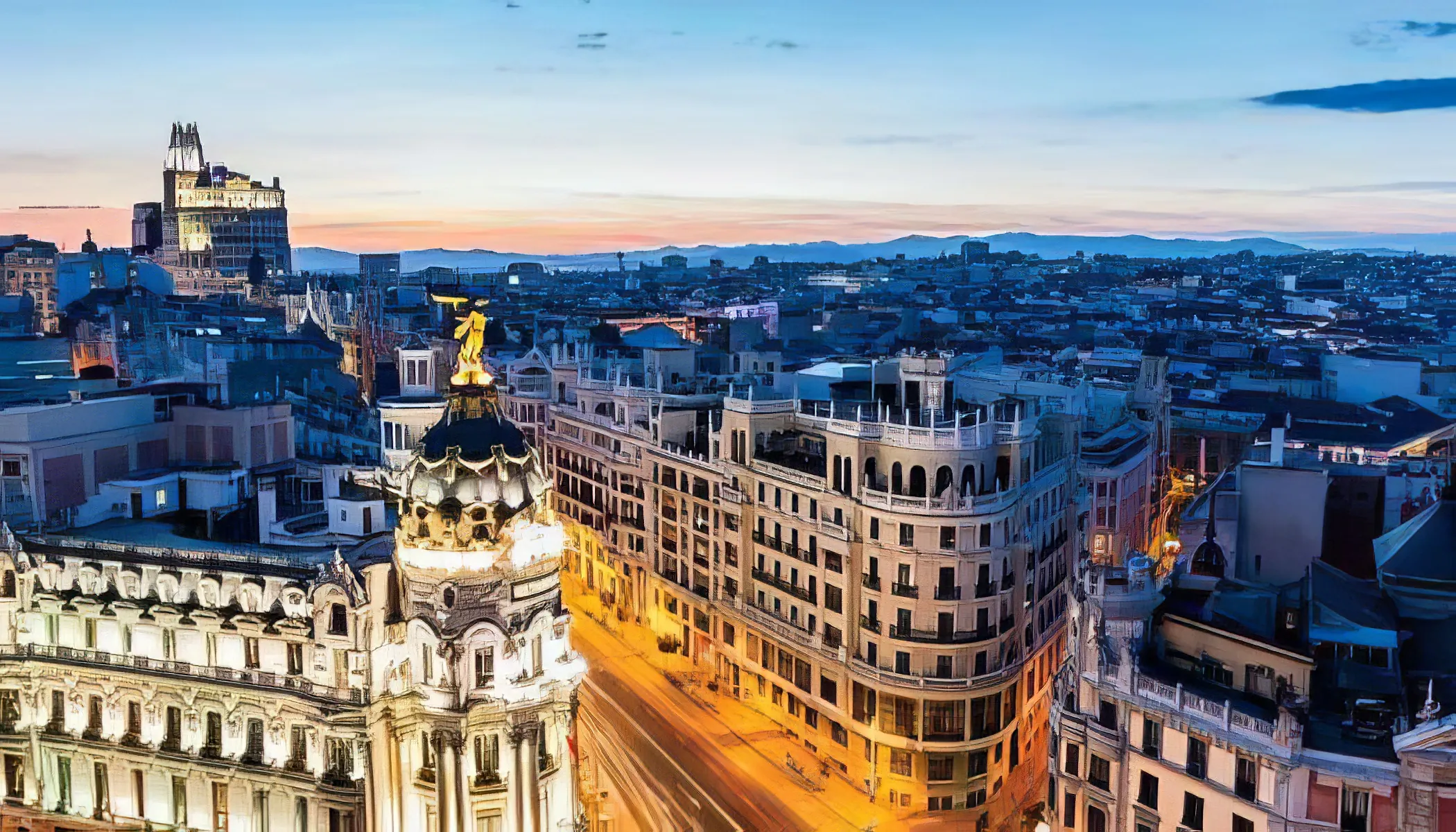
Spain offers a diverse range of cities, each with its unique charm and attractions:
– Madrid: The capital city, known for its art museums, royal palace, and nice nightlife.
– Barcelona: Famous for its unique architecture, particularly the works of Antoni Gaudí, and its beach.
– Seville: Known for its flamenco dancing, Gothic cathedral, and the Alcazar castle.
– Valencia: Offers a mix of futuristic structures, a charming old town, and a beautiful beach.
– Granada: Home to the beautiful Alhambra Palace and the historic Albaicín district.
– Bilbao: Known for the Guggenheim Museum, modern architecture, and Basque culture.
– Cordoba: Famous for the Mezquita, a mosque-cathedral, and its charming old town.
Monuments
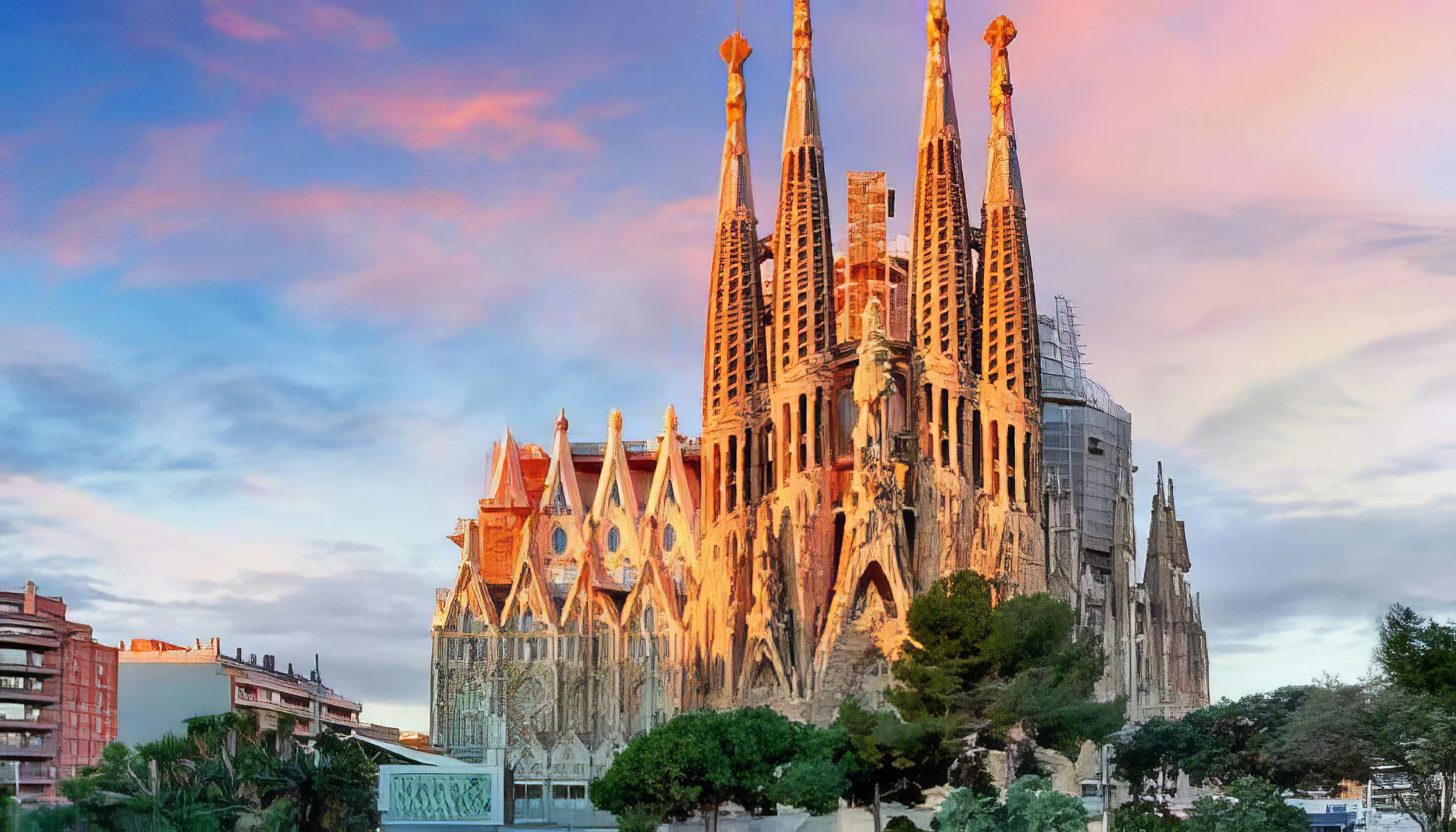
Spain is home to a variety of historical monuments and architectural wonders:
– Alhambra, Granada: A Moorish palace-fortress showcasing Islamic architecture and beautiful gardens.
– Sagrada Familia, Barcelona: Antoni Gaudi's unfinished masterpiece, a unique blend of Gothic and Art Nouveau styles.
– The Great Mosque of Cordoba: A fascinating example of Moorish architecture, originally a mosque, now a cathedral.
– The Royal Palace, Madrid: Spain's largest royal palace, known for its luxurious rooms and extensive art collection.
– The Guggenheim Museum, Bilbao: A modern and contemporary art museum, famous for its innovative design.
– The Aqueduct of Segovia: A well-preserved Roman aqueduct, a testament to ancient engineering.
– The Cathedral of Santiago de Compostela: The final destination of the Camino de Santiago pilgrimage route.
– The Alcazar of Seville: A royal palace with beautiful gardens, showcasing a mix of Christian and Moorish architecture.
Natural wonder
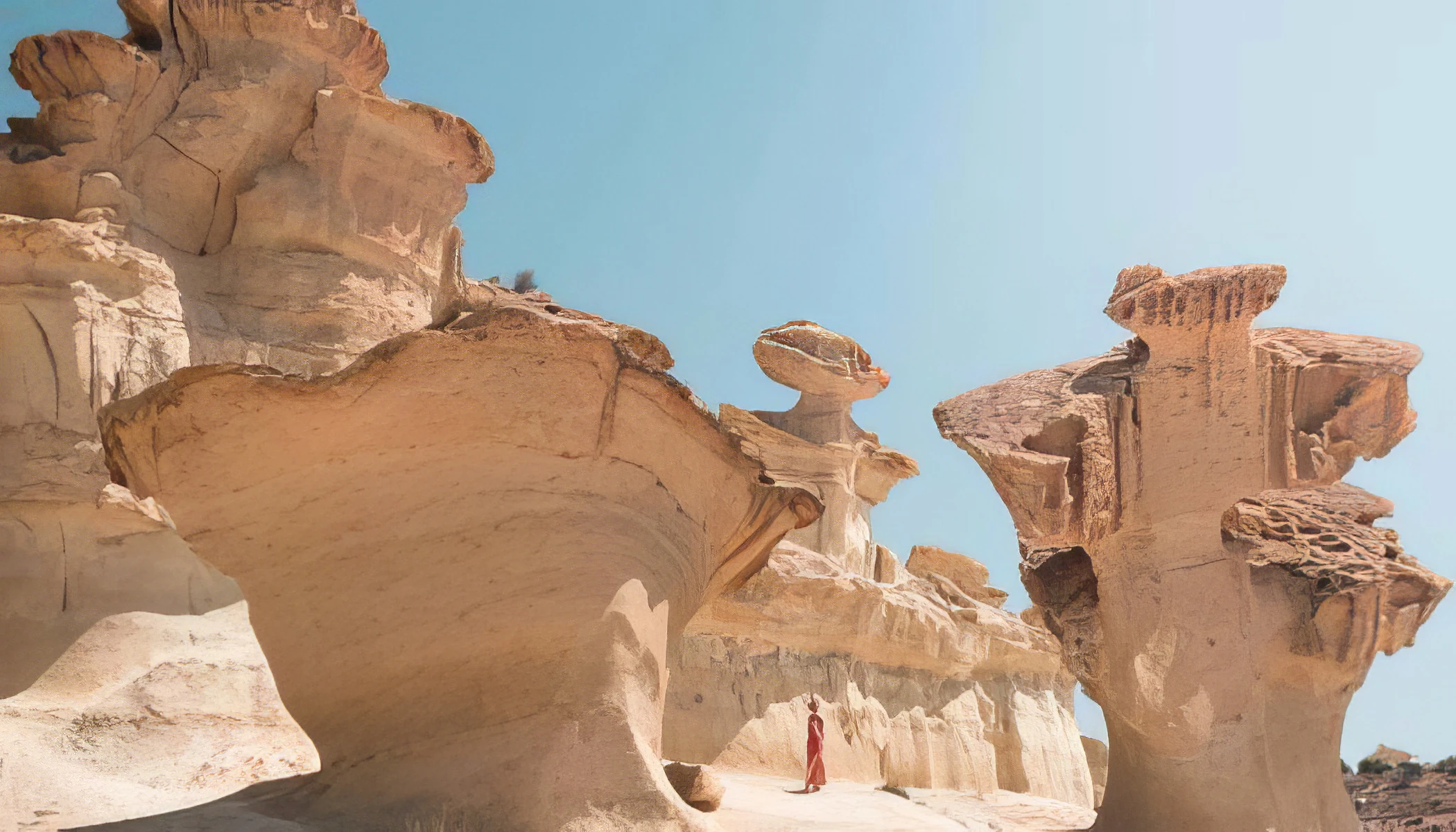
Explore the diverse natural beauty of Spain:
– Picos de Europa: A mountain range with deep gorges and dense forests.
– Timanfaya National Park: A volcanic landscape located in the Canary Islands.
– Doñana National Park: A wetland reserve with a diverse bird population.
– Sierra Nevada: A mountain range in Andalusia, home to Spain's highest peak.
– The Pyrenees: A mountain range on the border of Spain and France.
– Cabo de Gata-Níjar Natural Park: A coastal area with volcanic cliffs and coral reefs.
– Ordesa y Monte Perdido National Park: Known for its waterfalls, deep valleys and diverse wildlife.
– The Bardenas Reales: A semi-desert natural region with unique rock formations.
– Garajonay National Park: A laurel forest located in the Canary Islands.
– Caves of Drach: Four great caves that are one of the island of Mallorca's main tourist attractions.
Beaches
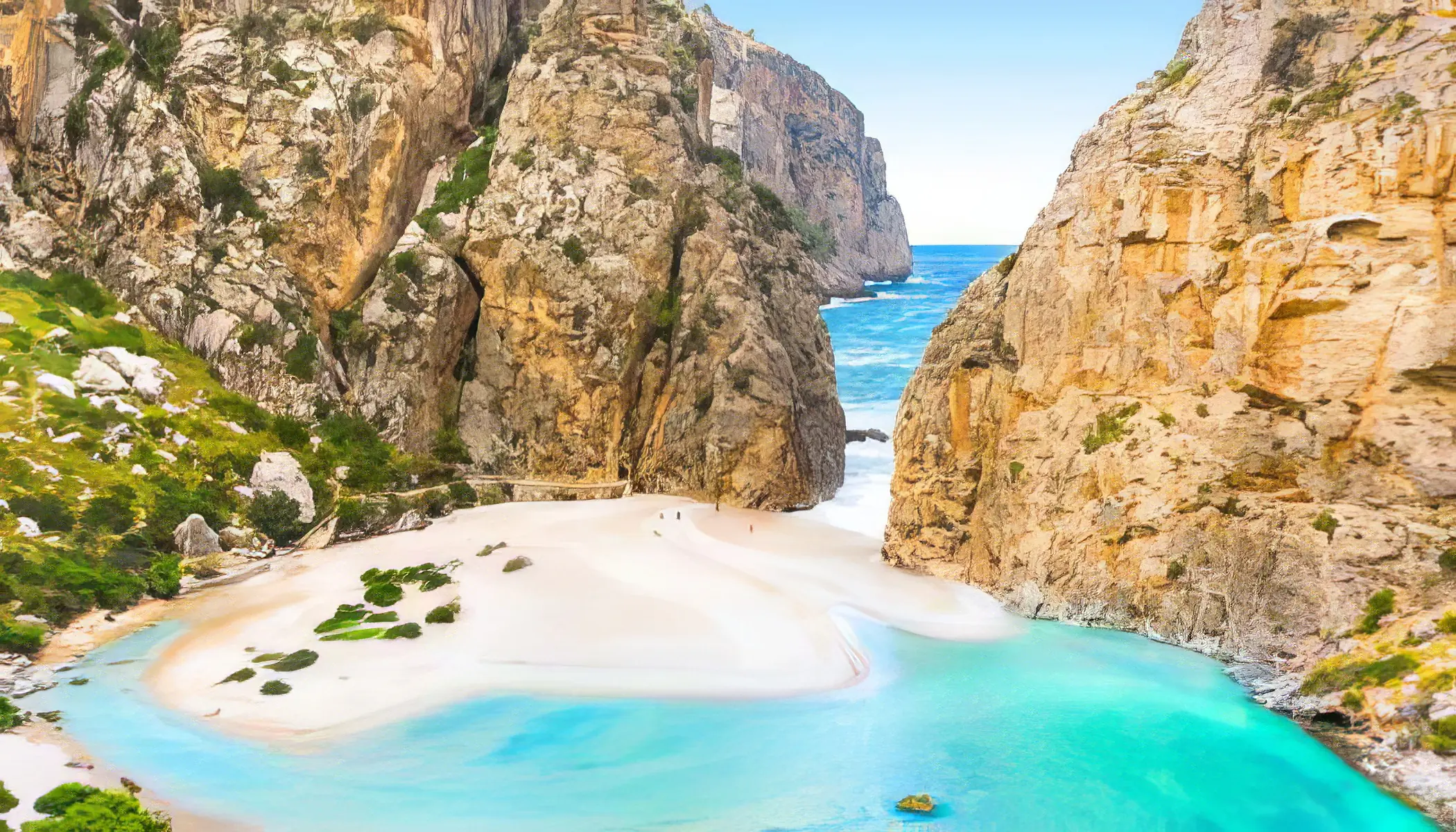
Here are some of the most visited beaches in Spain:
– La Concha Beach: Located in San Sebastian, known for its golden sand and calm waters.
– Playa De Ses Illetes: Famous for its clear waters and white sands on Formentera Island.
– Playa de Las Canteras: A popular urban beach in Las Palmas, Gran Canaria.
– Playa de Maspalomas: Known for its vast dunes and lighthouse in Gran Canaria.
– Playa de La Malagueta: A busy city beach located in Malaga.
– Playa de Bolonia: Notable for its white sand, clear water, and Roman ruins in Tarifa.
– Playa De Alcudia: A family-friendly beach with shallow waters in Mallorca.
Outdoor activities
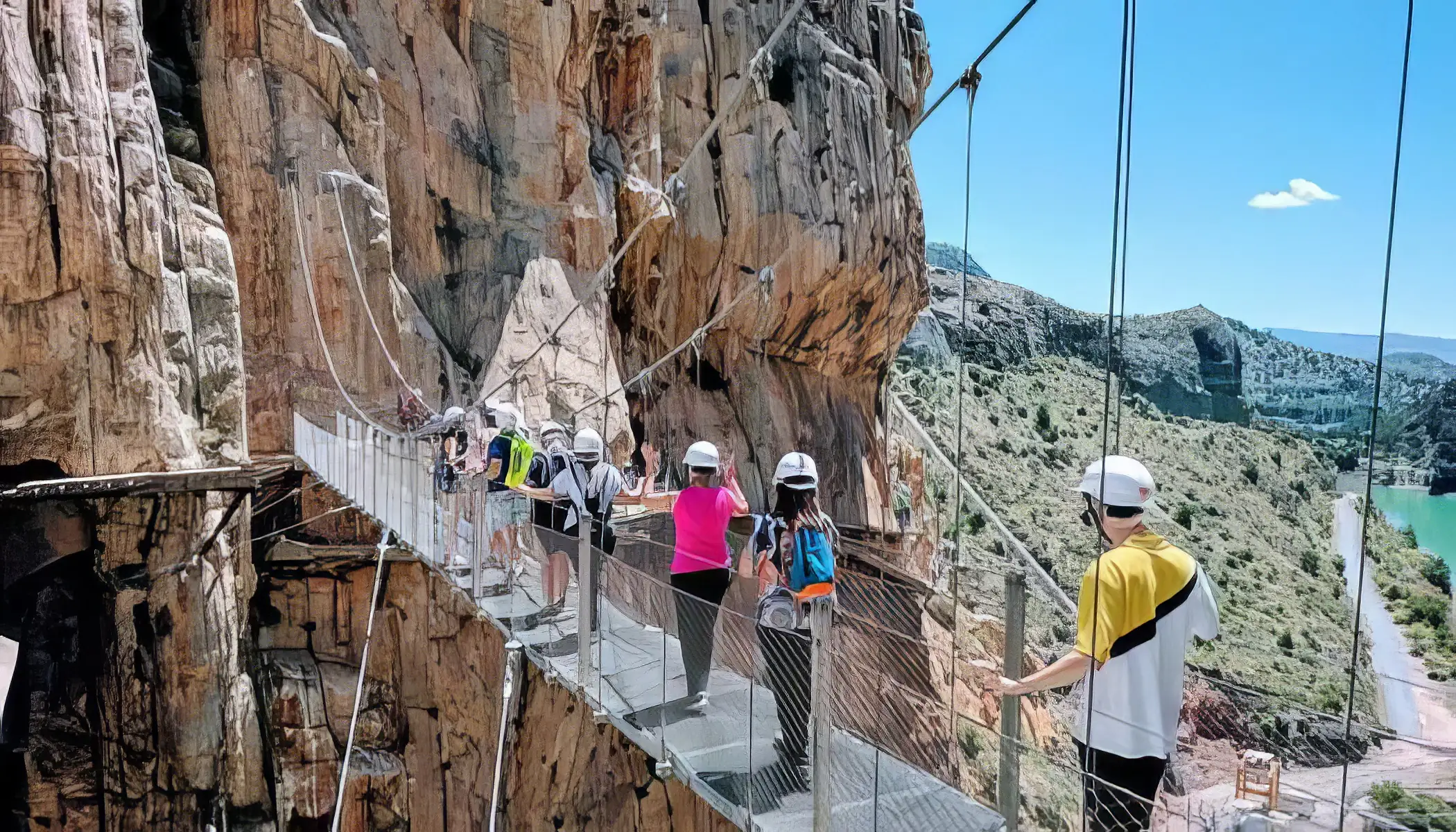
Spain offers a variety of outdoor experiences, from coastal adventures to mountainous explorations:
– Hiking in the Pyrenees: Traverse diverse landscapes and enjoy panoramic views.
– Cycling in Mallorca: Experience scenic coastal roads and challenging mountain climbs.
– Snorkeling in Costa Brava: Explore underwater marine life in clear Mediterranean waters.
– Kayaking in the Costa del Sol: Paddle along beautiful beaches and hidden coves.
– Hot Air Ballooning in Catalonia: Enjoy amazing views of the Spanish countryside.
– Sailing in Ibiza: Experience the crystal-clear waters and sensational coastline.
– Wildlife Watching in Donana National Park: Spot a variety of bird species and other wildlife.
Kid Friendly
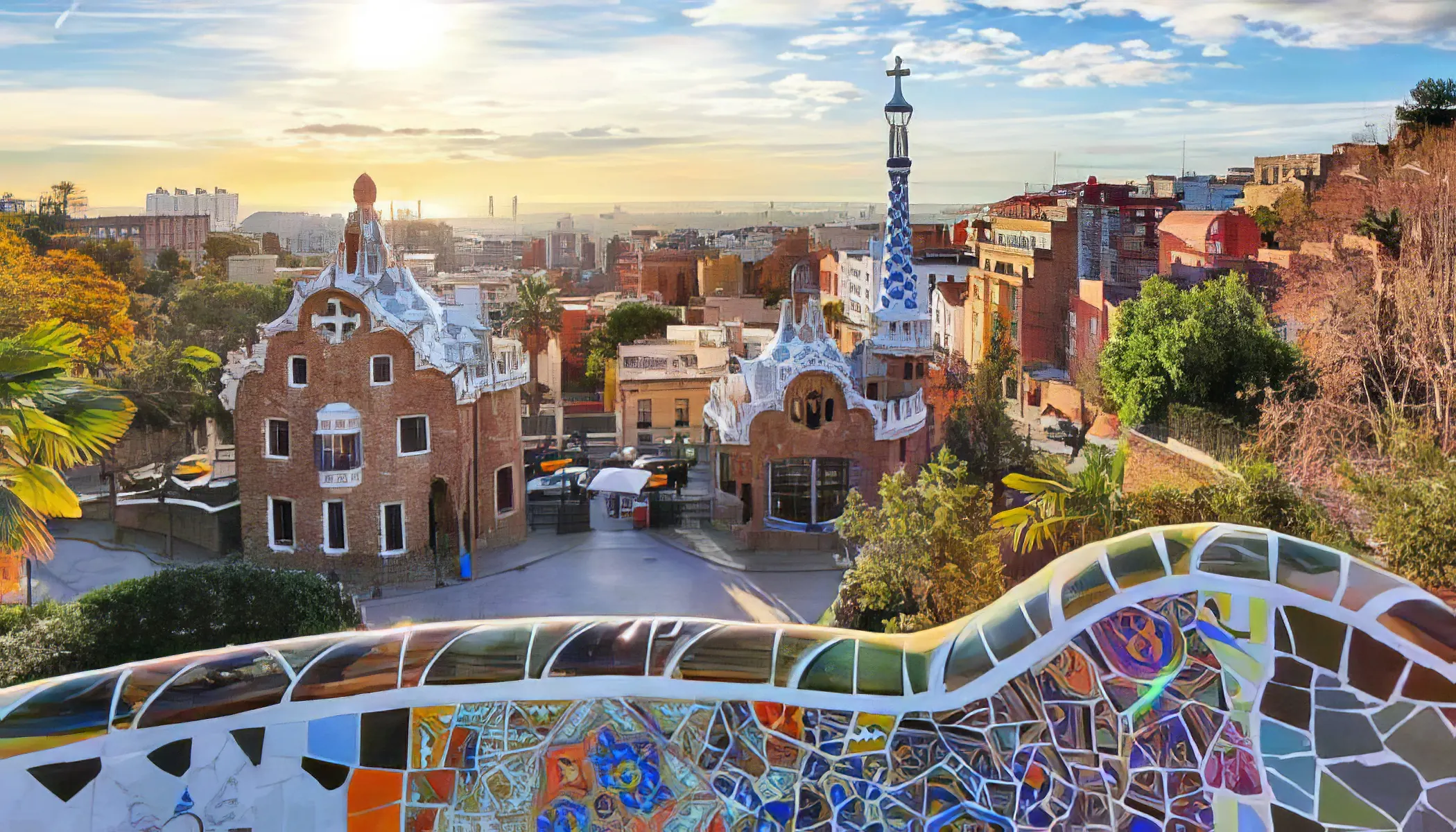
Spain offers a variety of activities that are perfect for children:
– Portaventura Park: A large theme park with rides and shows for all ages.
– Madrid Zoo Aquarium: A large zoo and aquarium with a variety of animals and marine life.
– Parque de Atracciones de Madrid: An amusement park with rides suitable for both young children and teenagers.
– Barcelona Aquarium: One of the largest aquariums in Europe, featuring a wide range of marine life.
– Museo de las Ciencias Principe Felipe: A science museum in Valencia with interactive exhibits.
– Parque Warner Madrid: A Warner Bros-themed park with rides and shows featuring famous characters.
– Siam Park: A Thai-themed water park in Tenerife with a variety of slides and pools.
– Bioparc Valencia: A zoo in Valencia that recreates natural habitats from Africa.
Cuisine
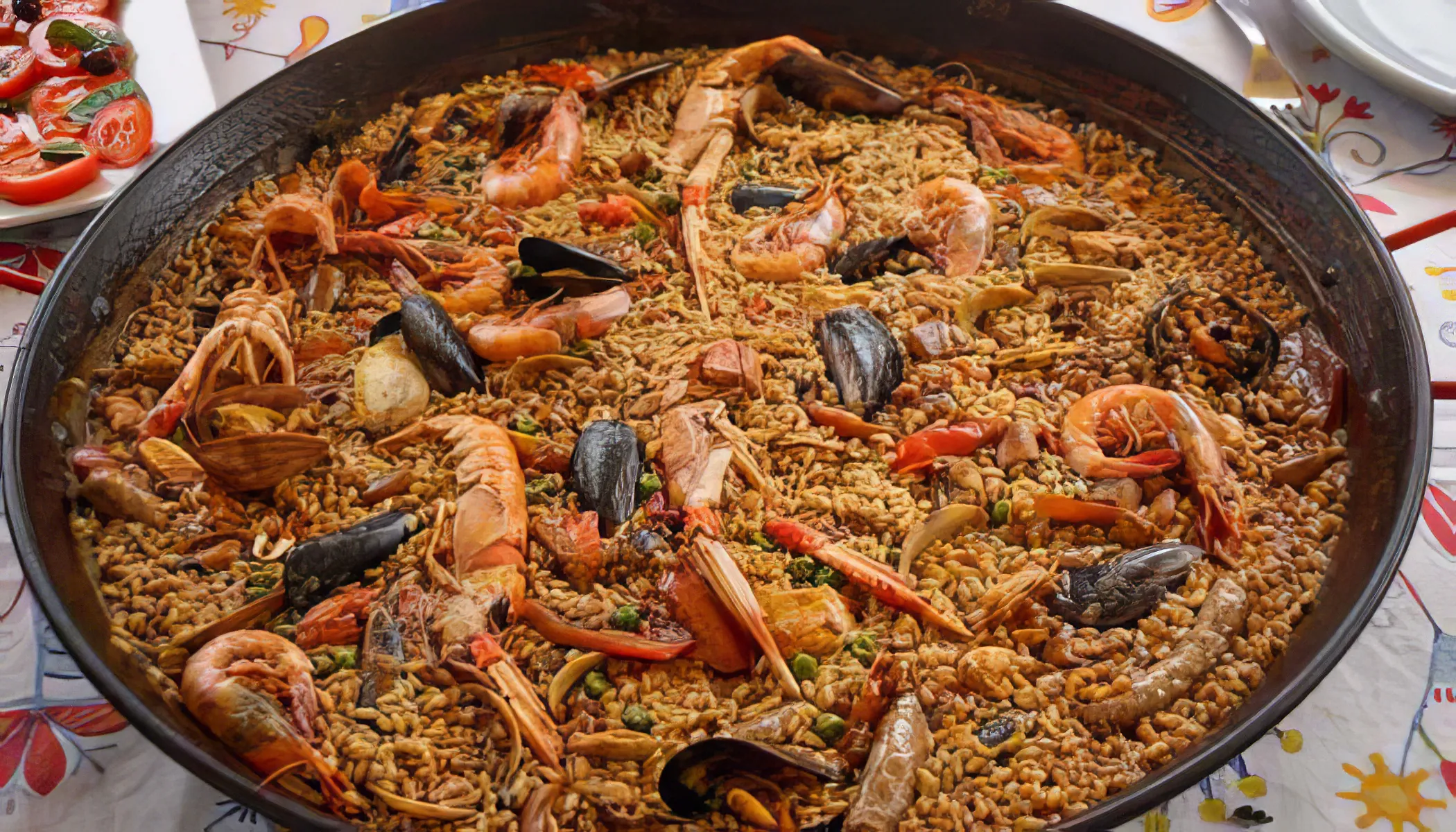
Spanish cuisine is a diverse blend of fresh, local ingredients and traditional cooking methods. It's characterized by bold flavors, seafood, and a variety of regional dishes. Tapas culture, where small dishes are shared, is a significant part of the dining experience. Most famous cuisine in Spain are:
– Paella: A rice dish with seafood, meat, and vegetables, cooked in a large pan.
– Tapas: Small plates of various dishes, often shared among a group.
– Gazpacho: A cold tomato-based soup, typically served in summer.
– Tortilla Española: A thick, hearty Spanish omelette made with potatoes and onions.
– Churros: Fried dough pastries, often served with a cup of thick hot chocolate for dipping.
Souvenir
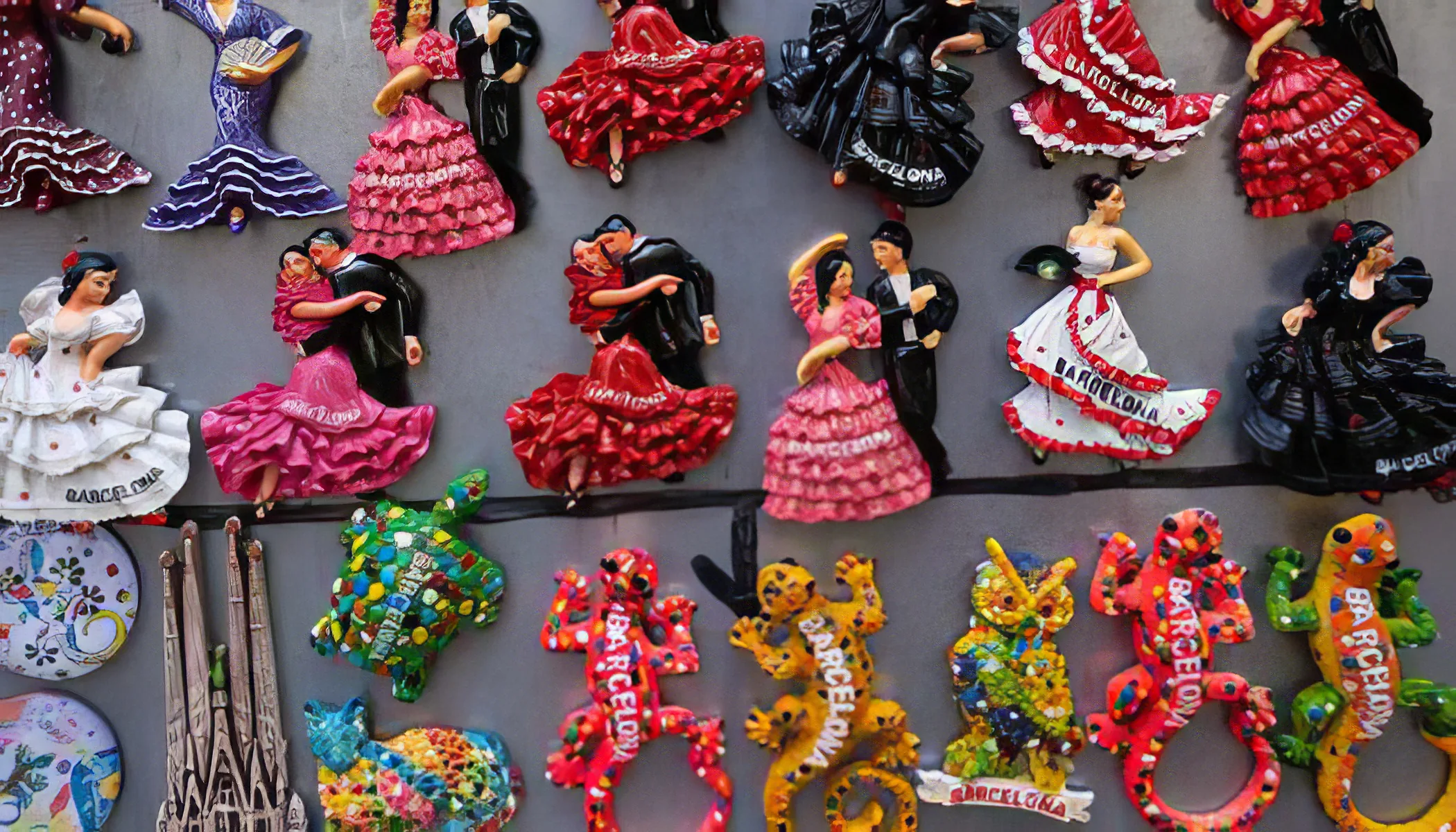
Spain is a country rich in culture and tradition, offering a wide range of unique souvenirs. Here are some popular items to consider:
– Flamenco Music CDs: Flamenco is a traditional Spanish music and dance style, and CDs are a popular souvenir.
– Spanish Fans: These are not only beautiful but also practical in the Spanish heat.
– Spanish Wine: Spain is famous for its wine, particularly Rioja and Cava.
– Bullfighting Posters: These are a traditional symbol of Spanish culture.
– Spanish Olive Oil: Spain is the world's largest producer of olive oil, making it a great souvenir.
– Ceramic Tiles: Traditional Spanish ceramic tiles are beautiful and unique.
– Spanish Saffron: Known as the world's most expensive spice, Spanish saffron is a popular souvenir.
Traditional Shows
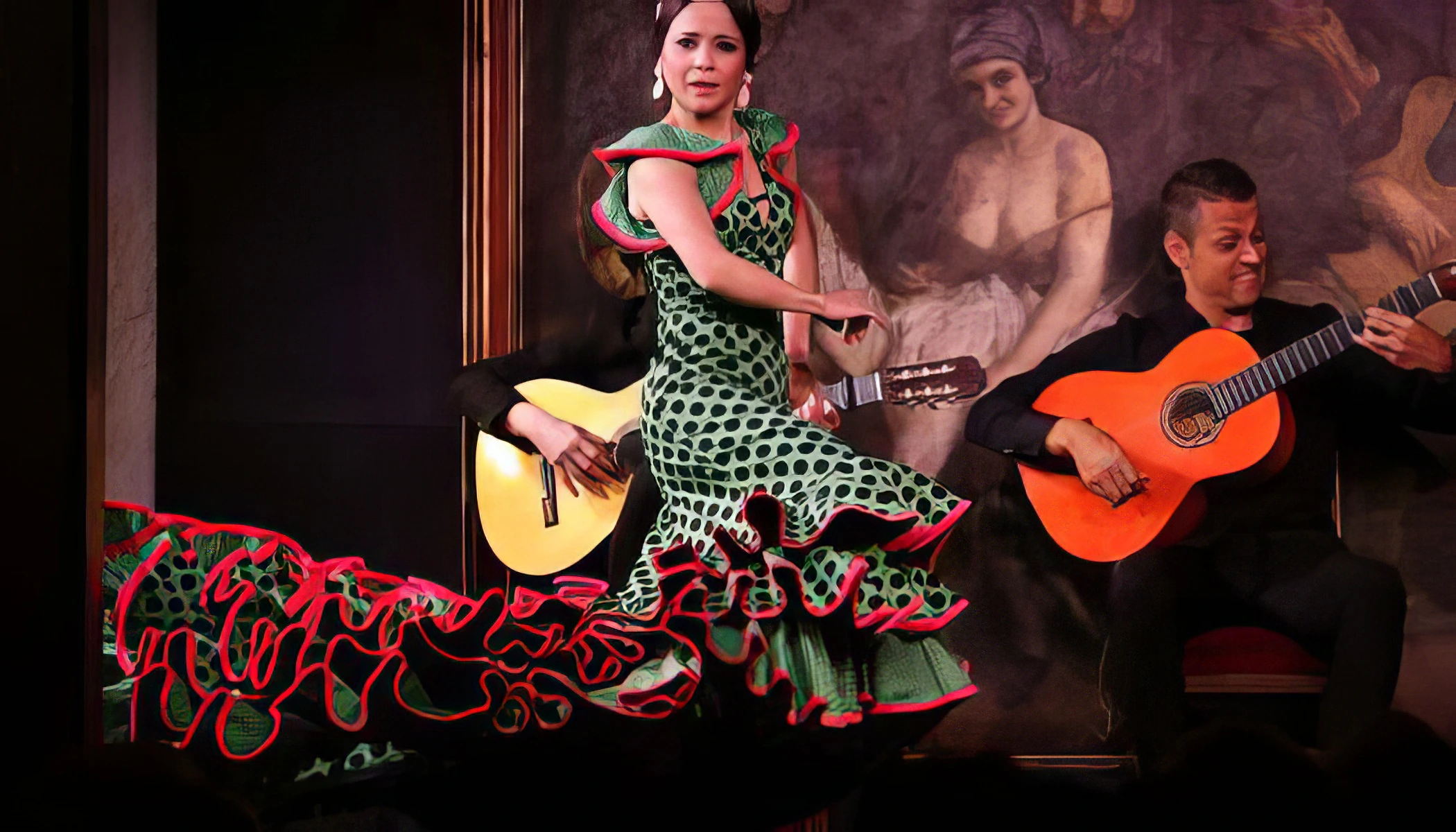
Spain is renowned for its dynamic traditional performances:
– Flamenco Shows: Experience the passionate dance and music of Flamenco in its birthplace, Andalusia.
– Zarzuela: This unique Spanish operetta combines spoken and sung scenes, often comedic, and is best seen in Madrid.
– Classical Guitar Concerts: Enjoy the soothing sounds of a classical guitar performance, a Spanish music staple, in cities like Barcelona.
– Sardana Dance: Witness this traditional Catalan circle dance, a symbol of unity and pride, performed in public squares in Catalonia.
– Bullfighting: Although controversial, this traditional spectacle is a deeply ingrained part of Spanish culture, particularly in Madrid and Andalusia.
Events & Festivals
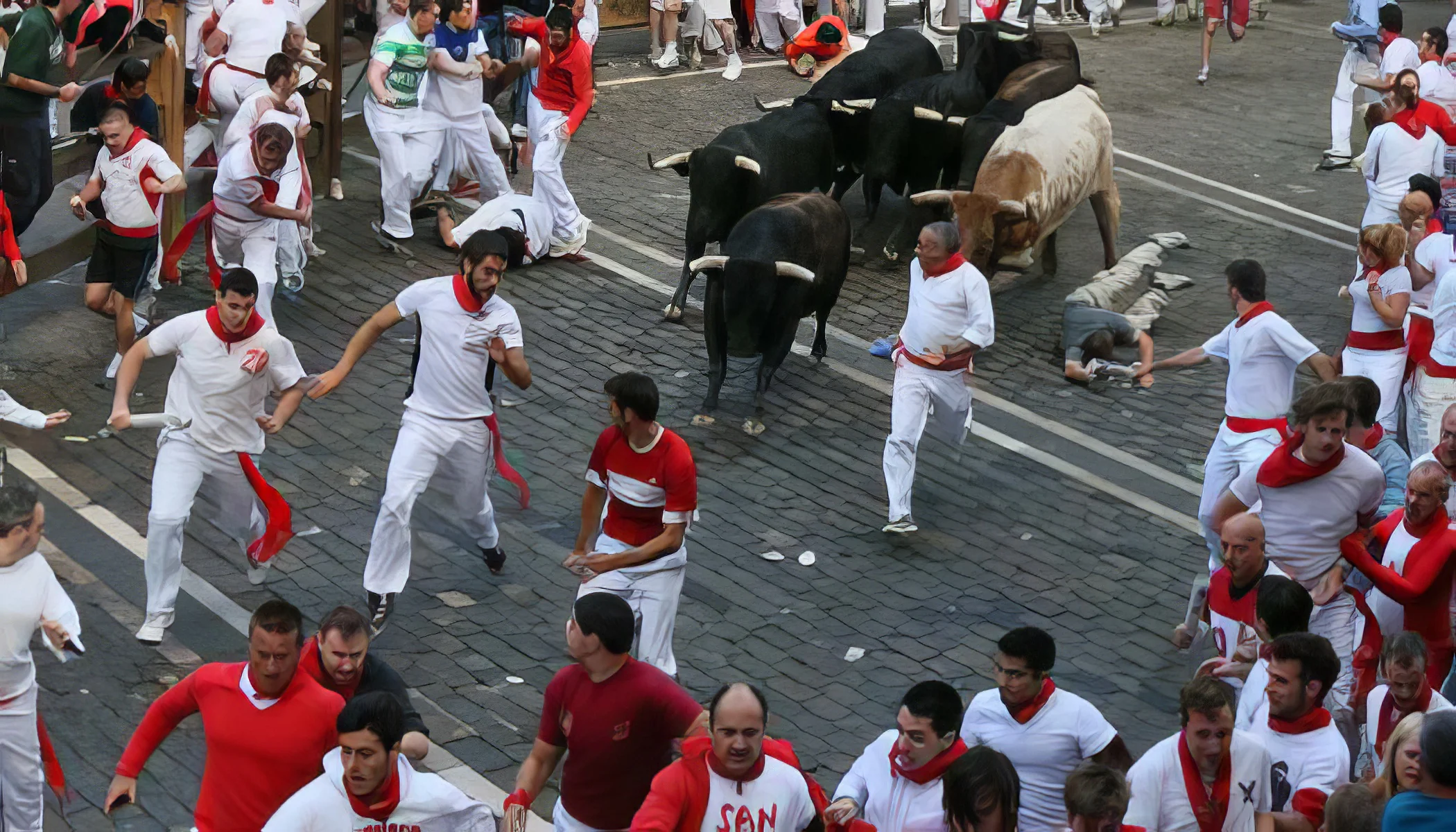
Spain is a country rich in traditions and festivities, each with its own unique charm and significance:
– Three Kings Day: Celebrated in January, it marks the arrival of the Three Wise Men with parades and gifts.
– Carnival: A February festival with parades, costumes, and parties, particularly dynamic in Tenerife and Cadiz.
– Semana Santa: Holy Week in April, marked by solemn processions and traditional music.
– Feria de Abril: A week-long celebration in Seville in April/May, featuring flamenco dancing, bullfighting, and horse parades.
– San Fermin: Known for the Running of the Bulls in July, it's a week-long festival in Pamplona.
– La Tomatina: A unique tomato-throwing festival in Bunol in August.
– Christmas: Celebrated nationwide in December with family gatherings, feasts, and religious ceremonies.
Famous People
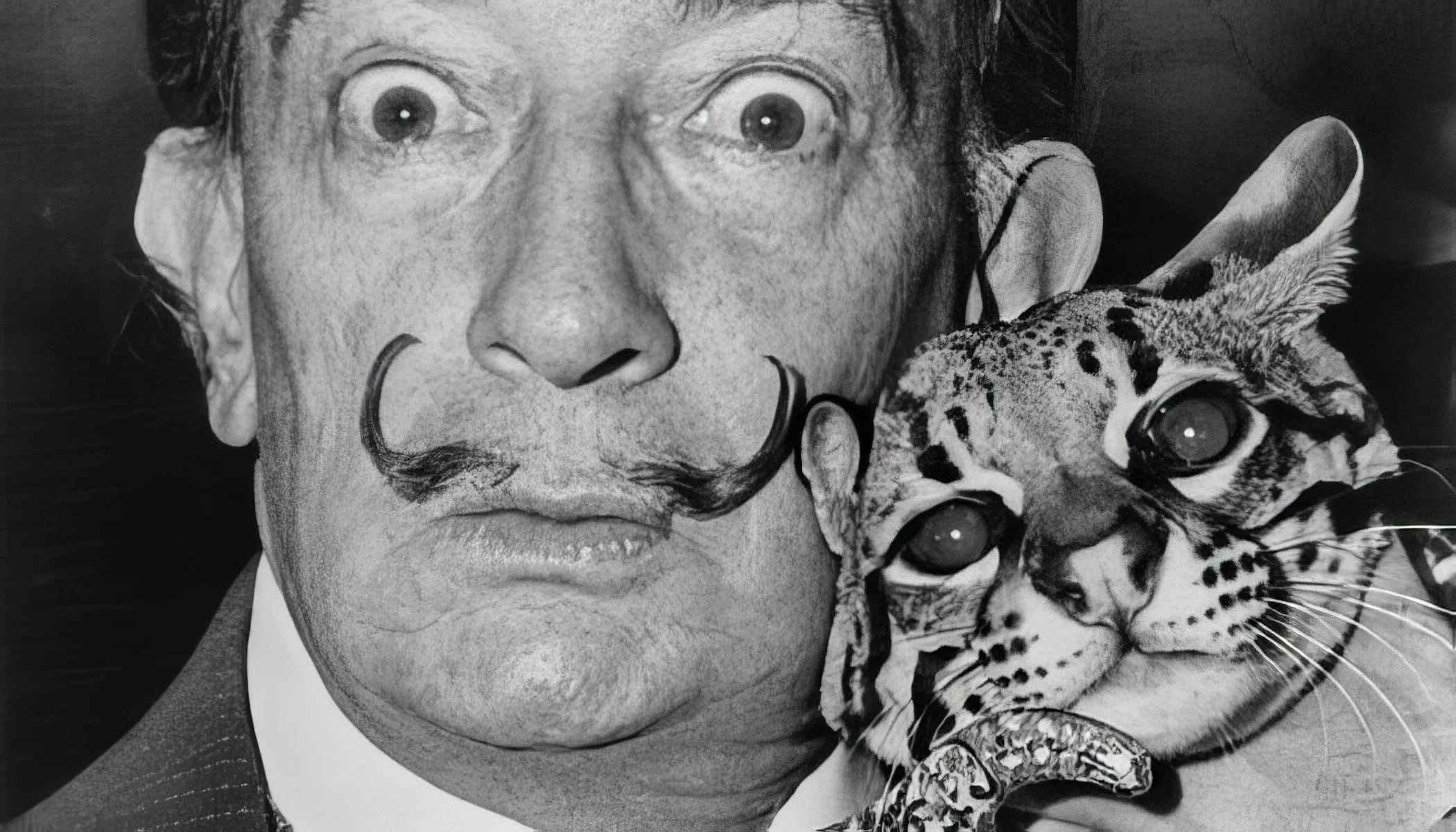
Spain has been home to many globally recognized figures in various fields such as art, literature, and sports.
– Pablo Picasso (1881 to 1973, Malaga): Renowned painter and sculptor, co-founder of the Cubist movement.
– Miguel de Cervantes (1547 to 1616, Alcala de Henares): Celebrated author known for "Don Quixote," a landmark in Western literature.
– Salvador Dali (1904 to 1989, Figueres): Surrealist artist famous for his eccentricity and works like "The Persistence of Memory."
– Andres Iniesta (born 1984, Fuentealbilla): World-class footballer, key player in Spain's 2010 World Cup victory.
– Penelope Cruz (born 1974, Alcobendas): Acclaimed actress and the first Spanish actress to win an Academy Award.
Books
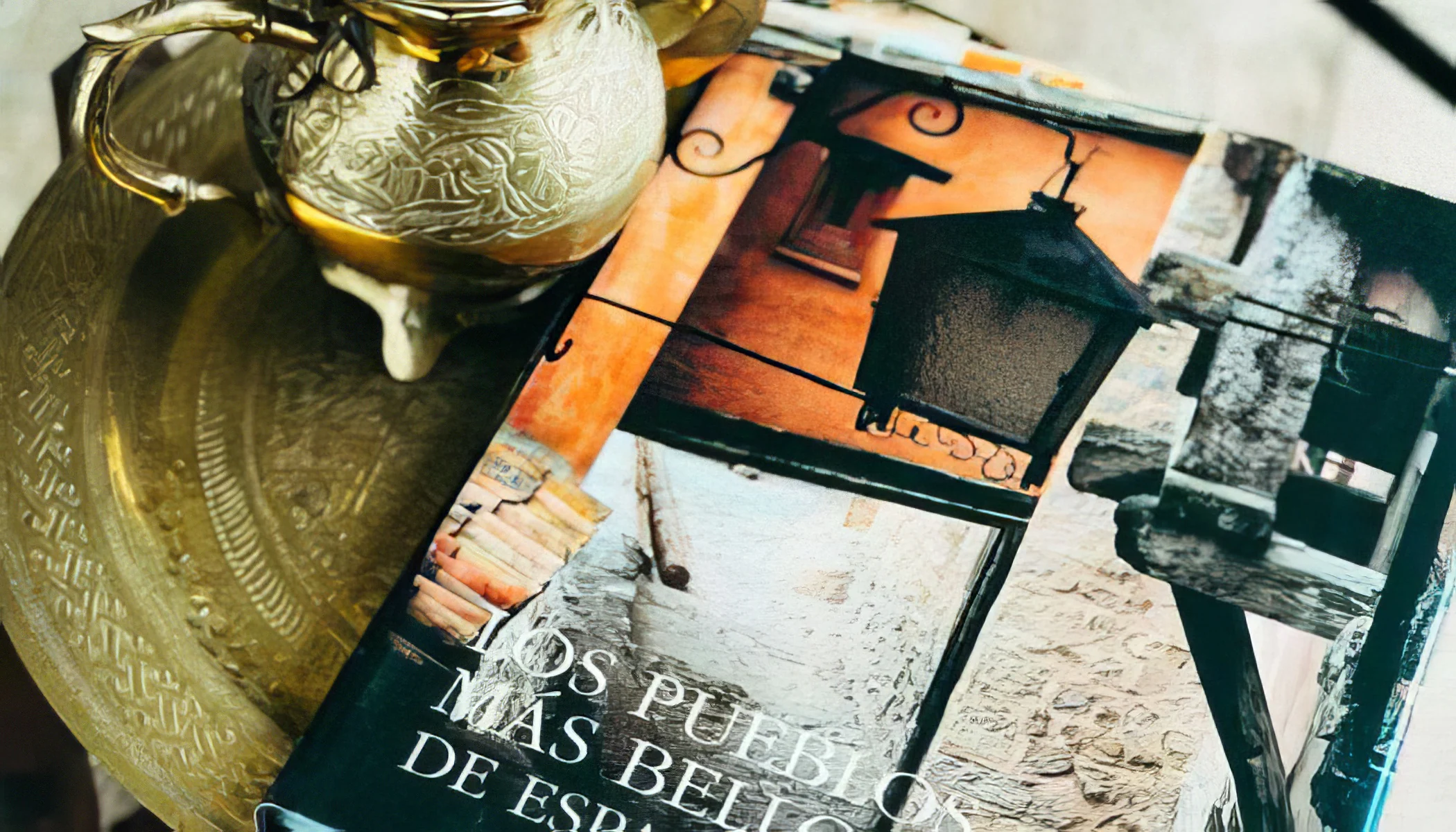
These books provide a rich exploration of Spain's history, culture, and societal dynamics.
– "Don Quixote" by Miguel de Cervantes: A classic tale of chivalry and folly in 17th century Spain.
– "The Shadow of the Wind" by Carlos Ruiz Zafón: A literary thriller set in post-war Barcelona.
– "For Whom the Bell Tolls" by Ernest Hemingway: A gripping narrative of the Spanish Civil War.
– "The Sun Also Rises" by Ernest Hemingway: Explores the Lost Generation in 1920s Spain.
– "Homage to Catalonia" by George Orwell: Orwell's personal account of fighting in the Spanish Civil War.
Songs
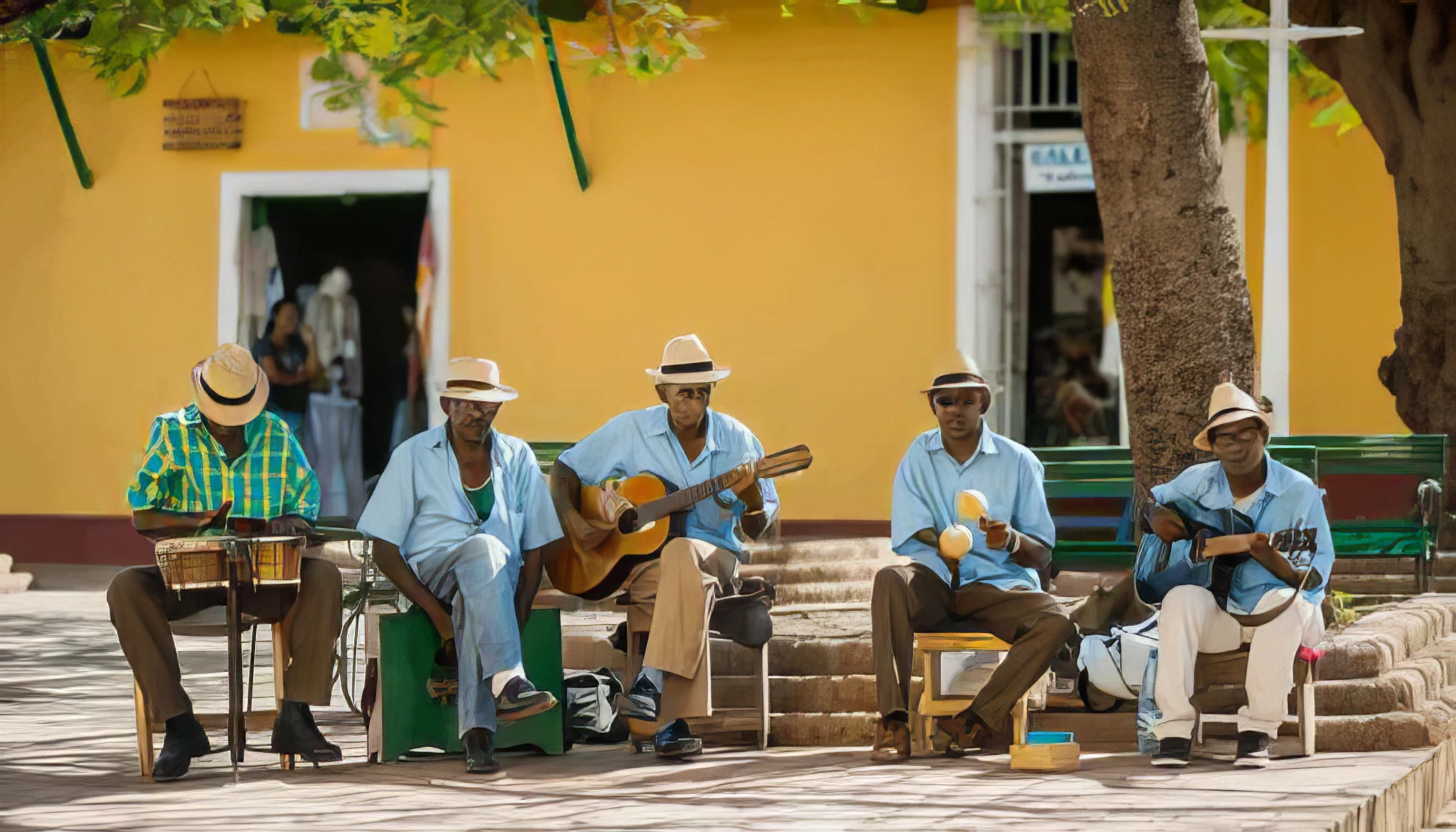
These songs are some of the most famous from Spanish singers or about Spain, showcasing the country's rich musical heritage.
– La Macarena: A catchy dance song by Los del Río, known worldwide.
– Bailando: Enrique Iglesias' hit song that topped charts globally.
– Volare: Famous song by Gipsy Kings, showcasing their flamenco roots.
– El Perdón: A popular reggaeton song by Nicky Jam and Enrique Iglesias.
– La Bamba: Traditional Mexican folk song, popularized by Ritchie Valens, often played in Spain.
– Vivir Mi Vida: Marc Anthony's hit song, a celebration of life.
Films

Here are some of the most iconic films that beautifully depict the culture and life in Spain:
– "Volver": Directed by Pedro Almodóvar, a story of three generations of women in Madrid.
– "The Sea Inside": Alejandro Amenábar's film about a quadriplegic fighting for his right to die.
– "Pan's Labyrinth": Guillermo del Toro's fantasy war film set in post-civil war Spain.
– "All About My Mother": Another Almodóvar film, a drama about a mother's love and loss in Barcelona.
– "The Orphanage": J.A. Bayona's horror film set in a haunted orphanage in Spain.