

Travel Guide to Vietnam: Top Things to Do & Tips
This Southeast Asian country is known for its rich history, diverse culture, and remarkable landscapes. It boasts busy cities, peaceful countryside, and iconic landmarks like Halong Bay. Its cuisine is a unique blend of flavors, attracting food enthusiasts worldwide.
- Capital
- Hanoi
- Population
- 89.6 millions
- Superficy
- 330000 sq.km
- Months to Visit
- Feb. to April and Oct. to Nov.
- Living Cost
- Economical
Overview
Vietnam is a Southeast Asian country known for its lively cities, rich cultural heritage, and diverse landscapes. Its capital, Hanoi, features centuries-old architecture and a pretty Old Quarter reflecting influences from across the region. The country's geography ranges from the Red River Delta in the north, to the Mekong Delta in the south, with scenic coastlines, highlands, and rainforests in between. Vietnam's cuisine is renowned for its balance of flavors, with popular dishes like pho and banh mi gaining international recognition. The country has a complex history marked by periods of foreign occupation and conflict, most notably the Vietnam War. Today, Vietnam is a rapidly developing nation with a growing economy, yet it still retains much of its traditional culture and charm.
Pros & Cons
GOOD REASONS TO VISIT VIETNAM
– Diverse Landscapes: From mountains to beaches, Vietnam's varied geography offers fascinating views and outdoor activities.
– Historical Sites: Explore Vietnam's rich history through its numerous temples, pagodas, and war relics.
– Unique Cuisine: Vietnamese food, known for its balance of flavors, is a culinary delight.
– Friendly Locals: The Vietnamese are known for their hospitality and friendliness.
– Cost-Effective: Vietnam is a budget-friendly destination with affordable food, accommodation, and transportation. CHALLENGES WHEN VISITING VIETNAM
– Traffic Congestion: Cities like Hanoi and Ho Chi Minh are notorious for their chaotic traffic.
– Language Barrier: English is not widely spoken, especially in rural areas.
– Climate: The country's diverse climate can be challenging, with hot, humid summers and cold winters in some regions.
Before Departure
Before planning your trip to Vietnam, it's important to familiarize yourself with some key information:
– Passport: Ensure your passport is valid for at least six months beyond your planned departure date.
– Visa: Most tourists need a visa to enter Vietnam. You can apply for a visa on arrival online or at a Vietnamese embassy.
– Currency: The local currency is the Vietnamese Dong (VND). Credit cards are widely accepted in cities, and ATMs are readily available.
– Internet access: WiFi is widely available in hotels and restaurants. You can also purchase a local SIM card for mobile data.
– Language barrier: The official language is Vietnamese. English is commonly spoken in tourist areas, but not widely spoken elsewhere. French, Spanish, and German are not widely spoken.
What to Pack
Packing for a trip to Vietnam requires careful consideration of the country's tropical climate, cultural norms, and diverse activities.
– Essentials: Passport, visa (if required), travel insurance details, flight tickets, itinerary, and accommodation reservations.
– Clothing: Lightweight and breathable clothing, comfortable walking shoes, swimwear (for beach areas), hat, sunglasses, and a light jacket or sweater for cooler evenings.
– Health & Safety: Prescription medications, basic first aid kit, insect repellent, sunscreen with high SPF, and personal hygiene items.
– Electronics: Travel adapter for Vietnamese outlets, mobile phone, camera, and portable charger.
Weather
Vietnam's weather varies greatly from north to south and across seasons.
– Winter (December to February): North is chilly and dry, while South remains warm and sunny.
– Spring (March to April): North warms up with occasional rain, South stays hot.
– Summer (May to August): North experiences hot, humid weather with heavy rain, while South has consistent rainfall.
– Autumn (September to November): North cools down with less rain, South begins to dry up. The best time to visit Vietnam is from November to April.
– Pros: Pleasant weather, less rainfall, and numerous cultural festivals.
– Cons: It's peak tourist season, so expect higher prices and larger crowds.
Travel Budget
Vietnam is known for its affordability and budget-friendly prices. Here are some average costs for common expenses:
– Hotel: 20$ to 100$
– Lunch: 2$ to 15$
– Beverage (in bar/restaurant): 1$ to 5$
– Coffee: 1$ to 3$
– Transportation: (train 10$ to 50$), (bus 0.5$ to 3$), (taxi /10km 5$ to 10$)
– Mobile data (per GB): 1$ to 3$
Language
Vietnamese is the official language of Vietnam, and understanding a few basic phrases can greatly enhance your travel experience. Here are some useful phrases:
– Hello: Xin chào
– Thank you: Cám ơn
– Please: Làm ơn
– How much is this?: Bao nhiêu tiền?
– Excuse me: Xin lỗi
– I don't understand: Tôi không hiểu
– Yes: Vâng
– No: Không
– Goodbye: Tạm biệt
– Where is the bathroom?: Nhà vệ sinh ở đâu?
– I need help: Tôi cần giúp đỡ
– I'm lost: Tôi đã lạc
– Can you speak English?: Bạn có thể nói tiếng Anh không?
– I'm sorry: Tôi xin lỗi
– I would like to order: Tôi muốn đặt món
– Can I have the bill, please?: Tôi có thể lấy hóa đơn không?
– I'm allergic to…: Tôi dị ứng với…
– Water: Nước
– Food: Thức ăn
– Help!: Cứu tôi!
History
Vietnam was under Chinese rule for over a thousand years until 938 AD. It then became a French colony in the mid-19th century. The country gained independence after the First Indochina War, leading to its division into North and South Vietnam in 1954. The Vietnam War, from 1955 to 1975, ended with the reunification of the country under communist rule. Economic reforms in the late 20th century led to significant growth.
Geopolitics
Vietnam, a socialist republic in Southeast Asia, shares borders with China, Laos, and Cambodia, and has maritime boundaries in the South China Sea. It operates under a one-party communist government, with Hanoi as its capital. The country has ongoing territorial disputes, primarily with China over the South China Sea. As a member of ASEAN, Vietnam seeks to diversify its international partnerships and balance economic development with national sovereignty. Its geopolitical position is significantly influenced by its relationship with China and its role in regional diplomacy.
Sample Itinerary
This tour includes visits to Vietnam's top-rated destinations: Hanoi, Halong Bay, Hue, Hoi An, and Ho Chi Minh City.
– 2 days in Hanoi: Explore the city's historical sites and lively street food scene.
– 2 days in Halong Bay: Enjoy a cruise through the bay's remarkable karst landscapes.
– 2 days in Hue: Visit the city's Imperial Citadel and Royal Tombs.
– 2 days in Hoi An: Discover the charm of this ancient town and its well-preserved architecture.
– 2 days in Ho Chi Minh City: Experience the city's active markets and war history at the Cu Chi Tunnels.
Popular cities
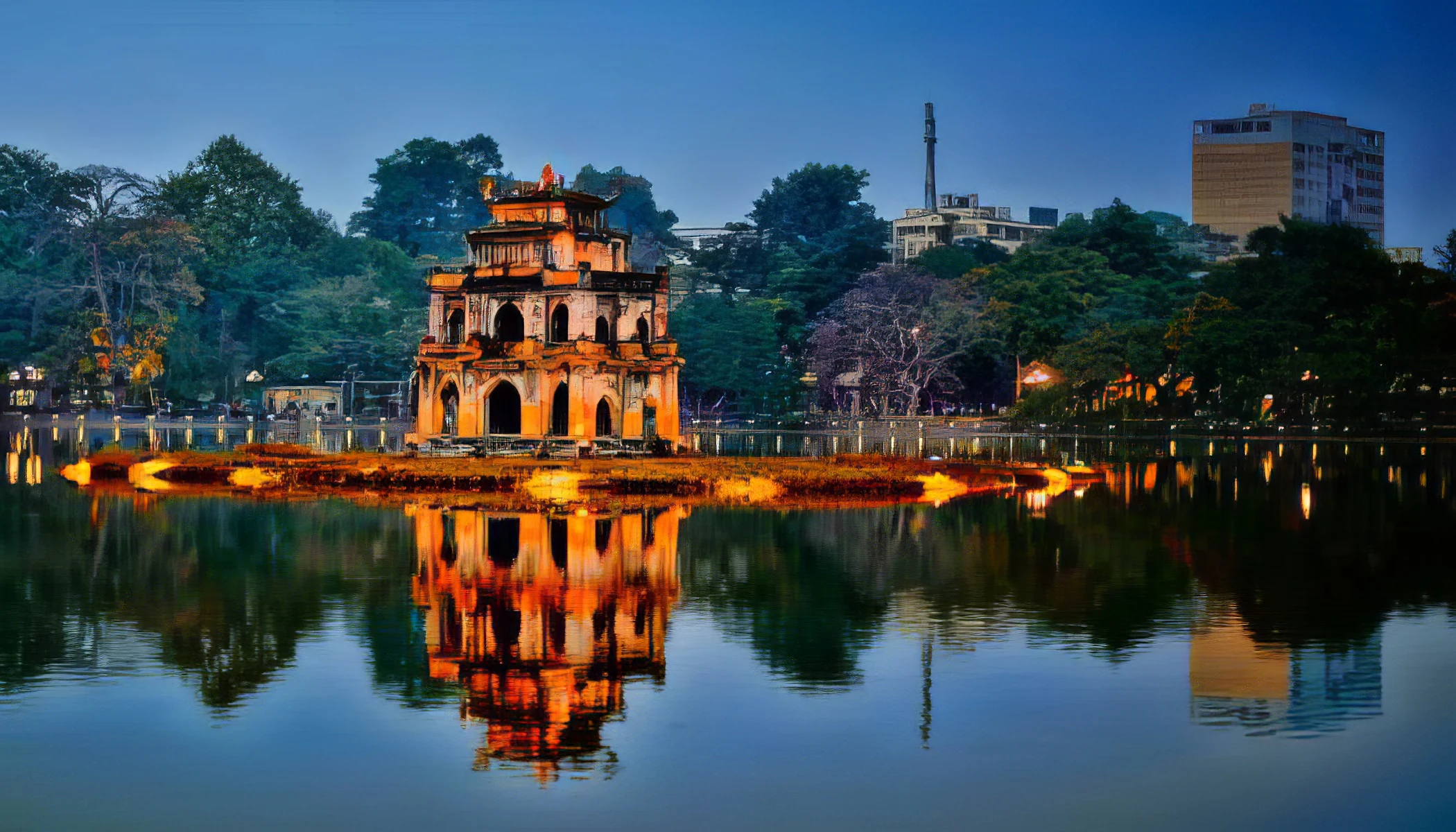
Vietnam offers a variety of cities, each with its unique charm and attractions:
– Hanoi: The capital, known for its centuries-old architecture and rich culture.
– Ho Chi Minh City: The largest city, offering a mix of modern and historic attractions.
– Hue: Known for its historic sites, including the ancient Imperial Citadel.
– Hoi An: Famous for its well-preserved Ancient Town and tailor shops.
– Da Nang: A coastal city with beautiful beaches and the unique Golden Bridge.
– Nha Trang: Renowned for its beautiful beaches and water activities.
– Phan Thiet: Offers beautiful coastal landscapes and the unique sand dunes of Mui Ne.
Monuments
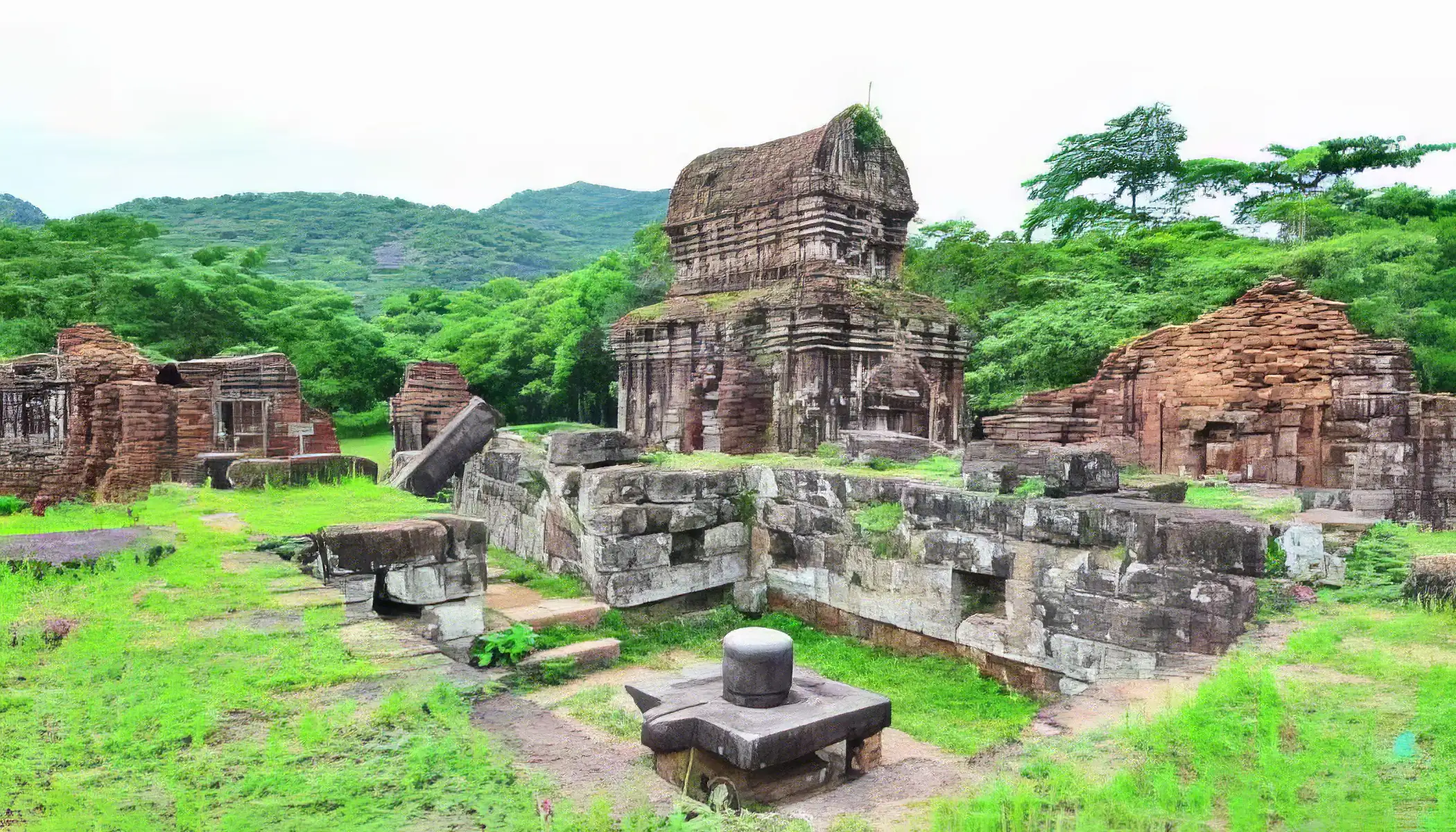
Vietnam is home to a variety of significant monuments and architectural sites:
– Imperial Citadel Of Thang Long: An unusual historical site in Hanoi.
– Hue Imperial City: Once the political, cultural and religious center of Vietnam.
– Hoi An Ancient Town: A well-preserved example of a Southeast Asian trading port.
– Cu Chi Tunnels: An immense network of connecting tunnels used during the Vietnam War.
– One Pillar Pagoda: A historic Buddhist temple in Hanoi.
– My Son Sanctuary: A cluster of abandoned and partially ruined Hindu temples.
– Perfume Pagoda: A vast complex of Buddhist temples and shrines built into the gorgeous Huong Tich mountains.
– Cao Dai Holy See: The main temple and headquarters of the Cao Dai sect.
Natural wonder
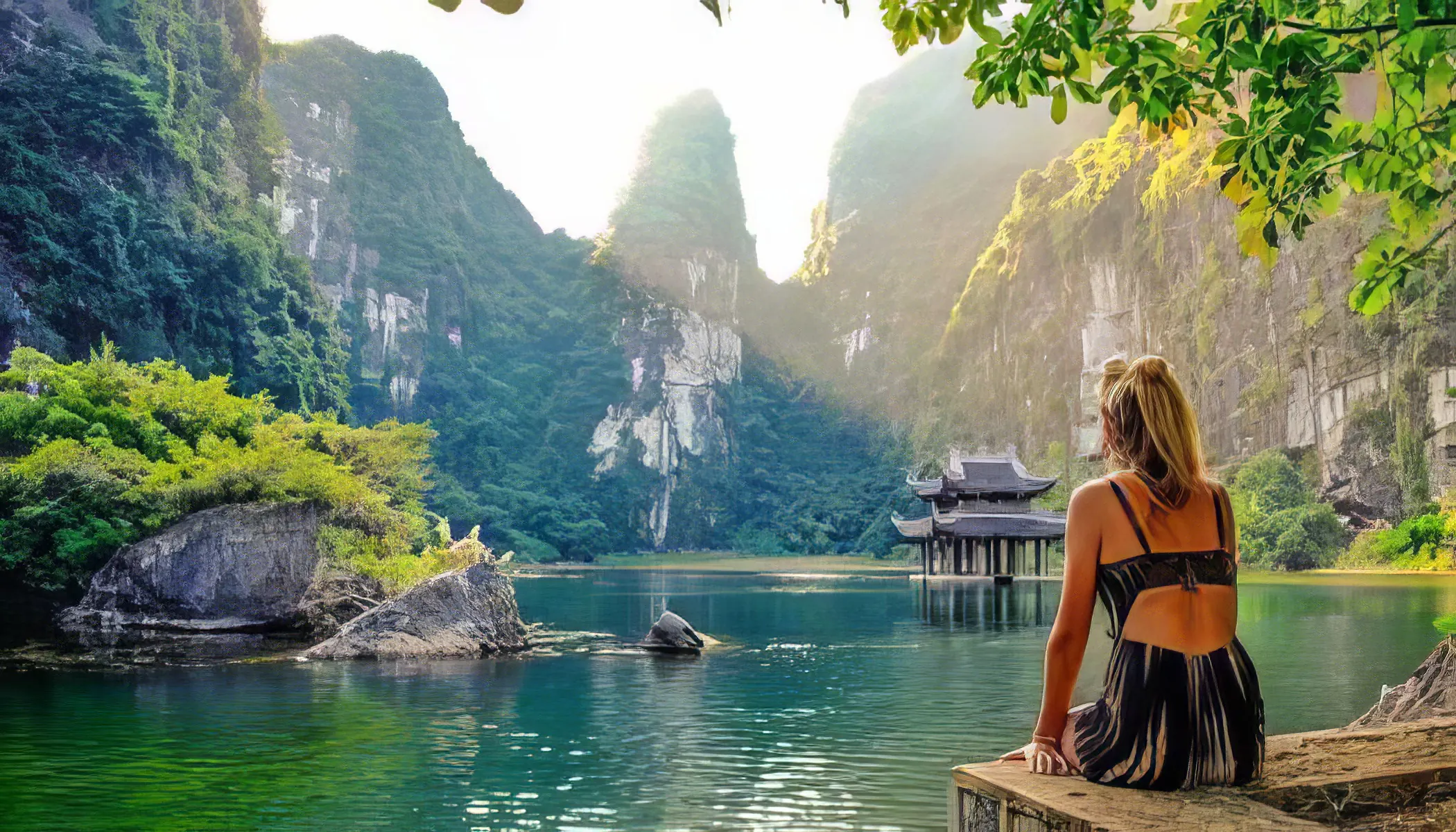
Vietnam is a country rich in amazing natural wonders:
– Halong Bay: A UNESCO World Heritage Site with thousands of shiny islands.
– Phong Nha-Ke Bang National Park: Home to the world's largest cave, Son Doong.
– Mekong Delta: A vast maze of rivers, swamps and islands, home to floating markets.
– Sapa Terraces: Terraced fields that offer remarkable landscapes.
– Cat Ba Island: Known for its rugged gorgeous mountains and biodiversity.
– Ba Be Lake: The largest natural lake in Vietnam, surrounded by nice cliffs.
– Tam Coc: A scenic area where you can take boat trips through rice paddies and bright caves.
– Ban Gioc Waterfall: One of the most impressive waterfalls in the country.
– Cuc Phuong National Park: Vietnam's first national park, known for its rich biodiversity.
– Fansipan Mountain: The highest peak in Vietnam, offering nice views of the surrounding landscapes.
Beaches
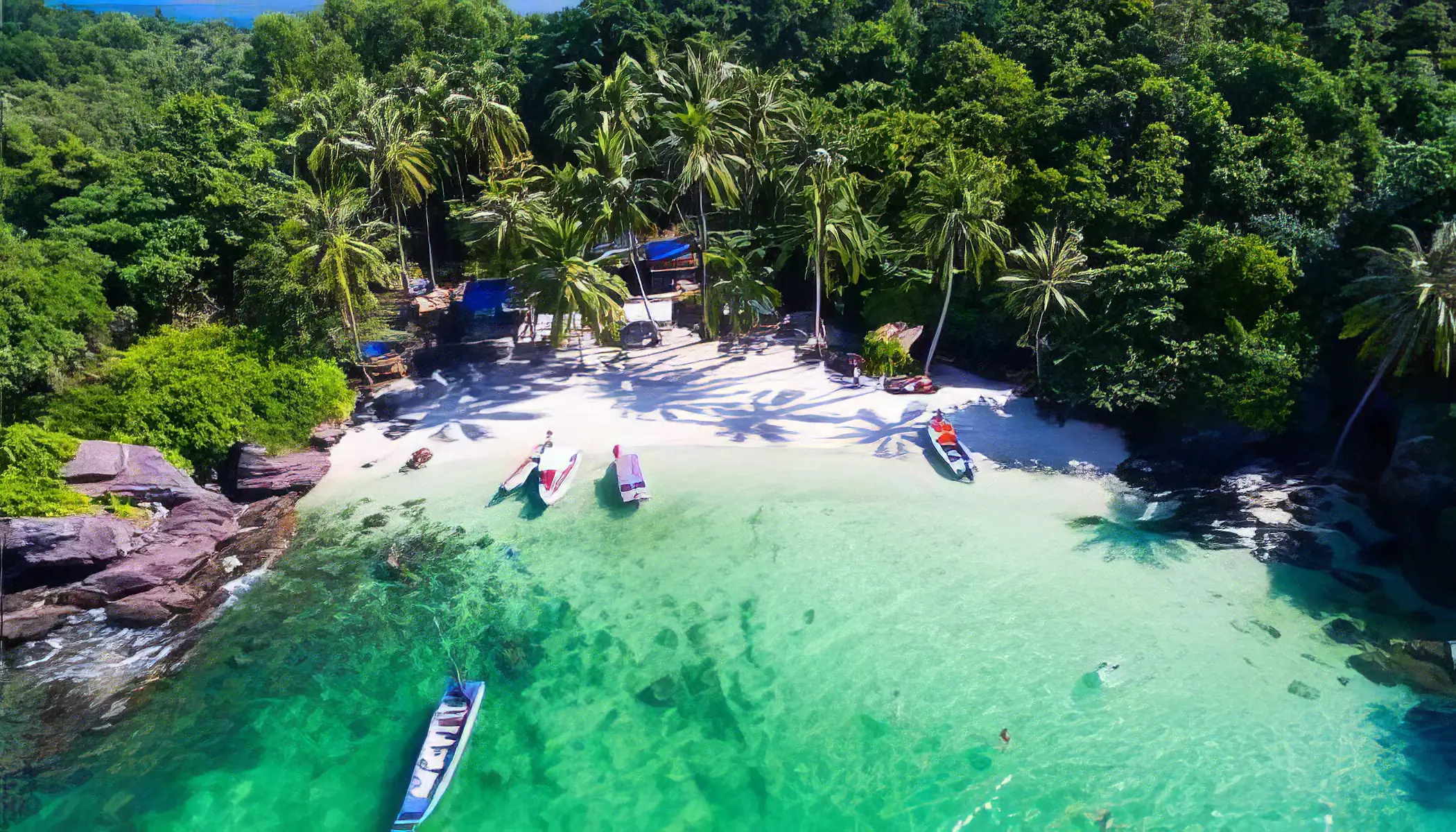
Here the best selection of beaches:
– Nha Trang Beach: Famous for its white sands, clear waters, and vibrant nightlife in Nha Trang city.
– My Khe Beach: Known for golden sands and water sports in Da Nang.
– Phu Quoc Island Beaches: Features pristine beaches like Long Beach and Bai Sao on a tropical island.
– Mui Ne Beach: Notable for red and white sand dunes and kite-surfing in Mui Ne.
– An Bang Beach: Offers a relaxed vibe, seafood dining, and beach bars near Hoi An.
– Doc Let Beach: A quieter beach near Nha Trang with clear blue waters and natural beauty.
– Lang Co Beach: Serene, picturesque setting with mountains and lagoons between Hue and Da Nang.
Outdoor activities
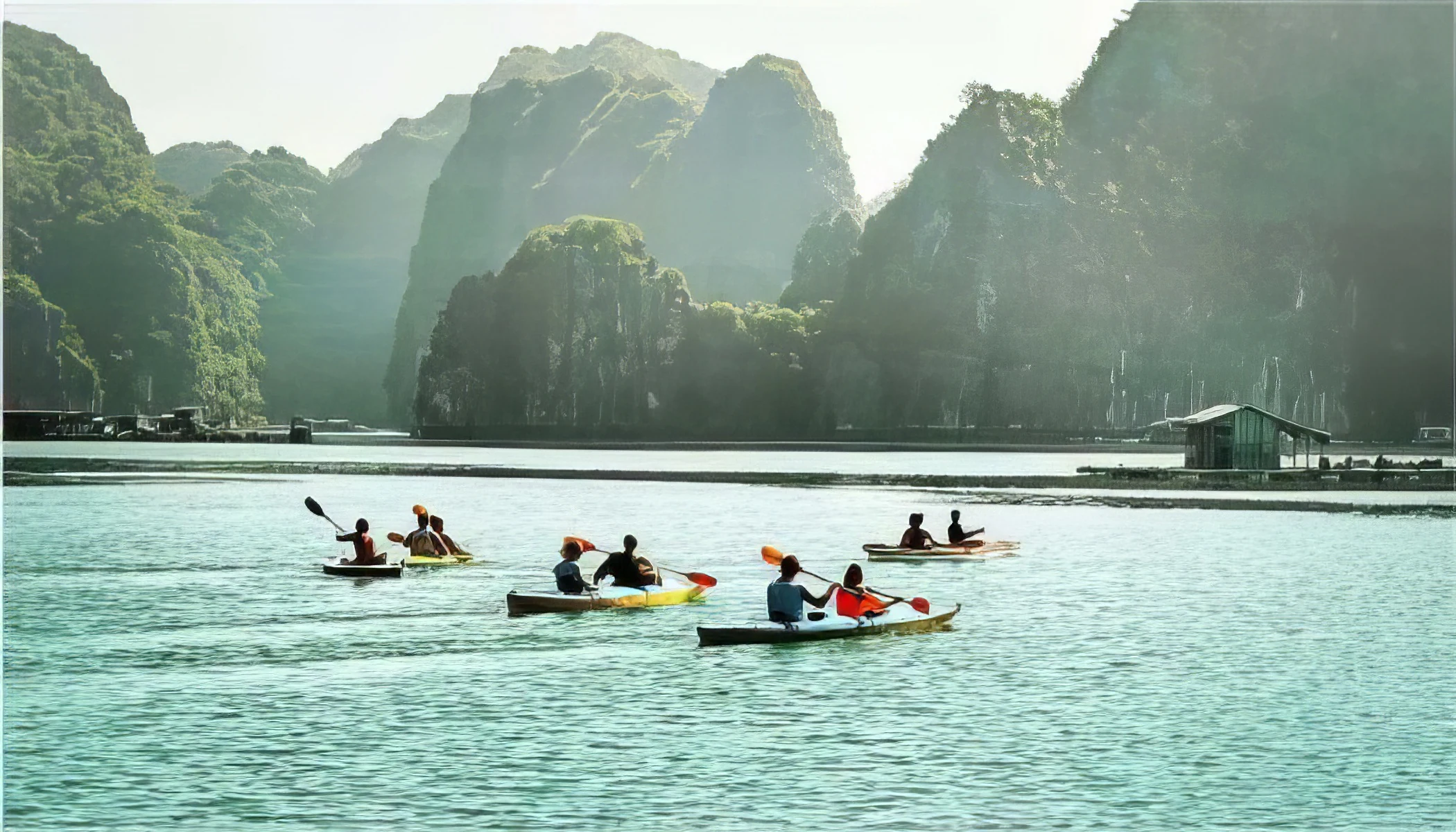
Vietnam offers a variety of outdoor experiences for nature and adventure enthusiasts:
– Kayaking in Ha Long Bay: Navigate through beautiful islands and floating villages.
– Trekking in Sapa: Traverse terraced rice fields and meet ethnic minorities.
– Cycling in Hoi An: Explore ancient town and surrounding countryside.
– Snorkeling in Nha Trang: Encounter colorful marine life in clear waters.
– Sandboarding in Mui Ne: Enjoy thrilling rides on vast sand dunes.
– Boat Trip in Mekong Delta: Experience local life in floating markets.
– Wildlife Spotting in Cuc Phuong National Park: Observe diverse species in Vietnam's oldest national park.
Kid Friendly
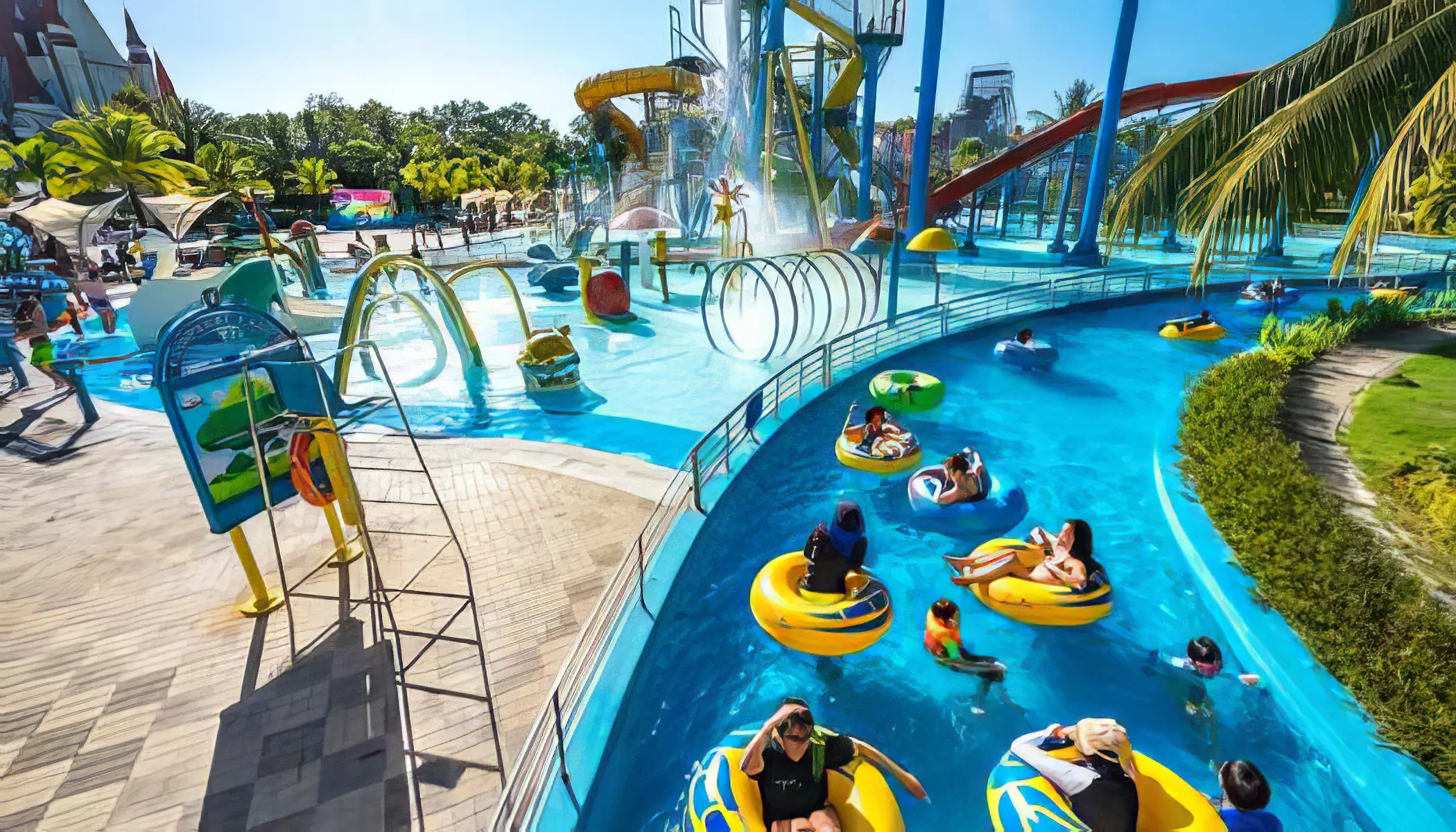
Vietnam offers a variety of kid-friendly activities that are both fun and educational:
– Visit Cu Chi Tunnels: Explore the underground tunnels used during the Vietnam War.
– Enjoy Suoi Tien Theme Park: Experience a Buddhist-themed amusement park with various rides.
– Splash at Dam Sen Water Park: Cool off in this water park with numerous slides and pools.
– Hike Sa Pa Terraces: Discover the terraced rice fields through family-friendly hikes.
– Explore Thien Duong Cave: Marvel at the natural beauty of this cave, also known as Paradise Cave.
– Discover Can Gio Mangrove Biosphere Reserve: Learn about mangrove forests and wildlife in this UNESCO-listed site.
– Visit Nha Trang Oceanography Institute: See a variety of sea creatures at this marine museum.
– Adventure in Phong Nha-Ke Bang National Park: Explore caves and grottoes in this UNESCO World Heritage site.
Cuisine
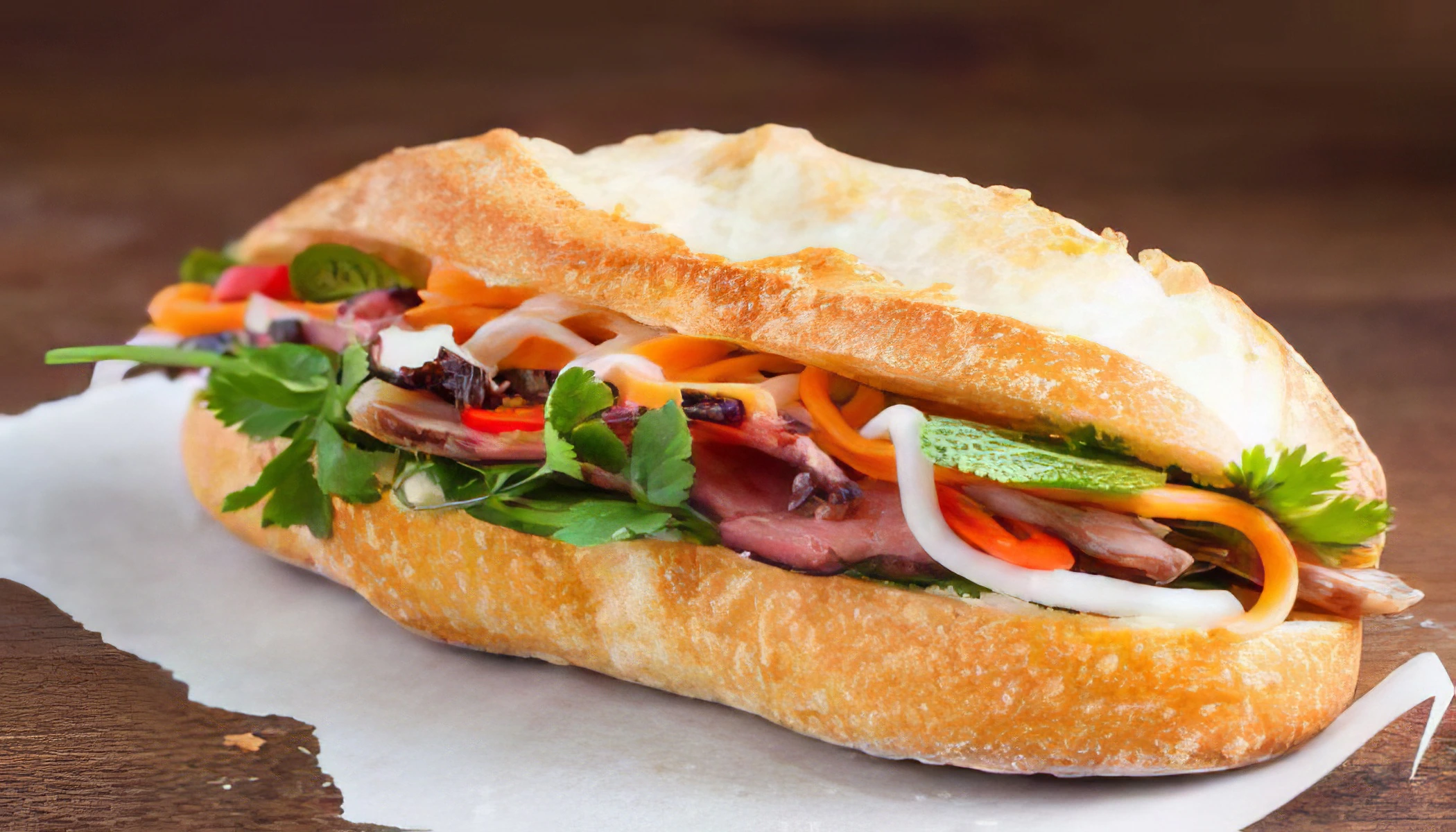
Vietnam's food scene is diverse, with a balance of sweet, sour, and spicy flavors. Street food is popular, with dishes reflecting regional influences. The cuisine is known for its fresh ingredients and minimal use of oil.
– Pho: A noodle soup with beef or chicken.
– Banh Mi: A sandwich with pork, pickled vegetables, and herbs.
– Goi Cuon: Fresh spring rolls with shrimp, pork, and herbs.
– Bun Cha: Grilled pork and noodles with herbs.
– Com Tam: A dish of broken rice and grilled pork.
– Che: A sweet dessert soup with various ingredients.
– Banh Flan: Vietnamese version of caramel custard.
– Banh Bao: Steamed bun filled with pork and quail egg.
– Banh Xeo: Crispy pancake with shrimp, pork, and bean sprouts.
Souvenir
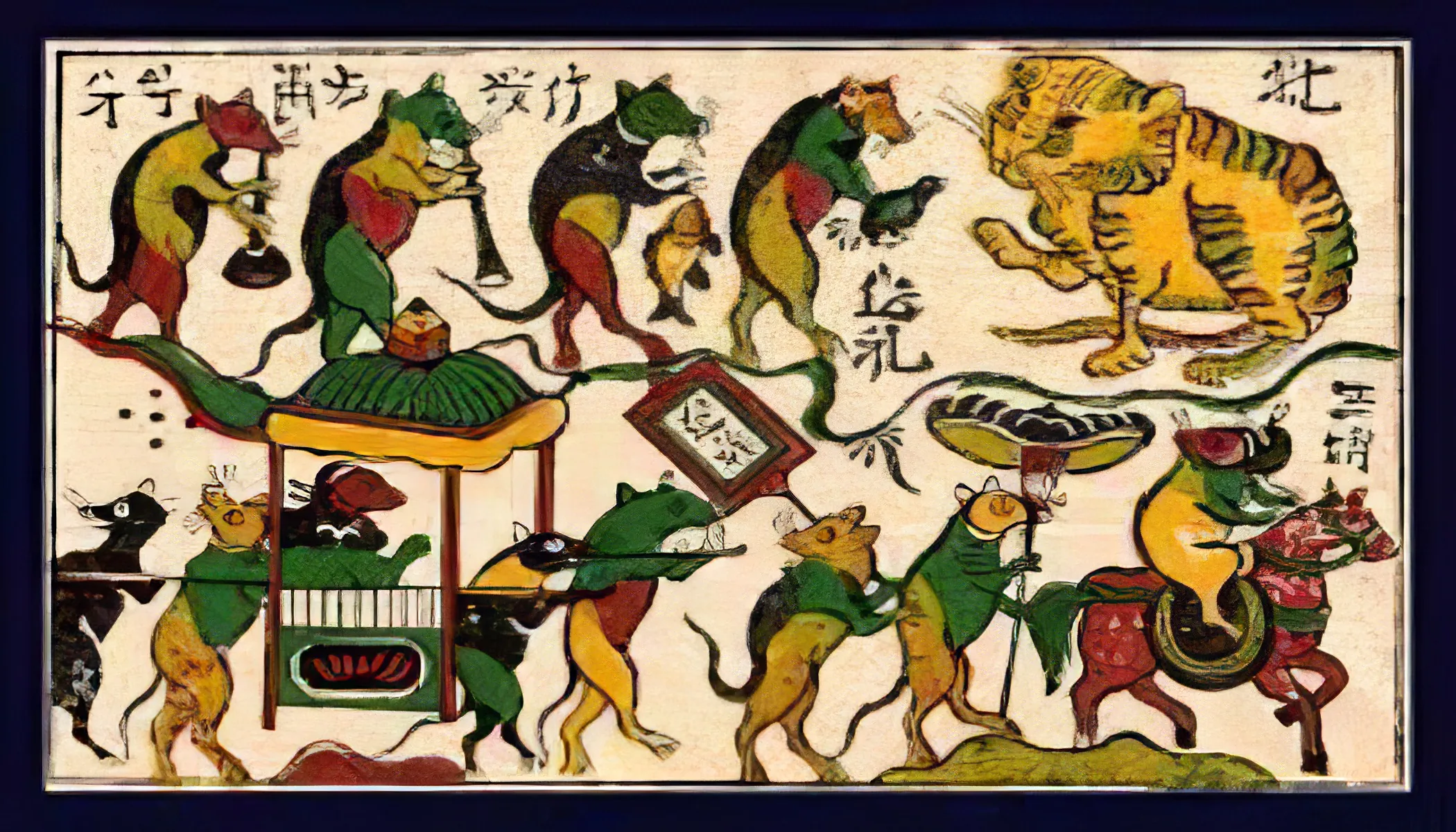
Vietnam offers a variety of unique and culturally rich souvenirs for tourists. Here are some of the most popular items:
– Silk Products: High-quality silk items, including scarves and clothing.
– Ao Dai: Traditional Vietnamese dress, known for its elegance and beauty.
– Non La: Iconic Vietnamese conical hat, a symbol of the country.
– Ceramics: Delicate and beautifully crafted Vietnamese ceramics and pottery.
– Coffee and Tea: Renowned Vietnamese coffee beans and traditional tea leaves.
– Pearl Jewelry: High-quality pearl jewelry, a popular choice for tourists.
– Embroidery: Refined and colorful embroidery on clothing and wall hangings.
Traditional Shows
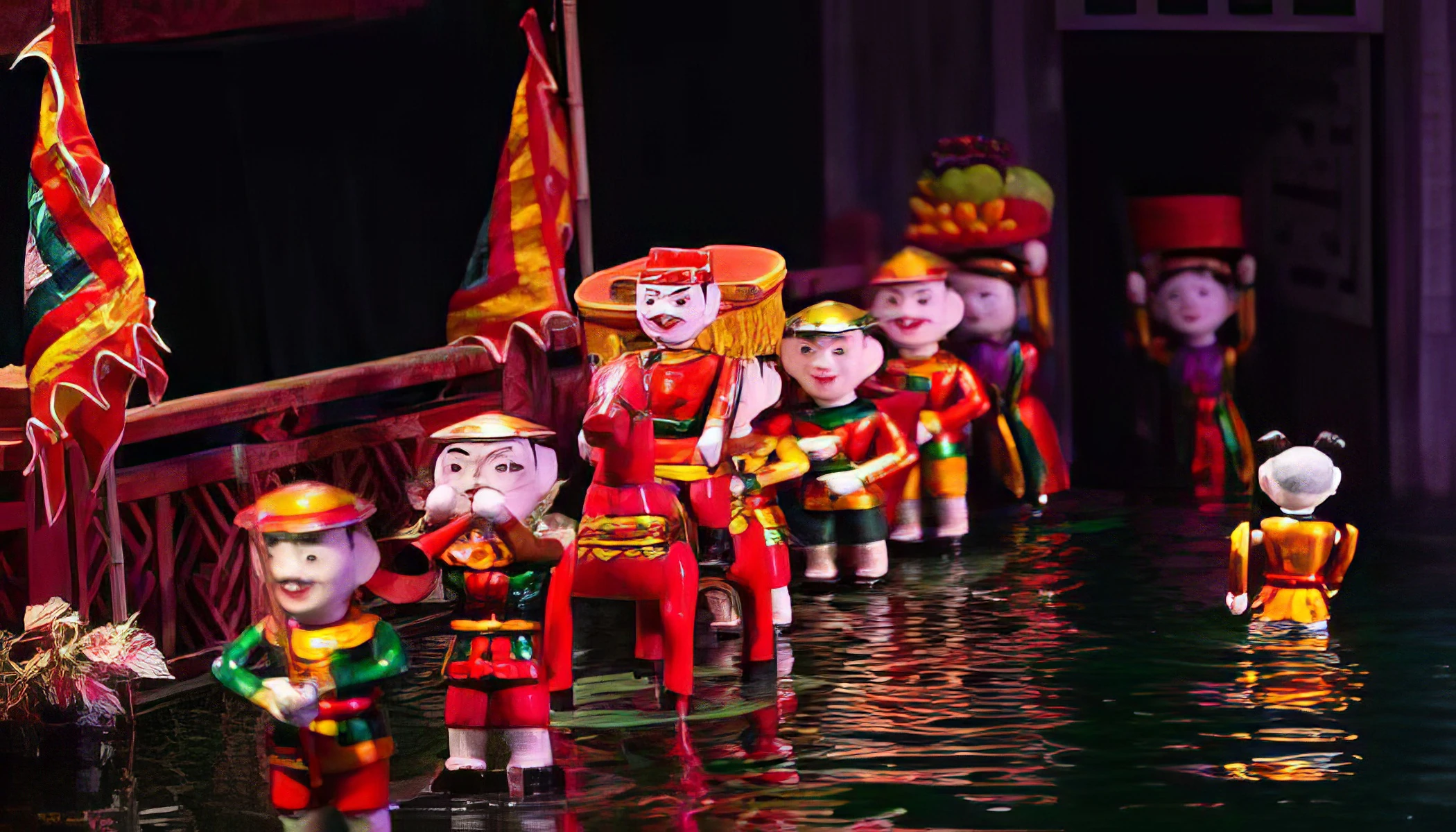
Vietnam is rich in traditional music and art performances:
– Water Puppetry: A unique Vietnamese tradition, performed in a water-filled stage in Hanoi, showcasing rural life and national history.
– Ca Tru Singing: A UNESCO recognized art form, performed in Hanoi, featuring female vocalists, lute playing and percussion.
– Quan Ho Folk Singing: A UNESCO intangible cultural heritage, performed in Bac Ninh, featuring romantic duets.
– Hue Royal Court Music: A UNESCO masterpiece of oral and intangible heritage, performed in Hue, showcasing royal court rituals.
– Cai Luong Opera: A southern Vietnamese art form, performed in Ho Chi Minh City, combining drama, modeling, singing, and dancing.
Events & Festivals
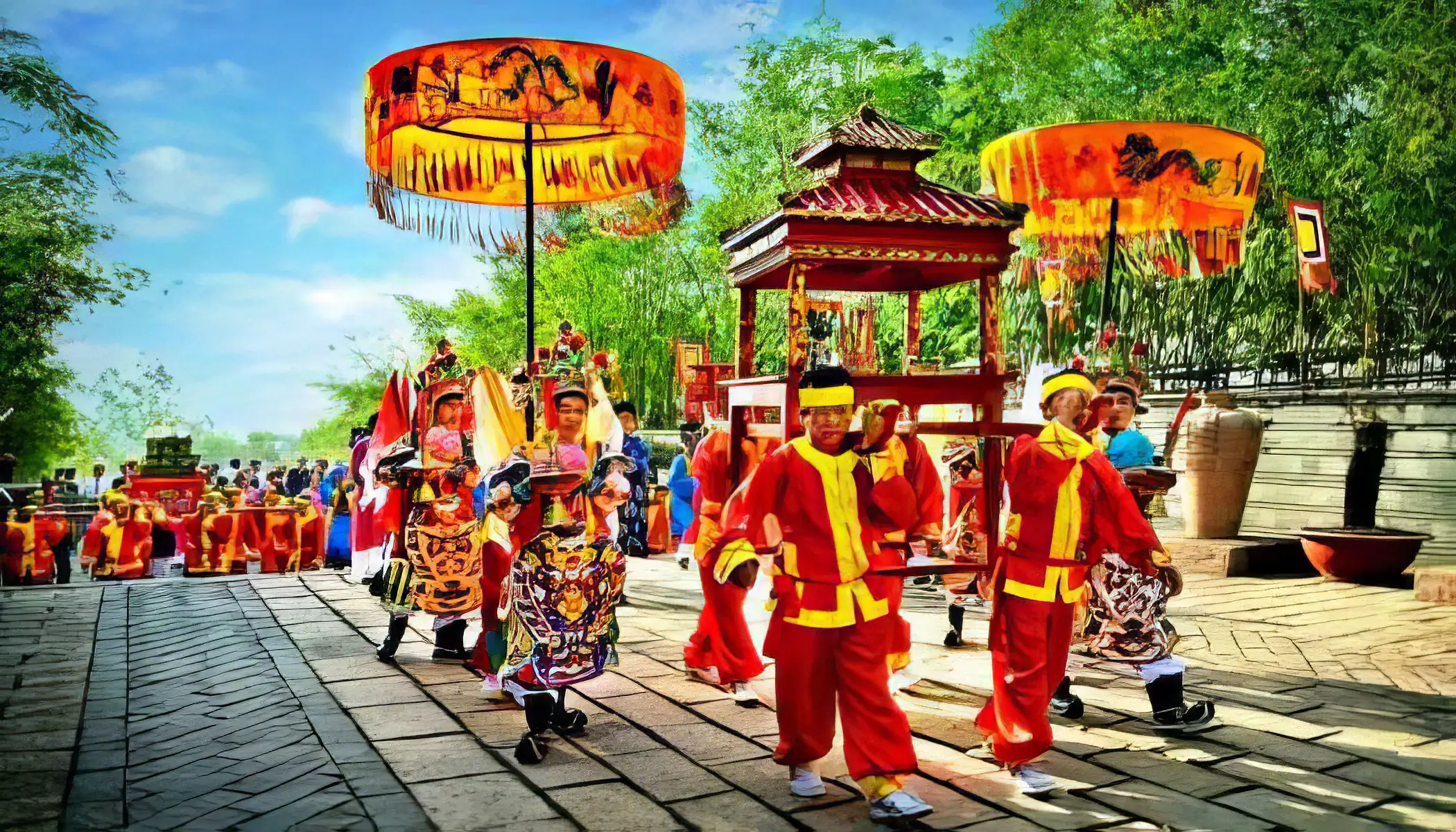
Vietnam is a country rich in culture and tradition, with numerous events and festivals taking place throughout the year:
– Tet Nguyen Dan: This is the Vietnamese New Year, celebrated in January or February, marking the arrival of spring.
– Perfume Pagoda Festival: A religious event taking place from January to March, attracting pilgrims from all over the country.
– Hue Festival: A biennial cultural event in April, showcasing traditional Vietnamese music, dance, and arts.
– International Labor Day: A national holiday on May 1, marked by parades and cultural activities.
– Hung Kings' Temple Festival: A traditional festival in April, honoring the legendary founders of Vietnam.
– Vesak: A Buddhist festival in May, featuring processions, prayers, and offerings at pagodas.
– Mid-Autumn Festival: A children's festival in September or October, with lanterns, mooncakes, and performances.
Famous People
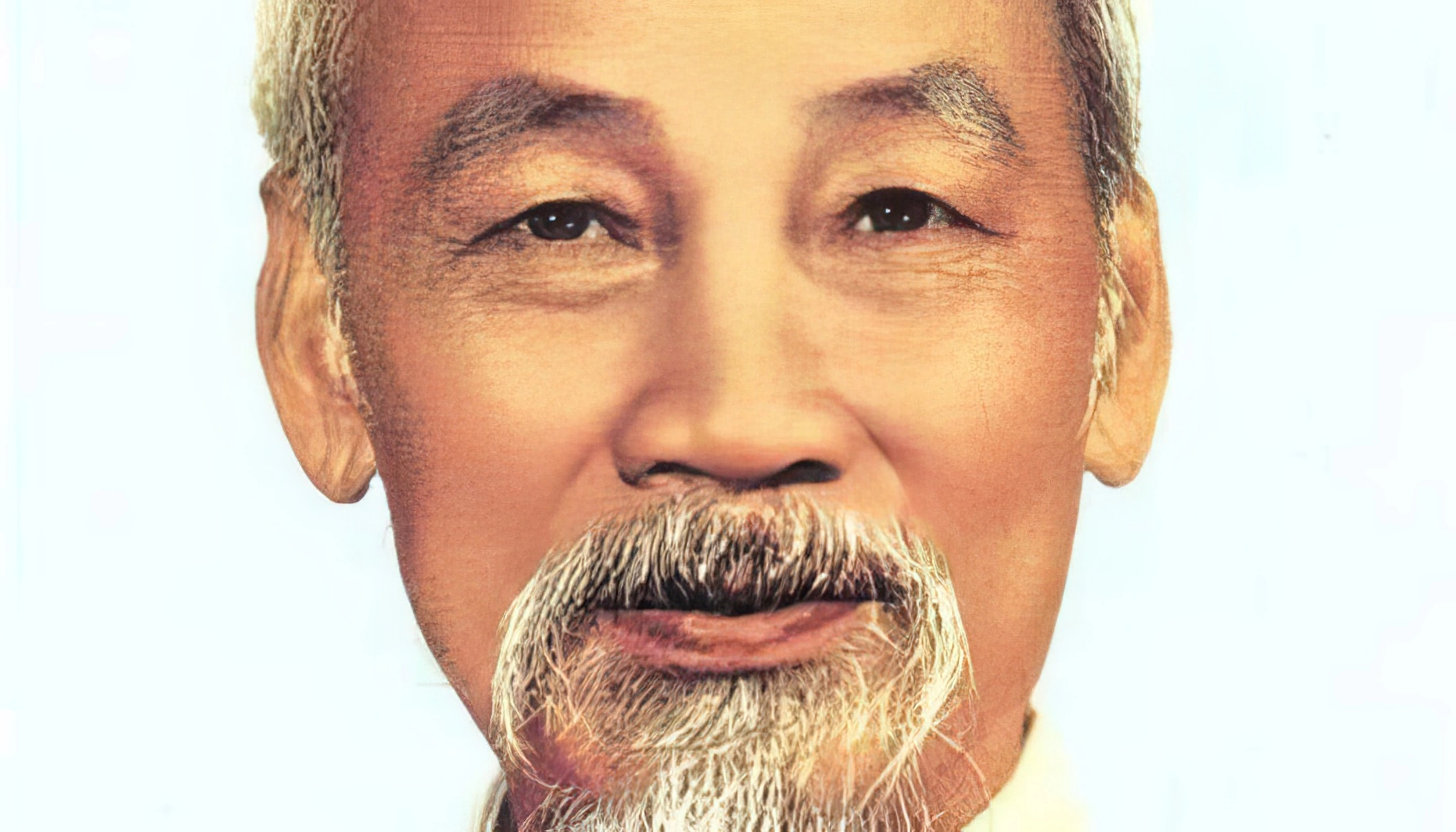
Vietnam, a country with a rich history, has been home to many influential figures across various fields.
– Ho Chi Minh (1890-1969, Nghe An): Founding father of modern Vietnam and its first president.
– Vo Nguyen Giap (1911-2013, Quang Binh): Renowned general who led Vietnam in wars against France and the USA.
– Le Duc Tho (1911-1990, Nam Ha): Nobel Peace Prize laureate known for his role in the Paris Peace Accords.
– Nguyen Du (1765-1820, Thang Long): Esteemed poet, famous for his epic "The Tale of Kieu."
– Tran Anh Hung (born 1962, Da Nang): Internationally recognized film director, known for "The Scent of Green Papaya."
Books
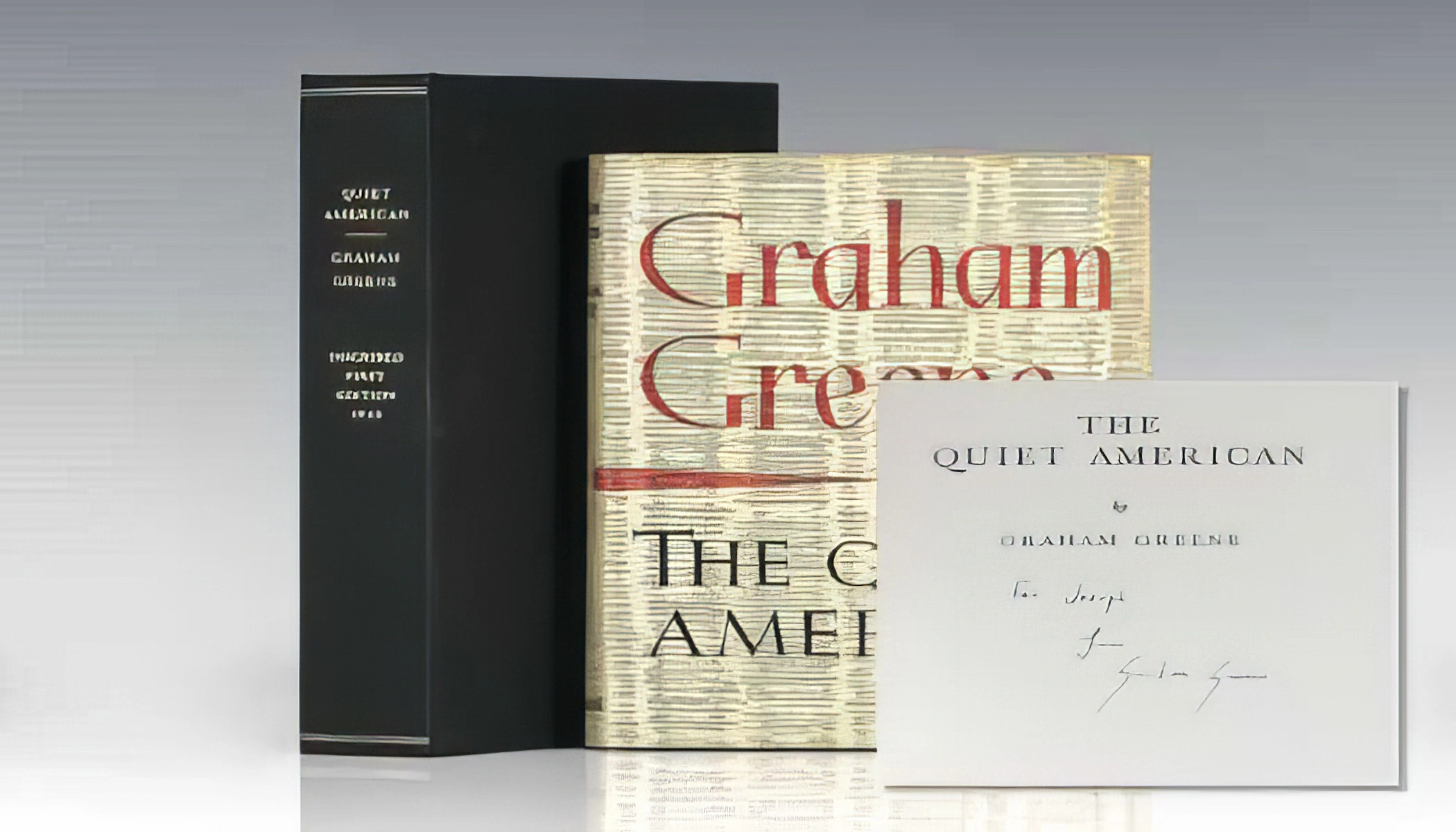
Vietnam's rich history and culture have inspired many renowned books. Here are some of the most famous ones:
– "The Quiet American" by Graham Greene: A British journalist's perspective on the Vietnam War.
– "The Sorrow of War" by Bao Ninh: A haunting portrayal of a North Vietnamese soldier's experiences.
– "The Things They Carried" by Tim O'Brien: A collection of linked short stories about a platoon of American soldiers in the Vietnam War.
– "When Heaven and Earth Changed Places" by Le Ly Hayslip: A memoir of a woman's life during and after the Vietnam War.
– "Catfish and Mandala" by Andrew X. Pham: A Vietnamese-American's bicycle journey through Vietnam in search of his cultural identity.
Songs
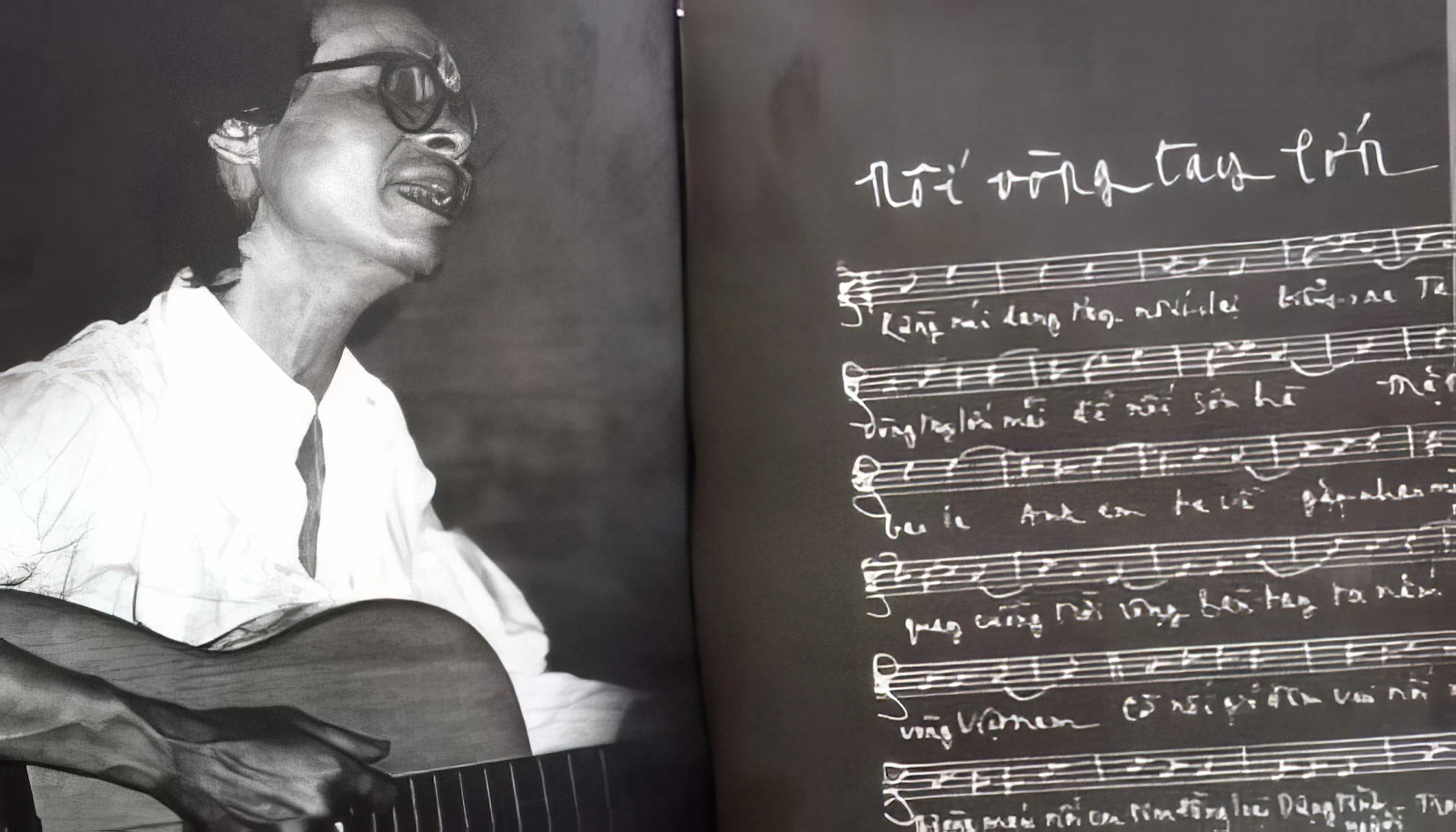
Vietnamese music is a rich tapestry of traditional and modern influences, with songs that capture the country's spirit, culture, and history.
– "Nguoi O Dung Ve": A timeless piece by Pham Duy, one of Vietnam's most revered songwriters.
– "Mot Coi Di Ve": A poignant song by Trinh Cong Son, often referred to as Vietnam's Bob Dylan.
– "Que Nha": A heartfelt ode to the homeland by Trinh Cong Son.
– "Tinh Ca": A classic love song by Pham Duy, known for its beautiful melody and lyrics.
– "Noi Vong Tay Lon": A powerful song about unity and solidarity by Trinh Cong Son.
– "Chieu Cuoi Tuan": A modern classic by Duy Khoa that captures the essence of Vietnam's weekend evenings.
Films
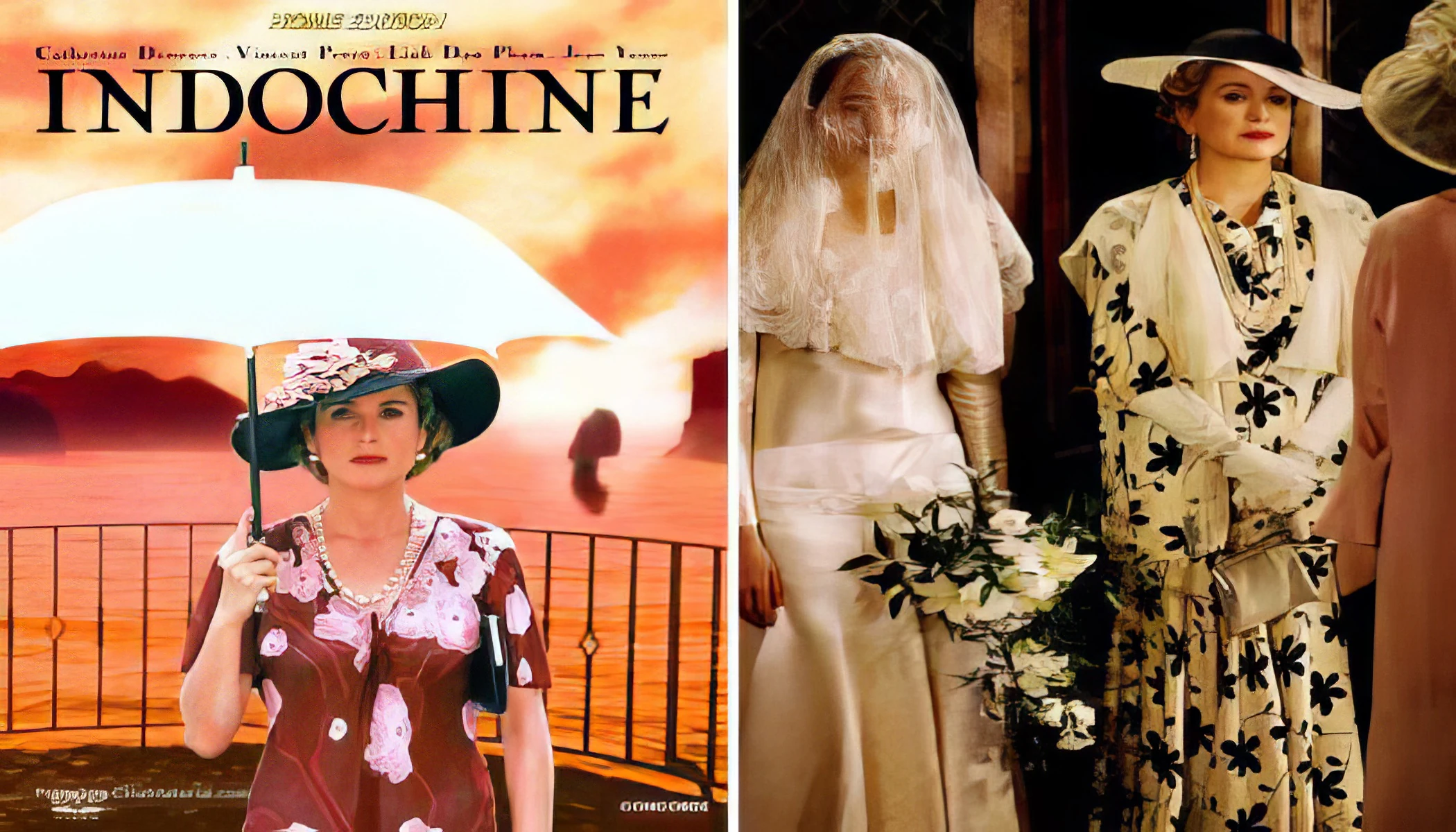
Vietnam's cinematic landscape is rich and diverse, here are some of the most famous films about the country:
– "Apocalypse Now": Francis Ford Coppola's epic war film set during the Vietnam War.
– "Full Metal Jacket": Stanley Kubrick's gritty depiction of U.S. Marines during the Vietnam War.
– "The Quiet American": A film adaptation of Graham Greene's novel set in 1950s Vietnam.
– "Good Morning, Vietnam": Robin Williams stars as a radio DJ on Armed Forces Radio Service during the Vietnam War.
– "Platoon": Oliver Stone's semi-autobiographical film about a U.S. infantryman in the Vietnam War.