

Travel Guide to China: Top Things to Do & Tips
This East Asian country is the world's most populous, known for its rich history and vast landscapes. From the Great Wall to lively cities like Beijing and Shanghai, it offers a blend of ancient traditions and modern development.
- Capital
- Beijing
- Population
- 1330 millions
- Superficy
- 9597000 sq.km
- Months to Visit
- April to June & Sept. to Oct.
- Living Cost
- Moderate
Overview
China, located in East Asia, is the world's most populous country and the fourth largest in terms of territory. It is known for its rich history, stretching back over 5,000 years, and its diverse cultural heritage. Beijing, the capital, and Shanghai, the largest city, are major global hubs for business and finance. The country's varied landscapes range from the Himalayan mountain range in the west to coastal plains in the east. China is also famous for its cuisine, which varies greatly across its different regions. Despite rapid modernization, traditional practices and ancient landmarks, such as the Great Wall and the Forbidden City, remain integral to Chinese culture.
Pros & Cons
GOOD REASONS TO VISIT CHINA
– Historic Landmarks: Visit the Great Wall, Forbidden City, and Terracotta Army, showcasing China's rich history.
– Diverse Landscapes: From Yangshuo's karst mountains to Zhangjiajie's towering pillars, China's natural beauty is breathtaking.
– Unique Cuisine: Savor diverse regional dishes like Peking duck, dim sum, and Sichuan hotpot.
– Cultural Heritage: Experience traditional tea ceremonies, calligraphy, martial arts, and festivals.
– Modern Metropolises: Explore Shanghai's skyline, Beijing's historic hutongs, and Shenzhen's tech hub. CHALLENGES WHEN VISITING CHINA
– Language Barrier: English is not widely spoken; learning basic Mandarin phrases can be helpful.
– Air Quality: Pollution in major cities can be a health concern, especially for those with respiratory issues.
– Internet Restrictions: Access to certain websites and social media platforms is restricted; a VPN is often necessary.
Before Departure
Before planning your trip to China, there are several important factors to consider:
– Passport: Your passport must be valid for at least six months beyond your departure date.
– Visa: Most tourists require a visa to enter China. The standard tourist visa (L Visa) is valid for 30 days. Apply at a Chinese embassy or consulate.
– Currency: The official currency is the Renminbi (RMB or CNY). Credit cards are widely accepted in cities, but cash is preferred in rural areas. ATMs are common.
– Internet access: WiFi is common in urban areas, but a VPN is needed to access many western websites. Prepaid SIM cards are widely available.
– Language barrier: Mandarin is the official language. English is not widely spoken outside of major cities and tourist areas. Learning basic Mandarin phrases can be helpful.
What to Pack
Traveling to China requires careful packing to accommodate its diverse climate, cultural norms, and various activities.
– Essentials: Passport and visa (if required), Travel insurance details, Flight tickets and itinerary, Accommodation reservations.
– Clothing: Comfortable walking shoes, modest clothing for visiting religious sites, warm clothing for colder regions, rain gear for rainy seasons.
– Health & Safety: Prescription medications and a basic first aid kit, air pollution mask (especially for major cities), personal hygiene items.
– Electronics: Travel adapter for Chinese outlets, VPN setup on mobile devices (if needed), translation app downloaded on phone.
Weather
China's weather varies greatly by region and season:
– Winter (December to February): Northern China is cold and dry, while Southern China is milder and wetter.
– Spring (March to May): Weather is generally mild, with more rain in the south than the north.
– Summer (June to August): Northern China is hot and rainy, while Southern China is hot and humid.
– Autumn (September to November): Weather is generally mild and dry across the country. The best time to visit China is during Spring (April to June) and Autumn (September to October). Reasons are:
– Pleasant weather and less rainfall.
– Beautiful natural scenery. However, these are also peak tourist seasons, so expect higher prices and larger crowds.
Travel Budget
China offers a range of prices depending on the city and region. Here are some average costs for reference:
– Hotel: 30$ to 200$
– Lunch: 5$ to 20$
– Beverage (in bar/restaurant): 2$ to 10$
– Coffee: 3$ to 6$
– Transportation: (train 20$ to 100$), (bus 0.5$ to 2$), (taxi /10km 3$ to 10$)
– Mobile data (per GB): 2$ to 10$
Language
Mandarin Chinese is the official language of China and is widely spoken across the country. Here are some useful phrases for tourists:
– Hello: Nǐ hǎo (你好)
– Thank you: Xièxiè (谢谢)
– Please: Qǐng (请)
– How much is this?: Zhège duōshǎo qián? (这个多少钱?)
– Excuse me: Jièguò (借过)
– I don't understand: Wǒ bù dǒng (我不懂)
– Yes: Shì (是)
– No: Bù shì (不是)
– Goodbye: Zàijiàn (再见)
History
China's history spans over four millennia, with the earliest recorded dynasty, the Xia, dating back to around 2070 BC. It was followed by the Shang, Zhou, Qin, and Han dynasties, the latter marking the golden age of Chinese arts and culture. The Tang and Song dynasties saw significant advancements in technology, while the Yuan dynasty marked the Mongol conquest of China. The last dynasty, the Qing, ended in 1912 with the establishment of the Republic of China. The Chinese Civil War led to the creation of the People's Republic of China in 1949, under the leadership of the Communist Party. Today, China is a global power with significant economic and political influence.
Geopolitics
China, officially known as the People's Republic of China, is a communist one-party state located in East Asia. It shares borders with 14 countries, the most of any country in the world, and has coastlines along the Yellow Sea, East China Sea, and South China Sea. China is a permanent member of the United Nations Security Council and has significant influence in global politics. It has territorial disputes with several of its neighbors, most notably over the South China Sea and with India. Economically, China is a global powerhouse, being the world's second-largest economy by nominal GDP. Its Belt and Road Initiative, aimed at boosting trade and stimulating economic growth across Asia and beyond, has significant geopolitical implications.
Sample Itinerary
This tour offers a blend of historical sites in Beijing, the natural beauty of Zhangjiajie, the turbulent city life in Shanghai, and the unique culture in Xi'an.
– 3 days in Beijing: Visit the Great Wall, Forbidden City, and Tiananmen Square. Explore the Summer Palace and sample Peking Duck.
– 2 days in Zhangjiajie: Experience the Avatar Mountains, Tianzi Mountain, and Zhangjiajie Grand Canyon Glass Bridge. Enjoy the natural beauty and unique landscapes.
– 2 days in Xi'an: Discover the Terracotta Army, Ancient City Wall, and Muslim Quarter. Taste local dishes like Biang Biang Noodles.
– 3 days in Shanghai: Explore the Bund, Yu Garden, and Nanjing Road. Visit Shanghai Tower for a panoramic city view. Enjoy local cuisine like Xiaolongbao.
Popular cities

China offers a diverse range of cities, each with its unique charm and history:
– Beijing: The capital city, home to the Great Wall and Forbidden City.
– Shanghai: China's largest city, known for its skyline and the Bund.
– Xi'an: Famous for the Terracotta Army and ancient city walls.
– Chengdu: Known for its panda base and spicy Sichuan cuisine.
– Hangzhou: Home to the beautiful West Lake and traditional tea villages.
– Guilin: Renowned for its fascinating karst landscape and Li River.
– Suzhou: Famous for its classical gardens and silk industry.
Monuments
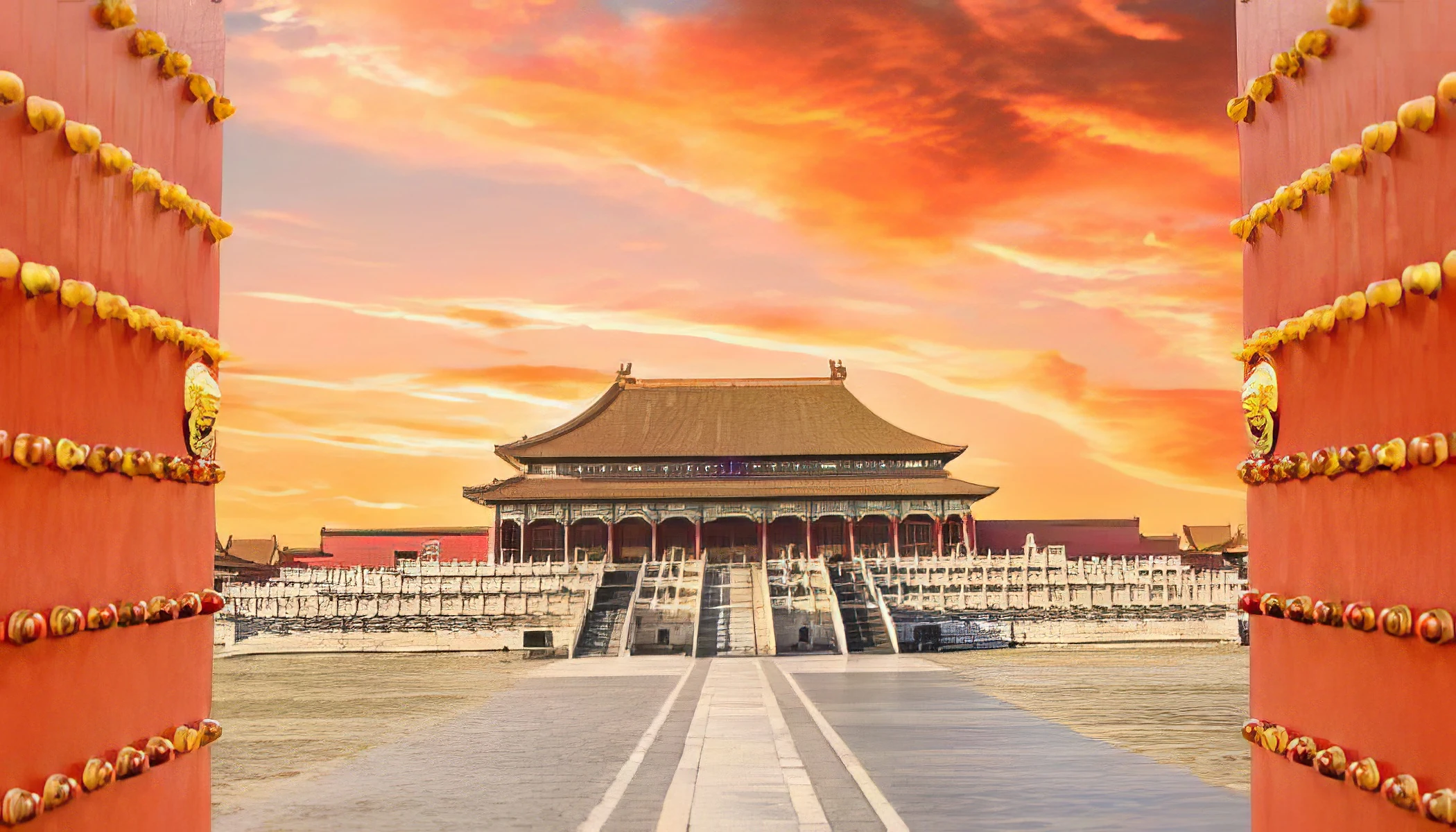
China is home to numerous historical monuments and architectural wonders:
– The Great Wall of China: A massive ancient defensive structure stretching over 13,000 miles.
– The Forbidden City, Beijing: The world's largest palace complex with over 980 buildings.
– The Terracotta Army, Xi'an: Thousands of life-sized soldier and horse statues buried with China's first emperor.
– The Summer Palace, Beijing: A vast ensemble of lakes, gardens, and palaces.
– The Potala Palace, Tibet: Former residence of the Dalai Lama, now a museum and World Heritage site.
– The Temple of Heaven, Beijing: A complex of religious buildings used for annual ceremonies of prayer for good harvest.
– The Leshan Giant Buddha: The largest stone Buddha in the world, carved out of a cliff.
– The Ming Tombs, Beijing: The burial site of 13 Ming Dynasty emperors, with grand mausoleums.
Natural wonder
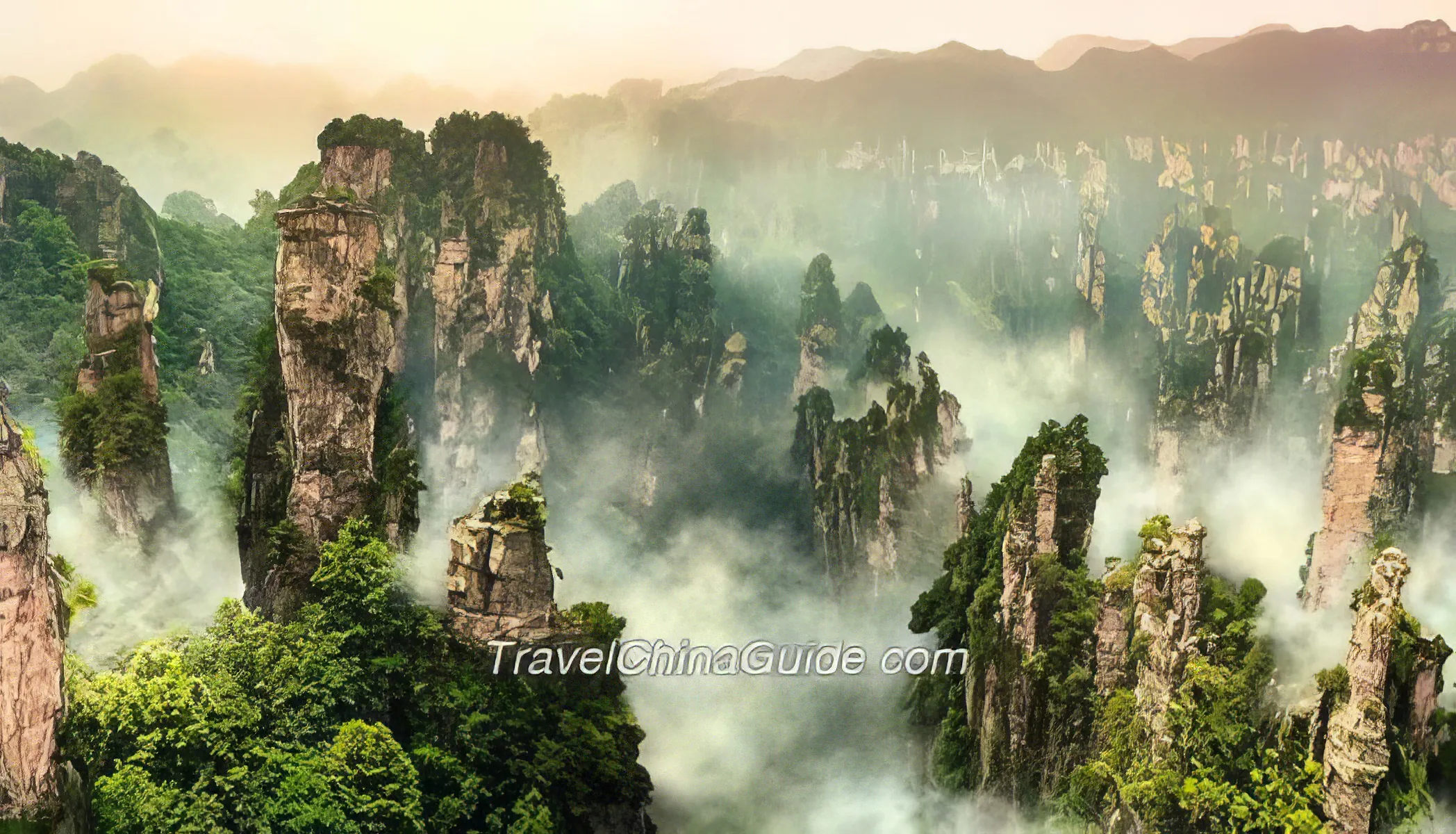
Explore the diverse natural beauty of China:
– The Great Wall of China: A man-made wonder stretching over 13,000 miles.
– Zhangjiajie National Forest Park: Known for its towering sandstone pillars, inspiration for Avatar's Hallelujah Mountains.
– Jiuzhaigou Valley: A nature reserve famous for its multi-level waterfalls, colorful lakes, and snow-capped peaks.
– Mount Everest: The world's highest mountain, located on the border of Tibet and Nepal.
– Yellow Mountains (Huangshan): Known for its granite peaks, hot springs, and ancient pine trees.
– Li River: Famous for its karst landscape, offering remarkable views of hills, caves, and cliffs.
– Potala Palace: A beautiful palace that stands as a symbol of Tibet.
– Terracotta Army: Thousands of life-sized statues buried with China's first emperor, Qin Shi Huang.
– The Bund: A famous waterfront area in central Shanghai.
– The Forbidden City: The largest palace complex in the world, located in Beijing.
Beaches
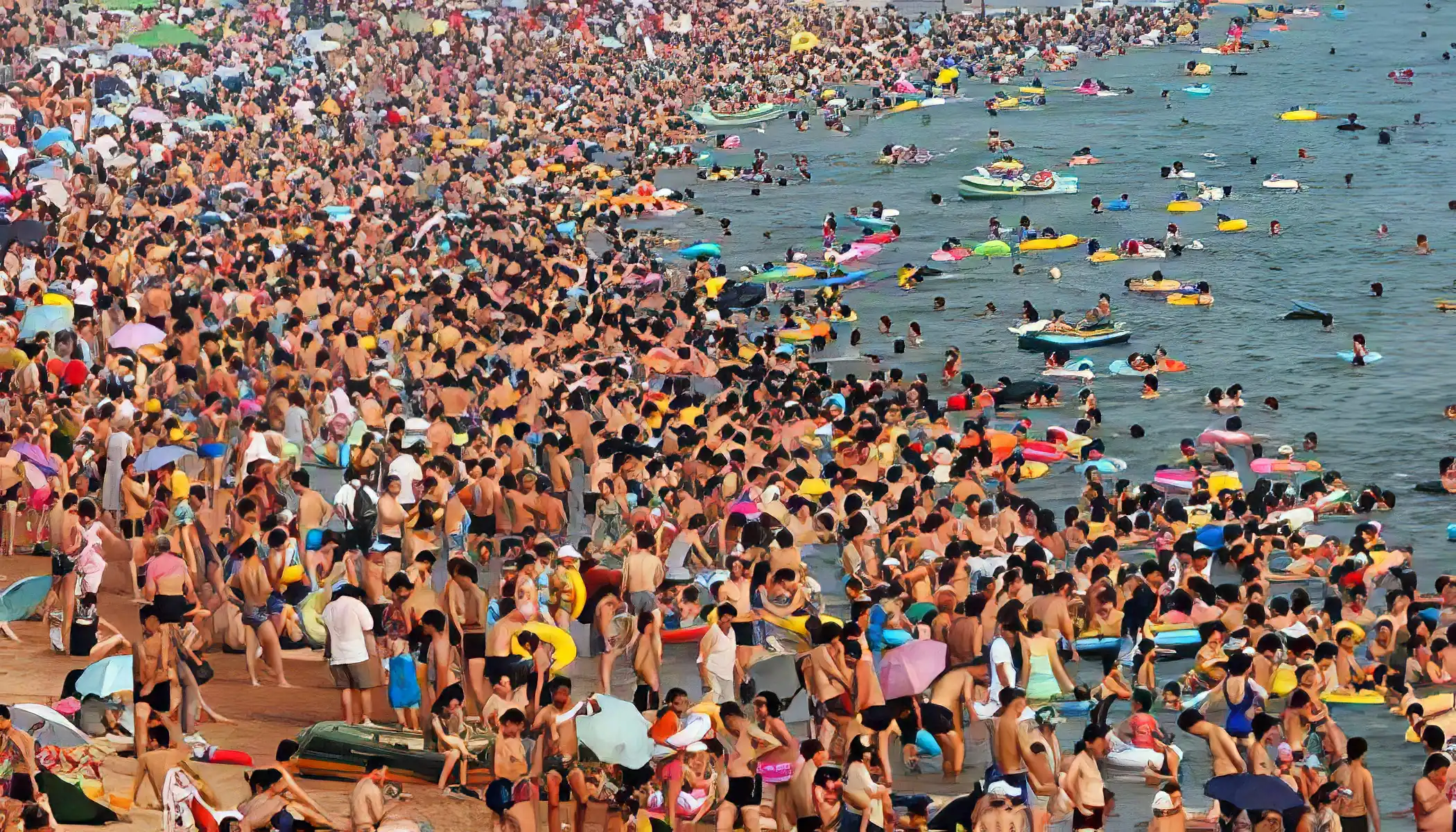
Here are some of the most visited beaches in China:
– Yalong Bay: Known for its crystal-clear water and soft sand in Sanya, Hainan.
– Dadonghai Beach: Popular for its tropical climate and water sports in Sanya, Hainan.
– Beidaihe Beach: A summer retreat with calm waters in Qinhuangdao, Hebei.
– Golden Pebble Beach: Famous for its unique rock formations in Dalian, Liaoning.
– Xiamen Beach: Known for its clean sand and beautiful views in Xiamen, Fujian.
– Shilaoren Beach: Popular for surfing and its natural "Old Stone Man" formation in Qingdao, Shandong.
– Sanya Bay: Offers a long coastline, palm trees, and warm waters in Sanya, Hainan.
Outdoor activities

China offers a wide array of outdoor activities for nature lovers and adventure seekers:
– Hiking the Great Wall: Walk along the ancient fortification system and enjoy panoramic views.
– Cruising the Li River: Witness the beautiful karst landscape on a leisurely boat ride.
– Cycling in Yangshuo: Pedal through picturesque countryside and traditional villages.
– Trekking Tiger Leaping Gorge: Experience one of the deepest gorges in the world.
– Panda Watching in Chengdu: Visit a panda reserve and observe these creatures in their natural habitat.
– Camel Riding in the Gobi Desert: Traverse the vast, sandy landscape on a camel.
– Mountaineering in Tibet: Climb some of the highest peaks in the world for a thrilling challenge.
Kid Friendly
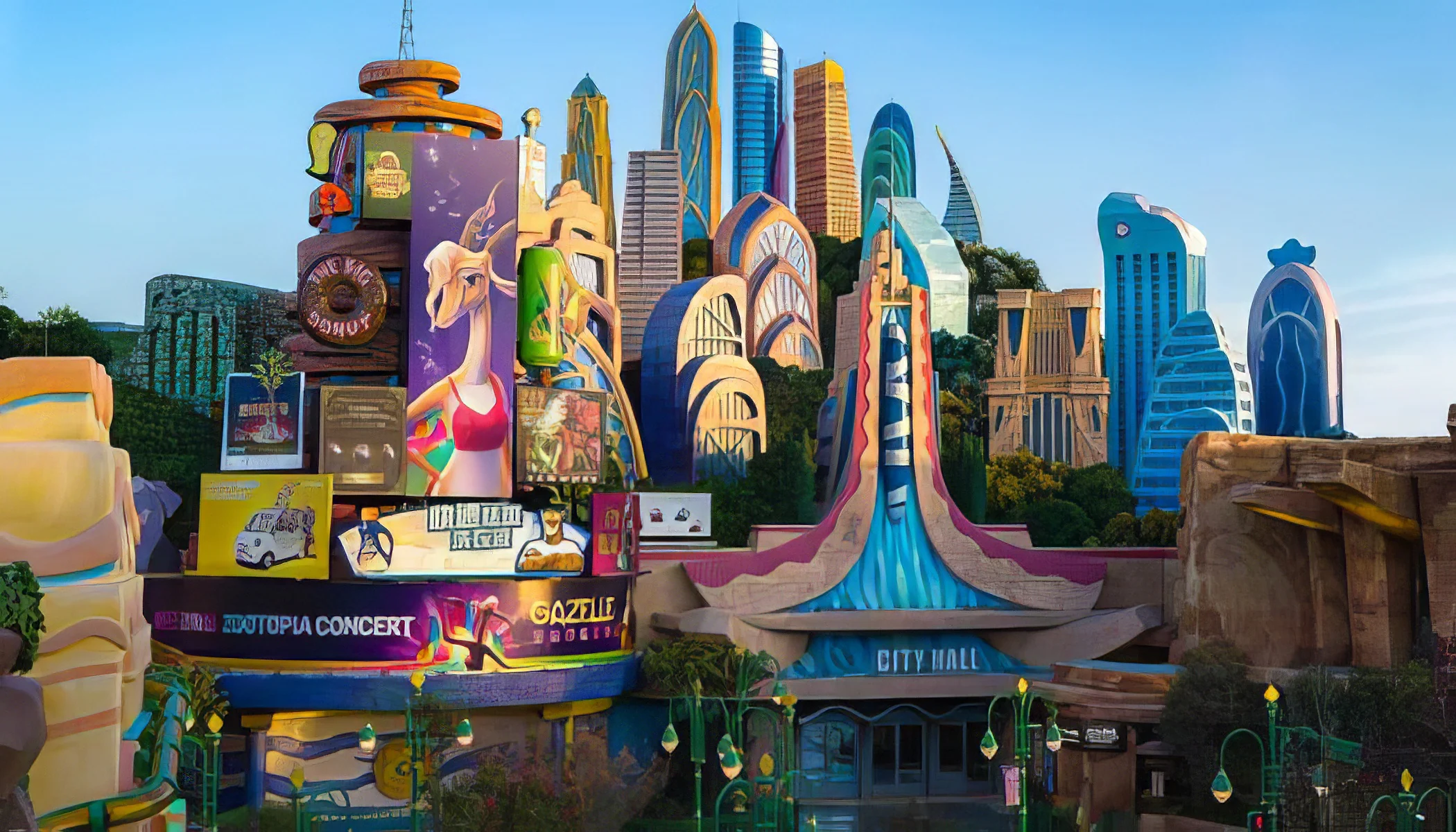
Here are some activities in China that are perfect for kids:
– Great Wall of China: A historic site that offers a fun and educational experience.
– Shanghai Disneyland: A magical theme park with a variety of rides and shows.
– Chengdu Research Base of Giant Panda Breeding: A chance to see and learn about pandas.
– Summer Palace: A beautiful royal park in Beijing that kids can explore.
– Ocean Park: A marine-themed amusement park in Hong Kong with rides and animal exhibits.
– Terracotta Army: An archaeological site in Xi'an with thousands of life-sized statues.
– Zhangjiajie National Forest Park: A natural wonder with towering sandstone pillars that inspired the movie Avatar.
– Beijing Zoo: Home to a variety of animals, including the beloved pandas.
Cuisine
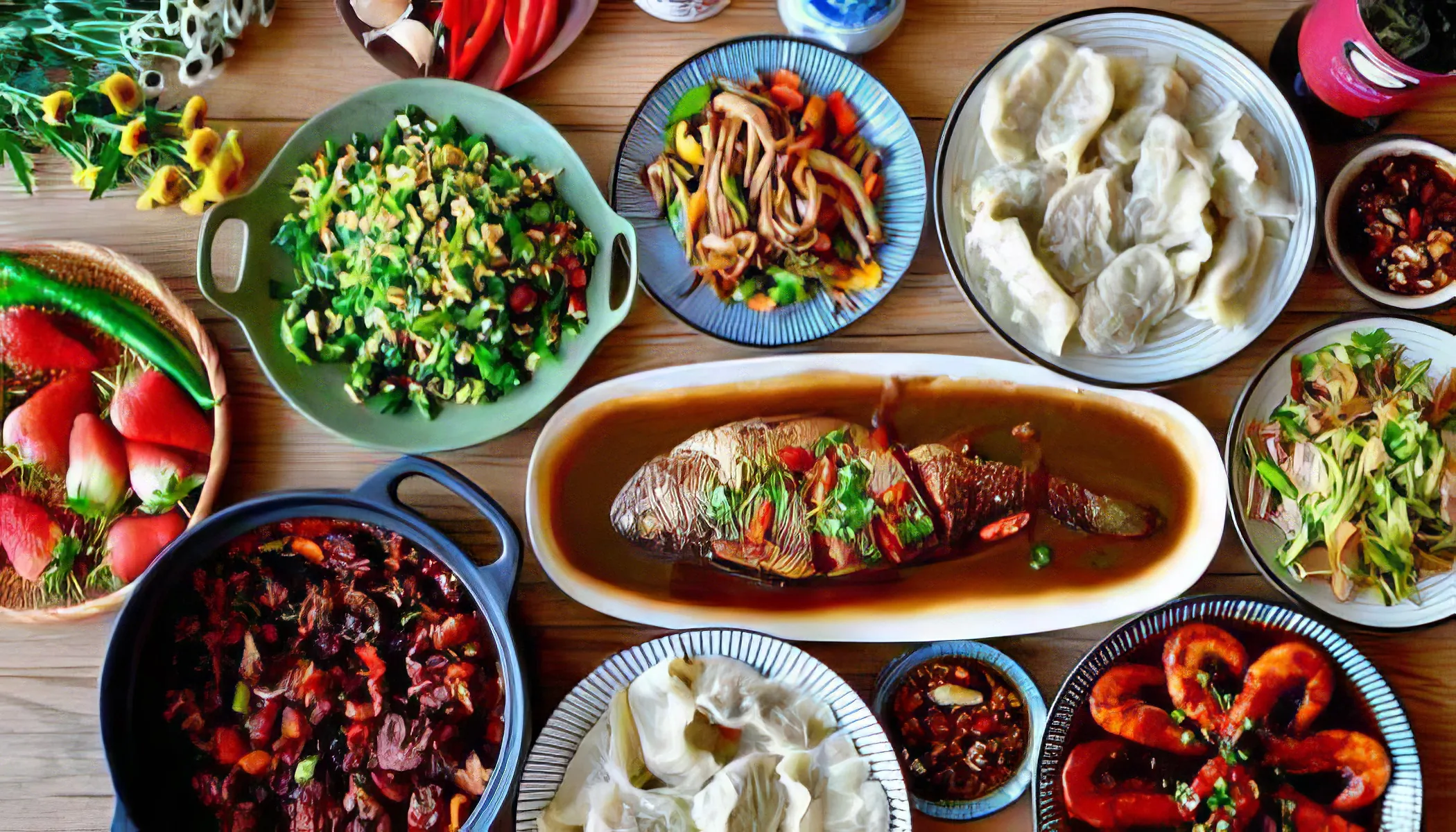
Chinese cuisine is diverse and rich, reflecting the country's vast geography and history. It's characterized by a balance of flavors and textures, with regional variations. Street food and family-style dining are common. Most famous dishes in China are:
– Peking Duck: Roasted duck with crispy skin, served with pancakes and sauce.
– Dim Sum: Variety of bite-sized dishes, often steamed or fried.
– Hot Pot: A communal dish where ingredients are cooked in a simmering pot of soup.
– Kung Pao Chicken: Stir-fried chicken with peanuts, vegetables, and chili peppers.
– Mapo Tofu: Tofu cooked in a spicy sauce, typically with minced meat.
– Mooncake: Traditional pastry filled with sweet bean paste or lotus seed paste, commonly eaten during the Mid-Autumn Festival.
Souvenir
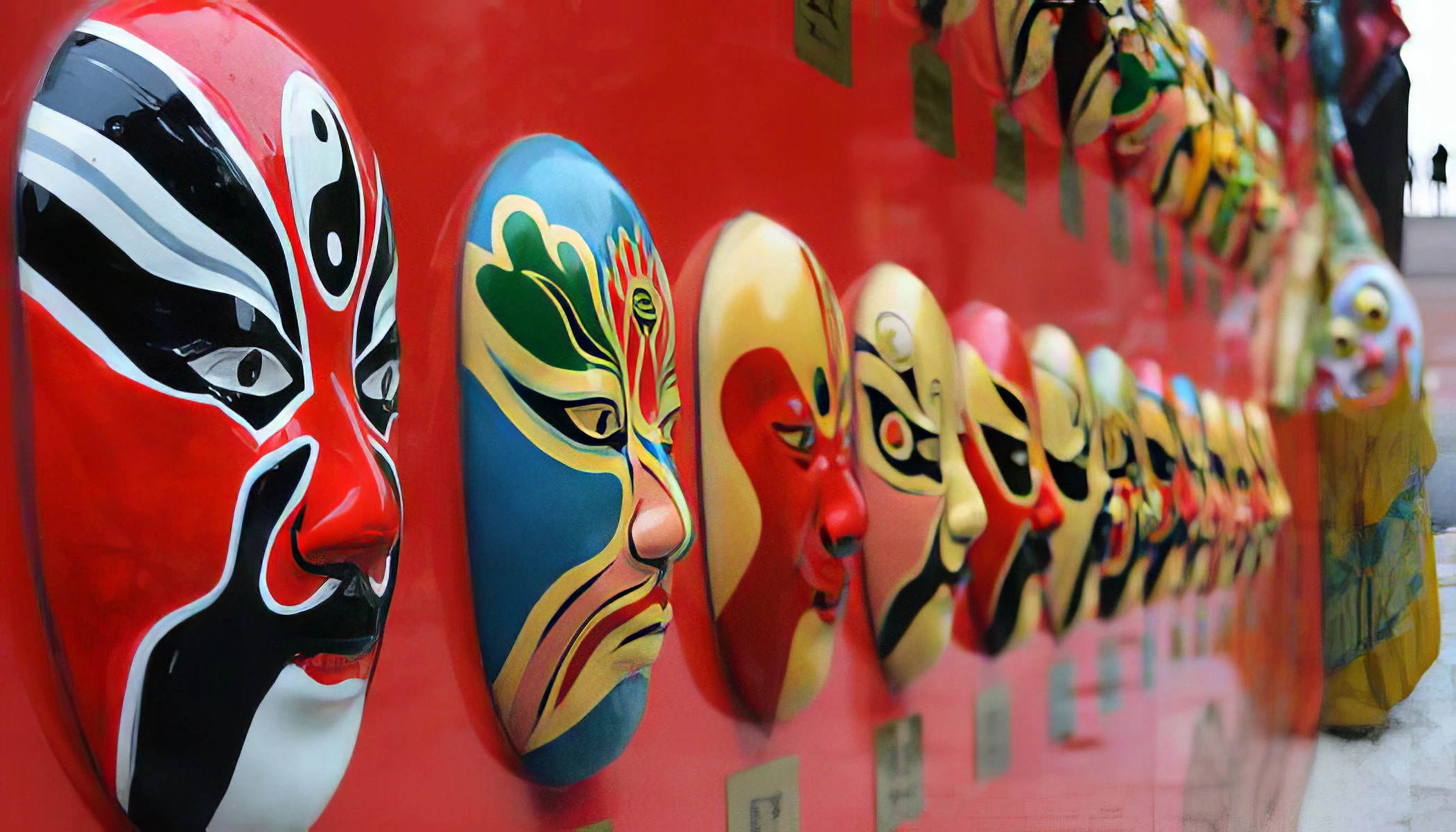
China is a country with a rich history and culture, which is reflected in its wide range of unique souvenirs. Here are some items you might want to consider:
– Silk Products: China is famous for its silk, and you can find a variety of silk products, from clothing to accessories.
– Tea: China is the birthplace of tea, and you can find a wide variety of high-quality teas.
– Jade Jewelry: Jade is a symbol of good luck in Chinese culture, and jade jewelry is a popular souvenir.
– Chinese Calligraphy: Calligraphy artworks or tools are a unique and artistic souvenir.
– Terracotta Warriors Replicas: Miniature replicas of the famous Terracotta Warriors are a popular souvenir.
– Chinese Lanterns: Traditional Chinese lanterns are a colorful and festive souvenir.
– Chopsticks: High-quality chopsticks can be a practical and cultural souvenir.
Traditional Shows

China is renowned for its rich traditional performing arts:
– Peking Opera: Experience this traditional Chinese theater form, combining music, vocal performance, and acrobatics in Beijing.
– Acrobatic Shows: Witness the physical skill and grace of Chinese acrobats at Shanghai's Circus World.
– Sichuan Opera: Enjoy this unique form of Chinese opera known for its face-changing technique, performed in Chengdu.
– Kunqu Opera: Discover one of the oldest extant forms of Chinese opera, performed in Suzhou, known for its elegant and refined music and movement.
– Guangdong Music: Listen to this traditional Chinese music genre, characterized by its slow tempo and melodious tunes, performed in Guangzhou.
Events & Festivals
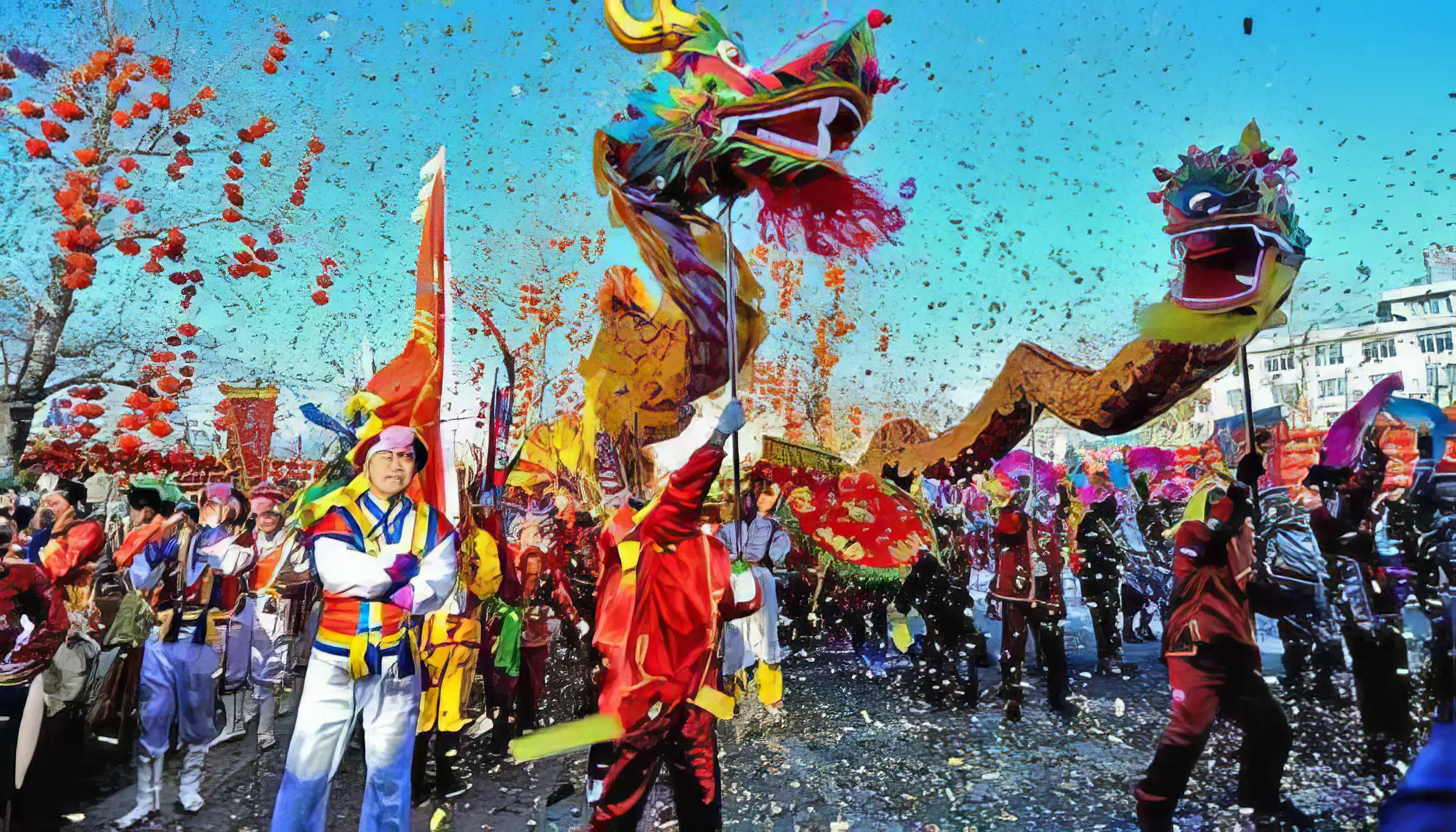
China, a country rich in culture, hosts several significant events and festivals each year:
– Spring Festival: Celebrated in January/February, it marks the start of the lunar new year with family gatherings and fireworks.
– Lantern Festival: Held in February, it concludes the Spring Festival with lantern displays and riddles.
– Qingming Festival: In April, families honor their ancestors by cleaning graves and making offerings.
– Dragon Boat Festival: In June, dragon boat races and zongzi dumplings mark this event.
– Mid-Autumn Festival: In September/October, families gather to admire the full moon and share mooncakes.
– National Day: Celebrated on October 1, it marks the founding of the People's Republic of China with parades and fireworks.
– Double Ninth Festival: In October, families visit ancestors' graves and enjoy the autumn scenery.
Famous People
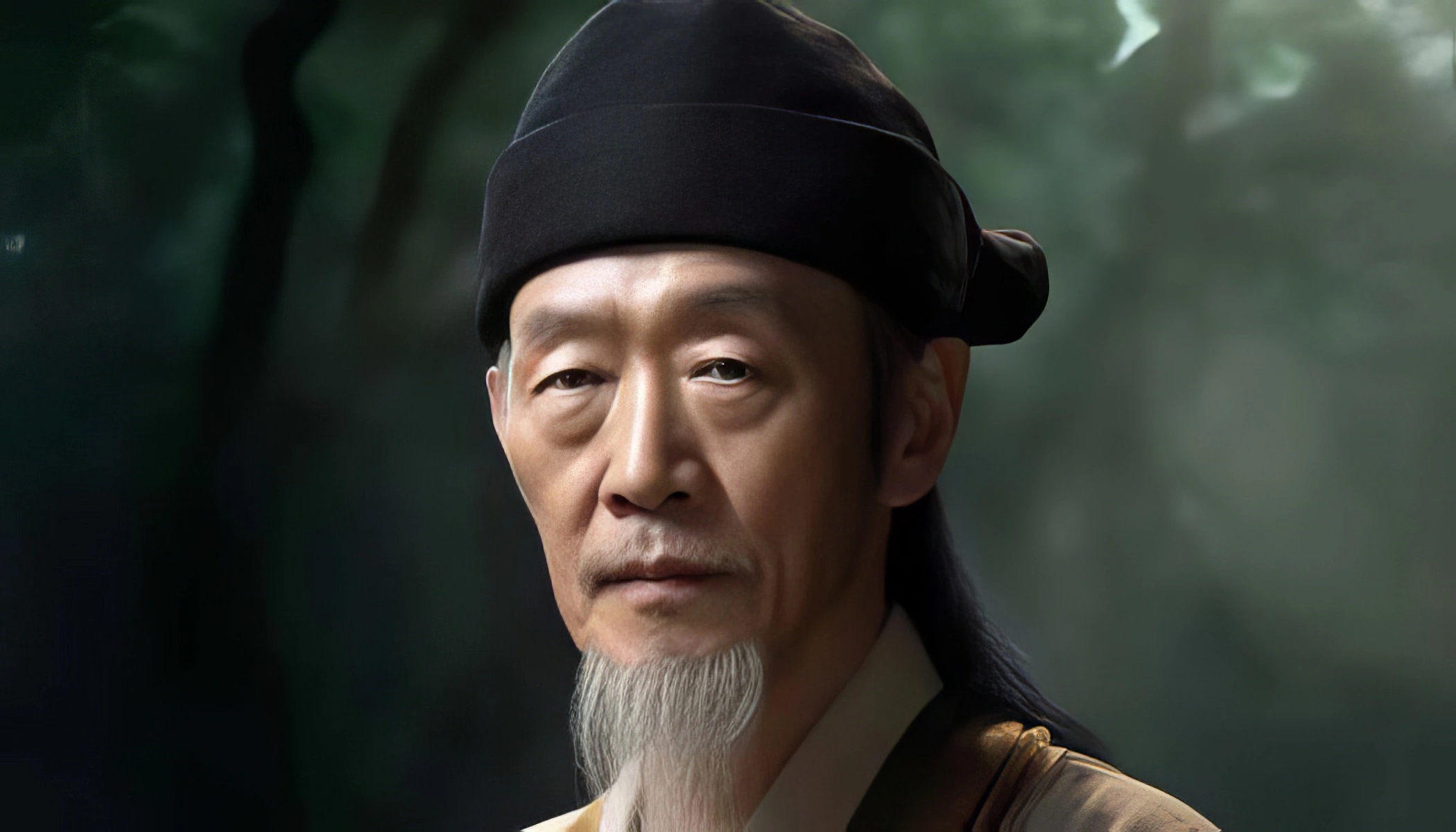
China, with its rich history and cultural influence, has produced many globally recognized figures.
– Confucius (551 to 479 BC, Qufu): Philosopher whose teachings deeply influenced Chinese, Korean, Japanese, and Vietnamese thought and life.
– Mao Zedong (1893 to 1976, Shaoshan): Founding father of the People's Republic of China and key figure in the Chinese Communist Party.
– Jackie Chan (born 1954, Victoria Peak): Internationally renowned actor and martial artist known for his acrobatic fighting style.
– Deng Xiaoping (1904 to 1997, Guang'an): Politician and reformist leader of the Communist Party of China who led China towards a market economy.
– Sun Yat-sen (1866 to 1925, Zhongshan): Revolutionary and politician, recognized as the founding father of Republican China.
Books
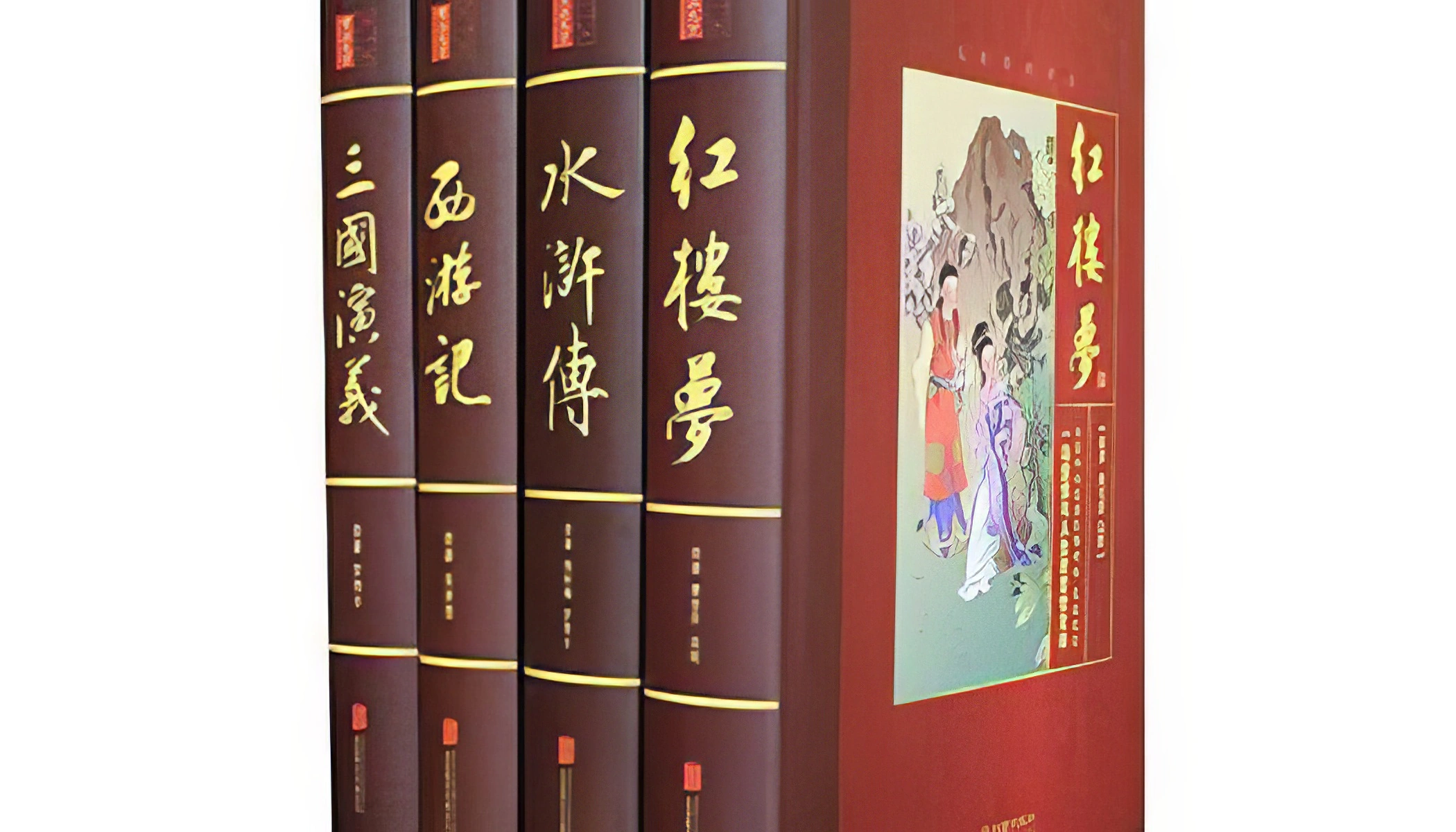
These books provide a rich tapestry of Chinese history, culture, and personal narratives, offering readers a deeper understanding of the country.
– "Wild Swans: Three Daughters of China" by Jung Chang: A family's experiences across three generations in 20th-century China.
– "The Good Earth" by Pearl S. Buck: A farmer's life in pre-revolutionary China.
– "Red Azalea" by Anchee Min: A woman's life during the Cultural Revolution.
– "River Town: Two Years on the Yangtze" by Peter Hessler: An American's experiences teaching English in a small Chinese city.
– "The Joy Luck Club" by Amy Tan: Chinese-American women explore their heritage and relationships with their mothers.
Songs
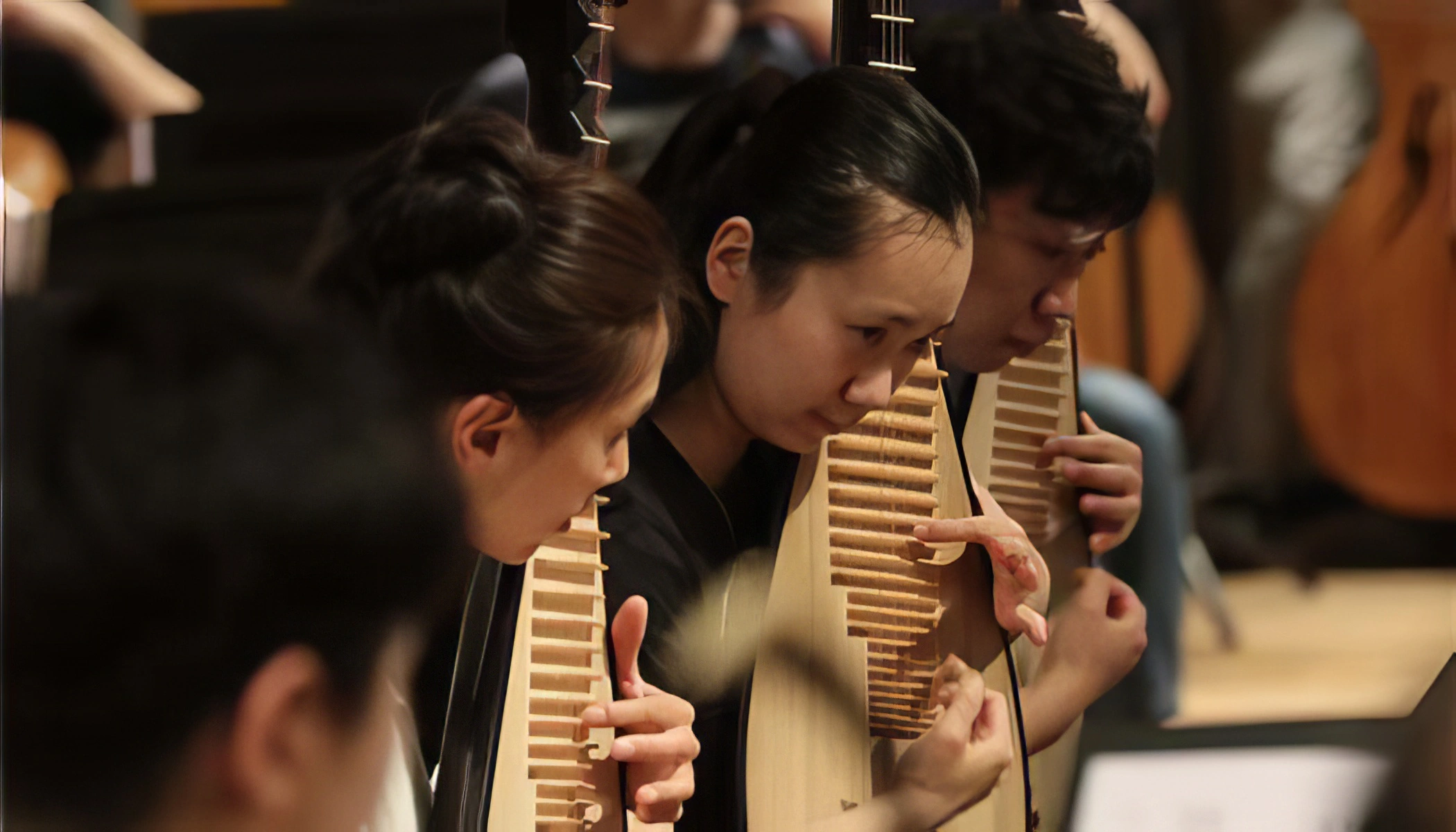
These songs are some of the most popular and influential in China, reflecting the country's rich musical heritage and contemporary trends.
– The Moon Represents My Heart: A classic love song by Teresa Teng.
– Little Apple: A catchy pop song by the Chopstick Brothers.
– Jasmine Flower: A traditional folk song known throughout China.
– Fairytale: A popular song by Michael Wong, often associated with young love.
– In the Spring: A nostalgic song by Xu Wei, reflecting on youth and time.
– I Believe: A motivational song by Zhang Liangying, inspiring hope and perseverance.
Films
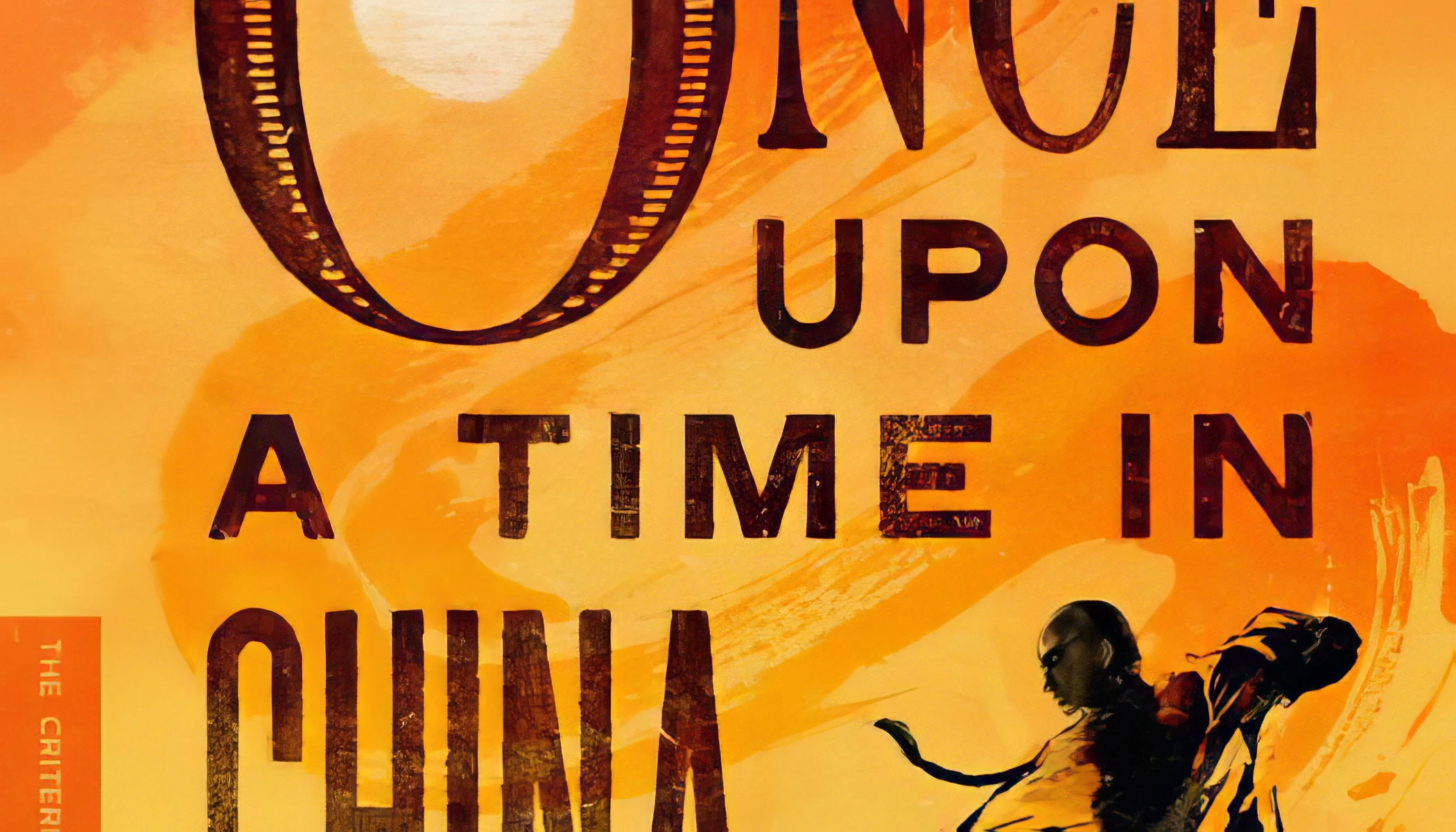
Here are some of the most renowned films that beautifully depict various aspects of Chinese culture and history:
– "Crouching Tiger, Hidden Dragon": Ang Lee's Oscar-winning martial arts epic set in Qing Dynasty China.
– "Raise the Red Lantern": Zhang Yimou's film about a young woman's life in a wealthy family during the 1920s.
– "In the Mood for Love": Wong Kar-wai's romantic drama set in 1960s Hong Kong.
– "Farewell My Concubine": Chen Kaige's film explores the life of two Peking Opera actors over 50 years.
– "Hero": Zhang Yimou's visually beautiful martial arts film about the assassination attempt on the King of Qin.