

Explore France: Culture, Cities & Places to Visit
This Western European country is renowned for its rich history, art, and gastronomy. It's home to iconic landmarks like the Eiffel Tower and Louvre Museum. Its capital, Paris, is globally recognized for fashion, culture, and romance.
- Capital
- The capital city of France is still Paris.
- Population
- 64.8 millions
- Superficy
- 548000 sq.km
- Months to Visit
- April to June & Sept. to Nov.
- Living Cost
- Expensive
Overview
France is a Western European country known for its cultural heritage and diverse landscapes. Its capital, Paris, is famous for art, fashion, and landmarks like the Eiffel Tower. The country is also recognized for its cuisine, particularly wine and cheese. Regions like Provence and the French Riviera offer unique landscapes and experiences. France has significantly influenced Western philosophy, literature, and politics. It's a popular destination for its blend of history, culture, and natural beauty.
Pros & Cons
GOOD REASONS TO VISIT FRANCE
– Iconic Landmarks: France houses the Eiffel Tower, Louvre Museum, and Palace Of Versailles, among other globally recognized sites.
– Gastronomy: French cuisine, from croissants to escargot, is world-renowned. Wine regions like Bordeaux and Champagne are must-visits for wine lovers.
– Rich History and Culture: France's history spans from Roman ruins to World War II sites. Its art, fashion, and literature are globally influential.
– Beautiful Landscapes: France offers diverse landscapes, from the French Riviera's beaches to the Alps' ski resorts.
– Romantic Atmosphere: Paris, known as the "City of Love," along with France's charming villages, offer a romantic ambiance.
CHALLENGES WHEN VISITING FRANCE
– High Costs: France, especially Paris, can be expensive in terms of accommodation, dining, and attractions.
– Crowds and Queues: Popular sites like the Eiffel Tower and Louvre often have long lines and large crowds.
– Language Barrier: While English is spoken in tourist areas, it's less common in rural areas. Basic French knowledge can be helpful.
Before Departure
Before planning your trip to France, consider the following important information:
– Passport: Ensure your passport is valid for at least three months beyond your planned departure date.
– Visa: Non-EU tourists need a Schengen visa for stays up to 90 days. Apply through the French embassy or consulate in your country.
– Currency: Euro (€) is the local currency; credit cards widely accepted; ATMs are ubiquitous.
– Internet access: WiFi is widely available in hotels, cafes, and public spaces. Prepaid SIM cards for data are easily accessible.
– Language barrier: French is the official language; English is spoken in major cities and tourist areas, less so in rural areas. Spanish and German are not widely spoken.
What to Pack
Planning a trip to France requires thoughtful packing to accommodate the country's varying climates, cultural norms, and diverse activities.
– Essentials: Passport and visa (if required), travel insurance details, flight tickets and itinerary, accommodation reservations.
– Clothing: Comfortable walking shoes, versatile clothing for layering, formal attire for upscale restaurants, swimwear (for beach/coastal areas), sunglasses, and a raincoat.
– Health and Safety: Prescription medications, basic first aid kit, sunscreen, personal hygiene items, and travel-size hand sanitizer.
– Electronics: Travel adapter for French outlets, mobile phone, camera, and portable power bank for on-the-go charging.
Weather
France's weather varies by region and season:
– Winter (December to February): Cold and snowy in the north and east, mild and rainy in the west and south.
– Spring (March to May): Mild and rainy across the country, with occasional warm days.
– Summer (June to August): Warm to hot everywhere, with occasional heatwaves and thunderstorms.
– Autumn (September to November): Mild and often sunny, with cooler temperatures and rainfall increasing towards November.
The best time to visit France is during the spring (April to June) or fall (September to November). Reasons are:
– Pleasant weather and less crowded tourist sites.
– Lower prices for flights and accommodations.
However, these periods may not coincide with major festivals or events.
Travel Budget
France, particularly Paris, is known for being more expensive than many other destinations. Here are some average costs for reference:
– Hotel: 60$ to 300$
– Lunch: 15$ to 50$
– Beverage (in bar/restaurant): 5$ to 15$
– Coffee: 2$ to 6$
– Transportation: (train 30$ to 150$), (bus 2$ to 7$), (taxi /10km 20$ to 40$)
– Mobile data (per GB): 3$ to 10$
Language
French is the official language of France and is widely spoken throughout the country. Here are some useful phrases for tourists:
– Hello: Bonjour
– Thank you: Merci
– Please: S'il vous plaît
– How much is this?: Combien ça coûte?
– Excuse me: Excusez-moi
– I don't understand: Je ne comprends pas
– Yes: Oui
– No: Non
– Goodbye: Au revoir
History
France's history begins with the Gauls, a Celtic people who were conquered by the Roman Empire in 51 BC. After the fall of Rome, it was invaded by various Germanic tribes, most notably the Franks, from whom France gets its name. In the Middle Ages, France emerged as a major European power under the rule of kings like Louis XIV. The French Revolution in 1789 led to the overthrow of the monarchy and the establishment of a republic. The 19th and 20th centuries saw a series of political changes, with periods of monarchy, empire, and republic. Two World Wars in the 20th century significantly impacted France, but it has since emerged as a key player in the European Union and on the global stage.
Geopolitics
France is a democratic republic located in Western Europe, bordered by several countries including Belgium, Germany, and Spain, and has coastlines along the Atlantic Ocean and the Mediterranean Sea. It is a key member of international organizations such as the United Nations, European Union, and NATO. France maintains a significant global influence due to its nuclear capabilities, permanent seat on the UN Security Council, and strong economy. It has a history of colonialism, which has resulted in a complex relationship with many African countries. France's geopolitical stance is characterized by a commitment to multilateralism, human rights, and global peacekeeping efforts.
Sample Itinerary
This tour offers a blend of France's iconic landmarks in Paris, the charm of Provence, the history of Normandy, and the luxury of the French Riviera.
– 3 days in Paris: Visit the Eiffel Tower, Louvre Museum, Notre-Dame, and enjoy a Seine River cruise. Explore Montmartre and the Latin Quarter.
– 2 days in Provence: Discover the Roman ruins in Nimes, the Palais Des Papes in Avignon, and the lavender fields in Valensole.
– 2 days in Normandy: Visit the D-Day beaches, the town of Bayeux, and the stunning Mont Saint-Michel.
– 2 days in French Riviera: Explore Nice's Old Town and beaches, visit the glitzy Monaco, and stroll in the glamorous Cannes.
Popular cities
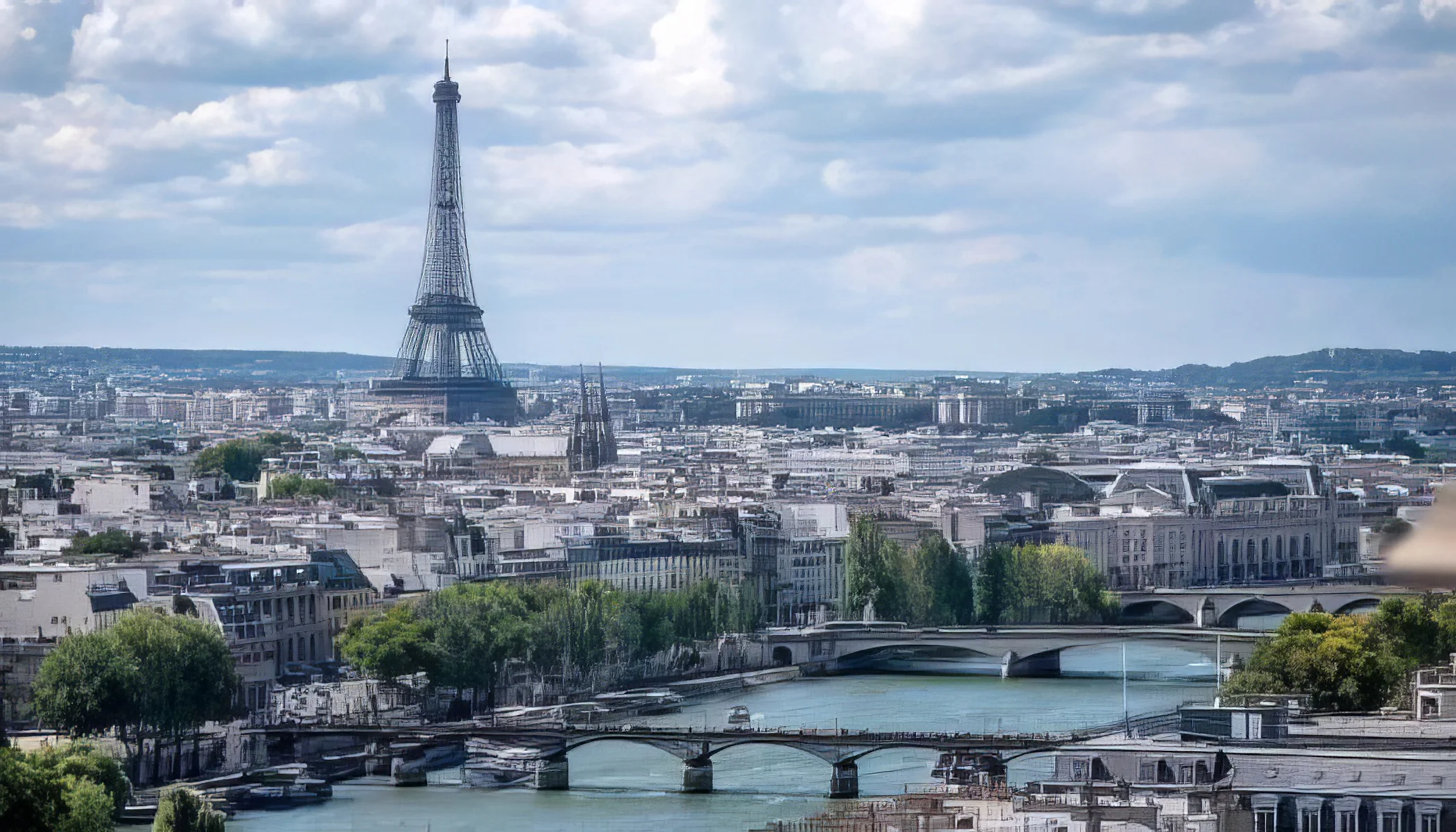
France offers a variety of cities, each with its unique charm and attractions:
– Paris: The capital city, known for its iconic landmarks like the Eiffel Tower and Louvre Museum.
– Nice: A coastal city on the French Riviera, famous for its beautiful beaches and vibrant nightlife.
– Lyon: Known for its historical and architectural landmarks, and a vibrant culinary scene.
– Bordeaux: Famous for its wine, it also offers a charming Old Town and riverfront views.
– Strasbourg: Known for its well-preserved medieval city center and the iconic Strasbourg Cathedral.
– Marseille: A port city with diverse cultural influences, known for its old port and the Notre-Dame de la Garde.
– Lille: A city in northern France known for its vibrant cultural scene and beautiful Old Town.
– Toulouse: Known as the 'Pink City' due to its unique brick architecture, it's also a hub for the aerospace industry.
Monuments
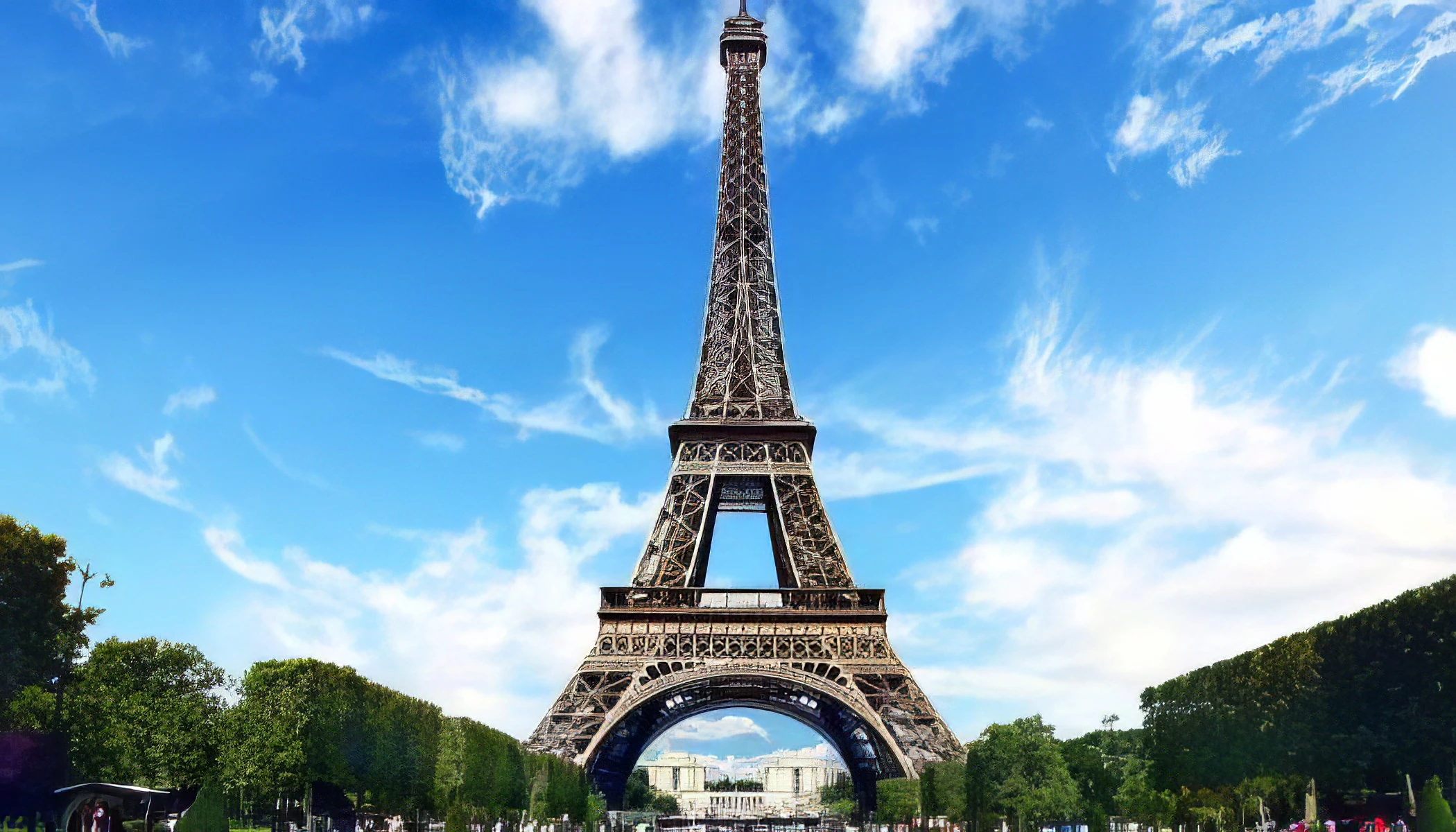
France is home to many renowned monuments and architectural wonders:
– Eiffel Tower, Paris: Iconic iron structure, symbol of France, offers panoramic views of Paris.
– Louvre Museum, Paris: World's largest art museum, former royal palace, houses Mona Lisa.
– Palace Of Versailles, Versailles: Opulent royal residence with grand gardens, Hall of Mirrors.
– Mont Saint-Michel, Normandy: Medieval abbey on an island, known for its dramatic tides.
– Notre-Dame Cathedral, Paris: Gothic masterpiece, famous for its architecture and history.
– Arc De Triomphe, Paris: Monument honoring those who fought for France, offers city views.
– Château de Chambord, Loir-et-Cher: Largest château in the Loire Valley, known for its French Renaissance architecture.
– Basilica of Sacré-Cœur, Paris: Roman Catholic church and minor basilica, located at the highest point in the city.
Natural wonder
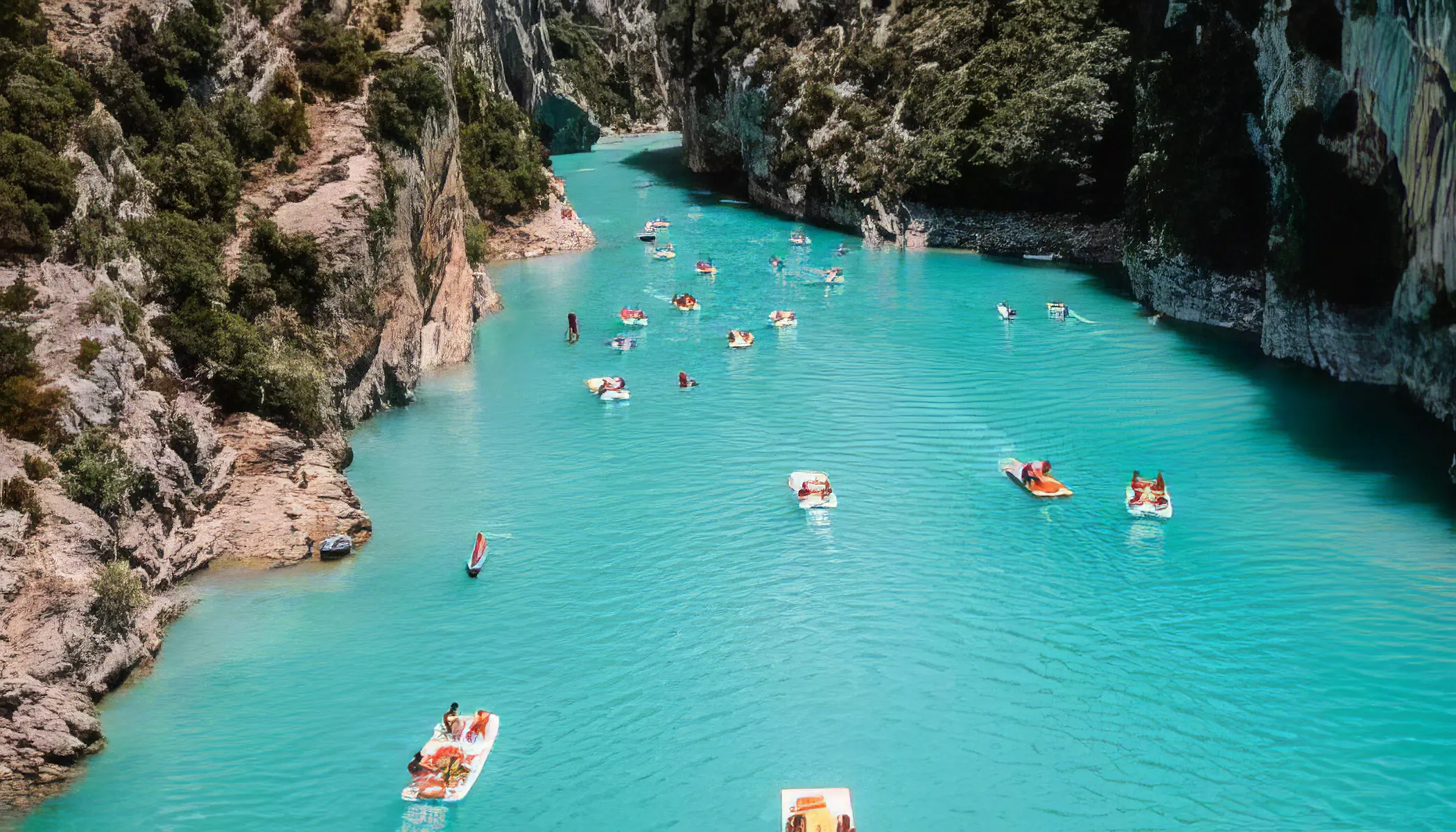
Explore the diverse natural beauty of France:
– Mont Blanc: Highest peak in Western Europe, popular for mountaineering and skiing.
– Gorges du Verdon: Europe's deepest canyon, known for its turquoise-green colour.
– Camargue: Unique wetland area, home to flamingos and wild horses.
– Dune of Pilat: Europe's tallest sand dune, offering panoramic views.
– Calanques National Park: Features dramatic limestone cliffs and crystal-clear waters.
– The French Alps: Known for their stunning mountain landscapes and outdoor activities.
– The Jura Mountains: Offers beautiful lakes, waterfalls, and hiking trails.
– The Loire Valley: Famous for its vineyards, fruit orchards, and artichoke fields.
– The Volcanoes of Auvergne: A chain of extinct volcanoes, ideal for hiking.
– The Cliffs of Étretat: Known for their natural arches and white chalk formations.
Beaches
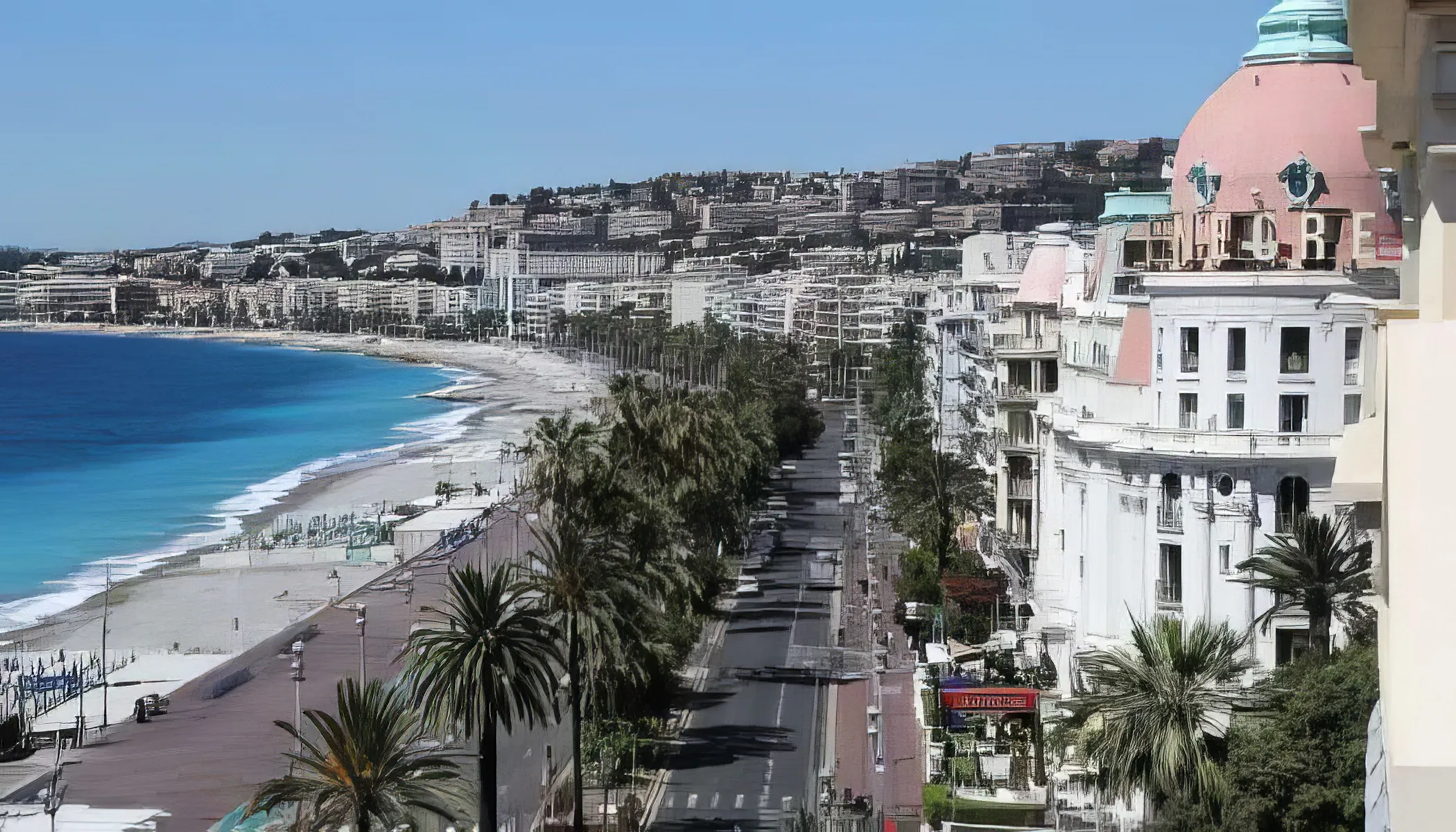
France is known for its diverse and beautiful coastlines. Here are some of the most popular beaches:
– Nice Beach: A pebble beach located in the heart of the French Riviera.
– Pampelonne Beach: Famous sandy beach in Saint-Tropez known for its upscale beach clubs.
– Paloma Beach: A picturesque beach in Saint-Jean-Cap-Ferrat, offering clear waters and stunning views.
– Deauville Beach: Known for its iconic colorful parasols and boardwalk in Normandy.
– Biarritz Beach: A popular surfing spot on the Basque coast.
– Plage de l'Almanarre: A long sandy beach in Hyères, perfect for windsurfing.
– Calanque d'En-Vau: A secluded pebble beach near Marseille, accessible by hiking or boat.
Outdoor activities
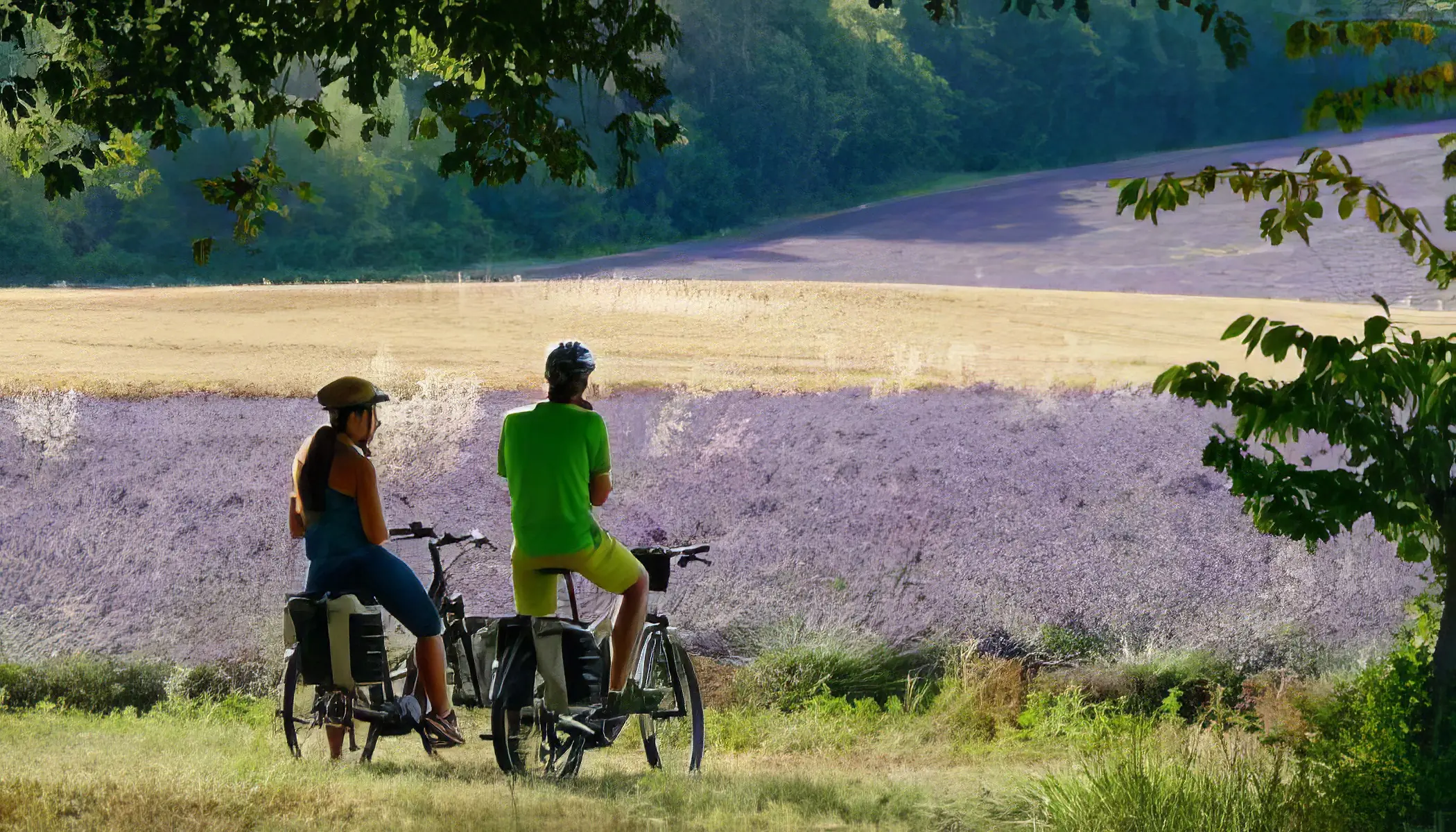
France offers a variety of outdoor experiences, from mountain adventures to coastal explorations:
– Hiking in the French Alps: Traverse high peaks and enjoy stunning vistas.
– Cycling in Loire Valley: Pedal past historic castles and vineyards.
– Skiing in Chamonix: Experience world-class slopes and snow-covered landscapes.
– Kayaking in the Gorges du Verdon: Paddle through Europe's deepest canyon.
– Sailing in the French Riviera: Enjoy the Mediterranean's azure waters and sunny climate.
– Horseback Riding in Camargue: Explore marshlands and spot flamingos and wild horses.
– Rock Climbing in Fontainebleau: Challenge yourself on renowned sandstone boulders.
Kid Friendly
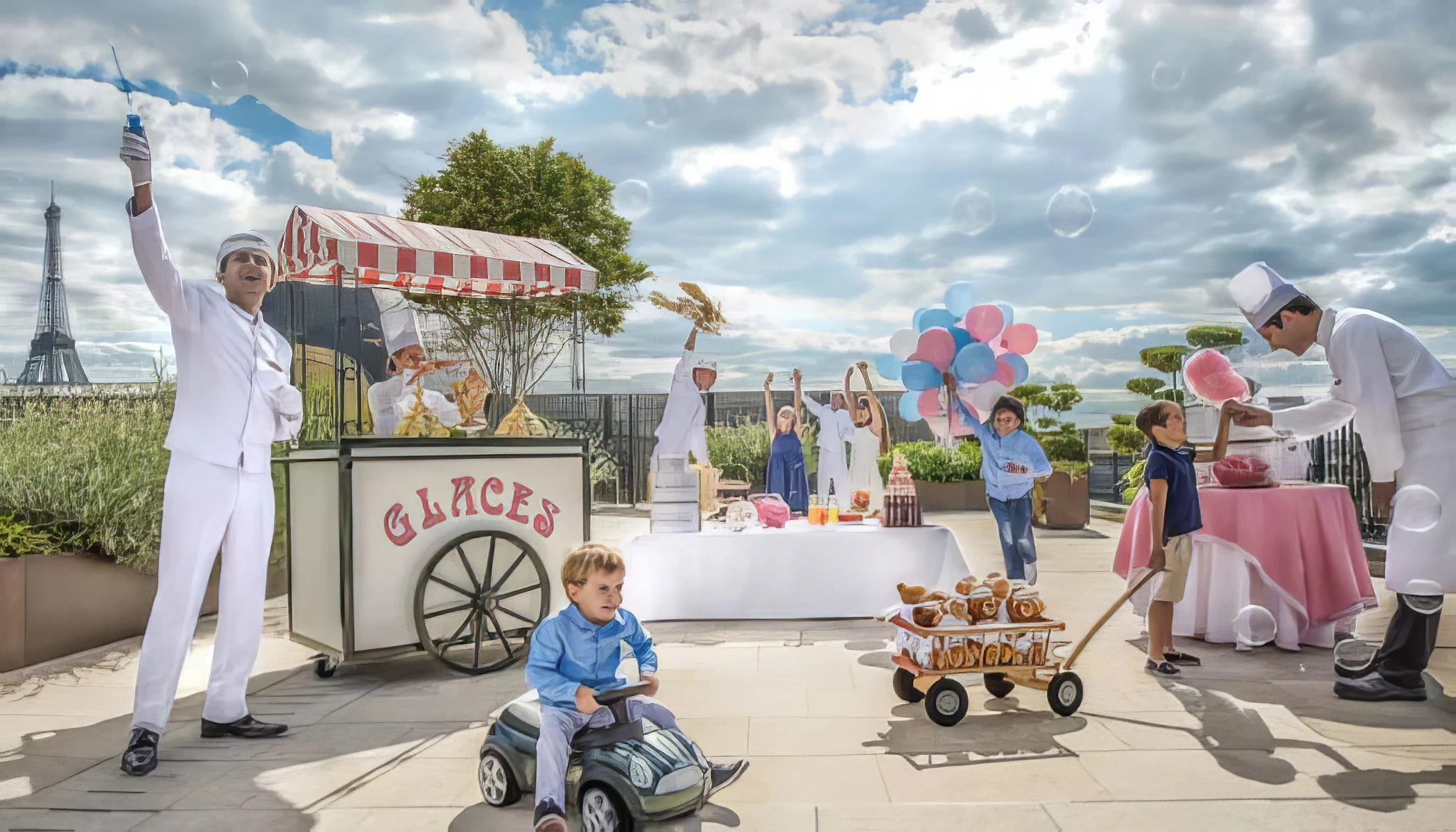
France offers a variety of activities that are perfect for children:
– Disneyland Paris: A world-renowned theme park with rides, shows, and beloved characters.
– Futuroscope: A futuristic theme park with 3D and 4D attractions.
– Puy Du Fou: A historical theme park with spectacular shows and reenactments.
– Grotte de Niaux: A prehistoric cave with ancient wall paintings.
– Mont Blanc Tramway: A scenic mountain railway offering stunning views.
– La Palmyre Zoo: A large zoo with a wide variety of animals.
– Vulcania: An educational amusement park focused on volcanoes.
– Les Machines de l'île: A unique artistic project with giant mechanical animals.
Cuisine
French cuisine is globally renowned for its quality ingredients, refined techniques, and diverse regional influences. It's characterized by its emphasis on fresh, seasonal produce and rich flavors. France's food scene is a blend of traditional bistros, patisseries, and Michelin-starred restaurants.
Famous French dishes and desserts include:
– Coq au Vin: Chicken slow-cooked with wine, lardons, mushrooms, and garlic.
– Bouillabaisse: A rich seafood stew from Marseille.
– Ratatouille: A vegetable stew from Provence, featuring eggplant, zucchini, bell peppers, and tomatoes.
– Quiche Lorraine: A savory pie with a filling of eggs, cream, and lardons.
– Crème Brûlée: A dessert consisting of a rich custard base topped with a layer of hardened caramelized sugar.
– Tarte Tatin: An upside-down tart with caramelized apples.
Souvenir

France is renowned for its luxury goods and artisan crafts. Here are some souvenirs you might want to consider:
– French Wine: France is famous for its wine, with many regions producing their own unique varieties.
– Perfume: France, particularly Paris, is known for its high-quality perfumes.
– French Cheese: France produces over 1,000 varieties of cheese, a tasty souvenir to bring home.
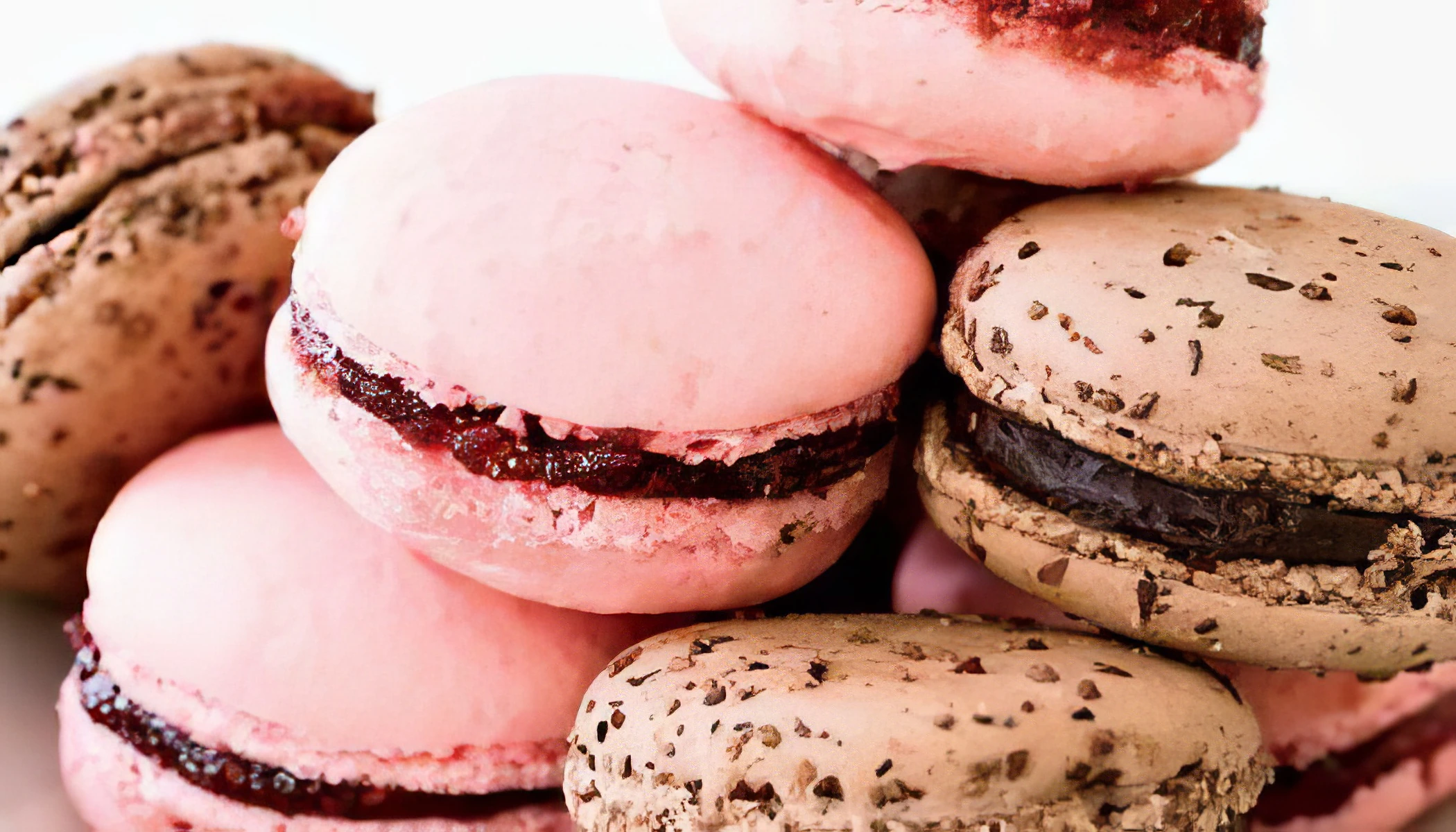
– Macarons: These colorful, sweet meringue-based confections are a popular French treat.
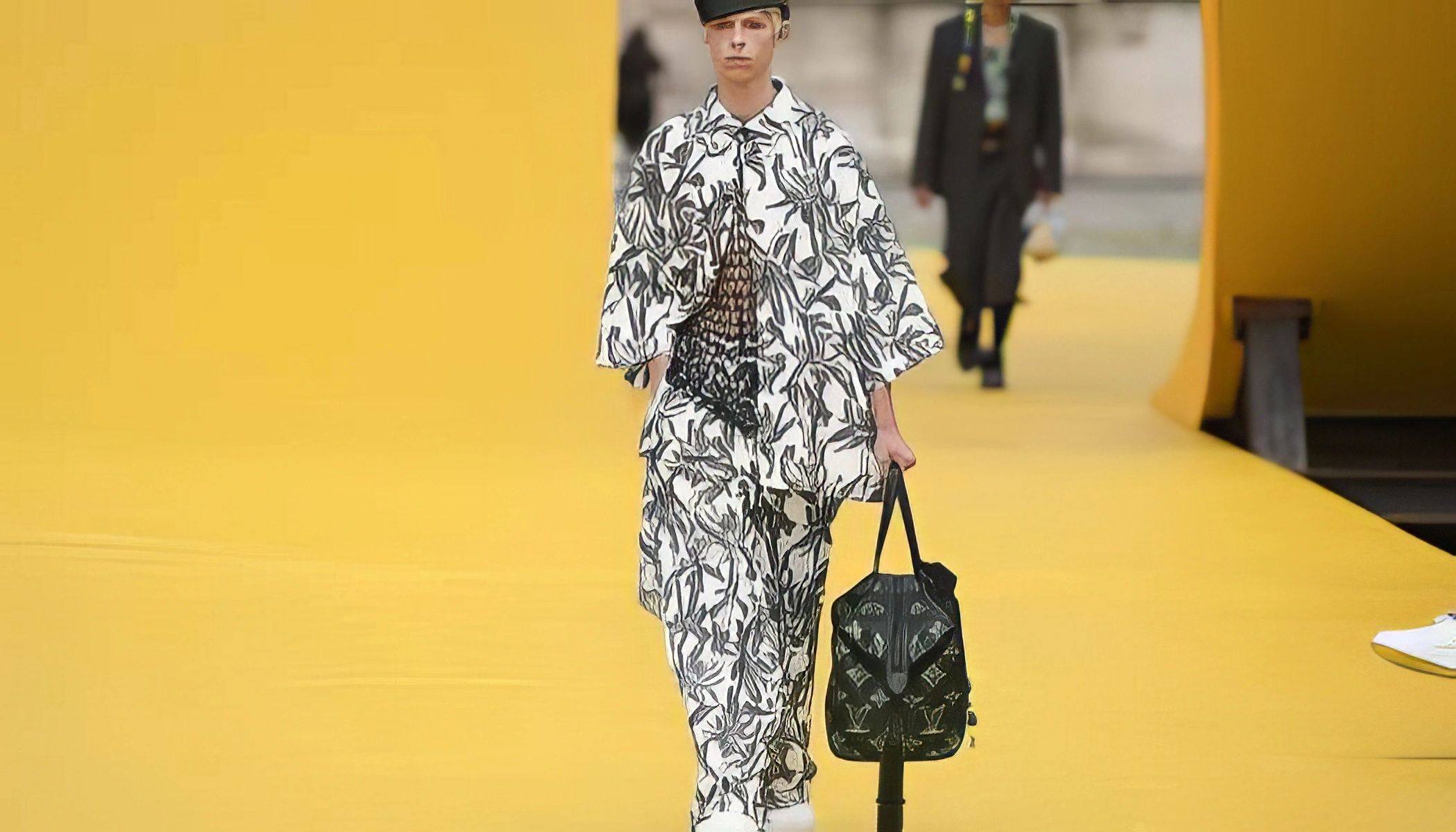
– French Fashion: France, especially Paris, is known for its fashion industry. Consider buying clothing or accessories.
– Lavender Products: Provence is famous for its lavender fields, and lavender products are popular souvenirs.
– Eiffel Tower Replicas: Small replicas of the Eiffel Tower are a classic souvenir from Paris.
Traditional Shows
France is renowned for its rich cultural heritage in music and performing arts:
– Paris Opera Ballet: Witness world-class ballet performances at Palais Garnier, Paris, a symbol of French elegance and refinement.
– Avignon Theatre Festival: Experience diverse theatrical performances in Avignon, a city known for its vibrant arts scene.
– Fête de la Musique: Join this nationwide music festival held every June 21st, celebrating music in various French cities.
– Moulin Rouge: Enjoy a cabaret show at Moulin Rouge in Paris, famous for its French Cancan dance.
– Festival Interceltique: Experience Celtic music and culture in Lorient, Brittany, a region with strong Celtic roots.
Events & Festivals
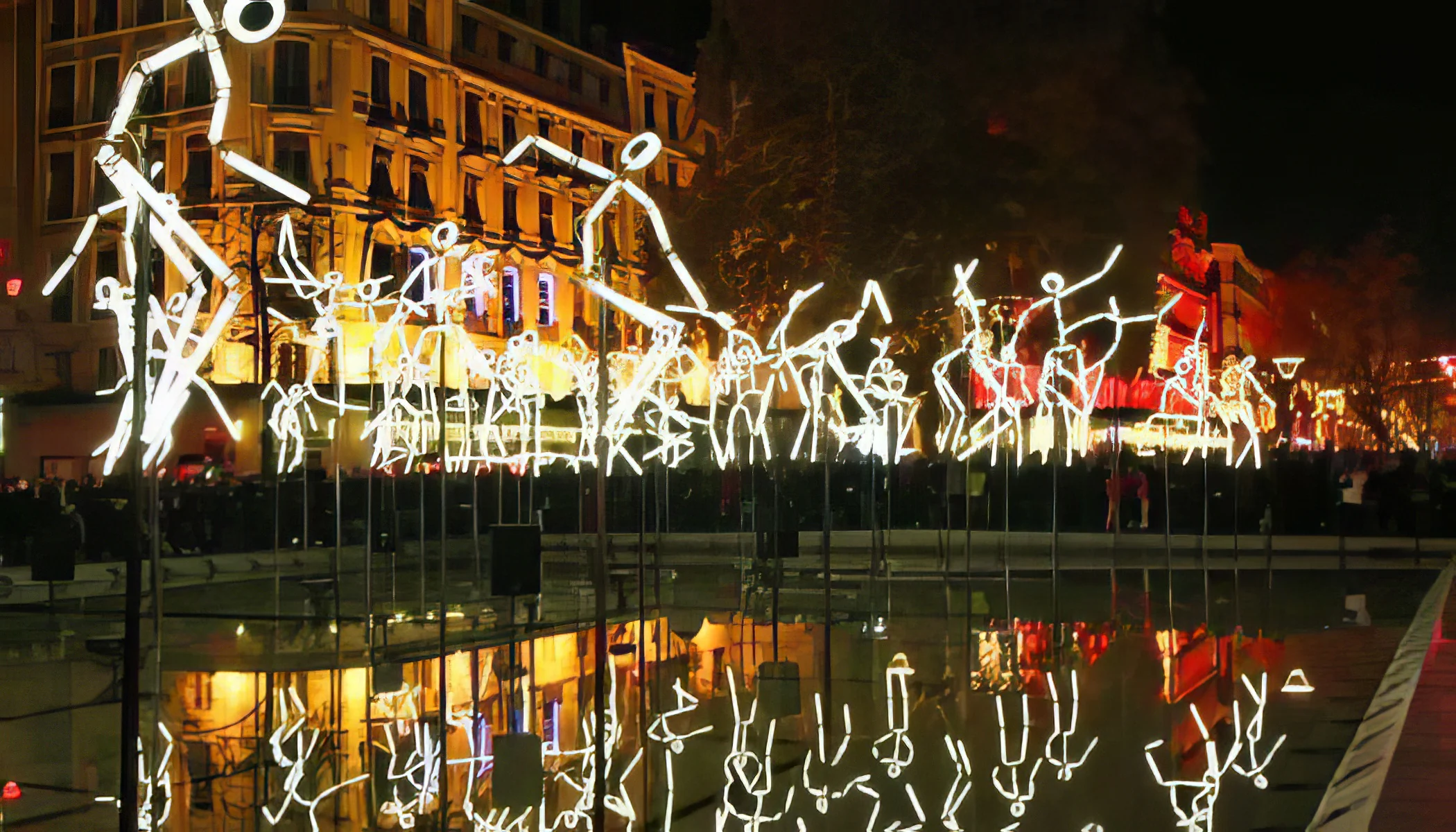
France, a country rich in culture, hosts several significant events and festivals each year:
– Fête de la Musique: A nationwide music festival on June 21, celebrating the summer solstice.
– Bastille Day: France's national day on July 14, marked by parades, fireworks, and parties.
– Tour de France: Annual multi-stage bicycle race throughout France in July.
– Cannes Film Festival: Prestigious film festival in May, attracting global cinema industry.
– Nice Carnival: February event with parades and flower battles on the French Riviera.
– Fête de la Gastronomie: Nationwide September event celebrating French cuisine.
– Nuit Blanche: October all-night arts festival in Paris.
Famous People
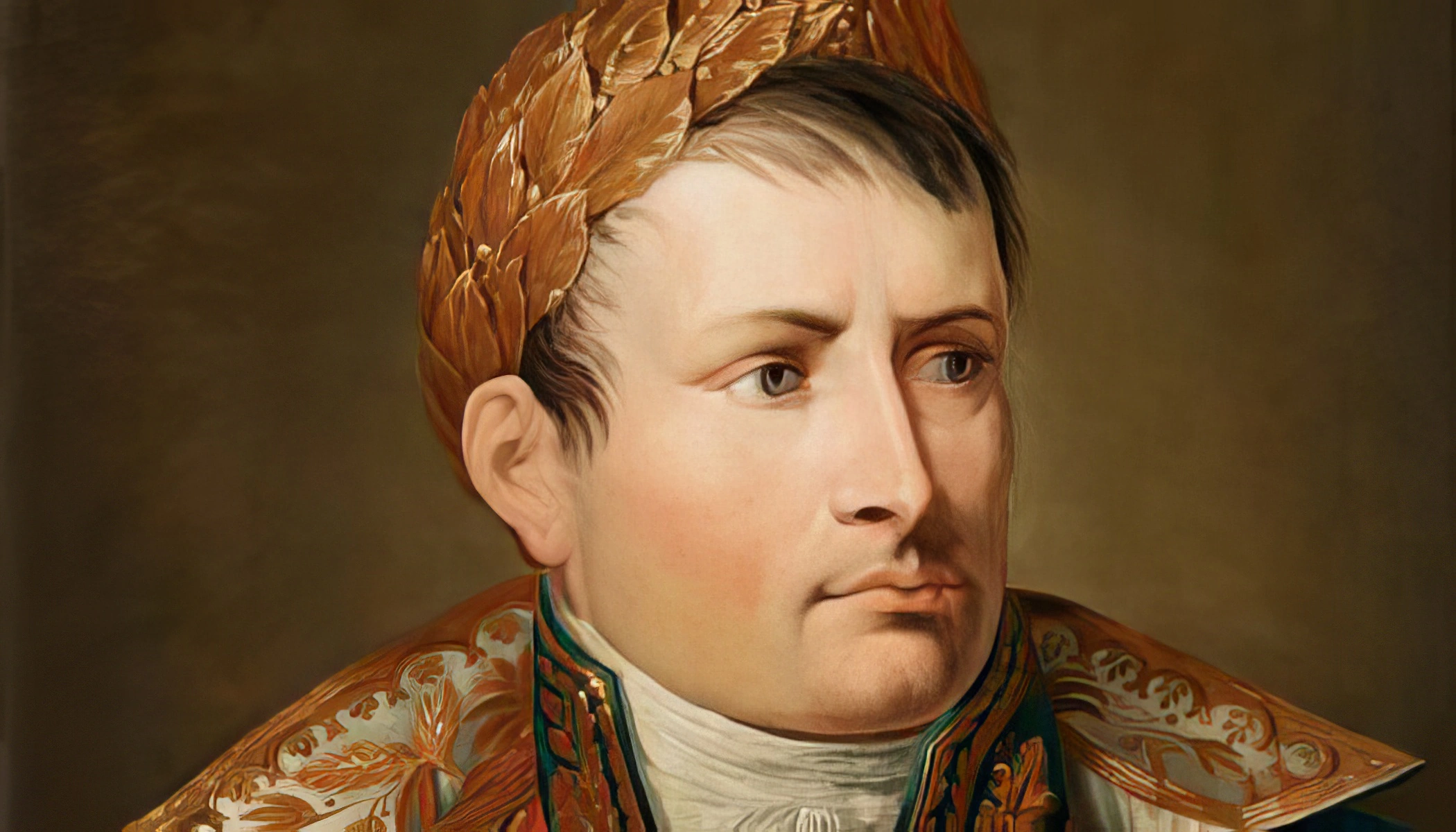
France has been the birthplace of many globally renowned figures in various fields.
– Napoleon Bonaparte (1769 to 1821, Corsica): Military and political leader who significantly influenced European history.
– Louis Pasteur (1822 to 1895, Dole): Scientist known for his breakthroughs in microbiology and the invention of pasteurization.
– Coco Chanel (1883 to 1971, Saumur): Fashion designer who revolutionized women's fashion and created the iconic Chanel brand.
– Victor Hugo (1802 to 1885, Besançon): Celebrated author and poet, best known for "Les Misérables" and "The Hunchback of Notre-Dame."
– Marie Curie (1867 to 1934, Warsaw, Poland but naturalized French): Physicist and chemist who conducted pioneering research on radioactivity.
Books

These books provide a rich exploration of French culture, history, and society through various lenses.
– "Les Misérables" by Victor Hugo: Epic tale of love, injustice, and redemption in 19th-century France.
– "The Hunchback of Notre-Dame" by Victor Hugo: Tragic love story set in medieval Paris.
– "A Moveable Feast" by Ernest Hemingway: Memoir of Hemingway's years as a struggling writer in Paris.
– "Madame Bovary" by Gustave Flaubert: A provincial woman's attempts to escape her boring life.
– "The Count of Monte Cristo" by Alexandre Dumas: A tale of revenge set in post-Napoleonic France.
Songs

These songs are emblematic of French culture, showcasing the country's rich musical history and diverse range of styles.
– La Vie en Rose: Edith Piaf's signature song, a global symbol of French chanson.
– Ne Me Quitte Pas: Jacques Brel's emotional plea, a classic of French music.
– Je t'aime… moi non plus: Controversial love song by Serge Gainsbourg and Jane Birkin.
– Formidable: A modern hit by Belgian singer Stromae, popular in France.
– Non, Je Ne Regrette Rien: Another iconic song by Edith Piaf, expressing no regrets.
– Le Poinçonneur des Lilas: Serge Gainsbourg's early hit about a Paris Métro worker.
Films
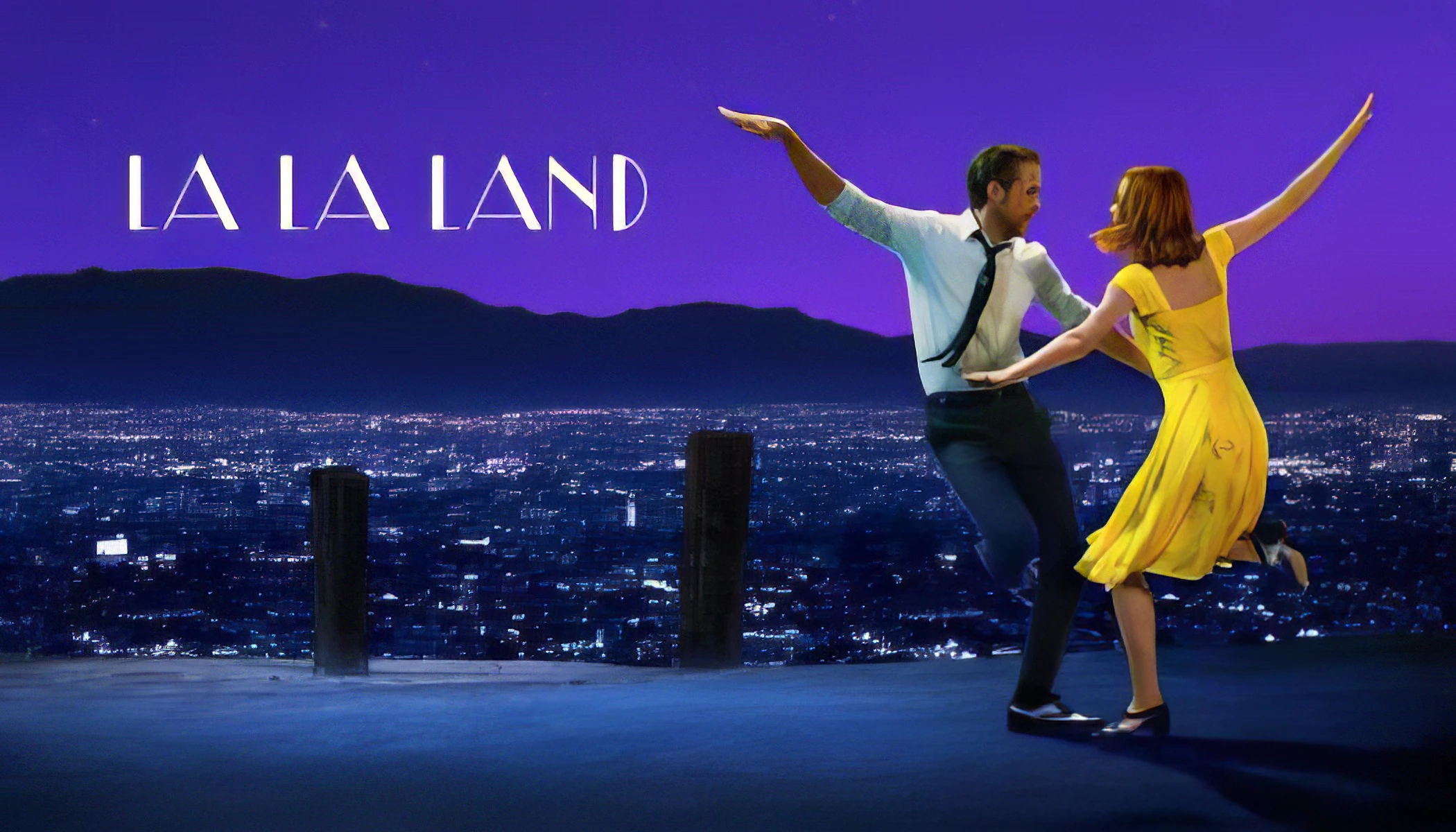
Immerse yourself in French culture and history with these iconic films:
– "Amélie": A whimsical portrayal of contemporary Parisian life through the eyes of a shy waitress.
– "The 400 Blows": François Truffaut's semi-autobiographical film about a misunderstood adolescent in Paris.
– "La Haine": A gritty depiction of racial and cultural tension in the Parisian suburbs.
– "Breathless": Jean-Luc Godard's groundbreaking film that helped launch the French New Wave.
– "Blue is the Warmest Color": A coming-of-age love story that explores sexuality and emotional growth in Lille, France.